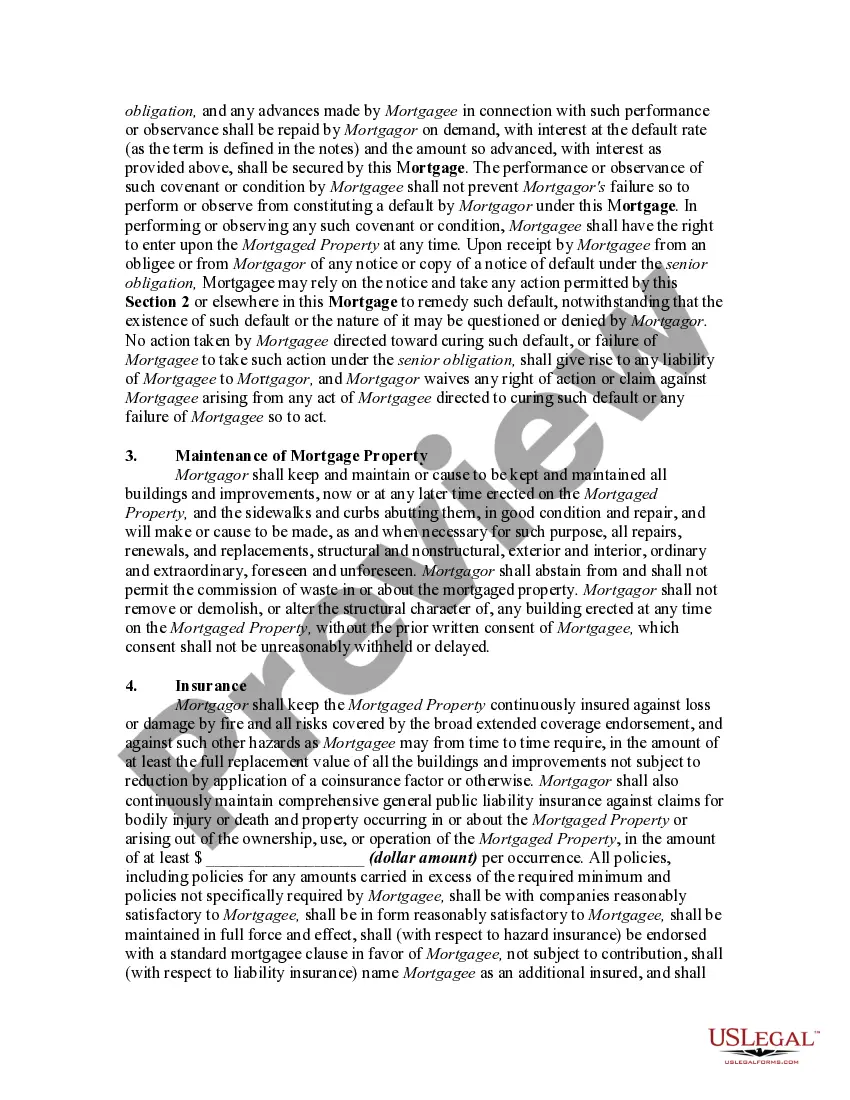
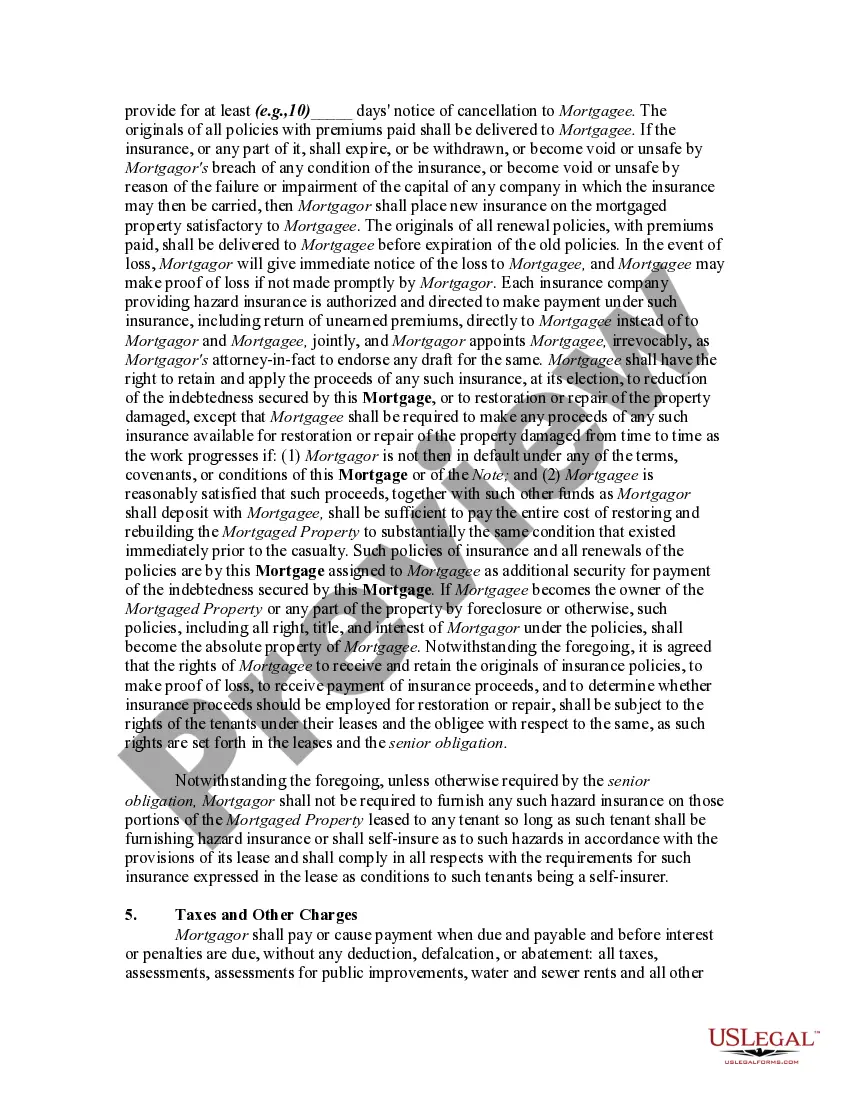
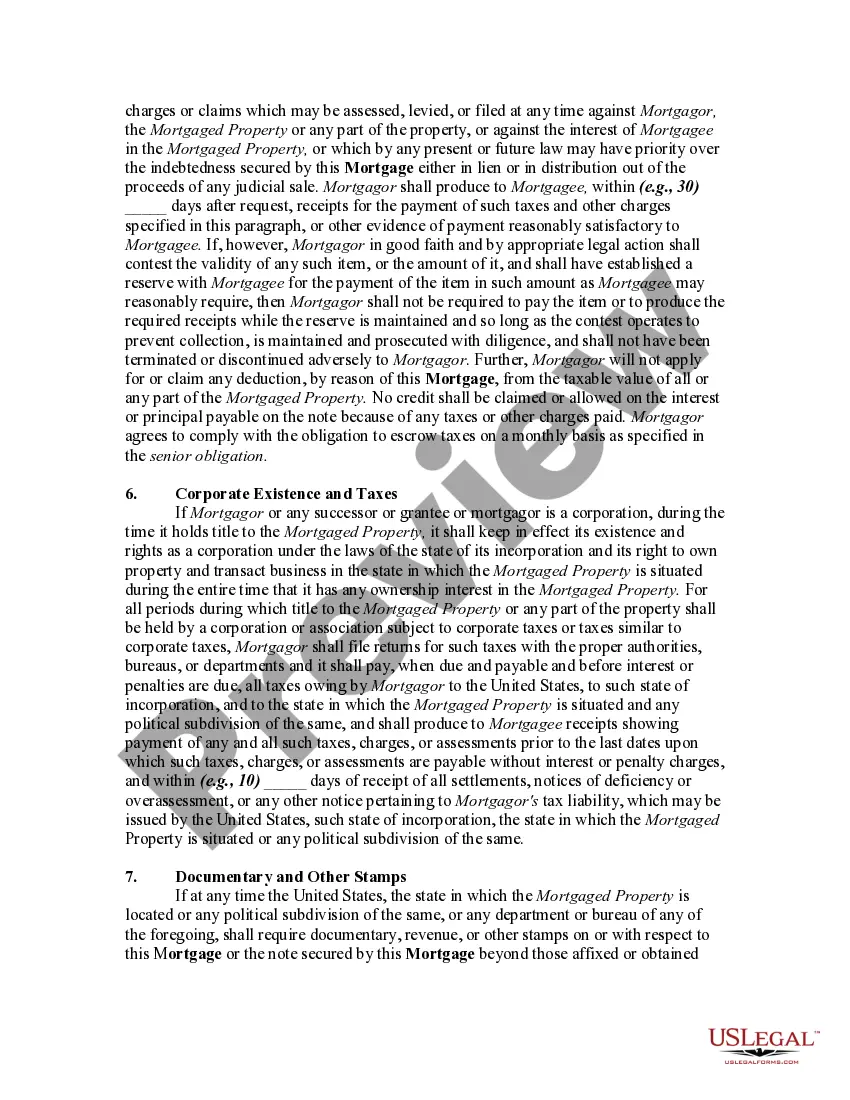
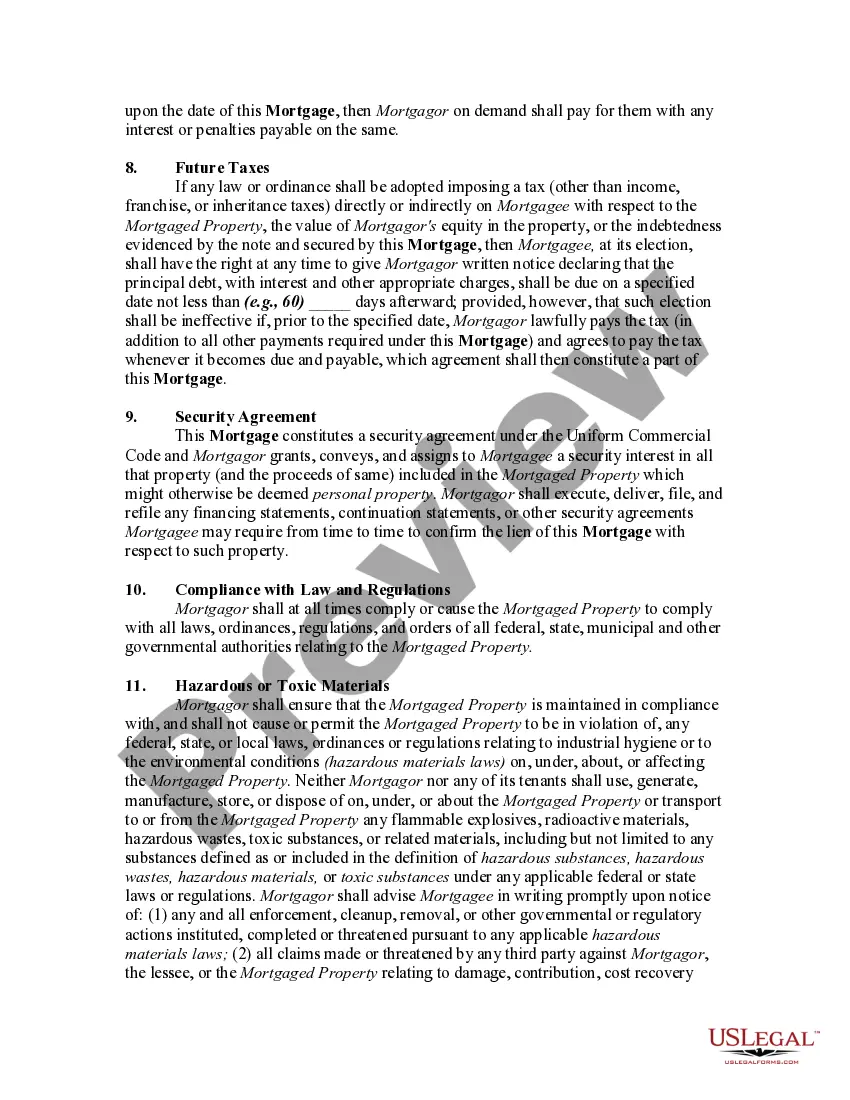
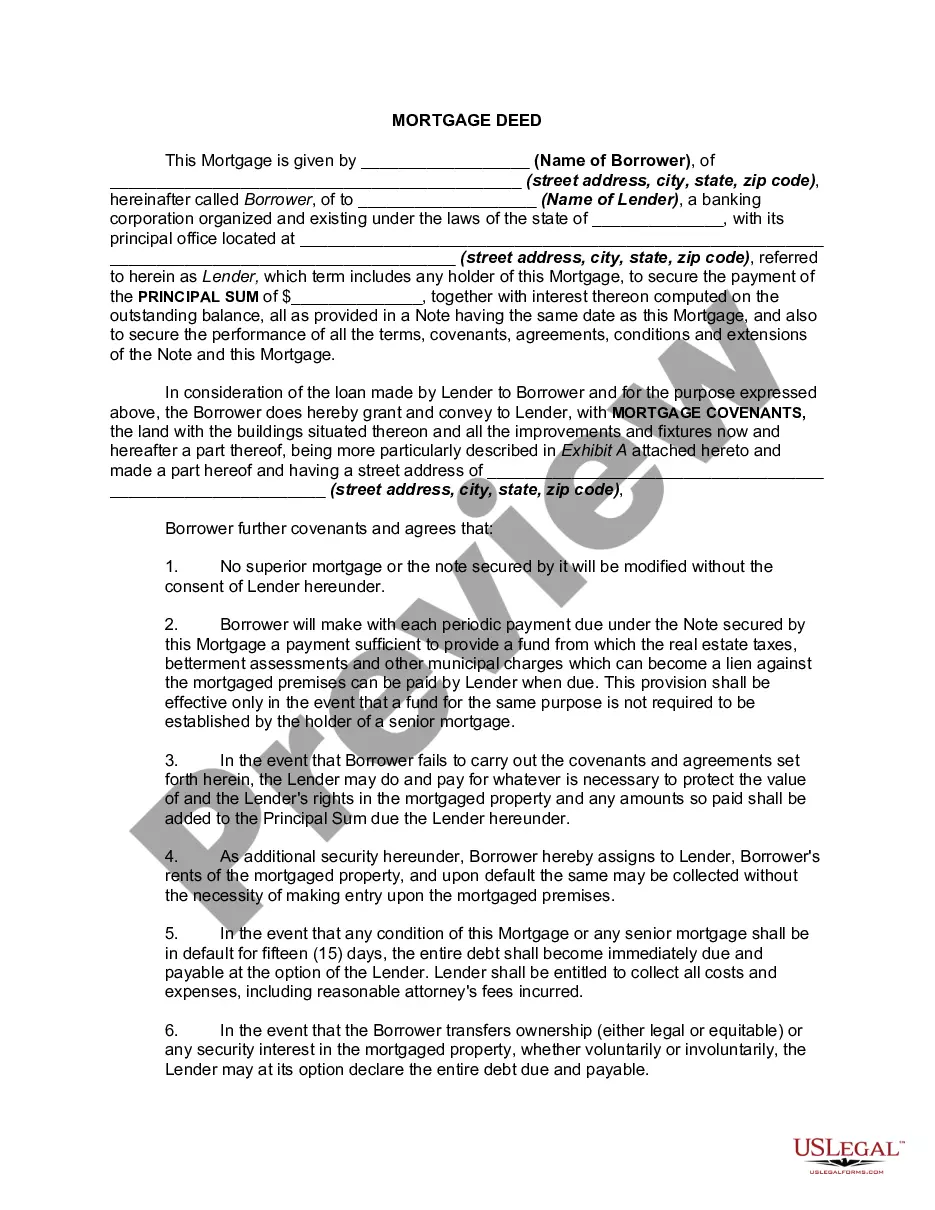
Wrap Around Mortgage Example
Description
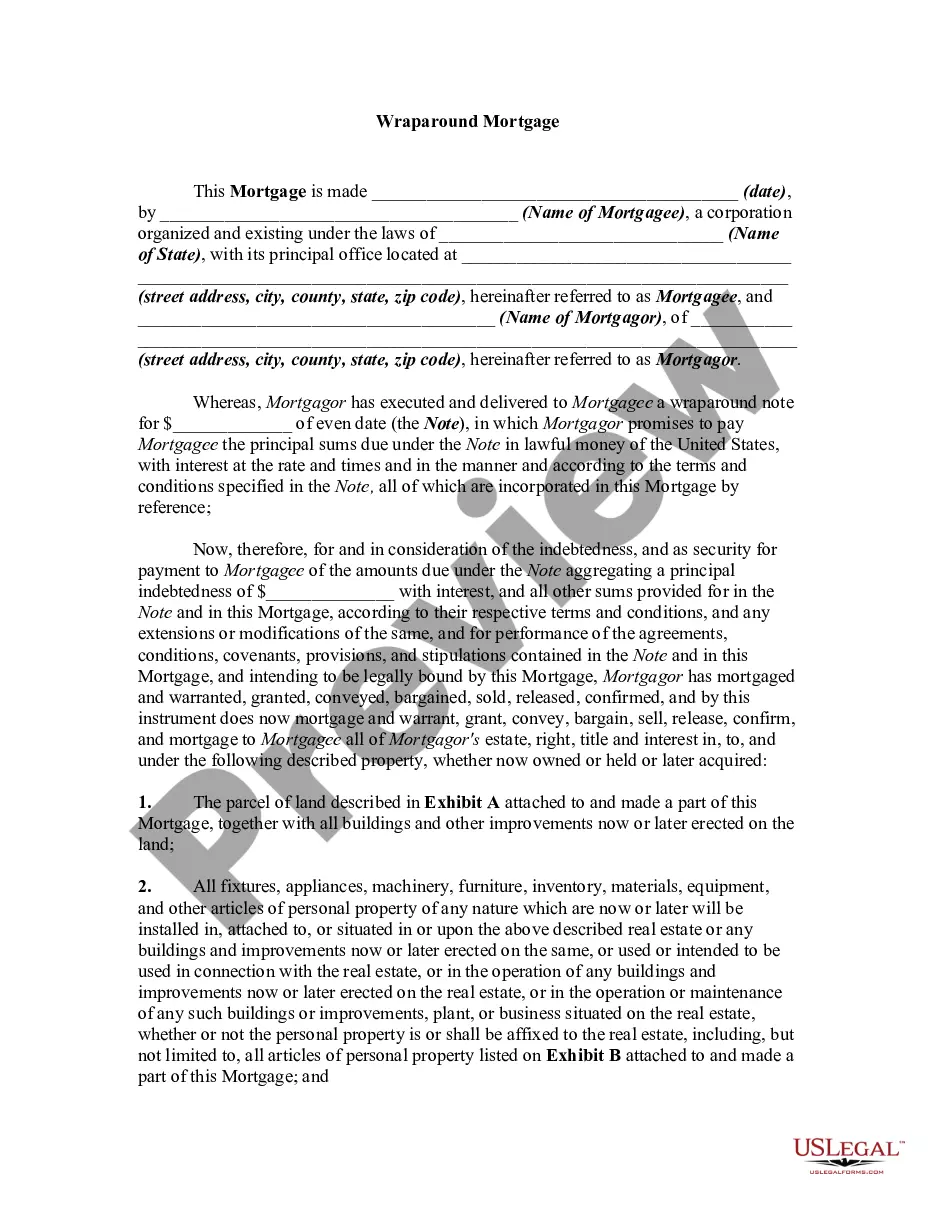
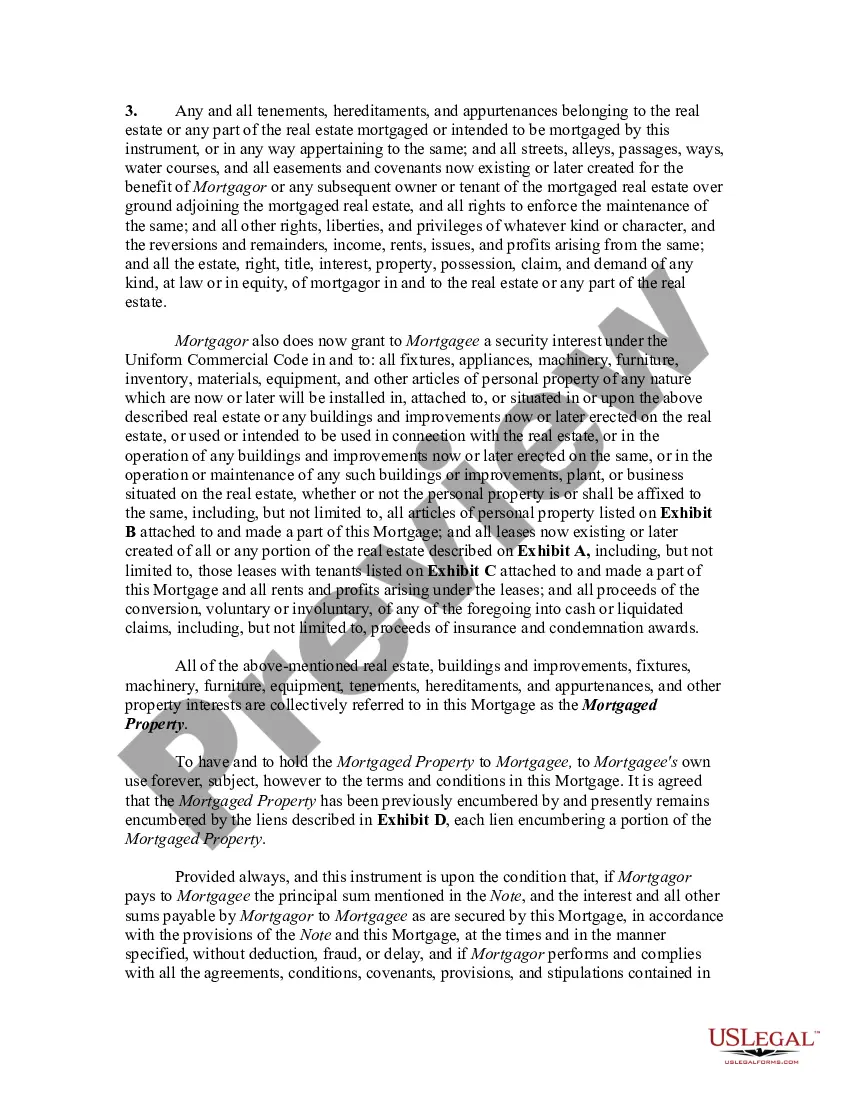
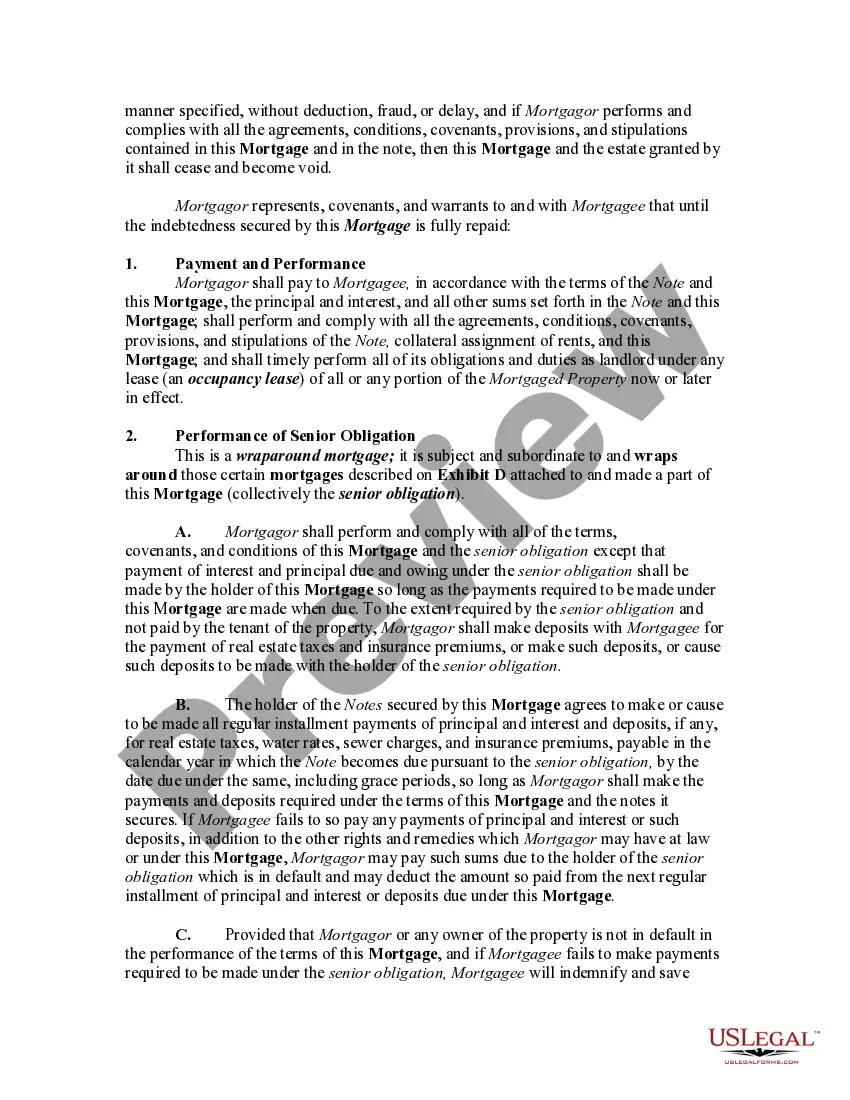
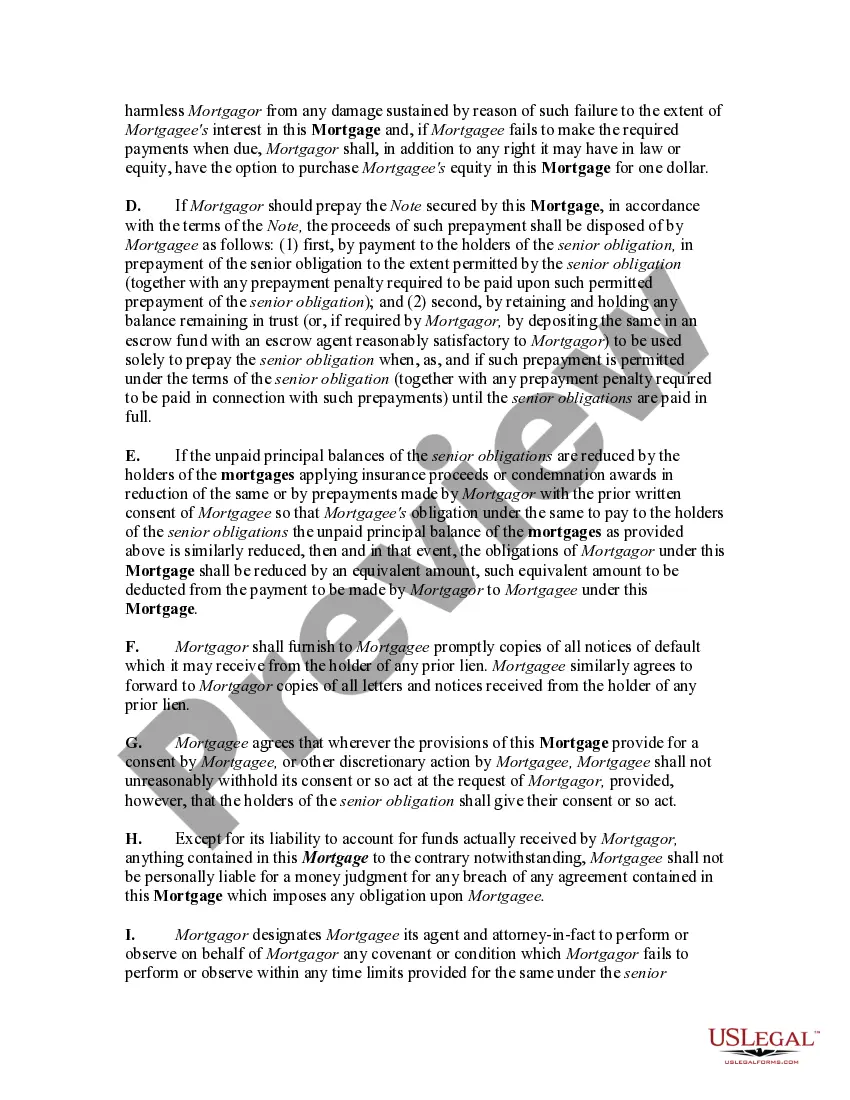
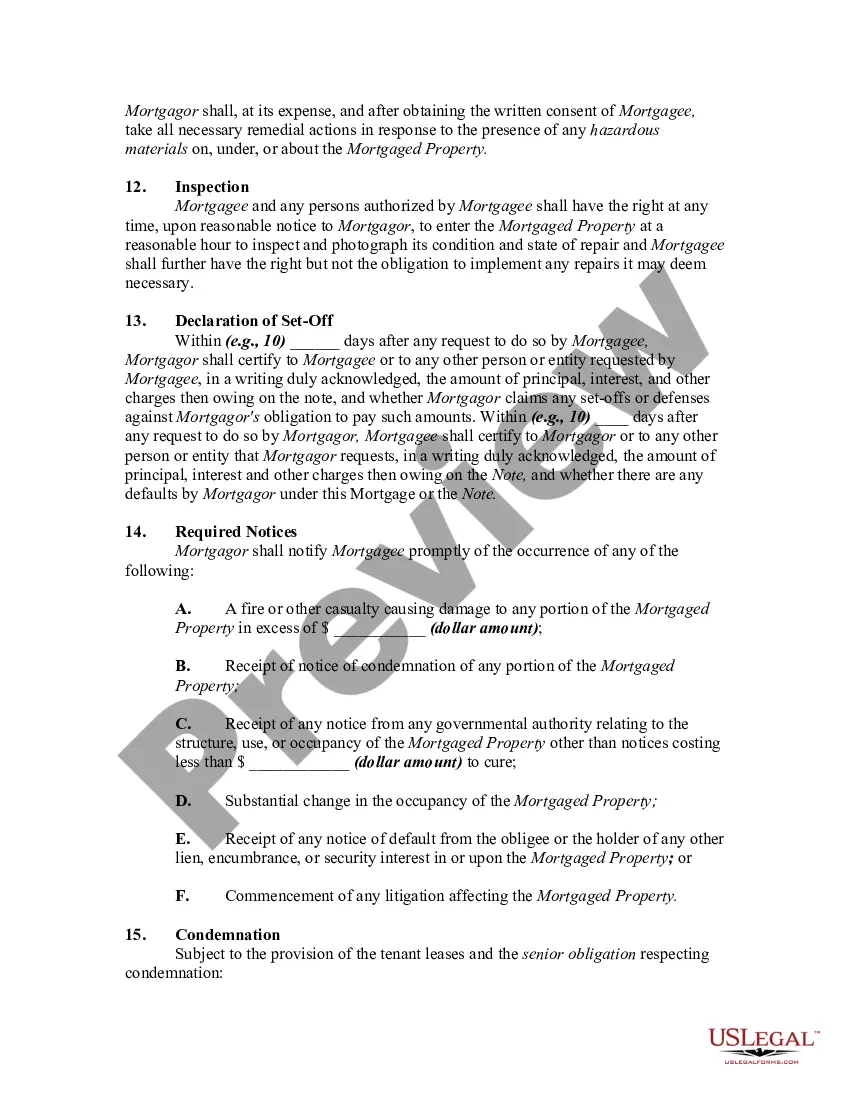
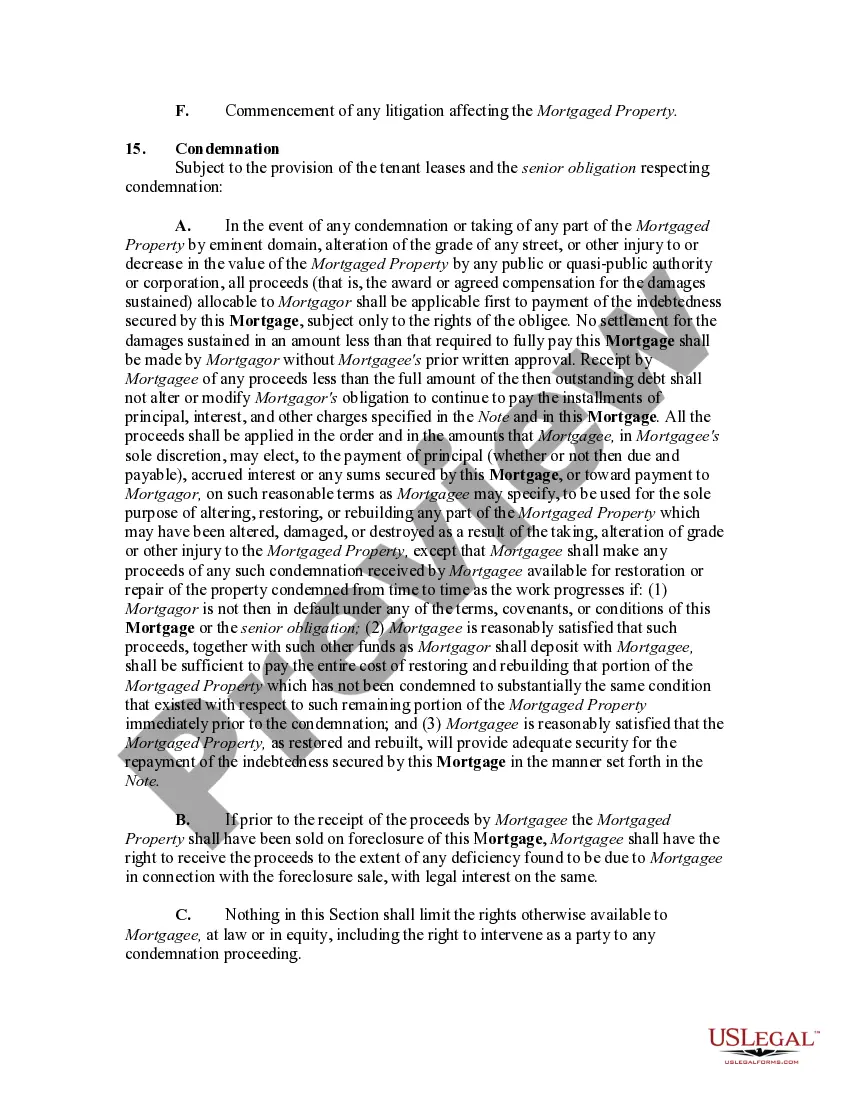

Get your form ready online
Our built-in tools help you complete, sign, share, and store your documents in one place.
Make edits, fill in missing information, and update formatting in US Legal Forms—just like you would in MS Word.
Download a copy, print it, send it by email, or mail it via USPS—whatever works best for your next step.
Sign and collect signatures with our SignNow integration. Send to multiple recipients, set reminders, and more. Go Premium to unlock E-Sign.
If this form requires notarization, complete it online through a secure video call—no need to meet a notary in person or wait for an appointment.
We protect your documents and personal data by following strict security and privacy standards.

Make edits, fill in missing information, and update formatting in US Legal Forms—just like you would in MS Word.

Download a copy, print it, send it by email, or mail it via USPS—whatever works best for your next step.

Sign and collect signatures with our SignNow integration. Send to multiple recipients, set reminders, and more. Go Premium to unlock E-Sign.

If this form requires notarization, complete it online through a secure video call—no need to meet a notary in person or wait for an appointment.

We protect your documents and personal data by following strict security and privacy standards.
Looking for another form?


How to fill out Wraparound Mortgage?
Managing legal documentation and activities can be an arduous addition to your daily routine.
Wrap Around Mortgage Sample and similar documents often necessitate that you search for them and figure out how to fill them out correctly.
As a result, if you are handling financial, legal, or personal issues, having a detailed and efficient online directory of forms at your disposal will be extremely beneficial.
US Legal Forms is the leading online platform for legal documents, offering over 85,000 state-specific templates and various resources to help you complete your paperwork swiftly.
Just Log In to your account, locate Wrap Around Mortgage Sample and obtain it instantly in the My documents section. You can also access previously downloaded documents.
- Explore the collection of relevant documents available to you with just a single click.
- US Legal Forms grants you state- and county-specific forms accessible at any time for download.
- Protect your document management procedures with top-notch support that enables you to prepare any form in minutes without any extra or hidden charges.
Form popularity
FAQ
In lien theory states, the borrower holds the title to the mortgaged property. The lender, however, has a claim against that property through a lien. This means that while you own your home, the lender can intervene if mortgage payments are not made. A wrap around mortgage example can provide additional arrangements, allowing for a unique buyer-seller relationship.
No, the mortgage company does not hold title to your home. You maintain ownership of the property, even while the mortgage is active. The mortgage company has a secured interest in the property through a lien, allowing them to reclaim the home if payments are not made. In a wrap around mortgage example, the dynamic changes slightly, as the seller may remain partially involved in the financial arrangement.
In the case of a mortgage, you, as the borrower, generally hold the title to your house. However, the mortgage lender holds a lien against the property. This means that if you fail to repay the mortgage, the lender can take possession of your home. A wrap around mortgage example illustrates how the original seller can also retain some rights to the property, providing flexibility.
To set up a wrap-around mortgage, both parties should first negotiate and agree on terms for the financing. Next, document the agreement clearly, including payment amounts and timelines. You can utilize resources like USLegalForms to access templates and ensure you cover all essential elements. Working with a lawyer to finalize the agreement also helps protect both parties and ensures compliance with local laws.
A wraparound mortgage can be beneficial under the right circumstances. It offers flexibility and may provide better terms than traditional loans. However, evaluate the risks involved, like potential complications with the original mortgage. Always perform due diligence and possibly consult a financial advisor to determine if this option aligns with your financial goals.
around service example may involve a real estate attorney facilitating the agreement between the buyer and seller. This service ensures all legal aspects are handled correctly to prevent future complications. Additionally, platforms like USLegalForms provide templates and resources for drafting wraparound mortgage agreements. Using these resources can streamline the process and reduce the chances of errors.
In a wrap-around mortgage, the seller typically retains the title to the property while the buyer makes payments. The ownership must be documented clearly in the contract to prevent complications. This arrangement benefits the seller, as they can keep responsibility for the original mortgage. However, it's crucial for both parties to understand their rights and obligations in this setup.
Yes, some banks may allow wrap-around mortgages, but it often depends on their policies and the borrower's situation. Typically, wrap-around mortgages involve private lenders or sellers willing to carry financing. In these situations, borrowers benefit from flexible terms and less stringent requirements. Therefore, exploring different financing routes, including banks and private lenders, is essential for finding the best option.