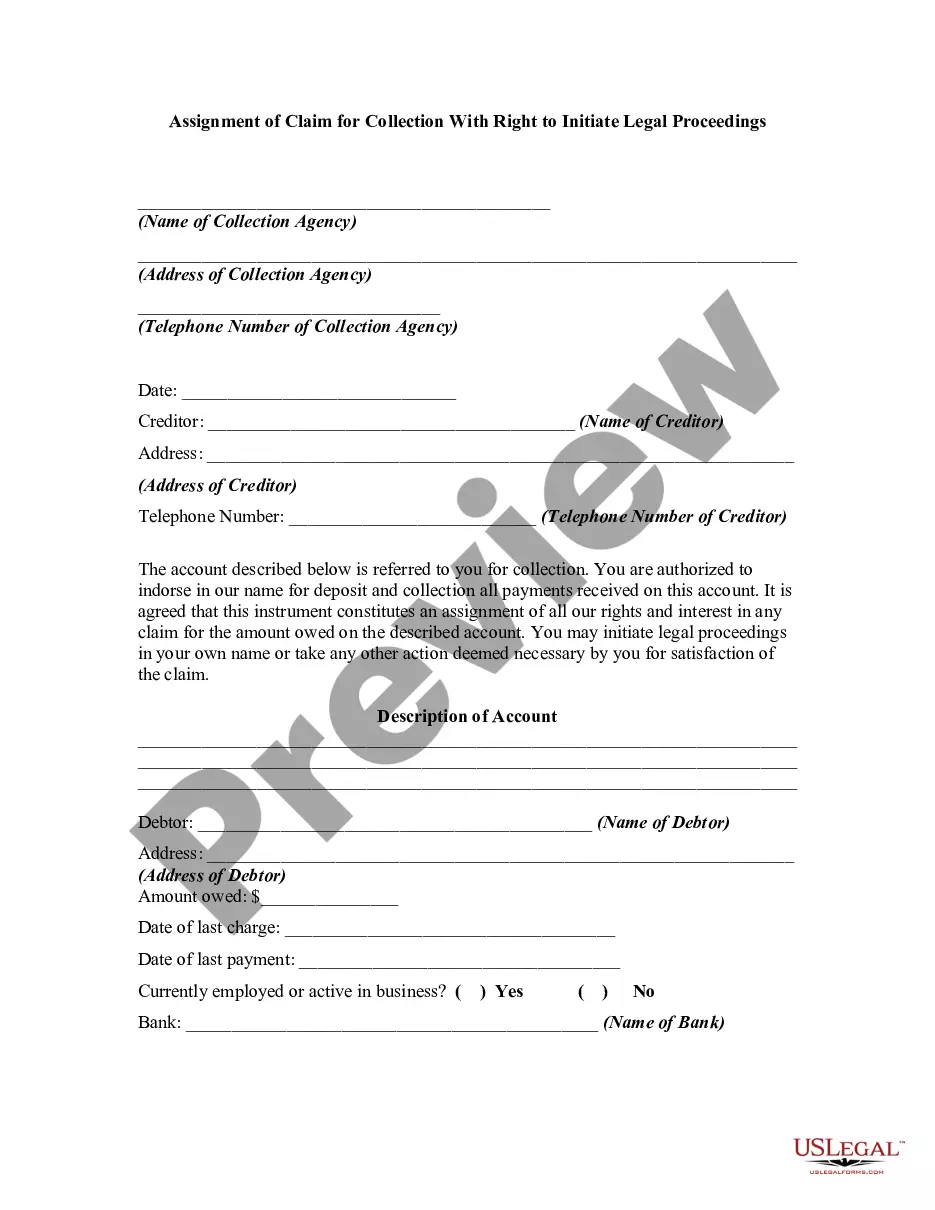
Assignment Claim Legal Without A Lawyer
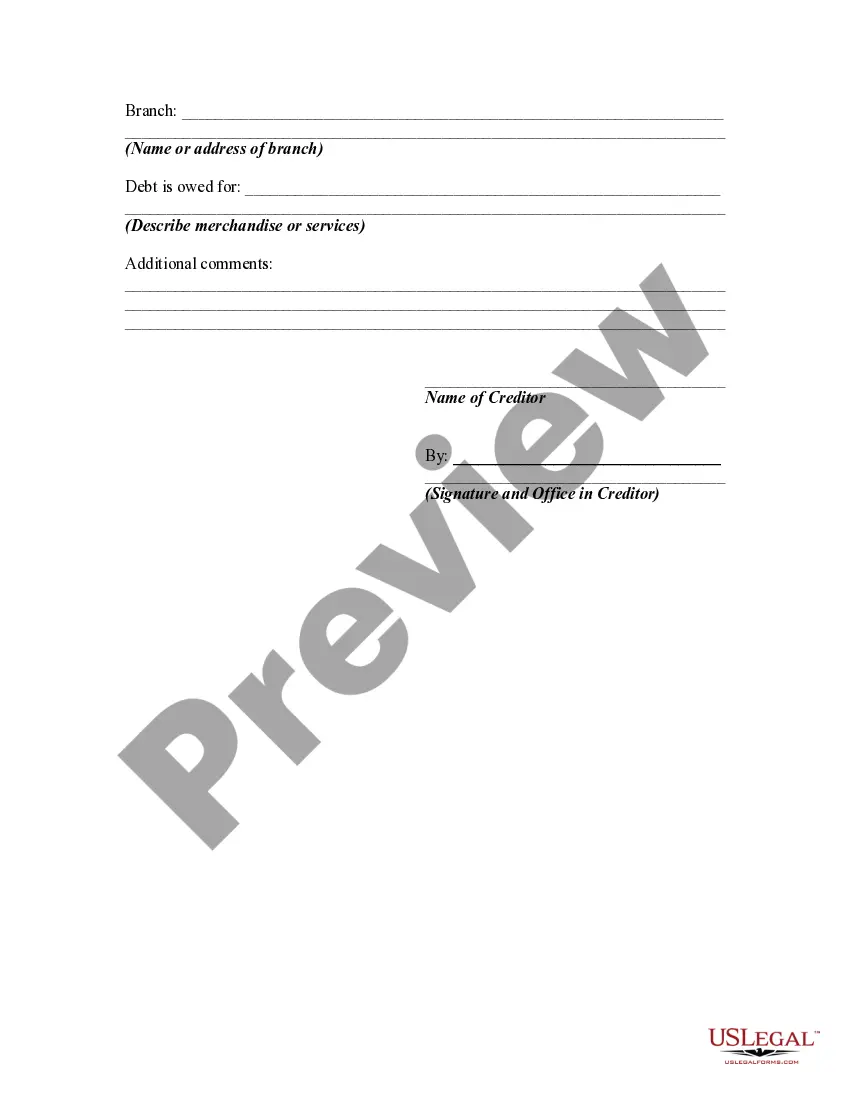
Description
Get your form ready online
Our built-in tools help you complete, sign, share, and store your documents in one place.
Make edits, fill in missing information, and update formatting in US Legal Forms—just like you would in MS Word.
Download a copy, print it, send it by email, or mail it via USPS—whatever works best for your next step.
Sign and collect signatures with our SignNow integration. Send to multiple recipients, set reminders, and more. Go Premium to unlock E-Sign.
If this form requires notarization, complete it online through a secure video call—no need to meet a notary in person or wait for an appointment.
We protect your documents and personal data by following strict security and privacy standards.

Make edits, fill in missing information, and update formatting in US Legal Forms—just like you would in MS Word.

Download a copy, print it, send it by email, or mail it via USPS—whatever works best for your next step.

Sign and collect signatures with our SignNow integration. Send to multiple recipients, set reminders, and more. Go Premium to unlock E-Sign.

If this form requires notarization, complete it online through a secure video call—no need to meet a notary in person or wait for an appointment.

We protect your documents and personal data by following strict security and privacy standards.
Looking for another form?









How to fill out Assignment Of Claim For Collection With Right To Initiate Legal Proceedings?
It’s well known that you cannot become a legal authority instantly, nor can you understand how to swiftly draft Assignment Claim Legal Without A Lawyer without possessing a specialized education.
Assembling legal documents is a lengthy process that demands a specific level of education and expertise. So why not entrust the preparation of the Assignment Claim Legal Without A Lawyer to the professionals.
With US Legal Forms, one of the most extensive collections of legal templates, you can discover everything from court documents to templates for internal corporate correspondence. We recognize how vital compliance and adherence to both federal and local regulations are. Hence, on our platform, all templates are location-specific and current.
You can access your forms again from the My documents tab at any moment. If you’re a current client, you can simply Log In, and find and download the template from the same tab.
Regardless of the intent of your documents—whether financial and legal, or personal—our platform has you covered. Give US Legal Forms a try today!
- Locate the document you require using the search bar at the top of the webpage.
- Preview it (if this option is available) and review the accompanying description to determine if Assignment Claim Legal Without A Lawyer is what you’re looking for.
- If you need a different template, start your search again.
- Create a free account and select a subscription option to acquire the form.
- Click Buy now. After the payment is processed, you can download the Assignment Claim Legal Without A Lawyer, fill it out, print it, and send it or post it to the designated individuals or organizations.
Form popularity
FAQ
Laws & Requirements Signing Requirements § 66-24-101: A Tennessee quitclaim deed requires a written and signed grantor agreement. It must also include either two witnesses or acknowledgment by a notary or officials, especially when transferring property between unrelated parties.
Question: What are the stages of civil litigation? Rustin: There are five general stages of a civil court case: pleadings, discovery, motions, trial and possibly appeals.
Answering the lawsuit can be as simple as drafting a document and writing 'admit' or 'deny' or ?without knowledge? in correlation to each numbered paragraph in the summons. Your answer to the lawsuit must address every allegation individually.
Timeline of How to File a Lawsuit Step 1: File a Complaint. Plaintiff files a complaint and summons with the local county court. ... Step 2: Answer Complaint. ... Step 3: Discovery. ... Step 4: Failing to Respond to Discovery. ... Step 5: Conclusion of Lawsuit.
The first step of a civil lawsuit involves the plaintiff filing a 'complaint,' a legal document that outlines the basics of the case. The complaint accuses the defendant of wrongdoing and attempts to lay out the case. The complaint is then filed with the court.