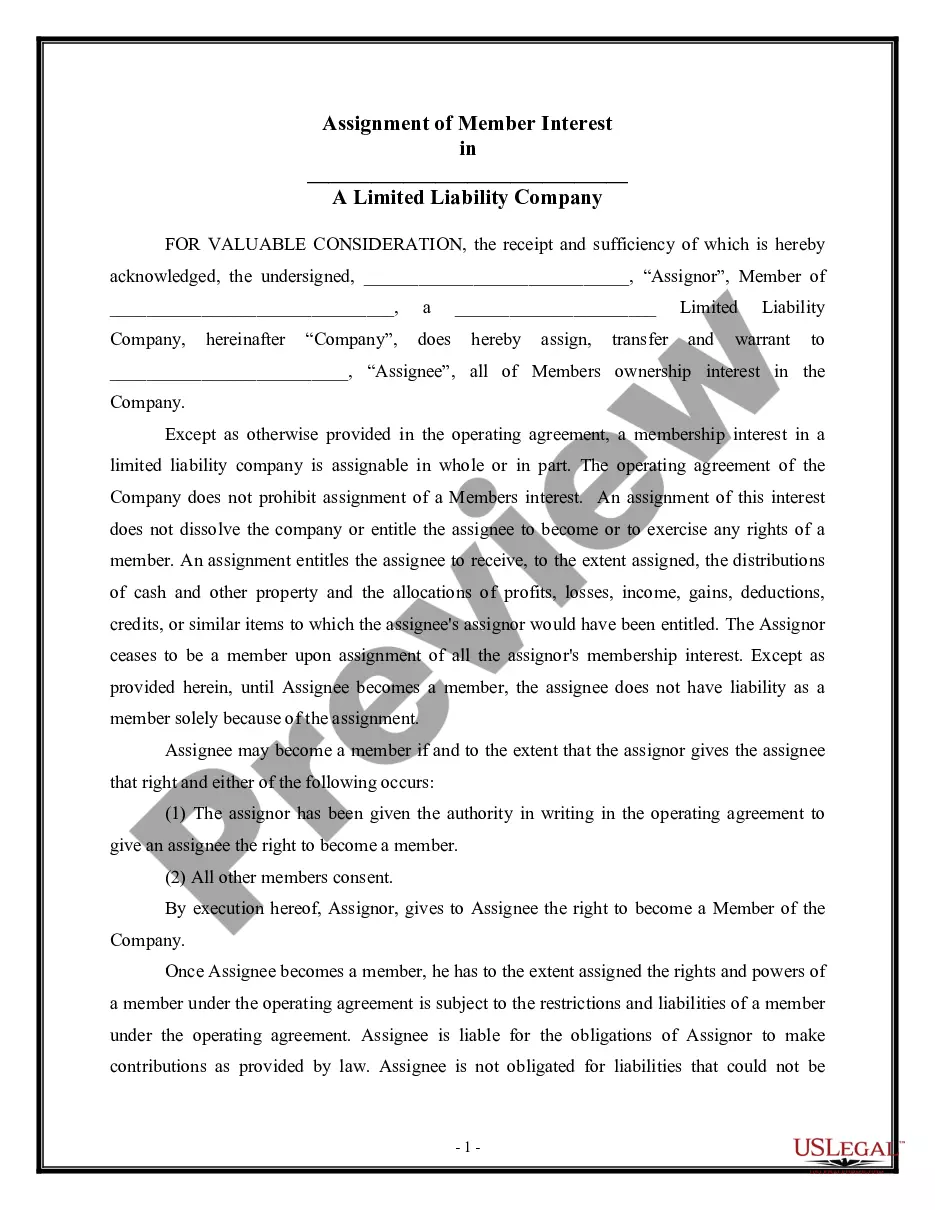
Ownership Interest In Llc
Description
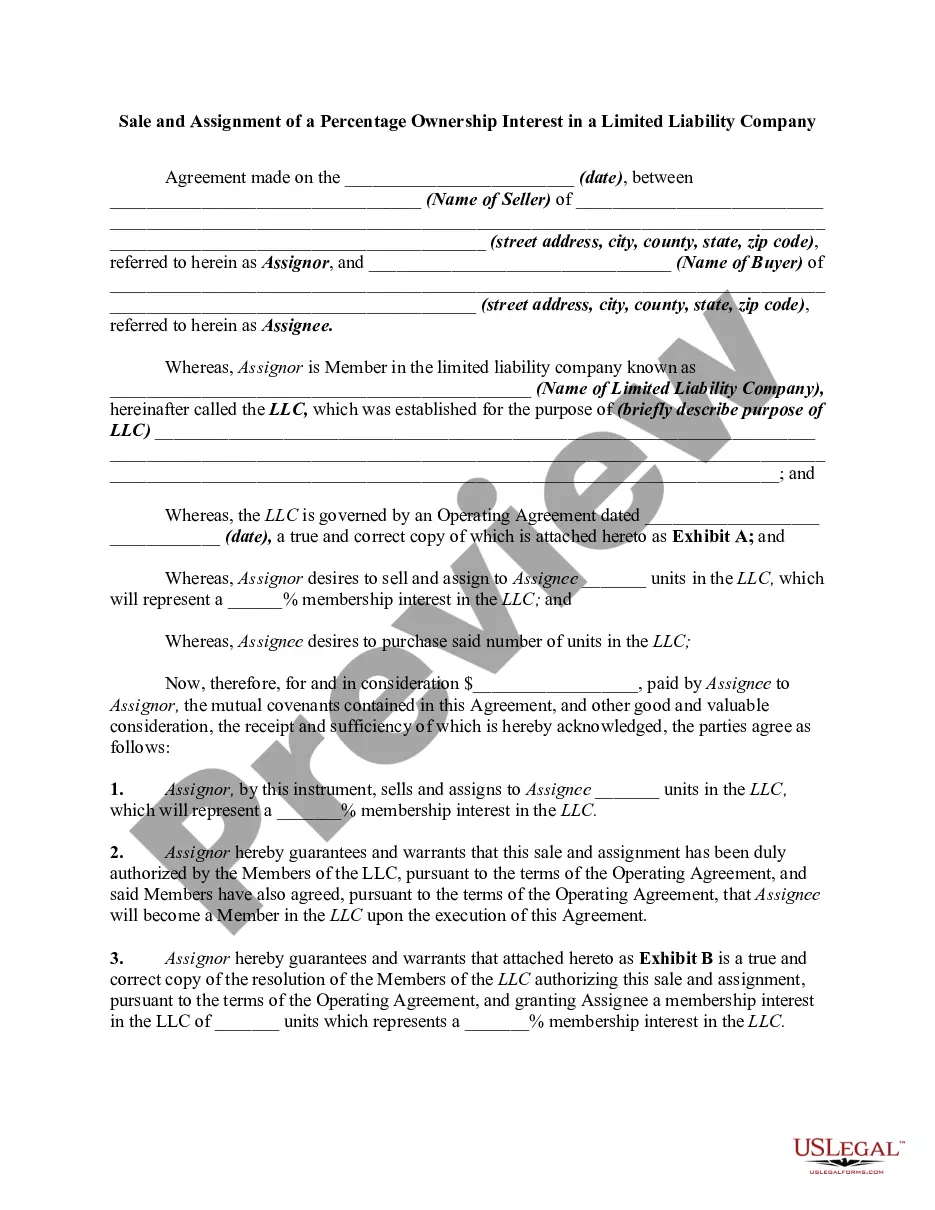
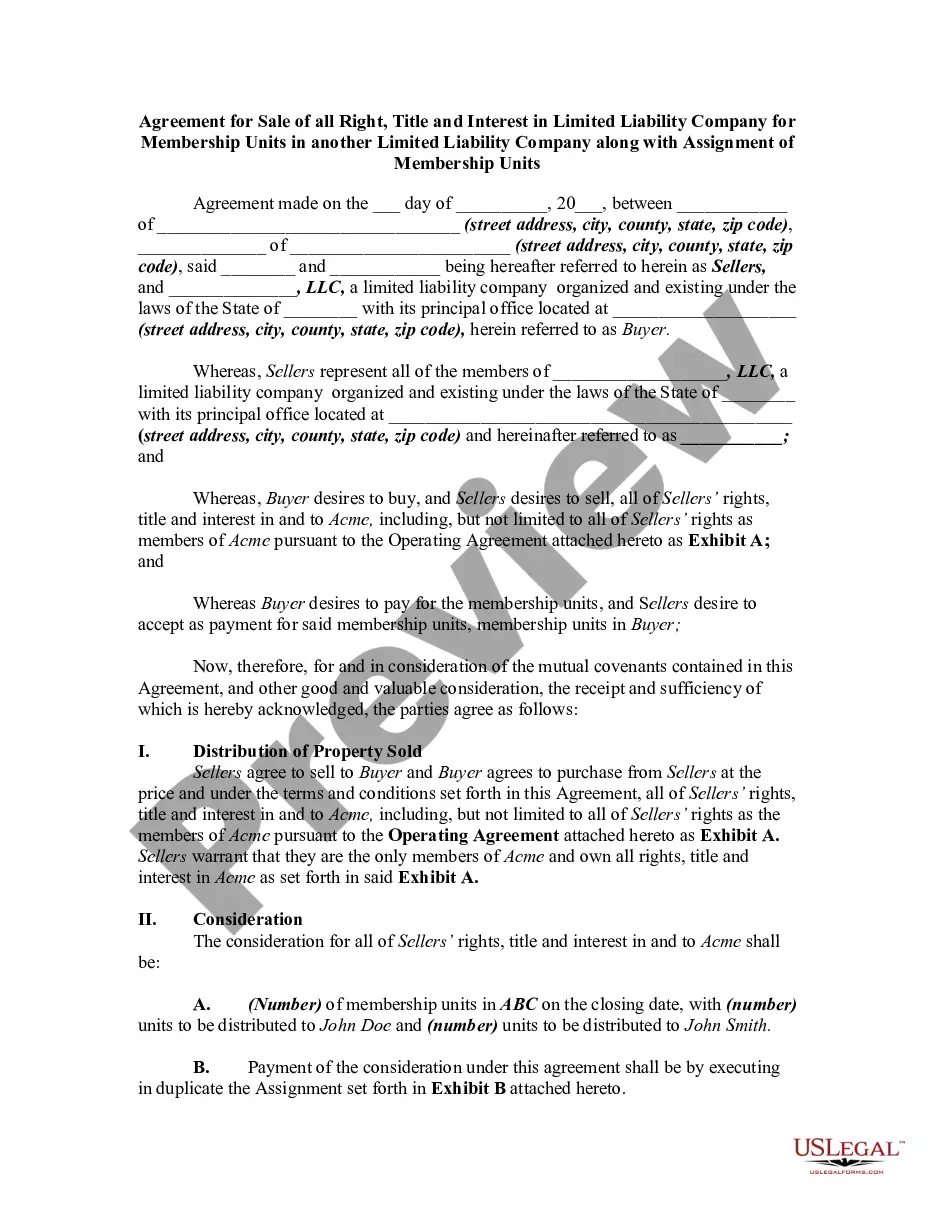
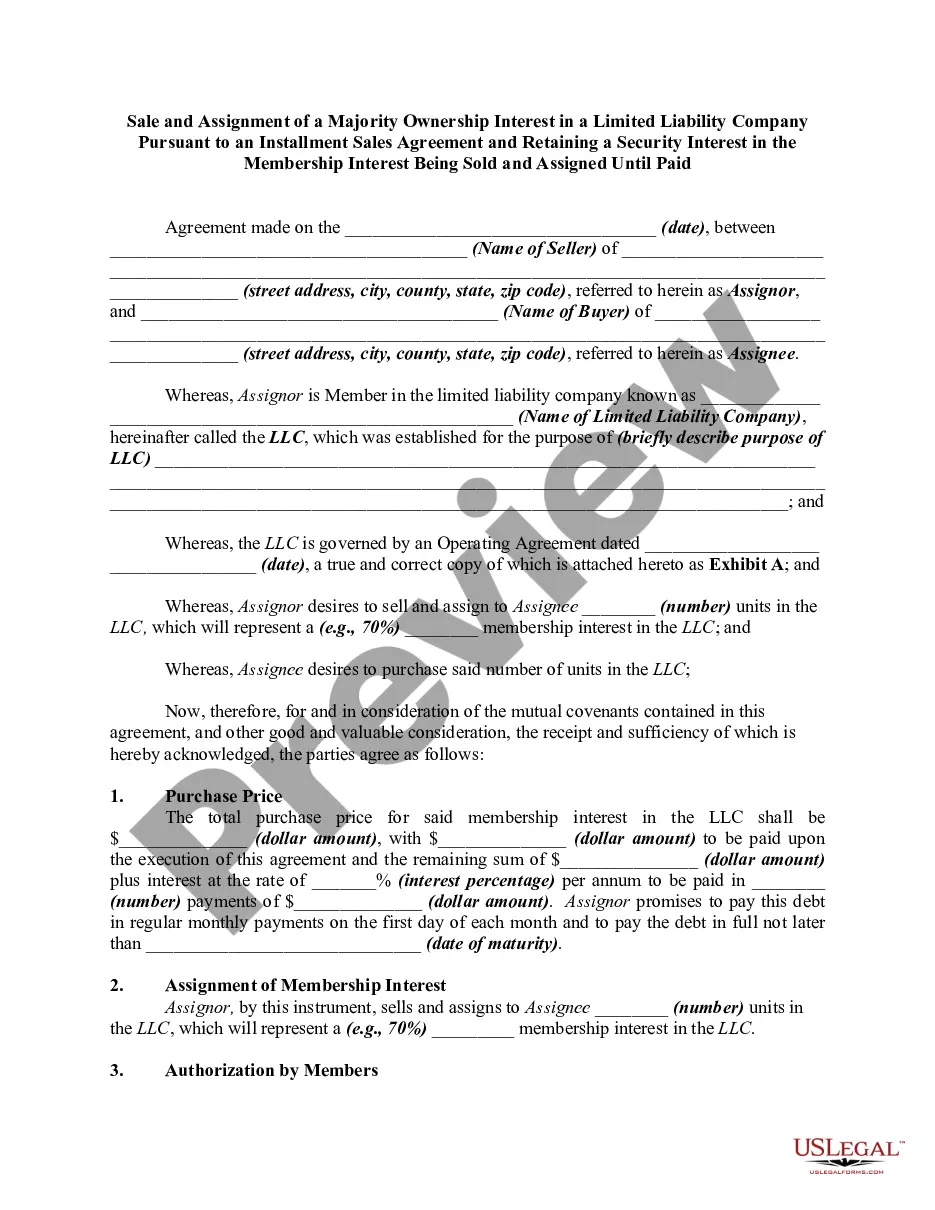
Get your form ready online
Our built-in tools help you complete, sign, share, and store your documents in one place.
Make edits, fill in missing information, and update formatting in US Legal Forms—just like you would in MS Word.
Download a copy, print it, send it by email, or mail it via USPS—whatever works best for your next step.
Sign and collect signatures with our SignNow integration. Send to multiple recipients, set reminders, and more. Go Premium to unlock E-Sign.
If this form requires notarization, complete it online through a secure video call—no need to meet a notary in person or wait for an appointment.
We protect your documents and personal data by following strict security and privacy standards.

Make edits, fill in missing information, and update formatting in US Legal Forms—just like you would in MS Word.

Download a copy, print it, send it by email, or mail it via USPS—whatever works best for your next step.

Sign and collect signatures with our SignNow integration. Send to multiple recipients, set reminders, and more. Go Premium to unlock E-Sign.

If this form requires notarization, complete it online through a secure video call—no need to meet a notary in person or wait for an appointment.

We protect your documents and personal data by following strict security and privacy standards.
Looking for another form?
Form popularity
FAQ
To transfer ownership interest in an LLC in New York, you must follow specific steps. Begin by reviewing your LLC operating agreement, as it often outlines procedures for transferring ownership. Next, document the agreement of both parties and ensure you complete a formal written transfer of interest. Finally, file any necessary amendments with the New York Department of State to officially record the change in ownership.
Choosing between a sole proprietorship and an LLC depends on various factors, including your risk tolerance and business goals. An LLC usually provides the benefit of personal asset protection, while a sole proprietorship is simpler and incurs fewer formalities. If you seek to safeguard your personal property from business liabilities, an ownership interest in LLC may be the better path. Evaluating your business needs will help make the best choice.
Assignee interest refers to the rights transferred by an LLC member to another party. When a member sells or assigns their ownership interest in LLC to someone else, the new party gains rights to profits and obligations dictated by the operating agreement. This transfer can affect the dynamics of the business and relationships among members. Understanding the implications of assignee interest is essential for maintaining a stable LLC structure.
While LLCs offer numerous advantages, they also present some disadvantages. First, they can incur higher fees and paperwork compared to sole proprietorships. Second, LLCs may have limited life; if a member leaves, the business may dissolve. Third, certain states mandate annual reports and fees. Additionally, the process of changing ownership interest in LLC can be complex and might require legal advice. Lastly, self-employment taxes can burden LLC members, impacting profitability.
The greatest benefit of forming an LLC is the protection it offers personal assets. By creating a separate legal entity, members can safeguard their personal property from business debts and liabilities. This protection provides peace of mind while enabling members to focus on maximizing their ownership interest in LLC. Thus, LLCs can be a secure choice for many entrepreneurs.
The ownership interest of a business refers to the rights held by an individual or entity in that business. For LLCs, this usually includes profit share and decision-making power. Each member's ownership interest in LLC can vary based on their capital contributions or agreed terms. Understanding these interests is essential for making informed business decisions.
Some common issues surrounding an LLC include member disputes, tax implications, and compliance with state regulations. Disagreements among members can arise regarding management and financial contributions, impacting the ownership interest in LLC. Additionally, tax treatment can complicate financial outcomes for members. It's crucial to understand these factors to maintain a smooth operation.
Member interest refers to the rights and financial stake that each member holds in an LLC. This can include decision-making privileges and entitlement to profits and losses. The ownership interest in LLC often defines these member interests, so it's critical for all parties to understand their roles and the implications of their ownership. Clarity about member interest helps facilitate smoother operations within the LLC.
A unit in an LLC represents a portion of the total ownership interest, similar to shares in a corporation. Each unit signifies a claim to profits, losses, and rights within the company. Members' ownership interest in LLC is often divided into these units, making it easier to distribute earnings and responsibilities. It’s essential for members to understand their units to effectively manage their investments.
A unit of ownership typically refers to a specific share or stake in a business entity, such as an LLC. This unit often determines how profits and losses are distributed among members. Each member's ownership interest in LLC is reflected in these units, influencing their influence and returns. Understanding this concept helps members make informed decisions regarding their investment in the company.