Ownership In Liability
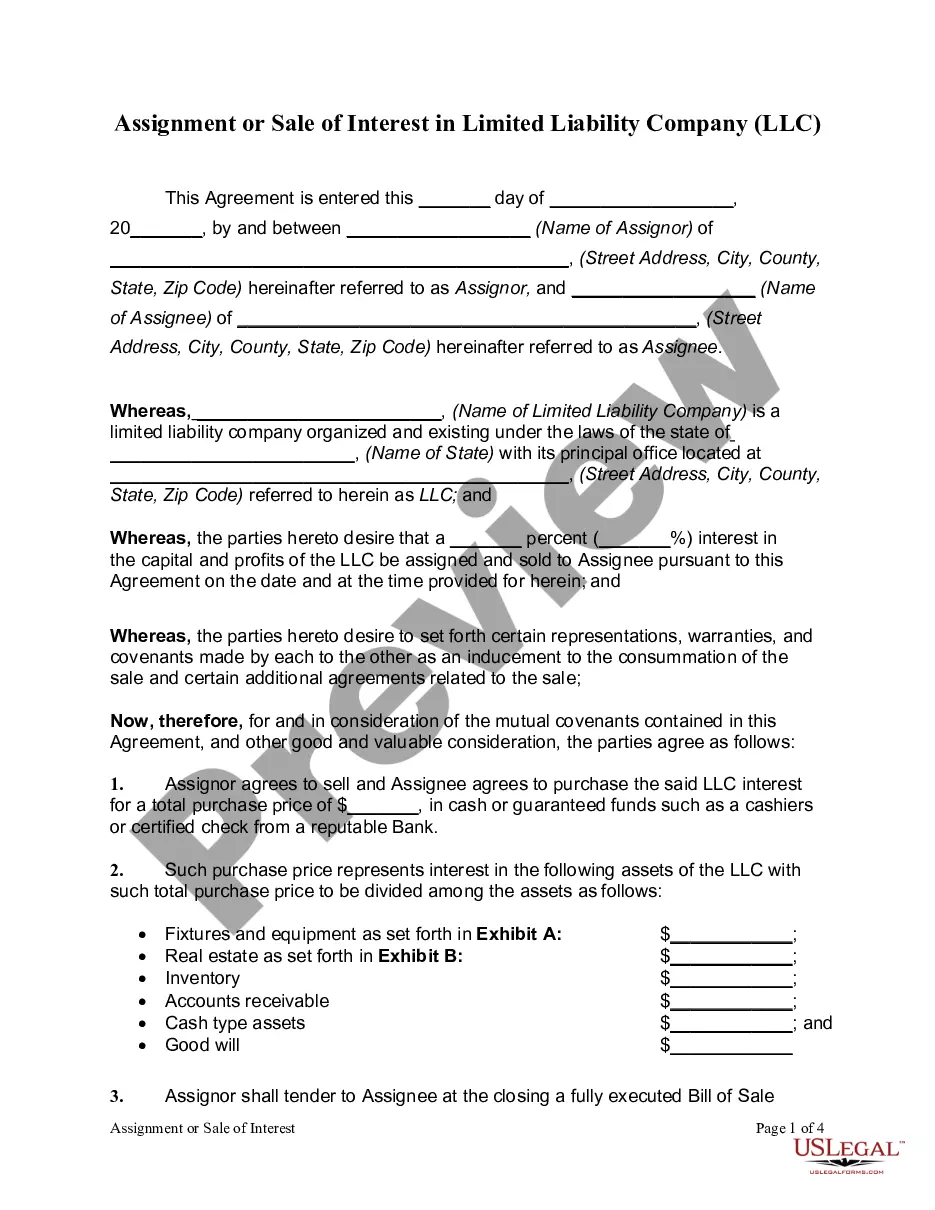
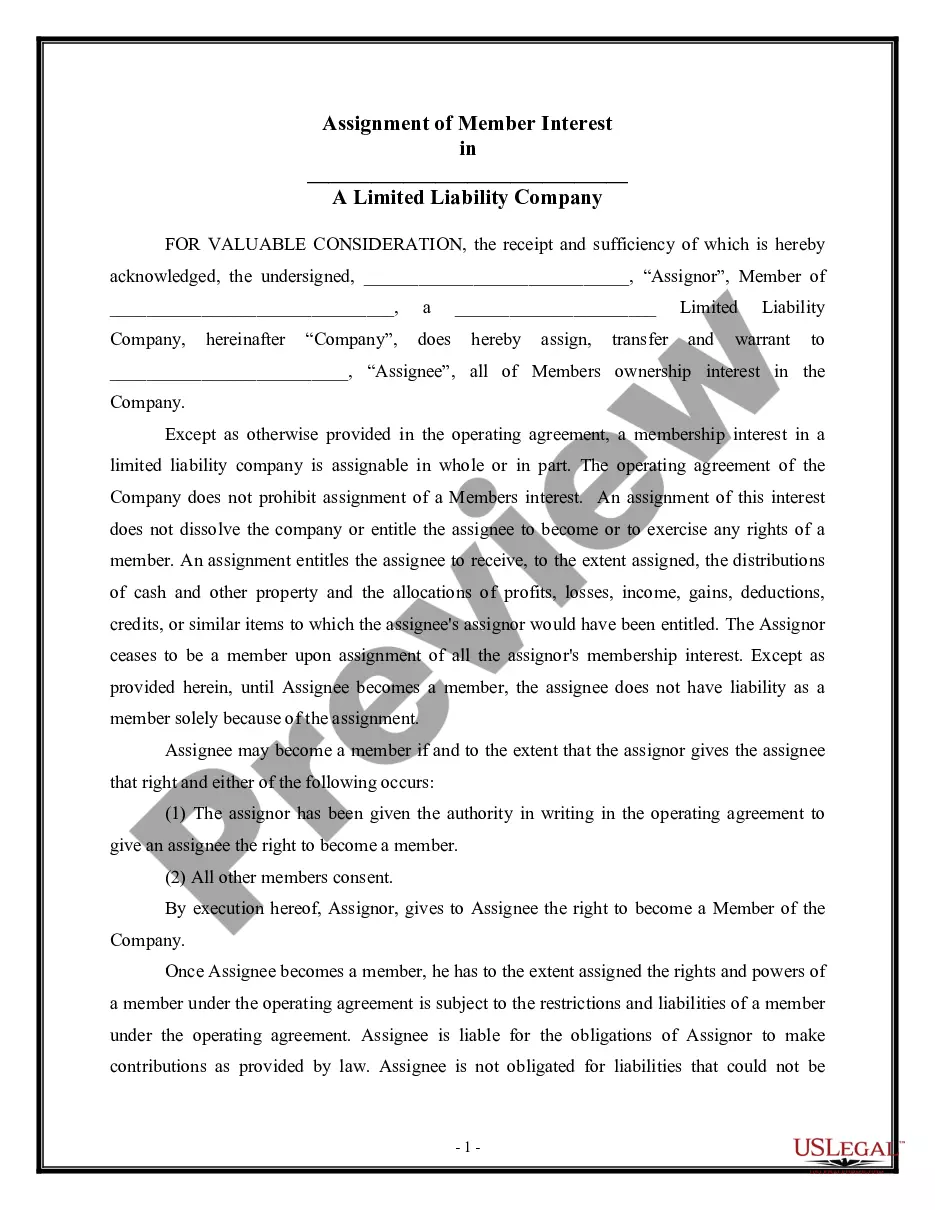
Description
Get your form ready online
Our built-in tools help you complete, sign, share, and store your documents in one place.
Make edits, fill in missing information, and update formatting in US Legal Forms—just like you would in MS Word.
Download a copy, print it, send it by email, or mail it via USPS—whatever works best for your next step.
Sign and collect signatures with our SignNow integration. Send to multiple recipients, set reminders, and more. Go Premium to unlock E-Sign.
If this form requires notarization, complete it online through a secure video call—no need to meet a notary in person or wait for an appointment.
We protect your documents and personal data by following strict security and privacy standards.

Make edits, fill in missing information, and update formatting in US Legal Forms—just like you would in MS Word.

Download a copy, print it, send it by email, or mail it via USPS—whatever works best for your next step.

Sign and collect signatures with our SignNow integration. Send to multiple recipients, set reminders, and more. Go Premium to unlock E-Sign.

If this form requires notarization, complete it online through a secure video call—no need to meet a notary in person or wait for an appointment.

We protect your documents and personal data by following strict security and privacy standards.
Looking for another form?





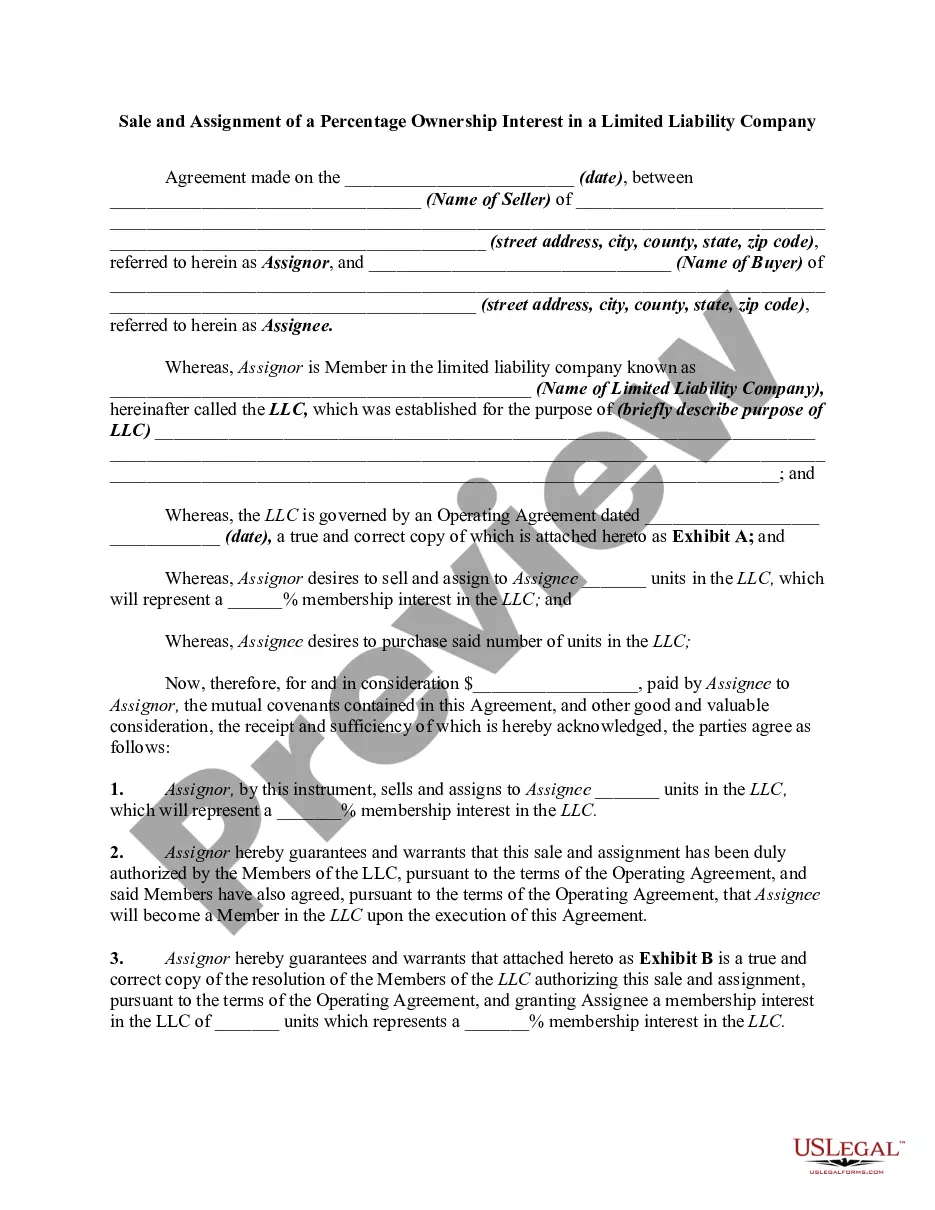
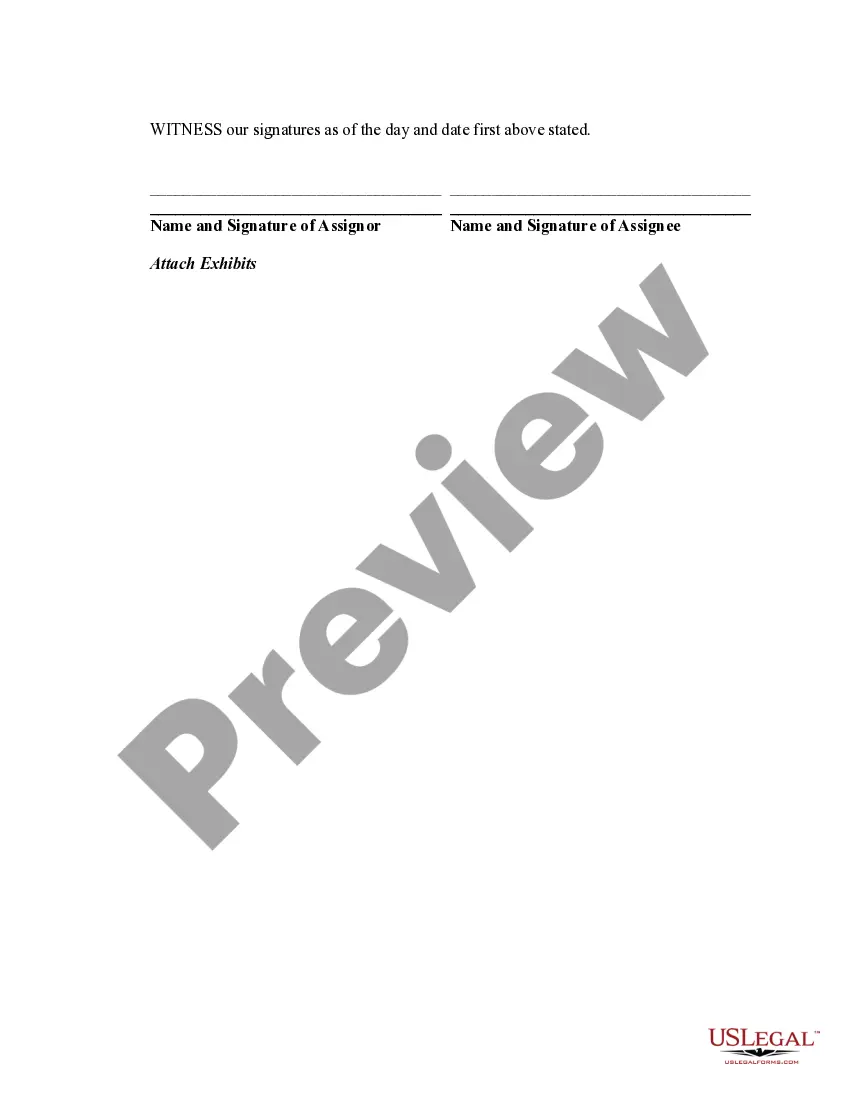
How to fill out Sale And Assignment Of A Percentage Ownership Interest In A Limited Liability Company?
Managing legal documents and operations can be a labor-intensive addition to your day.
Ownership In Liability and similar forms frequently require you to search for them and navigate how to fill them out accurately.
Consequently, whether you are addressing financial, legal, or personal issues, having a thorough and user-friendly online library of forms readily available will greatly assist you.
US Legal Forms is the premier online platform for legal templates, featuring over 85,000 state-specific forms and a variety of tools to help you complete your paperwork swiftly.
Is this your first experience with US Legal Forms? Sign up and create a free account in just a few minutes to gain access to the form library and Ownership In Liability. Then, follow the steps outlined below to complete your form.
- Browse the library of relevant documents accessible to you with just one click.
- US Legal Forms provides state- and county-specific forms available for download at any moment.
- Protect your document management processes with a top-tier service that allows you to create any form within minutes without additional or hidden fees.
- Simply Log In to your account, find Ownership In Liability, and acquire it immediately in the My documents tab.
- You can also access previously downloaded forms.
Form popularity
FAQ
Liability refers to the legal responsibilities that an individual or entity has, which may include debts, obligations, or financial responsibilities. In a business context, it encompasses any legal claims or financial obligations that can impact the owner's assets. Understanding the concept of liability is vital for business owners, as it directly relates to ownership in liability and informs decision-making processes. A clear grasp of liability helps you mitigate risks effectively.
For owners, limited liability means that they are not personally responsible for business debts beyond their investment. This protection encourages entrepreneurship, as it reduces the financial risks associated with ownership in liability. By operating as an LLC or corporation, owners can enjoy peace of mind, knowing their personal assets are secure. To explore how this works, consider resources available at US Legal Forms.
The owners of a private company have limited liability. The company's liability cannot be assumed as theirs. A Ltd. company has a limited number of shareholders.
10 common types of business ownership Sole proprietorship. A sole proprietorship is owned and operated by one individual. ... Partnership. ... Limited liability company. ... Private corporation. ... Cooperative. ... Nonprofit corporation. ... Benefit corporation. ... Close corporation.
Limited liability is a form of legal protection for shareholders and owners that prevents individuals from being held personally responsible for their company's debts or financial losses.
Sole Proprietorship. This is the simplest and most common form used when starting a new business. Sole proprietorships are set up to allow individuals to own and operate a business by themselves. A sole proprietor has total control, receives all profits from, and is responsible for taxes and liabilities of the business ...
The limited-liability company (LLC) accomplishes exactly that. This form provides business owners with limited liability (a key advantage of corporations) and no ?double taxation? (a key advantage of sole proprietorships and partnerships).