Life Insurance Trust Example
Description
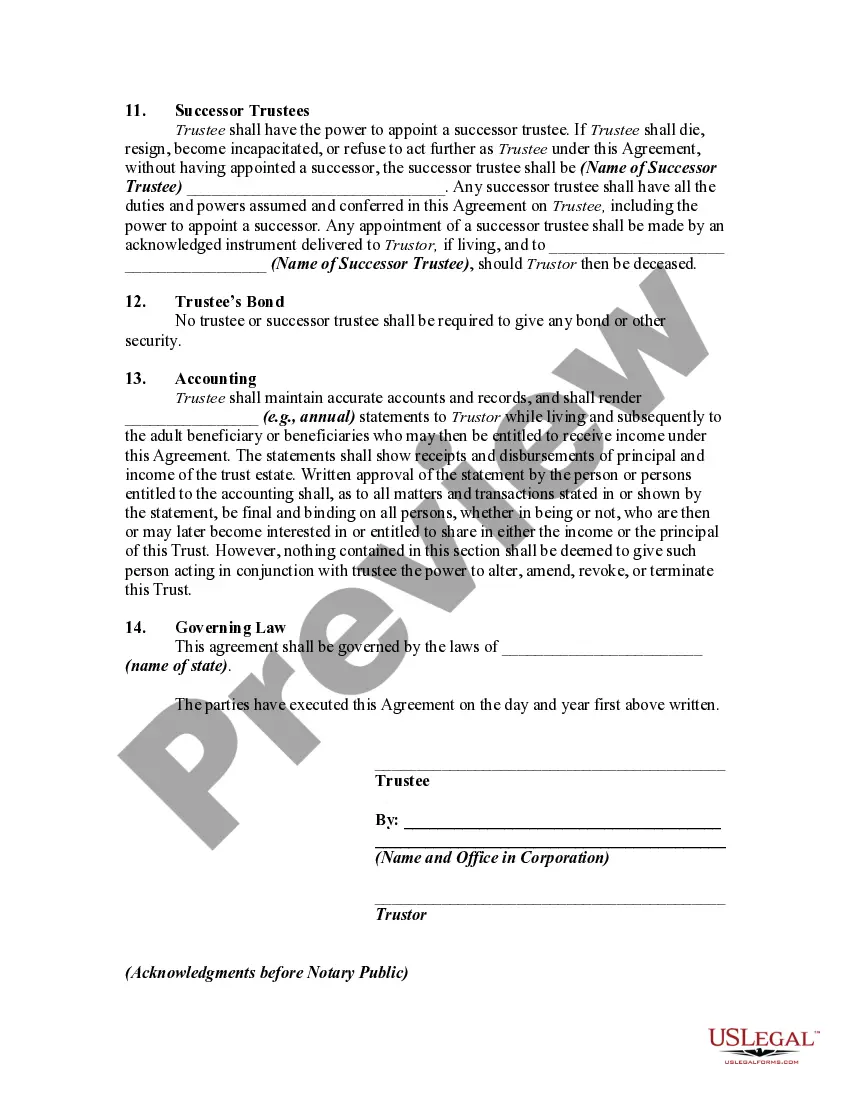

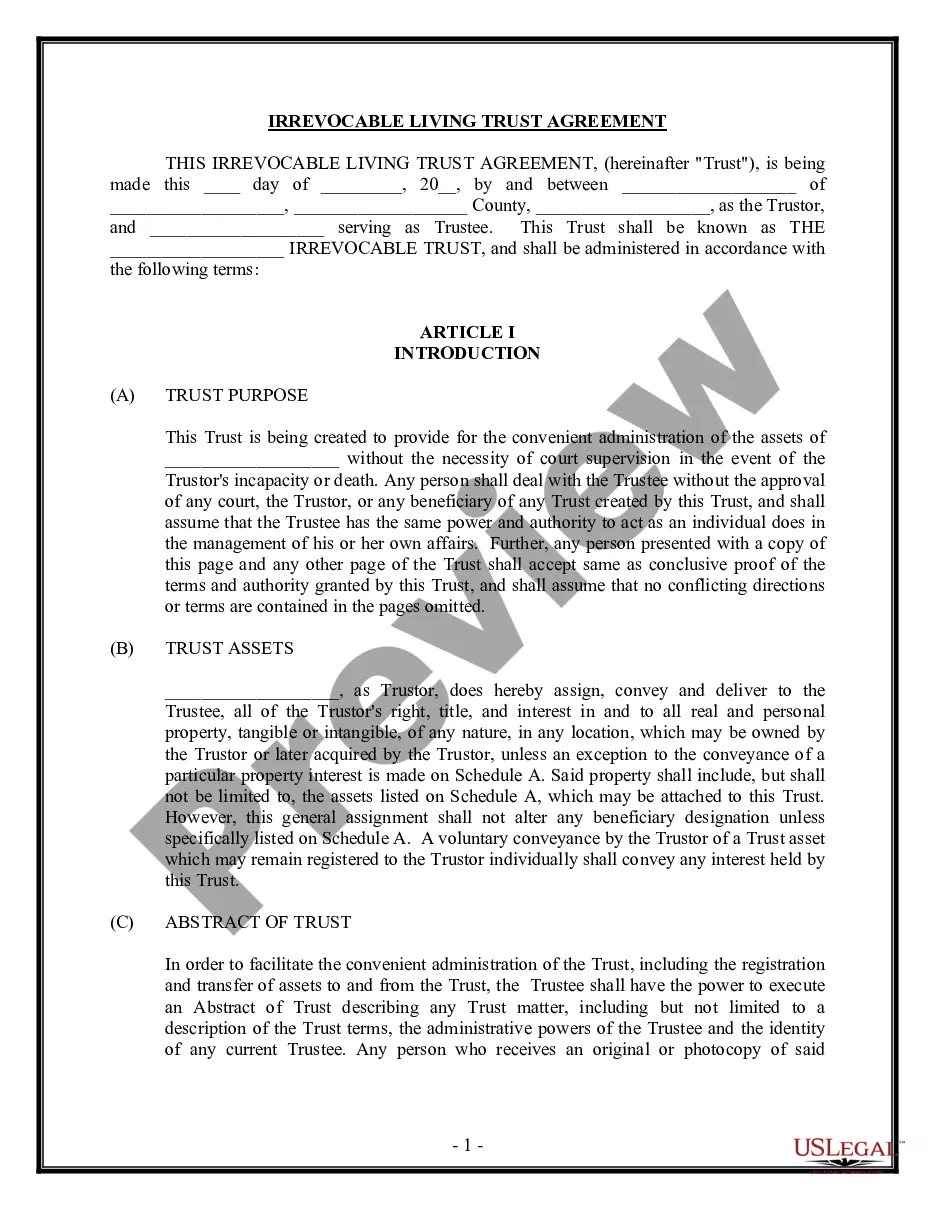
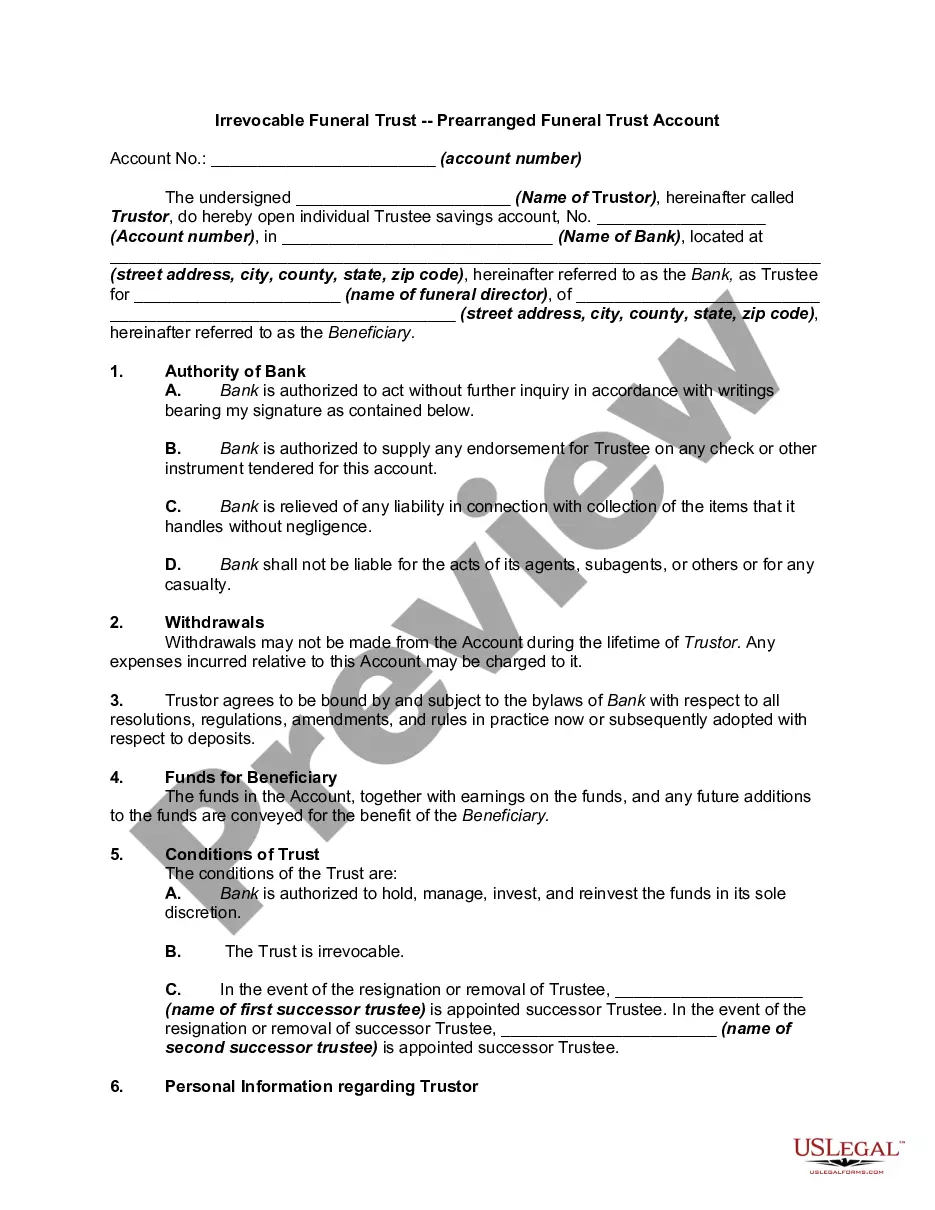
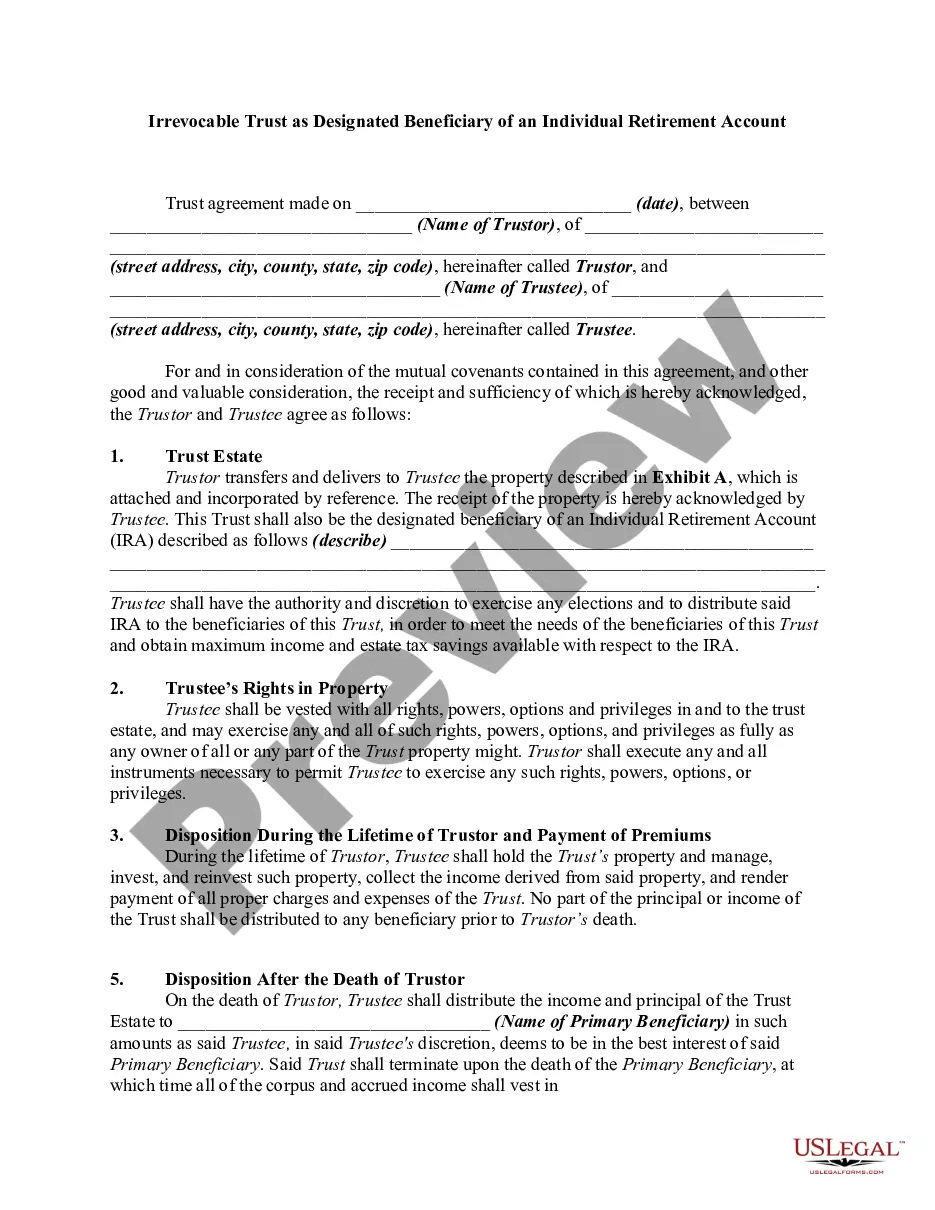
Get your form ready online
Our built-in tools help you complete, sign, share, and store your documents in one place.
Make edits, fill in missing information, and update formatting in US Legal Forms—just like you would in MS Word.
Download a copy, print it, send it by email, or mail it via USPS—whatever works best for your next step.
Sign and collect signatures with our SignNow integration. Send to multiple recipients, set reminders, and more. Go Premium to unlock E-Sign.
If this form requires notarization, complete it online through a secure video call—no need to meet a notary in person or wait for an appointment.
We protect your documents and personal data by following strict security and privacy standards.

Make edits, fill in missing information, and update formatting in US Legal Forms—just like you would in MS Word.

Download a copy, print it, send it by email, or mail it via USPS—whatever works best for your next step.

Sign and collect signatures with our SignNow integration. Send to multiple recipients, set reminders, and more. Go Premium to unlock E-Sign.

If this form requires notarization, complete it online through a secure video call—no need to meet a notary in person or wait for an appointment.

We protect your documents and personal data by following strict security and privacy standards.
Looking for another form?


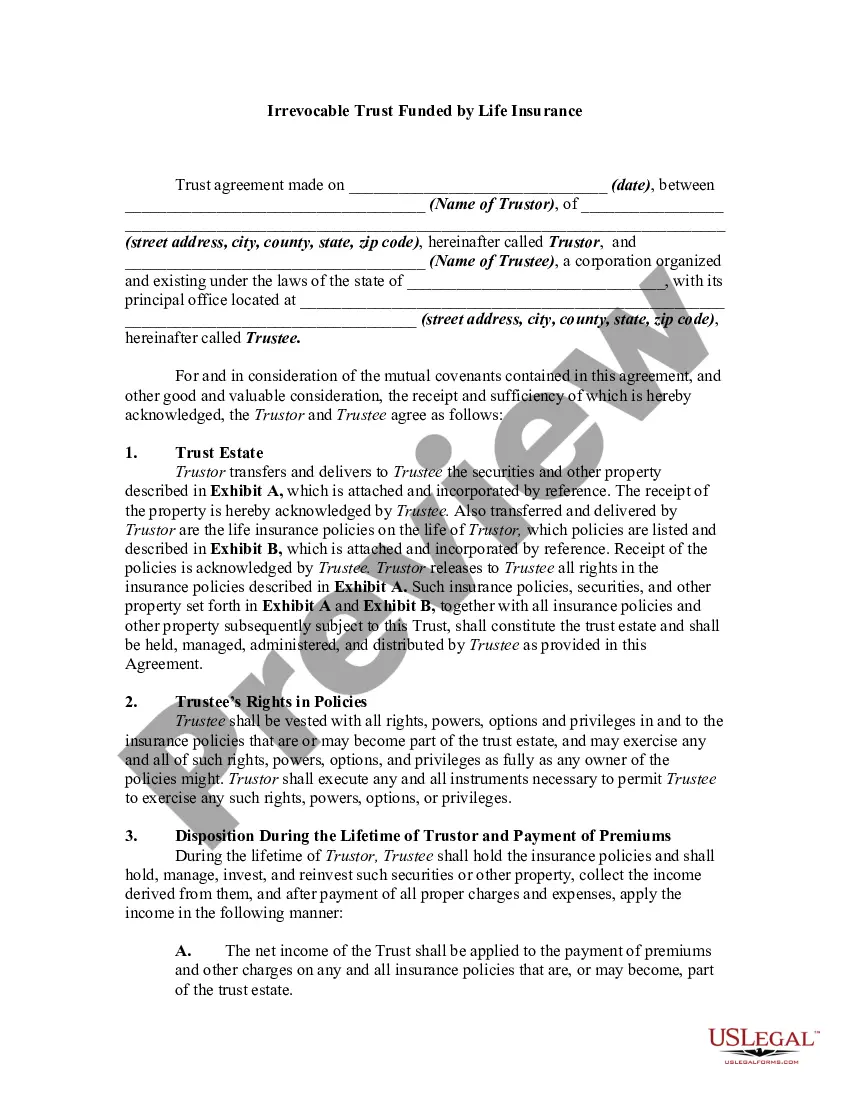
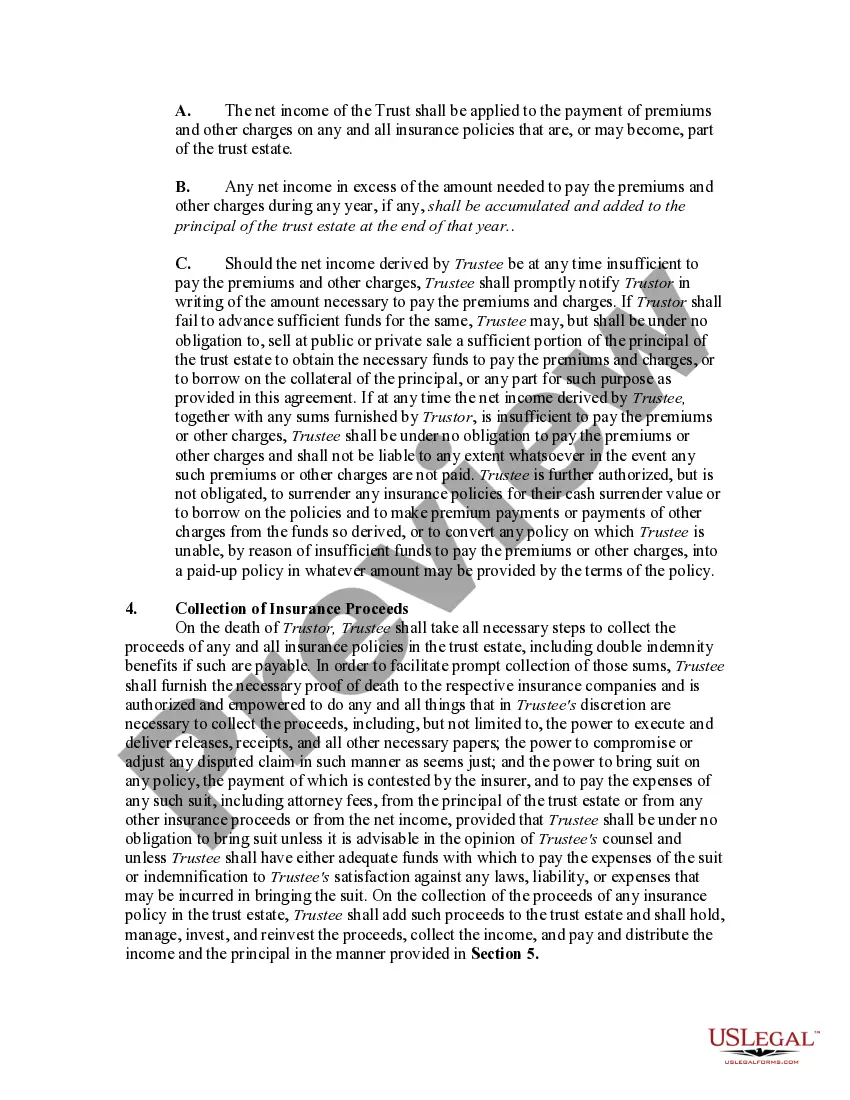
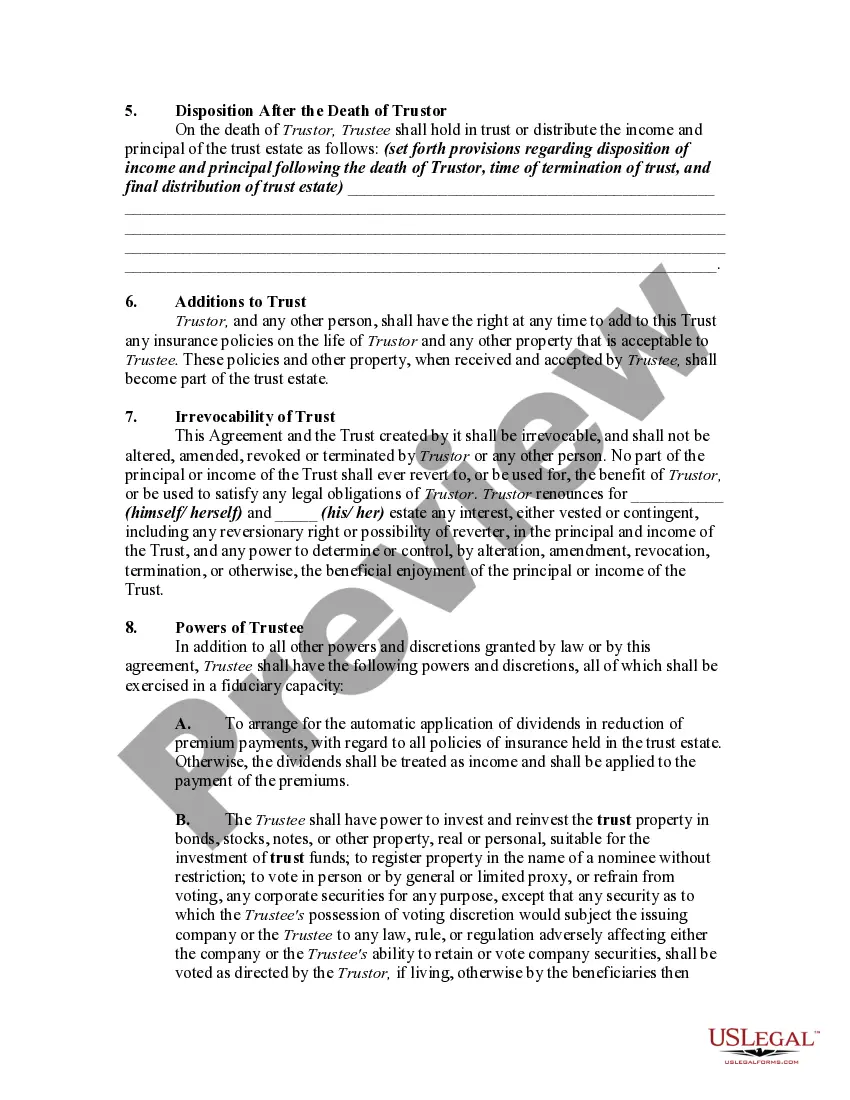
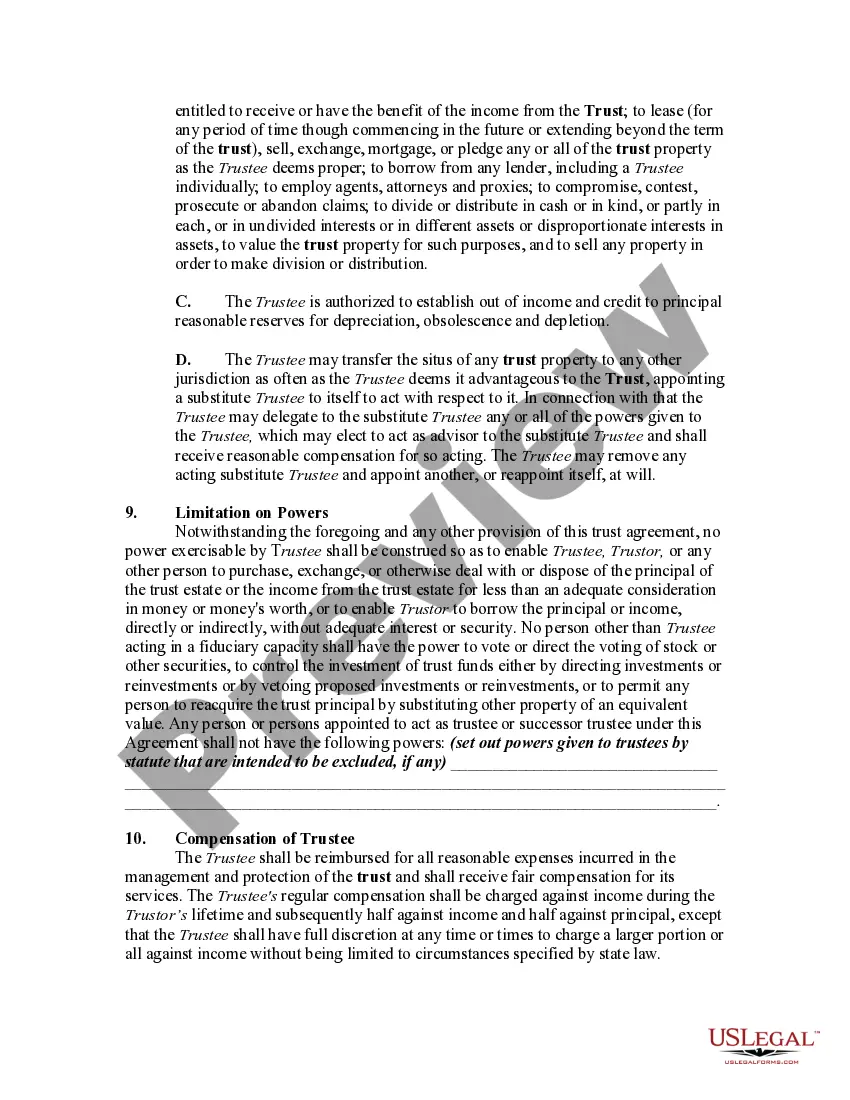
How to fill out Irrevocable Trust Funded By Life Insurance?
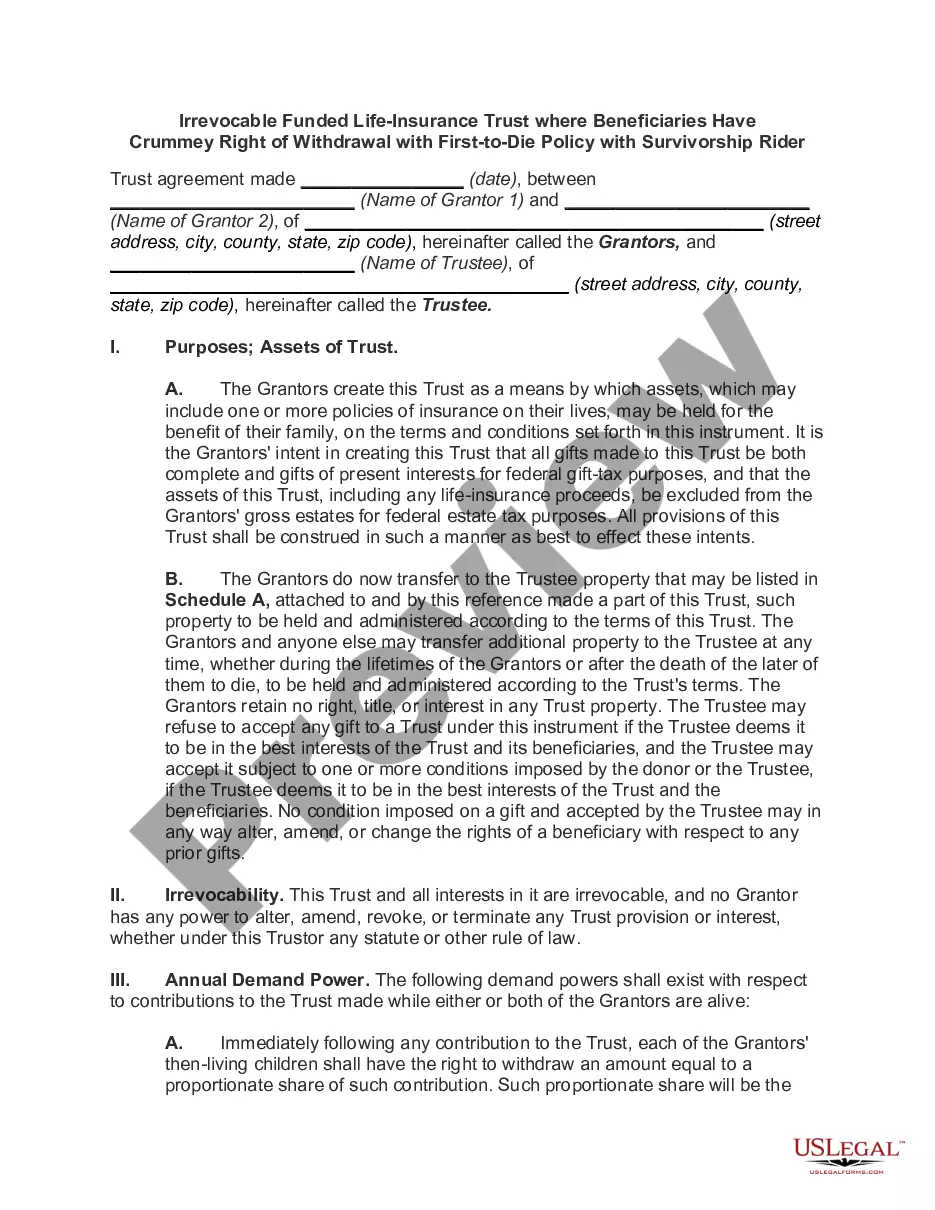
The Life Insurance Trust Template presented on this page is a reusable legal model crafted by expert attorneys in accordance with federal and local regulations.
For over 25 years, US Legal Forms has supplied individuals, businesses, and lawyers with more than 85,000 authenticated, state-specific documents suitable for any professional and personal circumstance.
Choose the format you prefer for your Life Insurance Trust Template (PDF, DOCX, RTF) and save the file on your device.
- Examine the document you require and assess it.
- Browse through the file you searched and preview it or read the form description to ensure it meets your requirements. If it does not, utilize the search feature to find the appropriate one. Click Buy Now when you have found the template you need.
- Register and Log Into your account.
- Select the pricing option that fits your needs and create an account. Use PayPal or a credit card to make an immediate payment. If you already possess an account, Log In and check your subscription to continue.
- Obtain the editable template.
Form popularity
FAQ
To put your life insurance into a trust, you'll need to create a trust deed; a legally binding document which outlines the parties that make up the trust, the trust terms, and the trust beneficiaries.
A trust is a fiduciary1 relationship in which one party (the Grantor) gives a second party2 (the Trustee) the right to hold title to property or assets for the benefit of a third party (the Beneficiary). The trustee, in turn, explains the terms and conditions of the trust to the beneficiary.
The ILIT has its own federal tax identification number and must file annual state and federal income tax returns, although it usually has no taxable income while you are alive.
Key Takeaways. If your estate exceeds your state's estate tax exemption threshold, it may be wise to place your ownership of any life insurance in an irrevocable life insurance trust. Proceeds of a death benefit payout will not be included as part of your taxable estate if a trust, not an individual owns the policy.
For example, a parent can establish a trust for a child, giving the beneficiary control of its assets when the child reaches an age of maturity or upon the parent's death. This arrangement is common with revocable trusts, which distribute assets to beneficiaries upon the grantor's death.