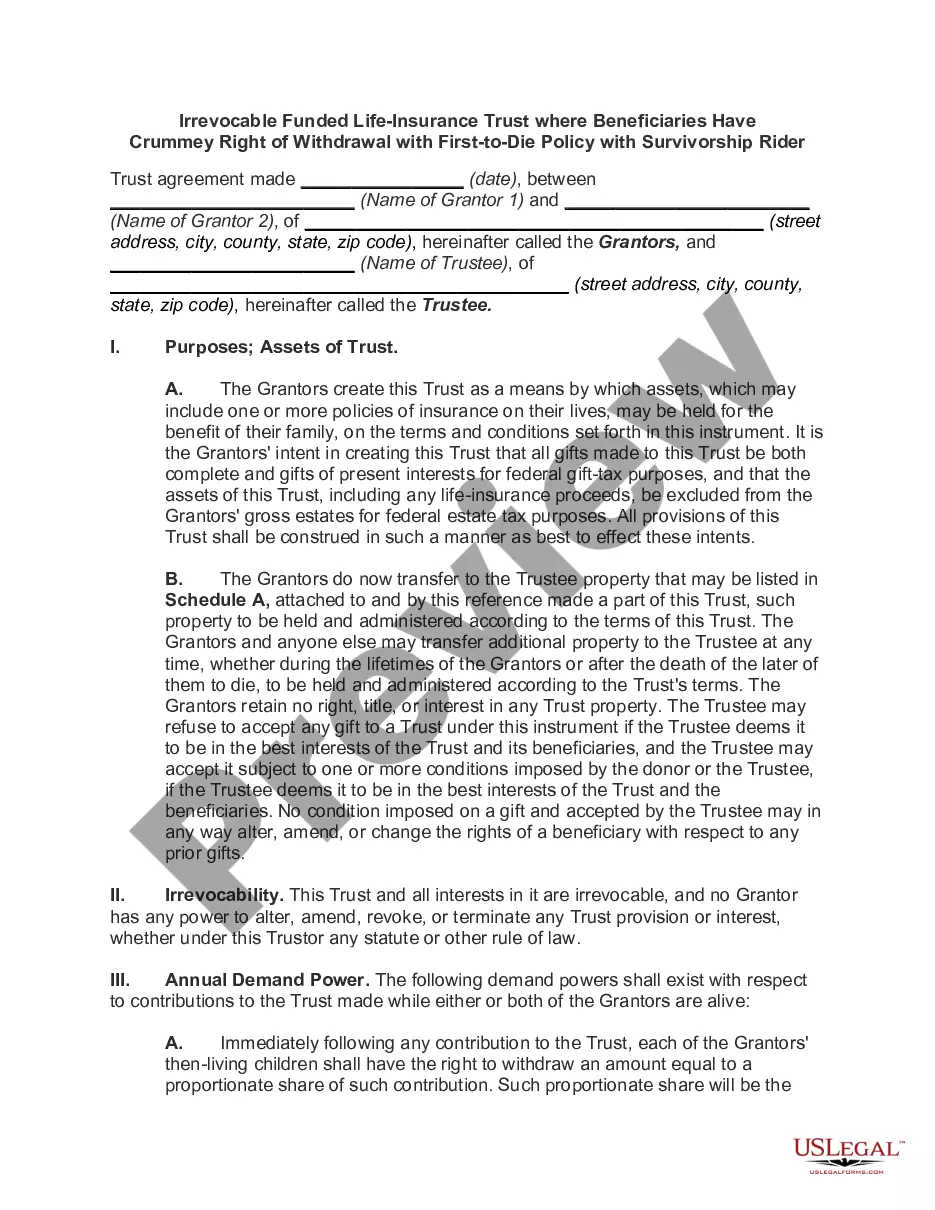
Life Insurance Policy For Trust
Description
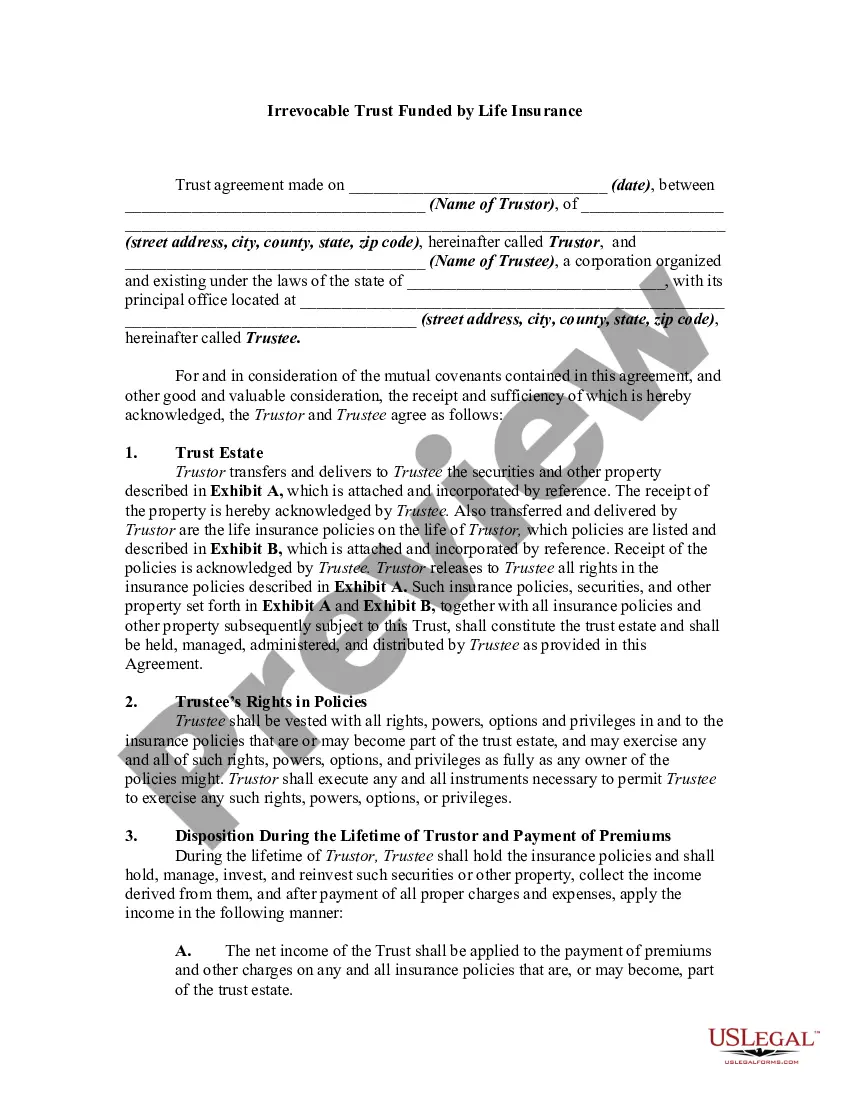
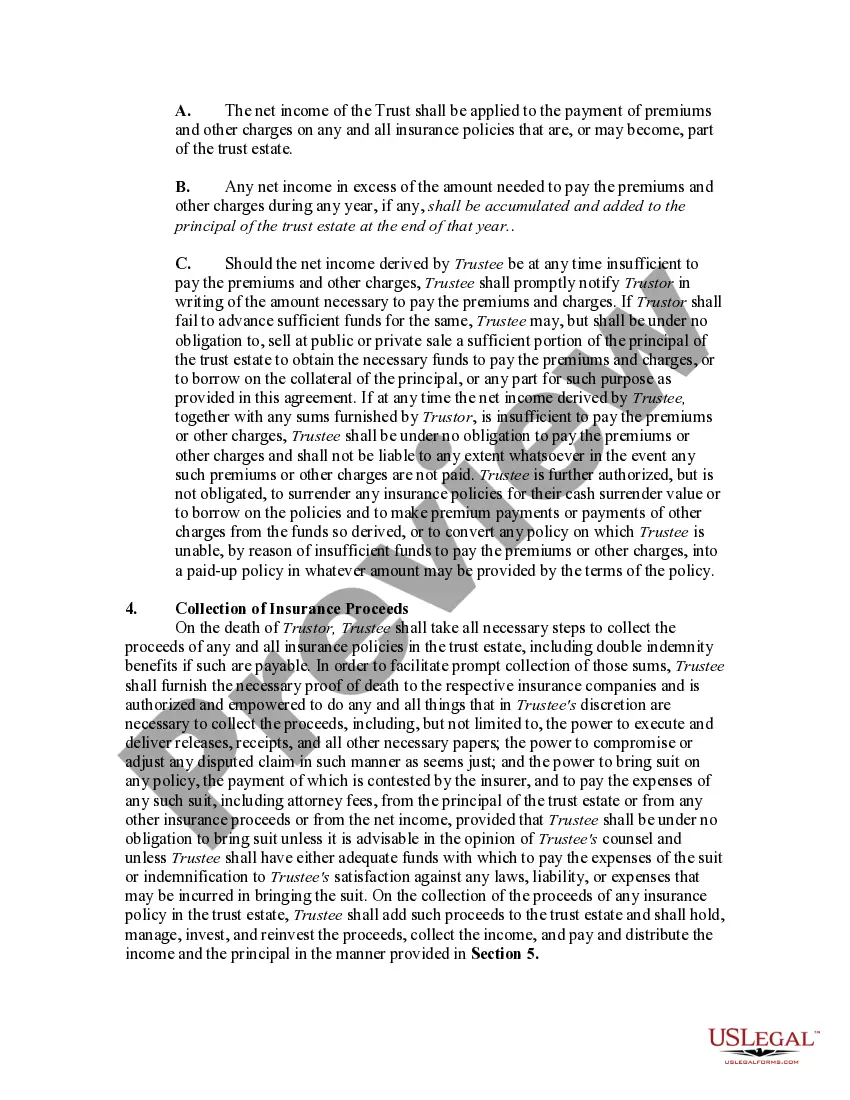
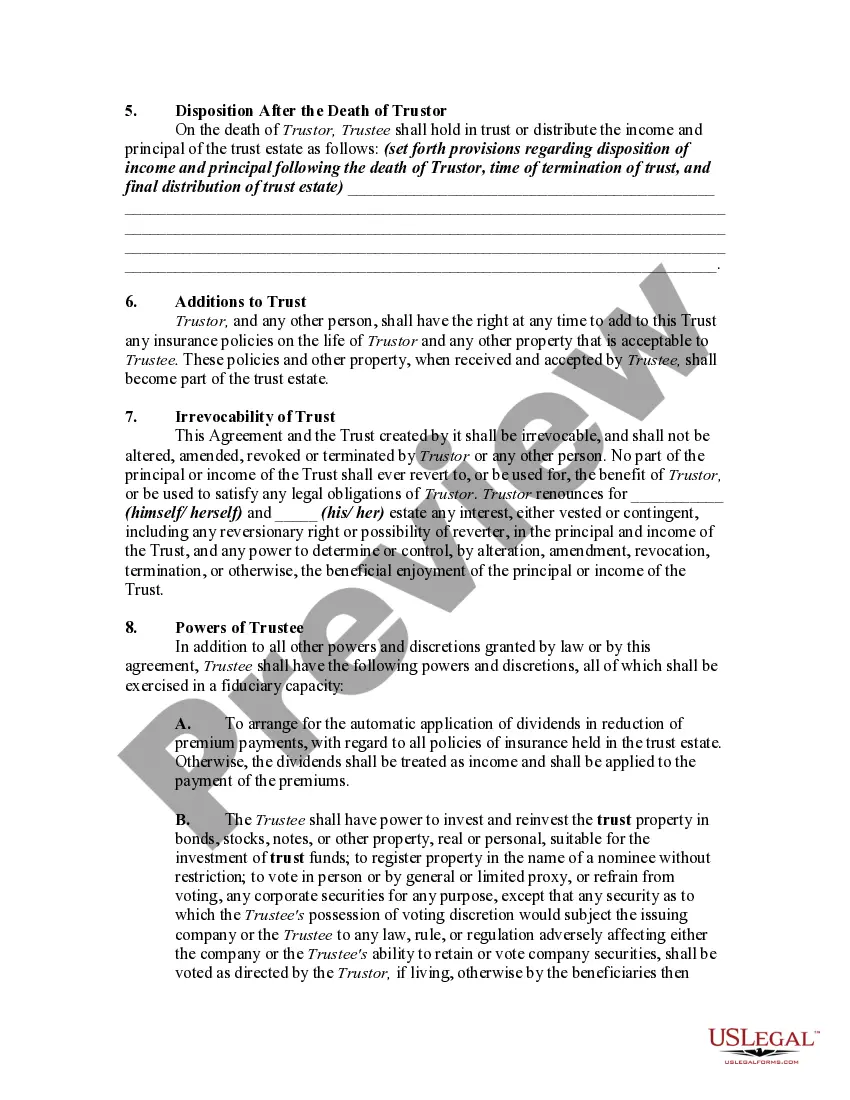
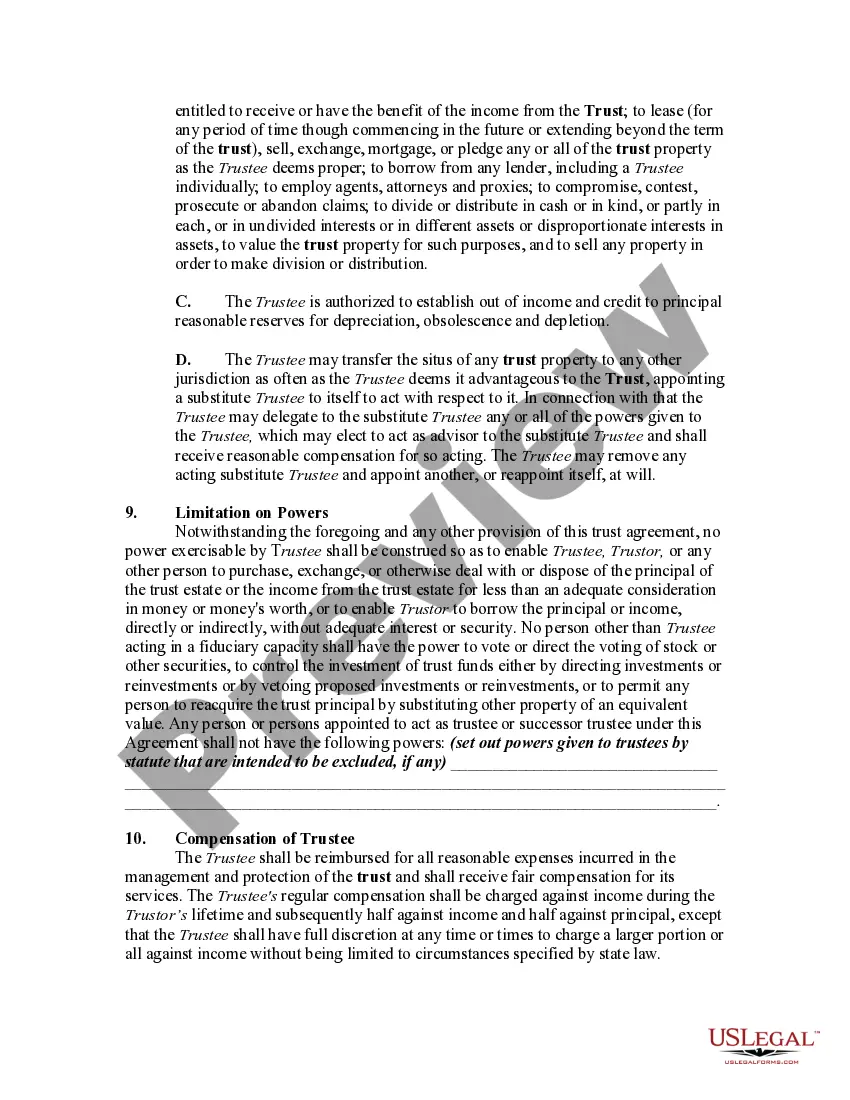

Get your form ready online
Our built-in tools help you complete, sign, share, and store your documents in one place.
Make edits, fill in missing information, and update formatting in US Legal Forms—just like you would in MS Word.
Download a copy, print it, send it by email, or mail it via USPS—whatever works best for your next step.
Sign and collect signatures with our SignNow integration. Send to multiple recipients, set reminders, and more. Go Premium to unlock E-Sign.
If this form requires notarization, complete it online through a secure video call—no need to meet a notary in person or wait for an appointment.
We protect your documents and personal data by following strict security and privacy standards.

Make edits, fill in missing information, and update formatting in US Legal Forms—just like you would in MS Word.

Download a copy, print it, send it by email, or mail it via USPS—whatever works best for your next step.

Sign and collect signatures with our SignNow integration. Send to multiple recipients, set reminders, and more. Go Premium to unlock E-Sign.

If this form requires notarization, complete it online through a secure video call—no need to meet a notary in person or wait for an appointment.

We protect your documents and personal data by following strict security and privacy standards.
Looking for another form?






How to fill out Irrevocable Trust Funded By Life Insurance?
- If you're a returning user, log in to your account. Ensure your subscription is active before downloading the necessary templates.
- For first-time users, start by browsing the Preview mode and description of forms available. Ensure that you've selected the right document that fits your requirements.
- If you find any discrepancies or need a different template, utilize the Search tab to locate the correct form that aligns with local jurisdiction.
- Proceed to purchase the document by clicking on the Buy Now button and selecting your desired subscription plan. You'll need to create an account to access the library.
- Finalize your purchase by entering your credit card information or using your PayPal account for payment.
- After your transaction is complete, download the form to your device. You can access it later through the My Forms section of your profile.
In conclusion, US Legal Forms stands out with its extensive collection of over 85,000 fillable and editable legal documents, making it the ideal platform for obtaining a life insurance policy for trust. With premium support available, users can ensure their documents are precise and legally sound.
Start your journey today and explore the comprehensive resources at US Legal Forms!
Form popularity
FAQ
Listing your trust as the beneficiary of your life insurance policy for trust can provide several advantages. It allows you to control how the funds are distributed after your passing, potentially helping to avoid probate. Additionally, it can be a great way to ensure that your assets are managed according to your wishes. Always consider consulting with a financial planner or attorney to explore how this option may work for your unique situation.
Filling out a trust fund typically involves providing information about the trust itself. Begin by specifying the name of the trust, the trustee's contact information, and the beneficiaries. It is important to follow any specific guidelines laid out in the trust document. This process ensures that your life insurance policy for trust correctly reflects your intentions and provides benefits as planned.
To fill out a beneficiary for your life insurance policy for trust, start by reviewing your policy document. Identify the section that asks for beneficiary details and enter the name of the individual or trust you want to designate. Make sure to include their relationship to you and any required contact information. Completing this section accurately ensures that your policy aligns with your wishes.
Yes, a trust can hold a life insurance policy, which may provide significant benefits for estate planning. By designating a trust as the beneficiary of a life insurance policy, you can control how the death benefit is distributed among your heirs. This setup can help minimize estate taxes and ensure that your loved ones receive financial support according to your wishes. Using a life insurance policy for trust allows for better management of your legacy and offers peace of mind.
The primary downfall of having a trust lies in the potential for confusion among beneficiaries regarding the trust's terms. This can lead to disputes or misunderstandings. By carefully integrating a life insurance policy for trust, your parents can clarify intentions and objectives, making the trust easier to navigate.
A downside to placing assets in a trust is that it can limit direct control over those assets. Once assets are transferred, the trust's terms dictate how they are managed. However, incorporating a life insurance policy for trust can complement asset management while providing significant benefits.
Naming a trust as the beneficiary of a life insurance policy can lead to delays in distributing the insurance proceeds. This is because the trust must go through administrative processes before distributing the funds. Nevertheless, this approach can protect the funds from taxes and ensure they are used according to specific intentions.
One disadvantage of a family trust is the potential for additional administrative costs and responsibilities. Maintaining a trust can require legal and financial management, which may create complexity. However, using a life insurance policy for trust can help manage assets effectively, offsetting some of these concerns.
To set up a life insurance policy for trust, your parents should first create a trust document outlining the terms and beneficiaries. Next, they need to designate the trust as the owner and beneficiary of the life insurance policy. This ensures that the policy proceeds are managed according to the trust's guidelines.
Putting assets in a trust can provide several benefits for your parents. It can help manage their wealth efficiently, ensuring that it is distributed according to their wishes. Additionally, a life insurance policy for trust can offer protection from creditors and simplify the estate settlement process.