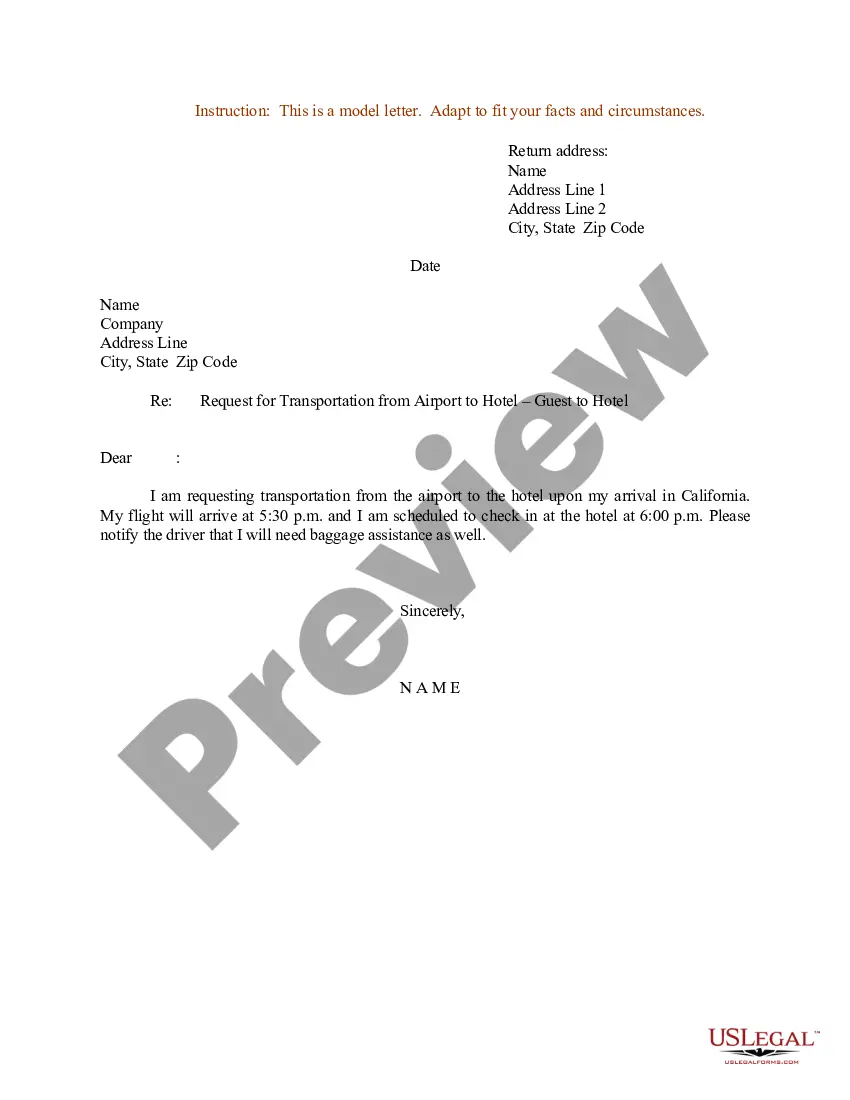
Request Letter For Transportation With Employee
Description
Get your form ready online
Our built-in tools help you complete, sign, share, and store your documents in one place.
Make edits, fill in missing information, and update formatting in US Legal Forms—just like you would in MS Word.
Download a copy, print it, send it by email, or mail it via USPS—whatever works best for your next step.
Sign and collect signatures with our SignNow integration. Send to multiple recipients, set reminders, and more. Go Premium to unlock E-Sign.
If this form requires notarization, complete it online through a secure video call—no need to meet a notary in person or wait for an appointment.
We protect your documents and personal data by following strict security and privacy standards.

Make edits, fill in missing information, and update formatting in US Legal Forms—just like you would in MS Word.

Download a copy, print it, send it by email, or mail it via USPS—whatever works best for your next step.

Sign and collect signatures with our SignNow integration. Send to multiple recipients, set reminders, and more. Go Premium to unlock E-Sign.

If this form requires notarization, complete it online through a secure video call—no need to meet a notary in person or wait for an appointment.

We protect your documents and personal data by following strict security and privacy standards.
Looking for another form?

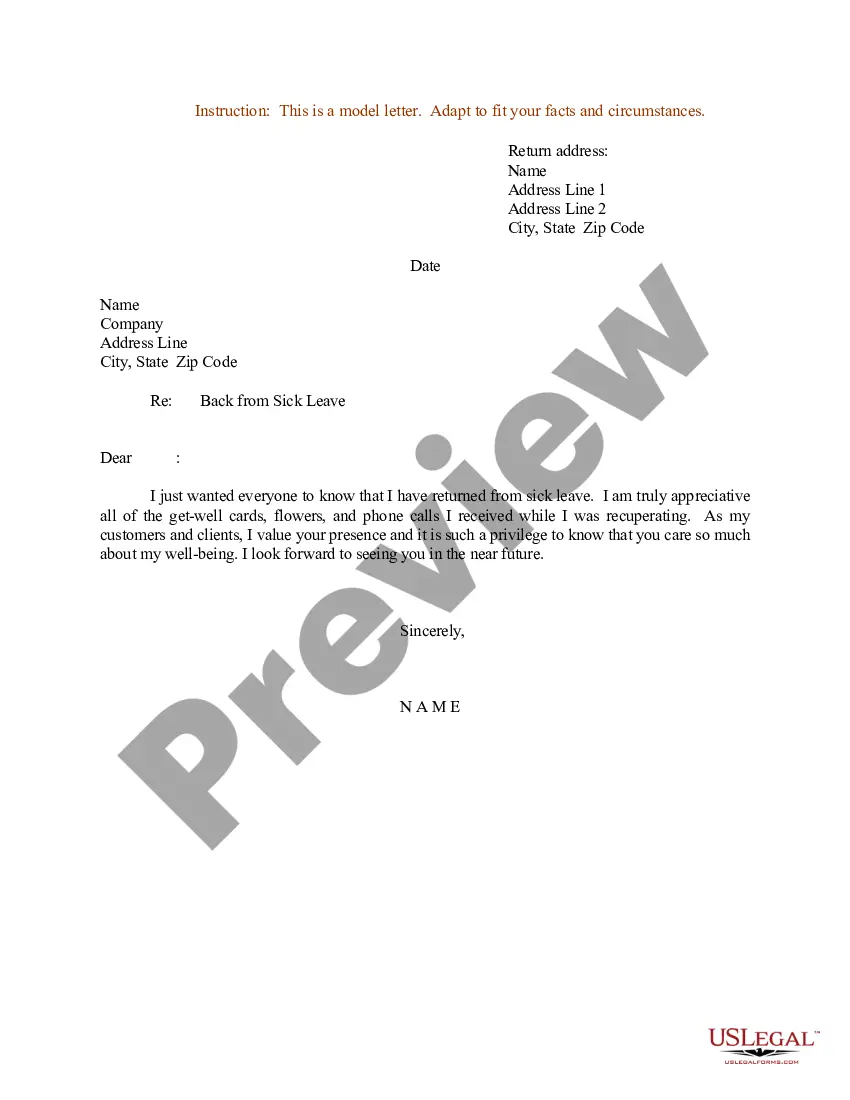

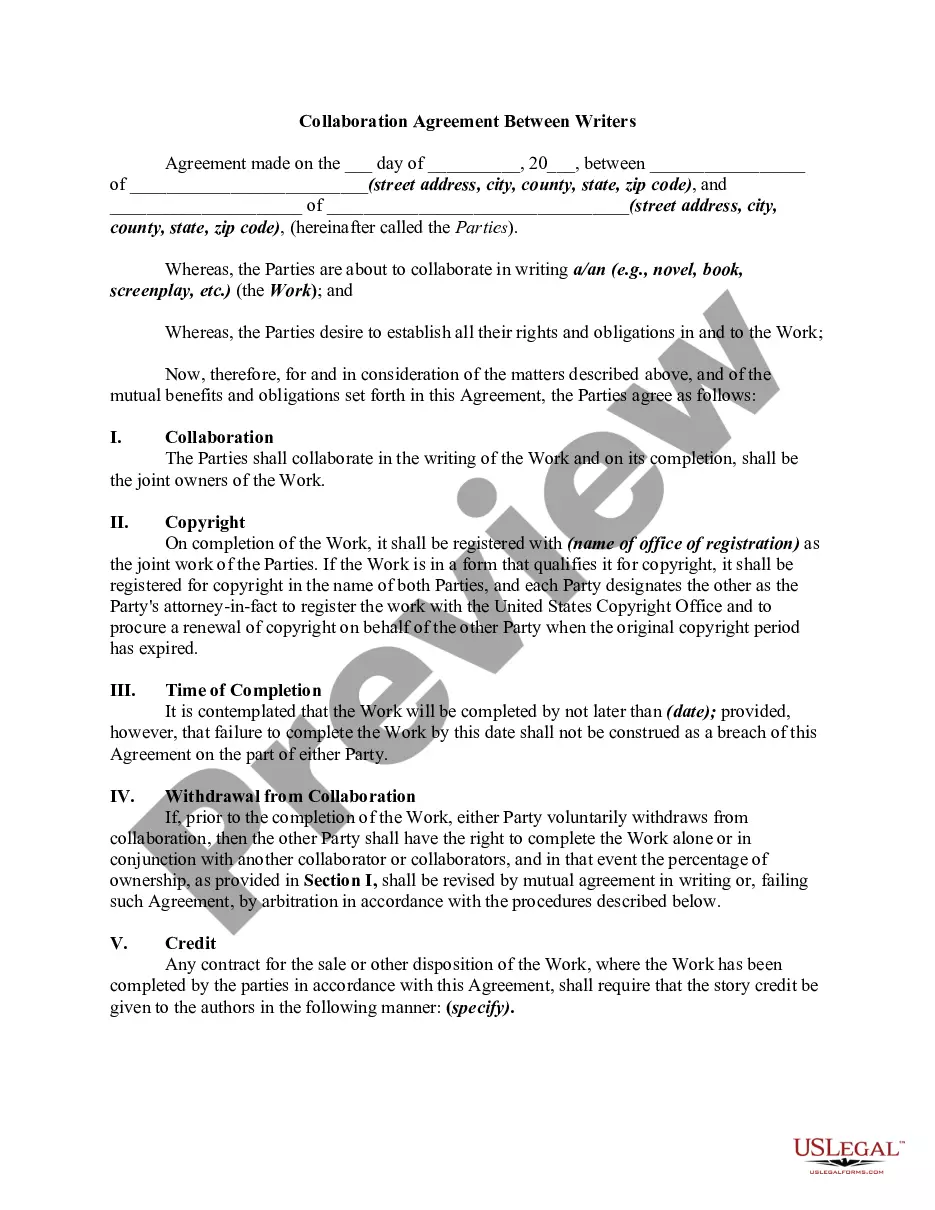
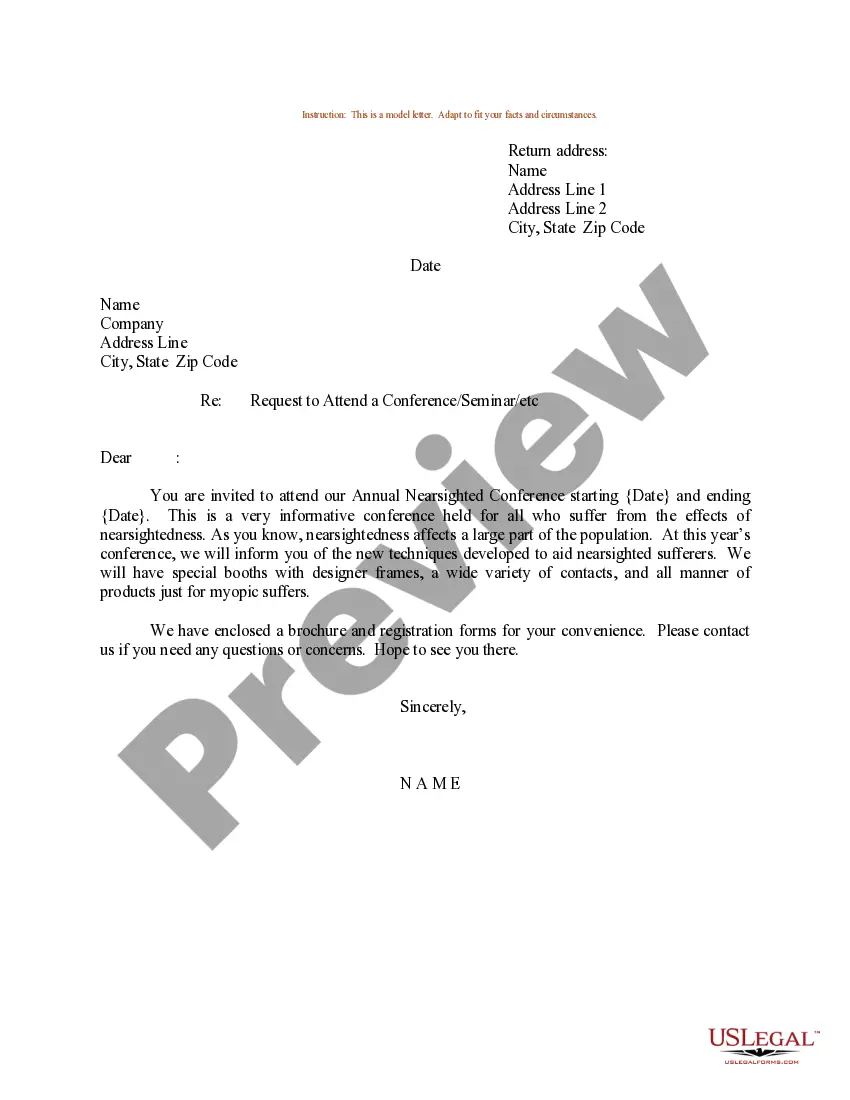
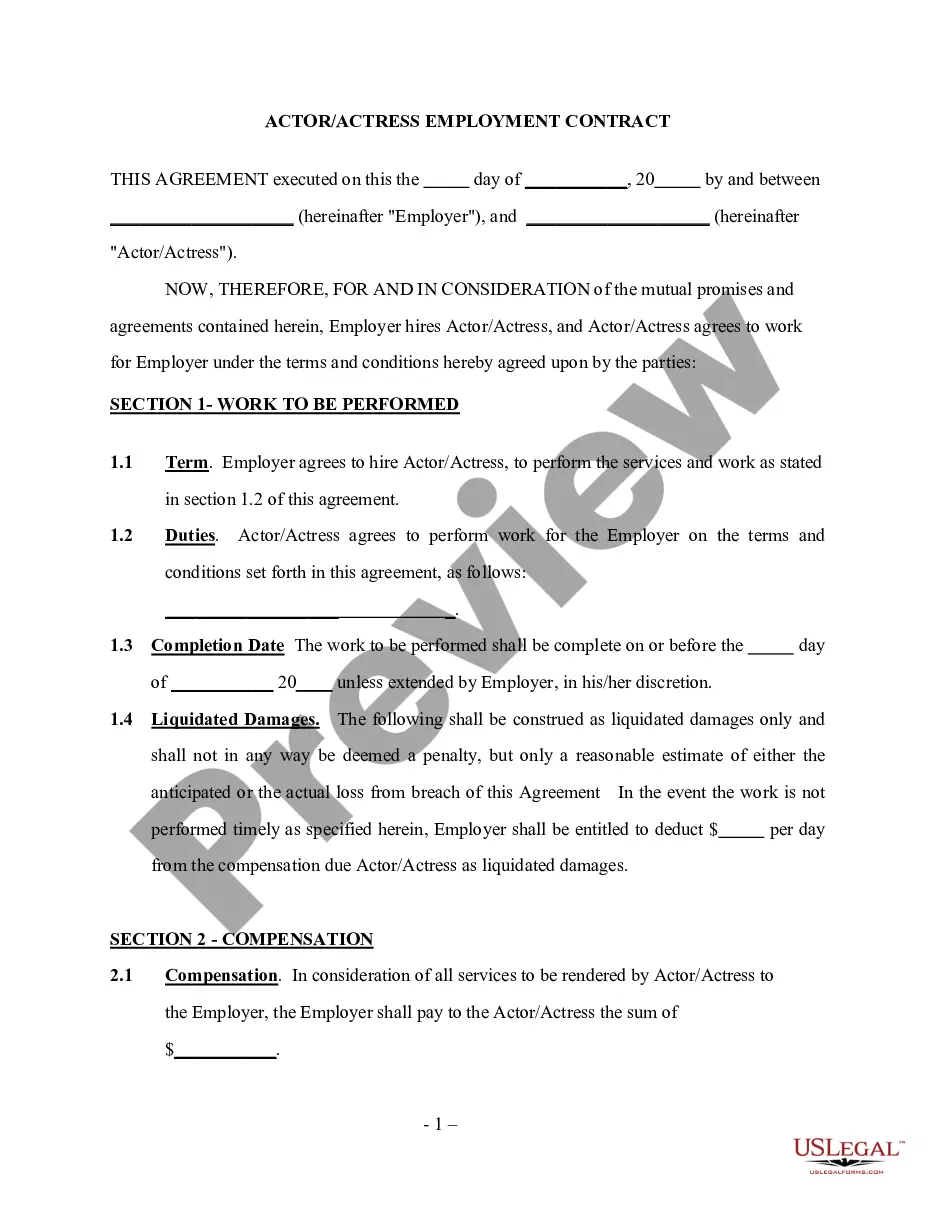
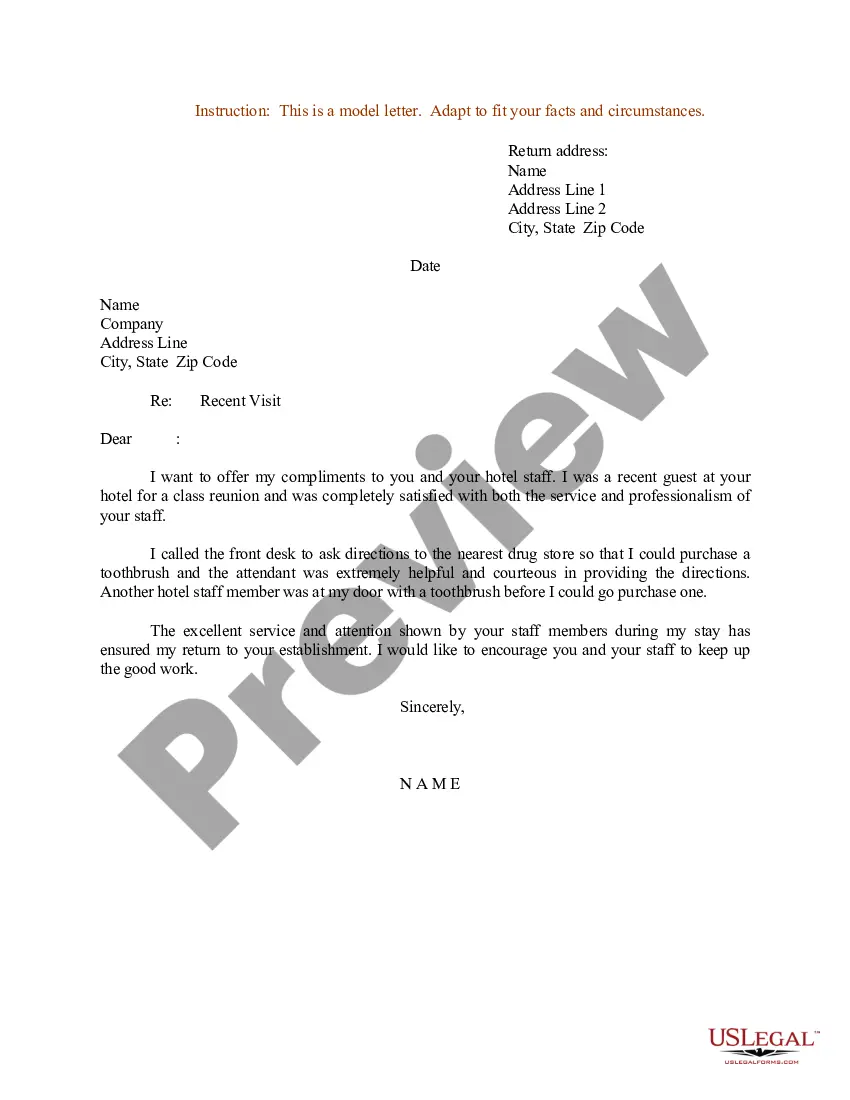
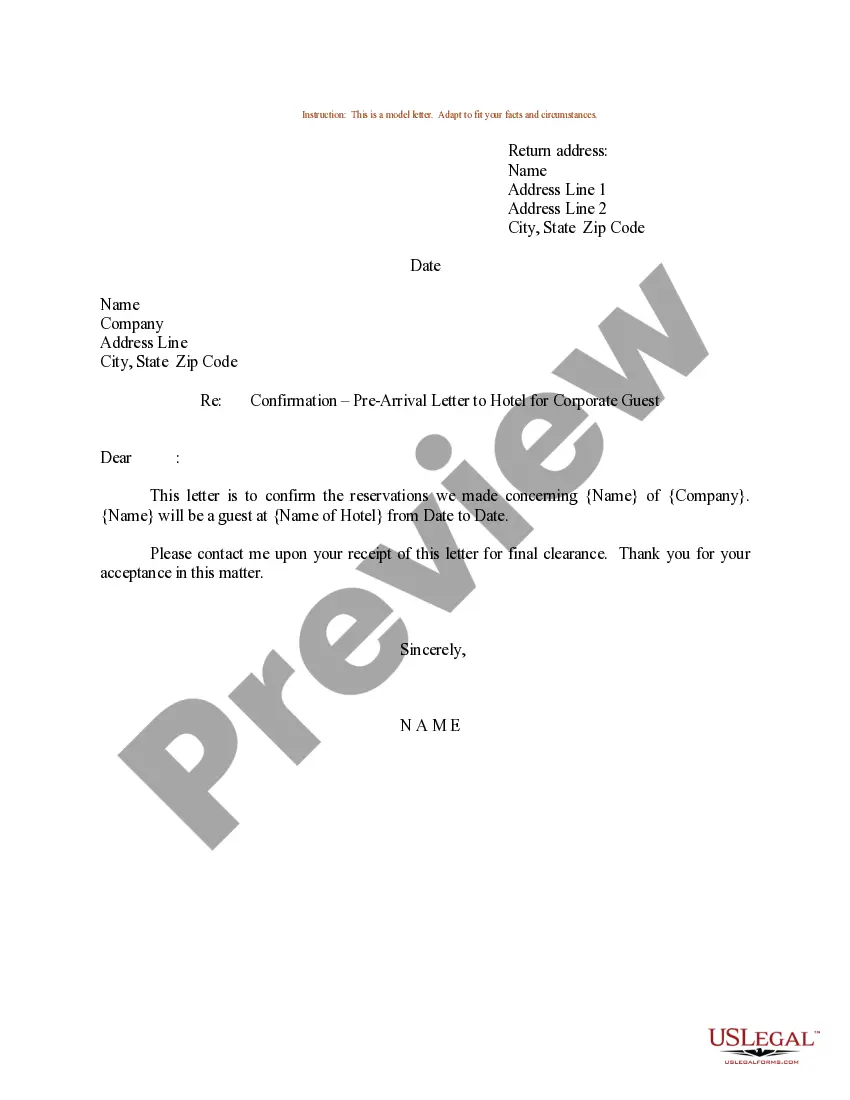
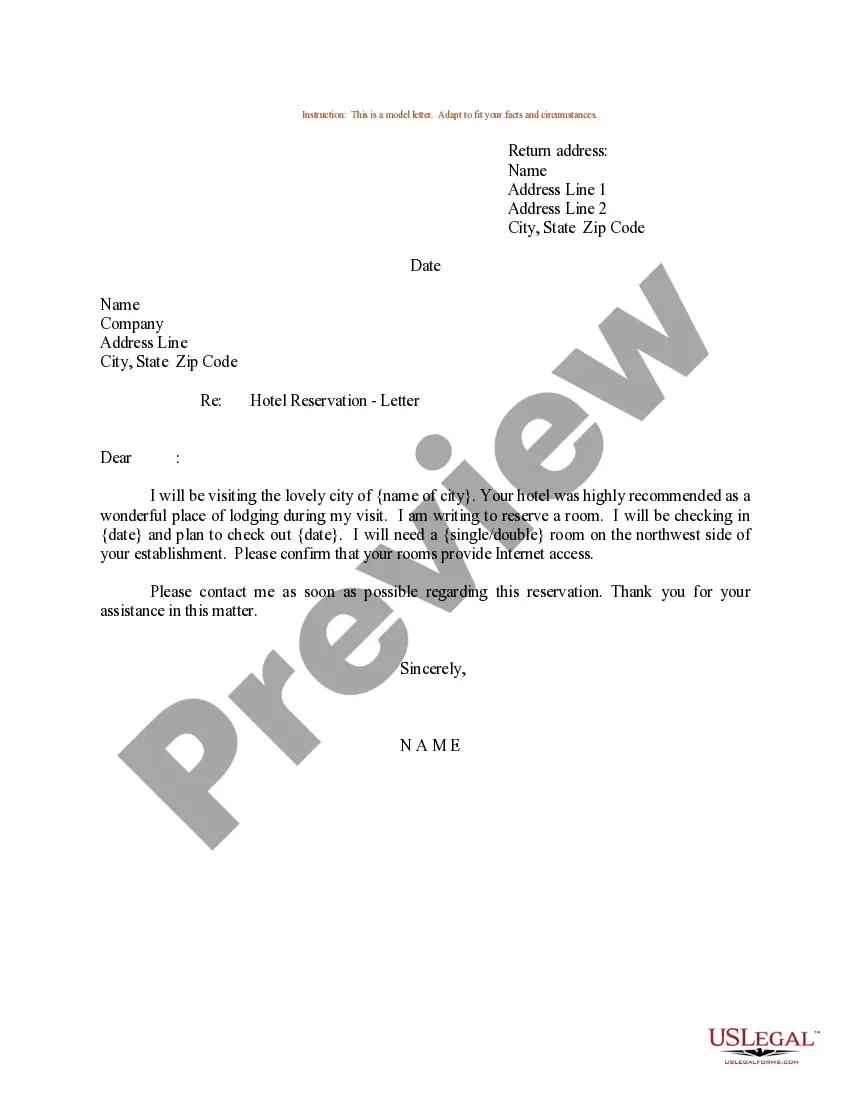
How to fill out Sample Letter For Request For Transportation From Airport To Hotel - Guest To Hotel?
Acquiring legal document examples that adhere to federal and state regulations is vital, and the internet provides numerous alternatives to select from.
However, what’s the use in expending time searching for the appropriate Request Letter For Transportation With Employee template online when the US Legal Forms digital repository already compiles such documents in one location.
US Legal Forms is the largest web-based legal library featuring over 85,000 customizable templates crafted by attorneys for any business and personal situation. They are easy to navigate with all documents organized by state and intended purpose.
All templates you find through US Legal Forms can be reused. To re-download and fill out forms you have previously saved, access the My documents section in your account. Experience the most comprehensive and user-friendly legal document service!
- Our team stays updated with legislative changes, ensuring you can always trust that your form is current and compliant when you obtain a Request Letter For Transportation With Employee from our site.
- Retrieving a Request Letter For Transportation With Employee is fast and straightforward for both existing and new users.
- If you already possess an account with an active subscription, Log In and download the required document example in your desired format.
- If you are new to our platform, follow the guidelines below.
- Evaluate the template using the Preview feature or via the text description to confirm it meets your requirements.
Form popularity
FAQ
In order for a will or codicil to be valid under New Hampshire law, it must comply with the requirements of the law. For instance, the will must be in writing, signed by the person whose will it is, and signed by two or more credible witnesses who must swear that the person's signature is genuine.
Yes, people can write their own wills in New Hampshire. Under New Hampshire law everyone at least 18 years of age and married persons under that age, who are of sane mind, may dispose of their property by their last will in writing.
Signature: The will must be signed by the testator or by someone else in the testator's name in his presence, by his express direction. Witnesses: A New Hampshire will must be signed by at least two witnesses, who should not also be beneficiaries in the will, at the request of the testator and in his presence.
Online. Yes, people can write their own wills in New Hampshire. Under New Hampshire law everyone at least 18 years of age and married persons under that age, who are of sane mind, may dispose of their property by their last will in writing.
Even if there are no assets, but there is a will, you must file the will, any codicils (amendments), and a death certificate with the Probate Court within thirty (30) days of the date of death.
There are several legal requirements when you make a will in New Hampshire ? notarization isn't one of them. ?For a will to be legally binding in New Hampshire, it needs to be: In writing. Created by a testator (the person making the will) who is of sound mind and at least 18 years old.
The most common types of advance directives are the living will and the durable power of attorney for health care (sometimes known as the medical power of attorney). There are many advance directive formats.
The laws vary in each state; however, in New Hampshire, your Living Will must be signed by a notary public or two witnesses. Witnesses to a Living Will shouldn't be your attending physician or anyone who is acting under your physician's direction.