Testamentary Trust Form For New York State
Description
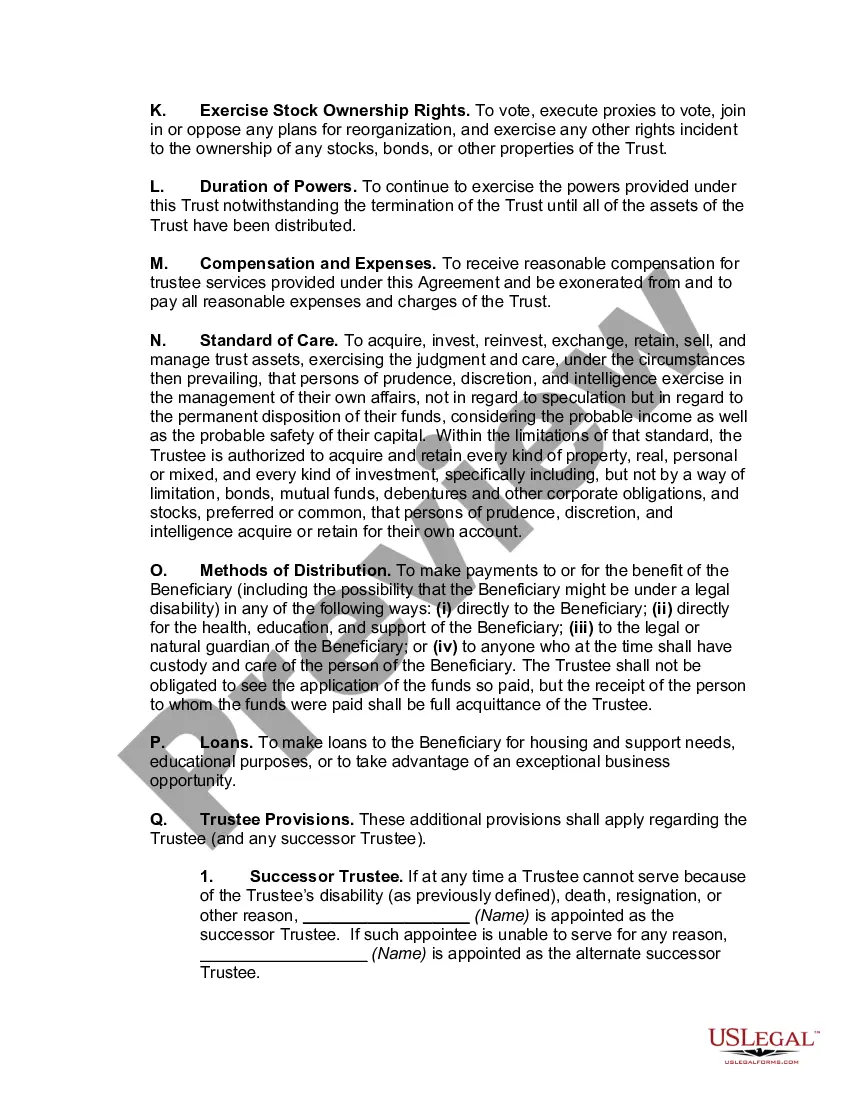
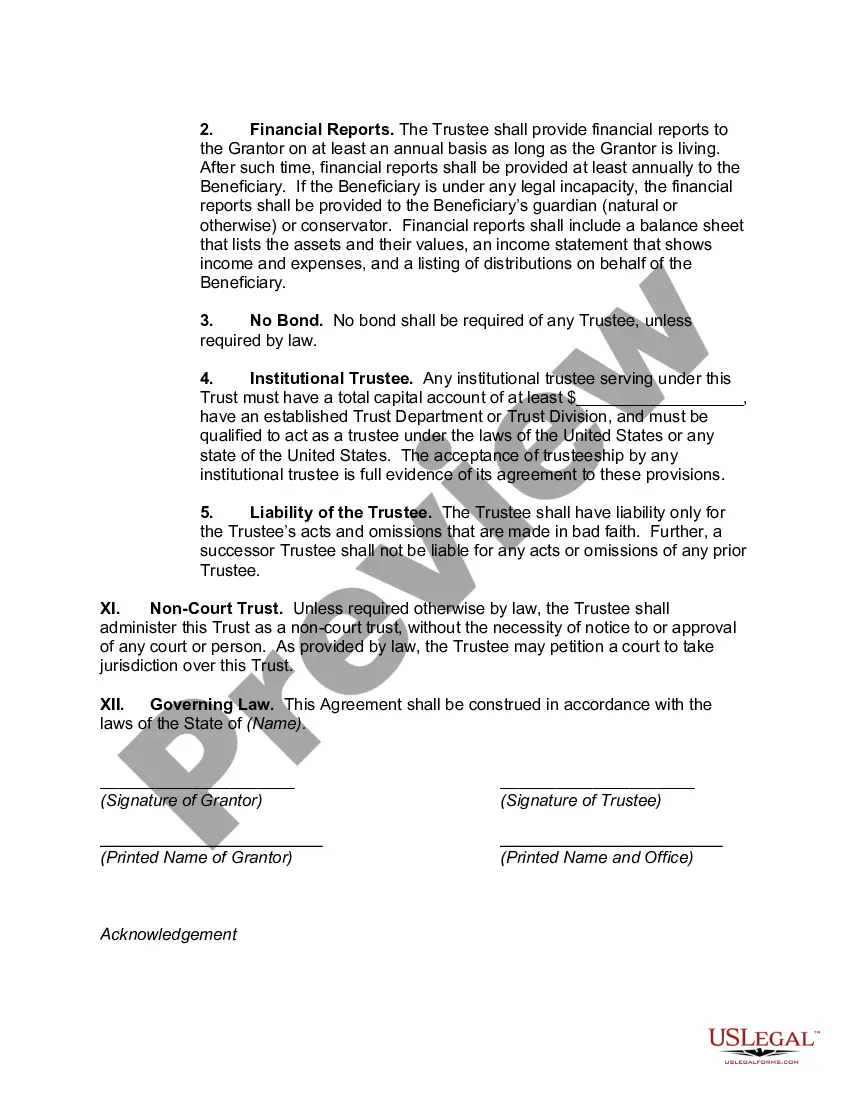
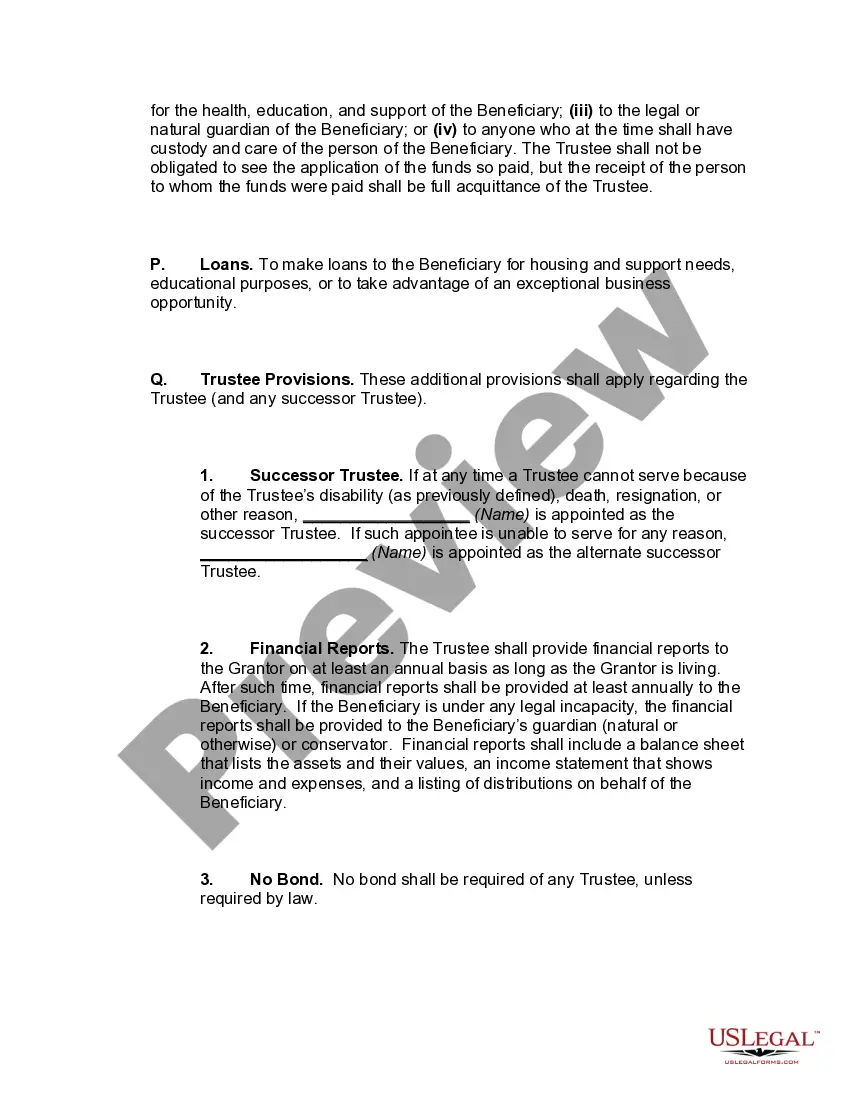
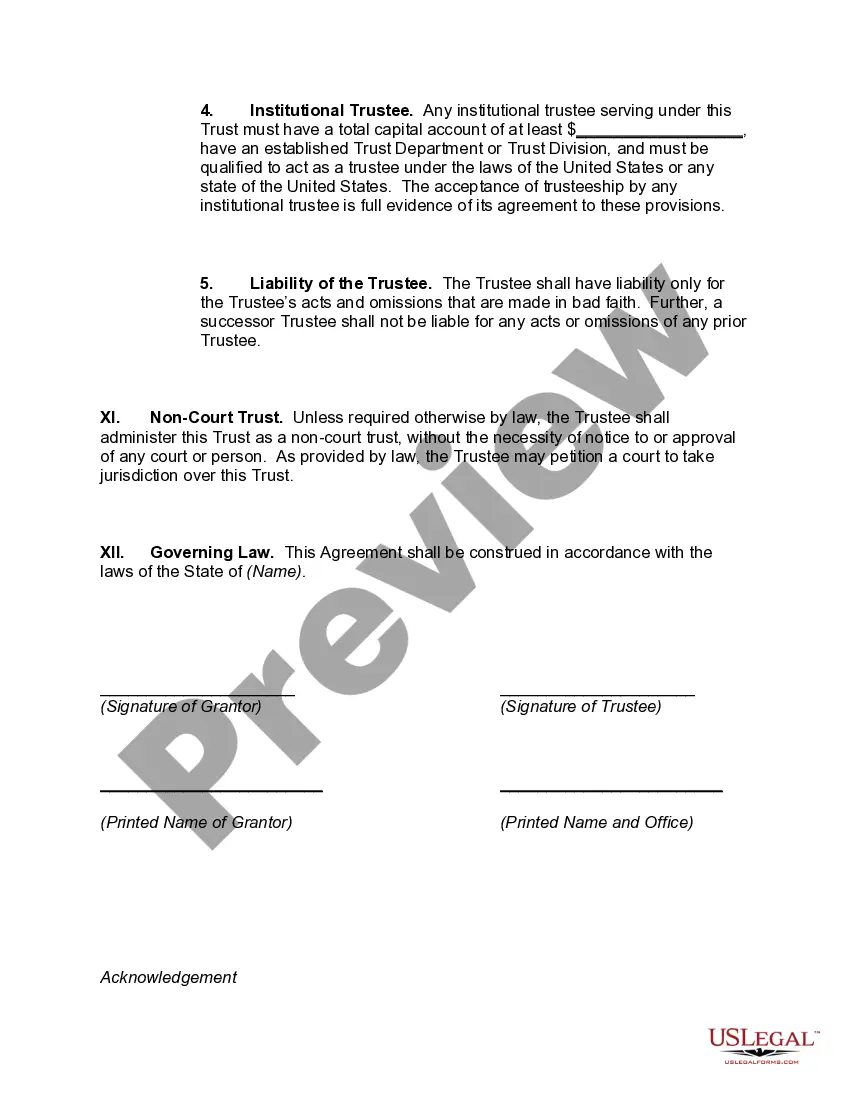

Get your form ready online
Our built-in tools help you complete, sign, share, and store your documents in one place.
Make edits, fill in missing information, and update formatting in US Legal Forms—just like you would in MS Word.
Download a copy, print it, send it by email, or mail it via USPS—whatever works best for your next step.
Sign and collect signatures with our SignNow integration. Send to multiple recipients, set reminders, and more. Go Premium to unlock E-Sign.
If this form requires notarization, complete it online through a secure video call—no need to meet a notary in person or wait for an appointment.
We protect your documents and personal data by following strict security and privacy standards.

Make edits, fill in missing information, and update formatting in US Legal Forms—just like you would in MS Word.

Download a copy, print it, send it by email, or mail it via USPS—whatever works best for your next step.

Sign and collect signatures with our SignNow integration. Send to multiple recipients, set reminders, and more. Go Premium to unlock E-Sign.

If this form requires notarization, complete it online through a secure video call—no need to meet a notary in person or wait for an appointment.

We protect your documents and personal data by following strict security and privacy standards.
Looking for another form?








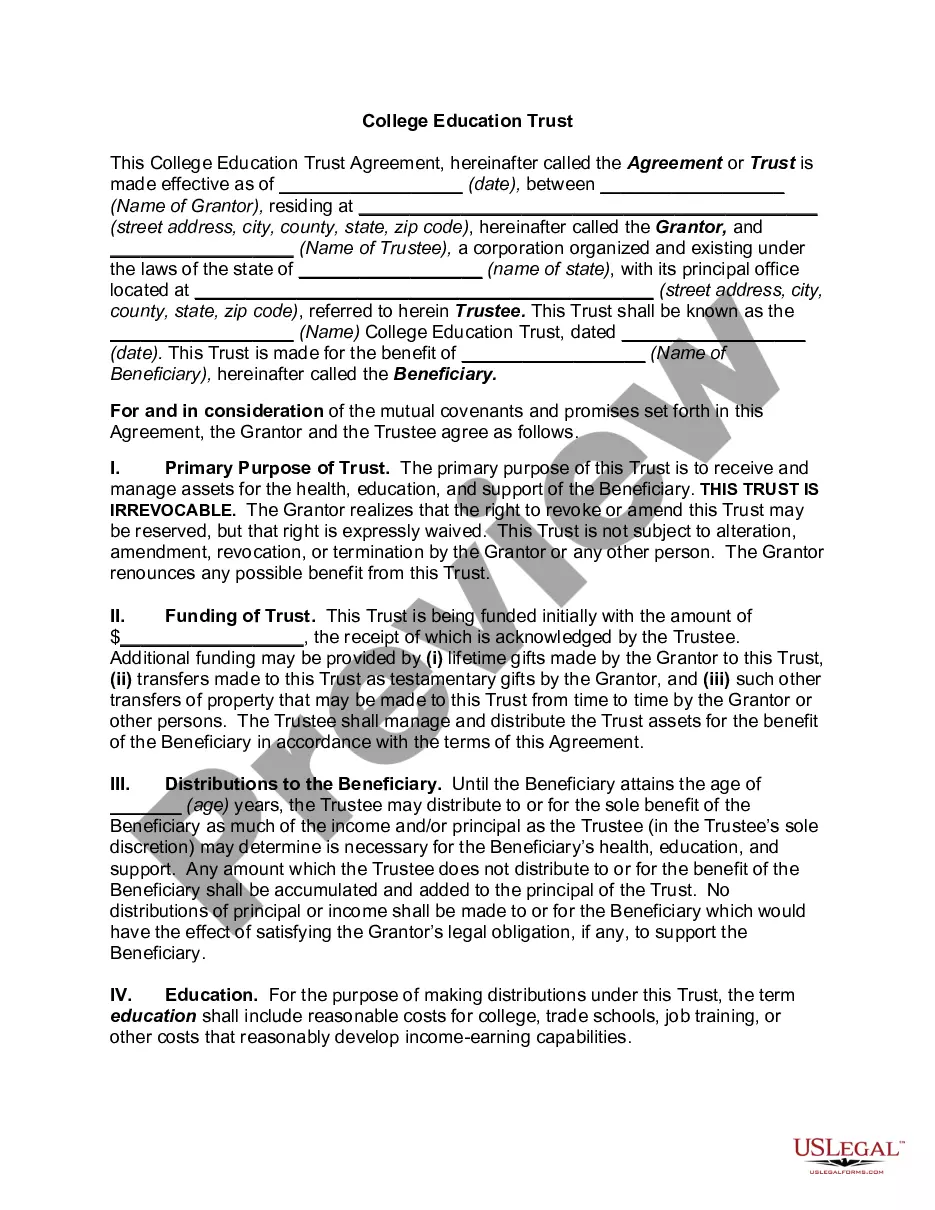
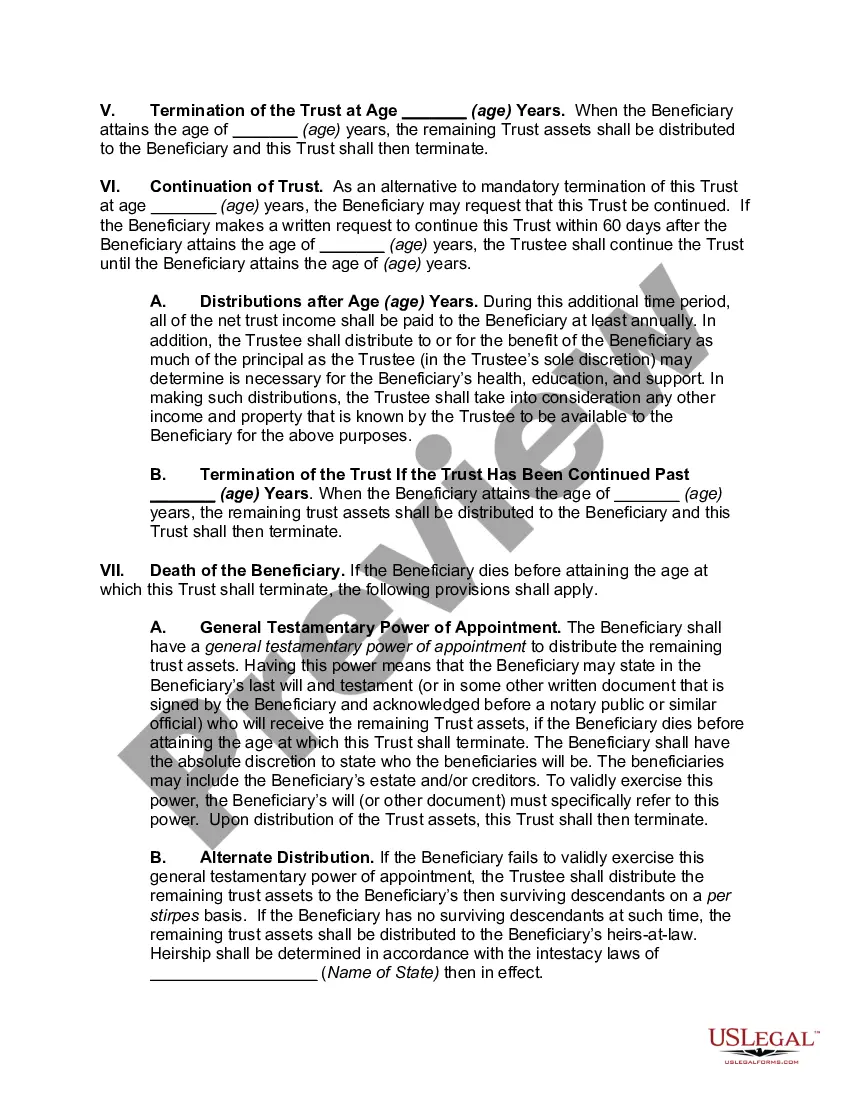
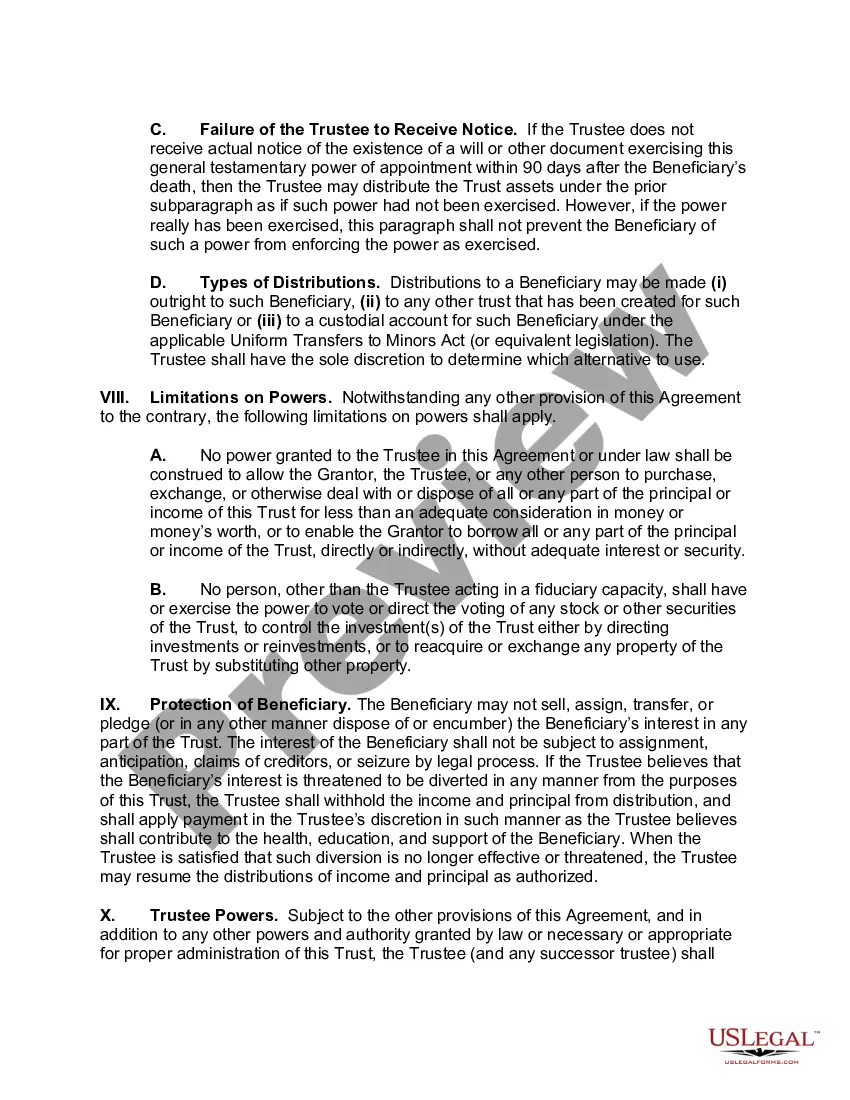
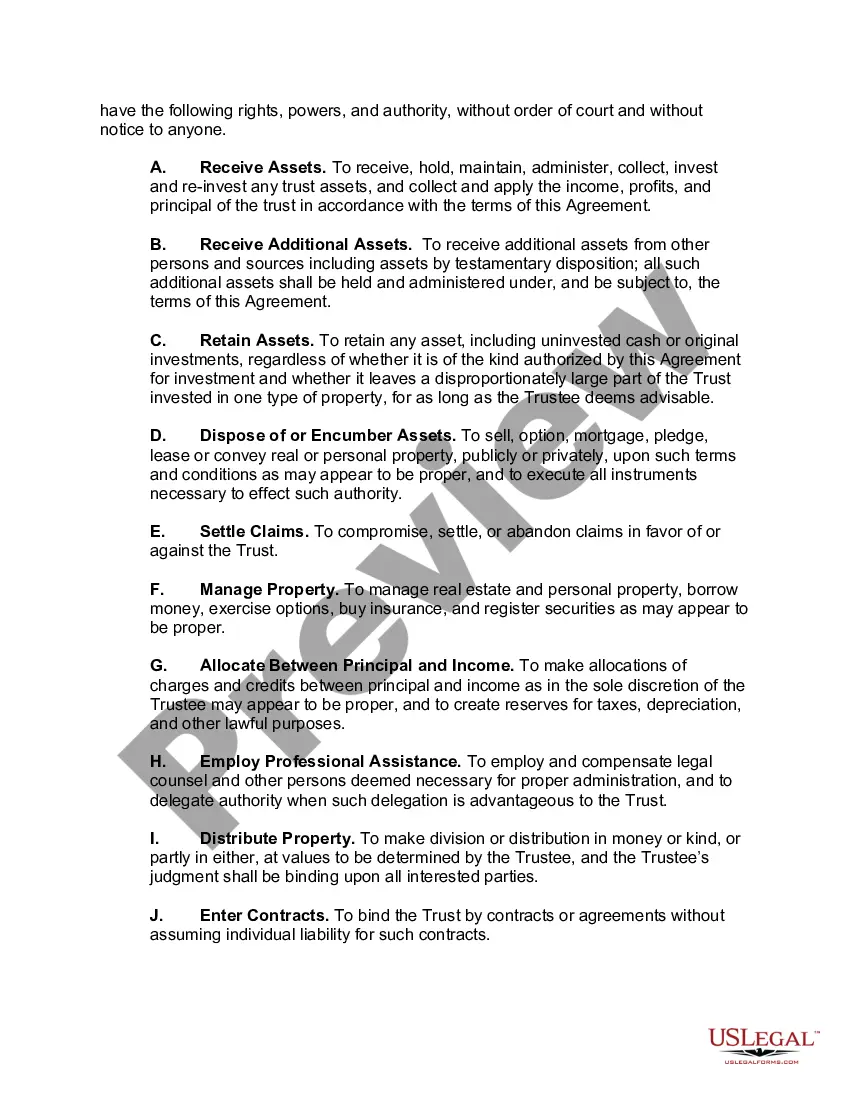
How to fill out College Education Trust Agreement?
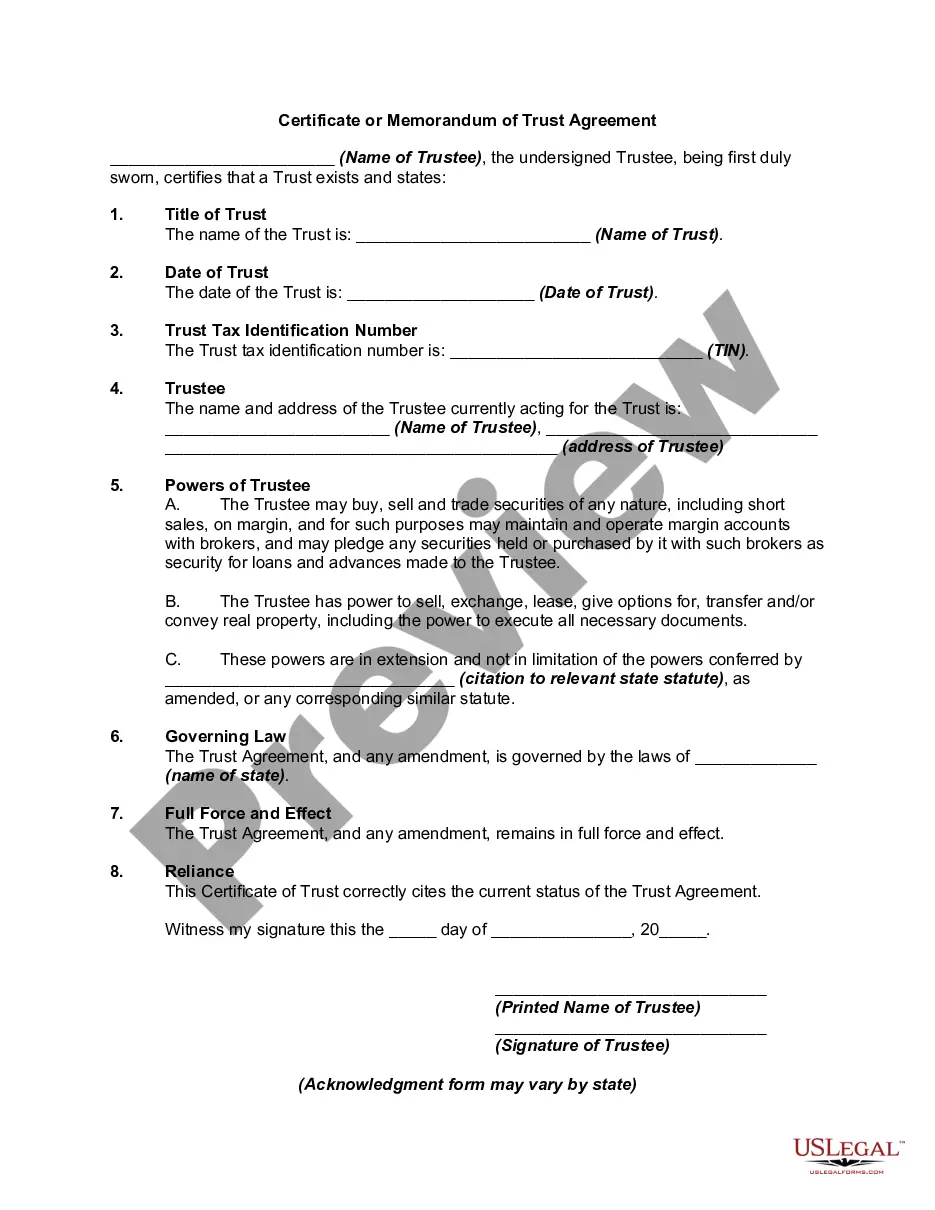
The Testamentary Trust Document for New York State you observe on this page is a reusable formal template crafted by expert attorneys in accordance with national and local laws and regulations.
For over 25 years, US Legal Forms has supplied individuals, companies, and lawyers with more than 85,000 authenticated, state-specific forms for any business and personal circumstance. It’s the quickest, simplest, and most reliable method to acquire the documents you require, as the service ensures bank-level data security and anti-malware safeguards.
Subscribe to US Legal Forms to have authenticated legal templates for every aspect of life at your fingertips.
- Browse for the document you require and verify it.
- Sign up and Log In.
- Obtain the editable template.
- Fill out and sign the documents.
- Redownload your files once more.
Form popularity
FAQ
To obtain a letter of testamentary in New York, you will first need to file a petition for probate to the Surrogate's Court in the county where the deceased resided.
Testamentary Trusts You can also create a trust as part of your last will and testament. This is called a ?testamentary trust,? which only becomes effective upon your death, for people or charities you wish to provide for when you die.
A testamentary trust is created to manage the assets of the deceased on behalf of the beneficiaries. It is also used to reduce estate tax liabilities and ensure professional management of the assets of the deceased.
It is a trust structure that is often used to protect family assets by having greater control over management and distributions of the deceased estate to beneficiaries. It is crucial that the planning and appointing process of the trustee is well governed.
Name a Trust Provide the following information on the beneficiary designation: The full name of the trust as it shows on the trust document. The date the trust was created. The name of the trustee, followed by the word ?trustee,? or if you cannot provide a trustee, ETF may accept another contact person.