Educational Trust Definition With Spouse
Description

Get your form ready online
Our built-in tools help you complete, sign, share, and store your documents in one place.
Make edits, fill in missing information, and update formatting in US Legal Forms—just like you would in MS Word.
Download a copy, print it, send it by email, or mail it via USPS—whatever works best for your next step.
Sign and collect signatures with our SignNow integration. Send to multiple recipients, set reminders, and more. Go Premium to unlock E-Sign.
If this form requires notarization, complete it online through a secure video call—no need to meet a notary in person or wait for an appointment.
We protect your documents and personal data by following strict security and privacy standards.

Make edits, fill in missing information, and update formatting in US Legal Forms—just like you would in MS Word.

Download a copy, print it, send it by email, or mail it via USPS—whatever works best for your next step.

Sign and collect signatures with our SignNow integration. Send to multiple recipients, set reminders, and more. Go Premium to unlock E-Sign.

If this form requires notarization, complete it online through a secure video call—no need to meet a notary in person or wait for an appointment.

We protect your documents and personal data by following strict security and privacy standards.
Looking for another form?





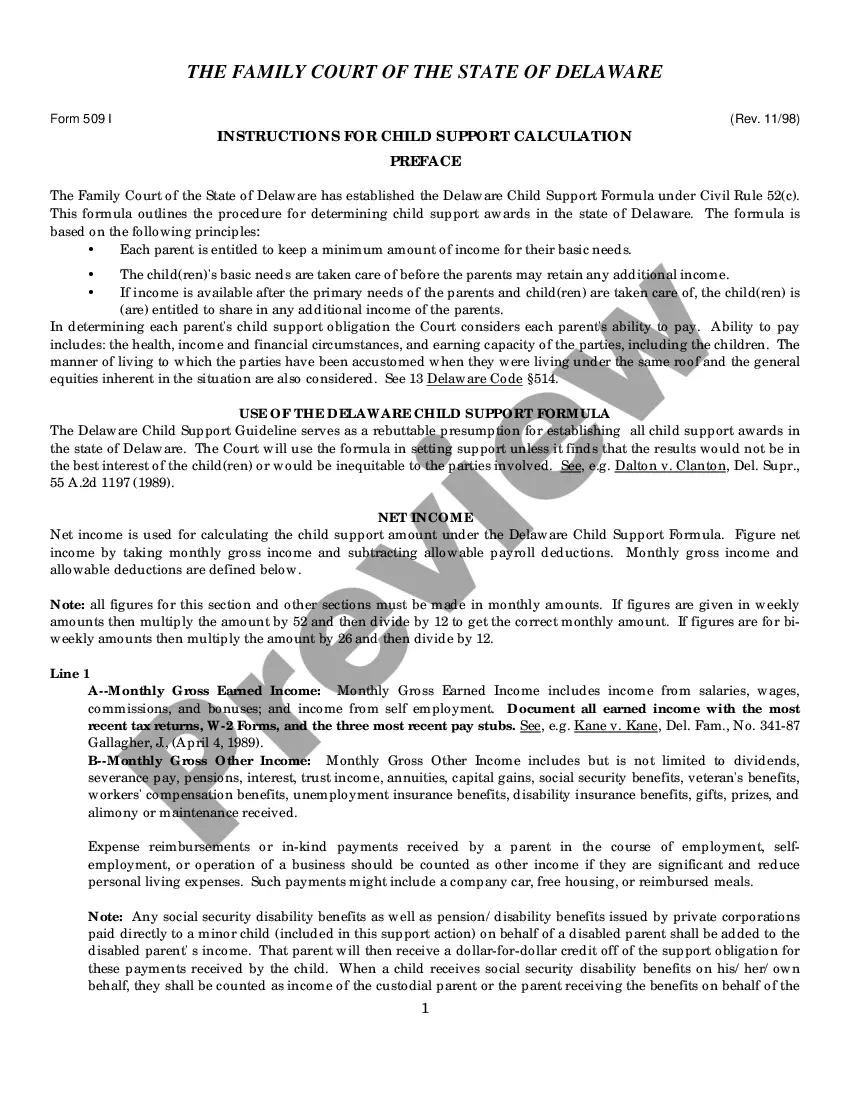

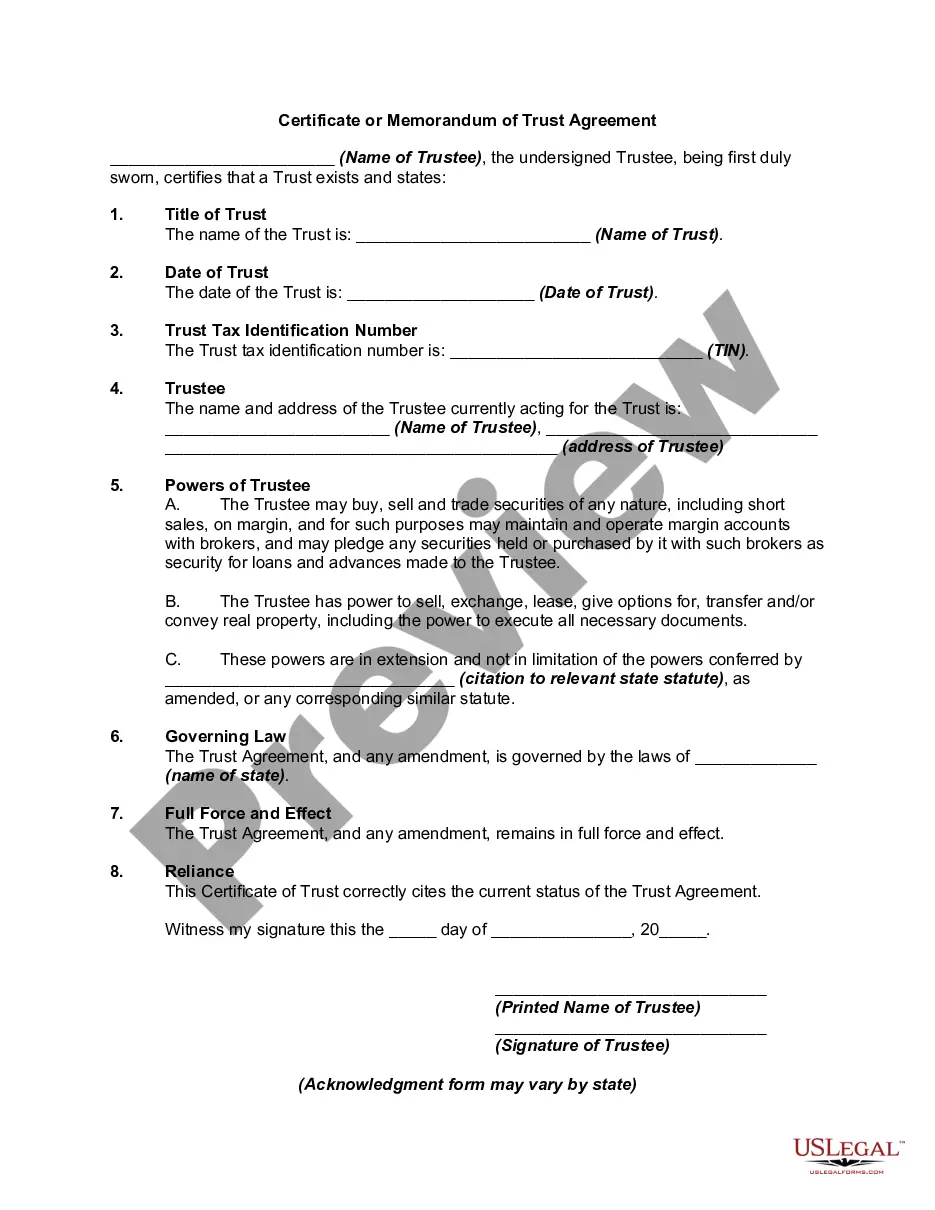
How to fill out College Education Trust Agreement?
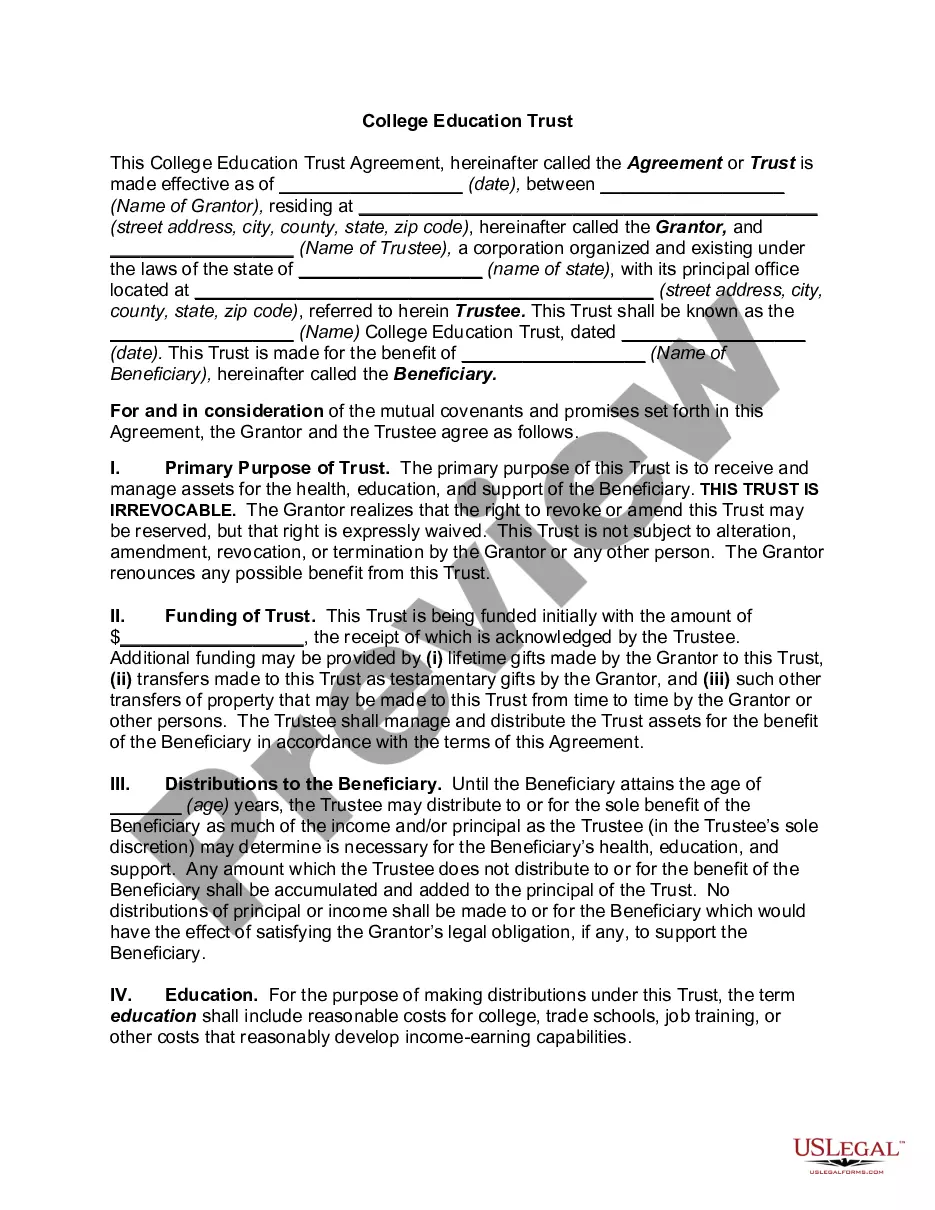
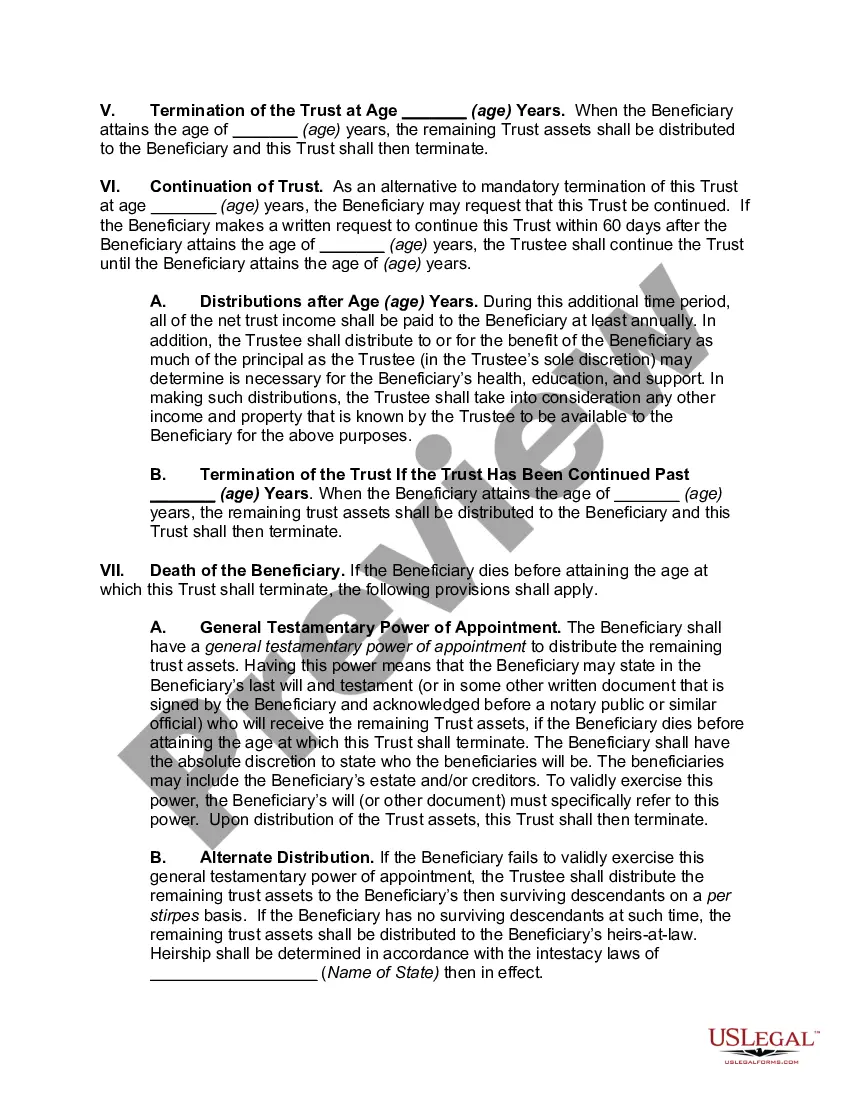
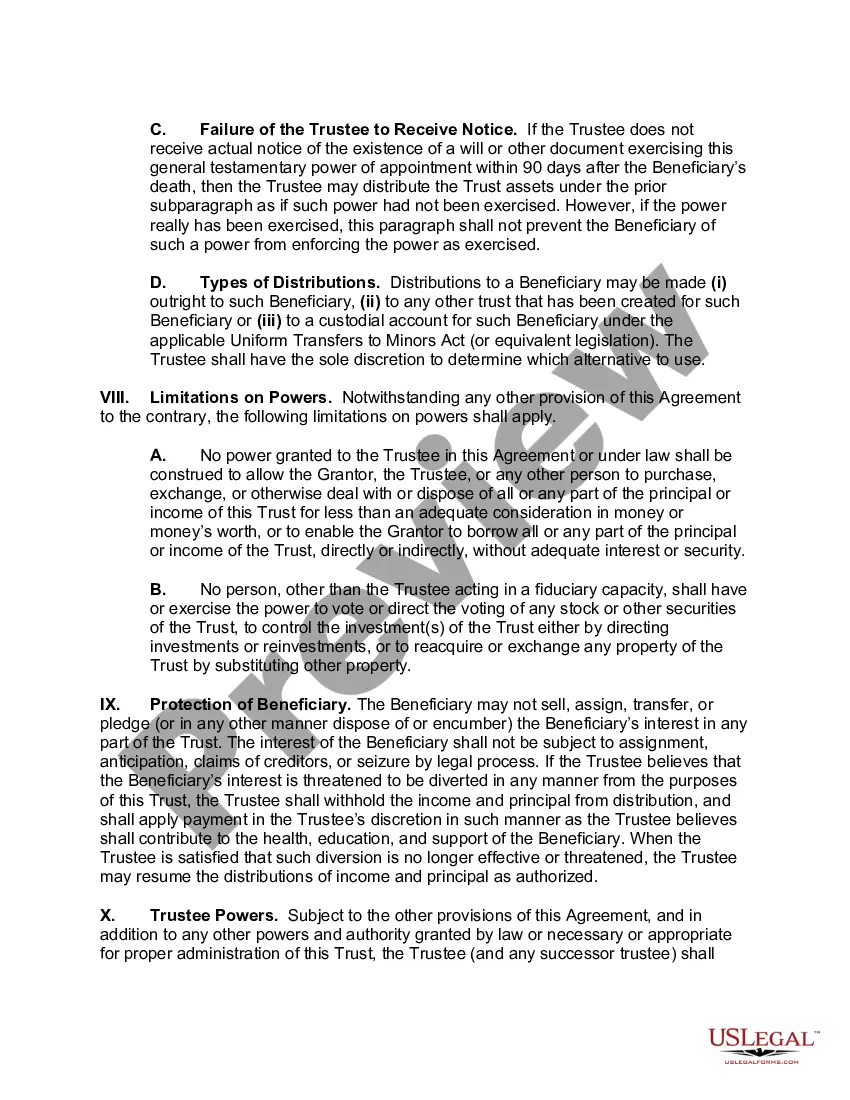
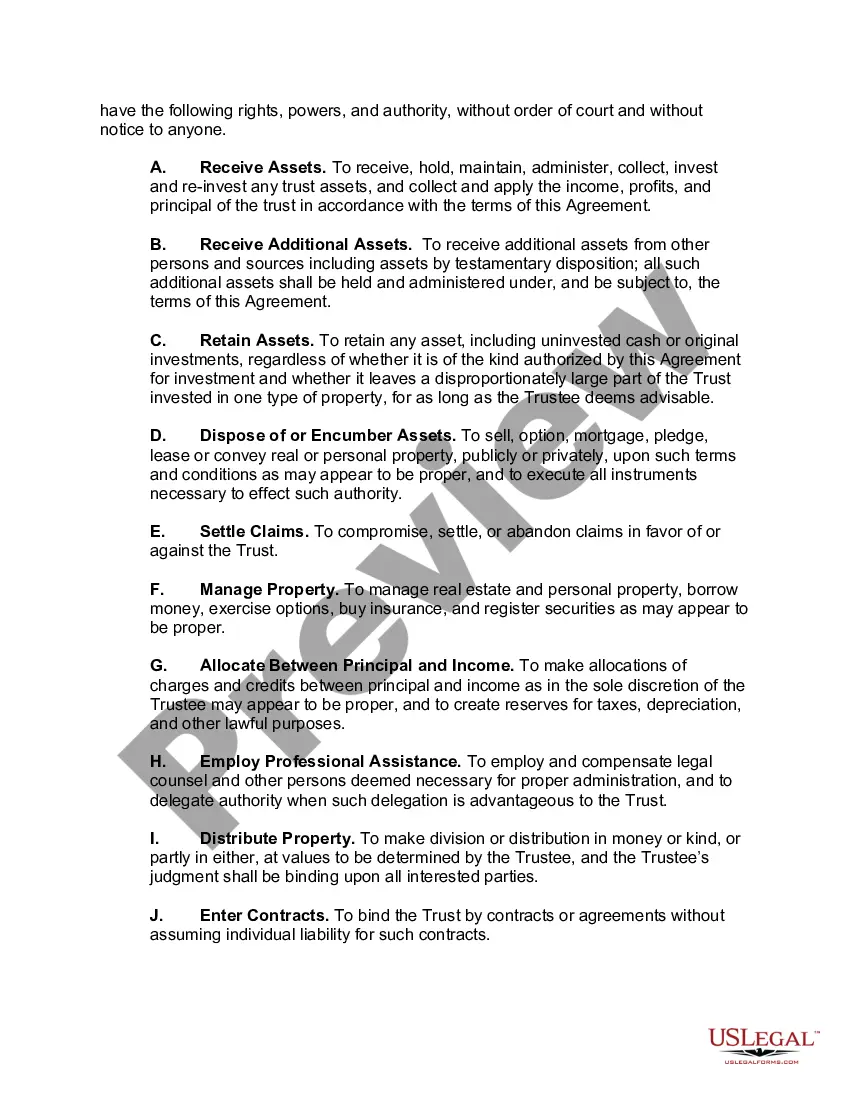
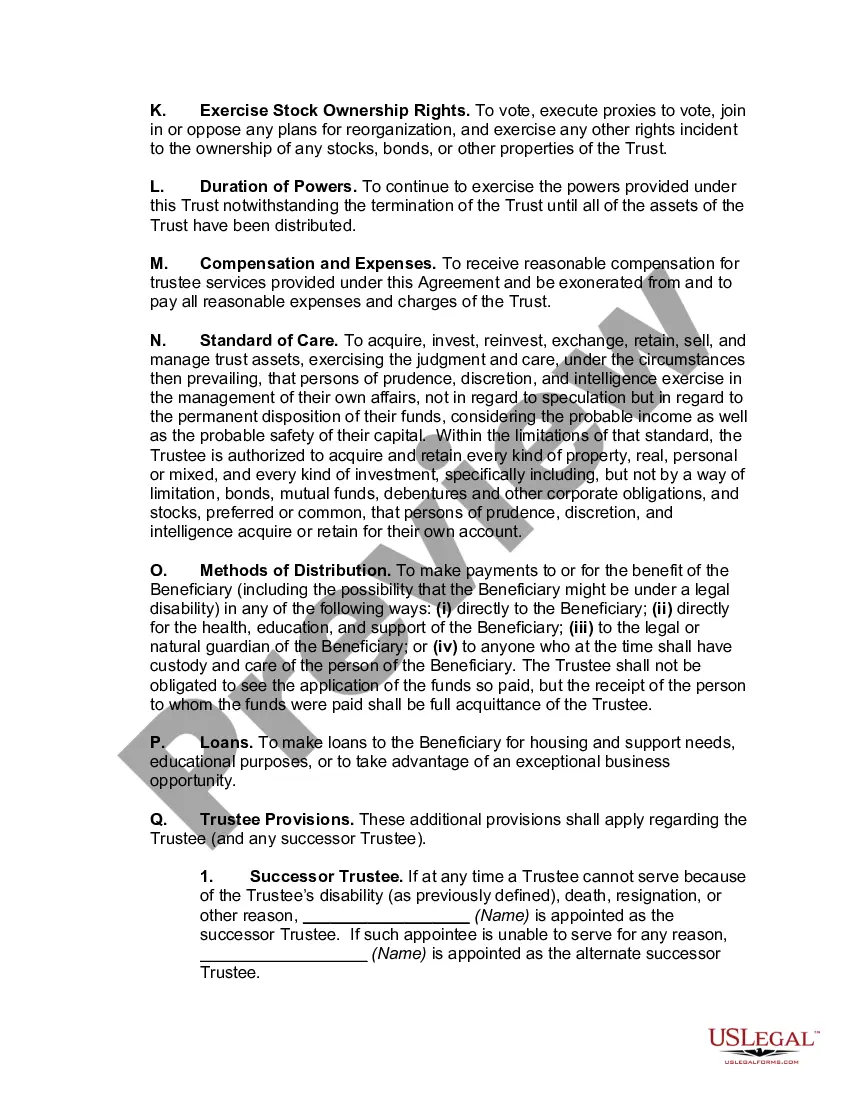
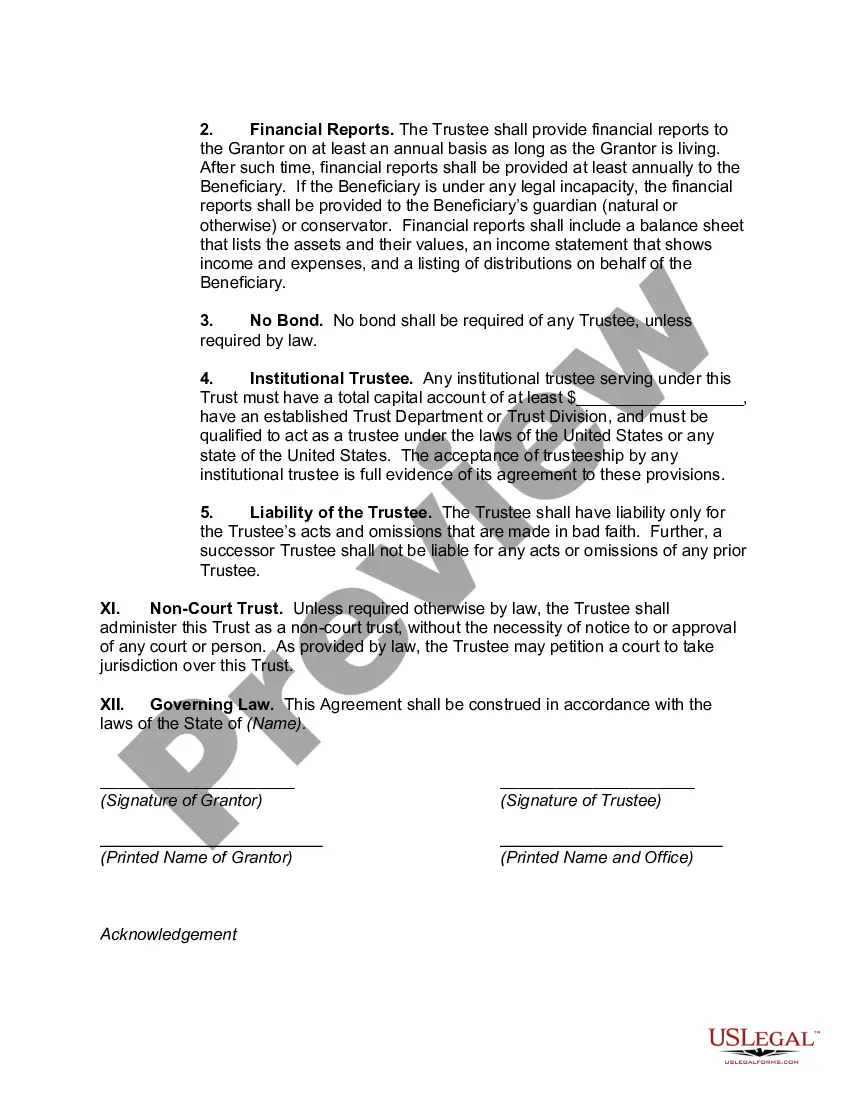
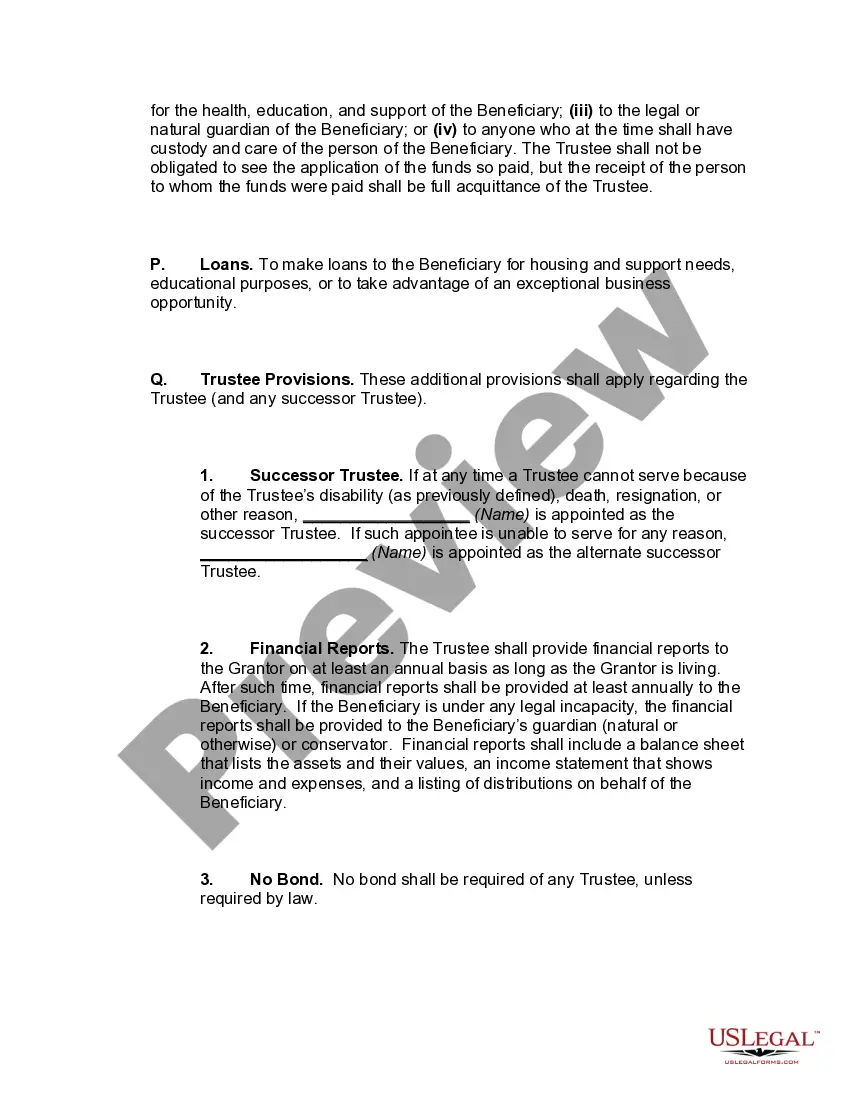
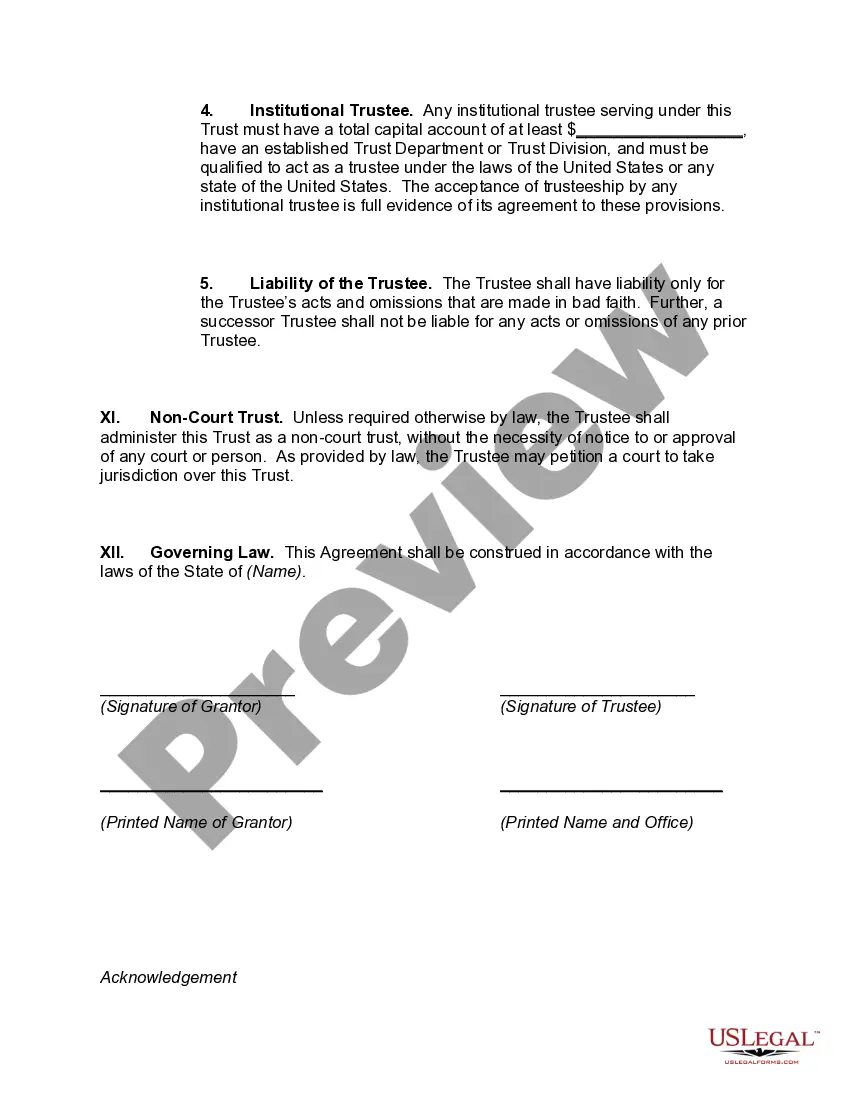
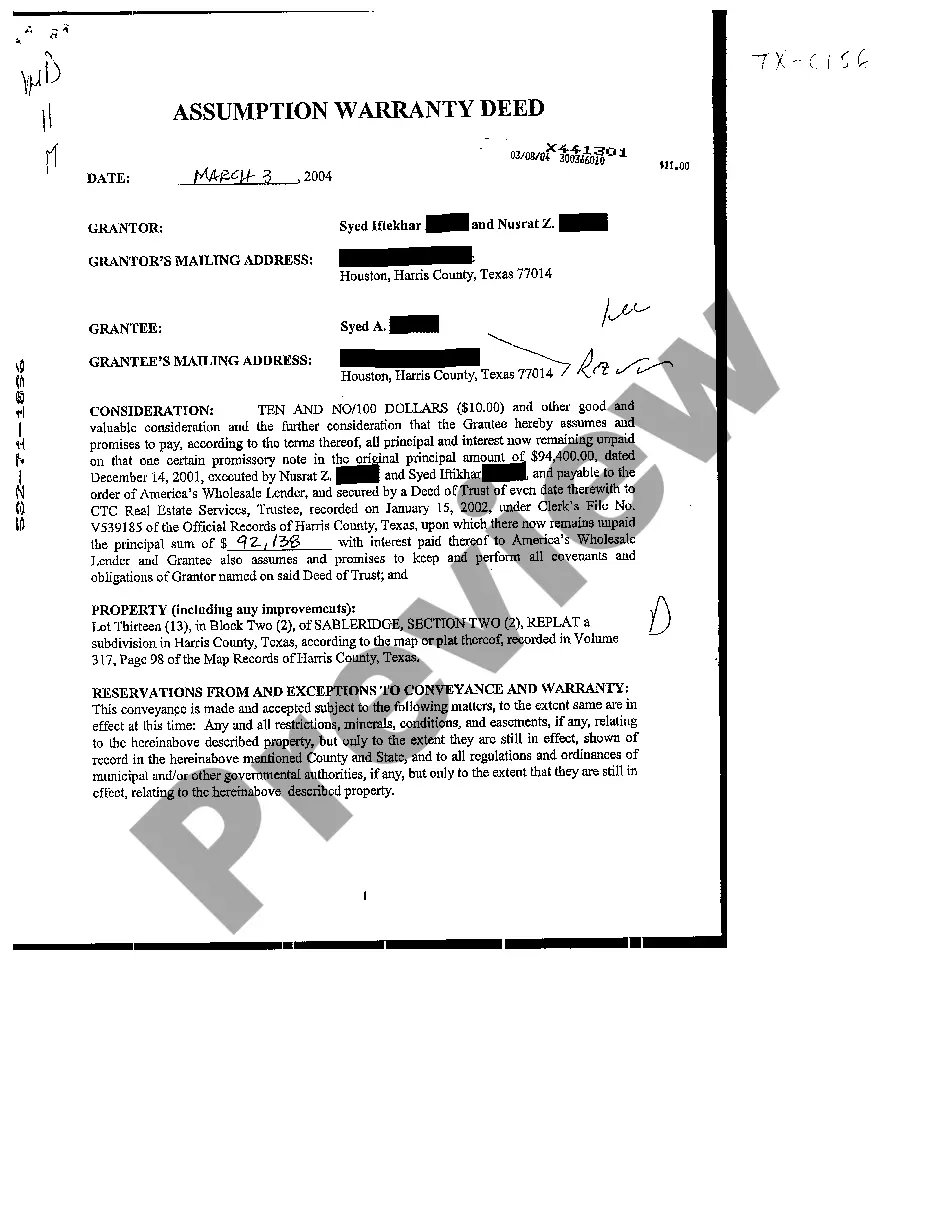
The Educational Trust Definition With Spouse you observe on this page is a versatile formal template created by expert attorneys in line with federal and local regulations.
For over 25 years, US Legal Forms has offered individuals, businesses, and legal practitioners more than 85,000 authenticated, state-specific documents for any professional and personal occasion. It’s the swiftest, simplest, and most dependable means to acquire the paperwork you require, as the service ensures bank-level data protection and anti-malware safeguards.
Use the same document again whenever necessary. Access the My documents tab in your profile to redownload any previously saved documents. Subscribe to US Legal Forms to have verified legal templates for all of life’s situations at your fingertips.
- Search for the document you require and examine it.
- Review the sample you found and preview it or read the form description to confirm it meets your needs. If it does not, utilize the search bar to find the correct one. Click Buy Now once you have located the template you need.
- Choose a pricing plan that fits you and create an account. Use PayPal or a credit card to make a fast payment. If you already possess an account, Log In and verify your subscription to proceed.
- Select the format you desire for your Educational Trust Definition With Spouse (PDF, Word, RTF) and save the document on your device.
- Print the template to finish it by hand. Alternatively, use an online multifunctional PDF editor to quickly and accurately complete and sign your form with a legally-binding electronic signature.
Form popularity
FAQ
Whether your parents should put their property in a trust depends on their financial goals and estate planning needs. An educational trust definition with spouse can offer advantages such as avoiding probate and protecting assets. Consulting with professionals, like uslegalforms, can provide guidance tailored to their specific situation.
A declaration of trust between spouses is a legal document that outlines how assets will be managed and distributed in the event of death or divorce. This document is particularly important when establishing an educational trust definition with spouse. It clarifies each partner's rights and responsibilities, helping to avoid future conflicts.
One of the biggest mistakes parents make is failing to communicate their intentions clearly to their children. An educational trust definition with spouse requires transparency to ensure that all parties understand the purpose and benefits of the trust. This communication can prevent confusion and foster a sense of security for the beneficiaries.
The 5 by 5 rule allows beneficiaries to withdraw up to $5,000 or 5% of the trust's value, whichever is greater, each year without incurring gift tax. This rule can be a helpful feature when creating an educational trust definition with spouse. It offers flexibility while ensuring that the trust retains its primary purpose of benefiting the designated beneficiaries.
Yes, a spouse can be excluded from a trust, but this decision should be made with careful consideration. When setting up an educational trust definition with spouse, it’s essential to discuss the implications of exclusion. Doing so can lead to potential disputes or misunderstandings, so clear communication is vital.
The 2 year rule for trusts typically refers to a period during which certain transfers to a trust may be scrutinized to determine if they were made to avoid creditors or taxes. When establishing an educational trust definition with spouse, understanding this rule is crucial. It helps ensure that both partners are protected and that the trust serves its intended purpose without legal complications.
Yes, but naming the surviving spouse, as a Trustee should be done only after reviewing all the facts and counseling with your advisors. In a ?first time? marriage where both spouses have great confidence in each other, it is common for the surviving spouse to be designated as a Trustee of the Family and Marital Trusts.
Here's an example of how the HEMS standard may appear in your trust documents: "After my death, my trust assets should be distributed when my beneficiaries turn 35. Before age 35, a beneficiary may request distributions from the trust to cover expenses related to their health, education, maintenance, and support."
A Marital Trust is an irrevocable trust that allows for estate tax deferral and possibly elimination. On the other hand, a family trust is generally revocable and will not achieve the same estate tax benefits.
More often than not, people select their spouse as their primary beneficiary, and then name their children as contingent, or secondary, beneficiaries.