Educational Trust Definition With Commentary
Description
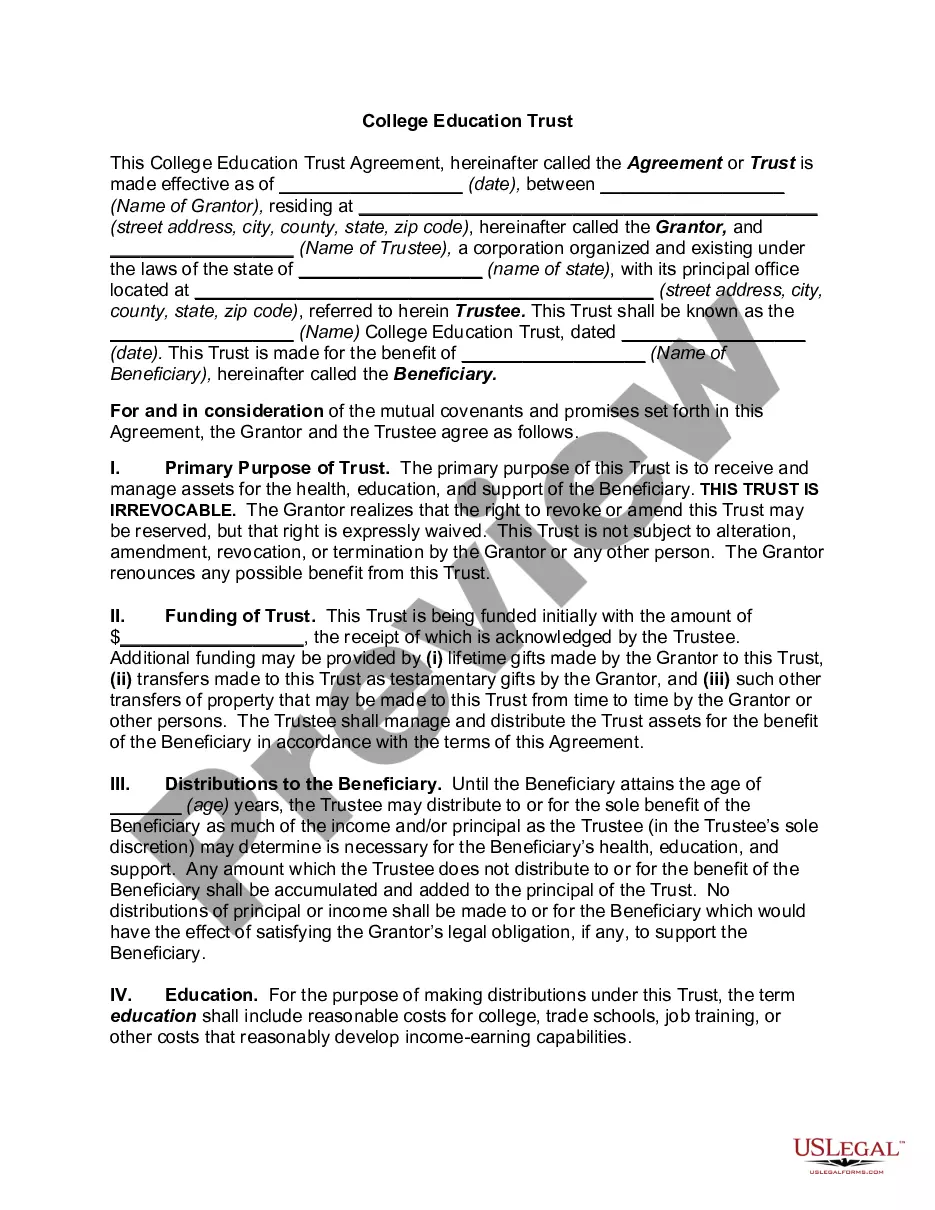
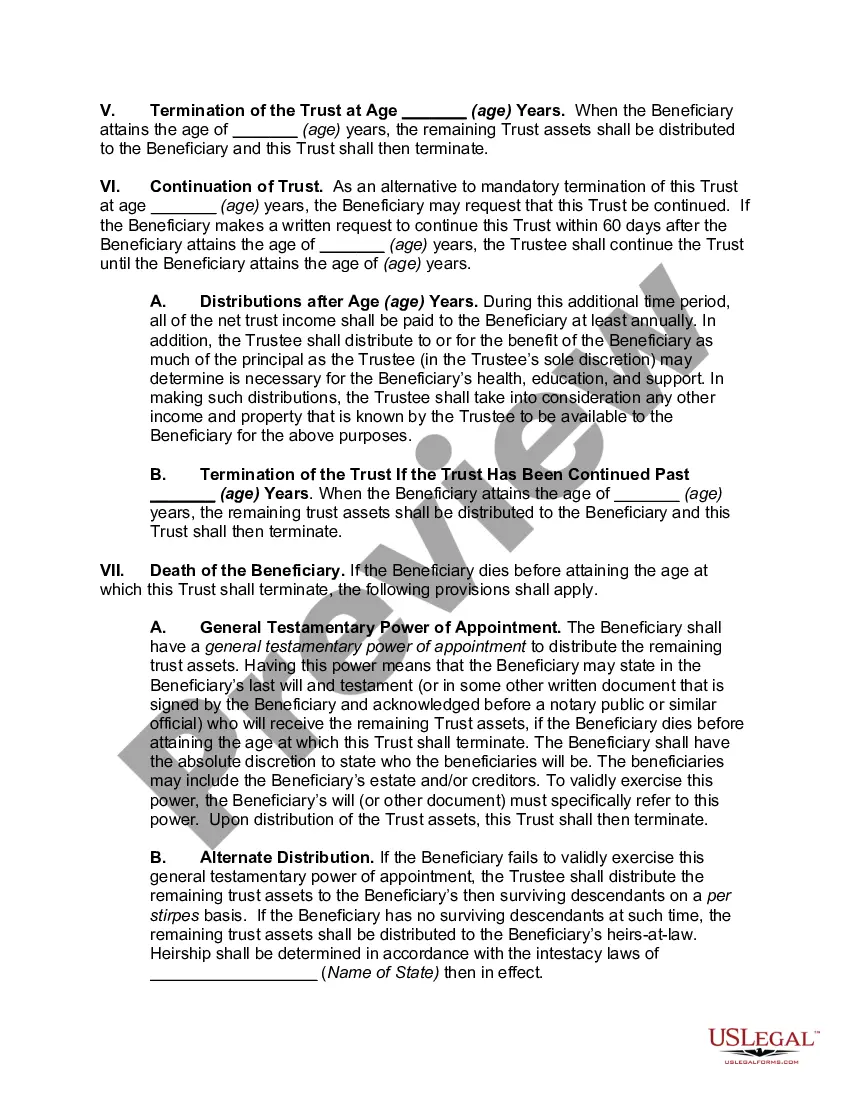
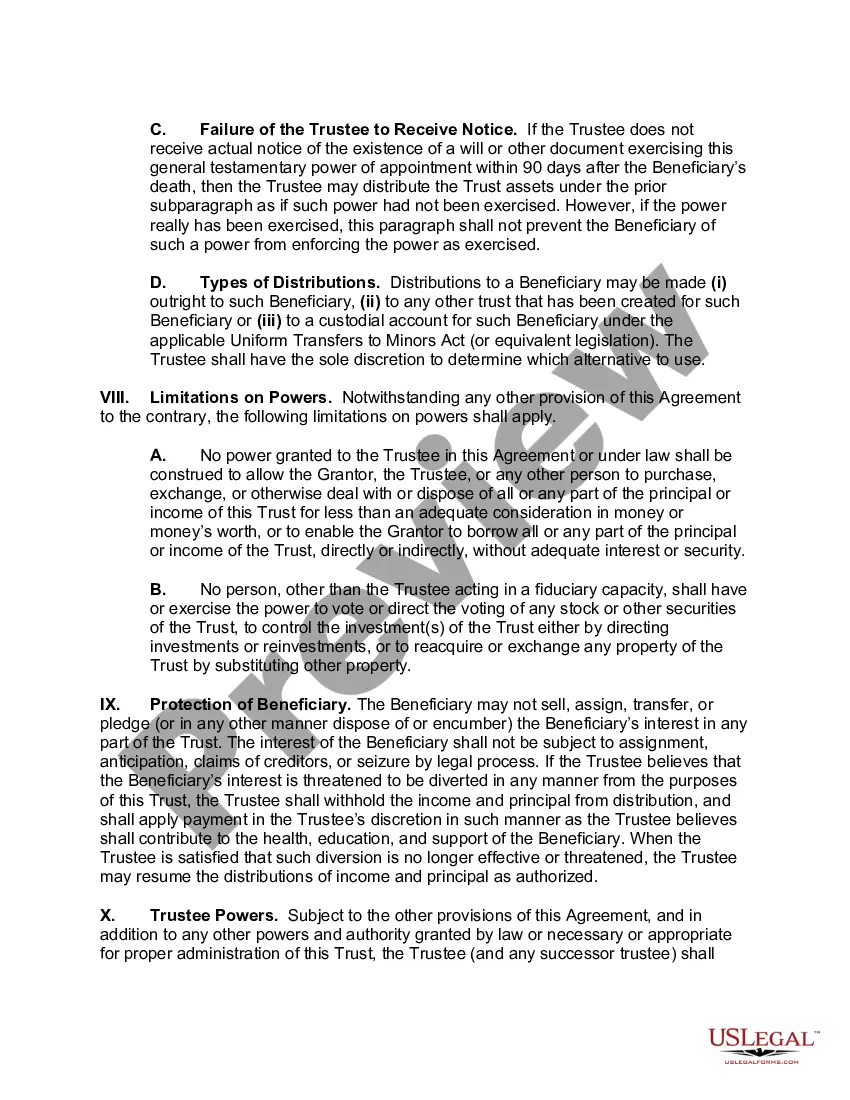
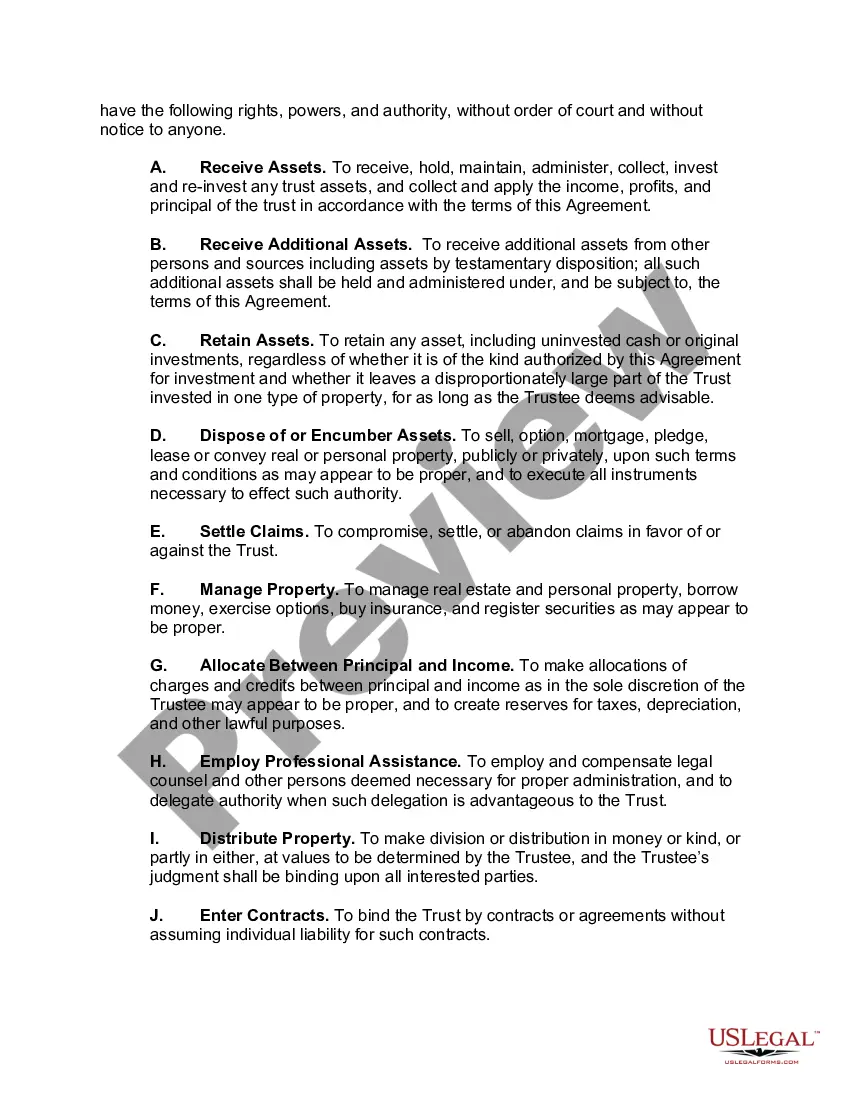
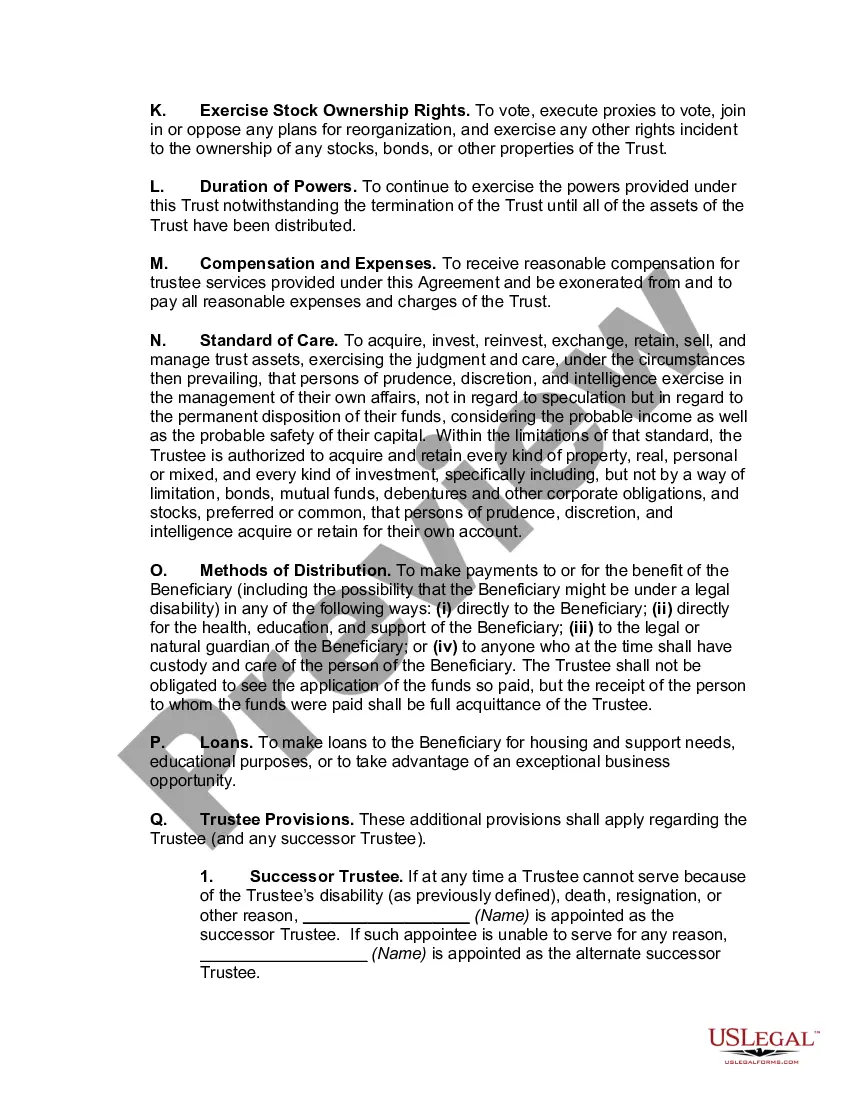
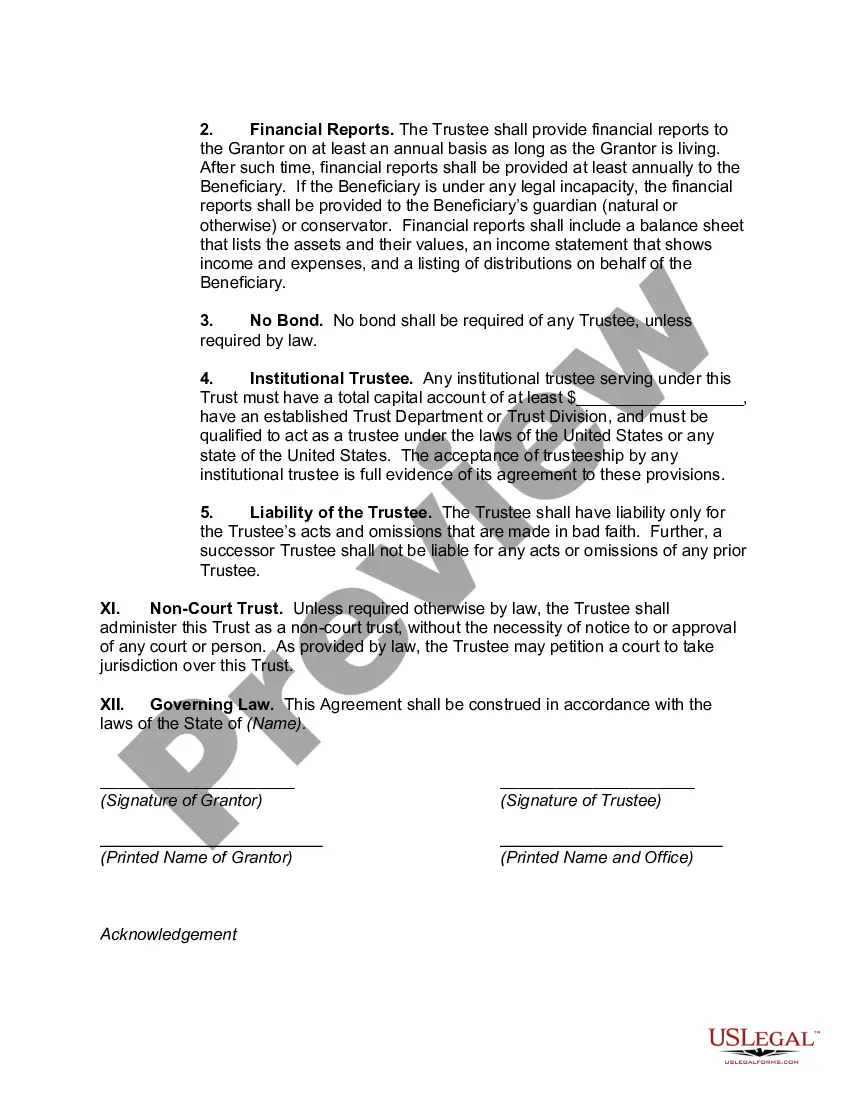
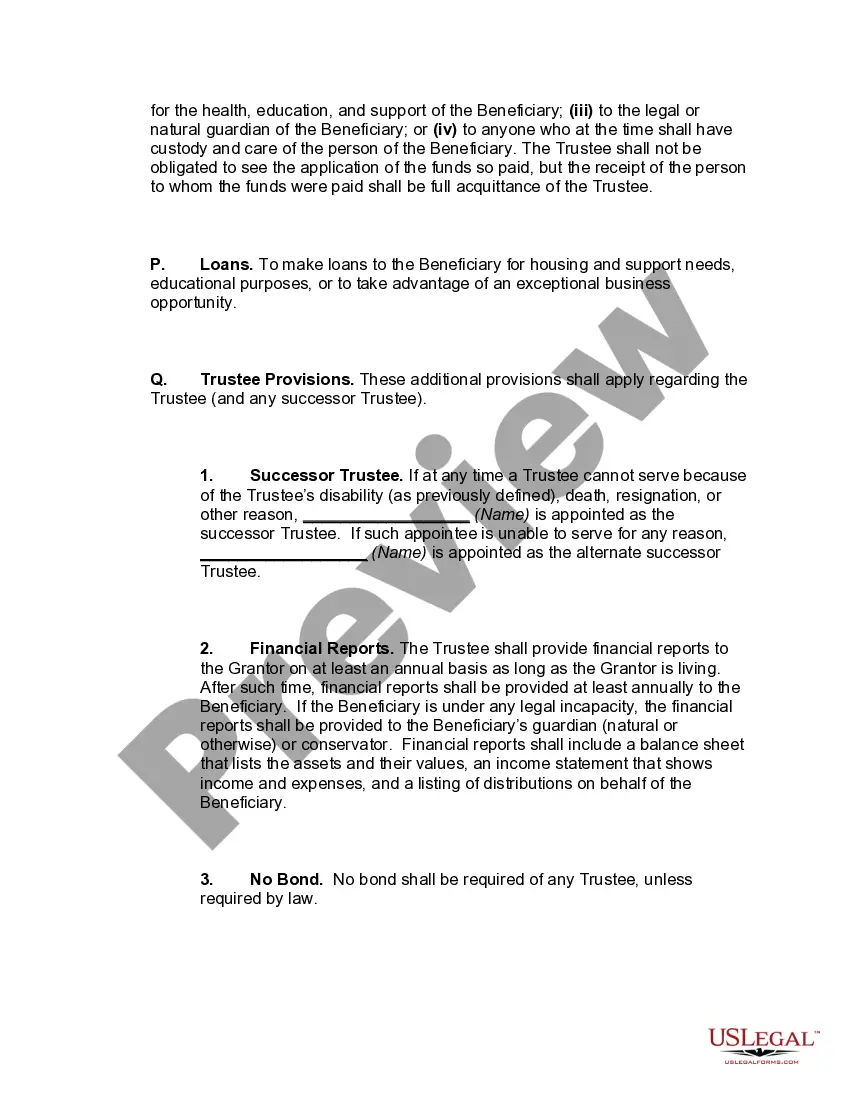
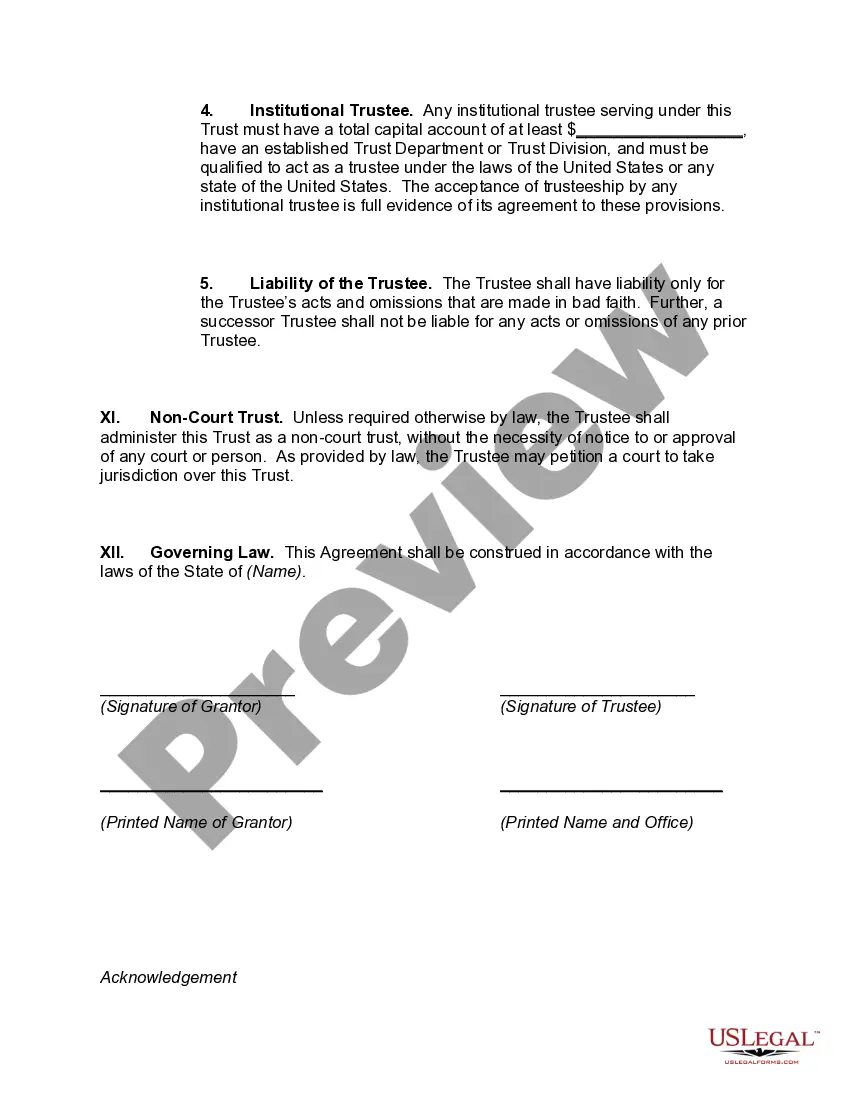

Get your form ready online
Our built-in tools help you complete, sign, share, and store your documents in one place.
Make edits, fill in missing information, and update formatting in US Legal Forms—just like you would in MS Word.
Download a copy, print it, send it by email, or mail it via USPS—whatever works best for your next step.
Sign and collect signatures with our SignNow integration. Send to multiple recipients, set reminders, and more. Go Premium to unlock E-Sign.
If this form requires notarization, complete it online through a secure video call—no need to meet a notary in person or wait for an appointment.
We protect your documents and personal data by following strict security and privacy standards.

Make edits, fill in missing information, and update formatting in US Legal Forms—just like you would in MS Word.

Download a copy, print it, send it by email, or mail it via USPS—whatever works best for your next step.

Sign and collect signatures with our SignNow integration. Send to multiple recipients, set reminders, and more. Go Premium to unlock E-Sign.

If this form requires notarization, complete it online through a secure video call—no need to meet a notary in person or wait for an appointment.

We protect your documents and personal data by following strict security and privacy standards.
Looking for another form?







How to fill out College Education Trust Agreement?
Finding a reliable location to obtain the most up-to-date and pertinent legal samples is a significant part of navigating bureaucracy.
Identifying the appropriate legal documents requires accuracy and carefulness, which is why it is crucial to source examples of Educational Trust Definition With Commentary exclusively from trustworthy providers, such as US Legal Forms.
Finalize your transaction by selecting a payment method (credit card or PayPal). Select the document format for downloading Educational Trust Definition With Commentary. Once you have the form on your device, you may edit it with the editor or print it and fill it out manually. Eliminate the hassles associated with your legal documentation. Explore the extensive US Legal Forms catalog where you can discover legal samples, assess their relevance to your situation, and download them instantly.
- An incorrect template will squander your time and delay the matter at hand.
- With US Legal Forms, you have minimal concerns.
- You can view and verify all the details regarding the document’s application and significance for your circumstances and in your jurisdiction.
- Use the library navigation or search box to locate your sample.
- Examine the form’s description to determine if it meets the criteria of your state and locality.
- Check the form preview, if available, to ensure the form is the one you need.
- Return to the search and find the correct template if the Educational Trust Definition With Commentary does not fulfill your requirements.
- If you are confident about the form’s applicability, download it.
- If you are an authorized customer, click Log in to verify and gain access to your selected forms in My documents.
- If you do not have an account yet, click Buy now to acquire the template.
- Choose the pricing option that suits your needs.
- Proceed to the registration to complete your purchase.
Form popularity
FAQ
A trust in a legal document is typically described as a fiduciary relationship where one party, known as the trustee, holds property or assets for the benefit of another party, known as the beneficiary. In the context of an educational trust, the document should clearly outline the purpose of the trust, the assets involved, and the specific educational goals intended for the beneficiaries. This ensures that all parties understand the terms and conditions governing the trust. For further clarity and guidance, you may consider using US Legal Forms to create a comprehensive legal document that accurately reflects your educational trust definition with commentary.
The 5% rule for trusts refers to a guideline that allows trustees to distribute up to 5% of the trust's principal or income each year without facing tax penalties. This rule supports the educational trust definition with commentary by promoting responsible fund management while allowing beneficiaries to benefit from the trust. Understanding this rule ensures that trustees can balance growth with necessary distributions. USLegalForms provides resources and templates to help trustees navigate these regulations effectively.
One significant mistake parents often make when establishing a trust fund is failing to clearly define the educational trust definition with commentary in the trust document. This lack of clarity can lead to misunderstandings or mismanagement of funds. Additionally, parents may overlook the need to regularly review and adjust the trust as their children's needs evolve. Utilizing a platform like USLegalForms can help guide parents through the process, ensuring they create a well-structured trust that meets their family's educational goals.
The educational trust definition with commentary refers to a legal arrangement where assets are held and managed for the purpose of funding educational expenses. This trust typically benefits a designated beneficiary, such as a child or a student, to cover costs like tuition, books, and other related expenses. It offers a way to ensure that funds are used specifically for education, thereby providing financial support while promoting the importance of learning. For those seeking to create an educational trust, US Legal Forms provides comprehensive resources and templates to streamline the process.
How do trusts work? A trust is a fiduciary1 relationship in which one party (the Grantor) gives a second party2 (the Trustee) the right to hold title to property or assets for the benefit of a third party (the Beneficiary). The trustee, in turn, explains the terms and conditions of the trust to the beneficiary.
Assets that should not be used to fund your living trust include: Qualified retirement accounts ? 401ks, IRAs, 403(b)s, qualified annuities. Health saving accounts (HSAs) Medical saving accounts (MSAs) Uniform Transfers to Minors (UTMAs) Uniform Gifts to Minors (UGMAs) Life insurance. Motor vehicles.
An educational trust is a trust where the money and/or property contained within go towards supporting someone's education, or to establish or finance schools.
A trust helps an estate avoid taxes and probate. It can protect assets from creditors and dictate the terms of inheritance for beneficiaries. The disadvantages of trusts are that they require time and money to create, and they cannot be easily revoked.
A trust is a form of division of property rights and a fiduciary relationship, in which ownership of assets goes to a third party, known as a trustee, and the beneficial enjoyment goes to the beneficiary. The person who transfers the property into the trust is known as the grantor or settlor.