Education Trust Template For Parents
Description
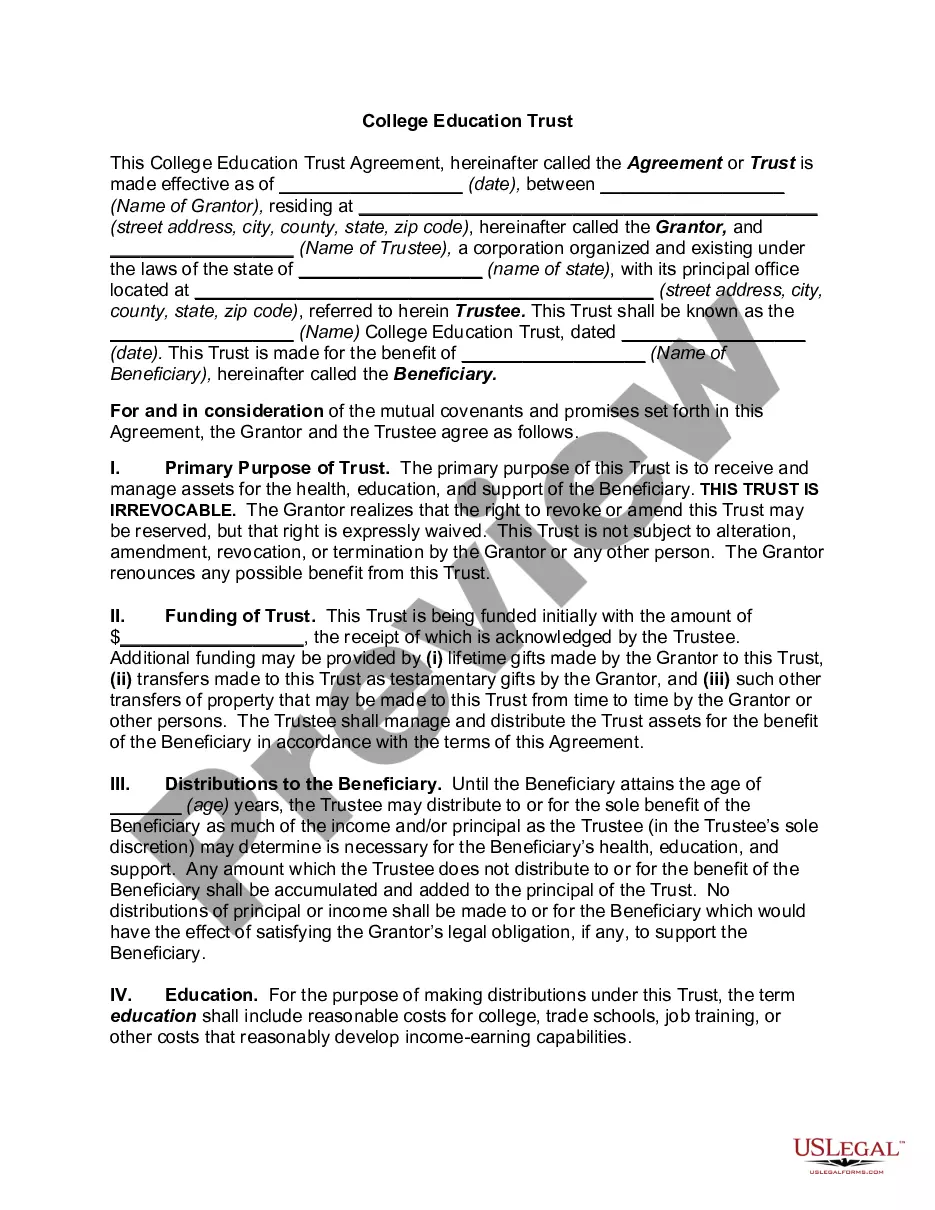
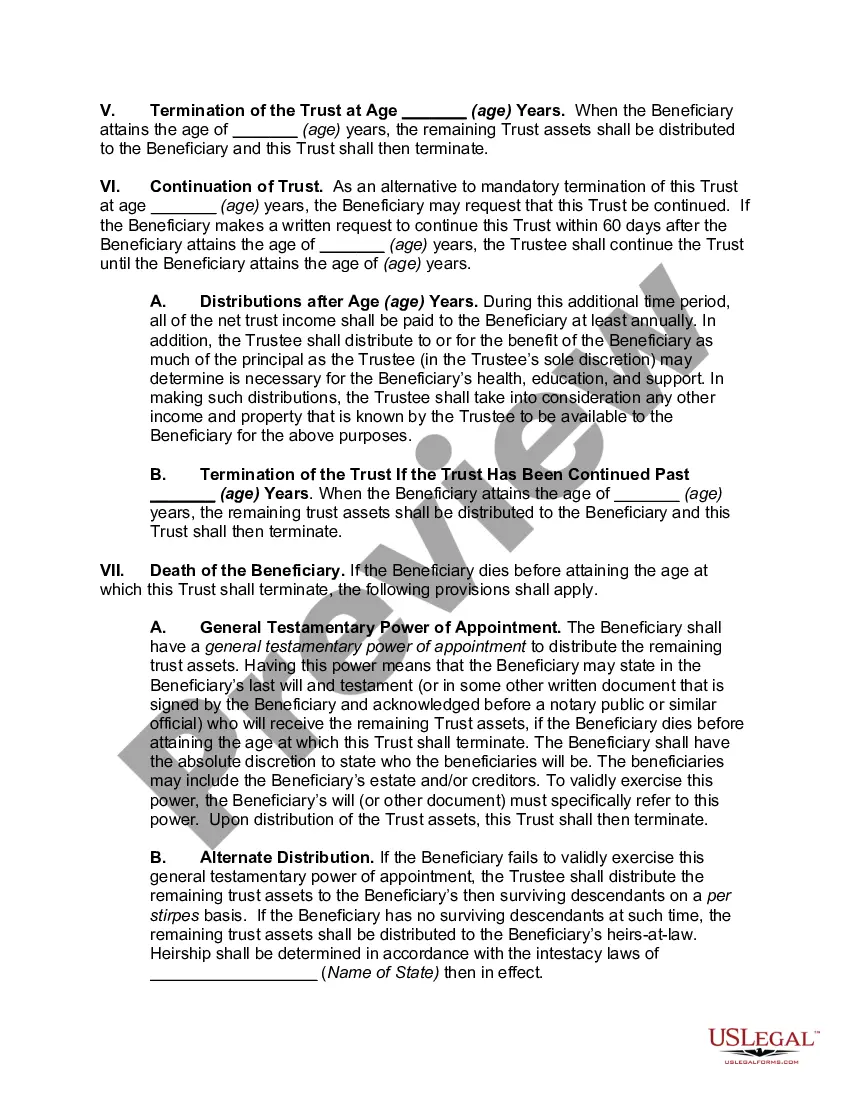
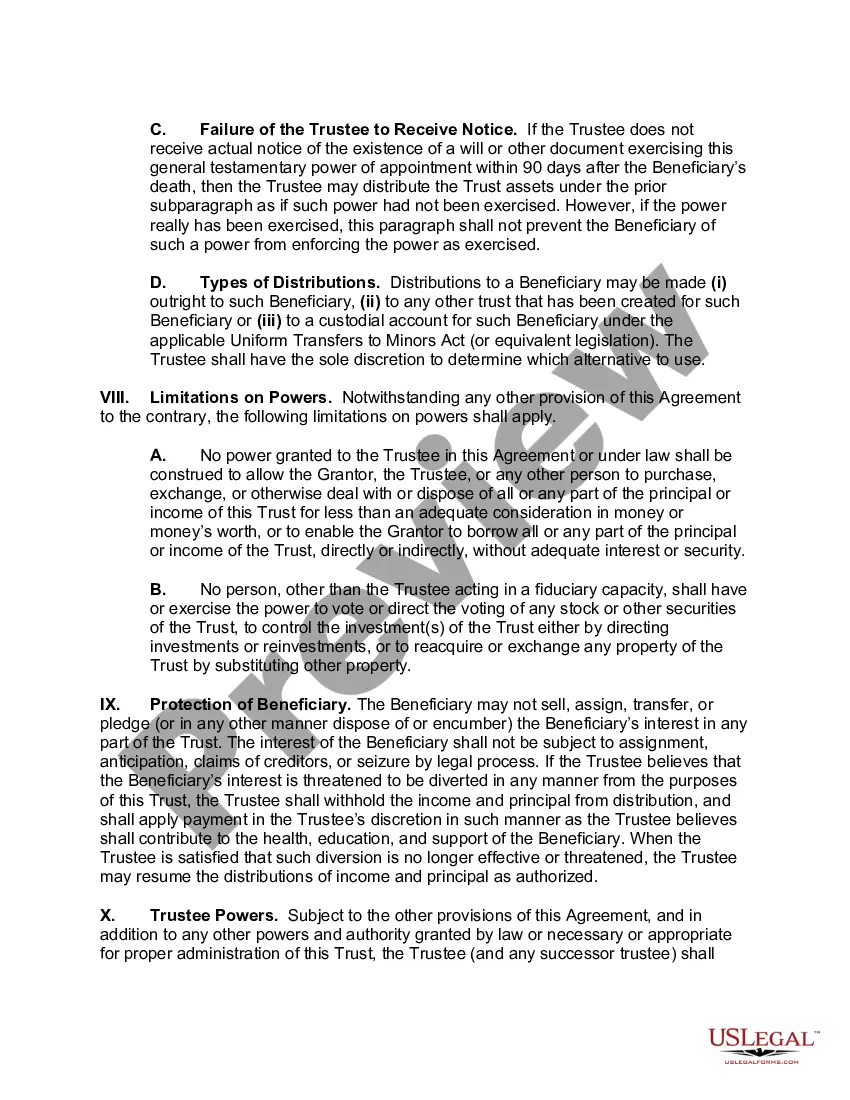
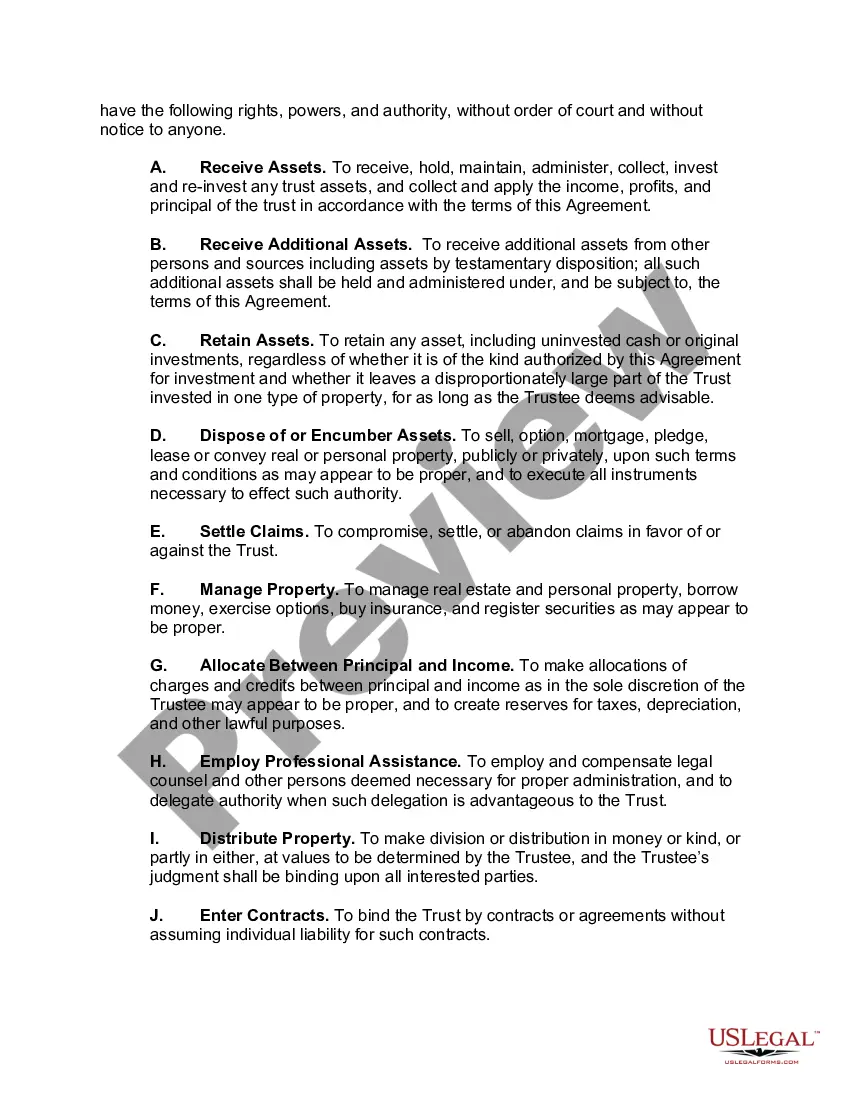
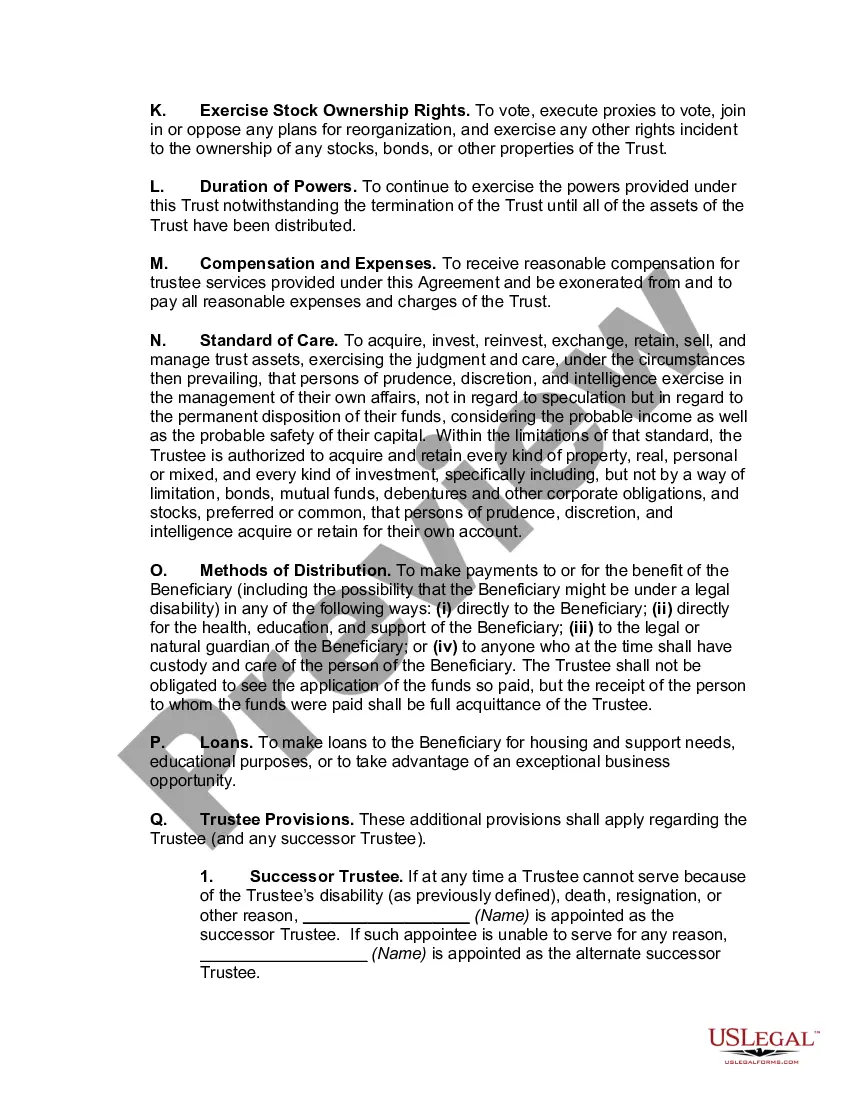
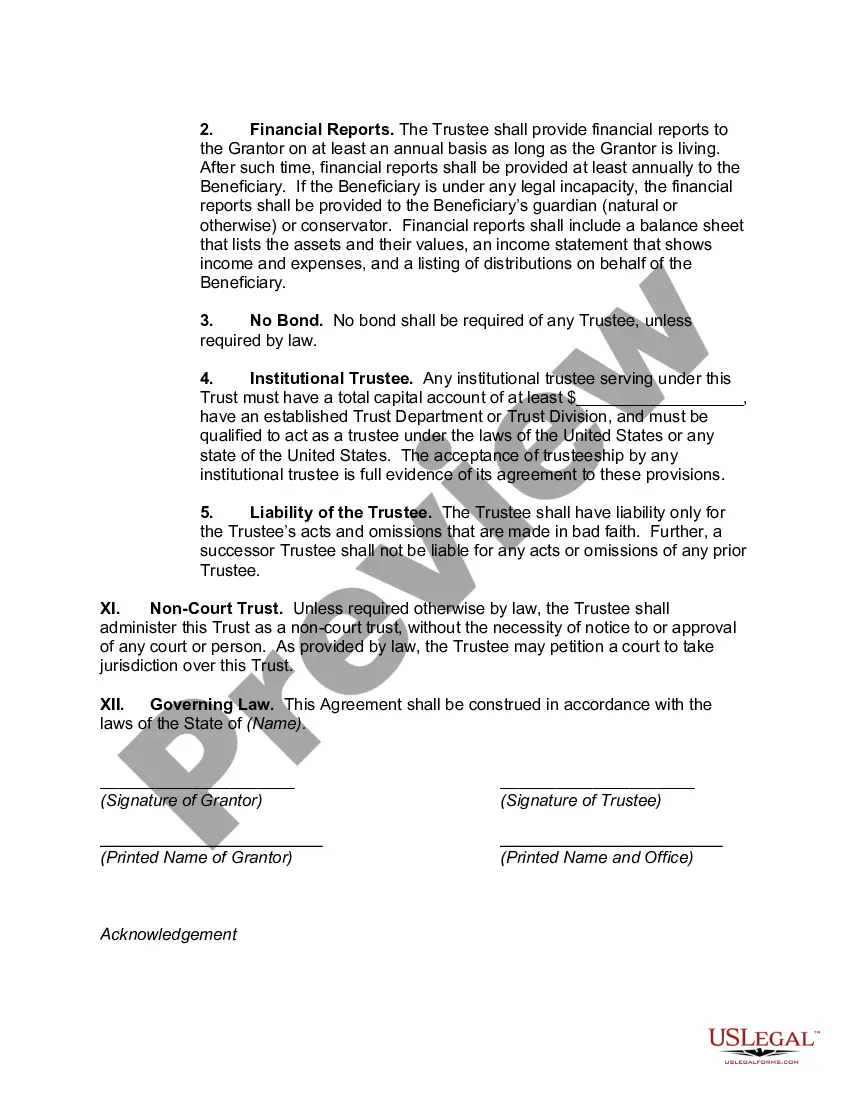
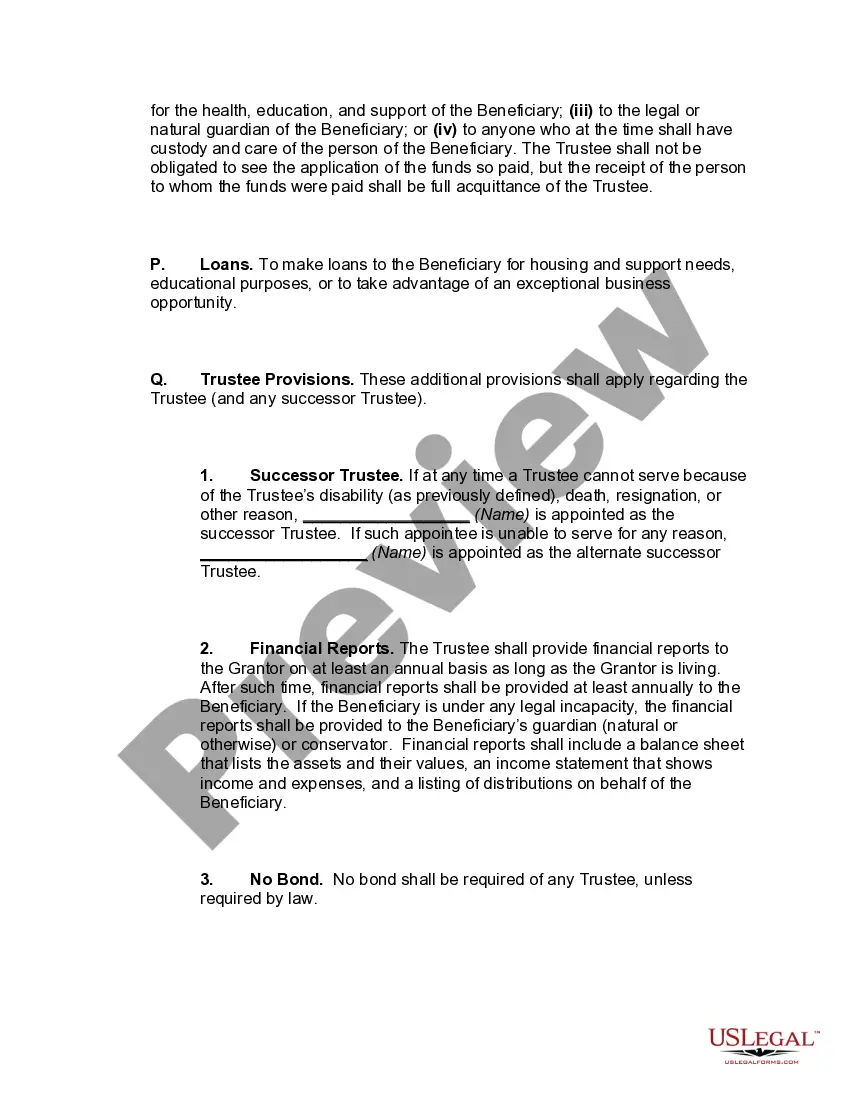
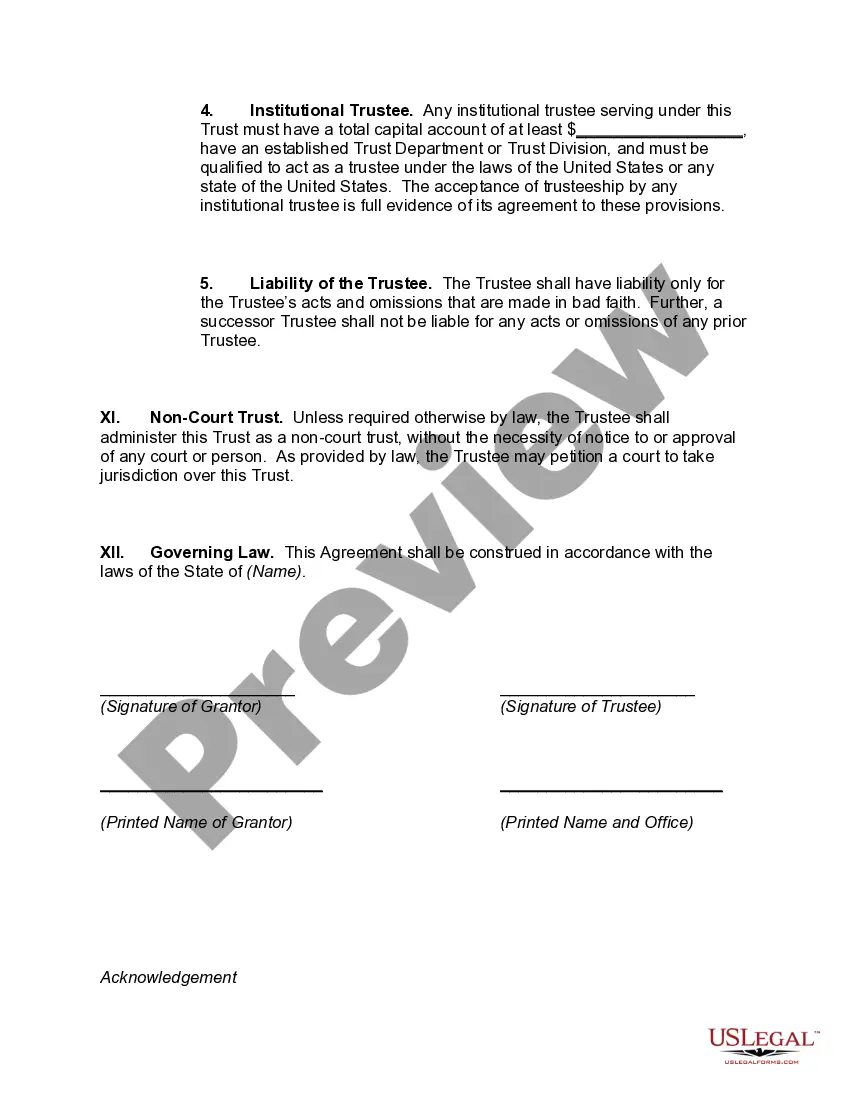
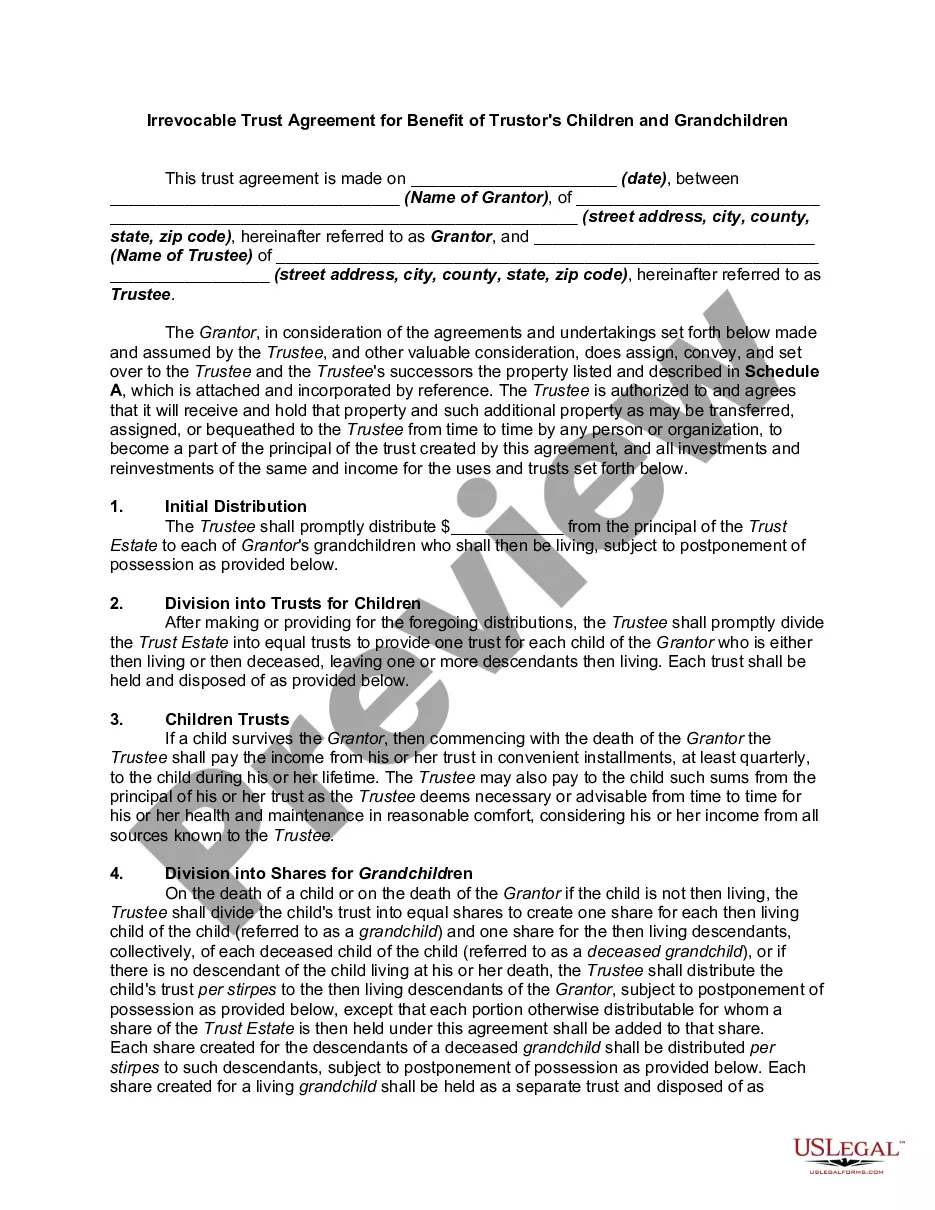
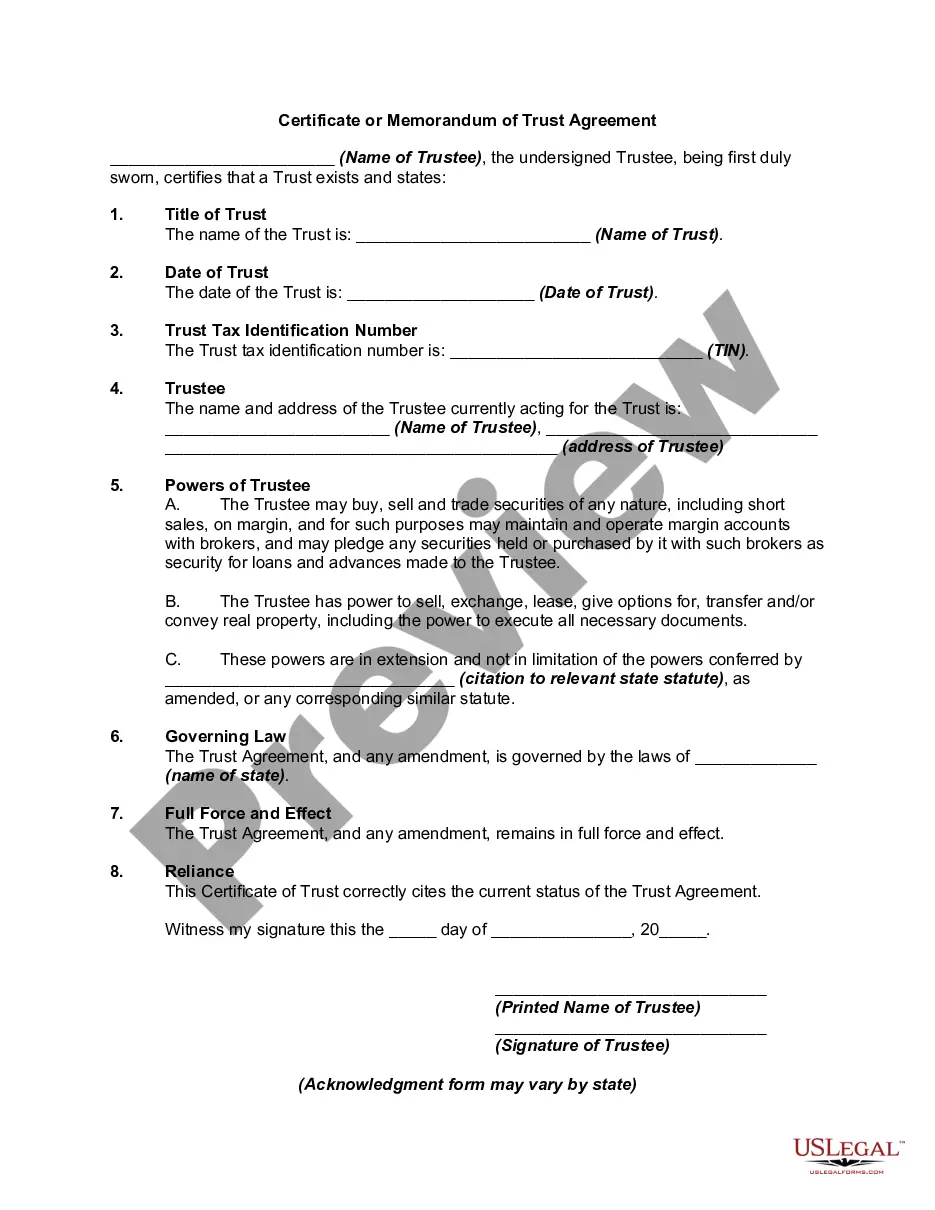
Get your form ready online
Our built-in tools help you complete, sign, share, and store your documents in one place.
Make edits, fill in missing information, and update formatting in US Legal Forms—just like you would in MS Word.
Download a copy, print it, send it by email, or mail it via USPS—whatever works best for your next step.
Sign and collect signatures with our SignNow integration. Send to multiple recipients, set reminders, and more. Go Premium to unlock E-Sign.
If this form requires notarization, complete it online through a secure video call—no need to meet a notary in person or wait for an appointment.
We protect your documents and personal data by following strict security and privacy standards.

Make edits, fill in missing information, and update formatting in US Legal Forms—just like you would in MS Word.

Download a copy, print it, send it by email, or mail it via USPS—whatever works best for your next step.

Sign and collect signatures with our SignNow integration. Send to multiple recipients, set reminders, and more. Go Premium to unlock E-Sign.

If this form requires notarization, complete it online through a secure video call—no need to meet a notary in person or wait for an appointment.

We protect your documents and personal data by following strict security and privacy standards.
Looking for another form?







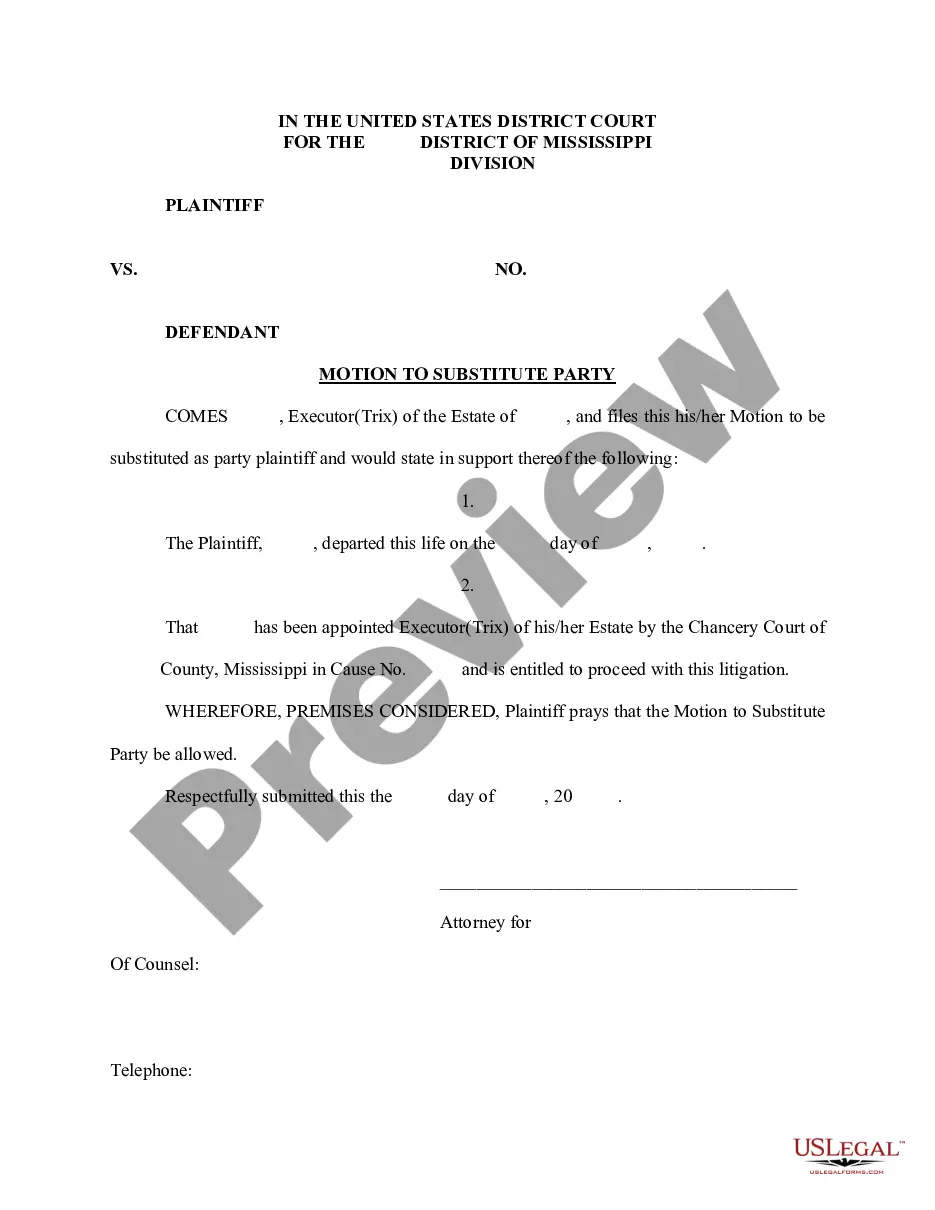
How to fill out College Education Trust Agreement?
- If you are a returning user, log in to your account and check for the required education trust template. Make sure your subscription is active; renew it if necessary.
- If you’re new, start by previewing the available templates. Ensure that the one you choose meets your specific requirements and complies with local laws.
- Use the search feature to find alternatives if the first template does not fit your needs. Narrow down your options and select the correct one.
- Proceed to purchase the document by selecting the Buy Now button and choosing your preferred subscription plan. You’ll need to create an account to access the extensive library.
- Complete your payment using credit card or PayPal, ensuring you secure your subscription.
- Download the template directly to your device for easy access and completion. You can later retrieve it from the My Forms section in your profile.
By utilizing US Legal Forms, users can benefit from an unmatched collection of over 85,000 legal forms, ensuring they find exactly what they need without hassle.
Don't wait to secure your child's education; start creating your education trust template today with the help of US Legal Forms!
Form popularity
FAQ
One downfall of having a trust can be the ongoing management and potential legal costs associated with it. Trusts require periodic reviews and updates, which might involve significant time and investment. However, the Education trust template for parents helps streamline this process, offering a clear framework for maintenance. Families should consider the long-term commitment required when establishing a trust.
Determining whether your parents should put their assets in a trust largely depends on their financial situation and goals. A trust can provide benefits like avoiding probate and protecting assets, which can be advantageous. The Education trust template for parents offers structured guidance to help families make informed decisions. Ultimately, consulting with a legal expert can provide tailored advice for your family's needs.
One downside of placing assets in a trust is the potential loss of control over those assets. Once assets are transferred, the trust generally dictates how they are managed and distributed. For parents considering the Education trust template for parents, understanding this dynamic is key. It’s advisable to assess your family's needs and future goals with a legal professional.
A disadvantage of a family trust can be the complexity involved in setting it up and maintaining it. Families might find the paperwork and compliance requirements overwhelming. The Education trust template for parents simplifies this process, but it still requires careful planning. It's important to weigh these factors before deciding on a family trust.
Whether to place a 529 plan in a trust depends on your specific financial goals and family situation. Using an education trust template for parents can offer many advantages, such as controlling how and when the funds are distributed. However, it’s crucial to understand how this integration can impact tax benefits and fund management. Evaluating your options with legal experts can provide clarity and help you make informed decisions.
An education trust and a 529 plan serve similar purposes, but they are not the same. An education trust template for parents allows for more flexible control over fund distribution and can cover a range of educational expenses beyond college. A 529 plan, on the other hand, is typically restricted to college savings and comes with tax benefits. Understanding these differences helps you choose the best option for your family’s educational needs.
The four major types of trusts include revocable trusts, irrevocable trusts, testamentary trusts, and living trusts. Revocable trusts allow for modifications during the grantor's lifetime, while irrevocable trusts do not. Testamentary trusts are established through a will and come into effect after the grantor's death. Finally, living trusts operate during the grantor’s lifetime, providing benefits such as avoiding probate. Each type has its unique purpose and can be tailored to meet your family's specific needs.
Utilizing an education trust template for parents can provide several tax benefits. Generally, the income generated by the trust may be taxed at a lower rate than the parent’s income, especially if the beneficiary, often a child, is in a lower tax bracket. Furthermore, contributions to the trust may qualify for gift tax exclusions, making it a tax-efficient way to fund education.
Creating an education trust template for parents involves several practical steps. First, you need to define your goals regarding education funding. Next, consult with a legal expert to draft the trust document, ensuring that it reflects your wishes clearly. After that, fund the trust with assets, and make sure to comply with relevant state laws for proper establishment.
When considering an education trust template for parents, it's important to know the various types available. The most common types include irrevocable trusts, which cannot be altered once created, and revocable trusts, which can be modified by the grantor. Additionally, there are custodial accounts and specific educational trusts designed for certain uses, such as covering college expenses. Each type serves different needs and offers distinct benefits.