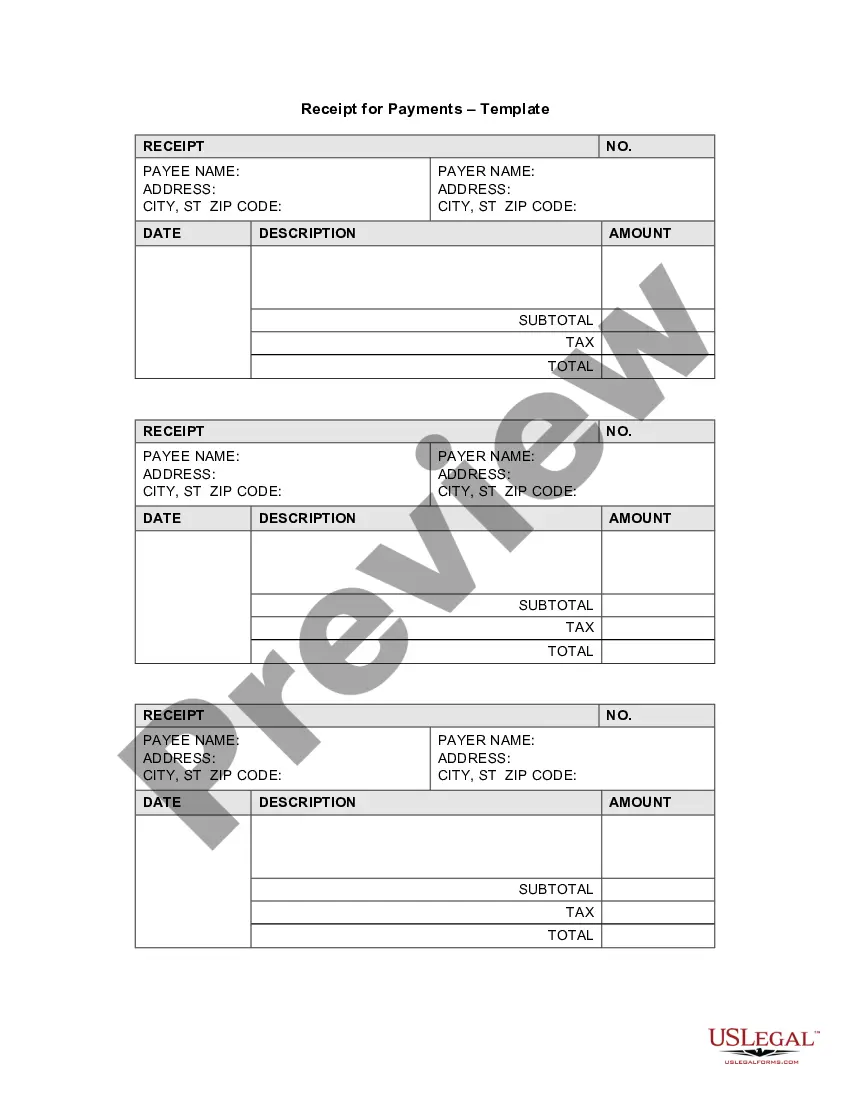
Payments Template Form For Angular
Description
Get your form ready online
Our built-in tools help you complete, sign, share, and store your documents in one place.
Make edits, fill in missing information, and update formatting in US Legal Forms—just like you would in MS Word.
Download a copy, print it, send it by email, or mail it via USPS—whatever works best for your next step.
Sign and collect signatures with our SignNow integration. Send to multiple recipients, set reminders, and more. Go Premium to unlock E-Sign.
If this form requires notarization, complete it online through a secure video call—no need to meet a notary in person or wait for an appointment.
We protect your documents and personal data by following strict security and privacy standards.

Make edits, fill in missing information, and update formatting in US Legal Forms—just like you would in MS Word.

Download a copy, print it, send it by email, or mail it via USPS—whatever works best for your next step.

Sign and collect signatures with our SignNow integration. Send to multiple recipients, set reminders, and more. Go Premium to unlock E-Sign.

If this form requires notarization, complete it online through a secure video call—no need to meet a notary in person or wait for an appointment.

We protect your documents and personal data by following strict security and privacy standards.
Looking for another form?

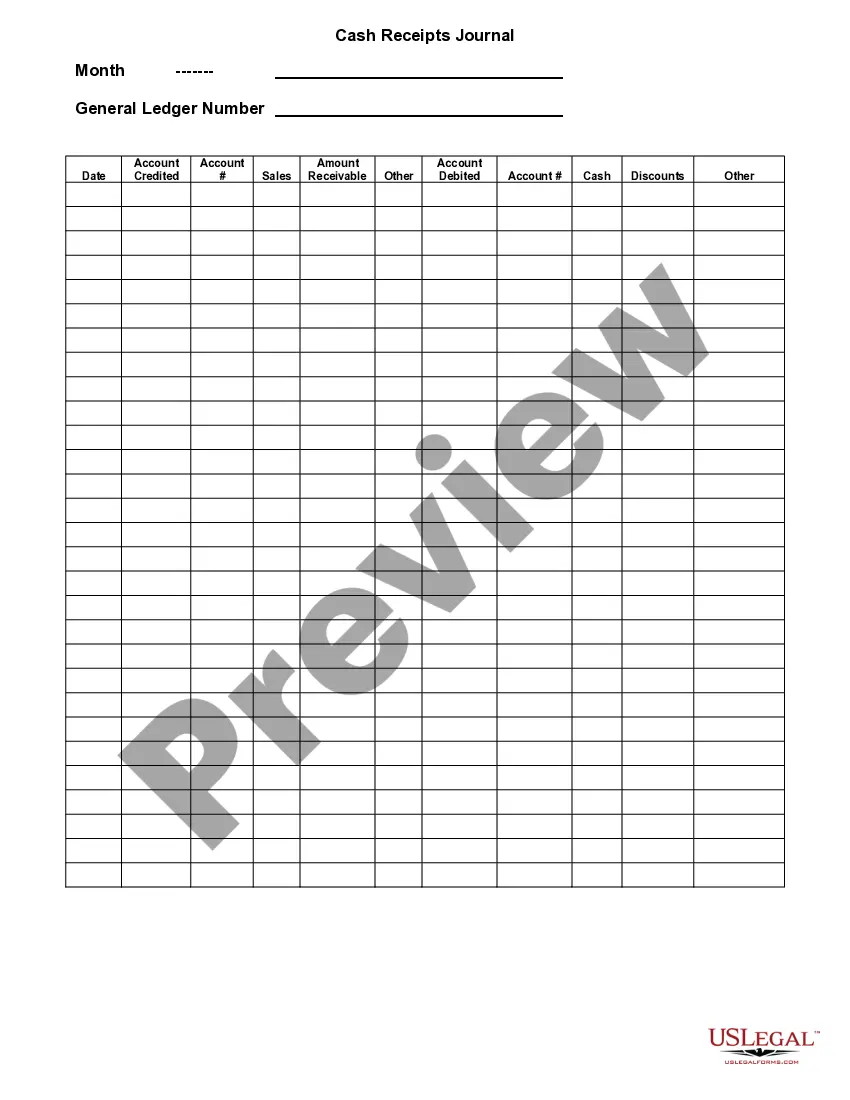
How to fill out Receipt For Payments - Template?
Regardless of whether it is for corporate objectives or personal matters, everyone must confront legal circumstances at some stage in their lives. Completing legal documents necessitates meticulous focus, beginning with choosing the appropriate form example.
For instance, if you select an incorrect version of a Payments Template Form For Angular, it will be rejected upon submission. Therefore, it is vital to have a dependable source of legal documents such as US Legal Forms.
With an extensive US Legal Forms catalog available, you don’t need to waste time searching for the correct template across the internet. Make use of the library’s straightforward navigation to find the suitable form for any occasion.
- Obtain the template you require using the search bar or catalog browsing.
- Review the form’s details to ensure it aligns with your situation, state, and locality.
- Click on the form’s preview to inspect it.
- If it is the incorrect form, return to the search option to locate the Payments Template Form For Angular sample you seek.
- Acquire the template when it fulfills your criteria.
- If you possess a US Legal Forms account, simply click Log in to access previously stored templates in My documents.
- If you do not have an account yet, you can download the form by clicking Buy now.
- Select the appropriate pricing choice.
- Fill out the profile registration form.
- Choose your payment method: you can utilize a credit card or PayPal account.
- Select the file format you desire and download the Payments Template Form For Angular.
- After it is downloaded, you can complete the form with the assistance of editing software or print it and finish it by hand.
Form popularity
FAQ
Creating a dynamic form in Angular requires using reactive forms to build the form structure programmatically. You can add or remove form controls based on user interactions or other conditions in your application. Our Payments template form for Angular offers built-in functionality to enhance your dynamic forms, making it easier to adapt to varying user needs and scenarios.
Submitting form data in Angular involves binding a submit action to an event in your component. You typically use the 'ngSubmit' directive to trigger a function that processes the form data. With our Payments template form for Angular, this submission process becomes streamlined, allowing you to handle data efficiently while ensuring a smooth user experience.
To add a template in Angular, you will need to create a form in your component's HTML file using directives like 'ngModel'. This involves binding your form controls to properties in your component class, which manages the data and validation. By utilizing our Payments template form for Angular, you can simplify this process and ensure your forms are both functional and user-friendly.
In Angular, template forms are driven by the template, allowing for a simpler and more intuitive way to manage forms. They rely on Angular directives to handle user input and validation directly in the template. In contrast, reactive forms provide a more programmatic approach, where the form model is defined in the component class. For those looking for a comprehensive solution, our Payments template form for Angular can seamlessly integrate with either form type.
Template syntaxlink The *ngFor directive tells Angular to iterate over a list. {{hero.name}} , (click) , and [hero] bind program data to and from the DOM, responding to user input. See more about data binding below. The <app-hero-detail> element tag in the example represents a new component, HeroDetailComponent .
To get access to the NgForm and the overall form status, declare a template reference variable. Edit the template file hero-form.component.html . Update the <form> tag with a template reference variable, #heroForm , and set its value as follows. ... Run the app. Start typing in the Name input box.
A template-driven form is the simplest way to build a form in Angular. It uses Angular's two-way data-binding directive (ngModel) to create and manage the underlying form instance. Additionally, as the name suggests, a template form is mainly driven by the view component.
Line 1: We use the ngSubmit directive and bind it to a onSubmit() function so that the function is executed when we click the "Submit" button in the form. Lines 2?4: We also have included the ngModel directive in the forms <input> tags. ... Lines 10?14: We use a submitted boolean variable to display the contents.