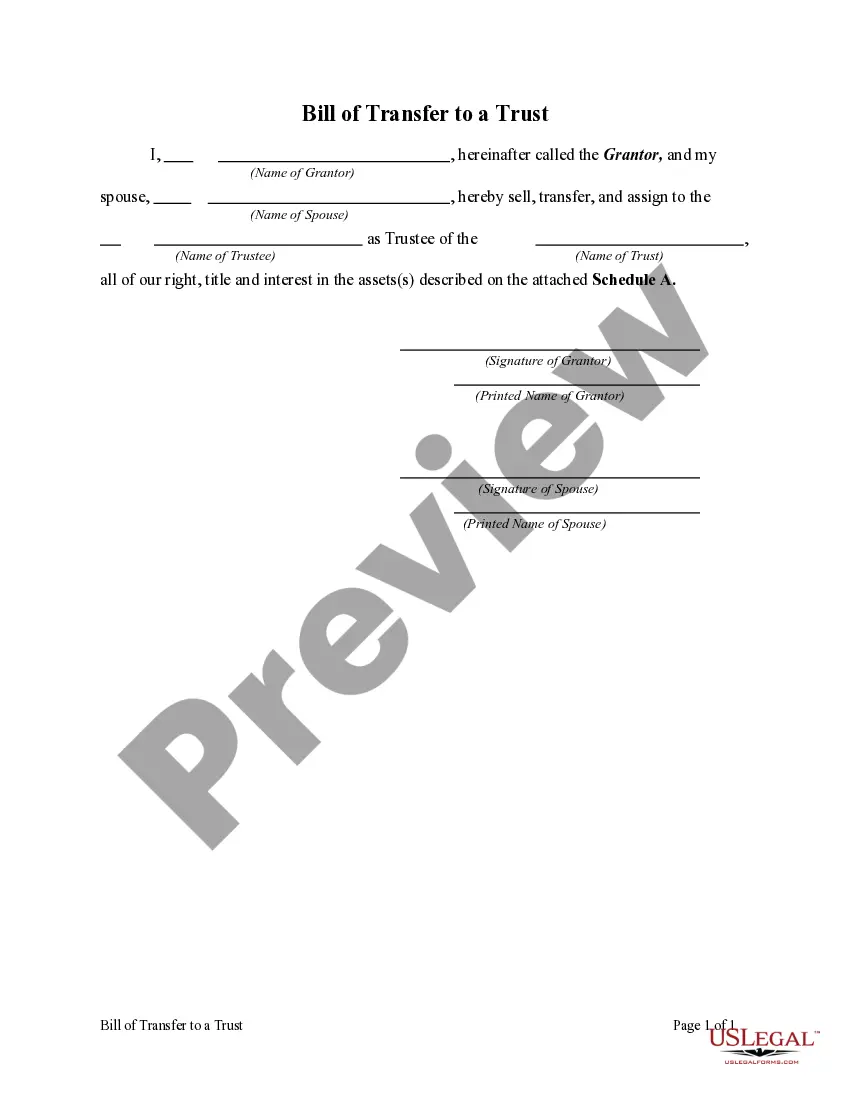
Trust Transfer Deed Sample With Replacement
Description
Get your form ready online
Our built-in tools help you complete, sign, share, and store your documents in one place.
Make edits, fill in missing information, and update formatting in US Legal Forms—just like you would in MS Word.
Download a copy, print it, send it by email, or mail it via USPS—whatever works best for your next step.
Sign and collect signatures with our SignNow integration. Send to multiple recipients, set reminders, and more. Go Premium to unlock E-Sign.
If this form requires notarization, complete it online through a secure video call—no need to meet a notary in person or wait for an appointment.
We protect your documents and personal data by following strict security and privacy standards.

Make edits, fill in missing information, and update formatting in US Legal Forms—just like you would in MS Word.

Download a copy, print it, send it by email, or mail it via USPS—whatever works best for your next step.

Sign and collect signatures with our SignNow integration. Send to multiple recipients, set reminders, and more. Go Premium to unlock E-Sign.

If this form requires notarization, complete it online through a secure video call—no need to meet a notary in person or wait for an appointment.

We protect your documents and personal data by following strict security and privacy standards.
Looking for another form?
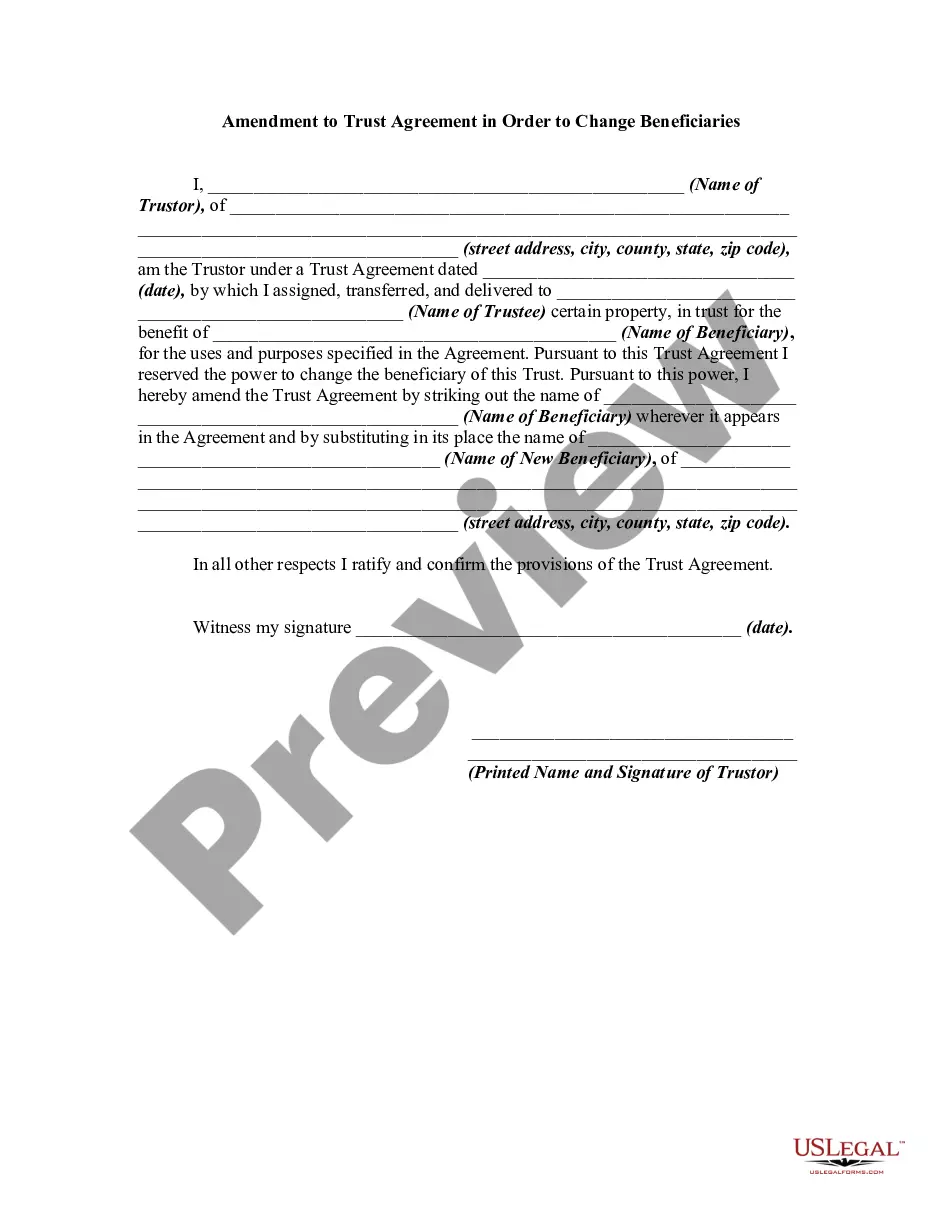
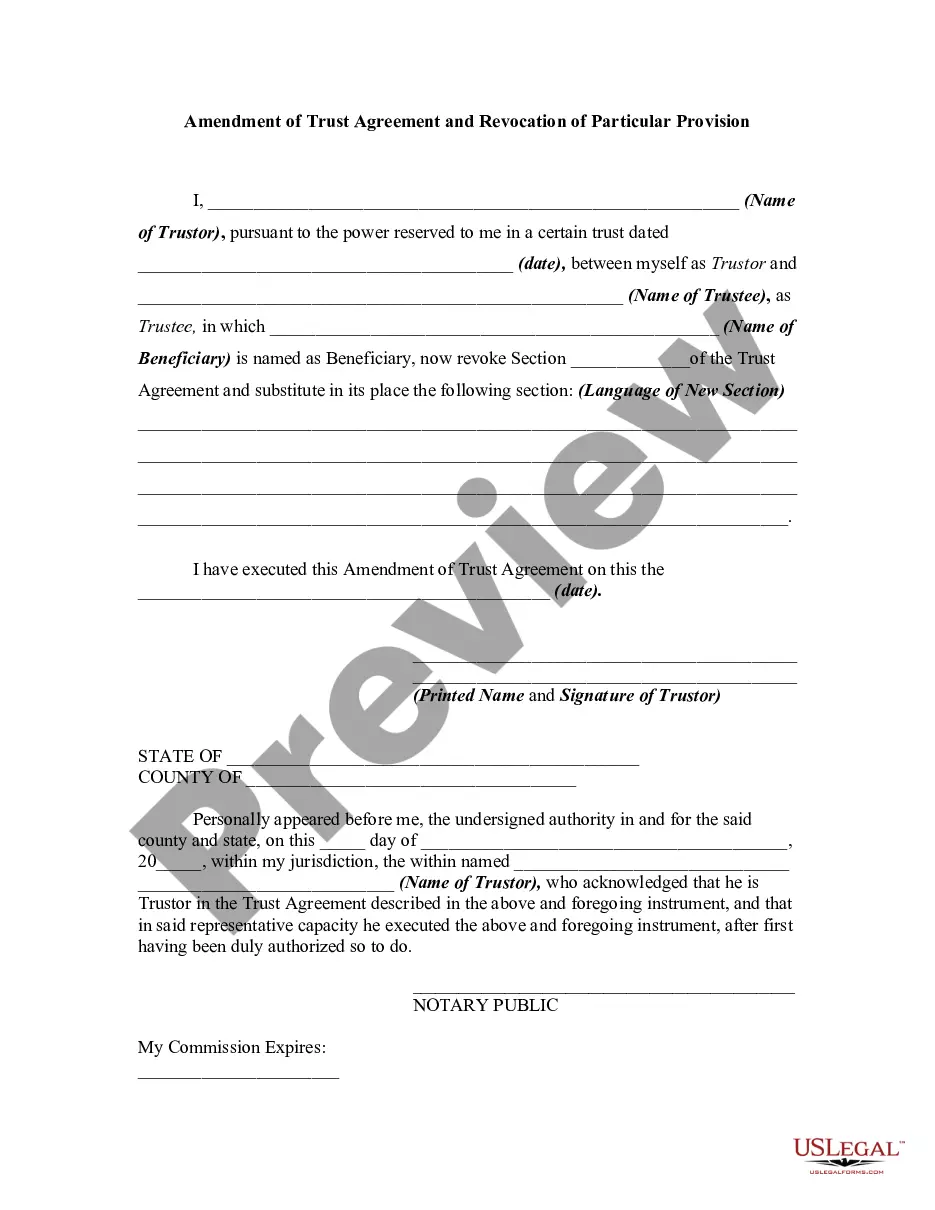
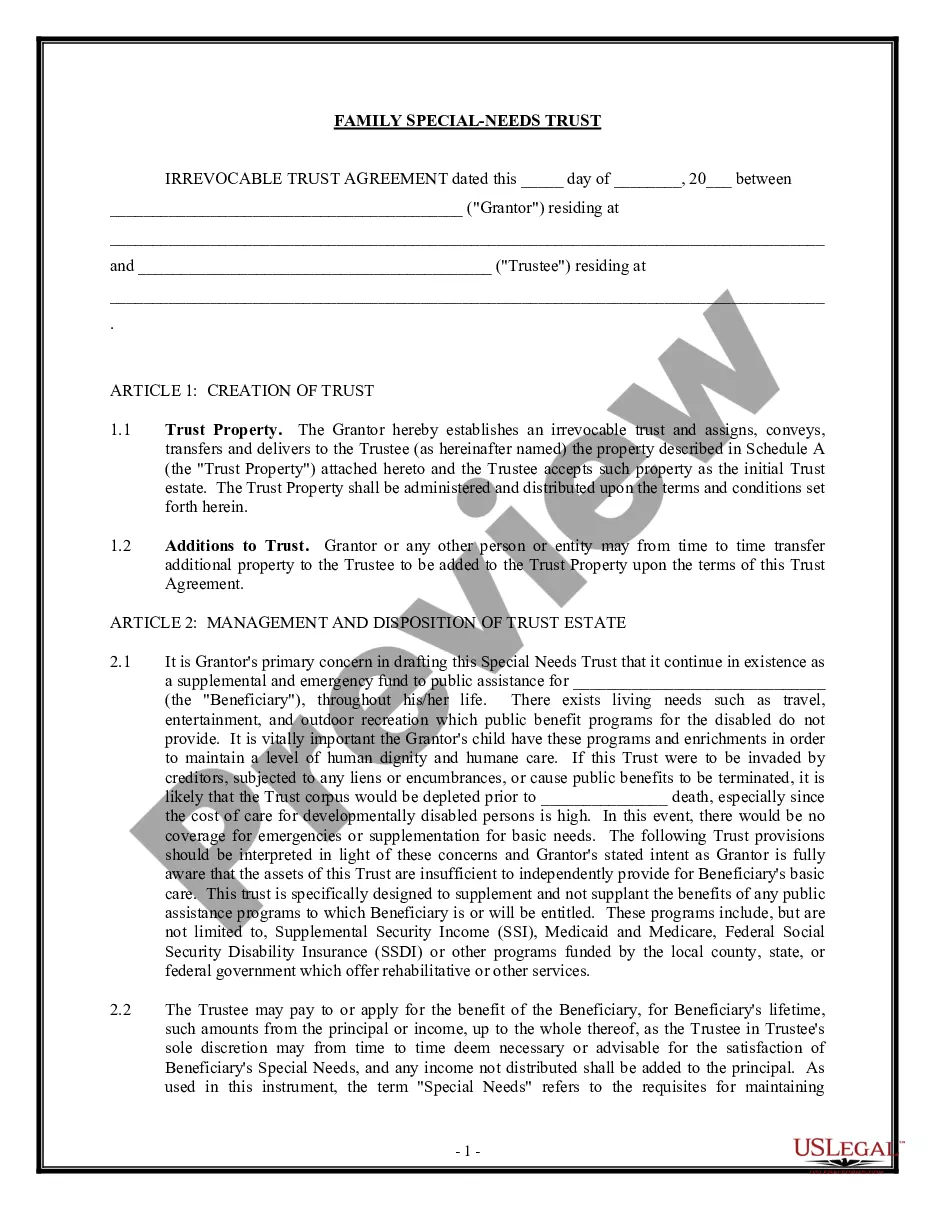
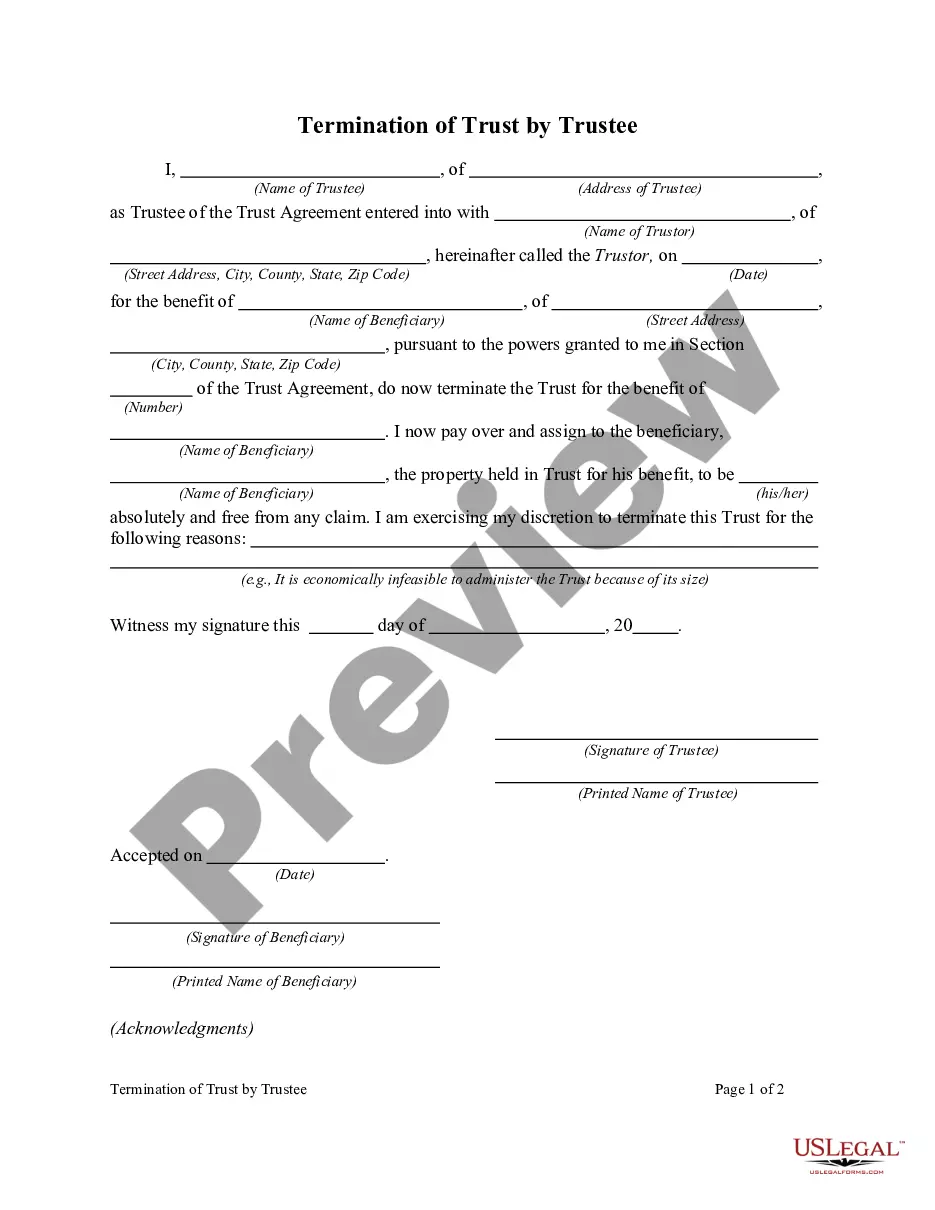
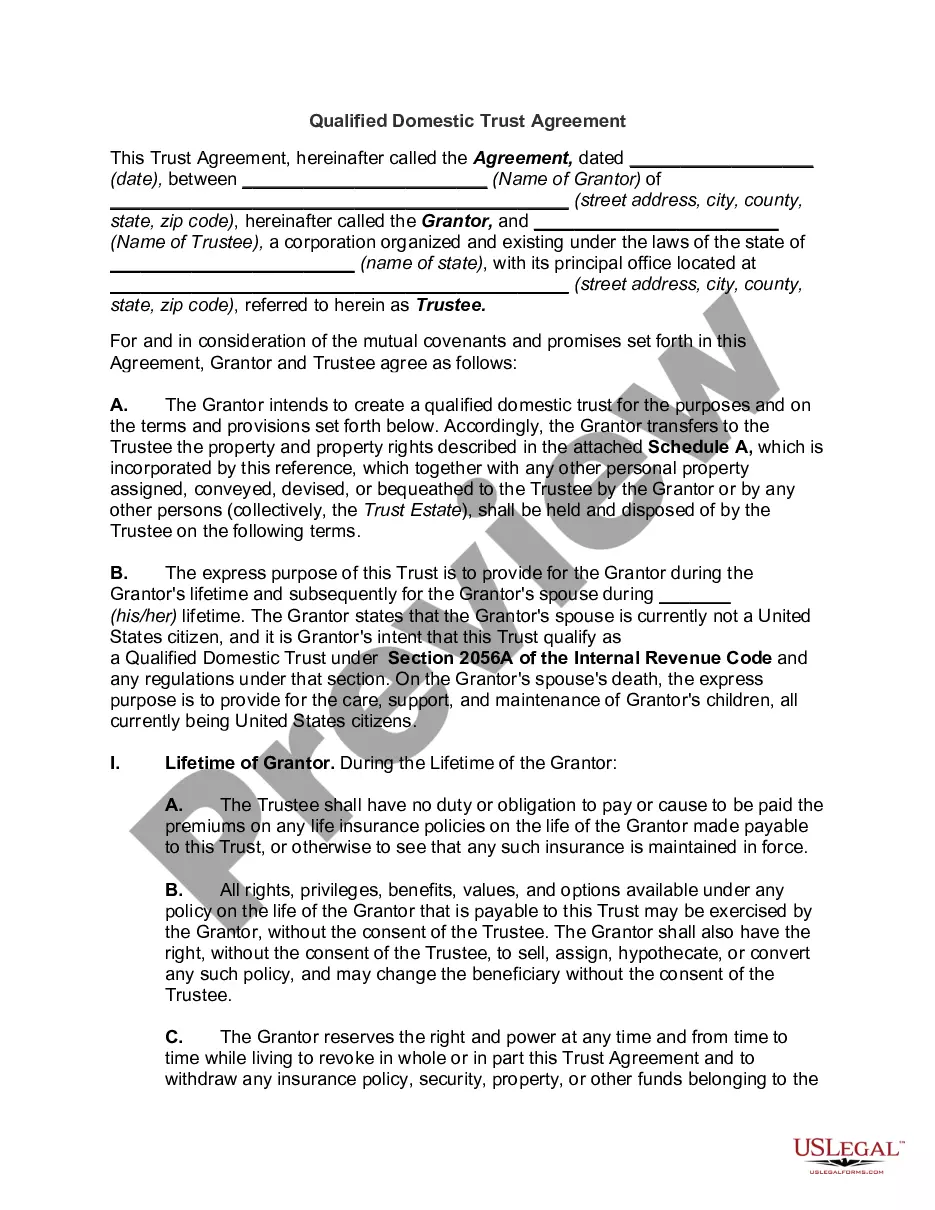
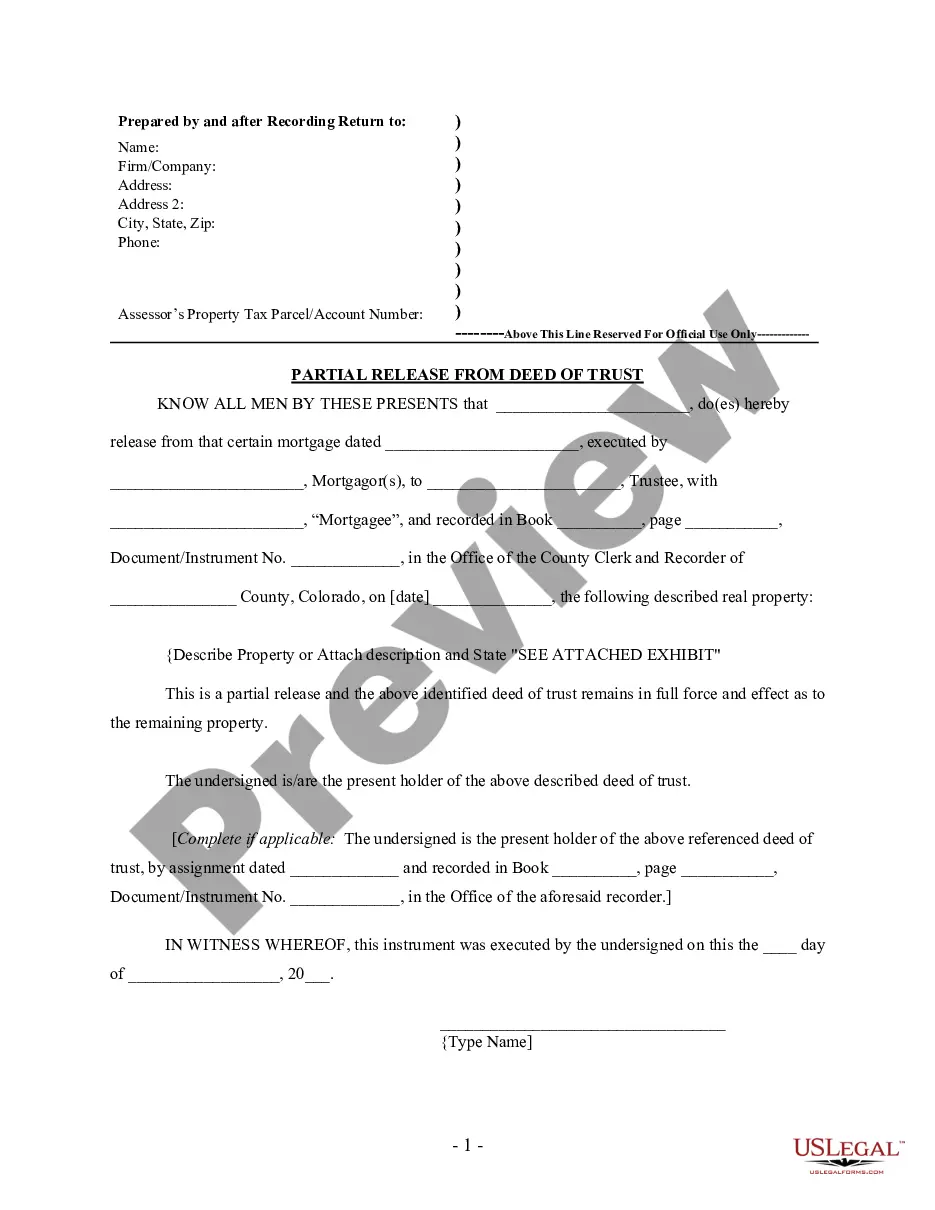
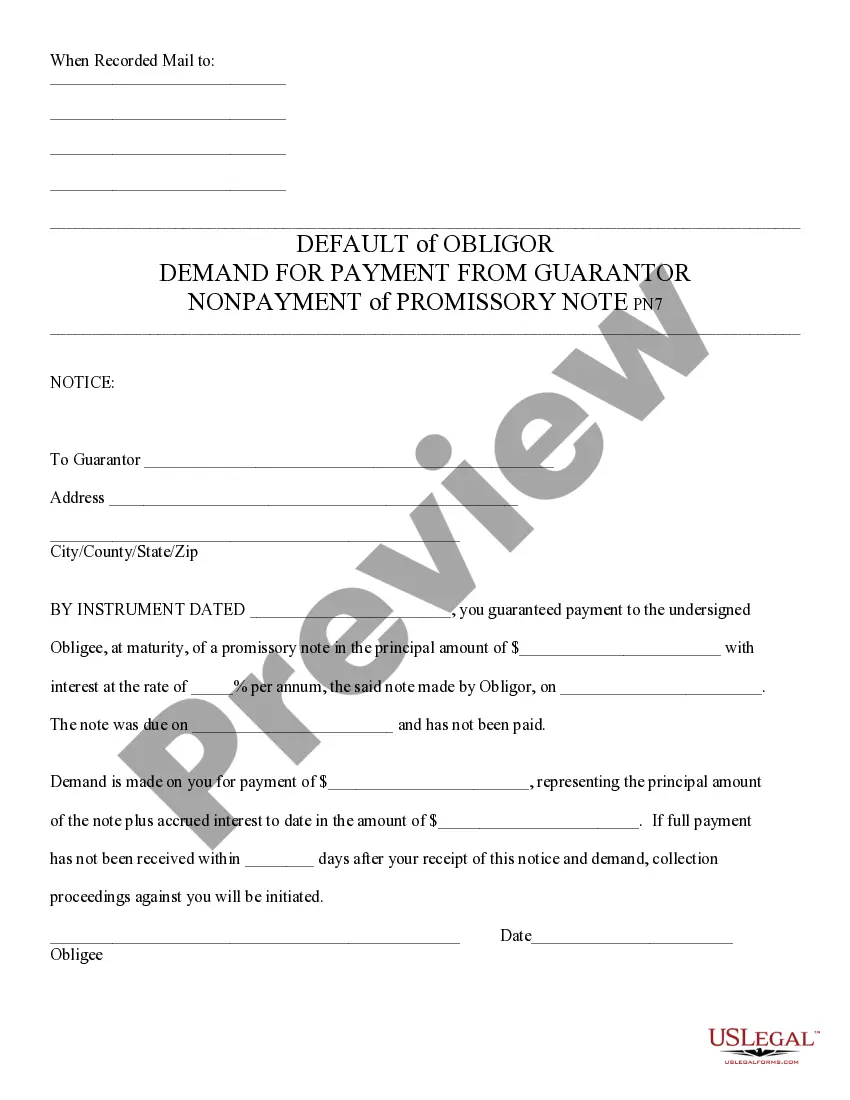
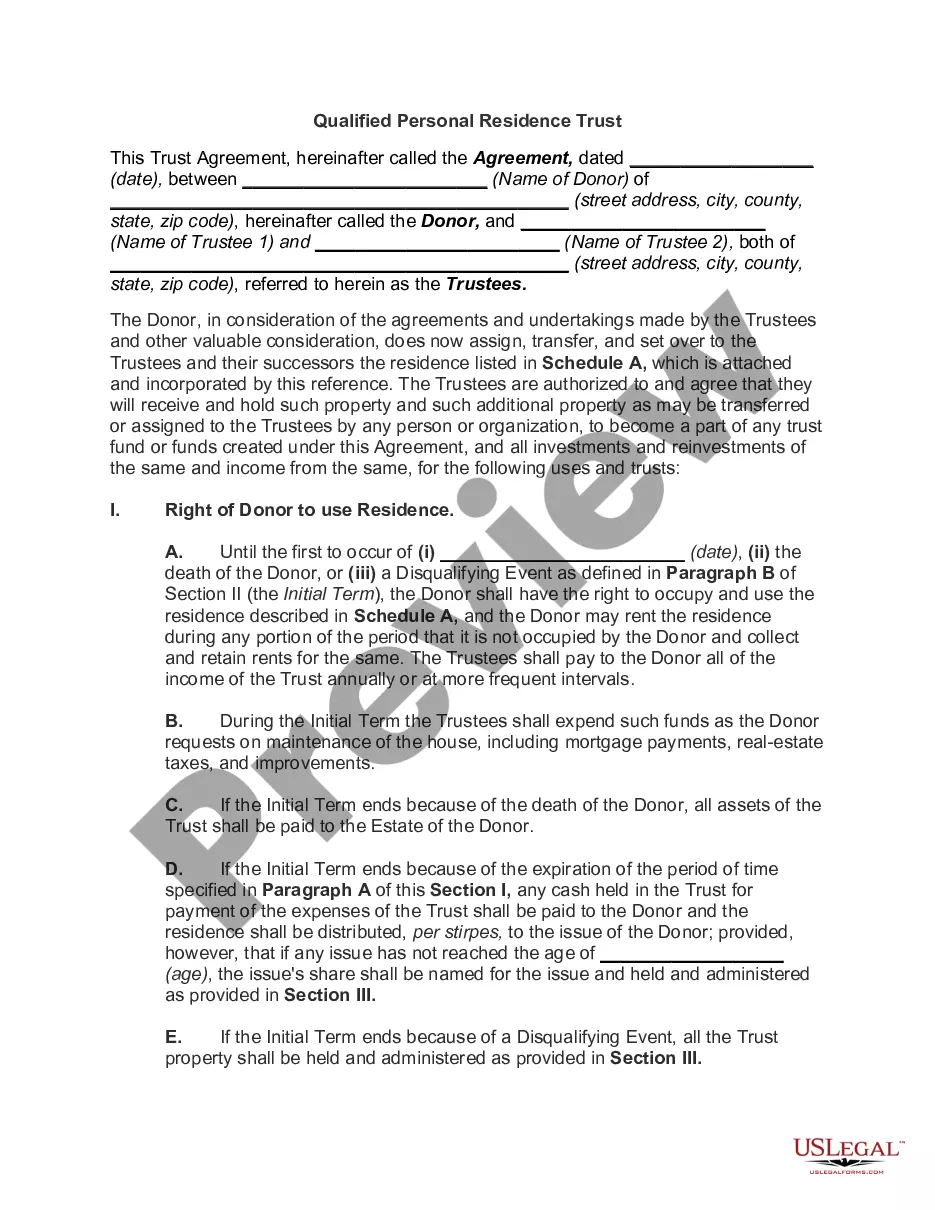
How to fill out Bill Of Transfer To A Trust?
The Trust Transfer Deed Sample With Replacement that you find on this page is a reusable legal template created by expert attorneys in accordance with federal and local statutes and regulations.
For over 25 years, US Legal Forms has supplied individuals, businesses, and legal practitioners with more than 85,000 validated, state-specific documents for any professional and personal occasion. It’s the quickest, easiest, and most reliable method to acquire the forms you require, as the service ensures the highest level of data protection and anti-malware security.
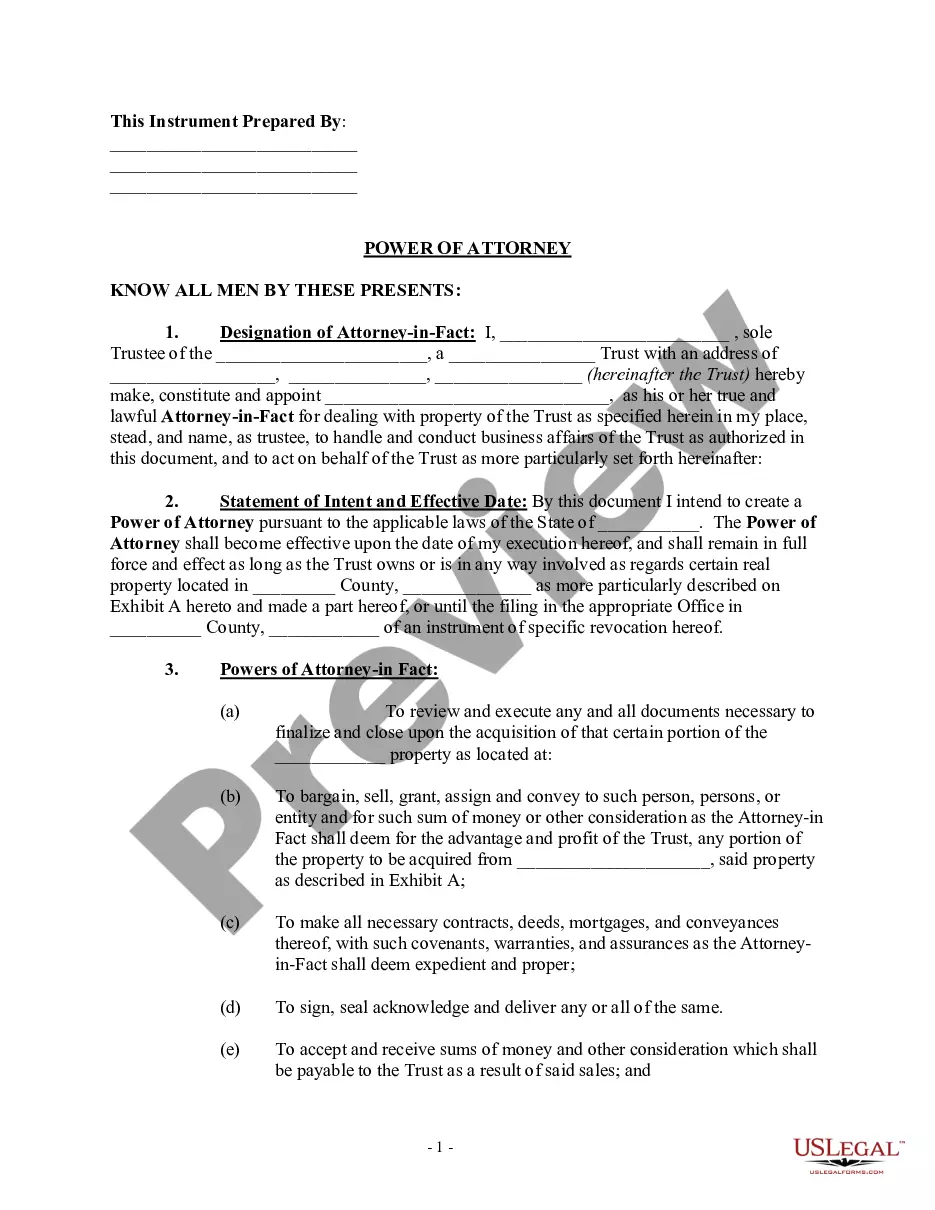
Select the format you prefer for your Trust Transfer Deed Sample With Replacement (PDF, Word, RTF) and save the sample on your device. Fill out and sign the paperwork. Print the template to complete it manually. Alternatively, use an online versatile PDF editor to swiftly and accurately fill out and sign your form with a legally-binding electronic signature. Download your documents again whenever required. Access the My documents tab in your profile to redownload any previously saved documents. Register with US Legal Forms to have verified legal templates for all of life's situations at your fingertips.
- Search for the document you need and review it.
- Examine the sample you looked for and preview it or check the form description to ensure it meets your requirements. If it doesn’t, utilize the search bar to find the correct one. Click Buy Now once you have located the template you require.
- Register and Log In.
- Choose the pricing plan that fits you and create an account. Use PayPal or a credit card to make a swift payment. If you already possess an account, Log In and check your subscription to continue.
- Acquire the fillable template.
Form popularity
FAQ
The simplest way to transfer ownership of a house is through a quitclaim deed, which allows you to transfer your interest in the property without making any warranties. However, if you want a more secure option, consider using a trust transfer deed sample with replacement to ensure clarity and legal coverage. Using services like US Legal Forms can streamline this process, ensuring all documentation is accurate and compliant.
A trust deed is a legal document that outlines the terms of a trust, which holds property for the benefit of specific individuals. An example would be a trust deed that names a trustee responsible for managing a property on behalf of beneficiaries until they reach a certain age. For those looking to draft a trust deed, a trust transfer deed sample with replacement can serve as a valuable reference. Platforms like US Legal Forms offer templates that simplify this process.
In New Jersey, while you are not legally required to hire a lawyer to transfer a deed, it is highly recommended. A qualified attorney can help ensure that all legal requirements are met and that the deed is correctly prepared and filed. This can prevent potential issues down the line. You can also find helpful resources, including a trust transfer deed sample with replacement, on US Legal Forms.
Writing a deed transfer involves clearly stating the grantor's and grantee's names, along with the property description. You should also include the date of the transfer and any necessary legal language to ensure validity. It's essential to follow state-specific guidelines, which you can find in a trust transfer deed sample with replacement. Utilizing resources like US Legal Forms can simplify this process.
To transfer a property deed, you need to create a new deed that specifies the new owner's name. This document must include a legal description of the property and be signed by the current owner. Additionally, you may need to record the deed with your local government office to make the transfer official. For a detailed guide, you can refer to a trust transfer deed sample with replacement available on platforms like US Legal Forms.
Yes, you can replace a trust deed, especially when circumstances change or when updates are necessary to reflect new intentions. To do this properly, you will need a trust transfer deed sample with replacement to guide you through the legal requirements. This sample will help ensure that all important details are correctly included, making the process smoother. At US Legal Forms, we provide customizable templates that simplify the creation of a replacement trust deed.
If there is no amendment clause in the Trust Deed, any amendment has to be done with the permission of a Civil Court. Once the Civil Court has allowed permission for amendment, it is not open on the part of the Income Tax Officer or any other person to challenge such amendment.
The document or statement also contains details of the trust's purpose, its beneficiaries, and how it will be managed by the trustee. The declaration of trust is sometimes referred to as a nominee declaration.
The most common example of when a declaration of trust is used is the situation where an adult son or daughter borrows money for a deposit on a first house from his or her parents. The parents may have a mortgage already, and the terms of that mortgage prevent them from borrowing under another.
This Deed of Trust (the ?Trust Deed?) sets out the terms and conditions upon which: [Settlor Name] (the ?Settlor?), of [Settlor Address], settles that property set out in Schedule A (the ?Property?) upon [Trustee Name] (the ?Trustee?), being a Company duly registered under the laws of [state] with registered number [ ...