Civil Summons Form For Debt
Description
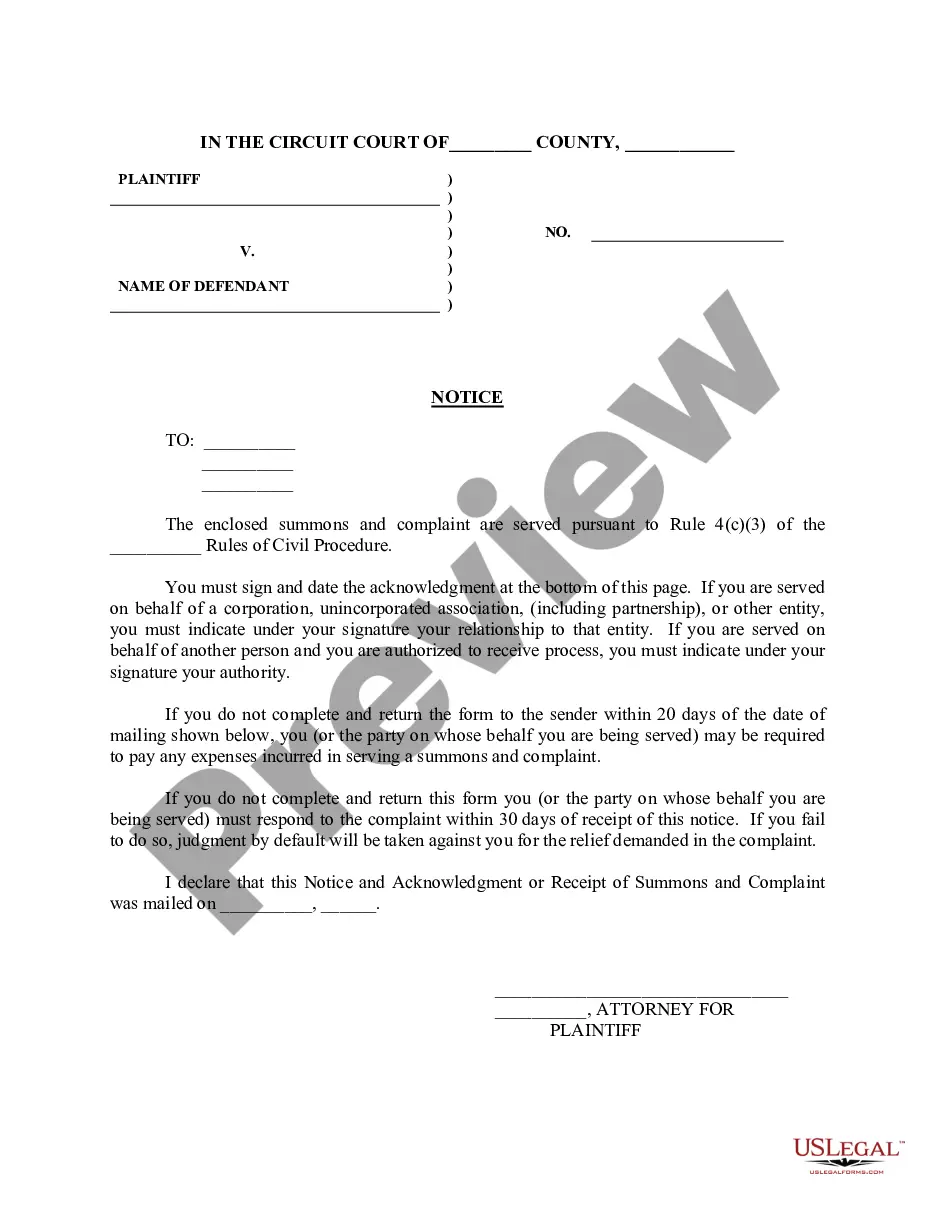
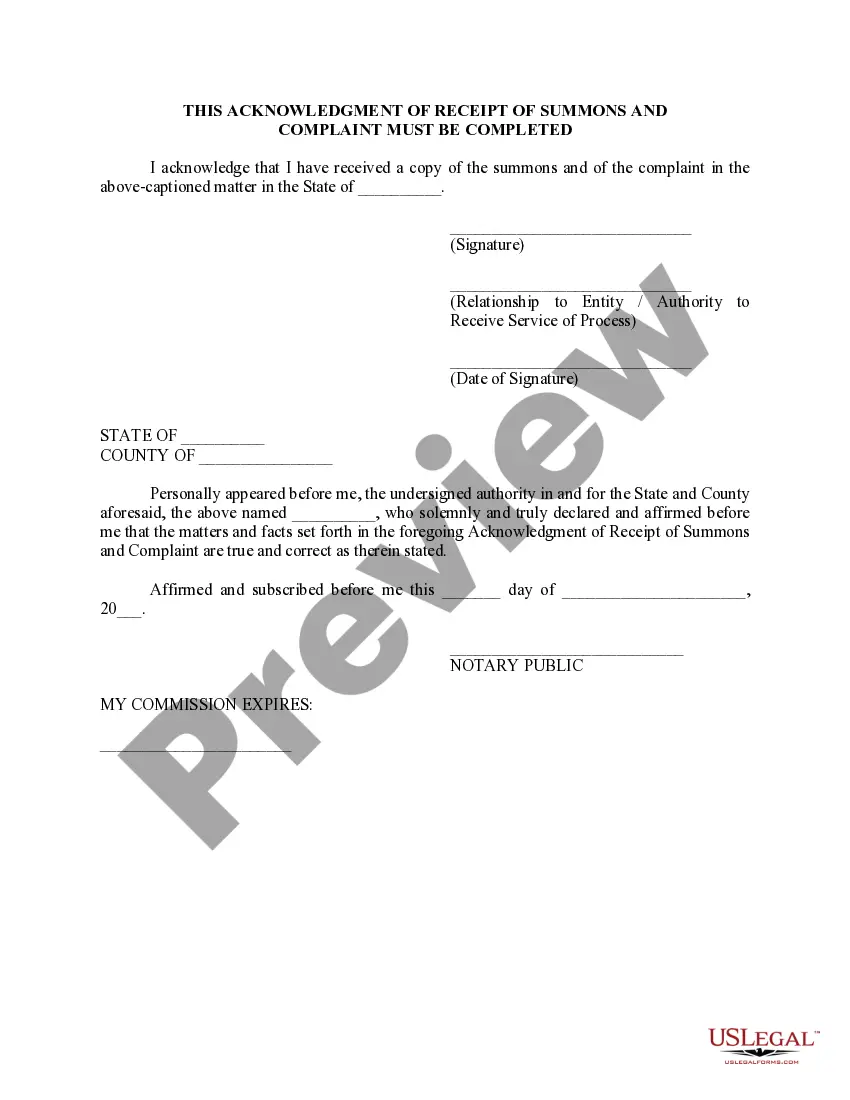
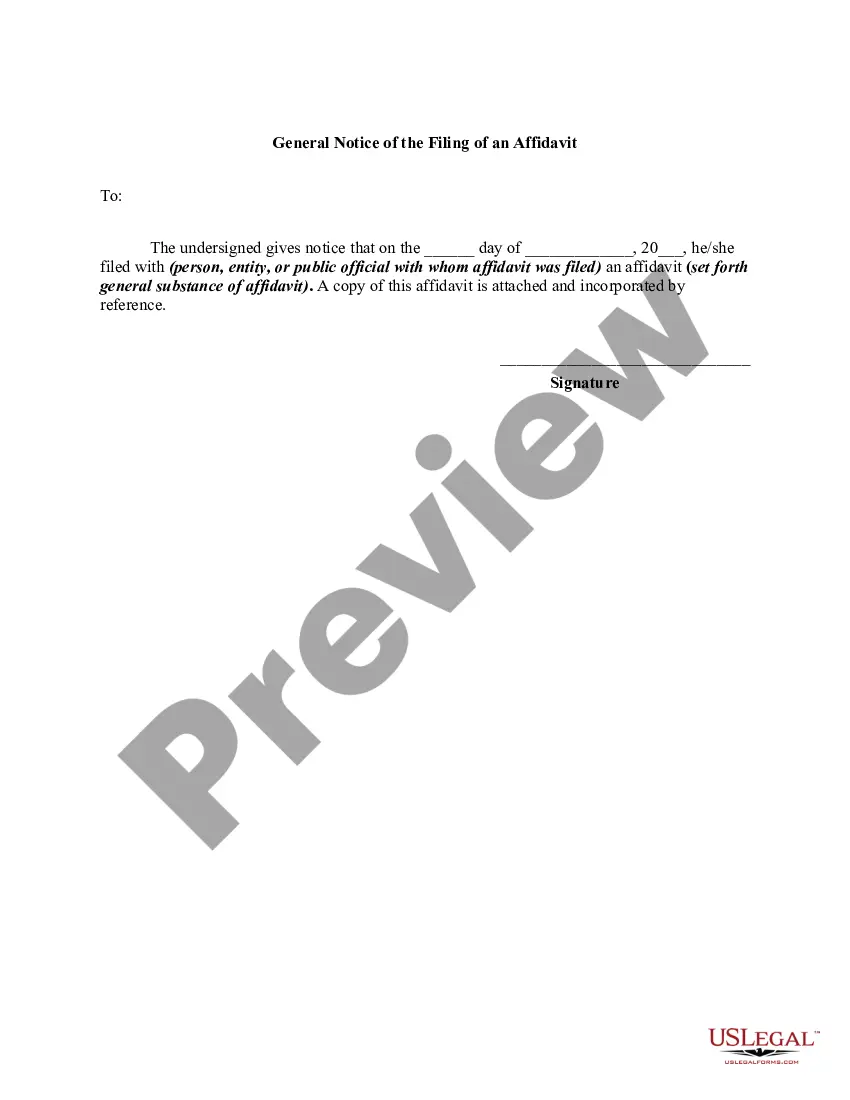
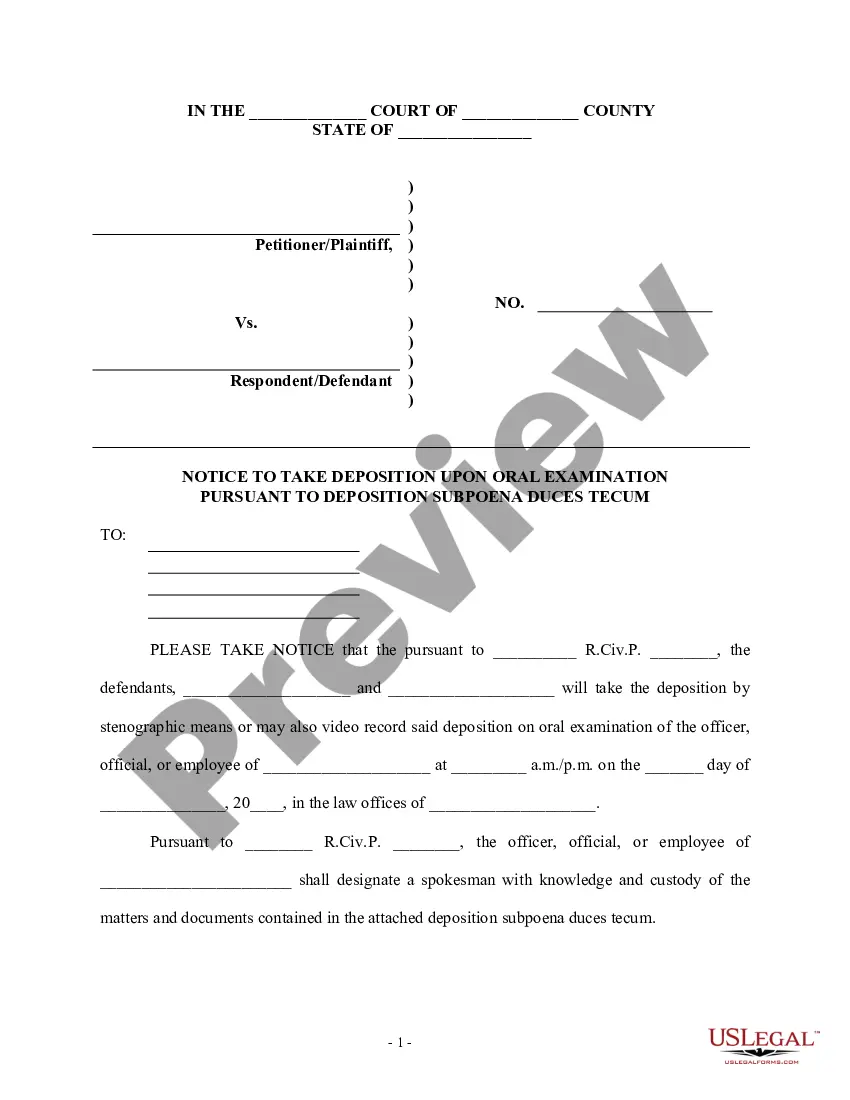
Get your form ready online
Our built-in tools help you complete, sign, share, and store your documents in one place.
Make edits, fill in missing information, and update formatting in US Legal Forms—just like you would in MS Word.
Download a copy, print it, send it by email, or mail it via USPS—whatever works best for your next step.
Sign and collect signatures with our SignNow integration. Send to multiple recipients, set reminders, and more. Go Premium to unlock E-Sign.
If this form requires notarization, complete it online through a secure video call—no need to meet a notary in person or wait for an appointment.
We protect your documents and personal data by following strict security and privacy standards.

Make edits, fill in missing information, and update formatting in US Legal Forms—just like you would in MS Word.

Download a copy, print it, send it by email, or mail it via USPS—whatever works best for your next step.

Sign and collect signatures with our SignNow integration. Send to multiple recipients, set reminders, and more. Go Premium to unlock E-Sign.

If this form requires notarization, complete it online through a secure video call—no need to meet a notary in person or wait for an appointment.

We protect your documents and personal data by following strict security and privacy standards.
Looking for another form?
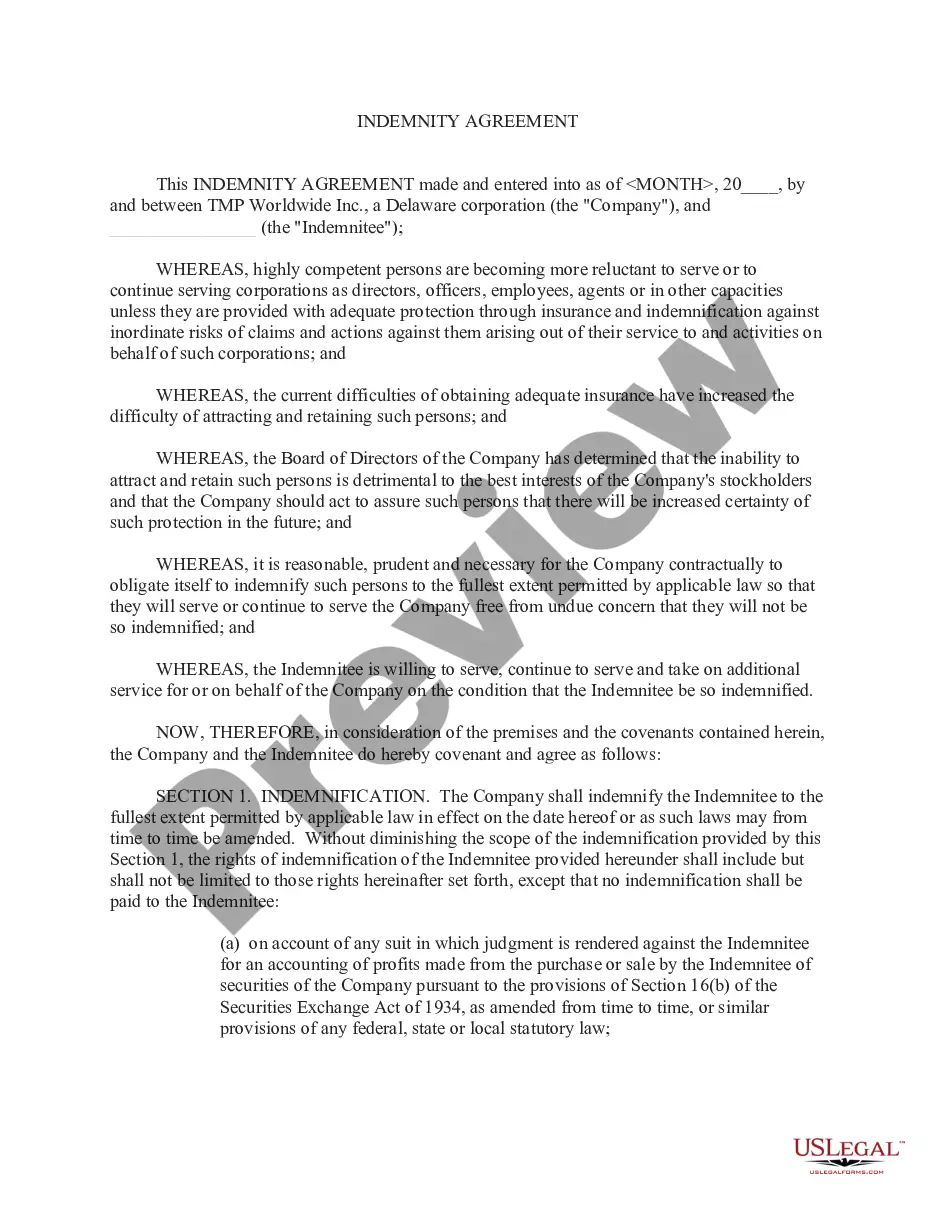
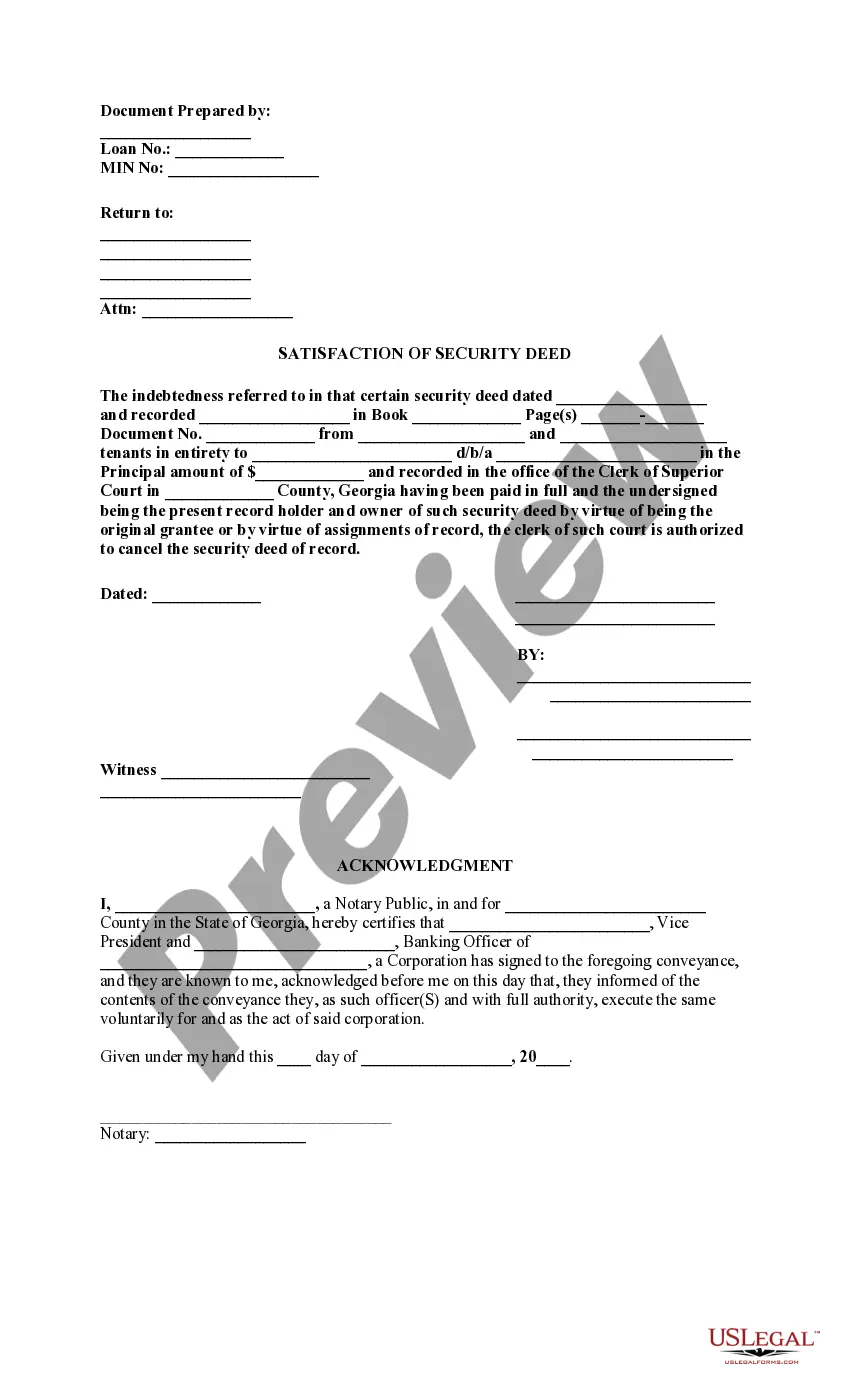
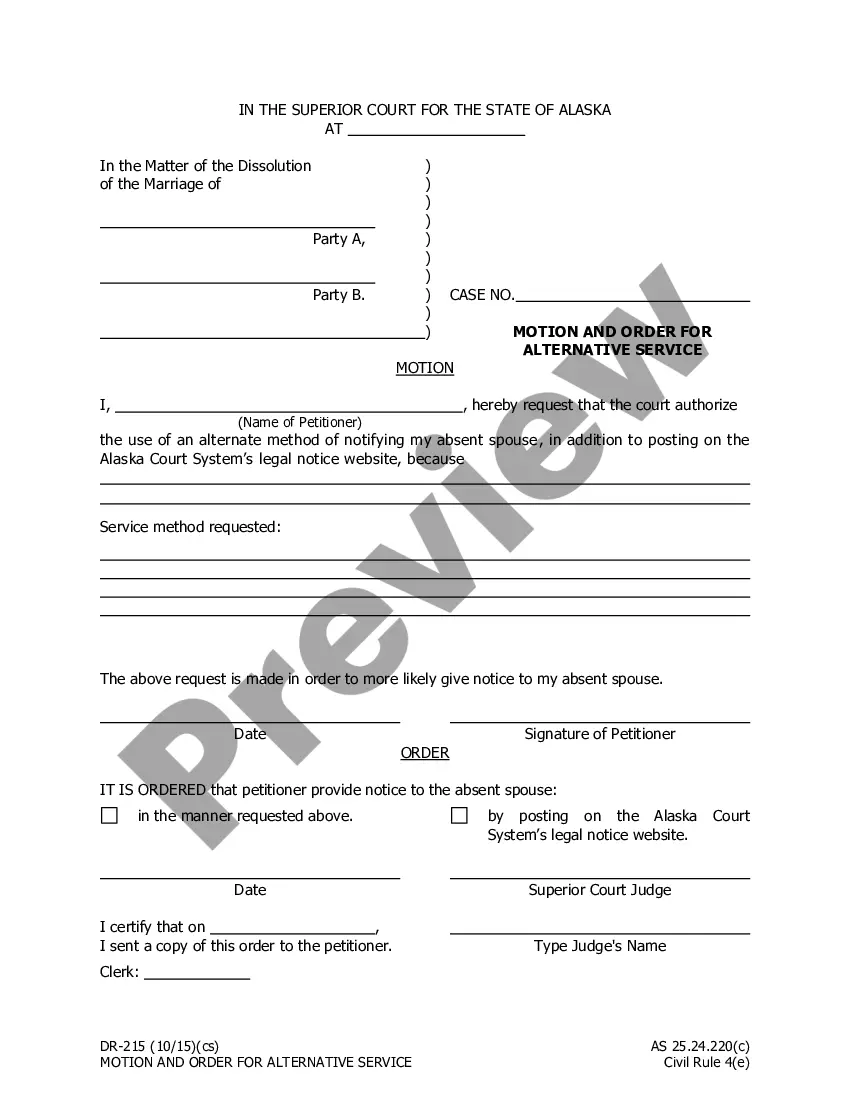
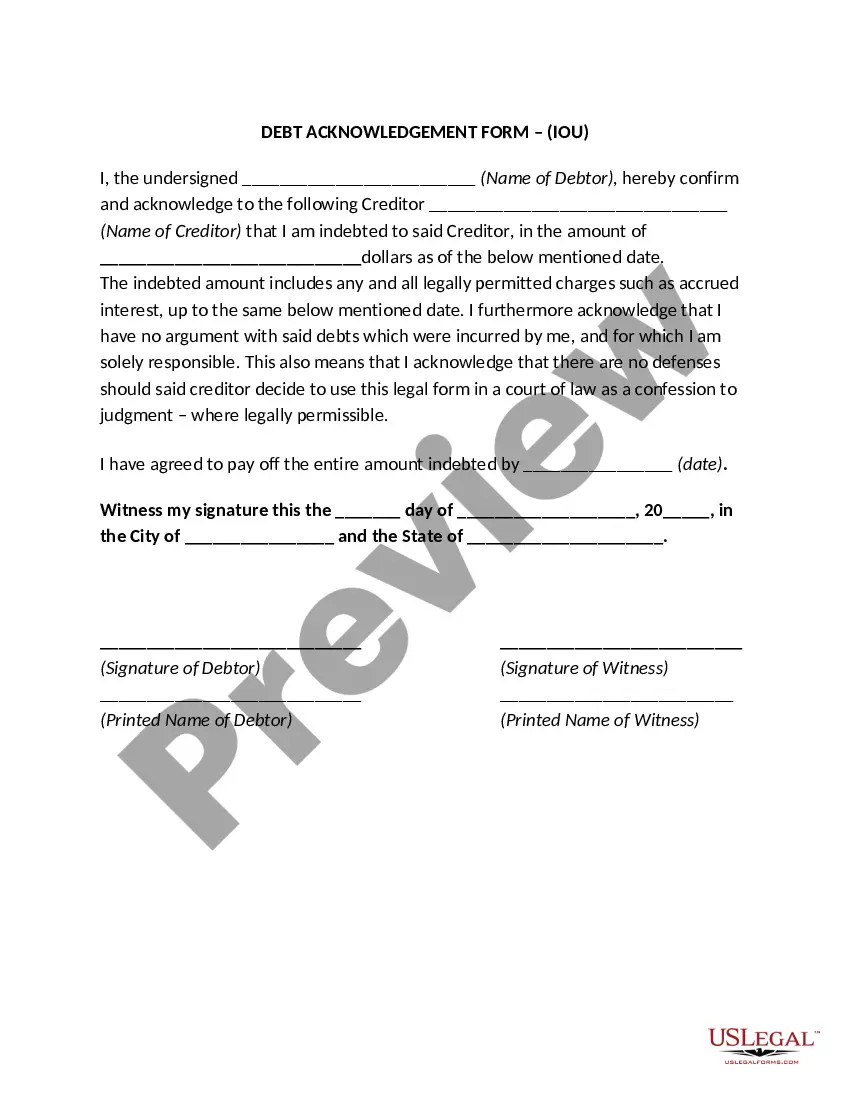




How to fill out Notice - Served With Complaint And Summons?
Engaging with legal paperwork and processes can be a lengthy addition to your daily routine.
Civil Summons Form for Debt and similar forms frequently need you to locate them and find the most effective method to fill them out correctly.
Thus, whether you're managing financial, legal, or personal issues, having access to a comprehensive and convenient online library of forms will be significantly beneficial.
US Legal Forms is the premier online platform for legal templates, featuring more than 85,000 state-specific forms and a variety of resources to assist you in completing your documents with ease.
Simply Log In to your account, locate Civil Summons Form for Debt, and instantly obtain it in the My documents section. You can also revisit previously downloaded forms.
- Uncover the collection of relevant documents available with just one click.
- US Legal Forms supplies you with forms specific to states and counties that can be downloaded anytime.
- Safeguard your document management processes with a premium service that enables you to create any form in minutes without extra or concealed charges.
Form popularity
FAQ
In Massachusetts, a civil summons can be served by any person who is at least 18 years old and not a party to the case. This includes professional process servers and law enforcement officers. Proper service ensures that the defendant is officially notified about the legal action. Utilizing the right methods for service helps uphold the integrity of the legal process.
A civil summons is a legal document that notifies an individual or entity of a pending civil action involving debt. It includes essential information such as the parties involved, the court's jurisdiction, and deadlines for response. The purpose is to ensure that the defendant has the opportunity to defend themselves against the claims made. Understanding the components of a civil summons is critical for effective legal response.
To initiate a civil action, the plaintiff must present proof supporting their claims, often documented in the civil summons form for debt. This may include contracts, invoices, or communications related to the debt owed. The evidence helps establish the basis of the civil claim. Gathering relevant proof strengthens the plaintiff's position in court.
A summons can be issued by the court where the civil action is filed. After the plaintiff submits the civil summons form for debt, a judge or court clerk typically signs the document. This authorizes the summons, making it legally binding. It’s essential for the summons to have proper court approval to ensure its validity.
The procedure for a civil summons typically begins with filing the civil summons form for debt in the appropriate court. After filing, the plaintiff serves the summons to the defendant through a process server or law enforcement. The defendant then has a specific time frame to respond to the summons, usually by filing an answer with the court. Proper adherence to these steps ensures a legally binding process.
A person may be served a civil summons for various reasons, primarily to notify them of a legal matter involving debt. This usually happens when a creditor or a business seeks to recover unpaid debts through legal action. Receiving a civil summons informs the recipient that they must respond or face a default judgment. It's crucial to read and understand the summons to know your rights and responsibilities.
In the United States, anyone involved in a civil dispute can file a civil summons form for debt. Typically, the plaintiff, or the person bringing the lawsuit, initiates the process. This includes individuals or businesses seeking formal legal recourse to resolve debts. It is important to follow local rules and procedures when filing.
The outcome of a civil case can vary widely, but it often results in a settlement or a court ruling. If the case involves debt, the court may rule in favor of the creditor, resulting in payment obligations. It is advisable to prepare adequately, including exploring resources like the civil summons form for debt, to understand your potential responsibilities.
Yes, a civil summons is a serious matter that should not be taken lightly. It signifies that a legal dispute has been initiated, which can affect your credit and financial stability. A timely and appropriate response using the civil summons form for debt is your best option to address the situation proactively.
When summons are issued, they serve to inform you of a legal action initiated against you. It typically includes details of the claim and required actions. Following the instructions carefully on a civil summons form for debt can help you manage the situation effectively and avoid further legal repercussions.