Living Trust With Beneficiary
Description

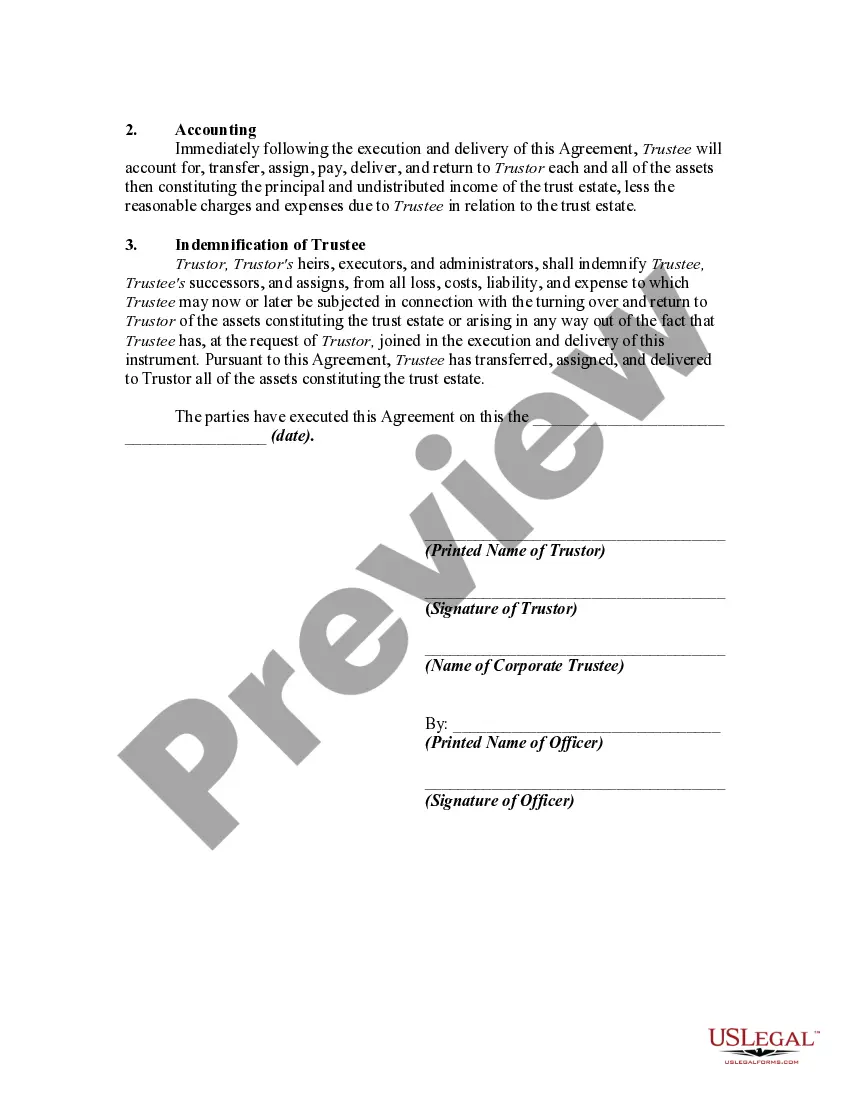
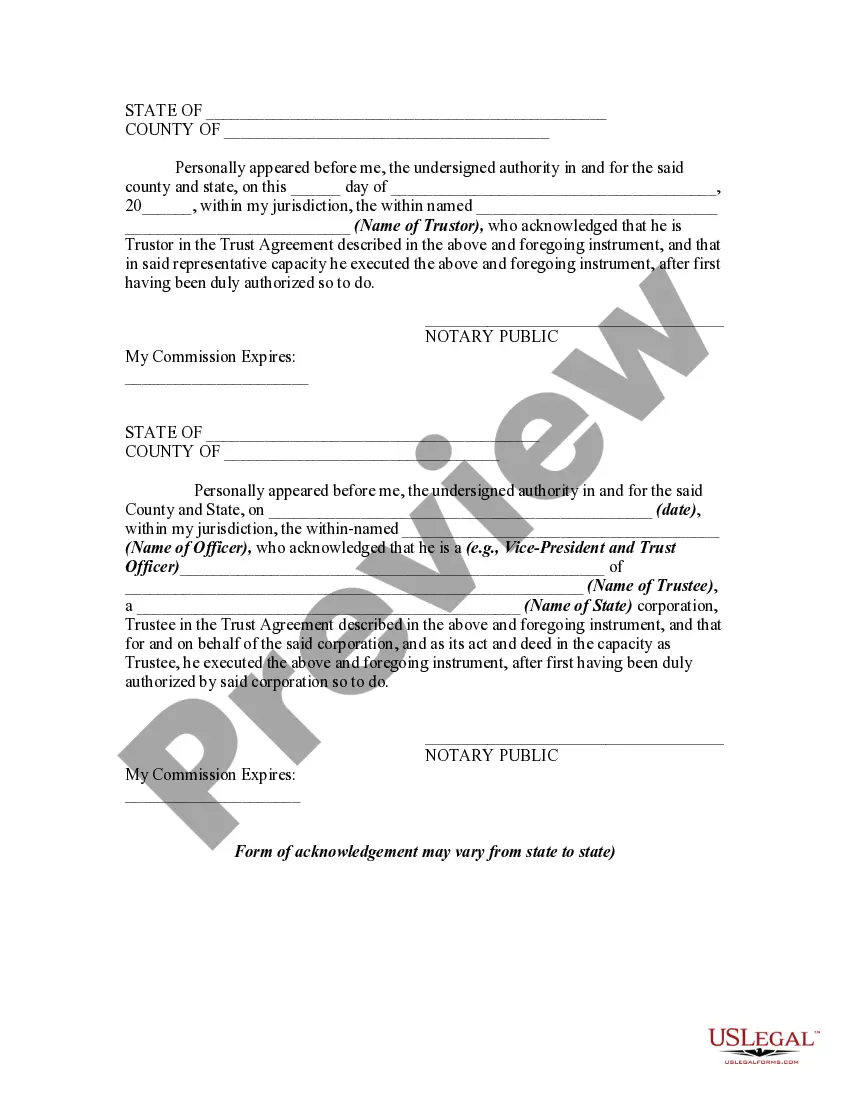
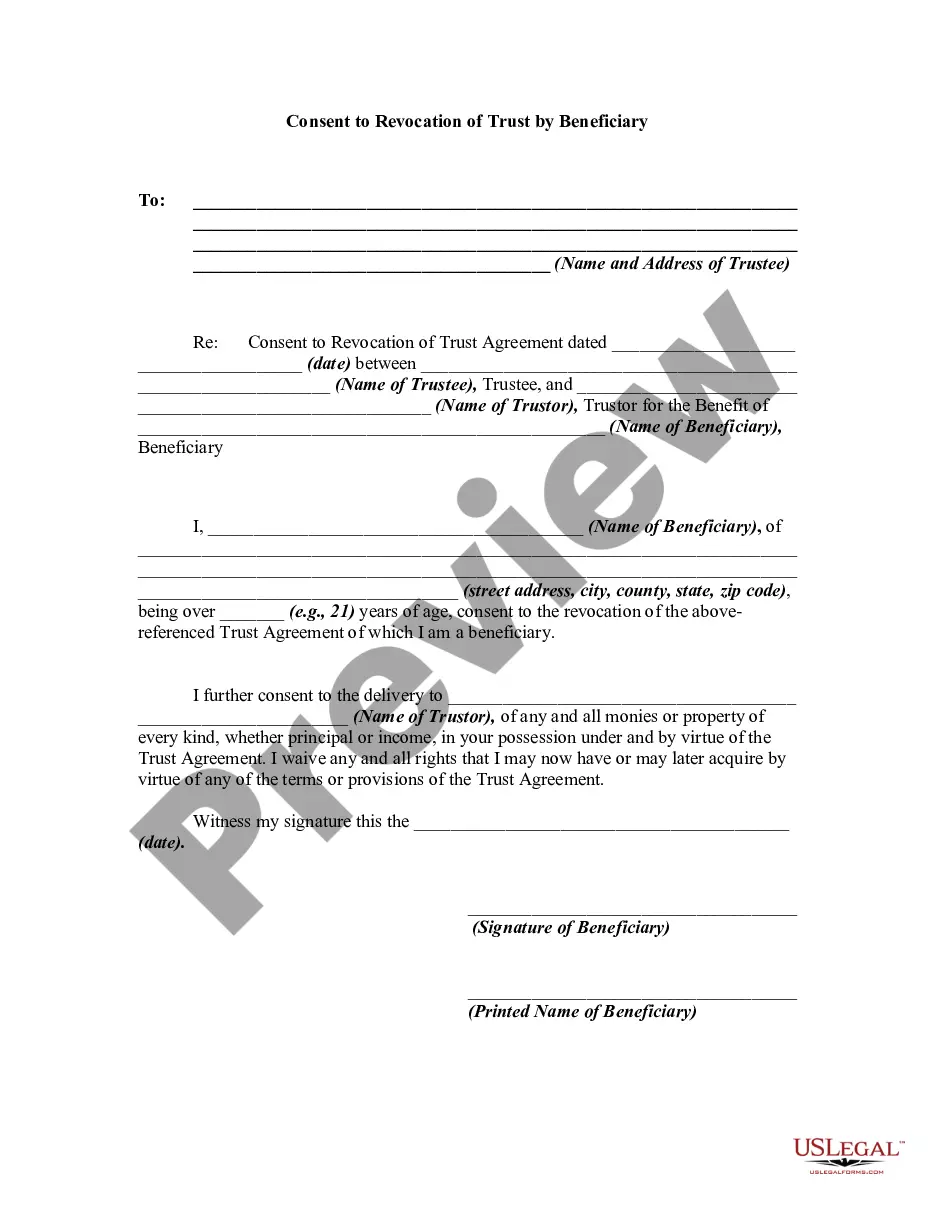
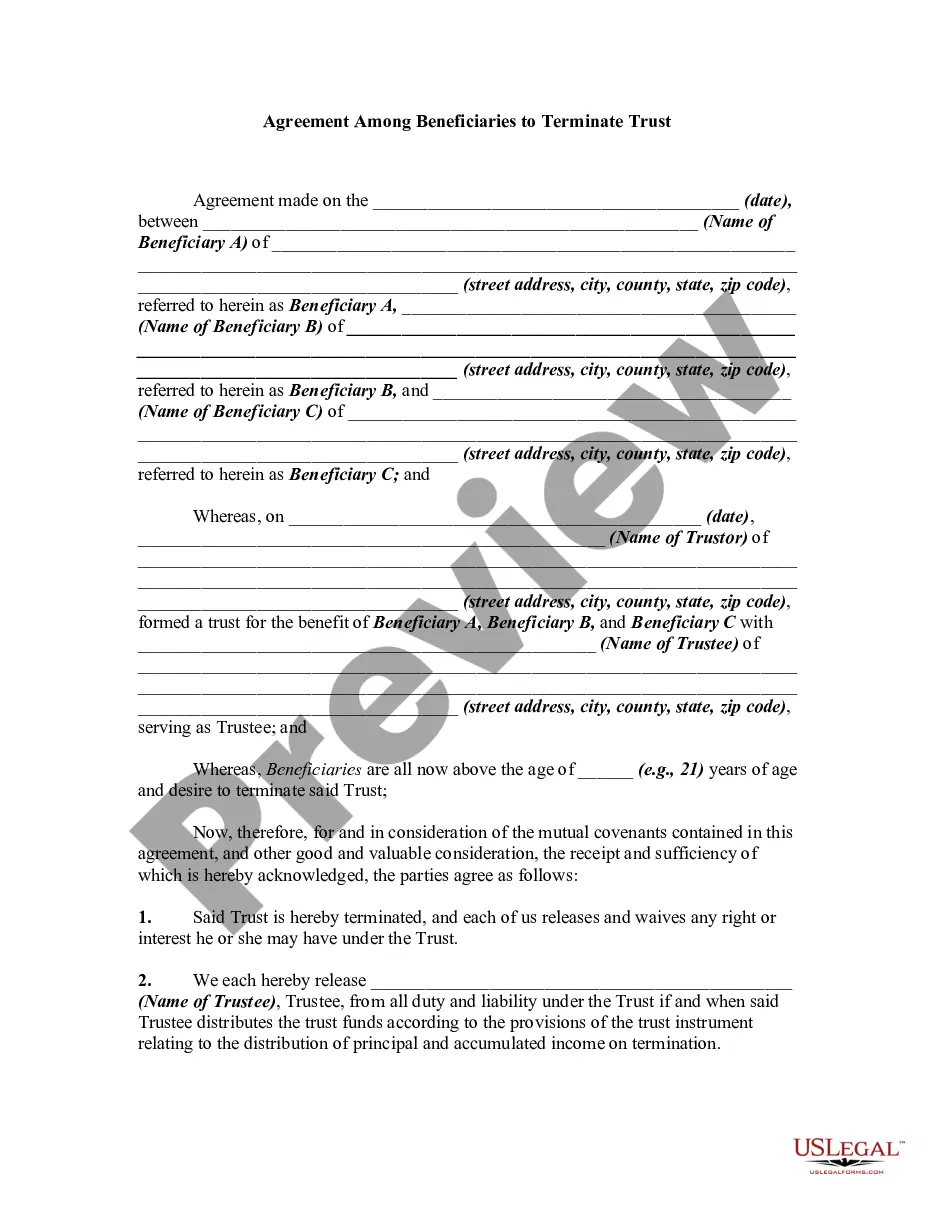

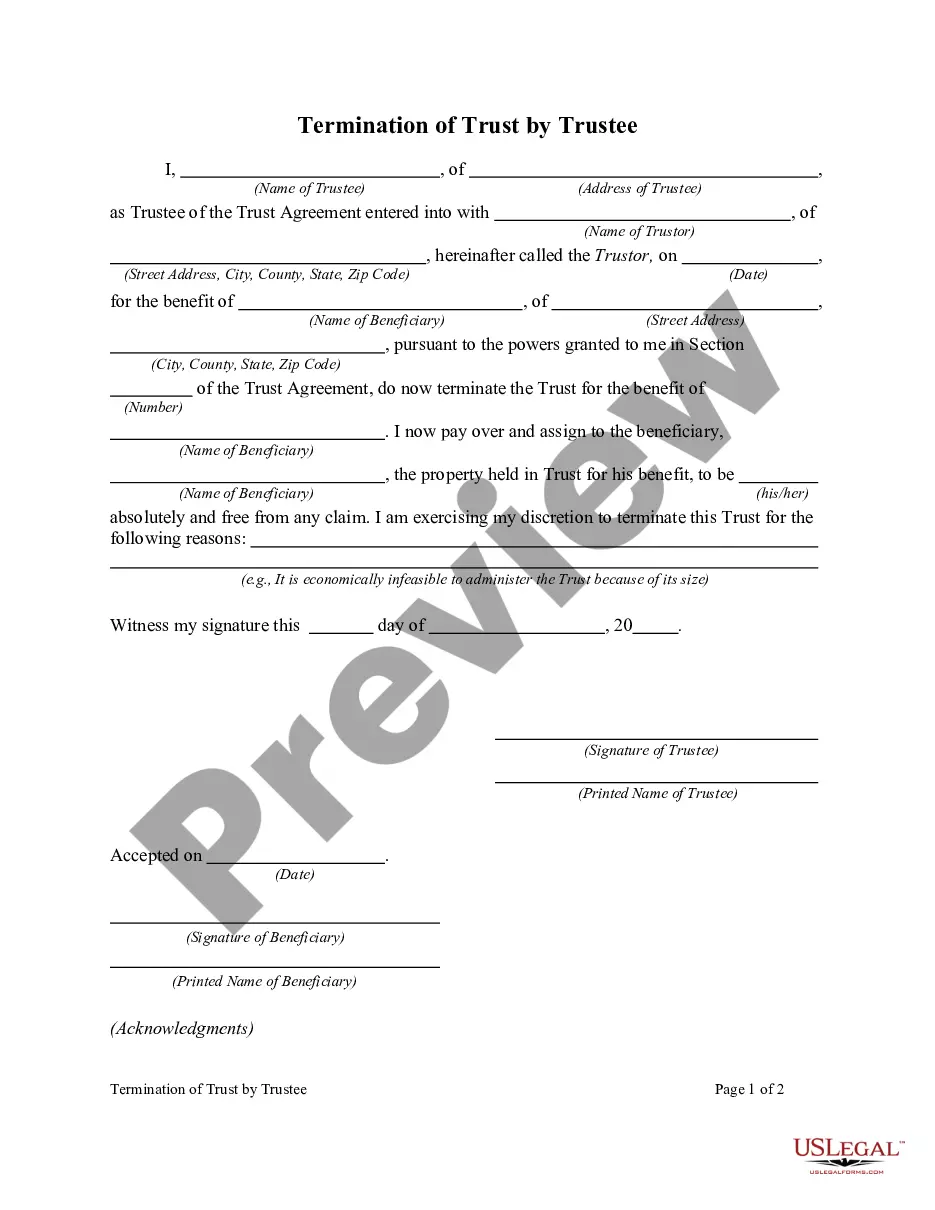
Get your form ready online
Our built-in tools help you complete, sign, share, and store your documents in one place.
Make edits, fill in missing information, and update formatting in US Legal Forms—just like you would in MS Word.
Download a copy, print it, send it by email, or mail it via USPS—whatever works best for your next step.
Sign and collect signatures with our SignNow integration. Send to multiple recipients, set reminders, and more. Go Premium to unlock E-Sign.
If this form requires notarization, complete it online through a secure video call—no need to meet a notary in person or wait for an appointment.
We protect your documents and personal data by following strict security and privacy standards.

Make edits, fill in missing information, and update formatting in US Legal Forms—just like you would in MS Word.

Download a copy, print it, send it by email, or mail it via USPS—whatever works best for your next step.

Sign and collect signatures with our SignNow integration. Send to multiple recipients, set reminders, and more. Go Premium to unlock E-Sign.

If this form requires notarization, complete it online through a secure video call—no need to meet a notary in person or wait for an appointment.

We protect your documents and personal data by following strict security and privacy standards.
Looking for another form?
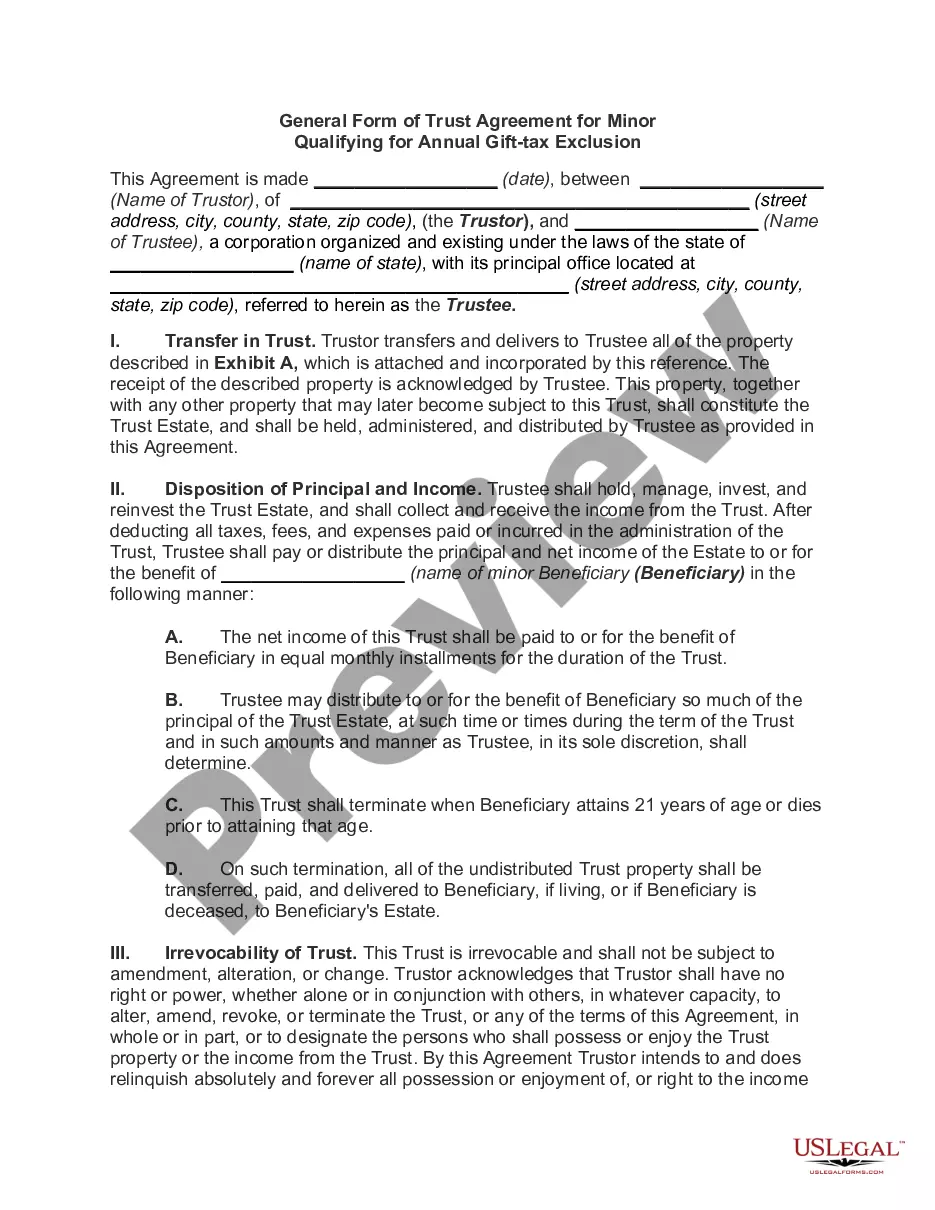



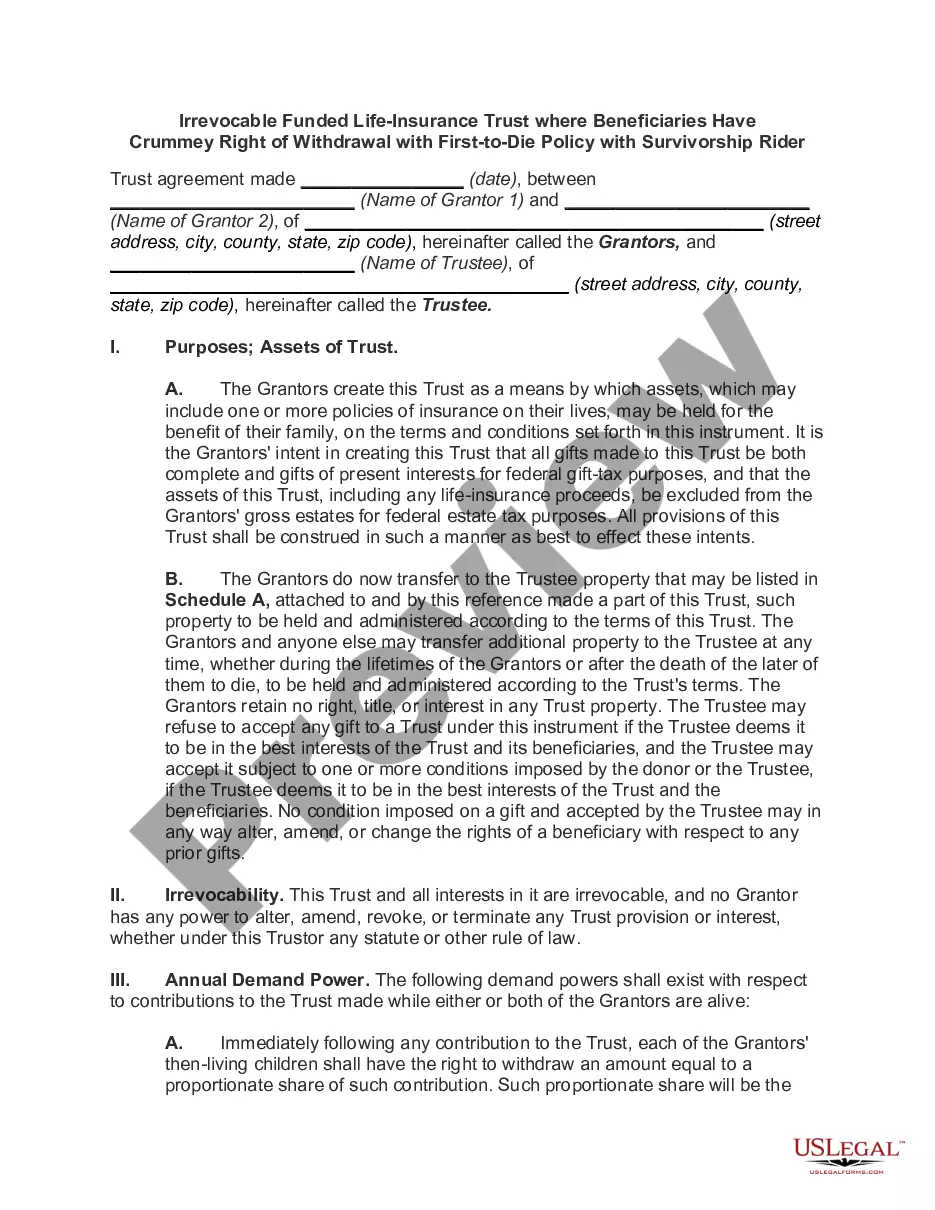
How to fill out Agreement Between Trustor And Trustee Terminating Trust After Disclaimer By Beneficiary?
Creating legal documents from the ground up can occasionally feel quite daunting. Certain situations may require extensive research and significant financial investment.
If you’re seeking a simpler and more cost-effective method for drafting Living Trust With Beneficiary or any other formats without encountering obstacles, US Legal Forms is readily accessible to you.
Our online collection of over 85,000 current legal documents covers nearly every facet of your financial, legal, and personal affairs. With just a few clicks, you can swiftly obtain state- and county-specific templates meticulously arranged for you by our legal professionals.
Utilize our service whenever you require a dependable and trustworthy platform through which you can promptly discover and download the Living Trust With Beneficiary. If you’re familiar with our services and have previously registered with us, simply Log In to your account, find the template, and download it or retrieve it anytime from the My documents section.
Select the appropriate subscription option to purchase the Living Trust With Beneficiary. Download the document, then fill it out, authorize it, and print it. US Legal Forms has an impeccable reputation and over 25 years of experience. Join us now and transform document processing into something uncomplicated and efficient!
- Don’t possess an account? No worries. It takes only a few minutes to create one and browse the catalog.
- Before proceeding to download Living Trust With Beneficiary, adhere to these suggestions.
- Examine the form preview and descriptions to ensure you are on the correct document you seek.
- Confirm that the form you choose complies with the regulations of your state and county.
Form popularity
FAQ
Several actions can void a living trust, including failing to fund it properly or revoking it through legal means. Importantly, if you do not adhere to the specific legal requirements when creating your living trust with beneficiary, it might not hold up in court. Additionally, significant changes in your personal circumstances, such as divorce or the death of a beneficiary, could lead to potential issues. To navigate these complexities, consider using uslegalforms as a resource to help you establish a robust living trust.
Yes, a living trust can have multiple beneficiaries. You have the flexibility to name individuals, organizations, or even charities as beneficiaries. This aspect allows you to tailor your estate distribution to meet your specific desires. Utilizing a living trust with beneficiary provisions can simplify the process and provide clarity to your heirs.
A living trust can indeed have beneficiaries. When you create a living trust with beneficiary designations, you determine who will receive your assets upon your passing. By doing so, you ensure that your loved ones benefit from your estate according to your wishes. This feature makes a living trust with beneficiary a practical choice for effective estate planning.
To begin the process of establishing a living trust, you first need to identify the assets you wish to place in the trust. It is crucial to have clear instructions on how these assets should be managed and distributed. Consulting with legal professionals or using resources like US Legal Forms can help you navigate the setup efficiently. Creating a living trust with beneficiary designations can provide peace of mind, knowing your estate will be handled as you intend.
Yes, you can designate a living trust as a beneficiary for various assets, including bank accounts and life insurance policies. This approach allows you to manage your estate more effectively, ensuring that your assets go to the right individuals according to your wishes. By using a living trust with beneficiary designations, you can simplify the distribution process and help your loved ones avoid probate. Consider using US Legal Forms to create or update your living trust easily.
To fill a beneficiary form, especially for a living trust with beneficiary, start by gathering all pertinent details about the trust and the beneficiaries involved. Accurately fill in each beneficiary's information, including their full name and relation to you, along with any specific instructions on how the trust assets should be distributed. Finally, review the completed form for completeness and clarity, and consider using US Legal Forms for easy access to reliable resources and guidance.
Filling out a beneficiary designation form for a living trust with beneficiary involves providing detailed information about the trust and the designated beneficiaries. Include the names, addresses, and social security numbers of the beneficiaries to avoid any confusion during the distribution process. Make sure to clarify the percentage of the trust each beneficiary will receive. Platforms like US Legal Forms can assist you in finding accurate templates that ensure your designations are legally sound.
To fill out a beneficiary form for a living trust with beneficiary, begin by ensuring that you have all necessary information ready, including the full name and contact details of the beneficiary. Clearly specify each beneficiary's share of the trust, as well as any conditions attached to their inheritance. It's advisable to review the form carefully and consider consulting with a legal professional to ensure compliance with state laws. You can also use platforms like US Legal Forms for convenient and accurate forms tailored to your needs.
Suze Orman advocates for living trusts, especially when discussing their role in estate planning. She emphasizes that a living trust with a beneficiary can provide ease and flexibility in transferring assets after death, reducing the burden on loved ones. Orman also highlights the importance of funding the trust adequately to ensure it meets your intentions. Overall, she believes that properly managed living trusts can enhance your financial legacy and streamline asset distribution.
To add a living trust as a beneficiary, first ensure that the trust is properly established and has a designated trustee. Next, contact the financial institution or insurance company where the asset resides, and request the necessary forms to designate beneficiaries. You will typically need to provide the trust's name and possibly a tax identification number. This process guarantees that your assets flow smoothly to the living trust with a beneficiary, avoiding probate complications.