Beneficiary Information For Wire Transfer
Description
Get your form ready online
Our built-in tools help you complete, sign, share, and store your documents in one place.
Make edits, fill in missing information, and update formatting in US Legal Forms—just like you would in MS Word.
Download a copy, print it, send it by email, or mail it via USPS—whatever works best for your next step.
Sign and collect signatures with our SignNow integration. Send to multiple recipients, set reminders, and more. Go Premium to unlock E-Sign.
If this form requires notarization, complete it online through a secure video call—no need to meet a notary in person or wait for an appointment.
We protect your documents and personal data by following strict security and privacy standards.

Make edits, fill in missing information, and update formatting in US Legal Forms—just like you would in MS Word.

Download a copy, print it, send it by email, or mail it via USPS—whatever works best for your next step.

Sign and collect signatures with our SignNow integration. Send to multiple recipients, set reminders, and more. Go Premium to unlock E-Sign.

If this form requires notarization, complete it online through a secure video call—no need to meet a notary in person or wait for an appointment.

We protect your documents and personal data by following strict security and privacy standards.
Looking for another form?



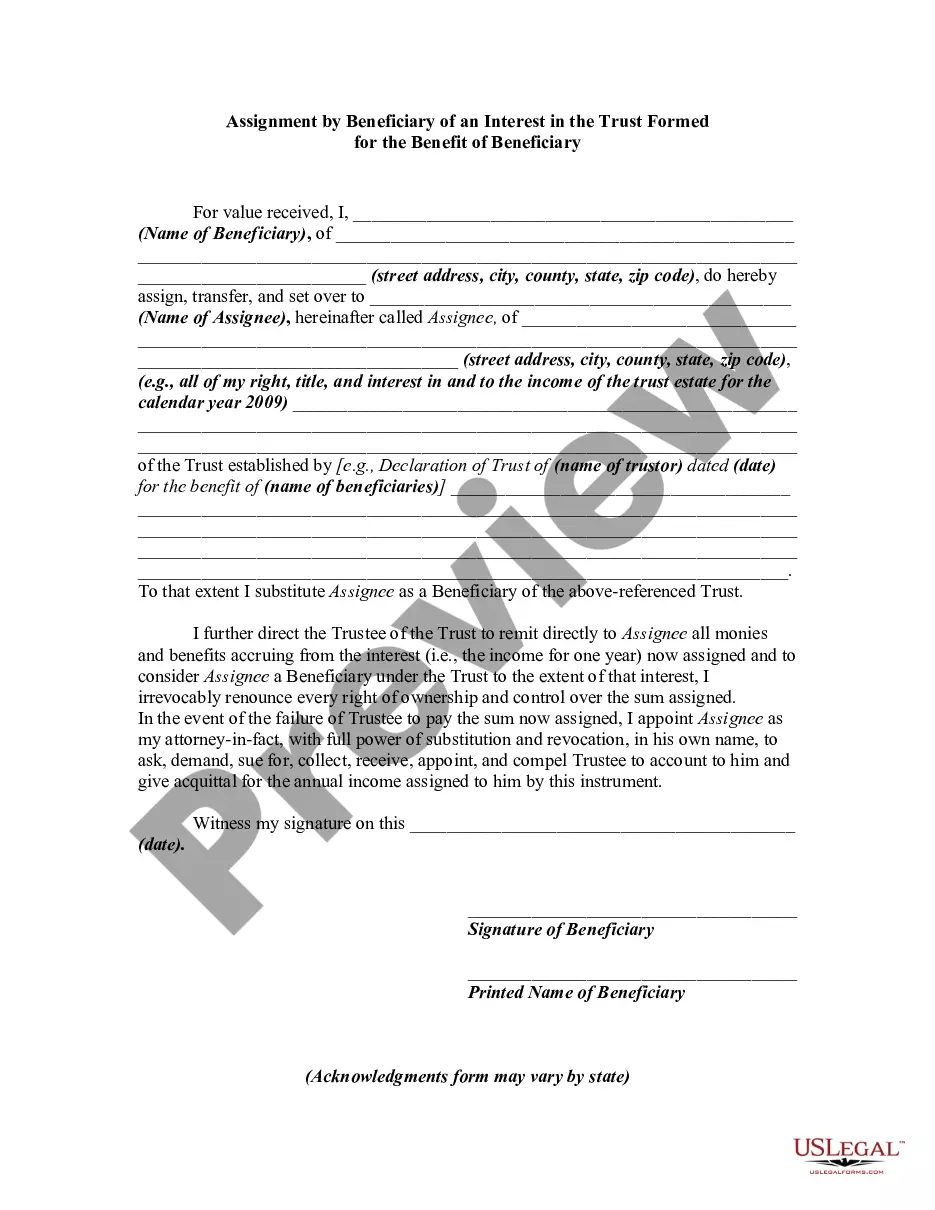
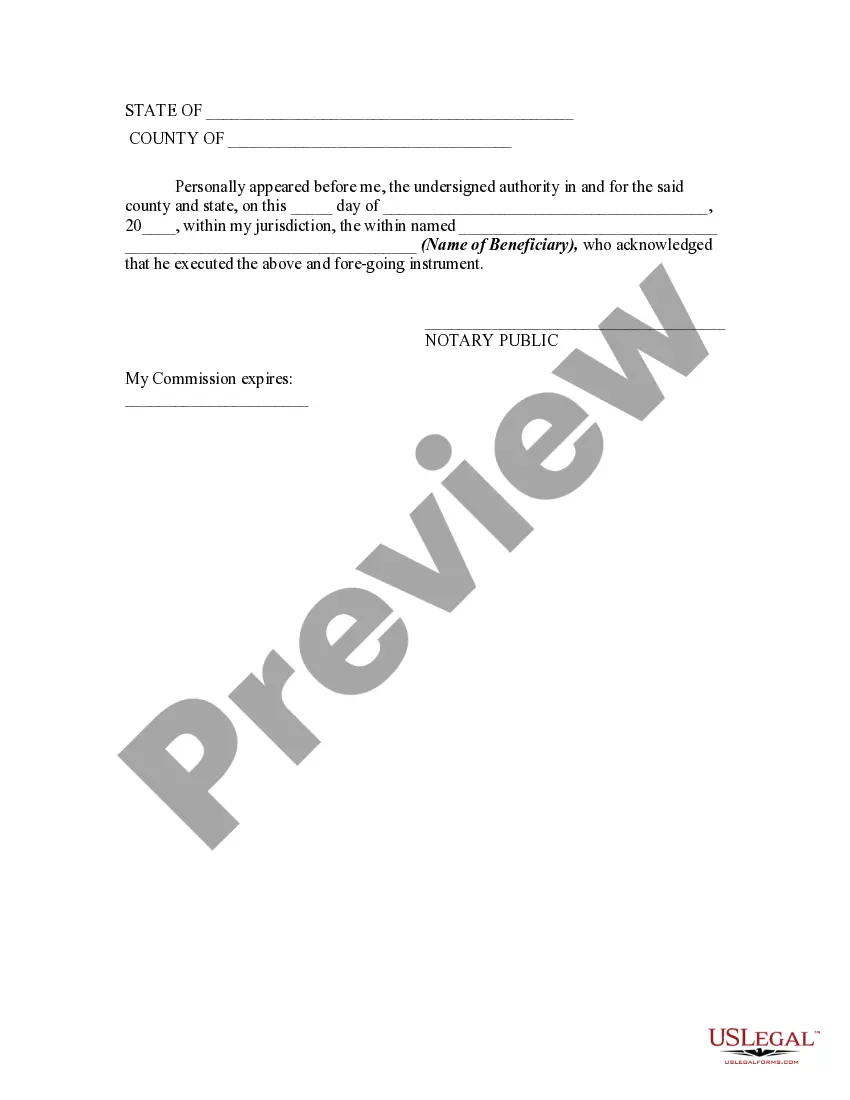
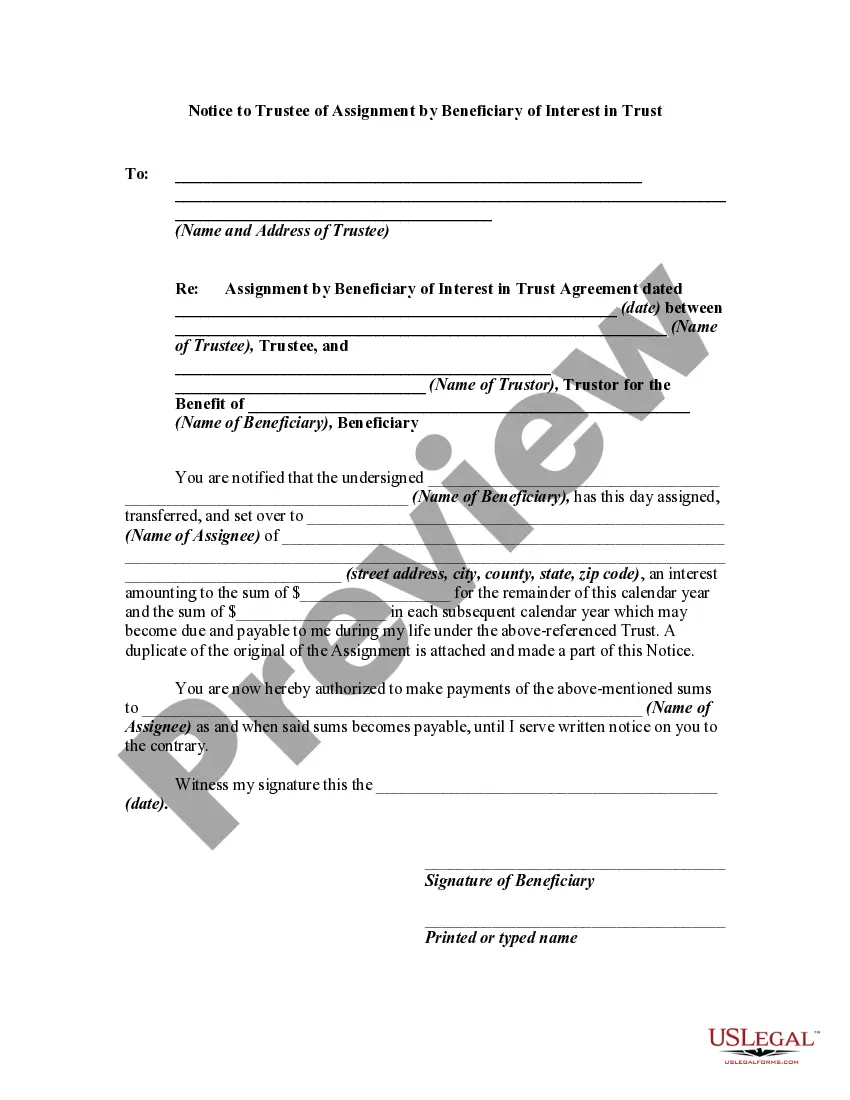
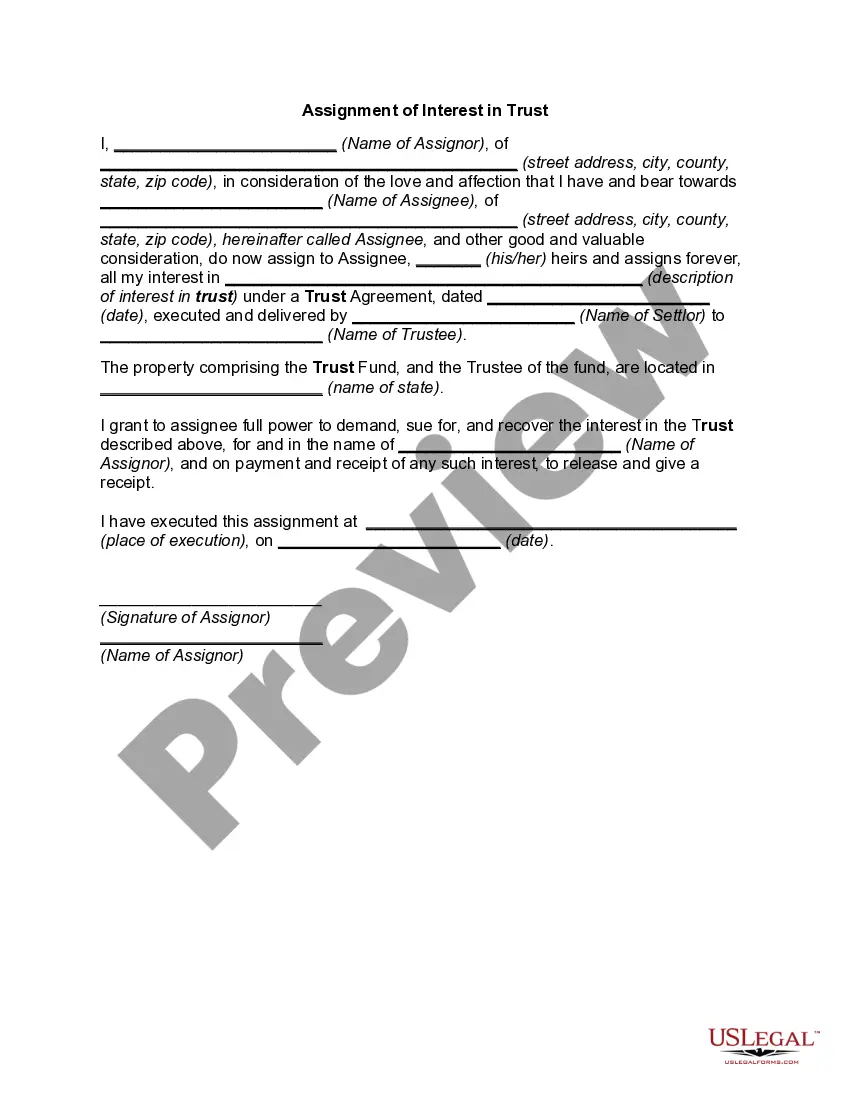
How to fill out Assignment By Beneficiary Of An Interest In The Trust Formed For The Benefit Of Beneficiary?
- Log into your US Legal Forms account. If you do not have one, register to create your account first.
- Search for the wire transfer beneficiary form in the library. Use the search tab to find the most suitable document for your requirements.
- Review the form in Preview mode to ensure it meets your local jurisdiction's standards.
- Select the 'Buy Now' button to choose your subscription plan, enabling you access to the form and other resources.
- Complete your purchase by entering your payment information or using your PayPal account.
- Download the form after your purchase. It will be available in the 'My Forms' section of your account for anytime access.
In conclusion, US Legal Forms is a valuable resource for anyone needing beneficiary information for wire transfers. The platform empowers users with a robust collection of legal documents and expert assistance, ensuring accuracy and compliance.
Start your free trial today and take the first step towards simplifying your legal documentation process!
Form popularity
FAQ
To successfully complete a wire transfer, you need key beneficiary information for wire transfer. This typically includes the beneficiary's name, bank account number, routing number, and the bank's name and address. Additionally, having the International Bank Account Number (IBAN) or SWIFT code might be necessary for international transfers. Ensuring that you have accurate details is crucial for timely and secure transfers.
For a wire transfer, you need essential beneficiary information such as the recipient's full name, account number, and the bank's routing number. Depending on the bank, additional details like the bank name and address may also be required. It is essential to provide accurate beneficiary information for wire transfer to guarantee successful transactions with minimal delays.
Originator to beneficiary reference information is a unique identifier used in a wire transfer to link the sender with the recipient's account. This reference number can be crucial for tracking the transfer and ensuring it reaches the right beneficiary. Maintaining clear originator to beneficiary reference information for wire transfer can streamline communication between financial institutions.
The originator of beneficiary information encompasses the details about the sender in a wire transfer. This includes the sender's name, address, and account details, which form part of the transaction's record. Ensuring that the originator of beneficiary information for wire transfer is properly documented helps create transparency and trust in the transaction process.
The originator of a transfer is the person or entity sending the funds through a wire. This individual initiates the transaction and provides the necessary information to ensure the funds reach the beneficiary. When handling beneficiary information for wire transfer, the originator plays a key role in supplying accurate data to avoid potential mishaps.
Originating beneficiary information refers to data related to the recipient of funds in a wire transfer. This information typically includes the beneficiary's name, account number, and bank details. Having correct originating beneficiary information for wire transfer is vital since it helps banks process transactions efficiently and accurately.
To complete a wire transfer, you need to provide the recipient's name, bank account number, and the bank's routing number. Additional details may include the bank's name and address. Moreover, sharing precise beneficiary information for wire transfer aims to facilitate a smooth transfer process and avoid potential complications.
An example of originator to beneficiary information includes the sender's name, account number, and their bank details. This information helps the receiving bank identify the funds' source and ensure they reach the correct beneficiary. Furthermore, ensuring accurate beneficiary information for wire transfer is crucial to prevent delays and errors during the transaction.
Yes, a beneficiary address is usually required for international wire transfers. The beneficiary information for wire transfer includes their physical address, which helps in verifying the identity and location of the recipient. This requirement varies by bank and country, but providing a complete address helps streamline the transfer process. Always consult your bank or use our UsLegalForms platform to ensure you have the correct information.
To complete a wire transfer, you must provide specific beneficiary information for wire transfer. This includes the beneficiary's full name, bank account number, and the receiving bank’s name and address. Additionally, you often need the bank's routing number and sometimes the SWIFT code for international transfers. Ensuring accuracy in this information helps prevent delays in the transaction.