Work Release Fort Pierce
Description
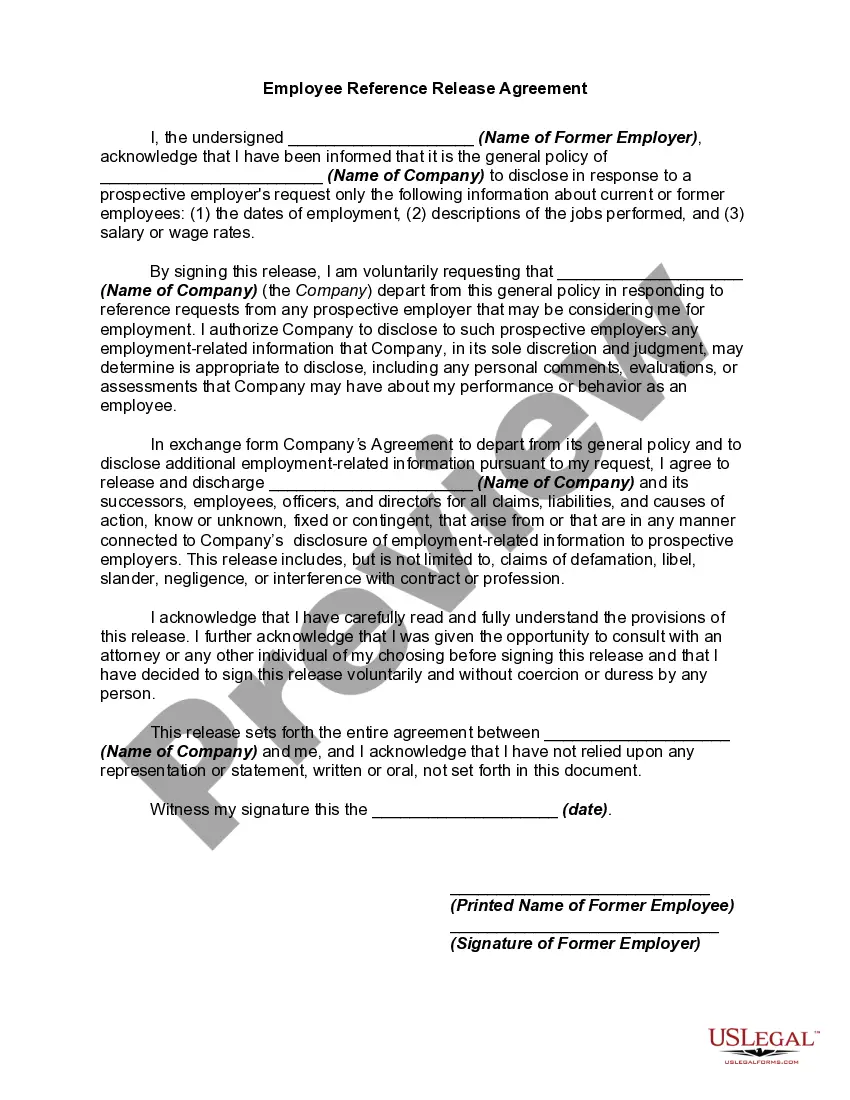
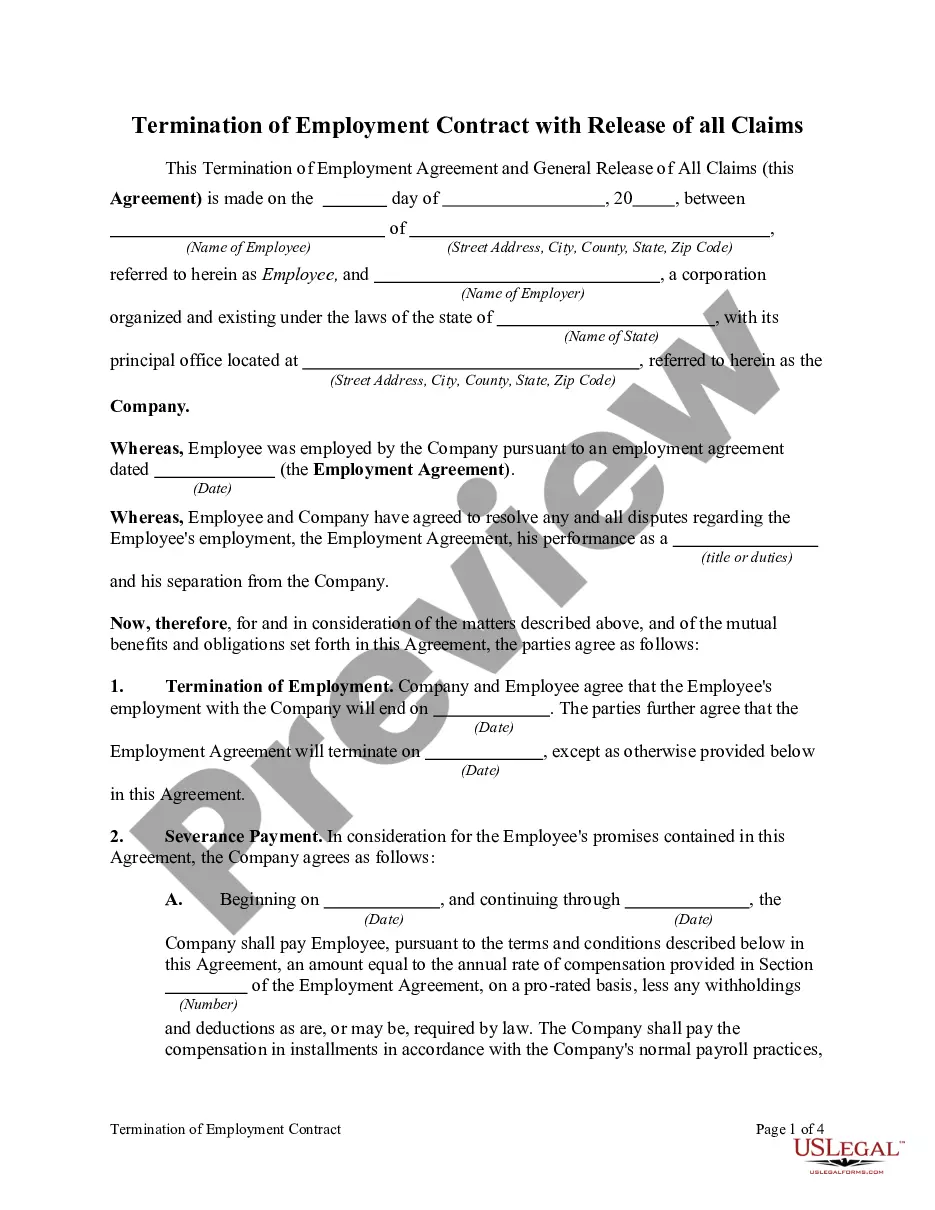
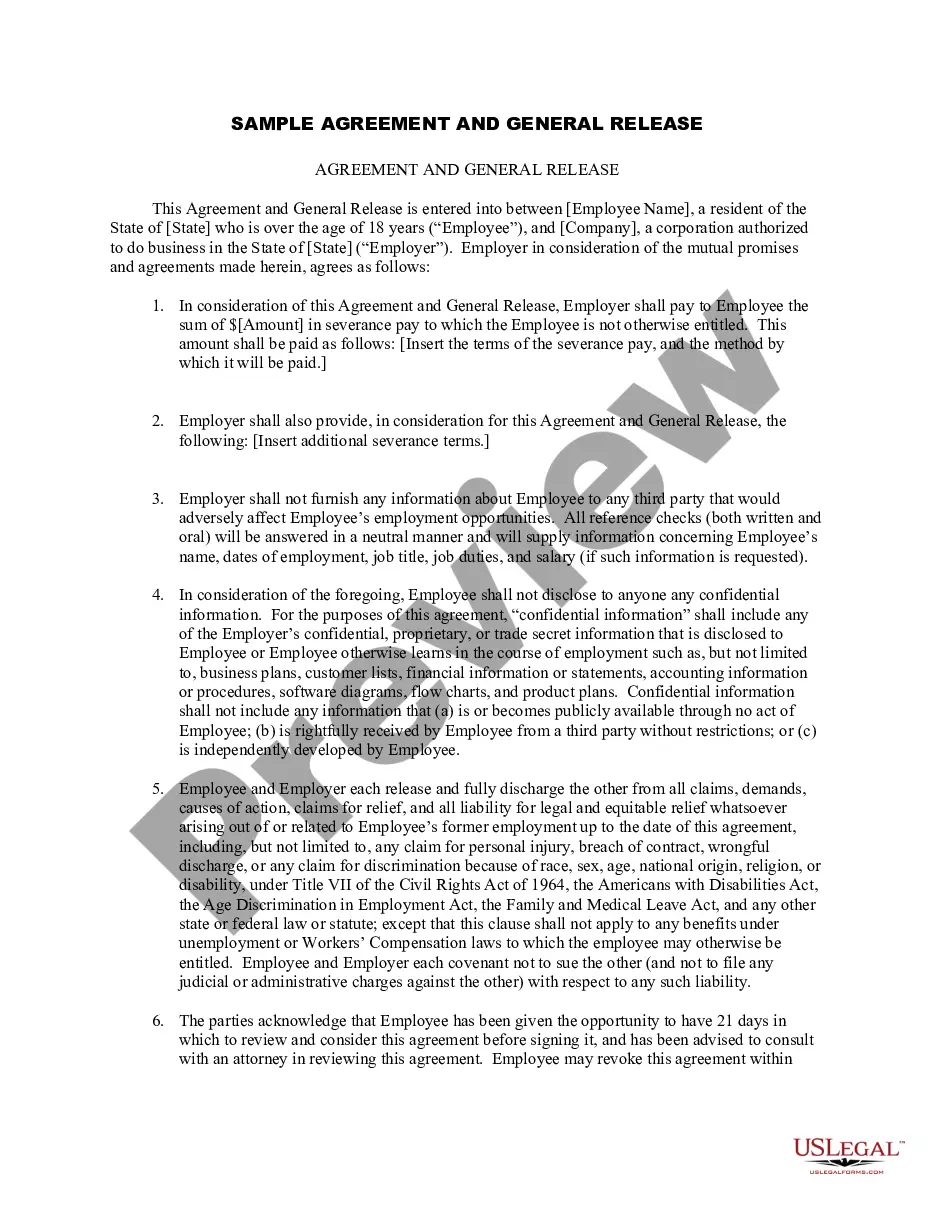
Get your form ready online
Our built-in tools help you complete, sign, share, and store your documents in one place.
Make edits, fill in missing information, and update formatting in US Legal Forms—just like you would in MS Word.
Download a copy, print it, send it by email, or mail it via USPS—whatever works best for your next step.
Sign and collect signatures with our SignNow integration. Send to multiple recipients, set reminders, and more. Go Premium to unlock E-Sign.
If this form requires notarization, complete it online through a secure video call—no need to meet a notary in person or wait for an appointment.
We protect your documents and personal data by following strict security and privacy standards.

Make edits, fill in missing information, and update formatting in US Legal Forms—just like you would in MS Word.

Download a copy, print it, send it by email, or mail it via USPS—whatever works best for your next step.

Sign and collect signatures with our SignNow integration. Send to multiple recipients, set reminders, and more. Go Premium to unlock E-Sign.

If this form requires notarization, complete it online through a secure video call—no need to meet a notary in person or wait for an appointment.

We protect your documents and personal data by following strict security and privacy standards.
Looking for another form?




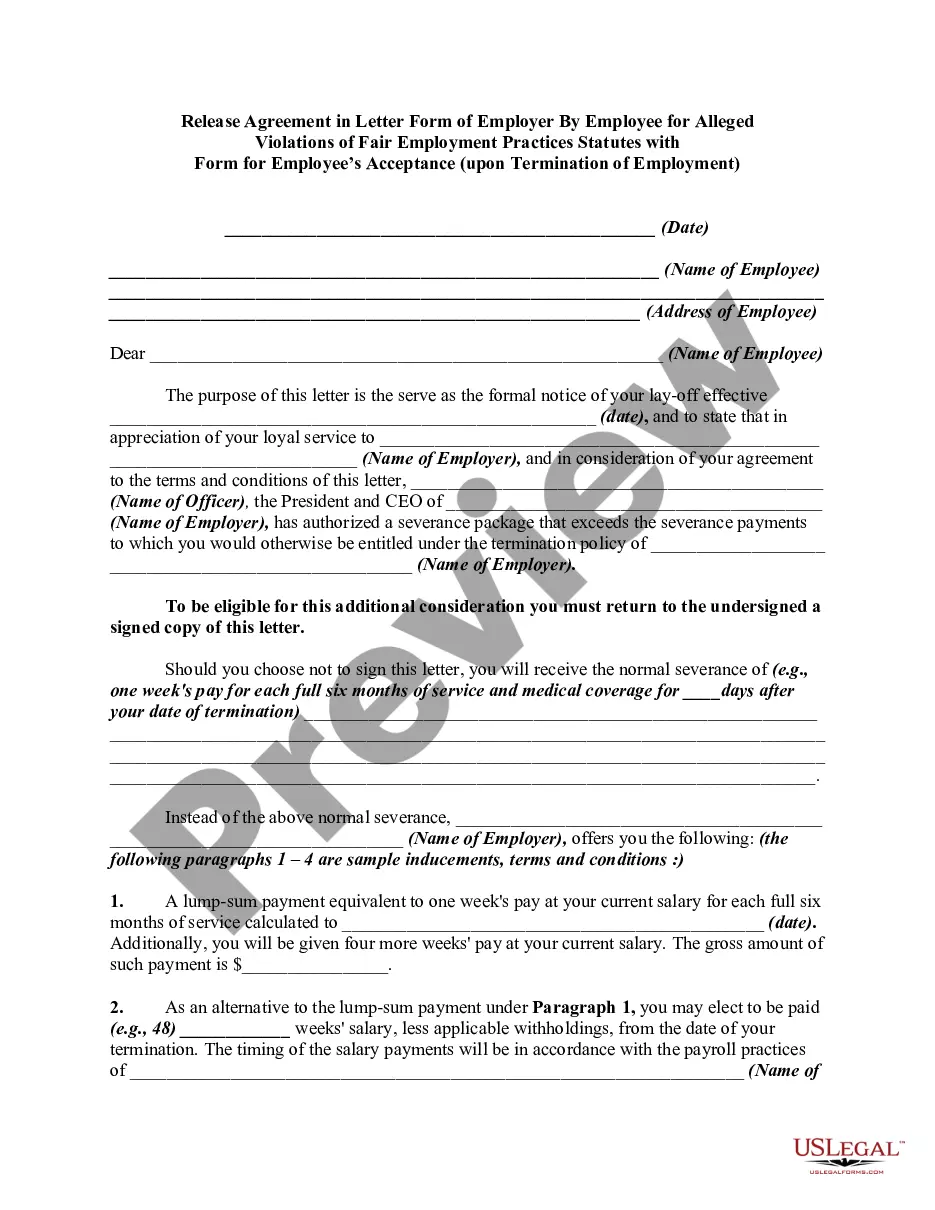
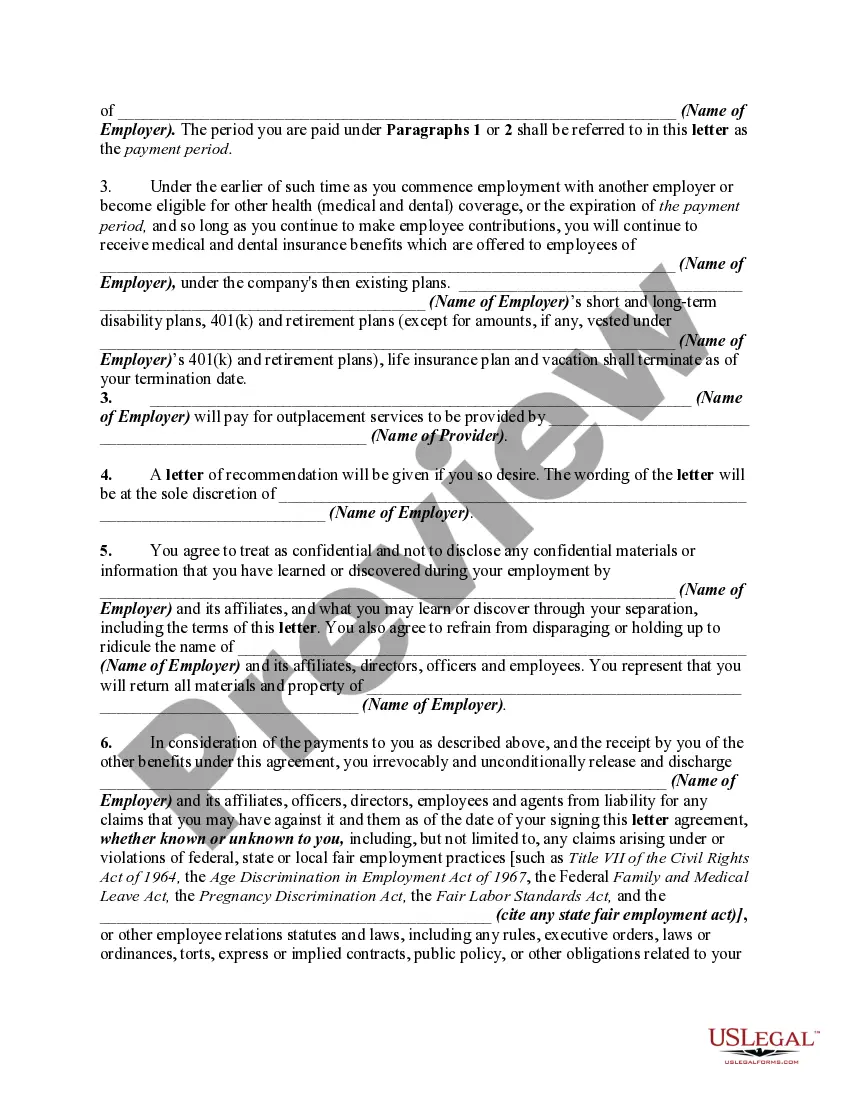
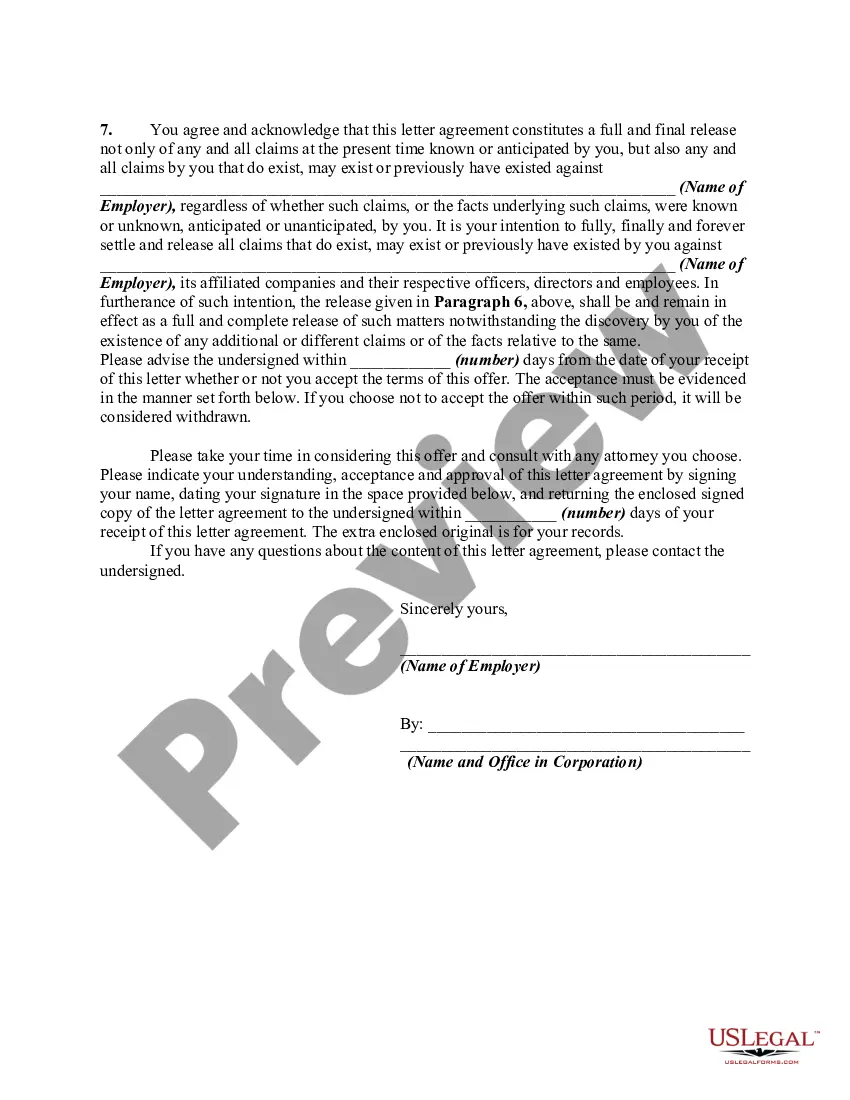
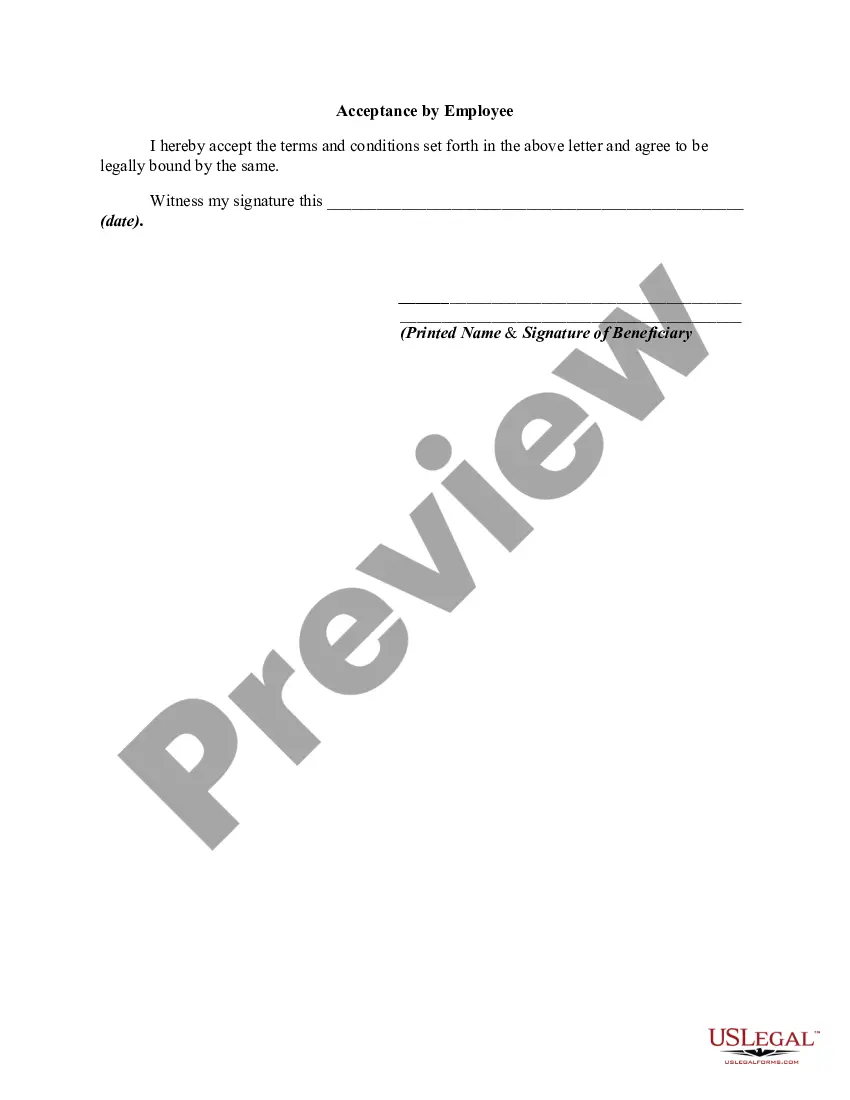
How to fill out Release Agreement In Letter Form Of Employer By Employee For Alleged Violations Of Fair Employment Practices Statutes With Form For Employee's Acceptance Upon Termination Of Job Or Employment?
Securing a reliable source for obtaining the most updated and suitable legal templates is half the battle when navigating bureaucracy.
Locating the appropriate legal documents requires precision and careful attention, which is why it is crucial to obtain samples of Work Release Fort Pierce solely from trustworthy providers, such as US Legal Forms. An incorrect template can squander your time and hinder your current situation.
Eliminate the complications associated with your legal documentation. Explore the vast US Legal Forms repository to discover legal samples, verify their applicability to your situation, and download them immediately.
- Utilize the catalog navigation or search bar to locate your template.
- Access the form's details to verify if it meets the standards of your state and locality.
- View the form preview, if available, to confirm that the template aligns with your search.
- Return to the search to identify the correct template if the Work Release Fort Pierce does not meet your requirements.
- If you are certain about the form's applicability, download it.
- If you possess authorization, click Log in to verify and access your chosen forms in My documents.
- If you lack a profile, click Buy now to obtain the form.
- Select the pricing option that suits your needs.
- Proceed with the registration to complete your order.
- Finalize your payment by choosing a payment method (credit card or PayPal).
- Choose the file format for downloading Work Release Fort Pierce.
- After acquiring the form on your device, you can edit it using the editor or print it and complete it manually.
Form popularity
FAQ
Under Florida's ?conditional medical release? program, established under s. 947.149, F.S., FDC may identify prisoners who are either permanently incapacitated or terminally ill, and refer those people to FCOR. FCOR has the ultimate authority to decide whether to release an individual under these circumstances.
In Florida, prison officials evaluate male individuals' readiness for work release when they have 14 months remaining on their custodial sentences. Those with a history of escape, prior work release termination, a sex offense, four or more prior incarcerations, or a violent detainer are not eligible to participate.
By employing evidence-driven strategies, the Office of Programs and Re-Entry increases security and public safety by providing programming for productive learning, positively transforming behaviors, and teaching pro-social skills that assists with re-integration into communities. This opens in a new window.
Typically, a state parole board considers an individual's request. The state parole board then decides whether early release is appropriate. An individual, once released early, must comply with the terms of their early release.
The Department has 143 facilities statewide, including 50 correctional institutions, seven private partner facilities, 16 annexes, 33 work camps, three re-entry centers, 12 FDC operated work release centers, 18 private work release centers, two road prisons, one forestry camp and one basic training camp.