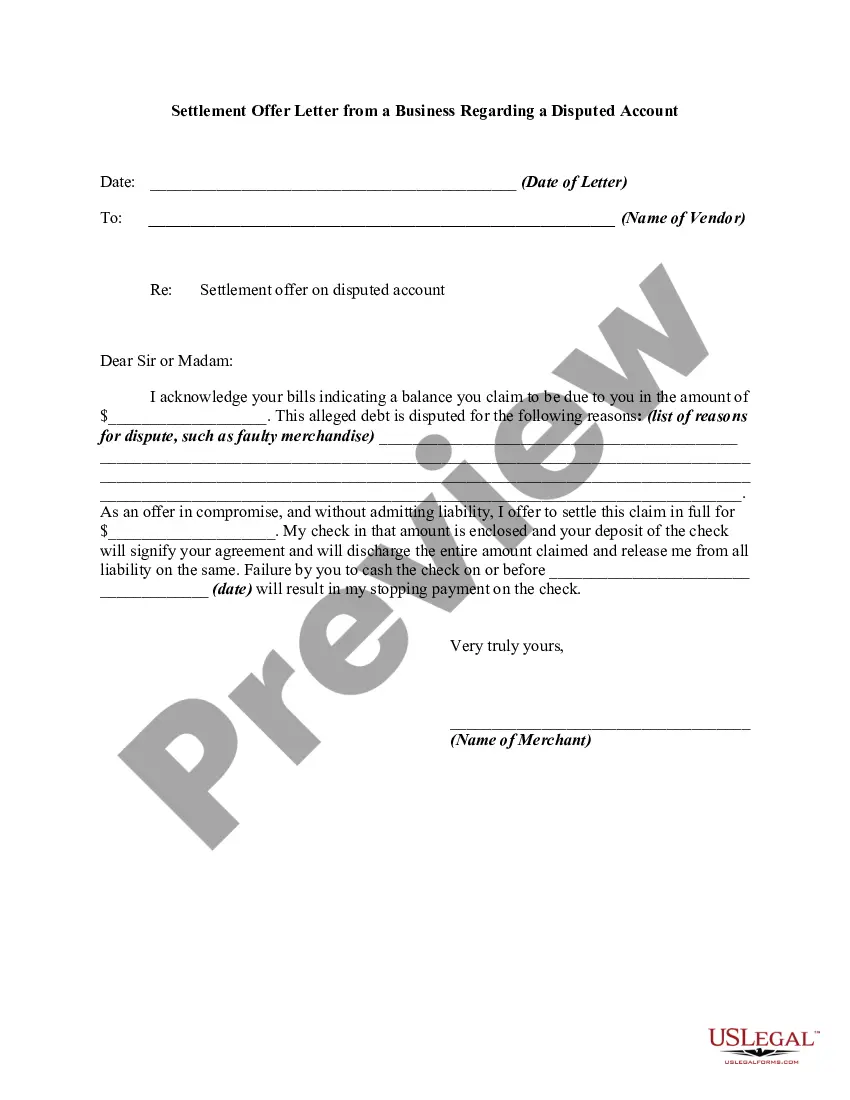
Settlement For Business
Description
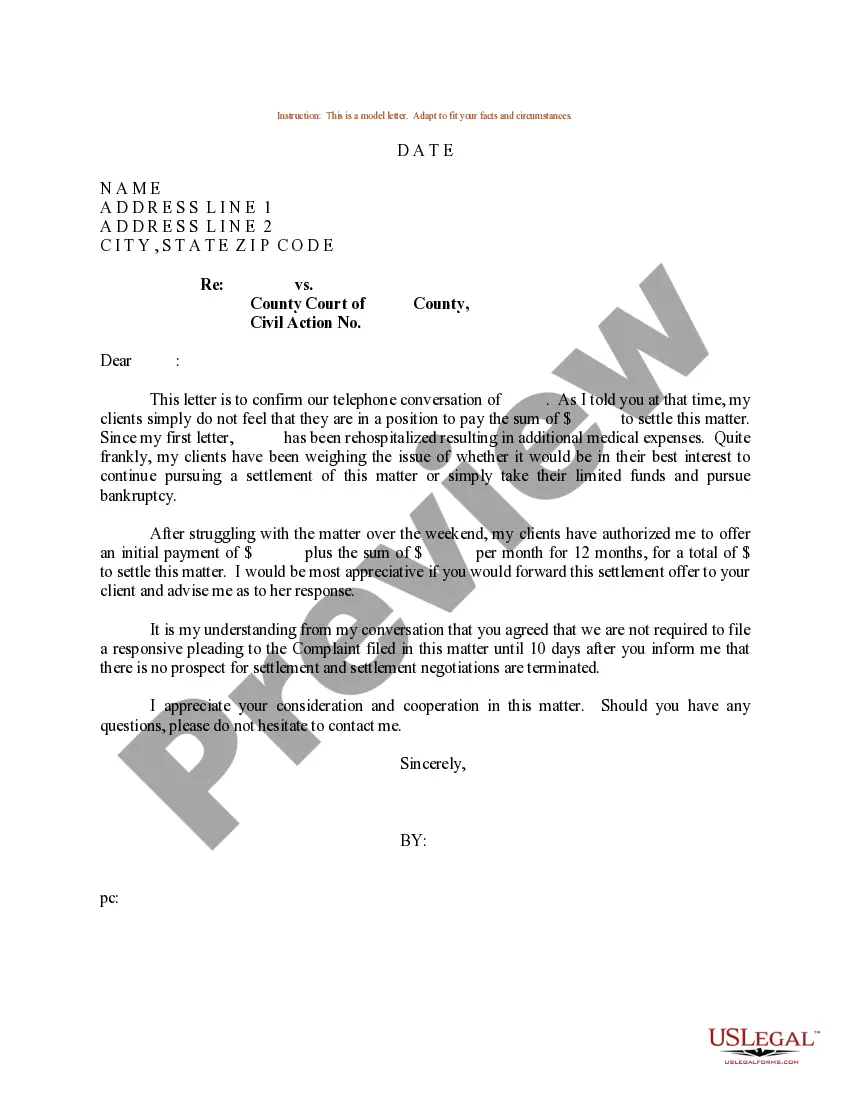
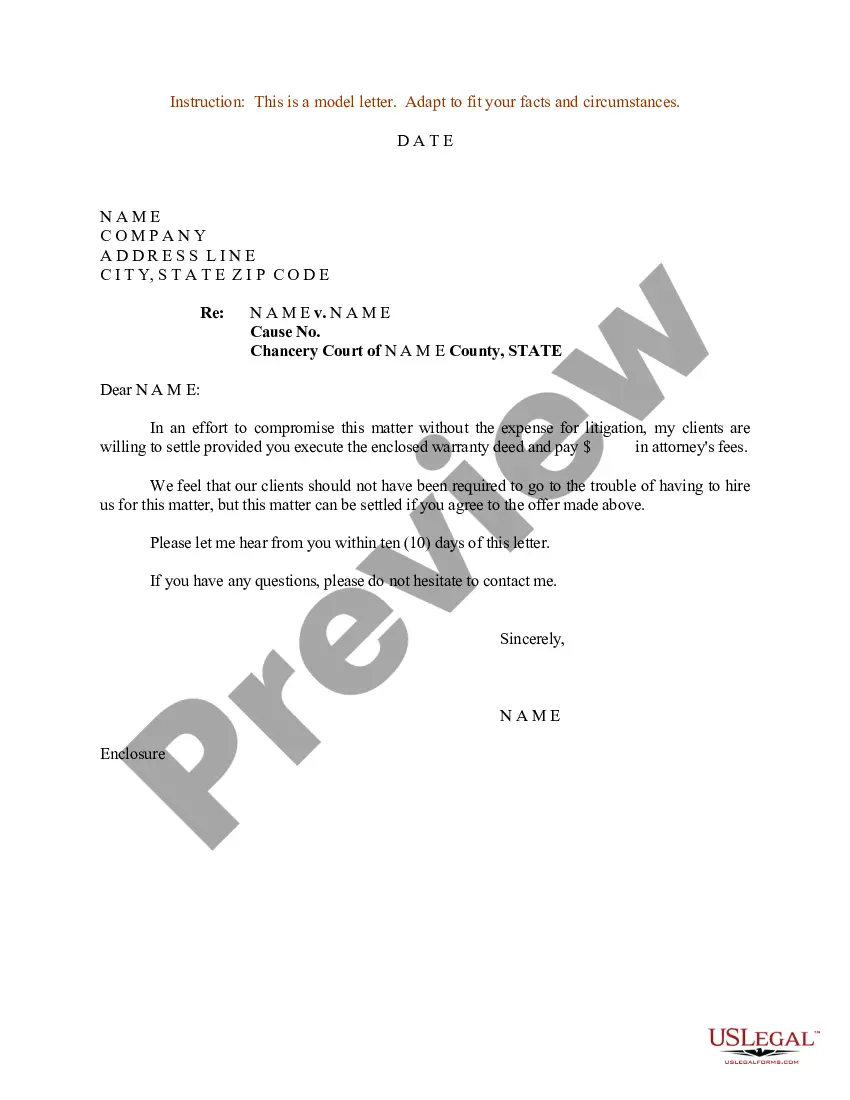
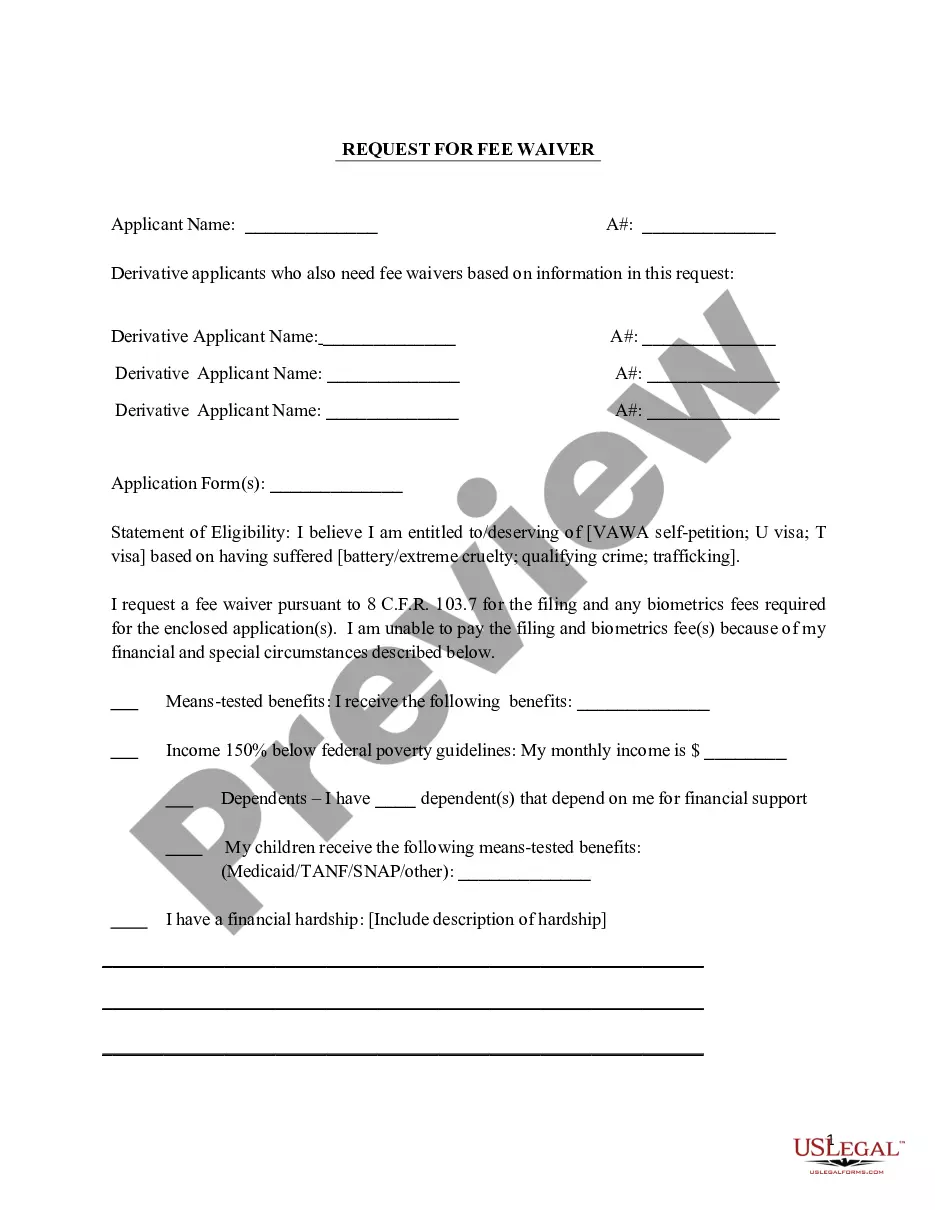
Get your form ready online
Our built-in tools help you complete, sign, share, and store your documents in one place.
Make edits, fill in missing information, and update formatting in US Legal Forms—just like you would in MS Word.
Download a copy, print it, send it by email, or mail it via USPS—whatever works best for your next step.
Sign and collect signatures with our SignNow integration. Send to multiple recipients, set reminders, and more. Go Premium to unlock E-Sign.
If this form requires notarization, complete it online through a secure video call—no need to meet a notary in person or wait for an appointment.
We protect your documents and personal data by following strict security and privacy standards.

Make edits, fill in missing information, and update formatting in US Legal Forms—just like you would in MS Word.

Download a copy, print it, send it by email, or mail it via USPS—whatever works best for your next step.

Sign and collect signatures with our SignNow integration. Send to multiple recipients, set reminders, and more. Go Premium to unlock E-Sign.

If this form requires notarization, complete it online through a secure video call—no need to meet a notary in person or wait for an appointment.

We protect your documents and personal data by following strict security and privacy standards.
Looking for another form?
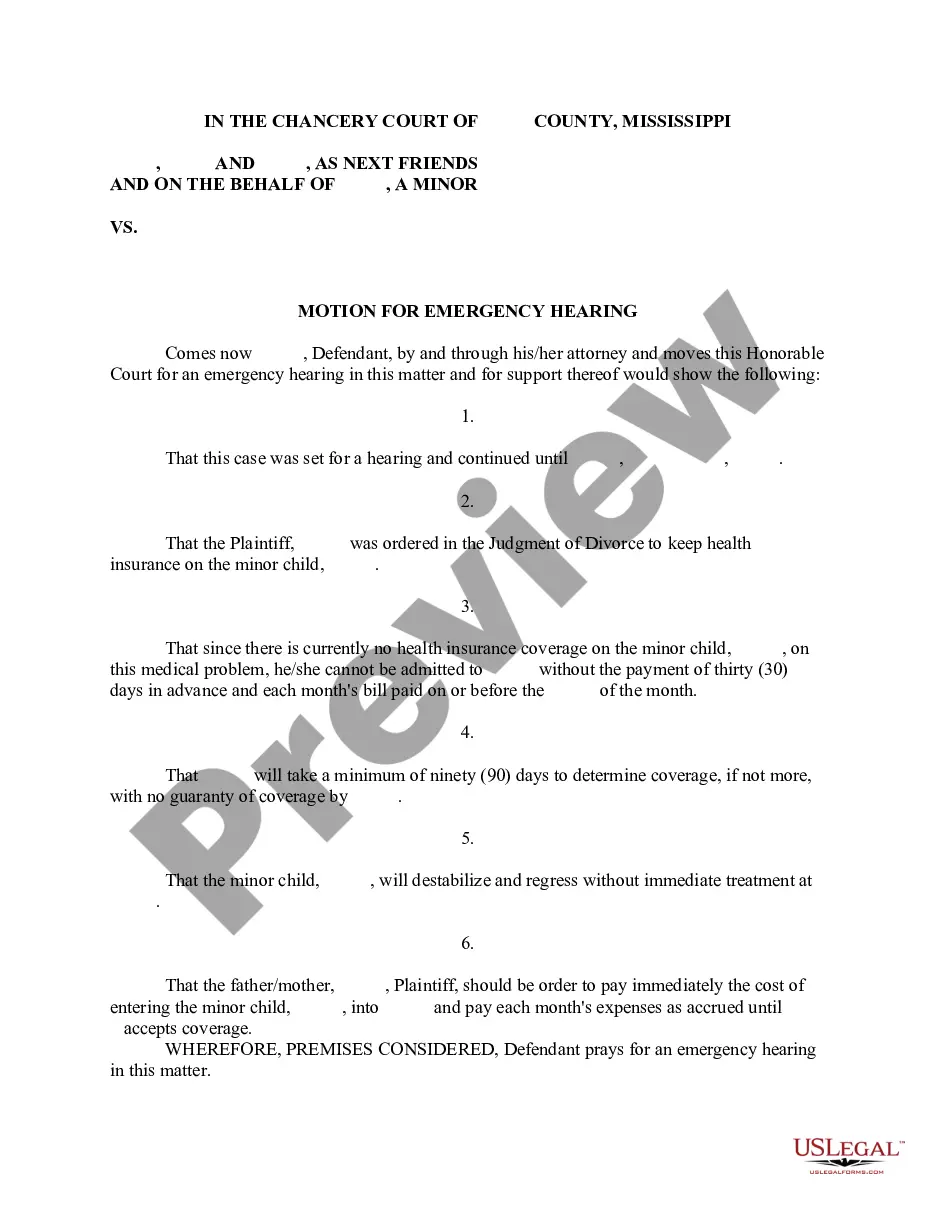
How to fill out Settlement Offer Letter From A Business Regarding A Disputed Account?
The Agreement for Enterprises displayed on this site is a reusable legal document crafted by experienced attorneys in accordance with federal and state laws.
For over 25 years, US Legal Forms has been supplying individuals, companies, and legal experts with more than 85,000 authenticated, state-specific documents for any business or personal need. It’s the fastest, easiest, and most dependable method to acquire the necessary paperwork, as the service assures the utmost level of data security and anti-virus safeguards.
Select the format you desire for your Agreement for Enterprises (PDF, DOCX, RTF) and download the sample onto your device.
- Search for the document you require and examine it.
- Browse through the file you looked for and preview it or evaluate the form description to confirm it meets your requirements. If not, utilize the search feature to locate the correct one. Click Buy Now when you have identified the template you want.
- Choose and Log In.
- Select the pricing option that fits you and set up an account. Use PayPal or a credit card to perform a swift payment. If you already possess an account, Log In and verify your subscription to continue.
- Obtain the editable document.
Form popularity
FAQ
Yes, you can create a settlement agreement without a solicitor, although having legal guidance can be beneficial. Many businesses handle simple agreements independently, particularly with the help of templates from services like US Legal Forms. However, ensure that the agreement is clear and comprehensive to avoid future disputes in your settlement for business.
A reasonable settlement offer considers the actual damages and the costs associated with litigation. This offer should also reflect the strength of your case and the willingness of the other party to negotiate. In a settlement for business, finding a balance between fairness and practicality can lead to a resolution that satisfies both sides.
To write a simple settlement agreement, begin with a clear title and define the parties involved. Outline the terms of the settlement, specify payment amounts, and establish timelines for any actions required. Using a template from a resource like US Legal Forms can streamline this process and ensure all necessary elements are included in your settlement for business.
Yes, business settlements can be taxable, depending on the nature of the settlement. Generally, if the settlement compensates for lost income or profits, it may be subject to taxation. Consulting a tax professional can help clarify how tax laws apply to your specific settlement for business and ensure compliance.
To write a simple agreement between two parties, start by clearly stating the parties' names and the purpose of the agreement. Include specific terms, such as obligations, payment details, and deadlines. This straightforward approach can streamline the creation of a settlement for business, making it accessible and effective for everyone involved.
A reasonable settlement agreement is a mutual decision between parties that outlines the terms for resolving a dispute. It typically aims for fairness, considering the needs and interests of both sides. This type of settlement for business helps avoid lengthy litigation and promotes a more amicable resolution.
The amount you retain from a $25,000 settlement depends on various factors, such as legal fees, taxes, and any other deductions. Typically, legal costs can eat into the gross settlement amount, while tax obligations may also reduce your net income. It's essential to review these factors carefully to understand what you might actually receive. Consulting with professionals regarding your specific settlement for business can clarify your expectations.
A business settlement is a formal agreement that resolves conflicts stemming from contracts, transactions, or other business dealings. Through negotiations, parties agree on the terms to settle their disputes, often involving a financial settlement. This process helps maintain relationships and can lead to a quicker resolution. If you're considering options for your business, exploring a settlement for business is a smart move.
No, a settlement is not the same as suing; rather, it is an alternative to litigation. Suing involves taking legal action through the court system, which can be time-consuming and costly. On the other hand, reaching a settlement for business saves time and resources while allowing parties to maintain control over the outcome. It can often lead to a more satisfactory resolution compared to going to court.
When you go to settlement, parties typically negotiate terms to resolve a dispute amicably. This stage involves discussions about compensation and responsibilities, resulting in a formal agreement. Once both parties agree, they sign the settlement document, effectively ending the conflict without a court ruling. Understanding the settlement process for business can help you prepare for negotiations and create better outcomes.