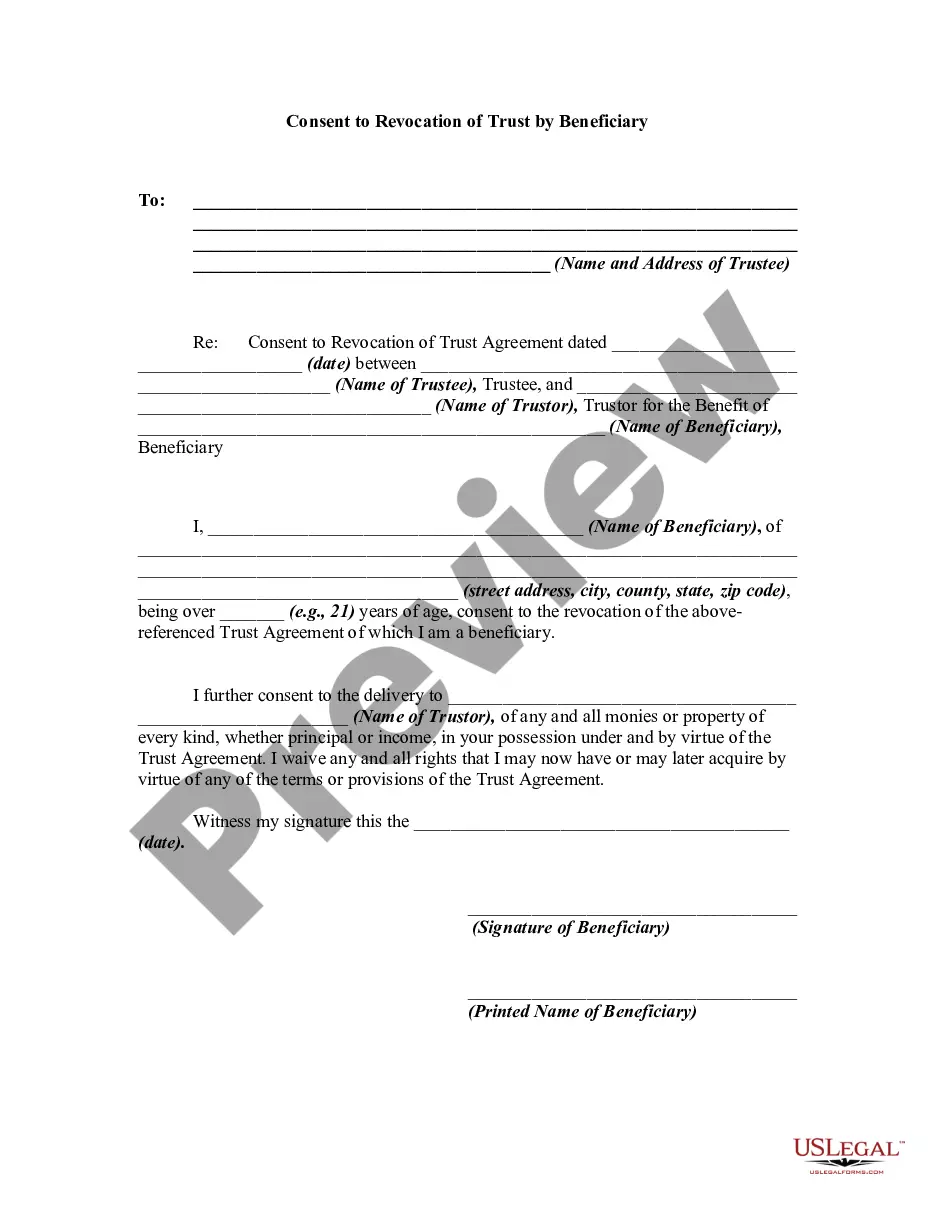
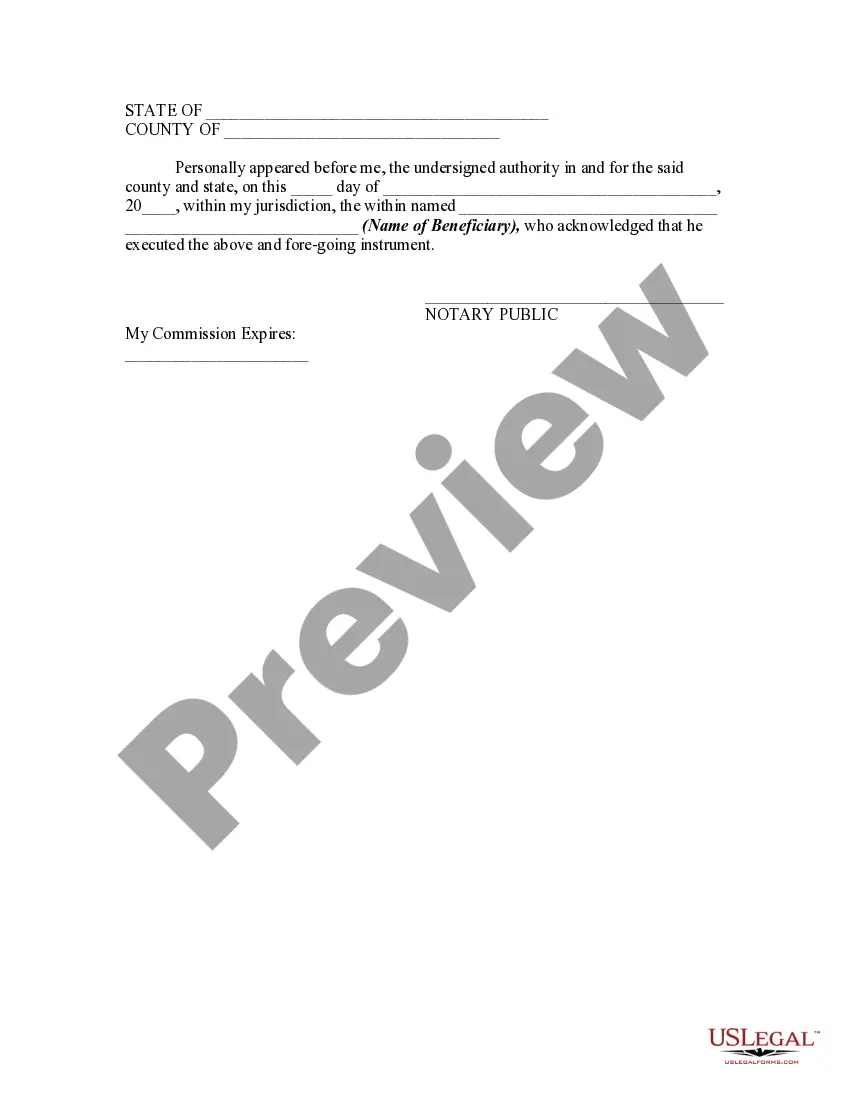
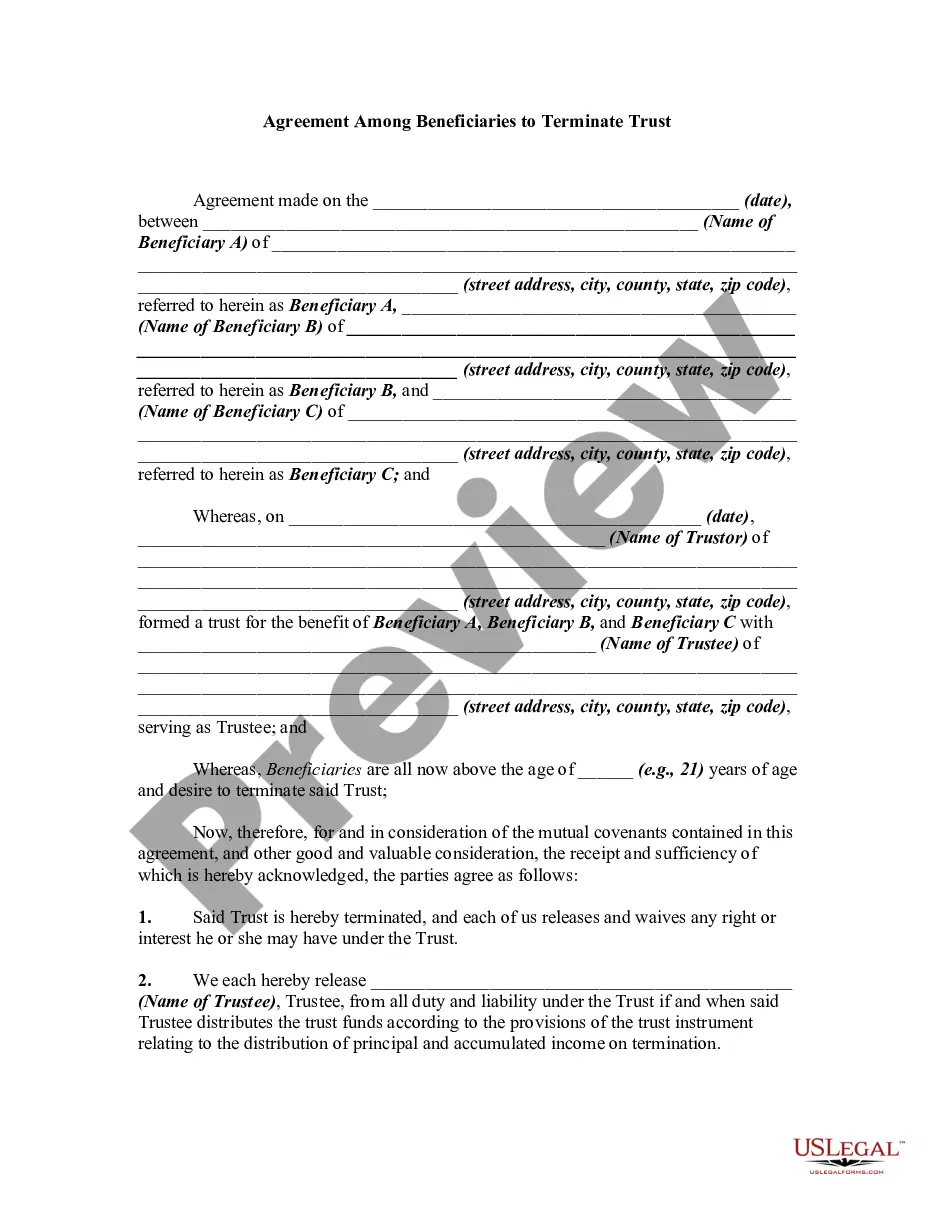
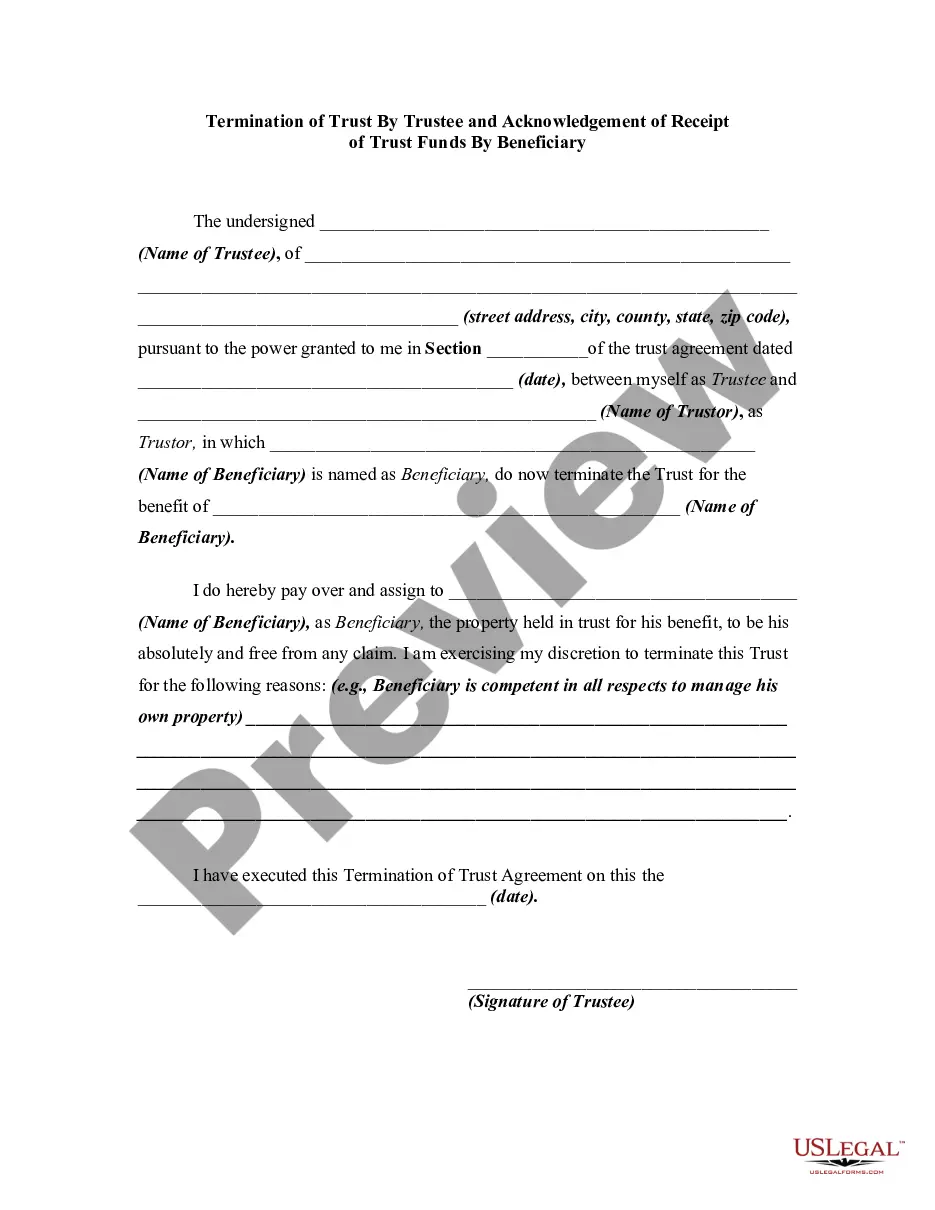
Revocation Beneficiary Form For Annuity
Description
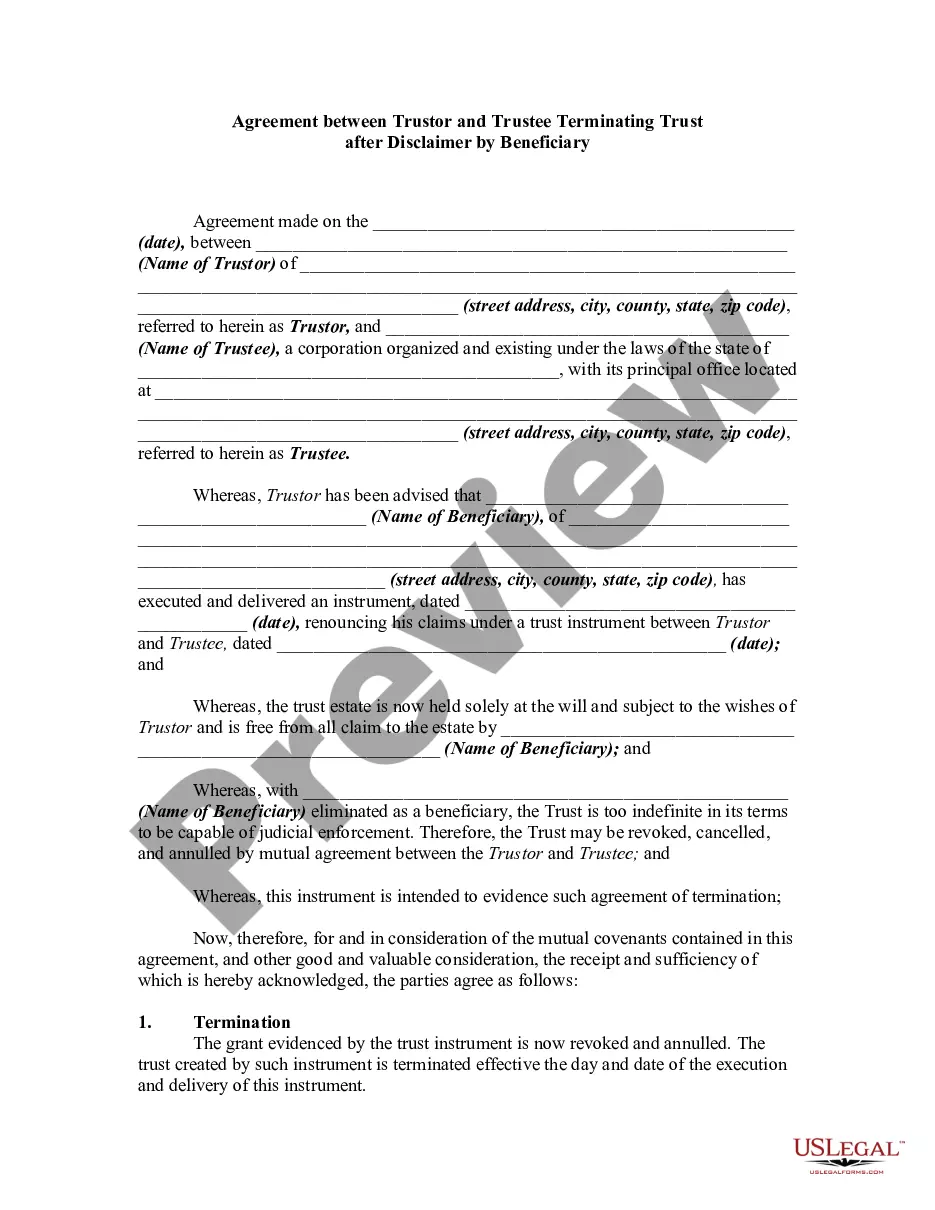
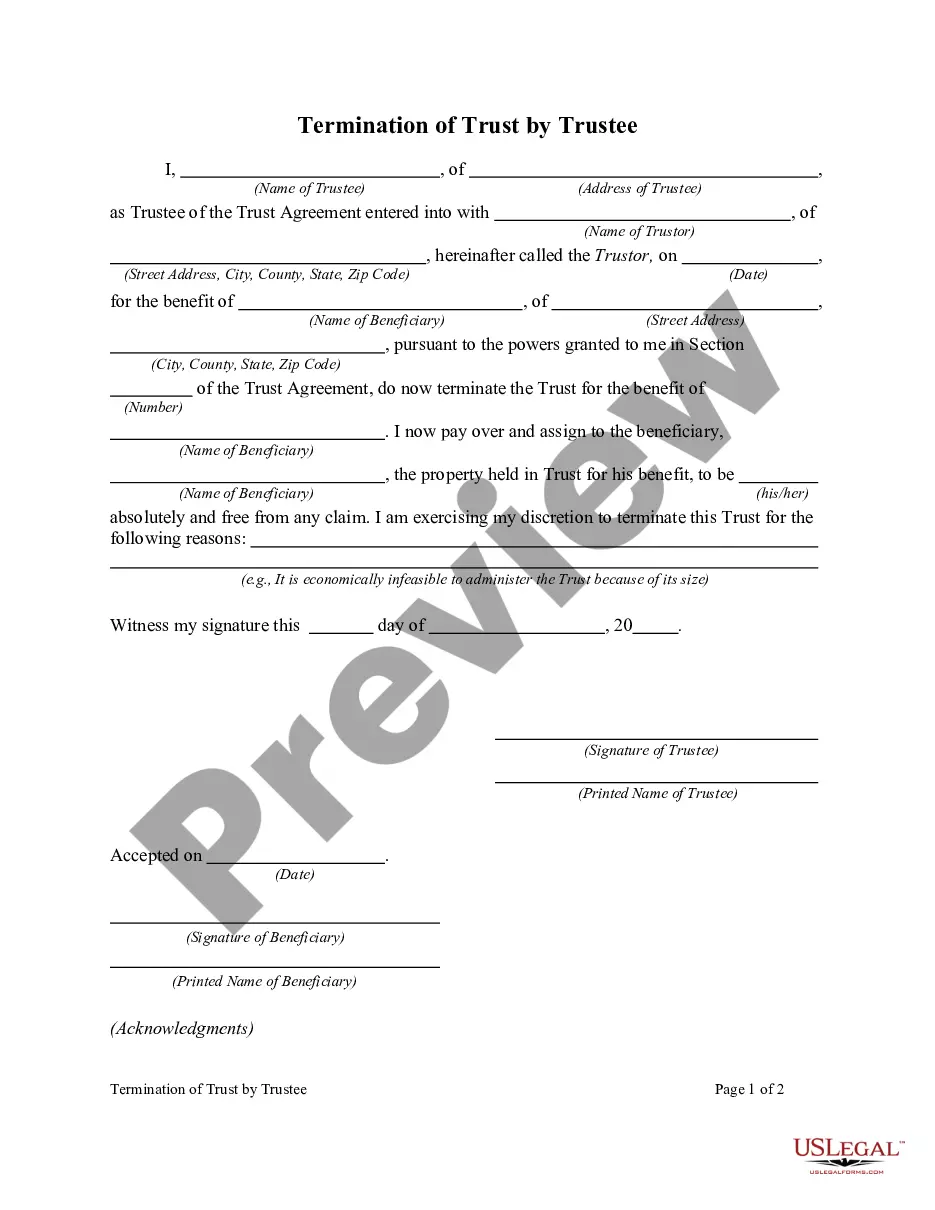
Get your form ready online
Our built-in tools help you complete, sign, share, and store your documents in one place.
Make edits, fill in missing information, and update formatting in US Legal Forms—just like you would in MS Word.
Download a copy, print it, send it by email, or mail it via USPS—whatever works best for your next step.
Sign and collect signatures with our SignNow integration. Send to multiple recipients, set reminders, and more. Go Premium to unlock E-Sign.
If this form requires notarization, complete it online through a secure video call—no need to meet a notary in person or wait for an appointment.
We protect your documents and personal data by following strict security and privacy standards.

Make edits, fill in missing information, and update formatting in US Legal Forms—just like you would in MS Word.

Download a copy, print it, send it by email, or mail it via USPS—whatever works best for your next step.

Sign and collect signatures with our SignNow integration. Send to multiple recipients, set reminders, and more. Go Premium to unlock E-Sign.

If this form requires notarization, complete it online through a secure video call—no need to meet a notary in person or wait for an appointment.

We protect your documents and personal data by following strict security and privacy standards.
Looking for another form?





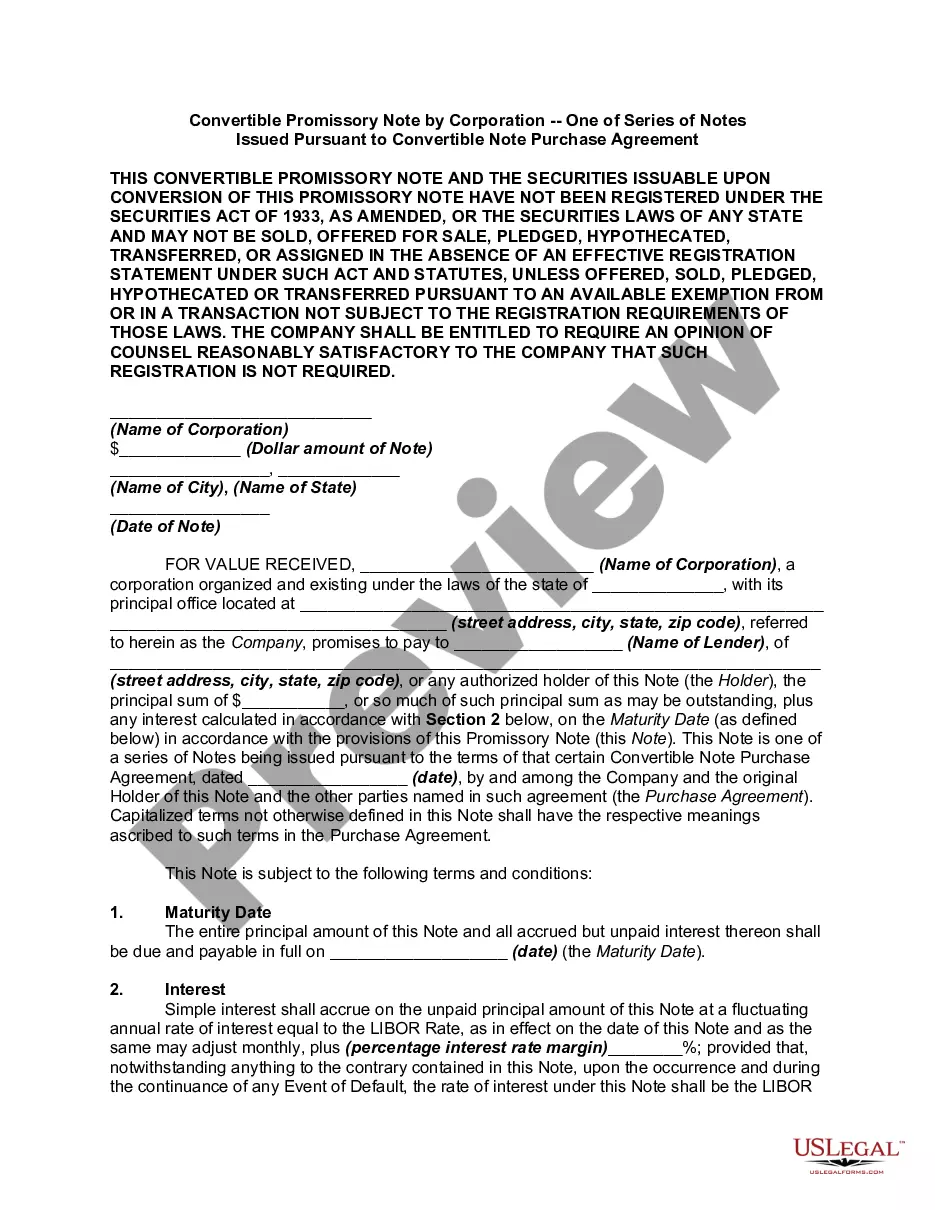
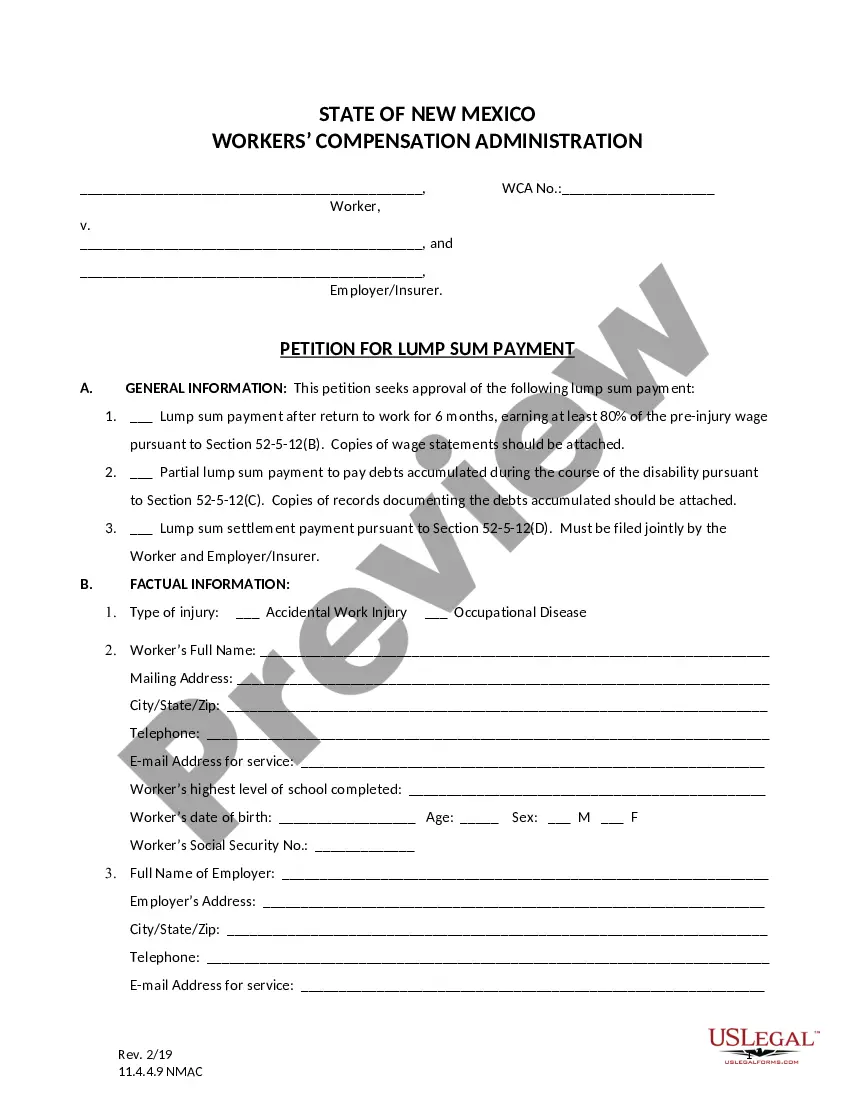



How to fill out Consent To Revocation Of Trust By Beneficiary?
Managing legal papers and processes can be a lengthy addition to your entire day.
Revocation Beneficiary Form For Annuity and similar forms typically necessitate that you locate them and comprehend the optimal way to fill them out correctly.
Consequently, whether you are addressing financial, legal, or personal issues, utilizing a comprehensive and useful online directory of forms readily available will significantly help.
US Legal Forms is the leading online platform for legal templates, providing over 85,000 state-specific documents and various tools to help you complete your paperwork with ease.
Is this your first experience with US Legal Forms? Sign up and establish your account in just a few minutes, granting you access to the form directory and Revocation Beneficiary Form For Annuity. Then, follow the steps outlined below to finalize your form: Ensure you’ve identified the correct document using the Preview feature and reviewing the form details. Select Buy Now when prepared, and choose the subscription option that meets your requirements. Click Download, then complete, eSign, and print the document. US Legal Forms boasts 25 years of expertise assisting clients with their legal documents. Obtain the form you need today and simplify any procedure effortlessly.
- Explore the directory of pertinent documents available to you with just one click.
- US Legal Forms provides you with state- and county-specific documents accessible at any time for download.
- Protect your document management processes by utilizing a premium service that enables you to prepare any form in minutes with no additional or concealed charges.
- Simply Log In to your account, locate the Revocation Beneficiary Form For Annuity and download it immediately from the My documents section.
- You can also retrieve previously downloaded forms.
Form popularity
FAQ
When an annuity contract transfers from one individual to another, the transferred amount is treated as a distribution. The original owner is taxed on any tax-deferred gain and possibly subject to a 10% penalty. But this doesn't usually apply when annuity contracts transfer between spouses or former spouses.
To change annuitant beneficiaries, use the ?Beneficiaries ? Retirement Reserves Annuities? form. For each beneficiary listing, provide all required information. children) in the event that you outlive the beneficiary, check ?per stirpes.? For custodial contracts, list the minor's estate as the primary beneficiary.
If the annuitant dies before the annuity begins, beneficiaries typically receive a lump-sum. If they die after, they will usually continue receiving the annuity payments.
If you decide to have more than one beneficiary, you will allocate a percentage of the death benefit for each, so that the total allocation equals 100%. A simple example of this would be allocating 50% to your partner, and 25% to each of your two children, for a total of 100%.
Most beneficiary designations will require you to provide a person's full legal name and their relationship to you (spouse, child, mother, etc.). Some beneficiary designations also include information like mailing address, email, phone number, date of birth and Social Security number.