Revocation Trust Notice With The Client
Description
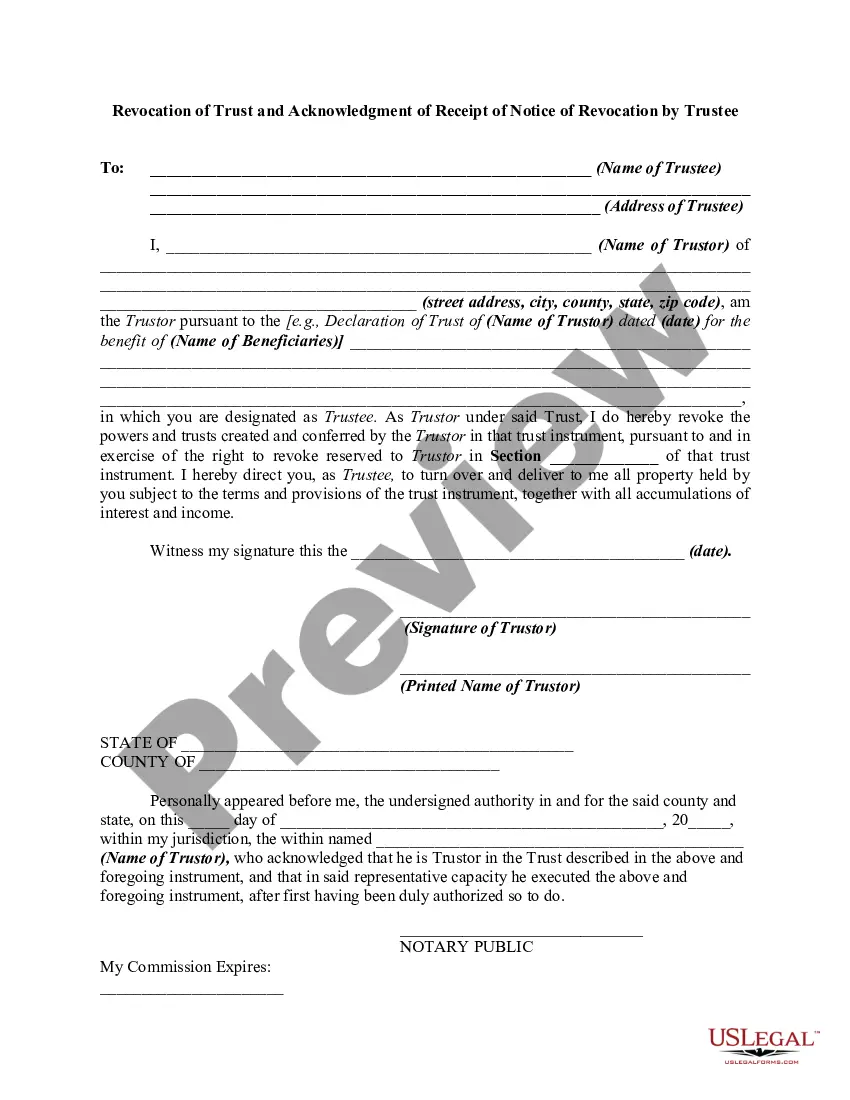
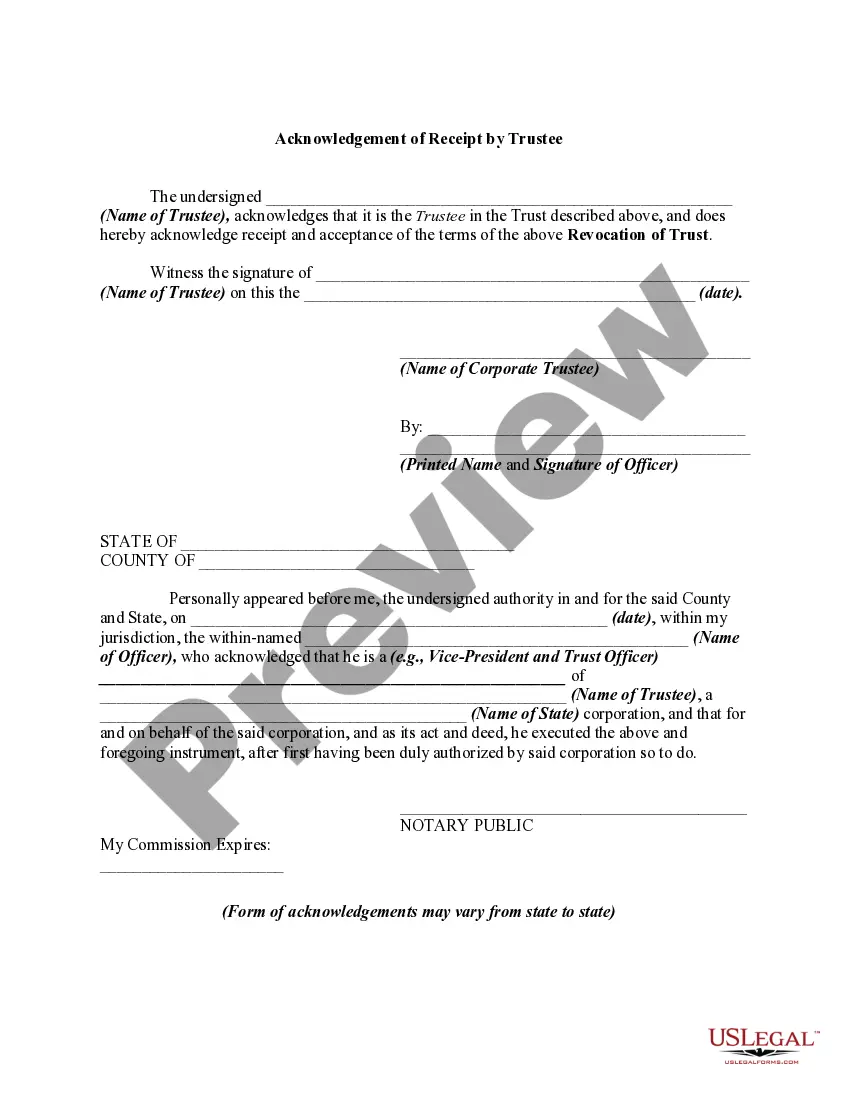
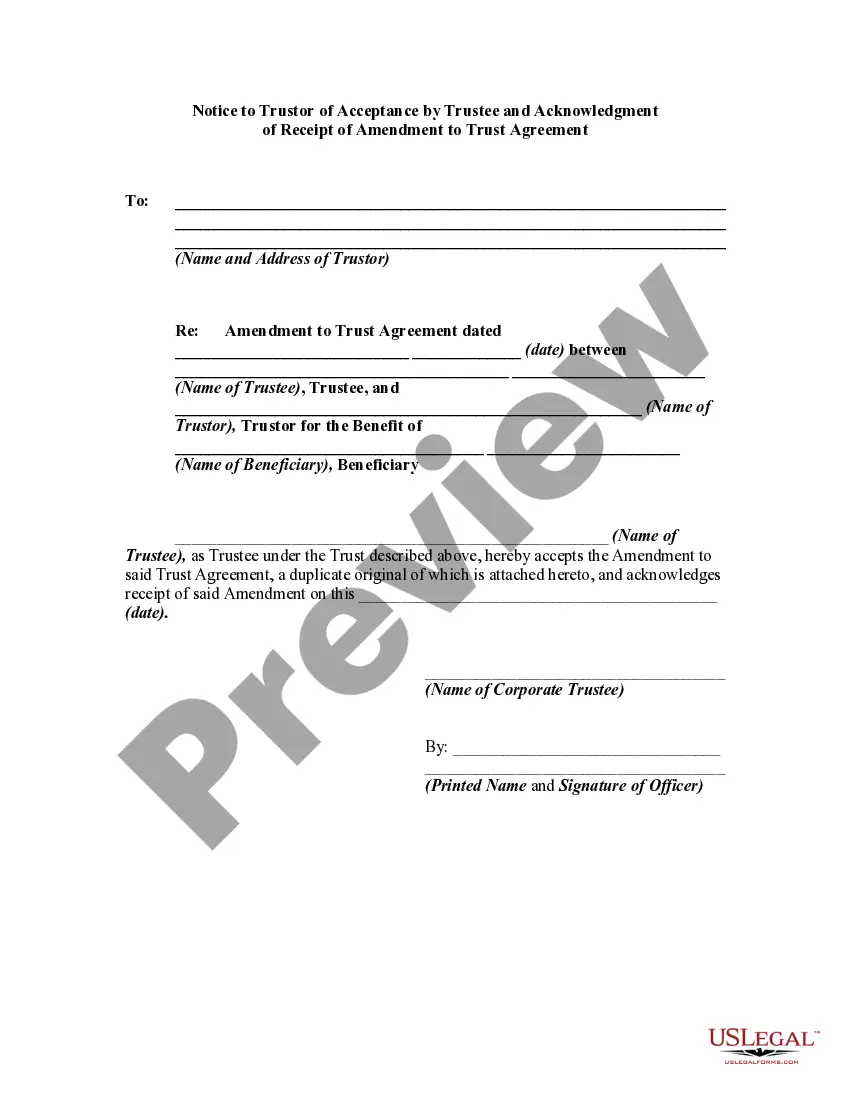
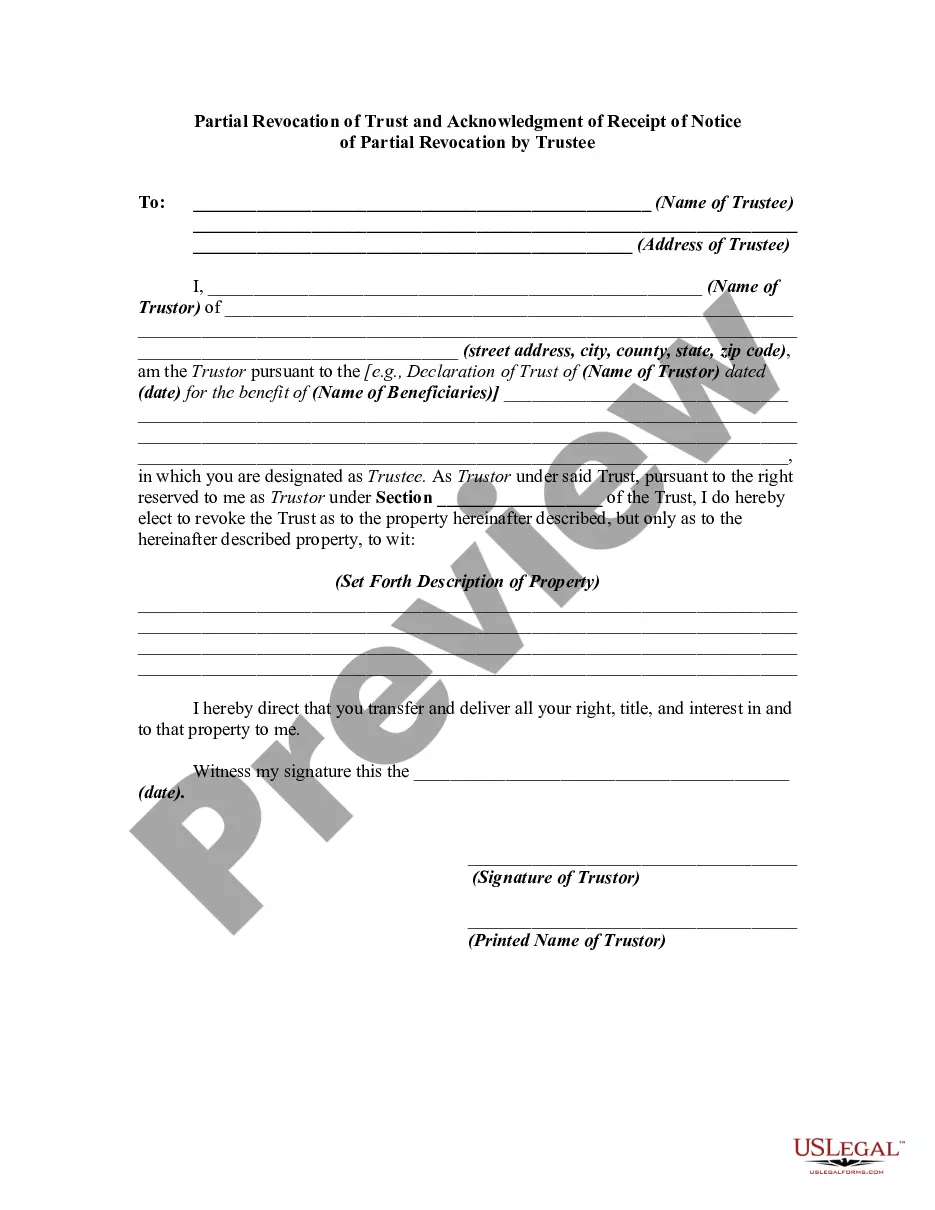
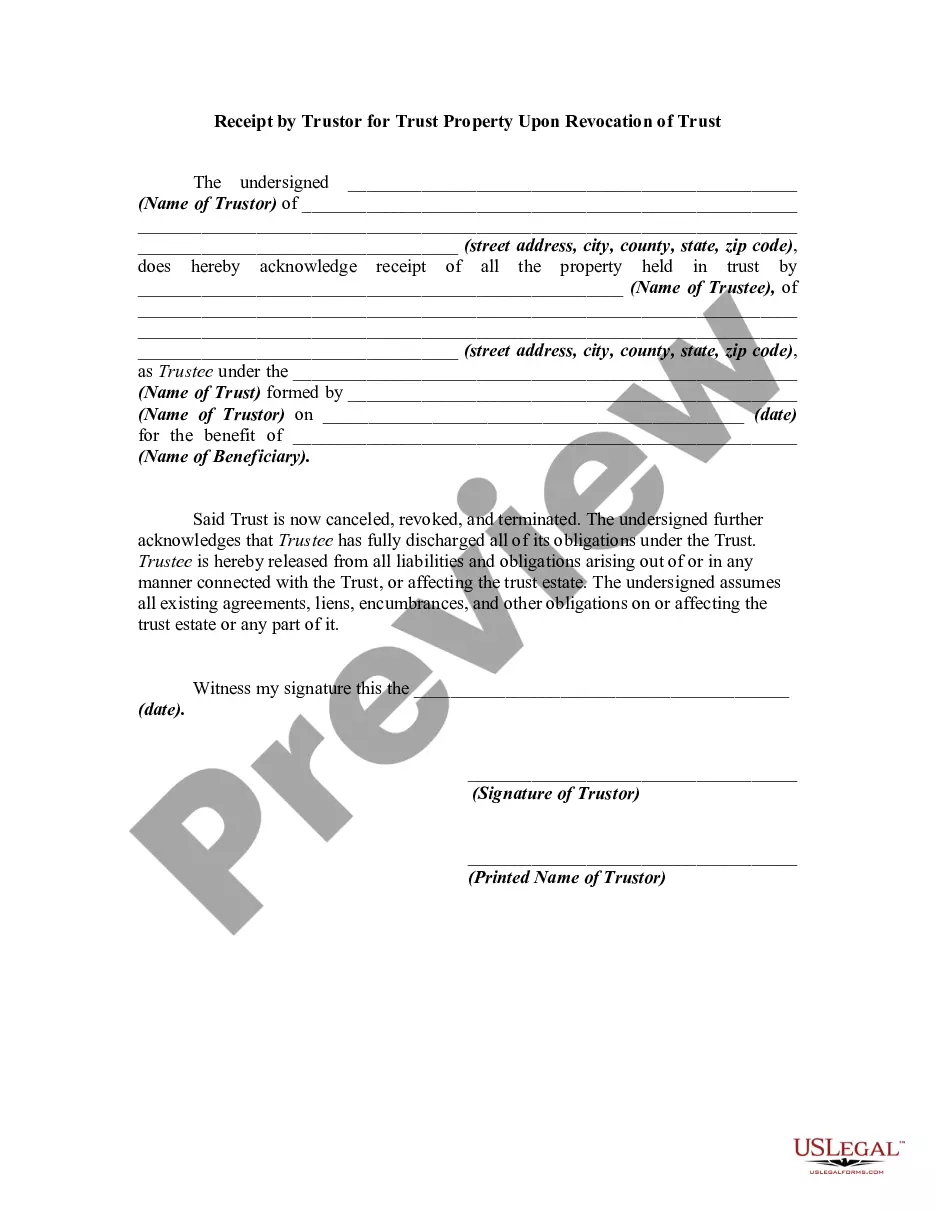
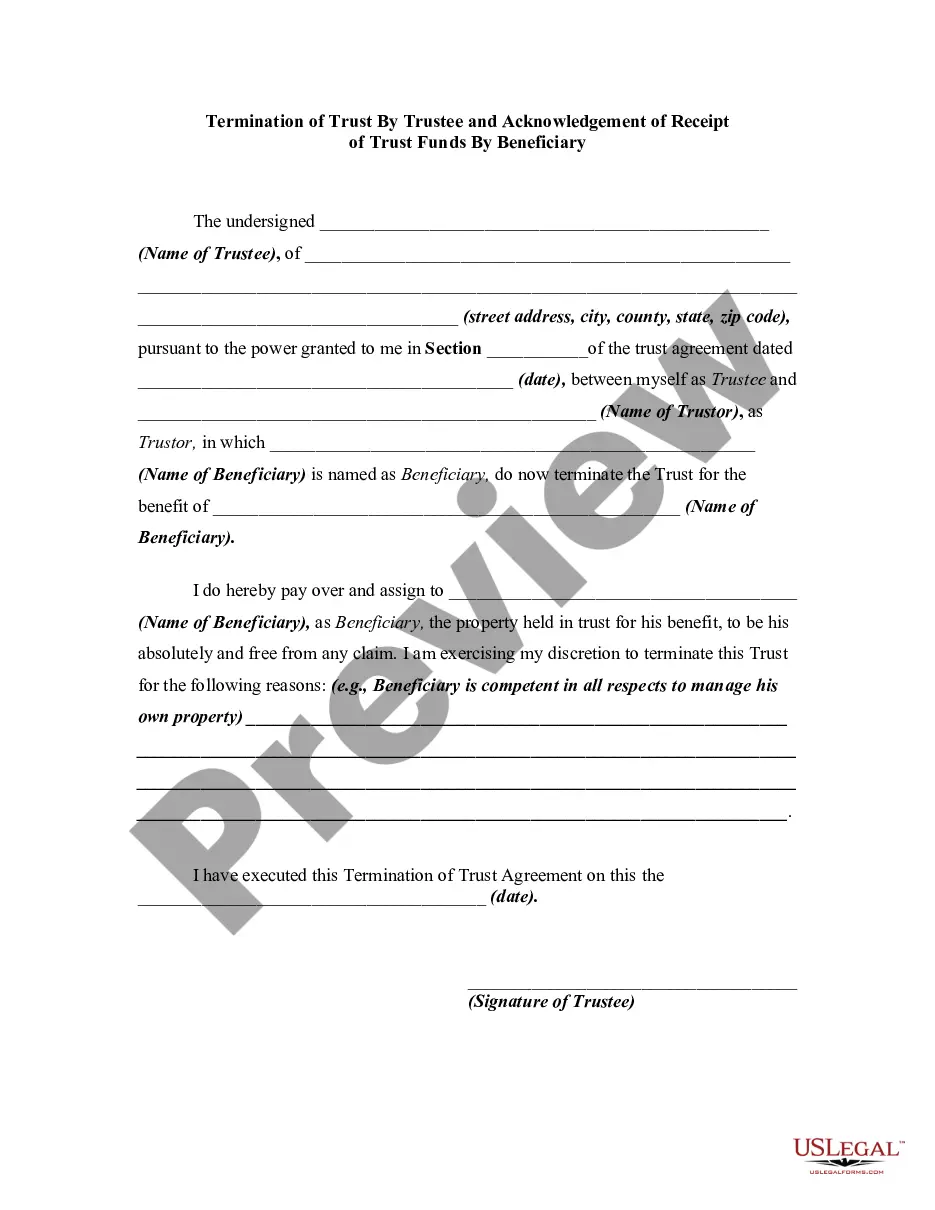
Get your form ready online
Our built-in tools help you complete, sign, share, and store your documents in one place.
Make edits, fill in missing information, and update formatting in US Legal Forms—just like you would in MS Word.
Download a copy, print it, send it by email, or mail it via USPS—whatever works best for your next step.
Sign and collect signatures with our SignNow integration. Send to multiple recipients, set reminders, and more. Go Premium to unlock E-Sign.
If this form requires notarization, complete it online through a secure video call—no need to meet a notary in person or wait for an appointment.
We protect your documents and personal data by following strict security and privacy standards.

Make edits, fill in missing information, and update formatting in US Legal Forms—just like you would in MS Word.

Download a copy, print it, send it by email, or mail it via USPS—whatever works best for your next step.

Sign and collect signatures with our SignNow integration. Send to multiple recipients, set reminders, and more. Go Premium to unlock E-Sign.

If this form requires notarization, complete it online through a secure video call—no need to meet a notary in person or wait for an appointment.

We protect your documents and personal data by following strict security and privacy standards.
Looking for another form?









How to fill out Revocation Of Trust And Acknowledgment Of Receipt Of Notice Of Revocation By Trustee?
- Log into your US Legal Forms account if you are an existing user. Ensure your subscription is active; if it's not, renew it before proceeding.
- If you're a new user, start by checking the Preview mode for the desired revocation trust notice. Make sure it meets your needs and complies with your local jurisdiction's requirements.
- If you find that the template isn't quite right, use the Search tab to find one that suits your needs better.
- Once you identify the correct document, click the Buy Now button and choose your preferred subscription plan. You will need to create an account if you haven't already.
- Complete your purchase by entering your billing information via credit card or PayPal.
- After your payment, download the completed form to your device. You can access this document anytime in the My Forms section of your account.
In conclusion, utilizing US Legal Forms not only simplifies the process of creating a revocation trust notice but also provides you with access to an extensive library of legal documents and expert assistance. With over 85,000 templates at your disposal, ensuring your legal documents are precise and compliant has never been easier.
Start your journey towards creating legally sound documents today by visiting US Legal Forms and exploring their vast offerings.
Form popularity
FAQ
In California, a revocable trust does not need to be notarized to be valid; however, it's highly recommended for certain documents, especially if you wish to provide extra legal protection. Signing in front of a notary can help authenticate your trust and make it easier to manage assets later. Always consider keeping a revocation trust notice with the client as part of your documentation. This practice enhances your trust's legality and integrity.
Revoking a trust beneficiary involves altering the terms of the trust document, usually through an amendment or revocation process. You will need to create a formal notice that reflects this change and follow the legal requirements specified in your trust agreement. It’s important to ensure that all documentation is clear and that you maintain a copy of the revocation trust notice with the client. This action clarifies your intentions and maintains transparency.
To invalidate a trust in California, you must demonstrate a legal basis, such as lack of capacity or undue influence at the time the trust was created. A formal process often includes filing a petition with the court and providing evidence supporting your claims. Collaborating with an experienced attorney can help you navigate the complexities involved. Remember to keep a revocation trust notice with the client to document your actions properly.
To revoke a revocable trust in California, you must follow a clear procedure outlined in your trust document. Typically, this involves creating a written revocation notice that states your intent to cancel the trust. It is advisable to file the revocation trust notice with the client with the court if the trust is part of a legal filing. This ensures that the revocation is recognized legally and prevents any future disputes.
Revocation of trust refers to the process of canceling a trust agreement. When a trust is revoked, any assets in that trust return to the grantor, giving them control over those assets once more. It's essential to document this change formally, often through a revocation trust notice with the client, to ensure that all parties are aware of the status. This can prevent misunderstandings in the future.
Writing a revocable trust involves several key steps to ensure clarity and validity. Begin by identifying the assets you wish to include and determining the beneficiaries. Clearly outline the terms and conditions for asset management and distribution. For a seamless process, consider using platforms like US Legal Forms, which can help you draft a comprehensive revocation trust notice with the client that meets legal standards.
When creating a revocable trust, avoid placing certain assets that may complicate management or transfer. For instance, retirement accounts and life insurance policies might require specific beneficiary designations and should not be included in the trust. Additionally, assets that you want to retain control over, like your personal residence, should be carefully considered. Always consult a professional to ensure that the revocation trust notice with the client covers all necessary legal aspects.
A trust revocation declaration clearly states the intention to revoke an existing trust. An example would include the original date of the trust, specifying the trust's name, and declaring its revocation. This declaration should be signed and could be notarized for added assurance. Utilizing templates from platforms like US Legal Forms can provide a structured approach to creating a revocation trust notice with the client.
A common mistake parents make when setting up a trust fund is failing to fund the trust adequately. Even with a properly drafted trust document, assets must be transferred into the trust for it to be effective. Furthermore, parents might overlook the importance of regularly updating the trust to reflect their current situation. Discussing a revocation trust notice with the client can help parents avoid such pitfalls.
In California, a revocation of trust generally does not need to be notarized; however, doing so offers added security. Notarization can prevent future disputes regarding the validity of your revocation. It’s advisable to consult legal resources to understand the implications fully. Using services like US Legal Forms can simplify the process of drafting a revocation trust notice with the client.