Revocation Acknowledgment Trustee With Death (tod) Deed
Description
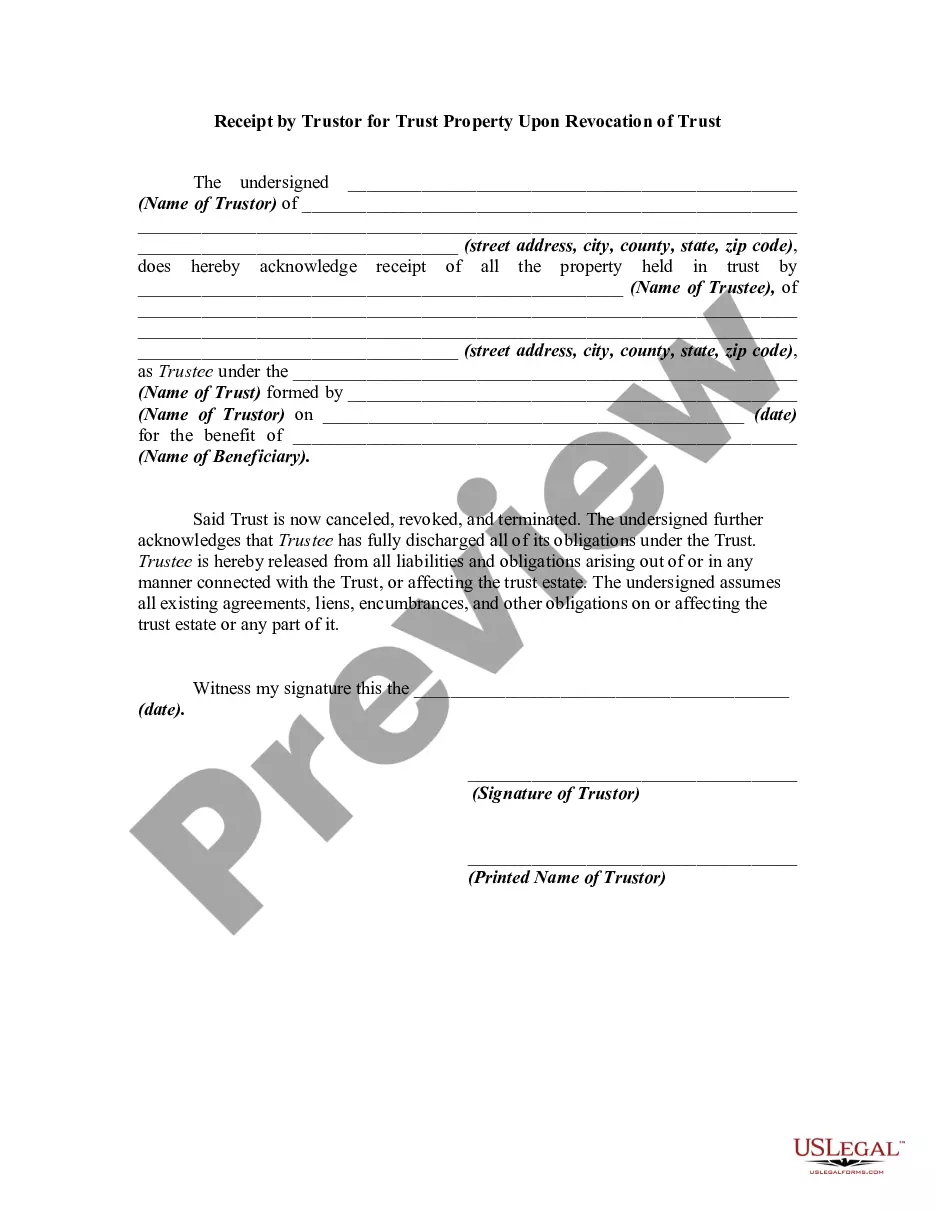
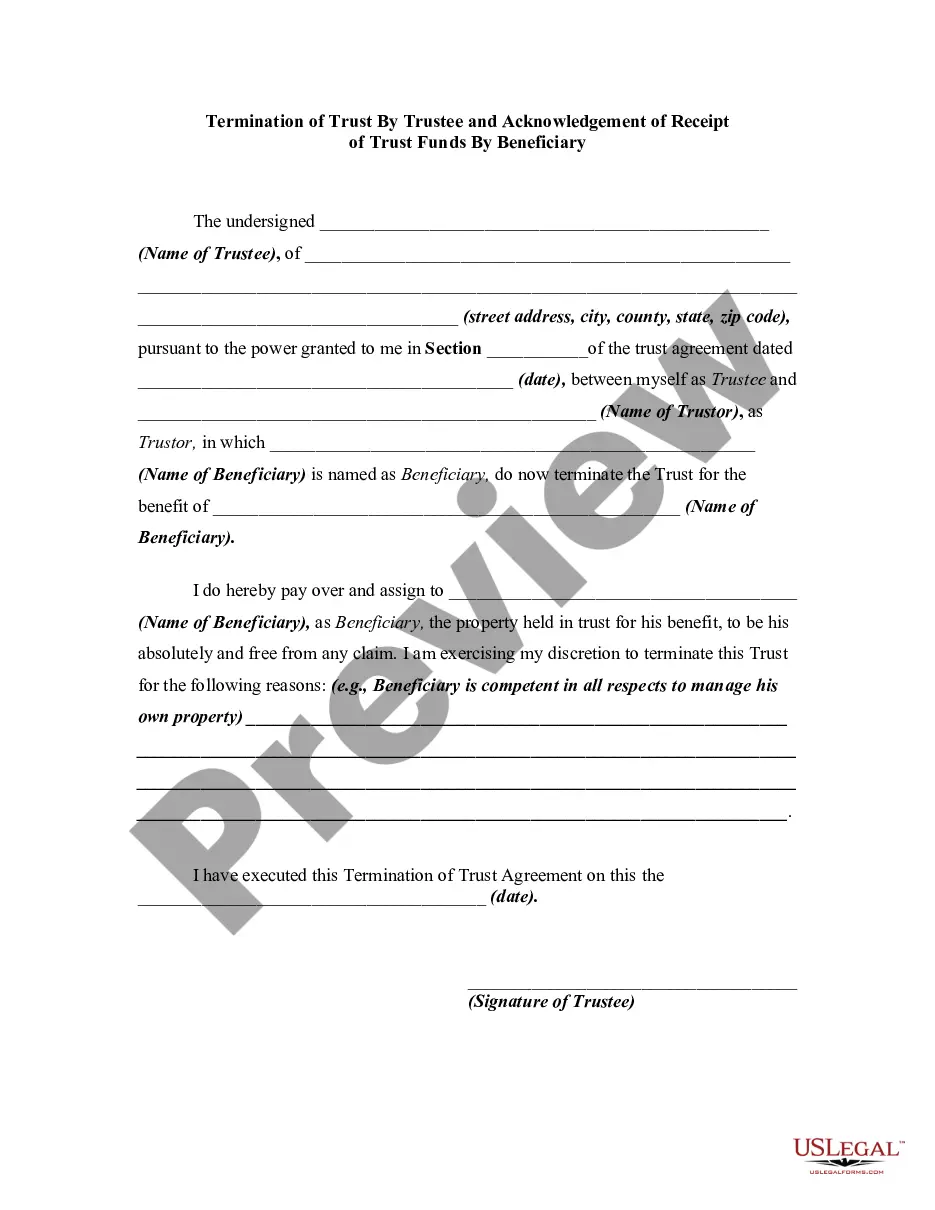
Get your form ready online
Our built-in tools help you complete, sign, share, and store your documents in one place.
Make edits, fill in missing information, and update formatting in US Legal Forms—just like you would in MS Word.
Download a copy, print it, send it by email, or mail it via USPS—whatever works best for your next step.
Sign and collect signatures with our SignNow integration. Send to multiple recipients, set reminders, and more. Go Premium to unlock E-Sign.
If this form requires notarization, complete it online through a secure video call—no need to meet a notary in person or wait for an appointment.
We protect your documents and personal data by following strict security and privacy standards.

Make edits, fill in missing information, and update formatting in US Legal Forms—just like you would in MS Word.

Download a copy, print it, send it by email, or mail it via USPS—whatever works best for your next step.

Sign and collect signatures with our SignNow integration. Send to multiple recipients, set reminders, and more. Go Premium to unlock E-Sign.

If this form requires notarization, complete it online through a secure video call—no need to meet a notary in person or wait for an appointment.

We protect your documents and personal data by following strict security and privacy standards.
Looking for another form?

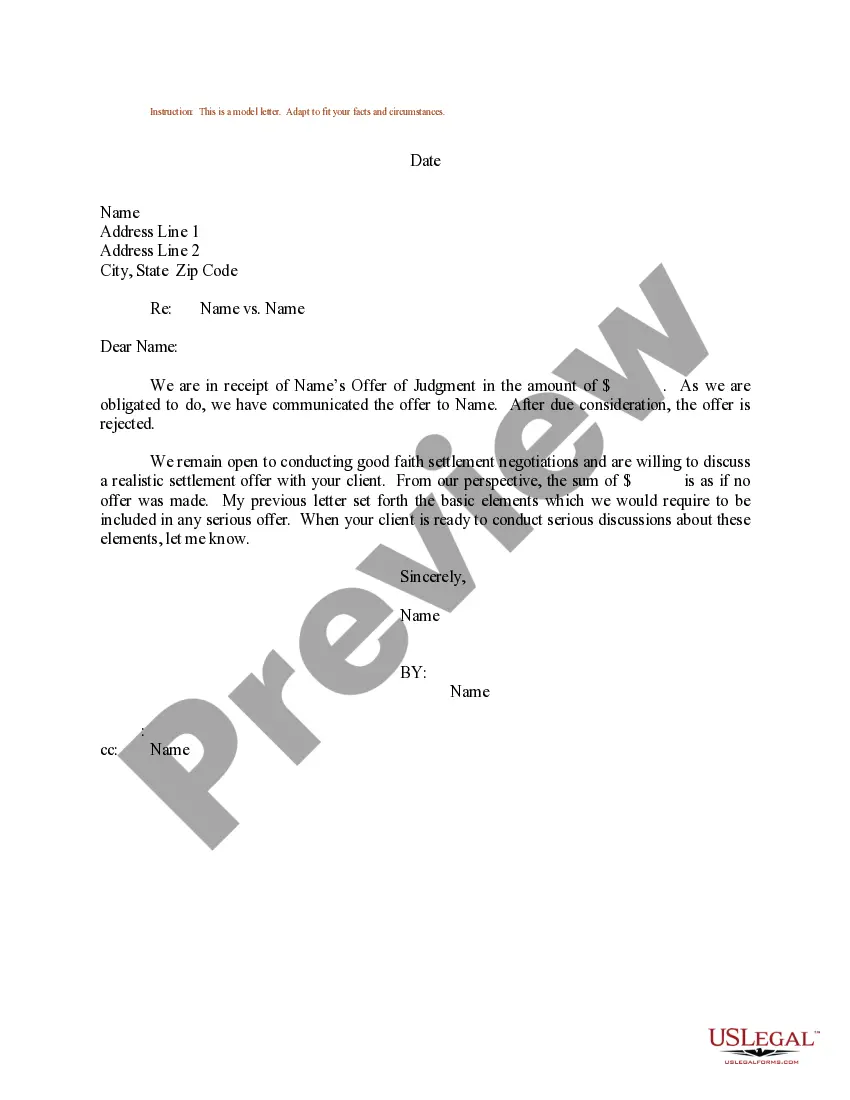

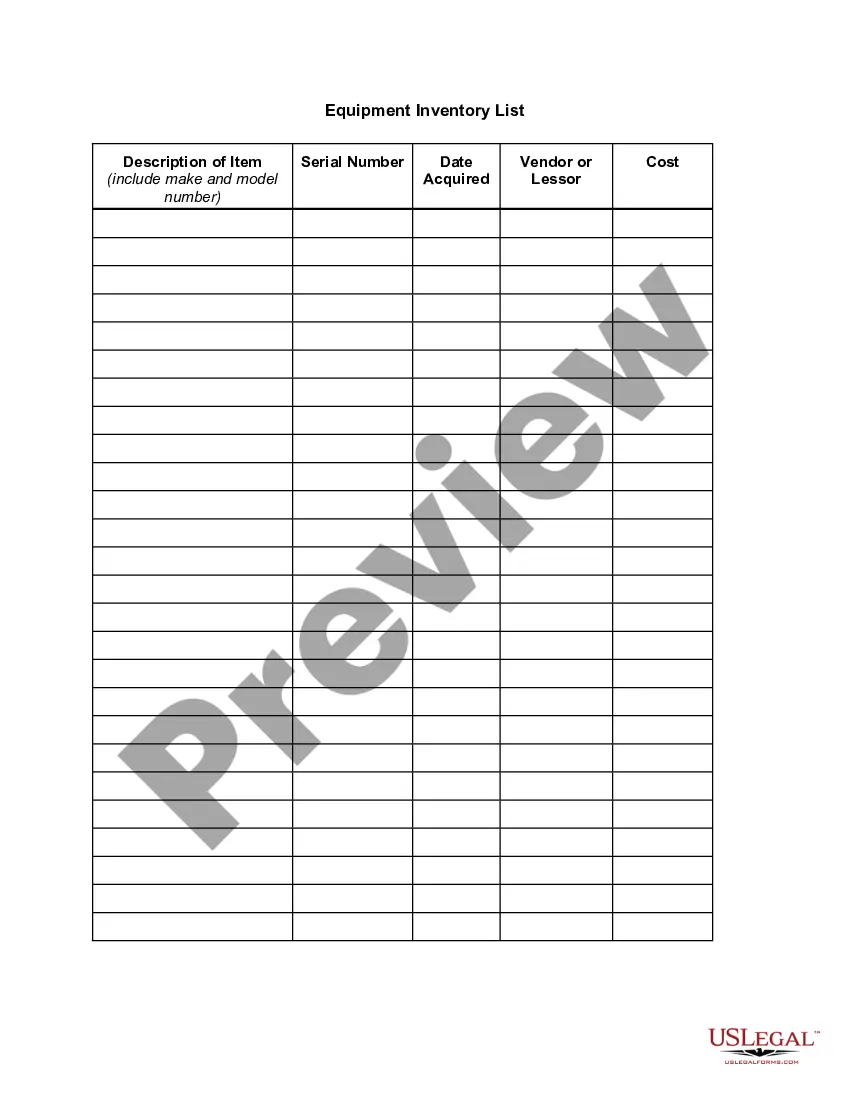


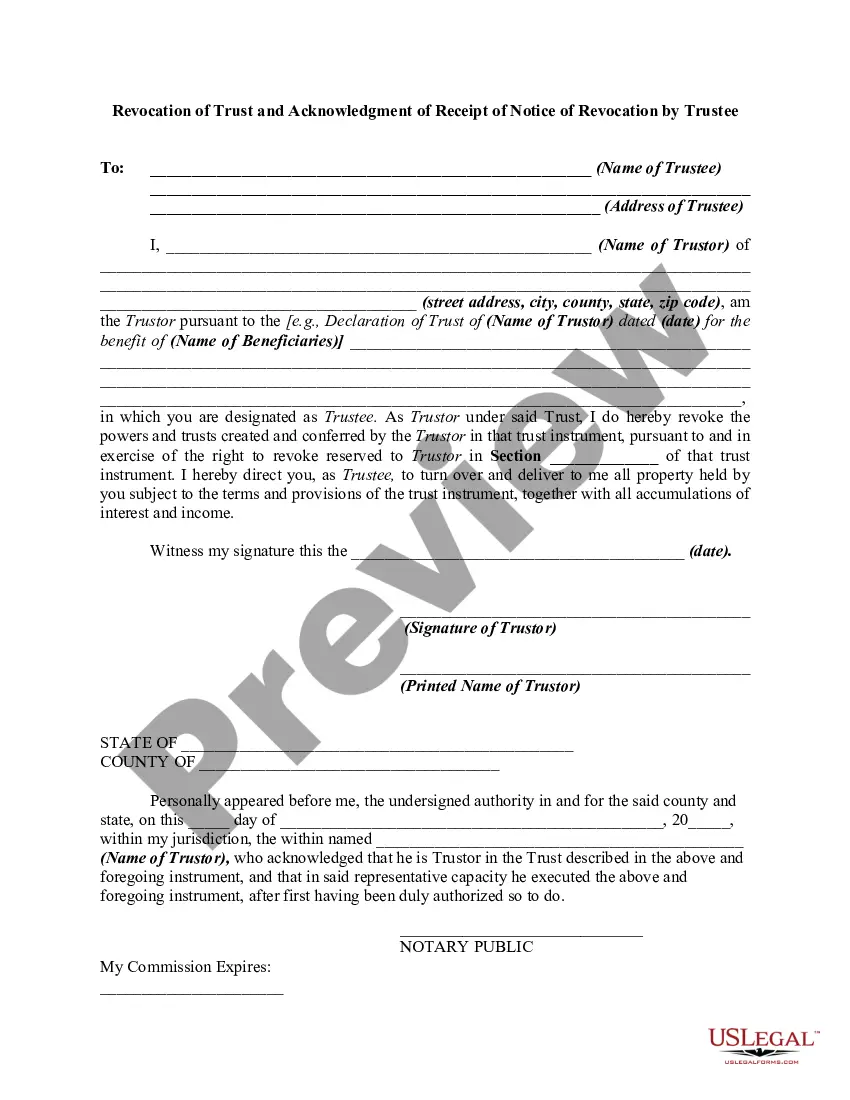
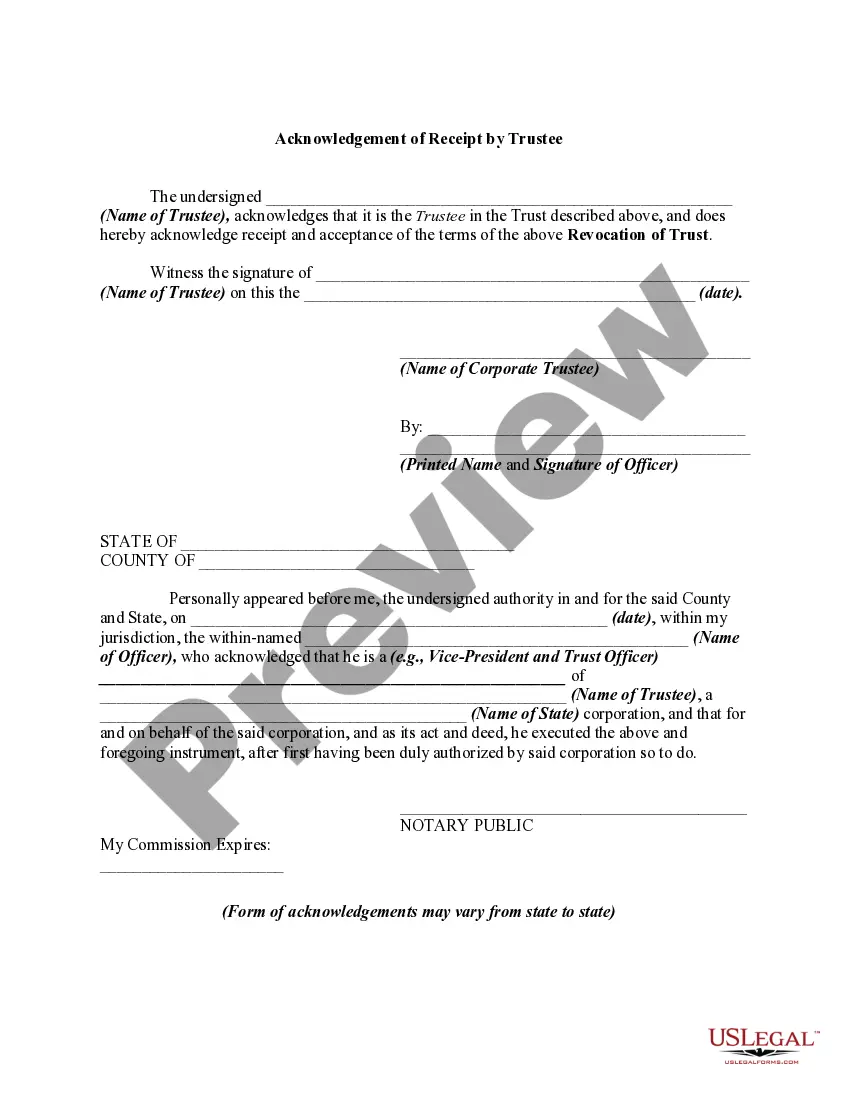
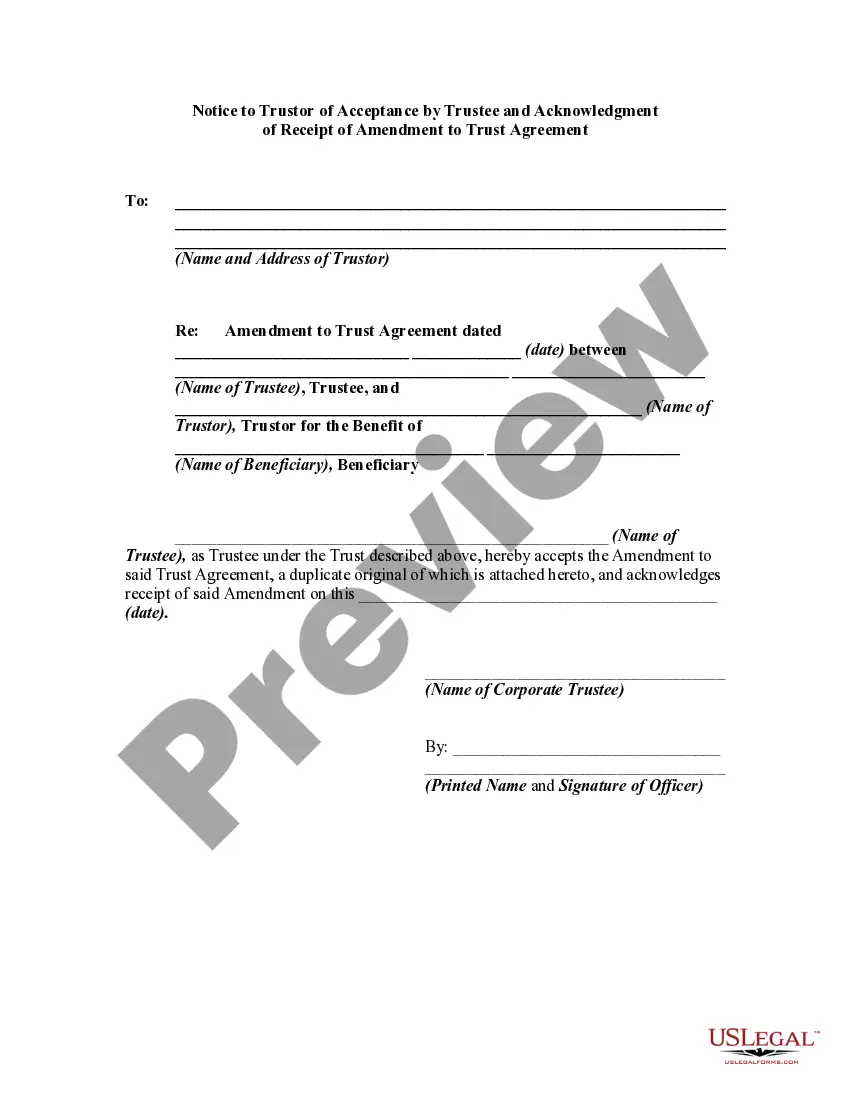
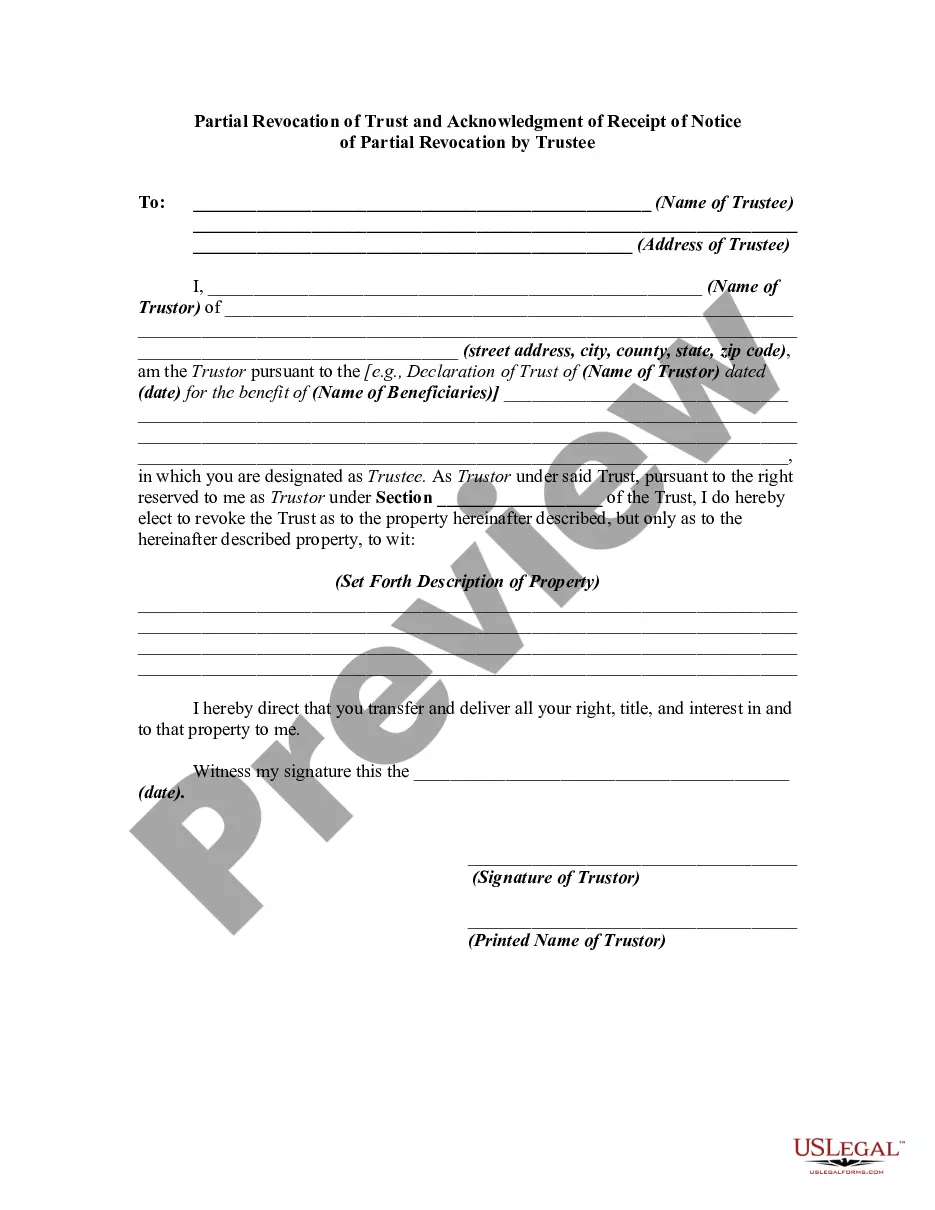
How to fill out Revocation Of Trust And Acknowledgment Of Receipt Of Notice Of Revocation By Trustee?
- If you're a returning user, log in to your account and find your form template by clicking on the Download button, ensuring your subscription is active. Otherwise, renew it per your payment plan.
- For new users, start by checking the Preview mode and form description. Confirm that the selected form meets your needs and adheres to local jurisdiction requirements.
- If necessary, search for another template using the Search tab above to find the right one that fits your requirements.
- To purchase the document, click on the Buy Now button and choose your desired subscription plan. Make sure to register an account for full access.
- Complete your purchase by entering your credit card details or utilizing your PayPal account for payment.
- Finally, download your form and save it to your device, accessing it later in the My Forms section of your profile.
US Legal Forms empowers you to effectively manage legal documentation with ease, providing over 85,000 editable forms designed to meet a variety of legal needs.
Don't tackle the complex world of legal documents alone! Explore US Legal Forms today and simplify your legal processes.
Form popularity
FAQ
Yes, a transfer on death deed can supersede a will regarding the property it covers. If you designate your property under a Revocation acknowledgment trustee with death (tod) deed, it passes directly to your beneficiaries outside of your will. It’s important to communicate your plans clearly to prevent any confusion or conflict after your passing.
Using a transfer on death deed does not inherently avoid capital gains tax; however, there are some tax benefits. The property’s basis typically adjusts to its market value at your death, which can minimize capital gains taxes for your heirs. It is crucial to consult with a tax advisor on how a Revocation acknowledgment trustee with death (tod) deed may impact your specific situation.
Choosing between a transfer on death deed and a beneficiary designation after death depends on your estate planning goals. A Revocation acknowledgment trustee with death (tod) deed allows you to specify who receives your property while avoiding probate. However, a beneficiary designation may offer simpler management of financial accounts and insurance policies, so consider your needs carefully.
While a transfer on death deed has its advantages, there are potential downsides to consider. One drawback is that it may not provide flexibility if circumstances change, such as needing to sell the property. Additionally, without proper Revocation acknowledgment, a tod deed may lead to family disputes over property distribution after your death.
The best way to leave property upon death often involves using a Revocation acknowledgment trustee with death (tod) deed. This legal tool allows you to transfer your property directly to your chosen beneficiaries without going through probate. By doing so, you streamline the process, reduce legal fees, and ensure a smooth transition of assets.
A power of attorney (POA) allows another person to manage your affairs during your life, while a transfer on death (TOD) deed is a method to transfer property after death. The revocation acknowledgment trustee with death (TOD) deed becomes effective when the original owner passes away, ensuring a smooth transition of assets to designated beneficiaries. Understanding these differences can help you make informed decisions regarding your estate planning.
Yes, a power of attorney can revoke a transfer on death (TOD) deed, but only if such authority is explicitly mentioned within the power of attorney document. This process involves executing a formal revocation that complies with the relevant laws surrounding the revocation acknowledgment trustee with death (TOD) deed. Proper legal guidance is advisable to ensure compliance and security.
To revoke a revocable transfer on death (TOD) deed in Texas, the grantor must execute a new deed stating the intention to revoke. This process should include proper notice to all beneficiaries listed in the original revocation acknowledgment trustee with death (TOD) deed. Additionally, filing the revocation deed with the county clerk's office is vital to ensure the change is legally recognized.
A power of attorney may indeed change a beneficiary deed, provided it is clearly authorized in the power of attorney document. This authority typically allows for changes to beneficiary designations, including revocation acknowledgment trustee with death (TOD) deeds. Consulting a legal professional ensures these changes are executed properly and legally.
Yes, a power of attorney can change a deed, but it depends on the authority granted within the document. However, modifications to the revocation acknowledgment trustee with death (TOD) deed necessitate careful consideration of terms. It's recommended to consult with an attorney to ensure all actions comply with state laws.