Trust Revocation Of Will
Description
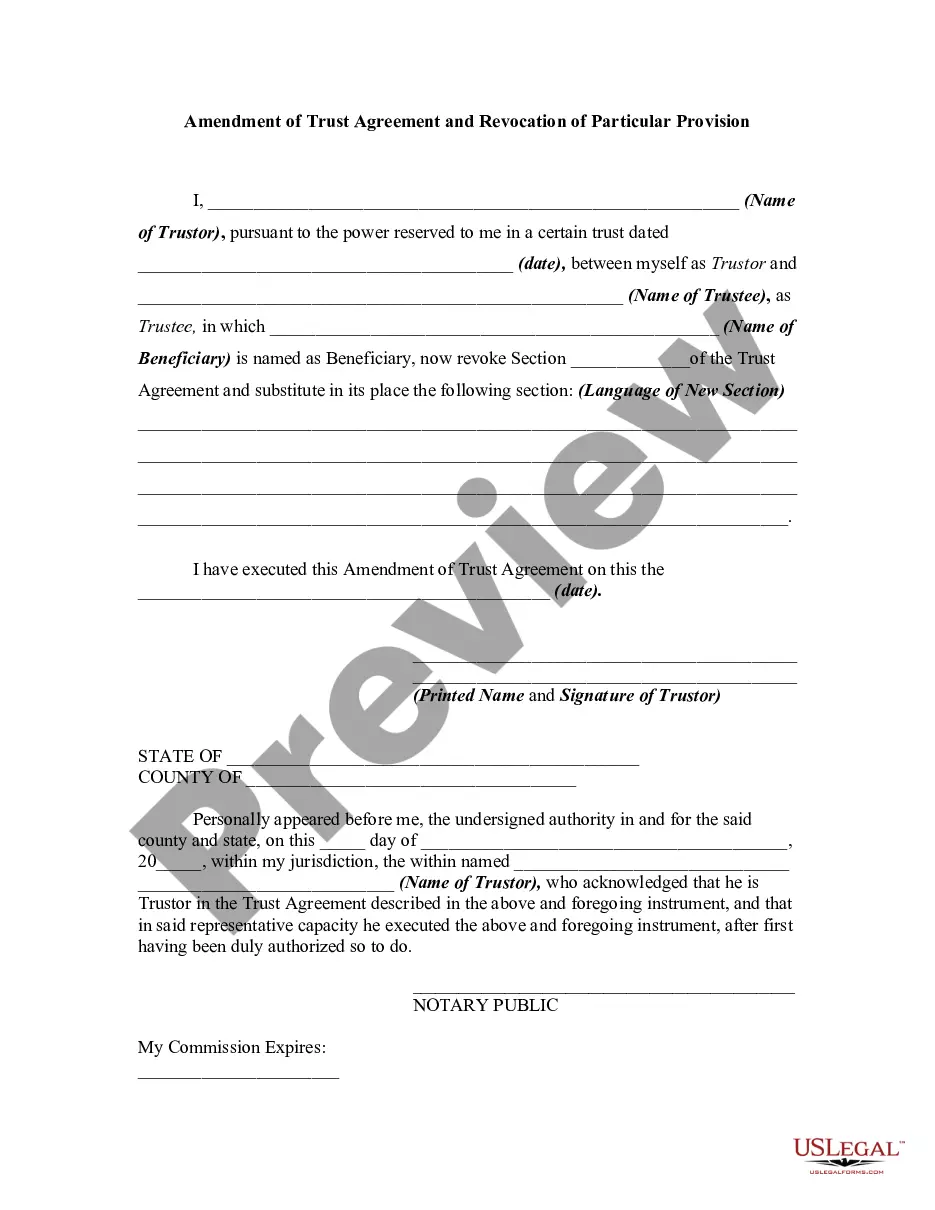
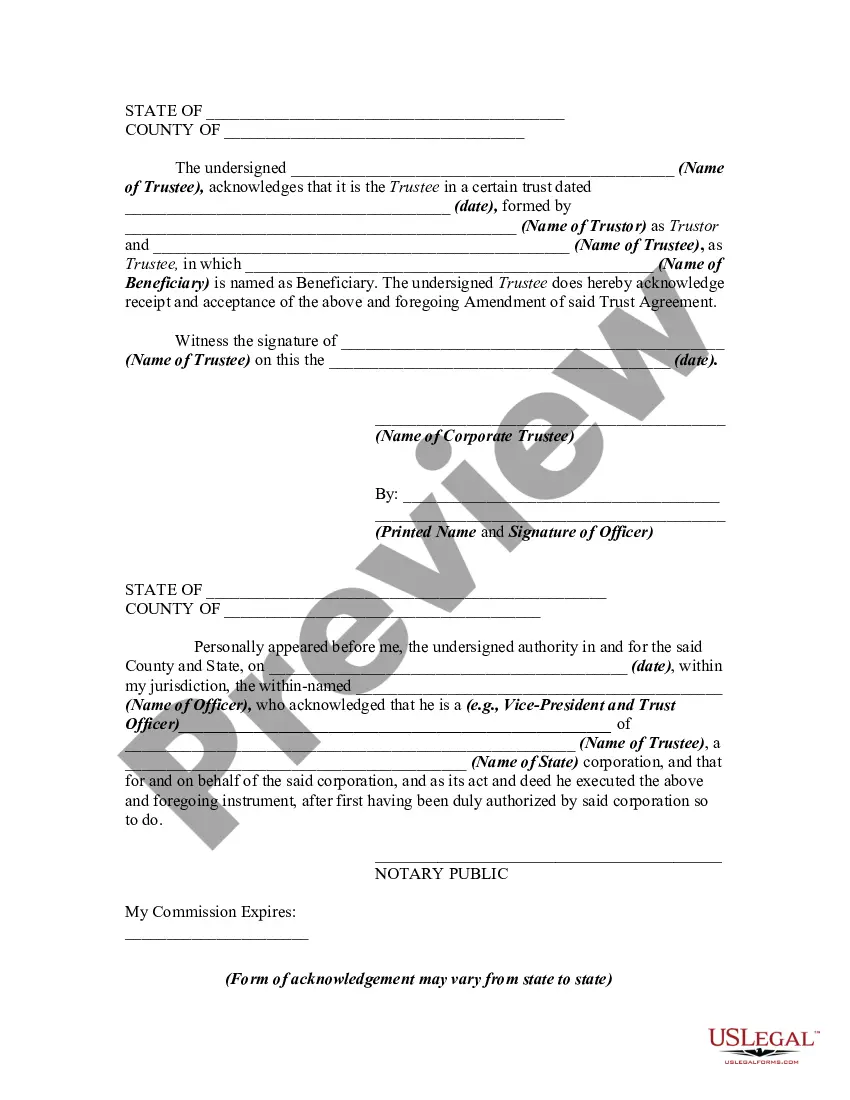
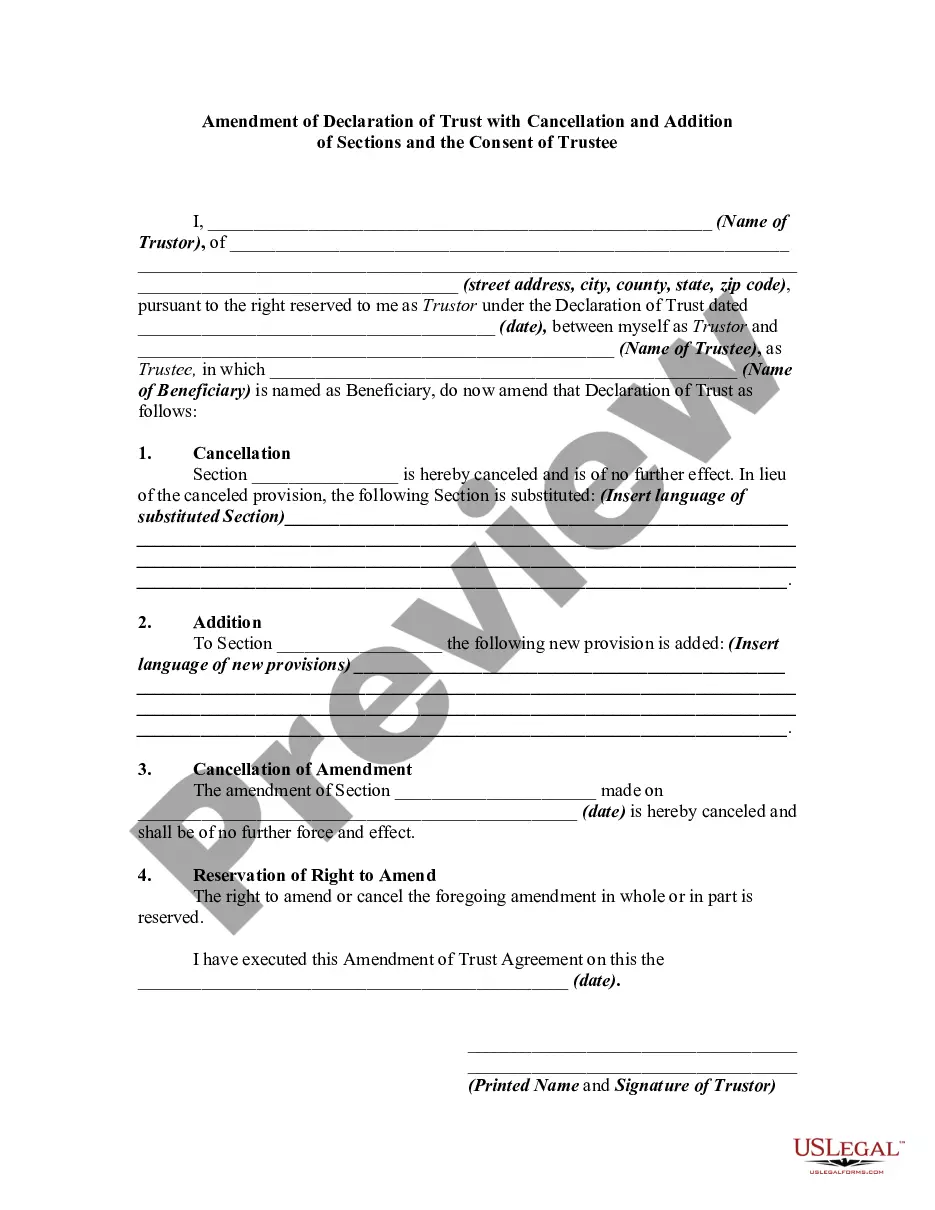
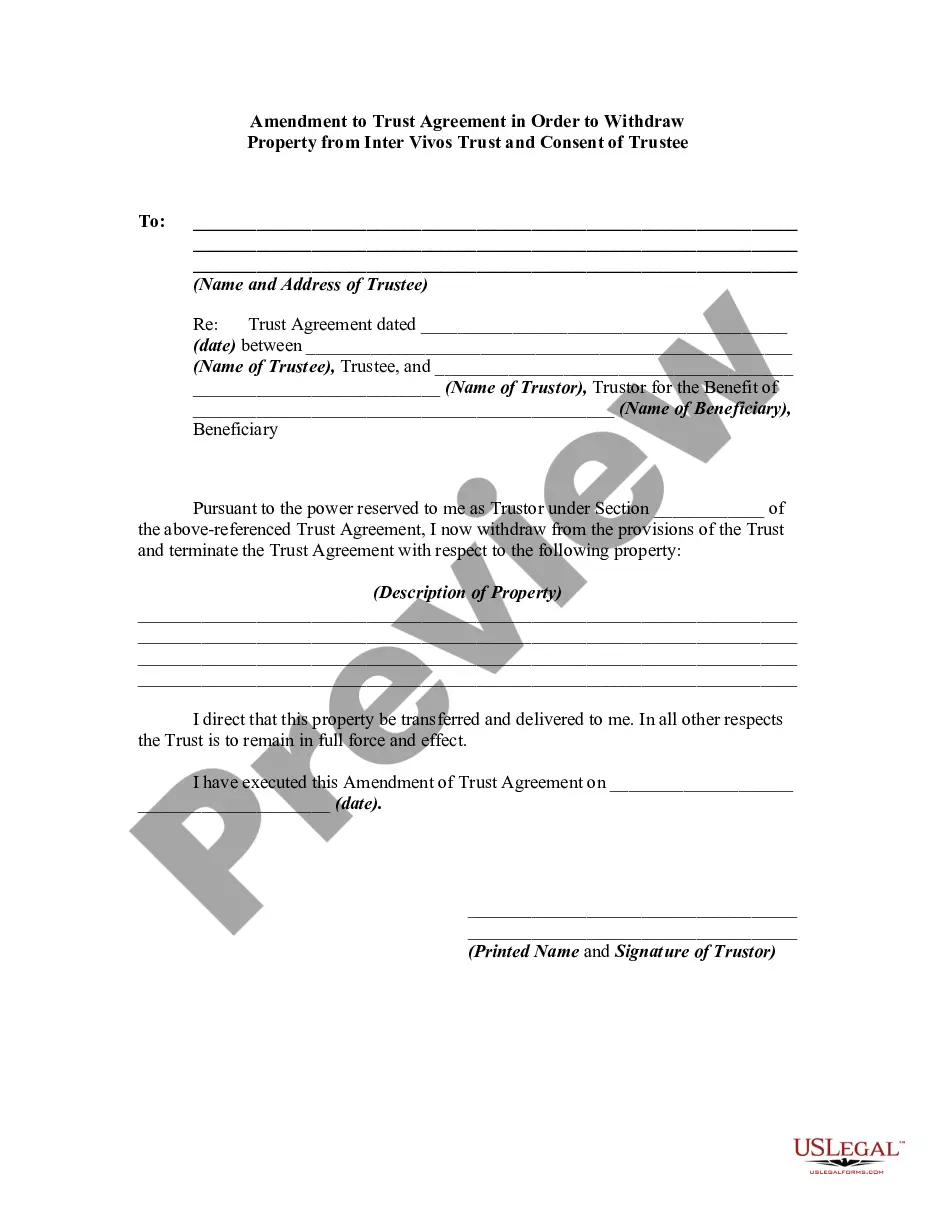
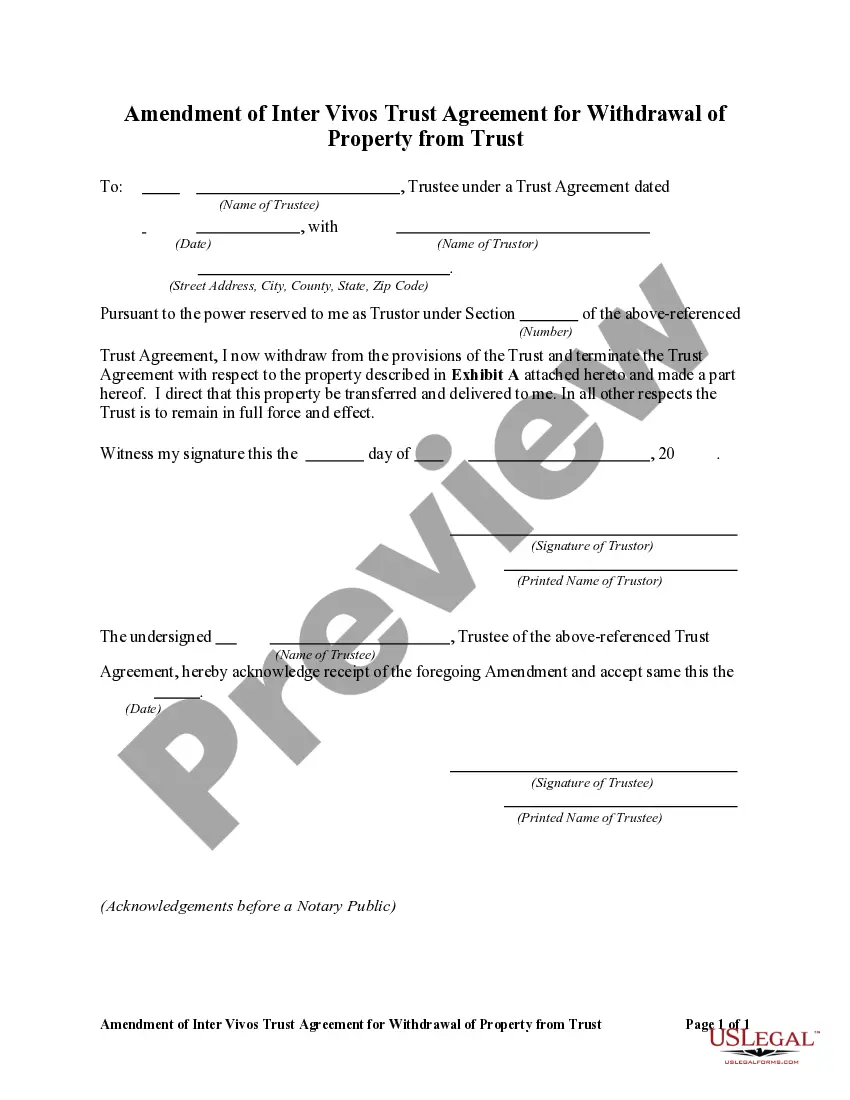
Get your form ready online
Our built-in tools help you complete, sign, share, and store your documents in one place.
Make edits, fill in missing information, and update formatting in US Legal Forms—just like you would in MS Word.
Download a copy, print it, send it by email, or mail it via USPS—whatever works best for your next step.
Sign and collect signatures with our SignNow integration. Send to multiple recipients, set reminders, and more. Go Premium to unlock E-Sign.
If this form requires notarization, complete it online through a secure video call—no need to meet a notary in person or wait for an appointment.
We protect your documents and personal data by following strict security and privacy standards.

Make edits, fill in missing information, and update formatting in US Legal Forms—just like you would in MS Word.

Download a copy, print it, send it by email, or mail it via USPS—whatever works best for your next step.

Sign and collect signatures with our SignNow integration. Send to multiple recipients, set reminders, and more. Go Premium to unlock E-Sign.

If this form requires notarization, complete it online through a secure video call—no need to meet a notary in person or wait for an appointment.

We protect your documents and personal data by following strict security and privacy standards.
Looking for another form?





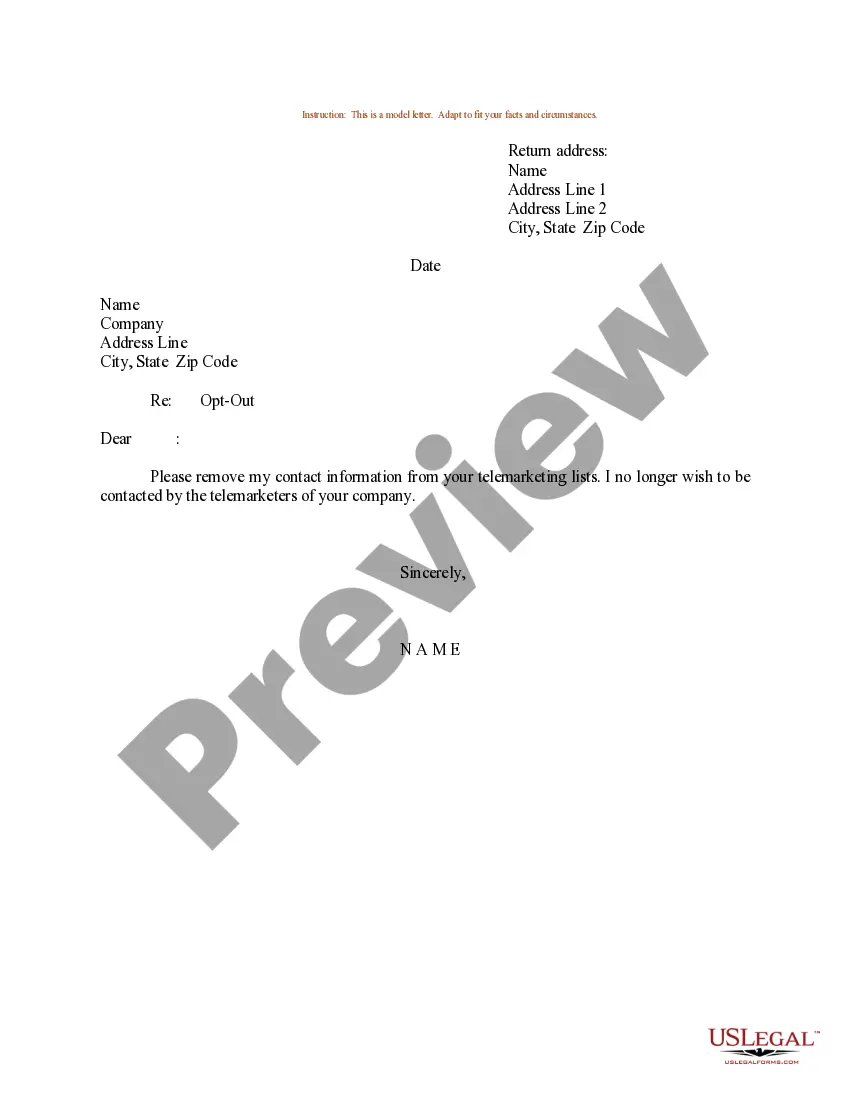




How to fill out Amendment Of Trust Agreement And Revocation Of Particular Provision?
Managing legal documents can be exasperating, even for seasoned professionals.
When seeking a Trust Revocation Of Will and lacking the time to dedicate to finding the correct and up-to-date version, the process can be overwhelming.
With US Legal Forms, you can.
Access legal and business documents tailored to your state or county. US Legal Forms meets all your needs, whether for personal or business paperwork, all in a single location.
If it's your first visit to US Legal Forms, create an account to gain unlimited access to all the benefits of the library.
- Leverage cutting-edge tools to complete and oversee your Trust Revocation Of Will.
- Explore a library of articles, guides, and resources pertinent to your circumstances and requirements.
- Save time and effort searching for necessary documents, employing US Legal Forms' sophisticated search and Preview feature to obtain and download Trust Revocation Of Will.
- If you hold a membership, Log In to your US Legal Forms account, locate the form, and download it.
- Check your My documents tab to view previously downloaded documents and organize your folders as desired.
- Utilize an extensive online form repository that can revolutionize the way you deal with these matters.
- US Legal Forms stands as a leading provider in online legal documents, offering over 85,000 state-specific legal forms at any time.
Form popularity
FAQ
Revoking a revocable trust can be a straightforward process when you follow the appropriate legal procedures. You simply need to create a document stating your intent to revoke it and notify interested parties. For detailed guidance on trust revocation of will, consider utilizing platforms like uslegalforms, which provide resources to simplify the process.
The 5-year rule for trusts typically refers to Medicaid planning, where assets transferred into an irrevocable trust must be held for five years to avoid penalties. However, for revocable trusts, assets can be altered or revoked anytime without waiting periods. Keep in mind that trust revocation of will must align with your financial goals and estate planning strategies.
A revocable trust typically becomes irrevocable upon the death of the grantor. At this stage, the trust terms become fixed, and modifications generally cannot be made without legal action. Understanding this transition is essential when managing trust revocation of will as it impacts your ability to change estate plans after your passing.
You can amend a revocable trust without an attorney, provided you follow the terms outlined in the trust document. However, it is often advisable to seek legal guidance to ensure that your amendments are valid and legally binding. Trust revocation of will can involve complex changes, and working with a knowledgeable professional can help you navigate these waters successfully.
A trust can become null and void if it does not meet specific legal requirements, such as lack of capacity or improper execution. Additionally, if the terms of the trust violate public policy or the trust is created under fraudulent circumstances, it may be declared invalid. Understanding these factors is crucial when addressing trust revocation of will, as they can impact your estate planning.
A revocable trust offers a level of security, as it manages assets and ensures proper distribution as per your wishes. However, since you can modify or revoke it at any time, it does not provide the protection that irrevocable trusts do. When considering trust revocation of will, it's important to understand the implications of modifying your trust and how it might affect your overall estate plan.
To revoke a revocable trust, you must provide a written document that explicitly states your intent to revoke it. You should also notify any relevant parties, such as beneficiaries and trustees, about this decision. The process of trust revocation of will can be straightforward, especially with the support of a legal expert who can guide you through the necessary paperwork.
To revoke a will effectively, you should create a new will that clearly states your intention to cancel the previous one. Alternatively, you can physically destroy the old will, but it's crucial to ensure that your new plans are documented properly. Trust revocation of will involves careful consideration and organization, so it is beneficial to consult with legal professionals for guidance.
A trust cannot be revoked by a will. Instead, the revocation of a trust must be performed through a specific document that outlines your intention to revoke it. When considering trust revocation of will, it is essential to understand the separate processes involved. Consulting an attorney can help ensure that you follow the necessary steps.
A trust does not automatically revoke a will, but it can supersede it if the documents address the same assets. This means that upon trust revocation of will, the terms of the trust may take precedence over those in the will. It is crucial to ensure that your estate documents align with your intentions to avoid conflicts.