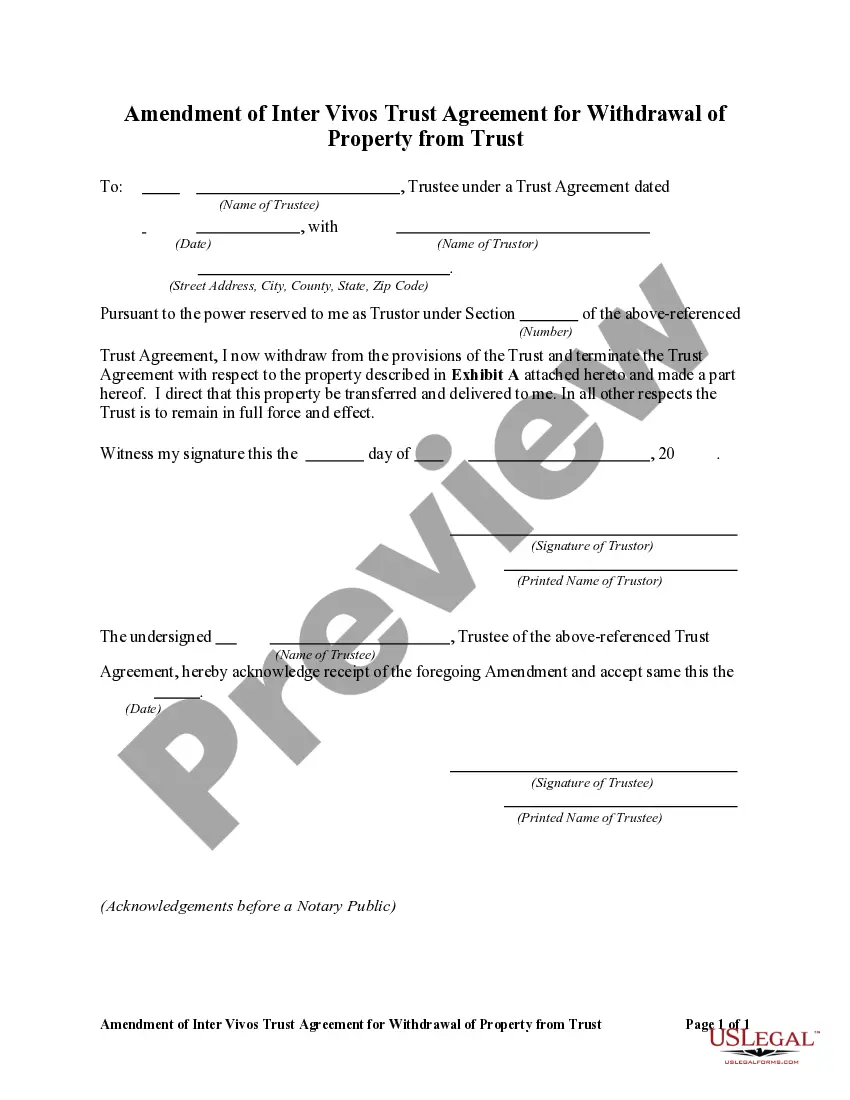
Revoke A Trust For A Trust
Description
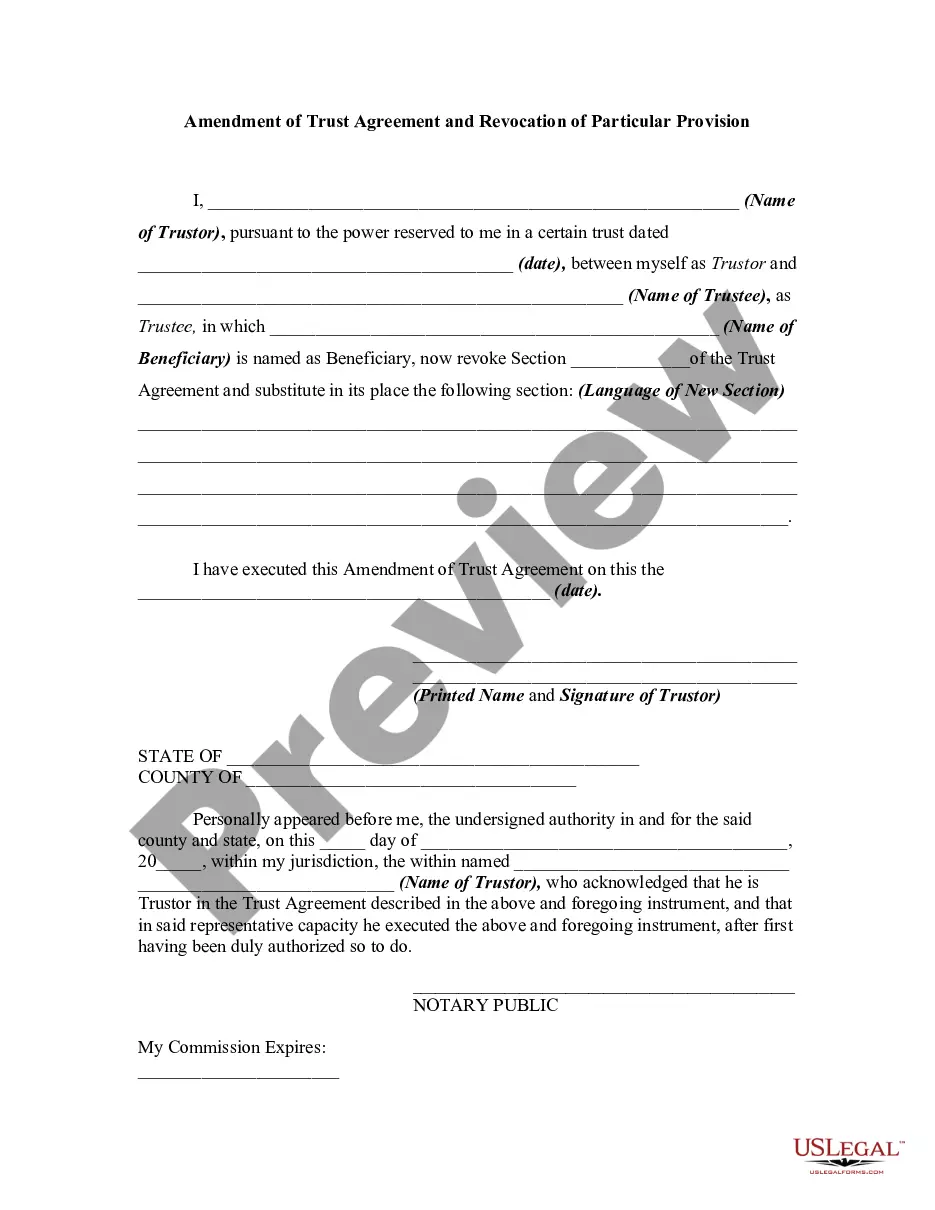
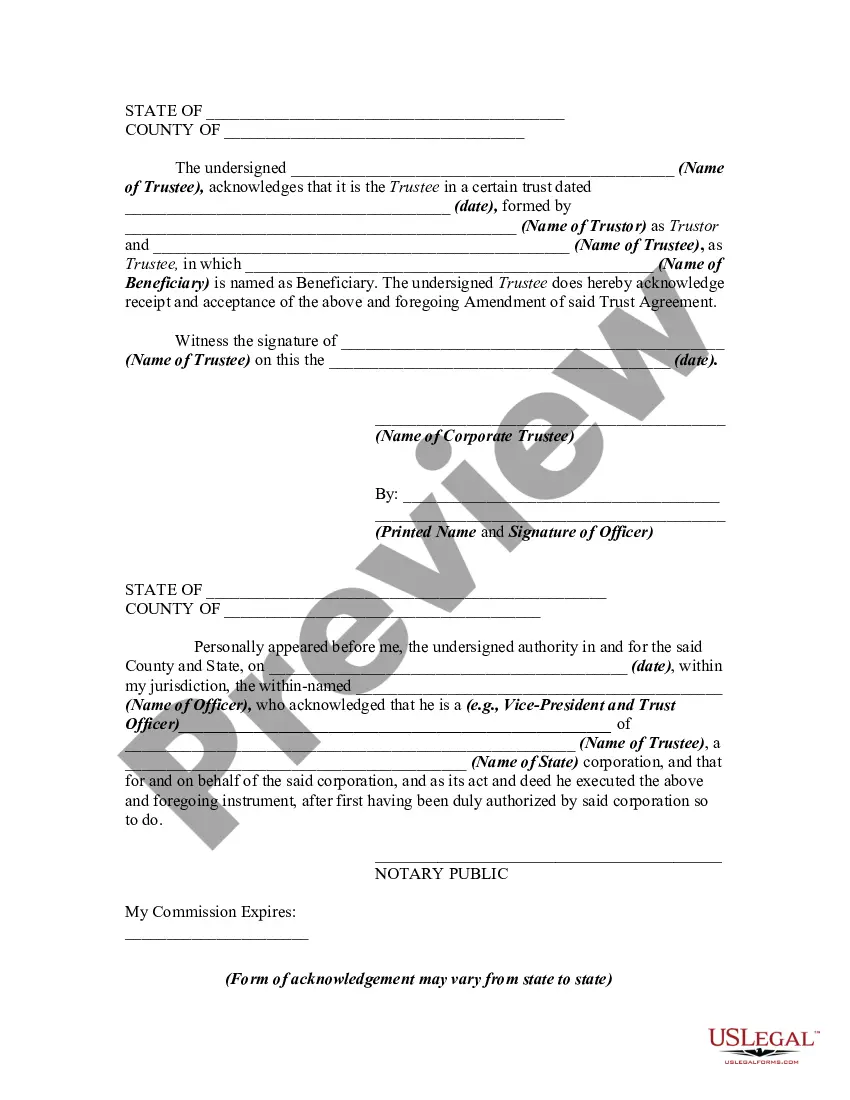
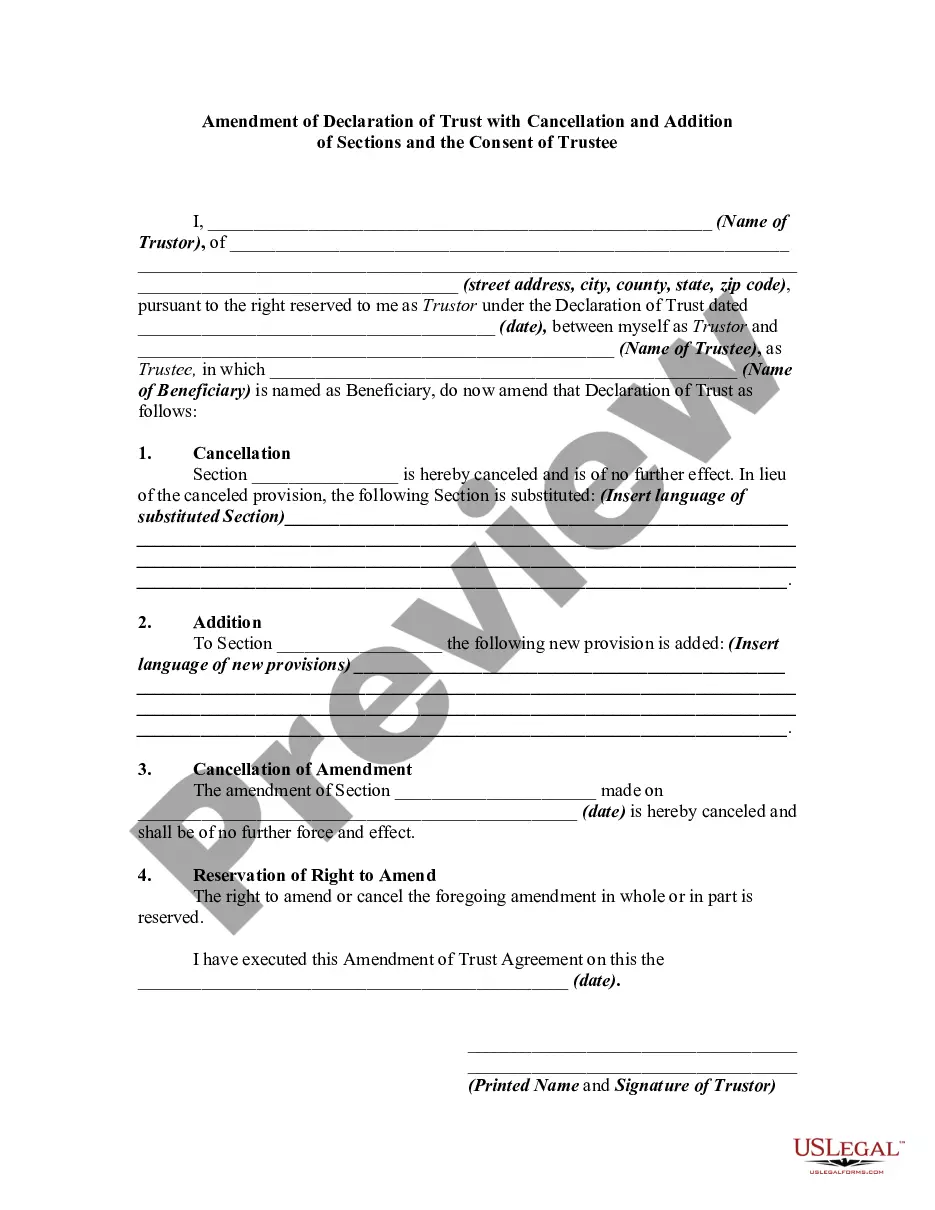
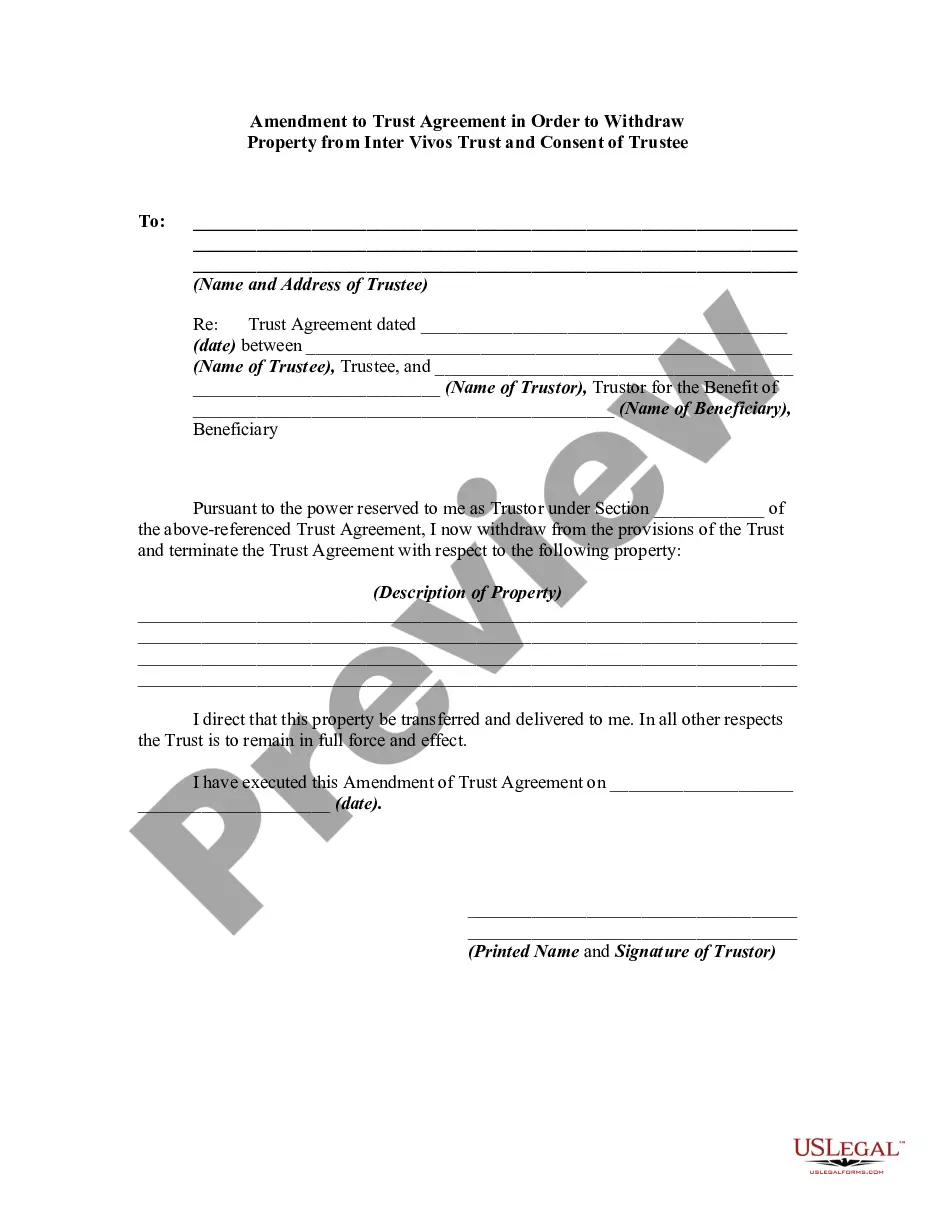
Get your form ready online
Our built-in tools help you complete, sign, share, and store your documents in one place.
Make edits, fill in missing information, and update formatting in US Legal Forms—just like you would in MS Word.
Download a copy, print it, send it by email, or mail it via USPS—whatever works best for your next step.
Sign and collect signatures with our SignNow integration. Send to multiple recipients, set reminders, and more. Go Premium to unlock E-Sign.
If this form requires notarization, complete it online through a secure video call—no need to meet a notary in person or wait for an appointment.
We protect your documents and personal data by following strict security and privacy standards.

Make edits, fill in missing information, and update formatting in US Legal Forms—just like you would in MS Word.

Download a copy, print it, send it by email, or mail it via USPS—whatever works best for your next step.

Sign and collect signatures with our SignNow integration. Send to multiple recipients, set reminders, and more. Go Premium to unlock E-Sign.

If this form requires notarization, complete it online through a secure video call—no need to meet a notary in person or wait for an appointment.

We protect your documents and personal data by following strict security and privacy standards.
Looking for another form?








How to fill out Amendment Of Trust Agreement And Revocation Of Particular Provision?
- If you're an existing user, log into your account and locate the required form template. Click 'Download' to save it to your device, ensuring your subscription remains active.
- For new users, start by previewing the form descriptions. Ensure you select the proper document that resonates with your requirements and adheres to local regulations.
- If the initial selection doesn’t suit your needs, utilize the Search feature to find an alternative template that fits your criteria before proceeding.
- Proceed to purchase the document by clicking the 'Buy Now' button and selecting an appropriate subscription plan. You'll need to register for an account to access all resources.
- Finalize your payment using credit card details or your PayPal account to complete the subscription.
- Download the form directly to your device. Access it any time from the My Forms section in your profile for future reference.
Following these steps with US Legal Forms ensures you receive not only the correct legal documentation but also access to a wealth of resources that make completing legal tasks far more manageable.
Start your journey toward effectively revoking a trust today with US Legal Forms – it's your reliable partner in legal document preparation!
Form popularity
FAQ
Revoking a trust can have tax implications that you need to consider. Any income generated by the assets before revocation may be taxable, and capital gains can arise upon asset distribution to beneficiaries. It’s beneficial to consult with a tax professional to understand potential impacts fully. Additionally, platforms like US Legal Forms can help you find resources to navigate these complexities.
You can revoke a trust for a trust by following the revocation clauses within the trust document. If the terms allow it, simply express your intent in writing, and have it notarized. In some cases, you may need to notify beneficiaries. Consulting with professionals makes this process easier and more reliable.
Trusts can be terminated in several ways. You can revoke a trust for a trust through the grantor's decision, by fulfillment of specific conditions, or through legal proceedings. When all beneficiaries agree, a trust may also end. It is essential to consult legal services to ensure proper process and compliance.
Discharging a trust involves a formal process that typically includes the consent of the trustee and beneficiaries. You must also complete any specific conditions outlined in the trust document that allow for its termination. By following these procedures, you can effectively revoke a trust for a trust, leading to the proper settlement of the trust's assets. For practical guidance, consider using the resources available at US Legal Forms, which can provide templates and the necessary steps.
A trust becomes invalid if it fails to meet specific legal criteria, such as lacking an identifiable beneficiary or not having a proper trust document. Other factors include the grantor's mental incapacity at the time of trust creation or if it was established under fraudulent circumstances. Understanding these elements can help you navigate how to revoke a trust for a trust if needed. US Legal Forms can assist with templates and resources to ensure your trust documents are compliant.
To invalidate a trust, you need to demonstrate reasons such as lack of capacity, undue influence, or fraud. You must present evidence showing that the trust did not meet legal requirements at its creation. Consulting a legal expert can guide you through this process to ensure you effectively revoke a trust for a trust. Additionally, services from US Legal Forms can provide helpful resources for understanding the steps involved.
A trust revocation declaration is a legal document that clearly states the intention to revoke a trust. For instance, it may include a statement like, 'I hereby revoke the trust established on date.' Using a declaration format ensures clarity and helps avoid any confusion regarding your decision to revoke a trust for a trust. If you need assistance, US Legal Forms offers straightforward templates to help you create your revocation declaration effectively.
A trust can be rendered null and void for reasons such as lack of intent, failure to meet legal requirements, or due to its purpose. If the creator of the trust did not intend to establish a trust or if necessary formalities, such as documentation and signatures, were not adhered to, the trust may not be valid. Furthermore, if the trust primarily exists for an illegal purpose, it is automatically void. Being informed about these factors can guide you when you need to revoke a trust for a trust.
The 5-year rule for trusts generally refers to the time frame in which certain actions must be taken regarding the trust's administration and tax implications. For example, it may involve how long assets must remain in a trust before they can be accessed by beneficiaries without tax consequences. This rule can significantly impact decisions you make regarding your trust. Knowing this can assist in effectively managing your estate and may prompt you to revoke a trust for a trust when needed.
A trust can be considered invalid due to several factors that affect its legal standing. For instance, if the trust document is not properly executed, or if it lacks essential terms, it may be deemed invalid. Additionally, if the trust serves an unlawful purpose, or if the creator lacked the mental ability to establish the trust, it can also be invalid. If you find your trust invalid, you may need to revoke a trust for a trust and create a new one.