Successor Trustee Forms For Trustees
Description
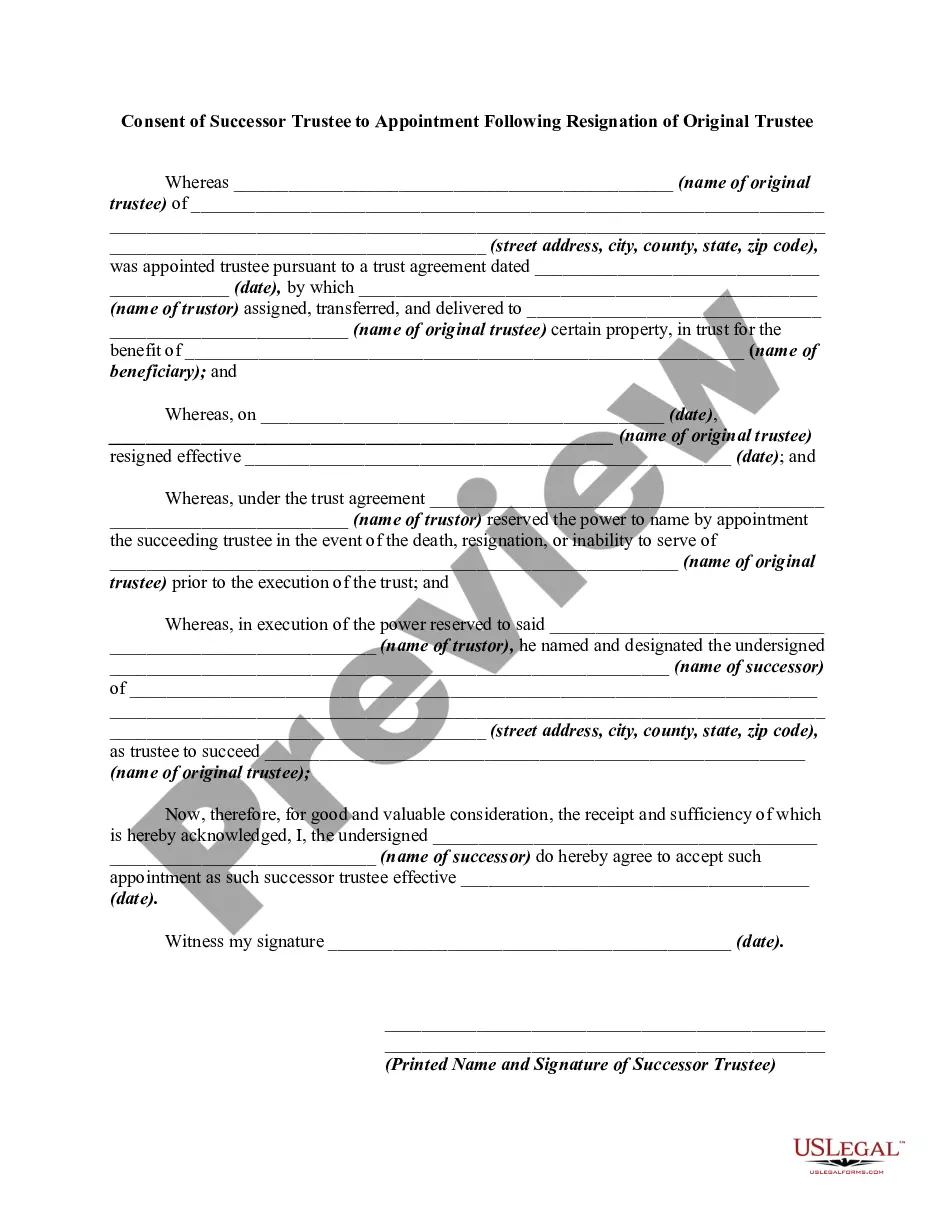
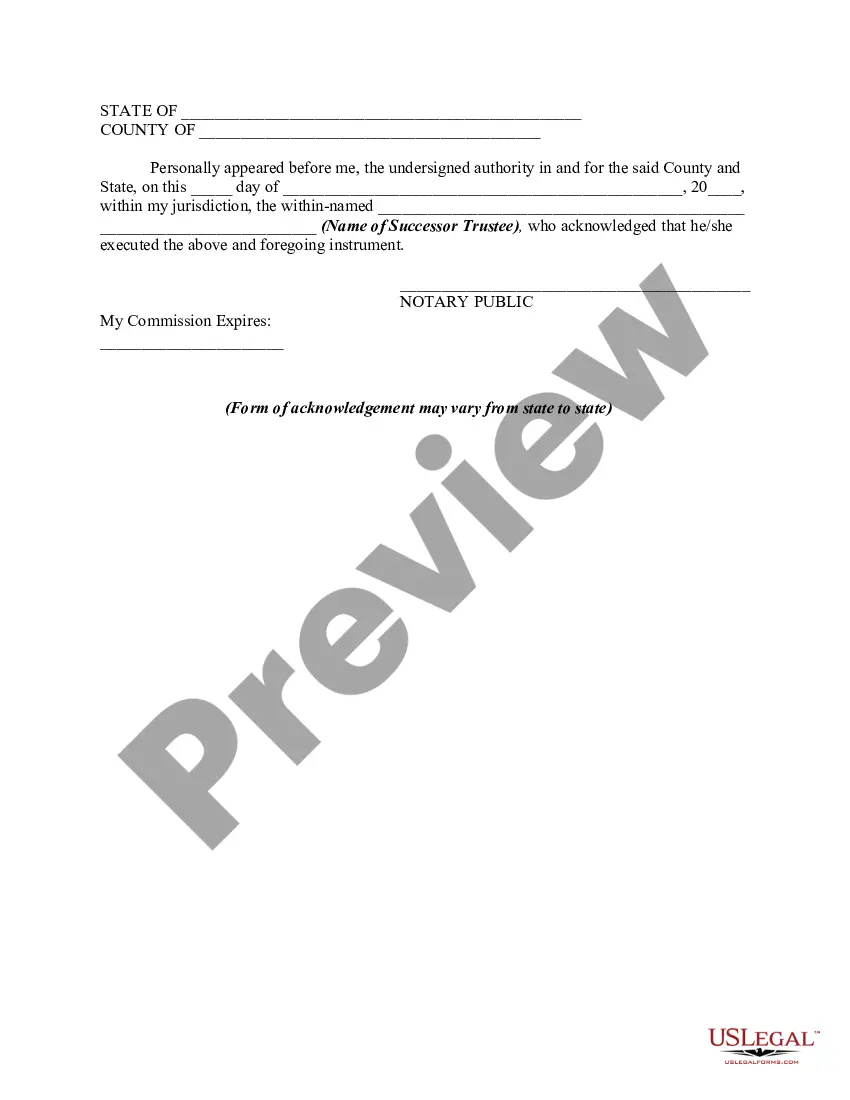
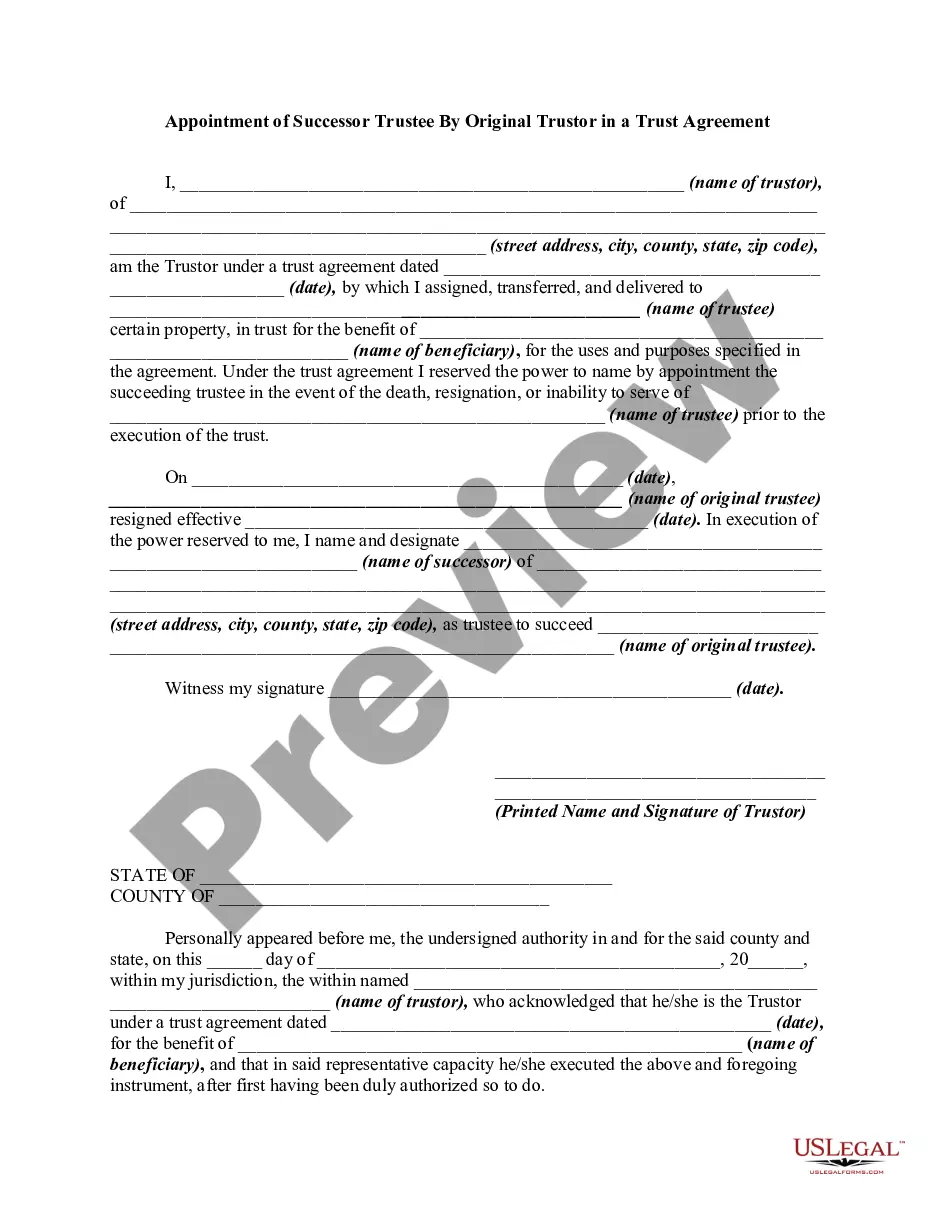
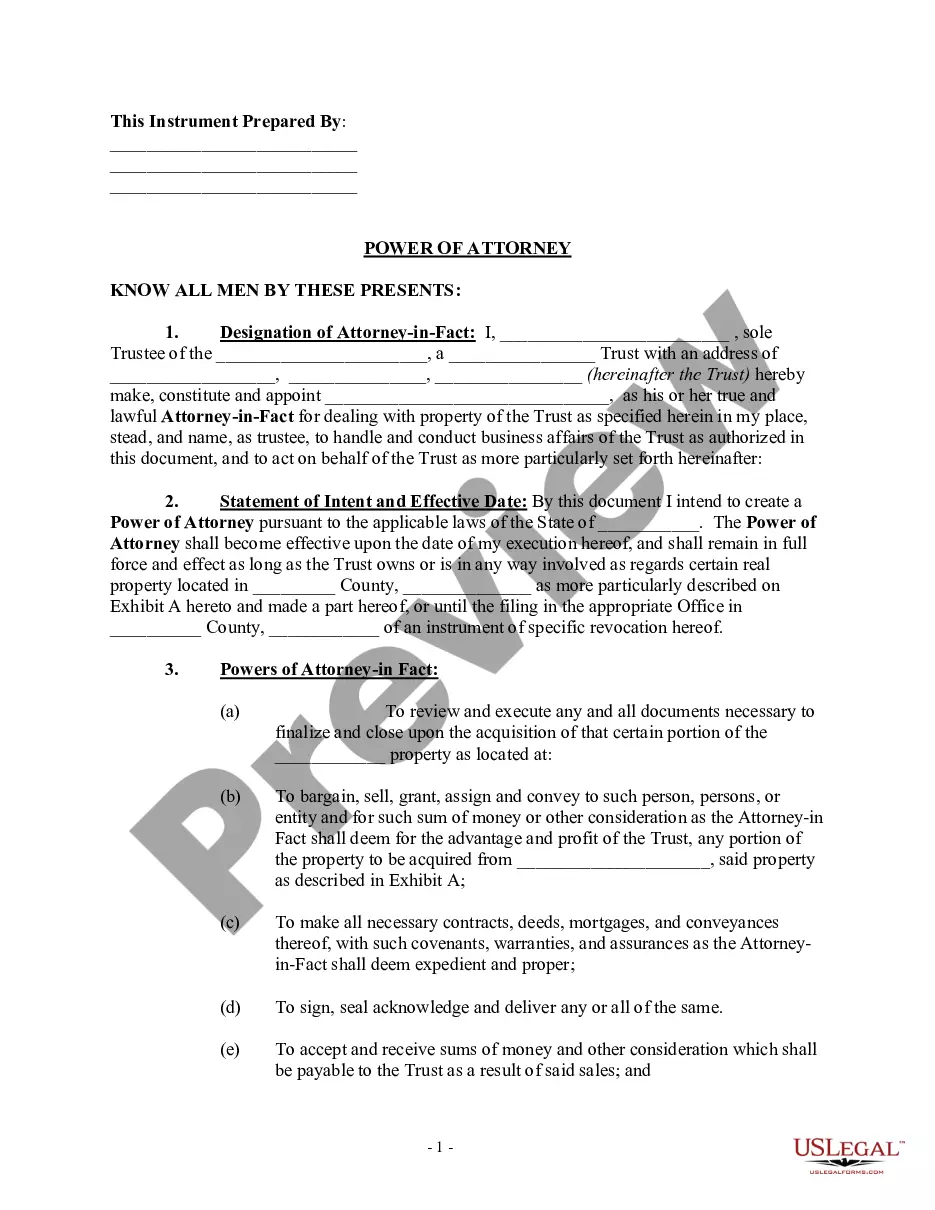
Get your form ready online
Our built-in tools help you complete, sign, share, and store your documents in one place.
Make edits, fill in missing information, and update formatting in US Legal Forms—just like you would in MS Word.
Download a copy, print it, send it by email, or mail it via USPS—whatever works best for your next step.
Sign and collect signatures with our SignNow integration. Send to multiple recipients, set reminders, and more. Go Premium to unlock E-Sign.
If this form requires notarization, complete it online through a secure video call—no need to meet a notary in person or wait for an appointment.
We protect your documents and personal data by following strict security and privacy standards.

Make edits, fill in missing information, and update formatting in US Legal Forms—just like you would in MS Word.

Download a copy, print it, send it by email, or mail it via USPS—whatever works best for your next step.

Sign and collect signatures with our SignNow integration. Send to multiple recipients, set reminders, and more. Go Premium to unlock E-Sign.

If this form requires notarization, complete it online through a secure video call—no need to meet a notary in person or wait for an appointment.

We protect your documents and personal data by following strict security and privacy standards.
Looking for another form?
How to fill out Consent Of Successor Trustee To Appointment Following Resignation Of Original Trustee?
Getting a go-to place to access the most current and relevant legal samples is half the struggle of dealing with bureaucracy. Choosing the right legal documents demands accuracy and attention to detail, which is why it is very important to take samples of Successor Trustee Forms For Trustees only from trustworthy sources, like US Legal Forms. An improper template will waste your time and delay the situation you are in. With US Legal Forms, you have very little to worry about. You may access and see all the details concerning the document’s use and relevance for the situation and in your state or county.
Consider the following steps to finish your Successor Trustee Forms For Trustees:
- Make use of the library navigation or search field to find your template.
- View the form’s description to see if it suits the requirements of your state and county.
- View the form preview, if available, to ensure the template is the one you are searching for.
- Resume the search and look for the proper template if the Successor Trustee Forms For Trustees does not fit your requirements.
- When you are positive about the form’s relevance, download it.
- When you are an authorized customer, click Log in to authenticate and access your selected forms in My Forms.
- If you do not have a profile yet, click Buy now to get the form.
- Choose the pricing plan that fits your preferences.
- Go on to the registration to complete your purchase.
- Complete your purchase by selecting a payment method (bank card or PayPal).
- Choose the document format for downloading Successor Trustee Forms For Trustees.
- When you have the form on your gadget, you may alter it with the editor or print it and finish it manually.
Eliminate the inconvenience that accompanies your legal paperwork. Discover the extensive US Legal Forms collection to find legal samples, check their relevance to your situation, and download them immediately.
Form popularity
FAQ
The successor trustee may be the primary beneficiary of the trust. However, the successor trustee can be anyone you trust. For example, the successor trustee can be a close friend, an adult child, your spouse, your lawyer, an accountant, or a corporate trustee.
For example, the successor trustee can be a close friend, an adult child, your spouse, your lawyer, an accountant, or a corporate trustee.
Successor Trustee is the person or institution who takes over the management of a living trust property when the original trustee has died or become incapacitated. The exact responsibilities of a successor trustee will vary depending on the instructions left by the creator of the trust (called the Grantor).
Grantors can choose to nominate a close relative, family friend, or even financial institution to take on the role of Successor Trustee. A Grantor will name their Successor Trustee within a document called a Declaration of Trust, which is also where their role will be explained.
Successor trustees are typically granted immediate access to the assets held by the trust upon accepting their appointment; what they can do with these assets and their rights to withdraw money from a trust, however, are limited.