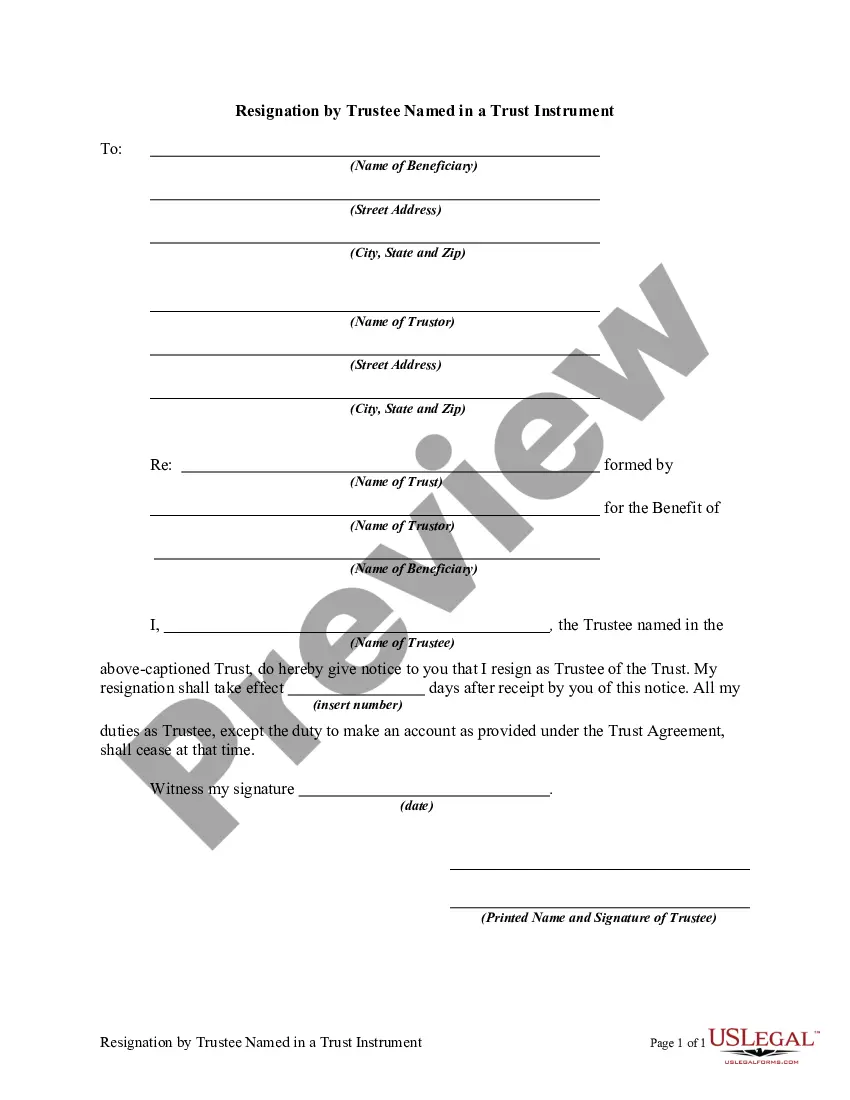
Sample Trustee Resignation Letter To Beneficiaries
Description
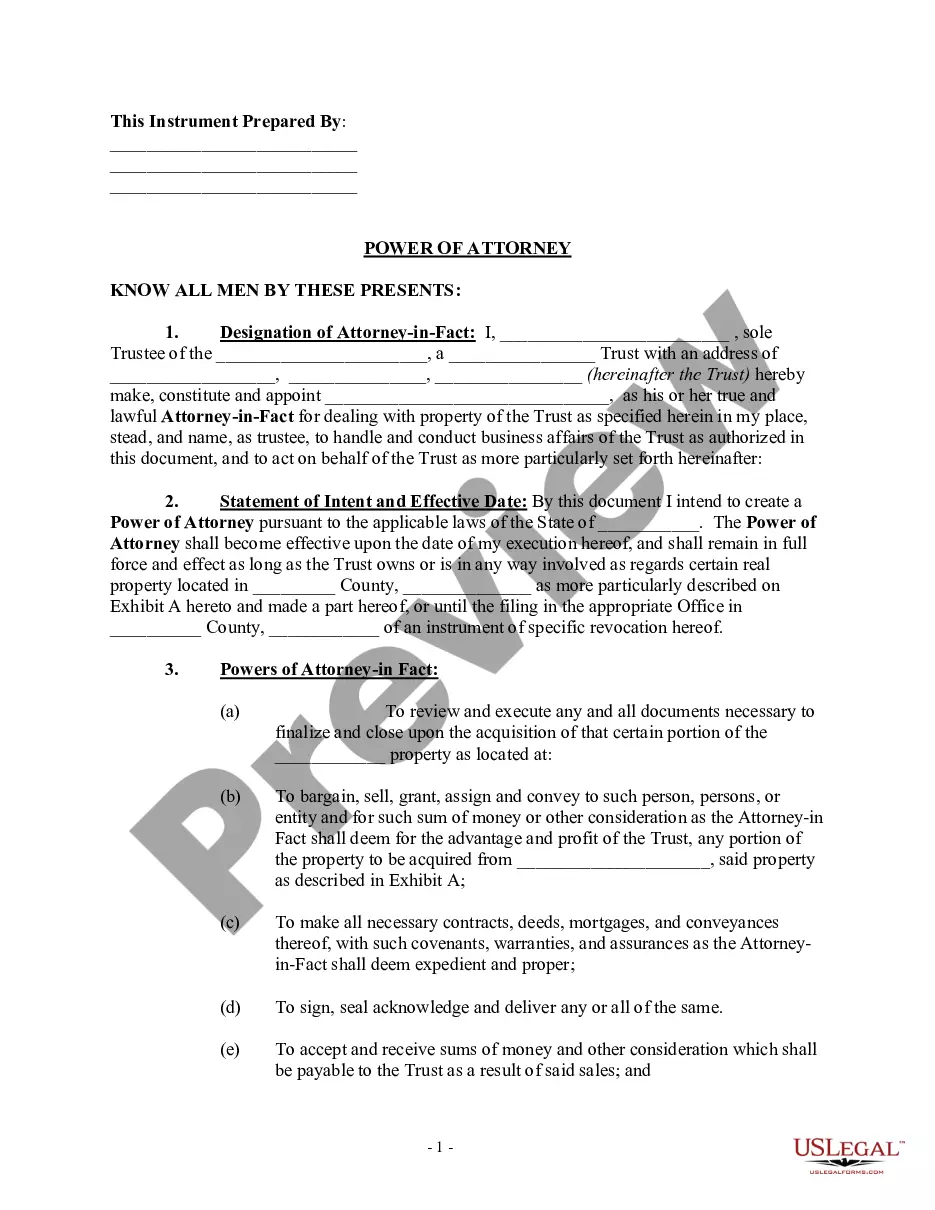
Get your form ready online
Our built-in tools help you complete, sign, share, and store your documents in one place.
Make edits, fill in missing information, and update formatting in US Legal Forms—just like you would in MS Word.
Download a copy, print it, send it by email, or mail it via USPS—whatever works best for your next step.
Sign and collect signatures with our SignNow integration. Send to multiple recipients, set reminders, and more. Go Premium to unlock E-Sign.
If this form requires notarization, complete it online through a secure video call—no need to meet a notary in person or wait for an appointment.
We protect your documents and personal data by following strict security and privacy standards.

Make edits, fill in missing information, and update formatting in US Legal Forms—just like you would in MS Word.

Download a copy, print it, send it by email, or mail it via USPS—whatever works best for your next step.

Sign and collect signatures with our SignNow integration. Send to multiple recipients, set reminders, and more. Go Premium to unlock E-Sign.

If this form requires notarization, complete it online through a secure video call—no need to meet a notary in person or wait for an appointment.

We protect your documents and personal data by following strict security and privacy standards.
Looking for another form?

Form popularity
FAQ
A termination letter may not require notarization, but it depends on the specific circumstances and relevant laws. If the termination affects legal rights or financial issues, notarization might be beneficial. Using a sample trustee resignation letter to beneficiaries can help you draft a comprehensive letter that addresses all necessary points, ensuring clarity and professionalism. It is crucial to consult legal advice tailored to your situation.
Typically, a trustee resignation letter does not need to be notarized unless specified in the trust documents or state regulations. However, notarization can lend an added layer of authenticity to the document. Utilizing a sample trustee resignation letter to beneficiaries can guide you through the necessary elements to include, simplifying the process. Always check local laws to ensure compliance.
Yes, a beneficiary can ask a trustee to resign, especially if there are concerns about the trustee's performance or conflict of interest. In such cases, open communication is essential to address these issues. A sample trustee resignation letter to beneficiaries can serve as a helpful template for formalizing this request. It ensures that the request is documented and clear, promoting a smoother transition.
In general, a resignation of trustee does not need to be notarized, but it is advisable to check the specific requirements of the trust agreement or state laws. A notarized letter may provide additional legal security and clarity. To ensure accuracy, consider referencing a sample trustee resignation letter to beneficiaries, which may include applicable guidelines for your situation.
An example trustee resignation letter typically includes your intention to resign, the trust's name, and your effective resignation date. It may also express appreciation for the opportunity to serve. Resources like our platform provide a simple sample trustee resignation letter to beneficiaries, allowing you to customize the content to fit your situation.
Removing yourself as a trustee involves submitting a resignation letter to the relevant parties, including beneficiaries and co-trustees. In the letter, specify your reasons and the effective date of your resignation. Ensure that your withdrawal complies with the trust agreement and any applicable laws. A sample trustee resignation letter to beneficiaries can serve as an excellent template for this process.
To resign from a board of trustees, draft a resignation letter that includes your reason for stepping down, your last date of service, and any thoughts on transitioning responsibilities. It's important to express gratitude for the role and communicate your wishes for the organization’s future success. Using a sample trustee resignation letter to beneficiaries can help you format and articulate your message clearly.
To resign as a trustee, you need to prepare a formal resignation letter. This letter should clearly state your intention to resign and include relevant details, such as the trust name and your position. You may also want to notify the beneficiaries and ensure the resignation is documented properly. Consider using a sample trustee resignation letter to beneficiaries to guide you.
You can withdraw from your role as a trustee, provided you adhere to the procedures specified in the trust agreement. Writing a Sample trustee resignation letter to beneficiaries is vital to formally announce your decision to withdraw. Ensure that all beneficiaries are informed and consider seeking legal advice to navigate the process smoothly. This step not only maintains transparency but also helps prevent any disputes in the future.
Yes, you can remove yourself as a trustee, but it requires following specific procedures laid out in the trust agreement. In many cases, drafting a Sample trustee resignation letter to beneficiaries is a necessary step to communicate your decision. Keep in mind that your resignation may depend on the trust’s terms, so reviewing the document carefully is crucial. Consulting with a legal expert can help ensure you complete this process correctly.