Storage Agreement
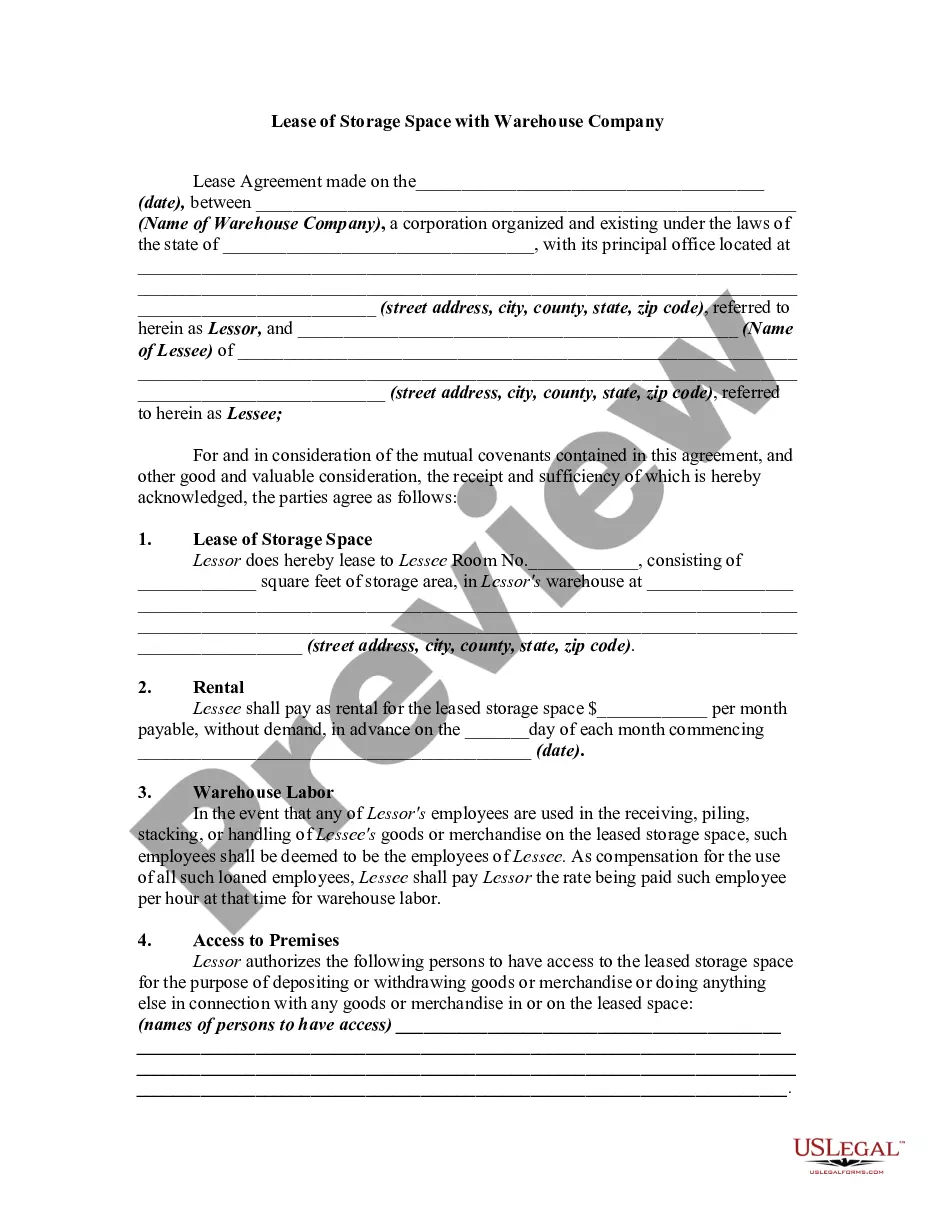
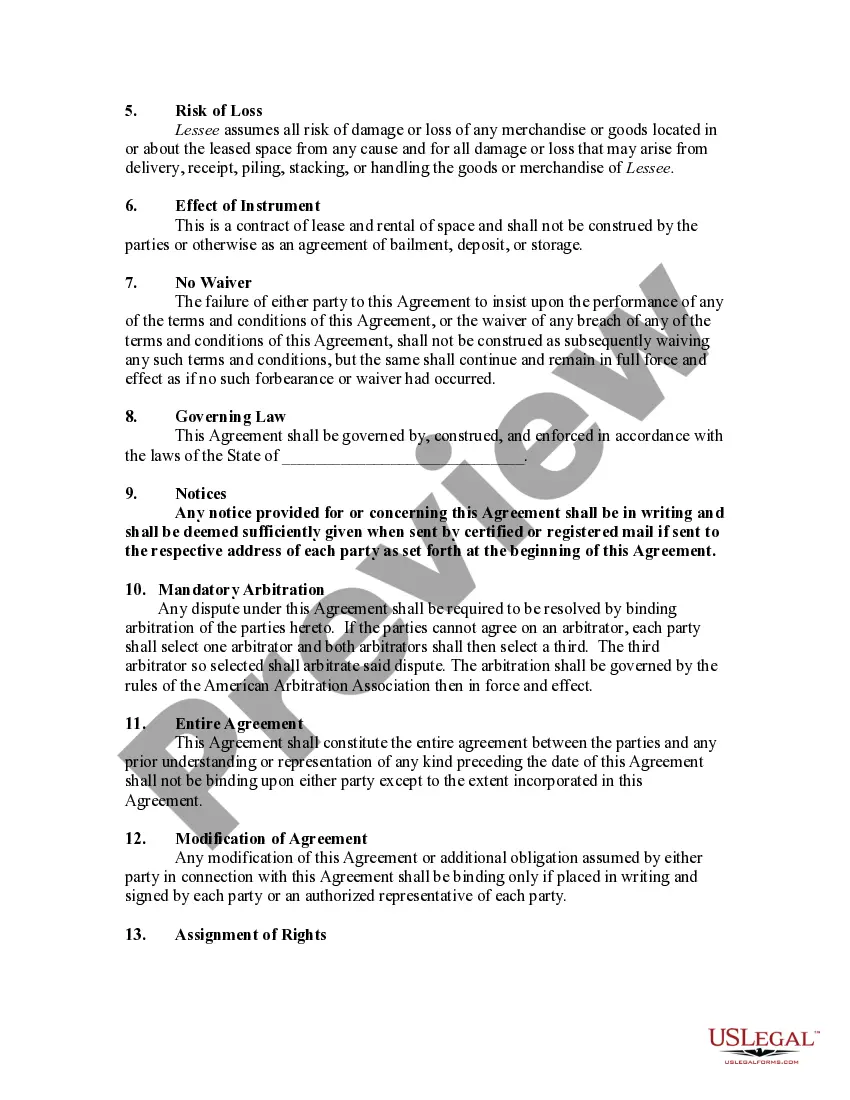
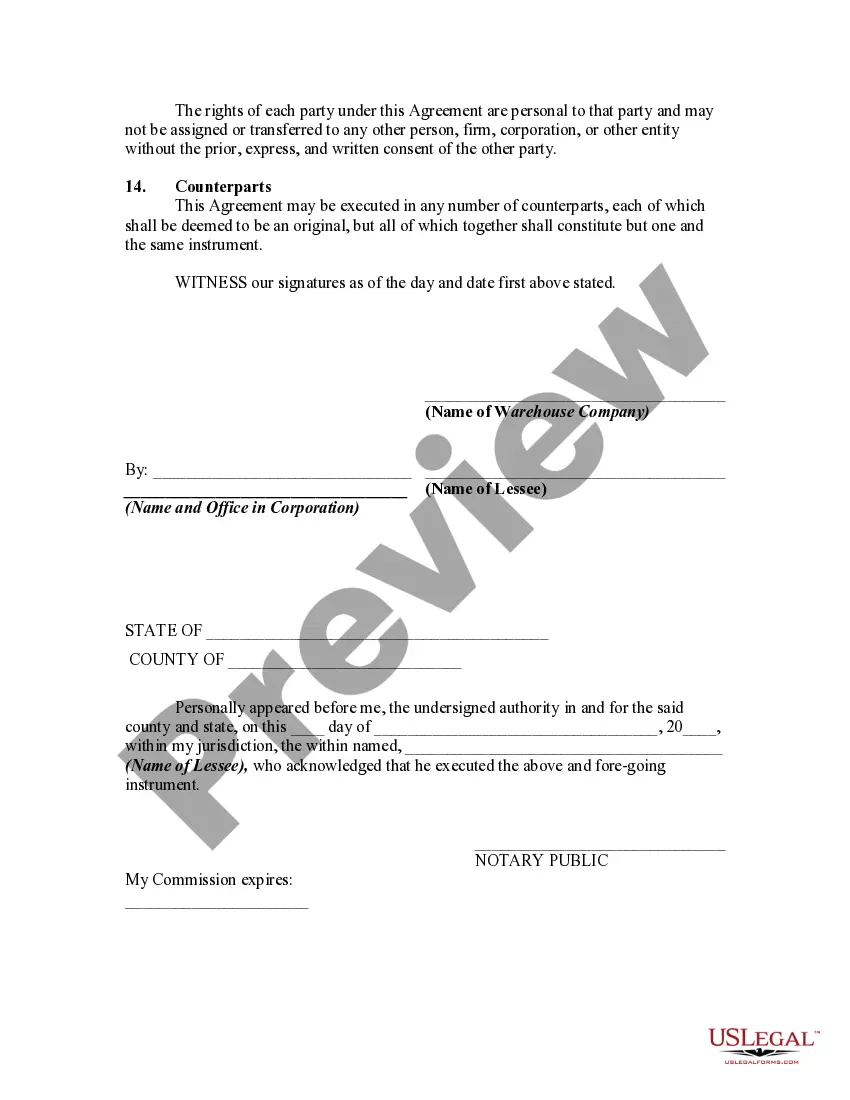
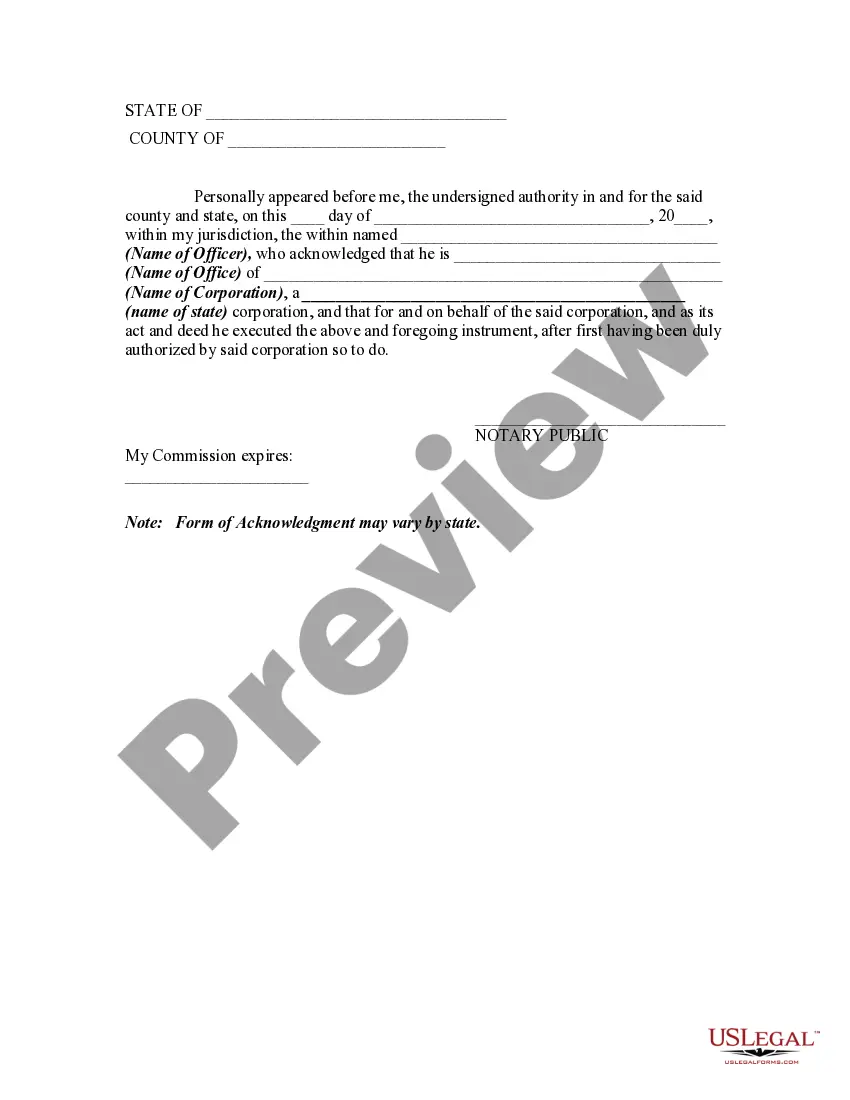
Description
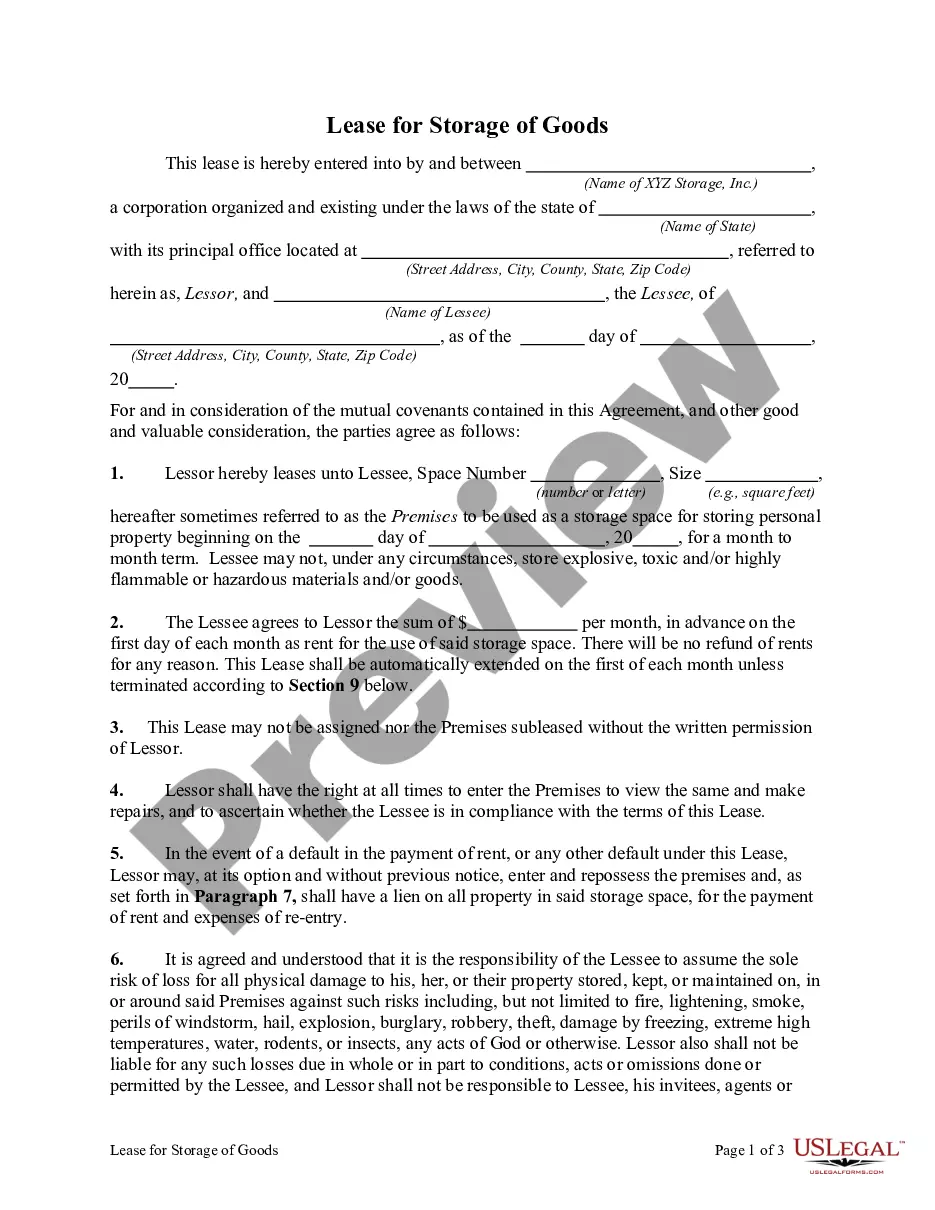
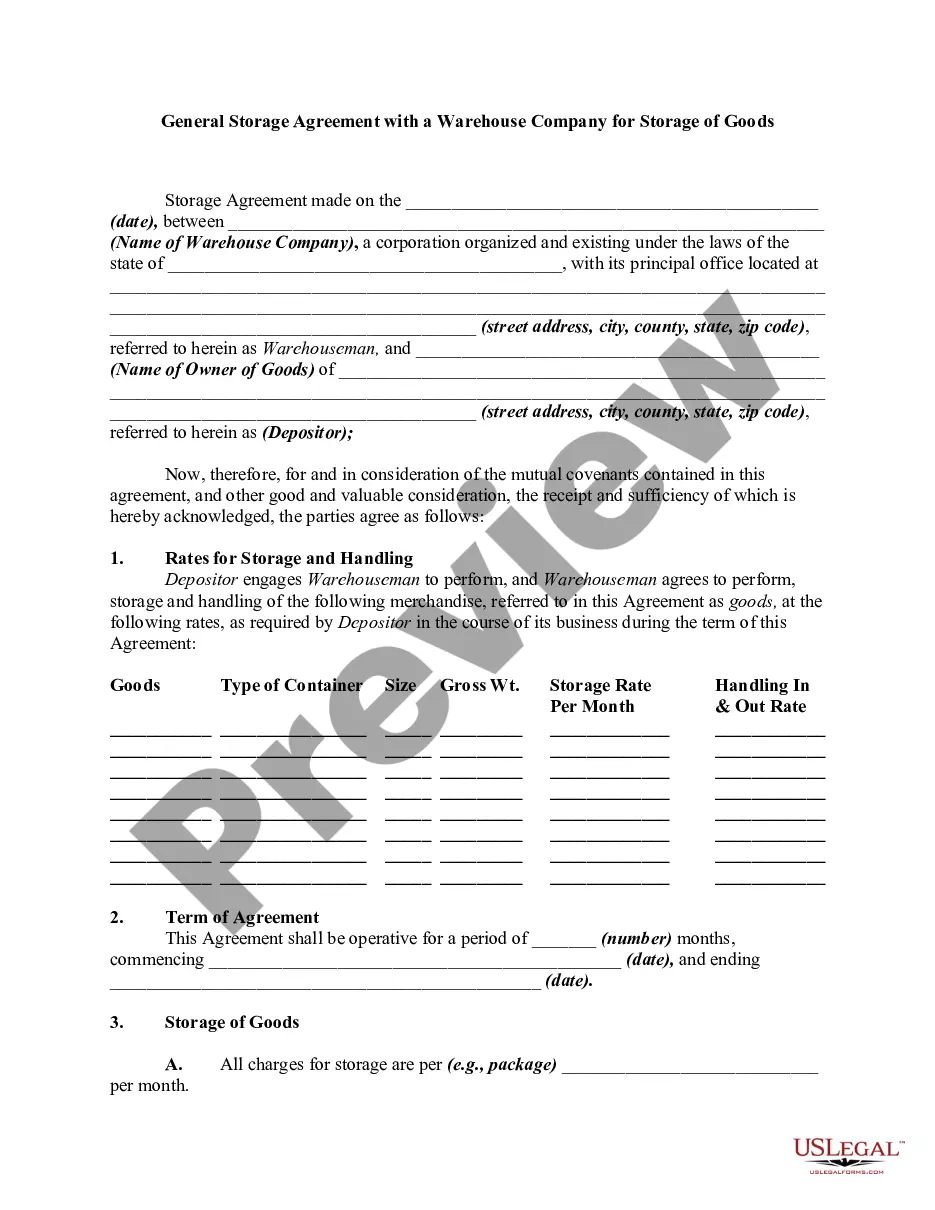
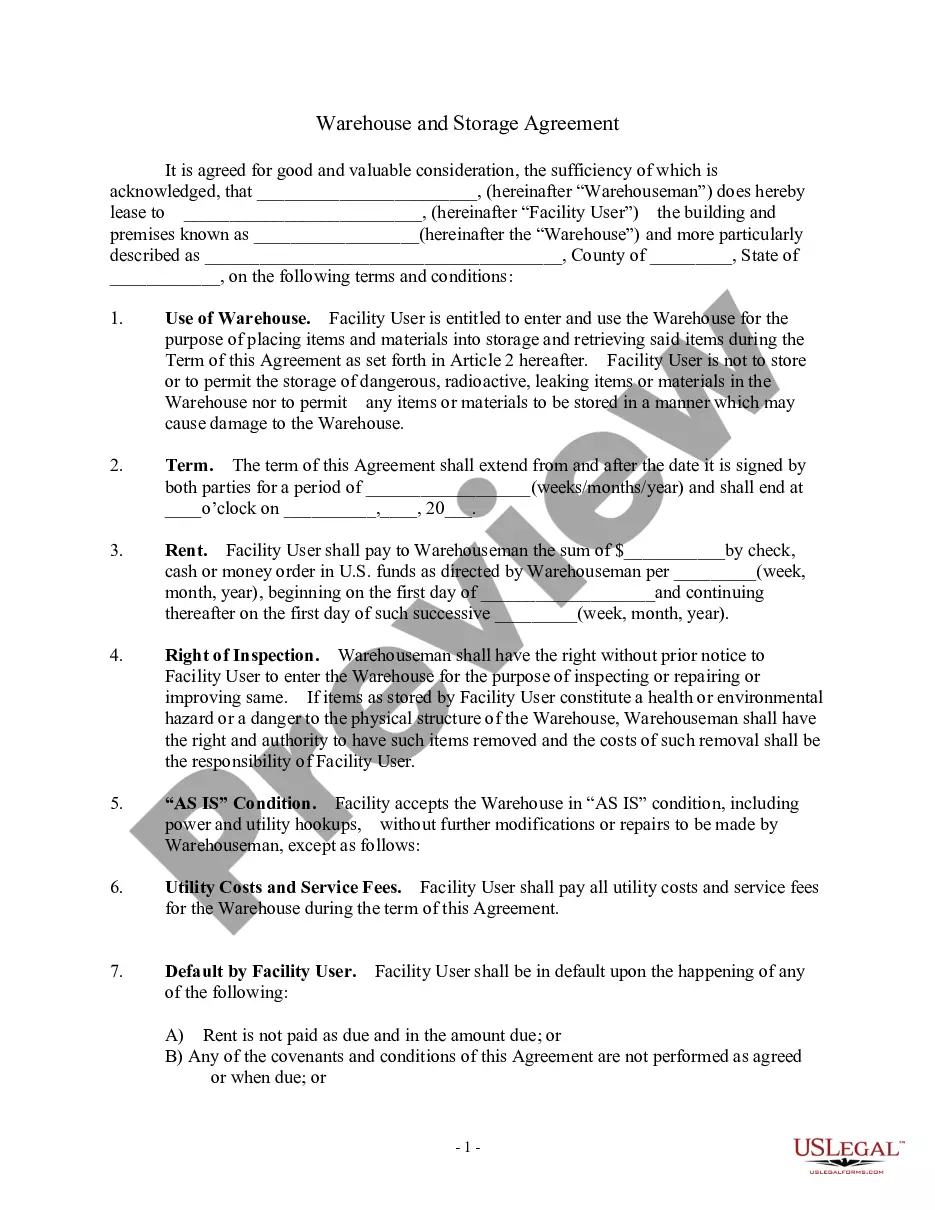
Get your form ready online
Our built-in tools help you complete, sign, share, and store your documents in one place.
Make edits, fill in missing information, and update formatting in US Legal Forms—just like you would in MS Word.
Download a copy, print it, send it by email, or mail it via USPS—whatever works best for your next step.
Sign and collect signatures with our SignNow integration. Send to multiple recipients, set reminders, and more. Go Premium to unlock E-Sign.
If this form requires notarization, complete it online through a secure video call—no need to meet a notary in person or wait for an appointment.
We protect your documents and personal data by following strict security and privacy standards.

Make edits, fill in missing information, and update formatting in US Legal Forms—just like you would in MS Word.

Download a copy, print it, send it by email, or mail it via USPS—whatever works best for your next step.

Sign and collect signatures with our SignNow integration. Send to multiple recipients, set reminders, and more. Go Premium to unlock E-Sign.

If this form requires notarization, complete it online through a secure video call—no need to meet a notary in person or wait for an appointment.

We protect your documents and personal data by following strict security and privacy standards.
Looking for another form?





How to fill out Lease Of Storage Space With Warehouse Company?
- Visit the US Legal Forms website and log into your account. If you're new, create an account to get started.
- Browse the extensive library and locate the storage agreement template that suits your needs.
- Review the form's preview mode and description to ensure it meets your legal requirements.
- If you don't find the right template, utilize the search functionality to find an alternative that fits your specifications.
- Select your document and click on the 'Buy Now' button to proceed.
- Choose your desired subscription plan and provide the necessary registration details.
- Complete your purchase using your preferred payment method, whether it’s a credit card or PayPal.
- Download the finalized storage agreement to your device and access it anytime through the 'My Forms' section.
With US Legal Forms, you gain access to a vast collection of legal documents accompanied by professional support, empowering you to create precise legal agreements with ease.
Start securing your possessions today by visiting US Legal Forms and taking advantage of their user-friendly service.
Form popularity
FAQ
In Illinois, storage units are regulated by specific laws that govern the storage agreement and the rights of both the tenant and the storage facility. The law outlines procedures for liens and auctions if payments remain unpaid. Familiarizing yourself with these regulations will help you understand your rights and responsibilities when renting a storage unit in Illinois.
You generally need a government-issued ID and proof of your current address to rent a storage unit. The storage agreement will also require your signature, confirming your understanding of the rental terms. Having these documents prepared in advance can streamline your rental process and set clear expectations.
To rent a storage unit, you typically need to provide a form of identification, proof of residency, and a payment method. Some facilities may also require a signed storage agreement that outlines the terms and conditions. Be sure to check with the specific storage provider, as requirements can vary.
Before renting a storage unit, inquire about the terms of the storage agreement, including rental rates, payment schedules, and any additional fees. You should also ask about security measures, access hours, and insurance options. These questions ensure you fully understand all aspects of your potential rental and help avoid unpleasant surprises.
Many storage facilities do not require a credit check to rent a storage unit. Instead, they often focus on the storage agreement and your rental history. However, some premium facilities may conduct a credit check to ensure a reliable payment history. It is always best to ask about this requirement before signing any agreements.
A storage agreement is a legal document outlining the terms and conditions between you and the storage facility. This agreement details aspects such as rental duration, payment terms, and restrictions on use. Understanding your storage agreement is essential for ensuring compliance and protecting your rights. If you have questions or need assistance, platforms like US Legal Forms can provide valuable resources to help you navigate these agreements.
While working out of a storage unit is often feasible, legalities depend on local zoning laws and the facility's rules. Some may allow storage units for work activities, while others may not permit anything beyond storage. A thorough understanding of your storage agreement is crucial. Always confirm with your storage provider to ensure you stay compliant.
Using a storage unit as your business address can be tricky. Many local jurisdictions require a physical business address for licenses and permits. Additionally, storage facilities often prohibit using their location as a registered business address. Always check the details of your storage agreement and consult local business regulations before making this decision.
Yes, you can run an online business from a storage unit, provided you adhere to local regulations and the terms of your rental agreement. This setup can be beneficial for storing inventory or equipment without the overhead of a traditional office space. To ensure compliance, always review your storage agreement for any restrictions on commercial usage. Be proactive and clarify your needs with the storage provider.
Running a business out of a storage unit is not inherently illegal; however, there are regulations to consider. Many storage facilities have policies against this practice, and local laws may prohibit it as well. Therefore, it’s vital to consult your lease agreement and speak with facility management before proceeding. A well-drafted storage agreement can help clarify these terms.