Lease Space For Cafe
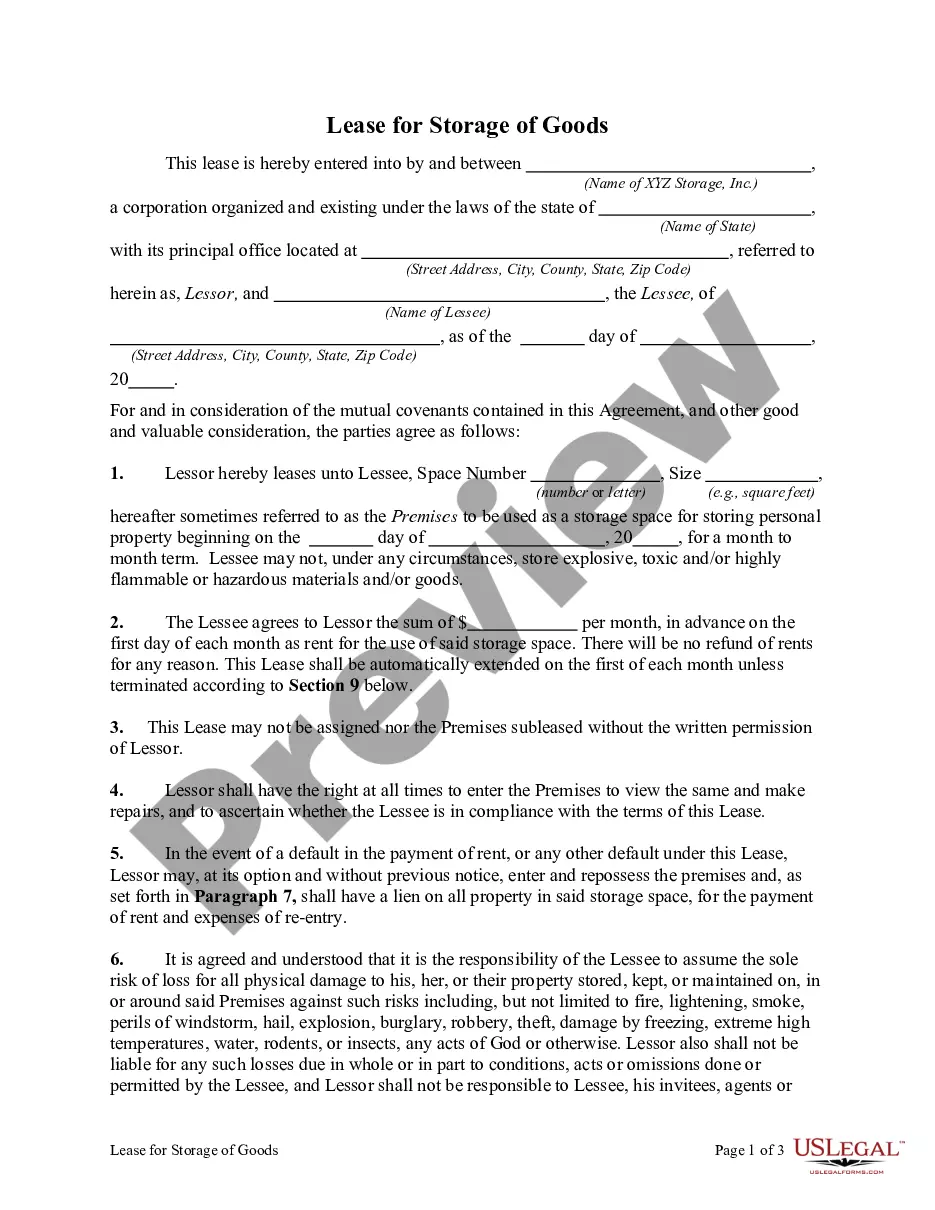
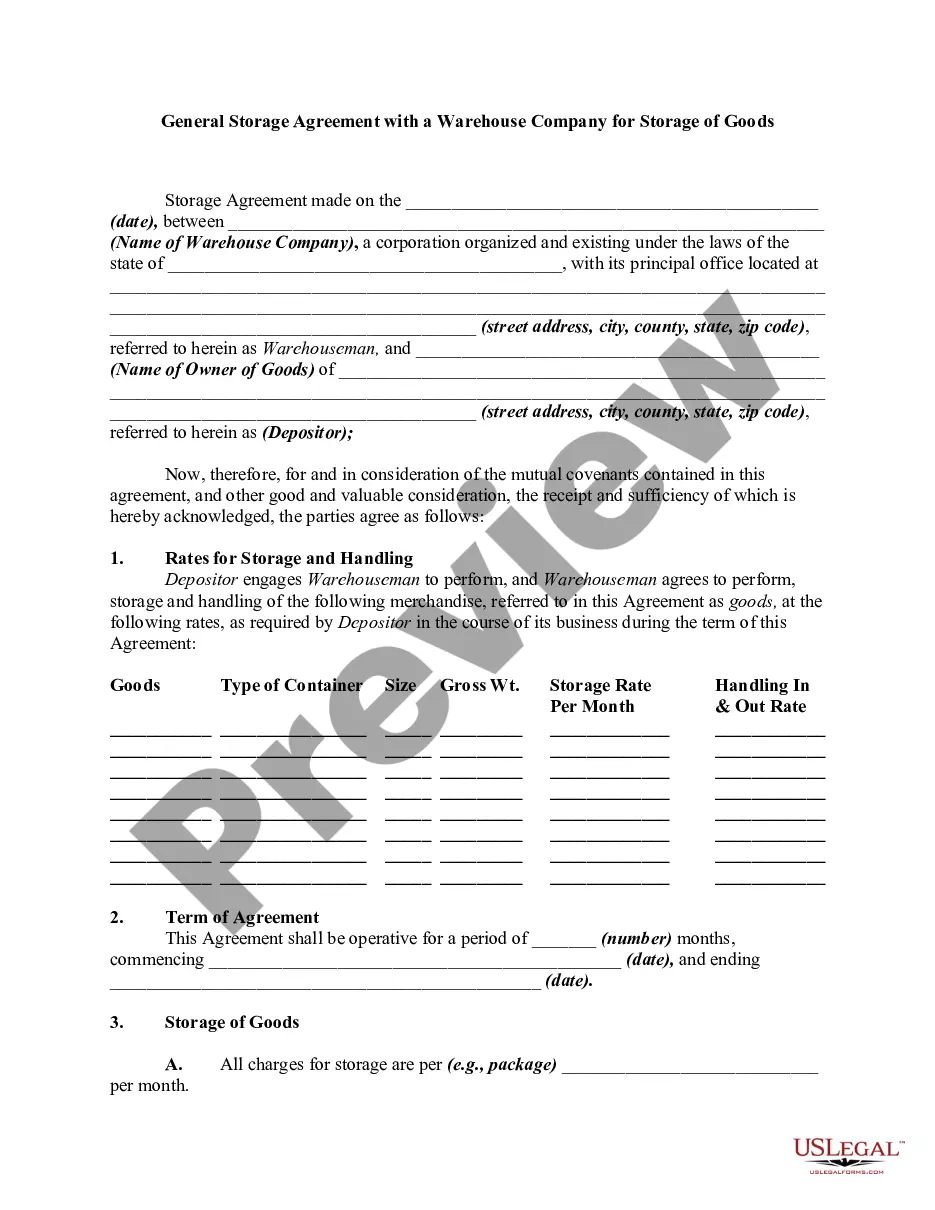
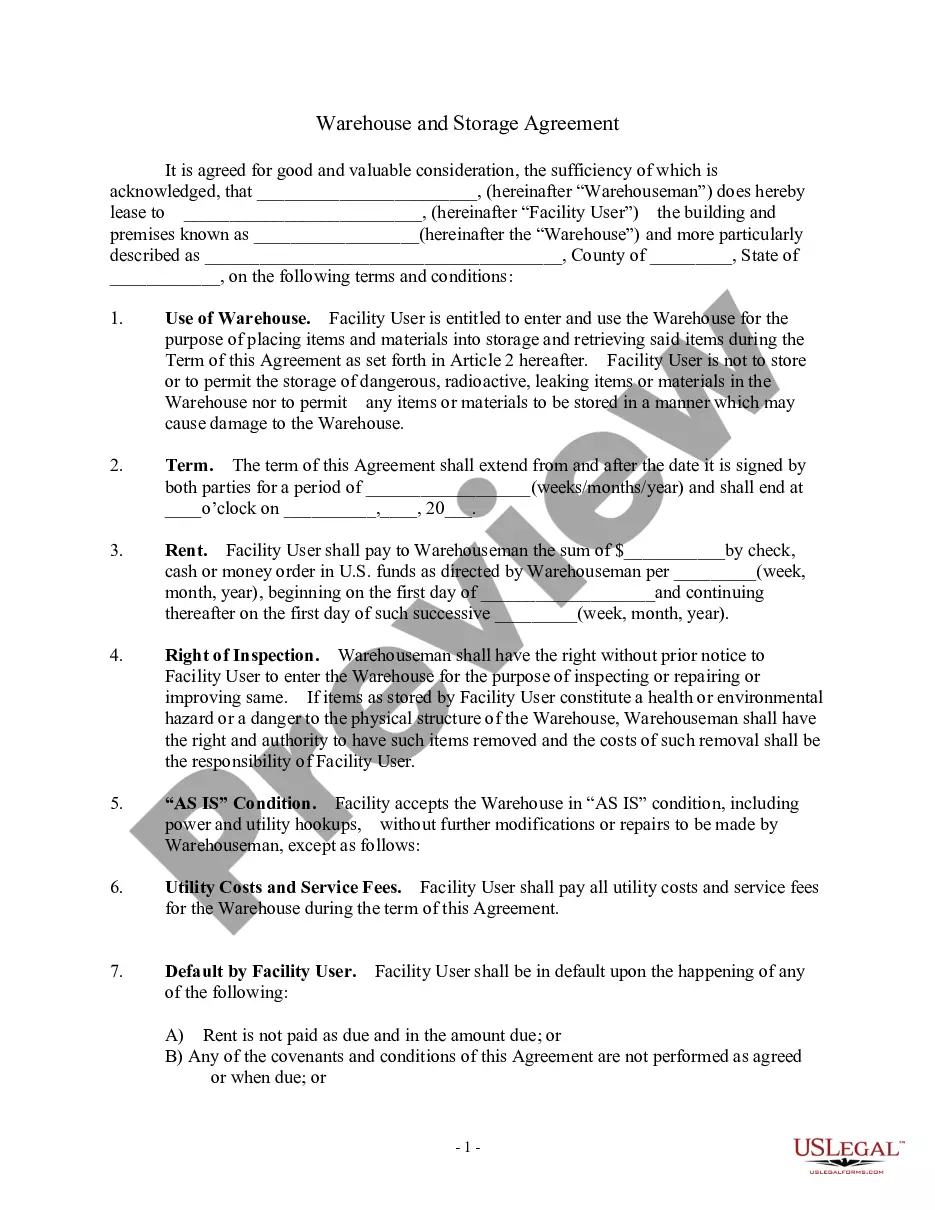
Description
Get your form ready online
Our built-in tools help you complete, sign, share, and store your documents in one place.
Make edits, fill in missing information, and update formatting in US Legal Forms—just like you would in MS Word.
Download a copy, print it, send it by email, or mail it via USPS—whatever works best for your next step.
Sign and collect signatures with our SignNow integration. Send to multiple recipients, set reminders, and more. Go Premium to unlock E-Sign.
If this form requires notarization, complete it online through a secure video call—no need to meet a notary in person or wait for an appointment.
We protect your documents and personal data by following strict security and privacy standards.

Make edits, fill in missing information, and update formatting in US Legal Forms—just like you would in MS Word.

Download a copy, print it, send it by email, or mail it via USPS—whatever works best for your next step.

Sign and collect signatures with our SignNow integration. Send to multiple recipients, set reminders, and more. Go Premium to unlock E-Sign.

If this form requires notarization, complete it online through a secure video call—no need to meet a notary in person or wait for an appointment.

We protect your documents and personal data by following strict security and privacy standards.
Looking for another form?






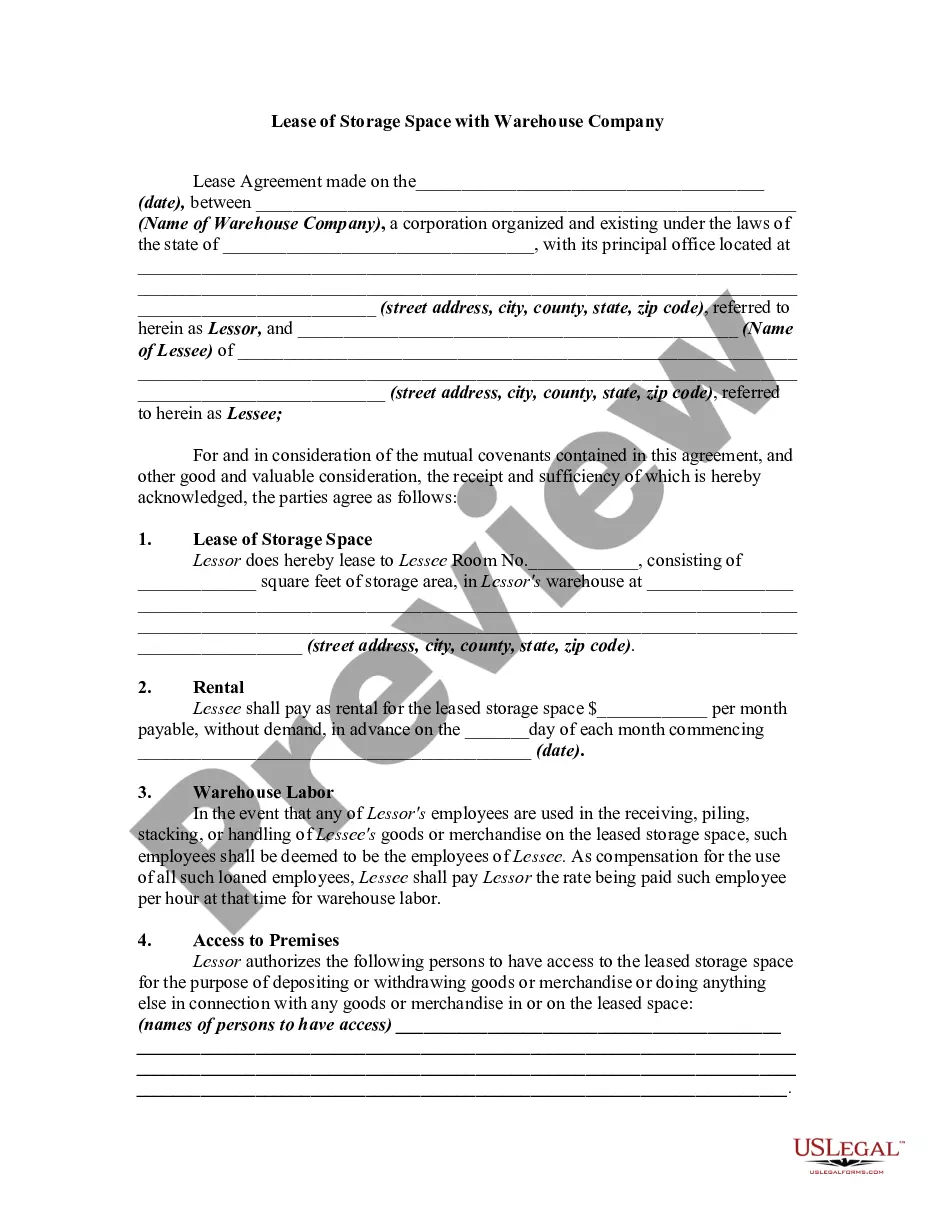
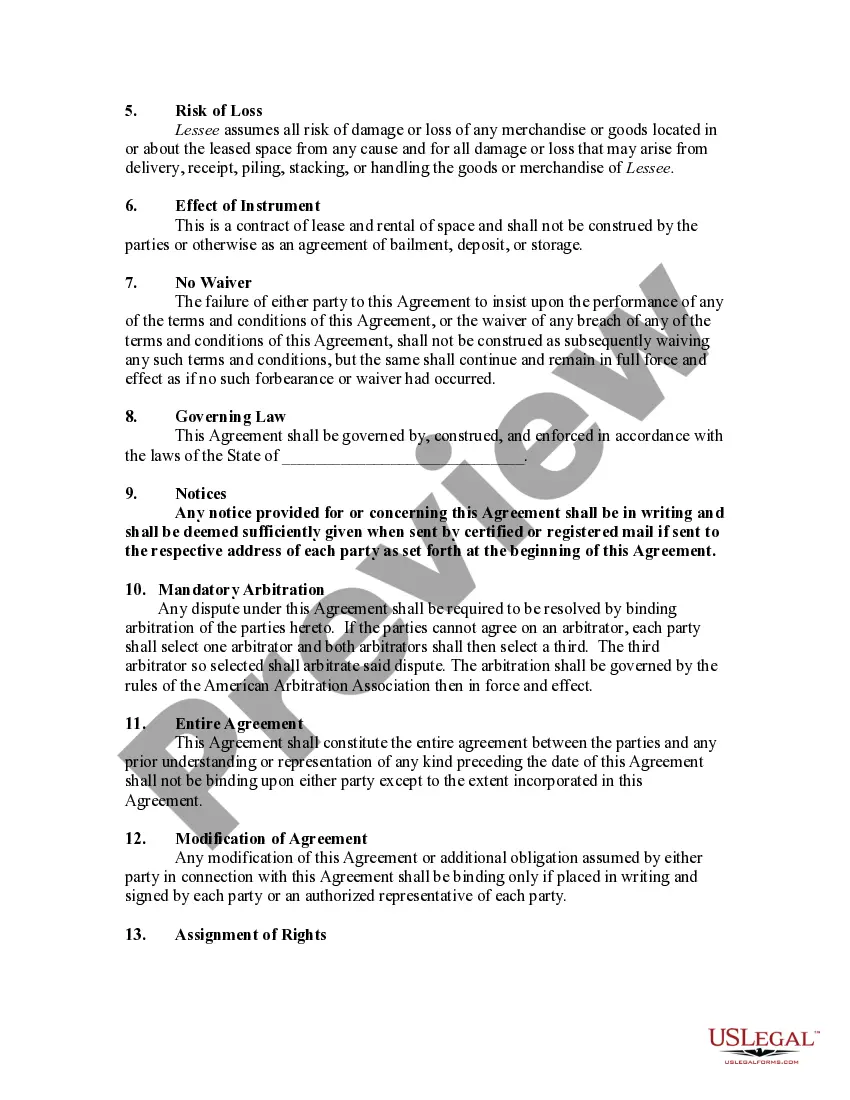
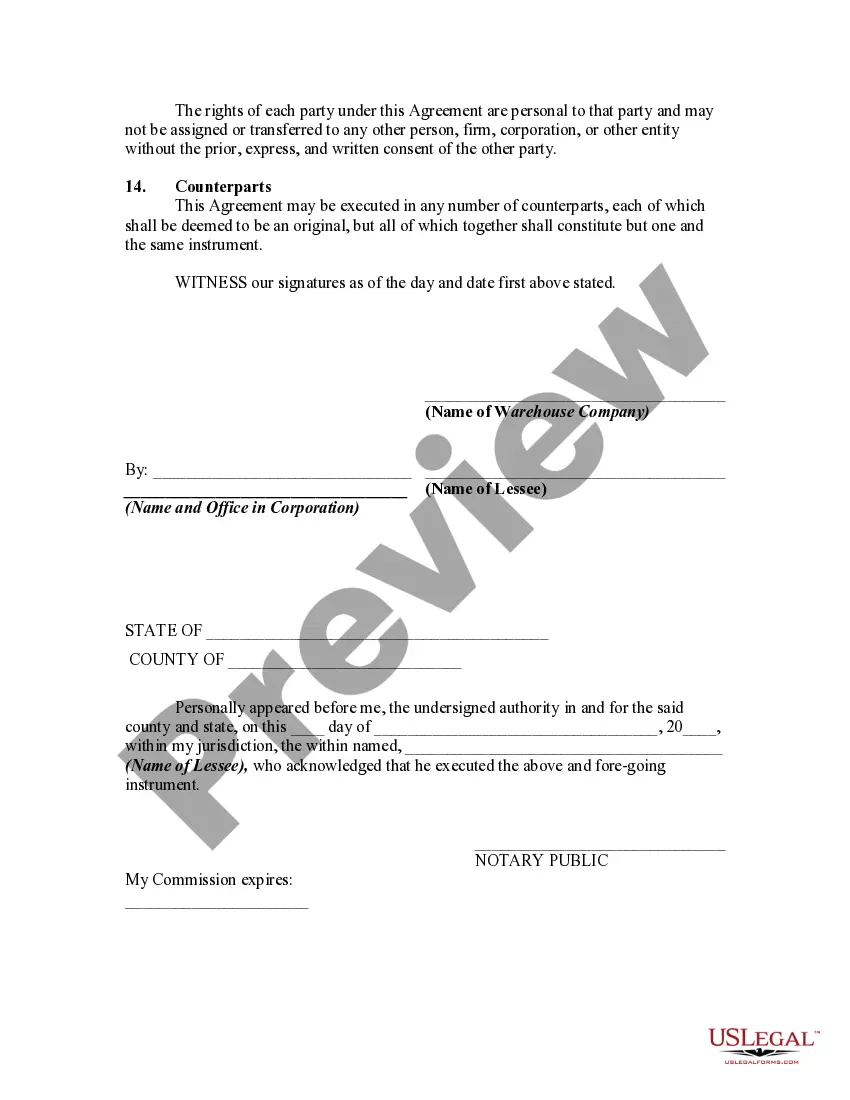
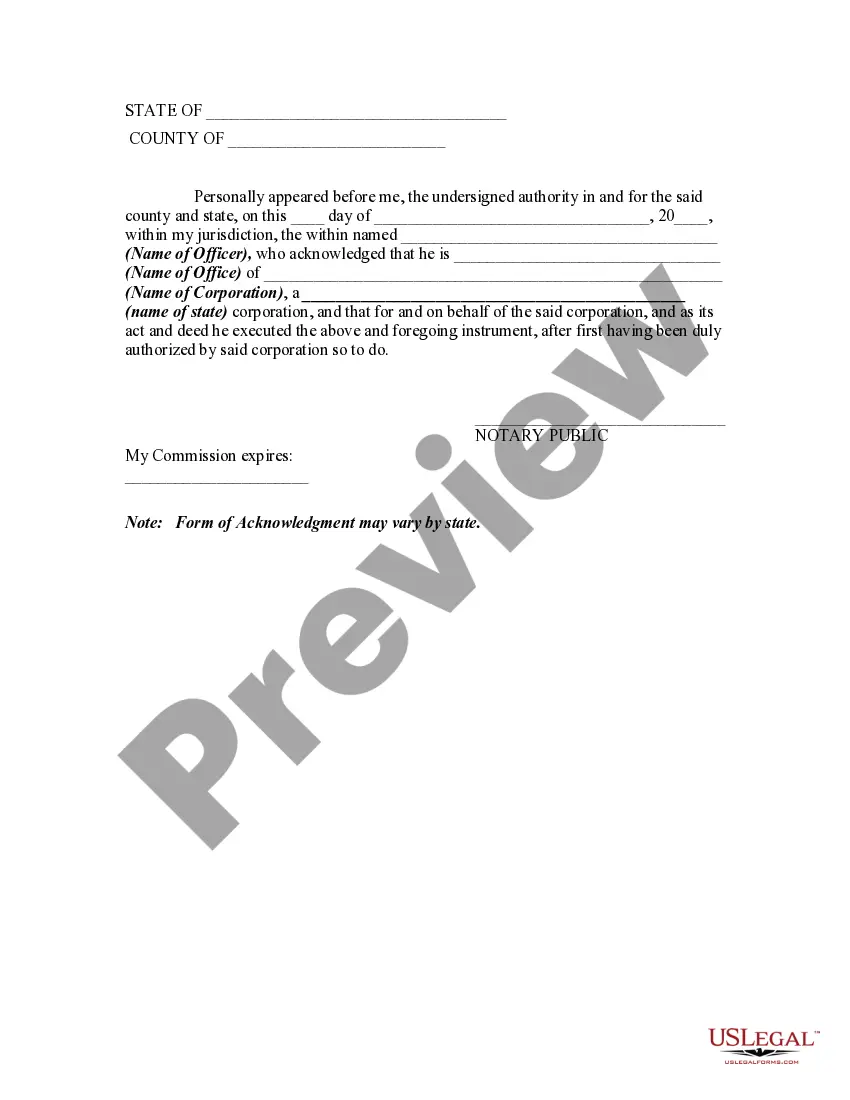
How to fill out Lease Of Storage Space With Warehouse Company?
- Log in to your US Legal Forms account if you're a returning customer and download the form template you need by clicking the Download button.
- Verify your subscription status before proceeding. If it's expired, renew it following your payment plan.
- For first-time users, start by browsing the Preview mode and form descriptions to select the most suitable document that meets your local jurisdiction requirements.
- If you find any inconsistencies, use the Search feature to locate the correct template and ensure it matches your needs.
- Click on the Buy Now button and choose your preferred subscription plan. You'll need to create an account to access the forms.
- Complete your purchase by entering your credit card information or using your PayPal account.
- Download your chosen form and save it on your device. You'll also find it accessible anytime in the My Forms section of your profile.
In conclusion, using US Legal Forms simplifies the task of leasing space for your cafe. With a robust collection of forms and professional support, you can ensure your documents are both precise and legally compliant.
Start your journey towards leasing that perfect cafe space today by visiting US Legal Forms!
Form popularity
FAQ
When considering how much to lease space for a cafe, several factors come into play. Typically, rent prices vary based on location, size, and the existing infrastructure of the space. Additionally, local market demand and lease duration can influence overall costs. To find a competitive rate, it’s best to research similar cafes in your desired area and consult professionals, such as those at US Legal Forms, who can guide you through the lease process.
A leasehold cafe is a cafe that operates under a lease agreement for its premises rather than owning the property. This arrangement allows you to run your business in a favorable location without the high costs of purchasing real estate. When considering to lease space for a cafe, leasehold arrangements can provide flexibility and lower initial investments. It's important to understand the terms of such leases to ensure a successful operation.
To lease a commercial space, you usually need a business plan, financial statements, and personal credit information. Additionally, landlords often require a security deposit and first month’s rent upfront. When you lease space for a cafe, preparing all necessary documents is crucial to demonstrate your viability as a tenant. A thorough application can increase your chances of securing the desired location.
The best lease type for commercial property often depends on your business needs. Generally, a triple net lease may be ideal for cafes, as tenants typically cover property taxes, insurance, and maintenance costs. This type of lease allows for more control over the space you lease, which is crucial when you want to lease space for a cafe. Considering your financial situation and business model is vital when evaluating lease options.
The minimum term for a commercial lease typically starts at one year, but it can vary based on specific agreements between the parties involved. When you choose to lease space for a cafe, consider that longer terms often provide stability for business operations. Additionally, landlords usually prefer longer leases to ensure their income. Always review lease terms carefully to understand your commitments.
The ideal lease type for a restaurant frequently depends on your specific circumstances and business goals. A gross lease might suit a startup cafe looking for consistent budgeting, while an experienced restaurant might prefer a net lease for lower base rent. Each option has unique advantages, so consider how they align with your vision as you lease space for a cafe.
The best ownership structure for a restaurant often combines simplicity and liability protection. Many owners choose an LLC, which helps separate personal and business assets while providing management flexibility. This structure can also enhance your credibility with landlords when you lease space for a cafe. Consulting with a legal expert can help you make the right choice.
The best type of commercial lease often depends on your business model and financial considerations. A gross lease provides simplicity, with one fixed rent amount covering most expenses. On the other hand, a net lease can offer lower base rent but may require you to handle additional costs. Evaluate the pros and cons carefully based on how you plan to lease space for a cafe.
Leasing a restaurant can be a beneficial decision for many entrepreneurs. It allows you to establish your cafe without the heavy financial burden of purchasing property. Plus, it offers flexibility to change locations as your business evolves. Ultimately, it opens doors to opportunities in the dynamic food industry while minimizing risk.
Most restaurants operate under a commercial lease, which can be either a gross lease or a net lease. A gross lease covers most costs, while a net lease allows the landlord to pass on expenses like property taxes and repairs. Understanding these options helps you choose wisely when you lease space for a cafe, ensuring it fits your budget and operational needs.