Writ Of Garnishment Florida
Description
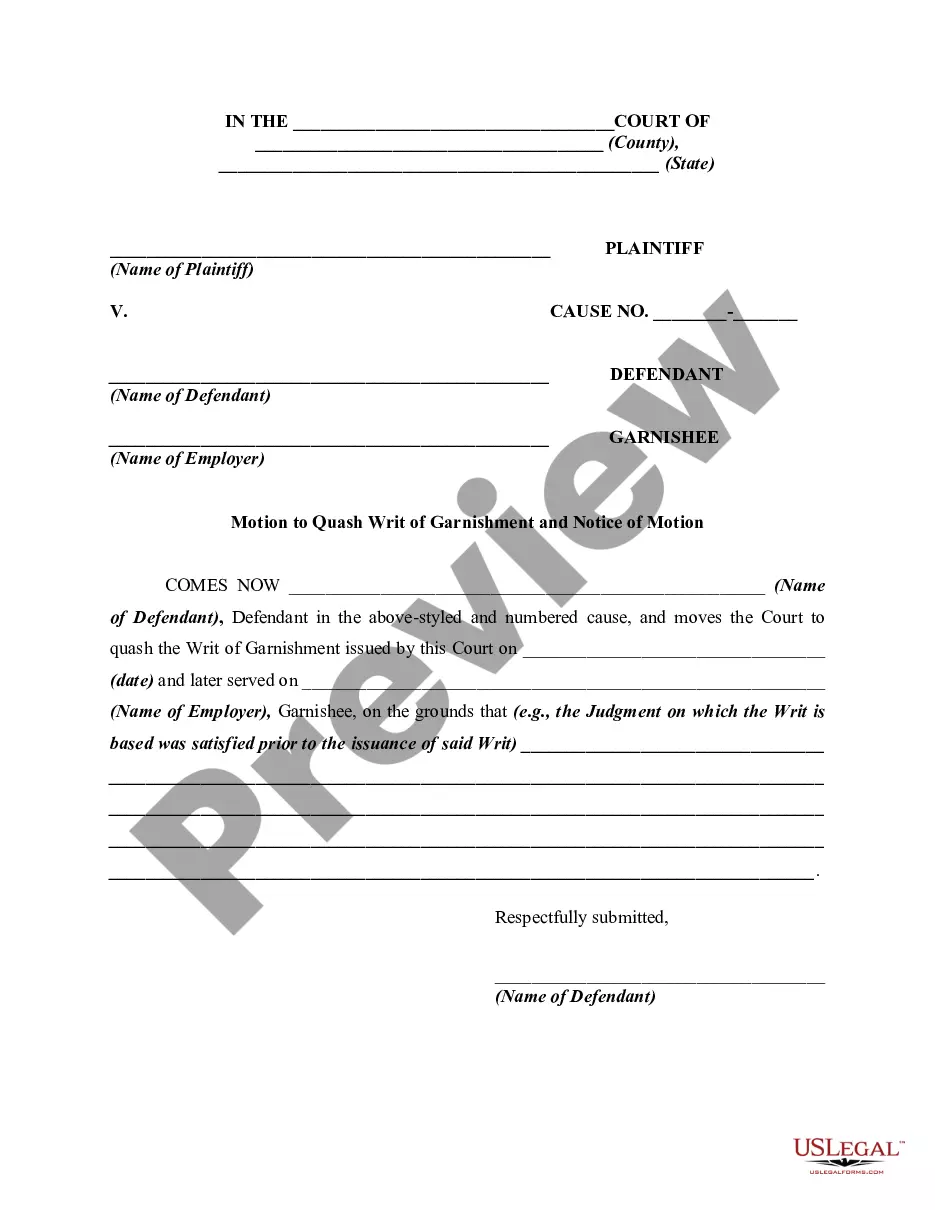
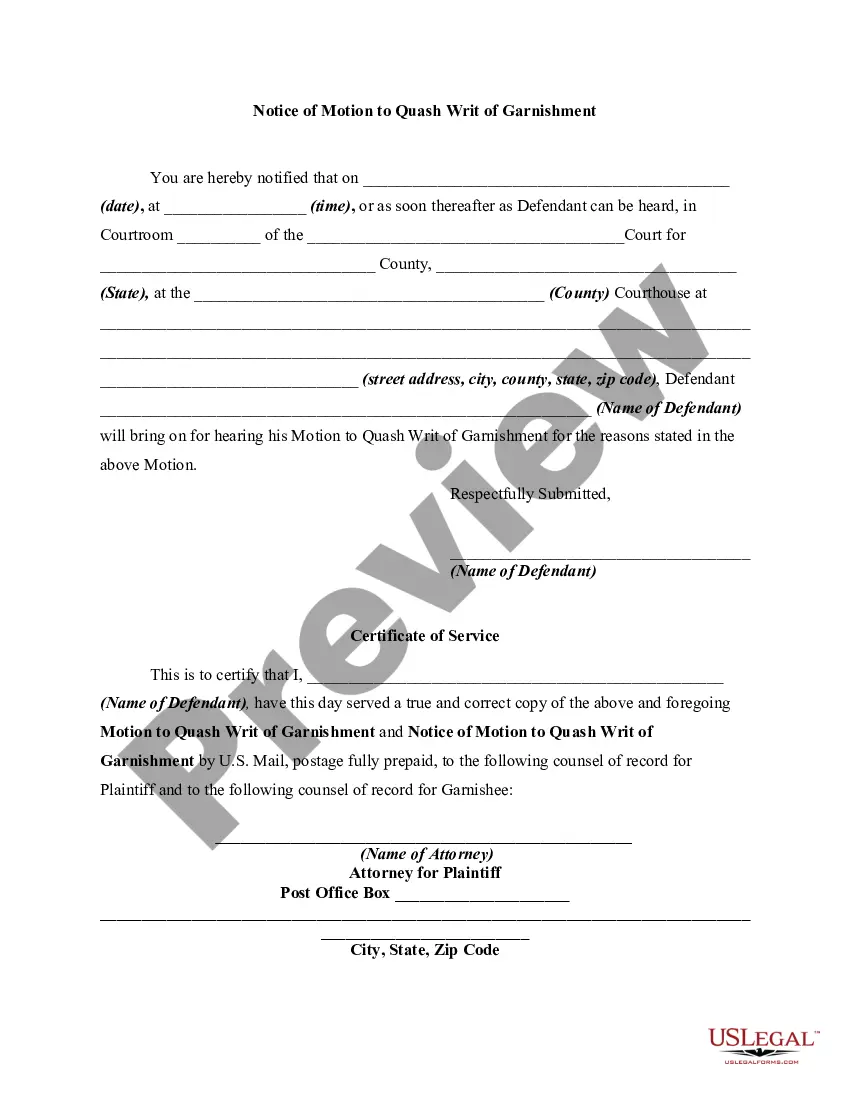
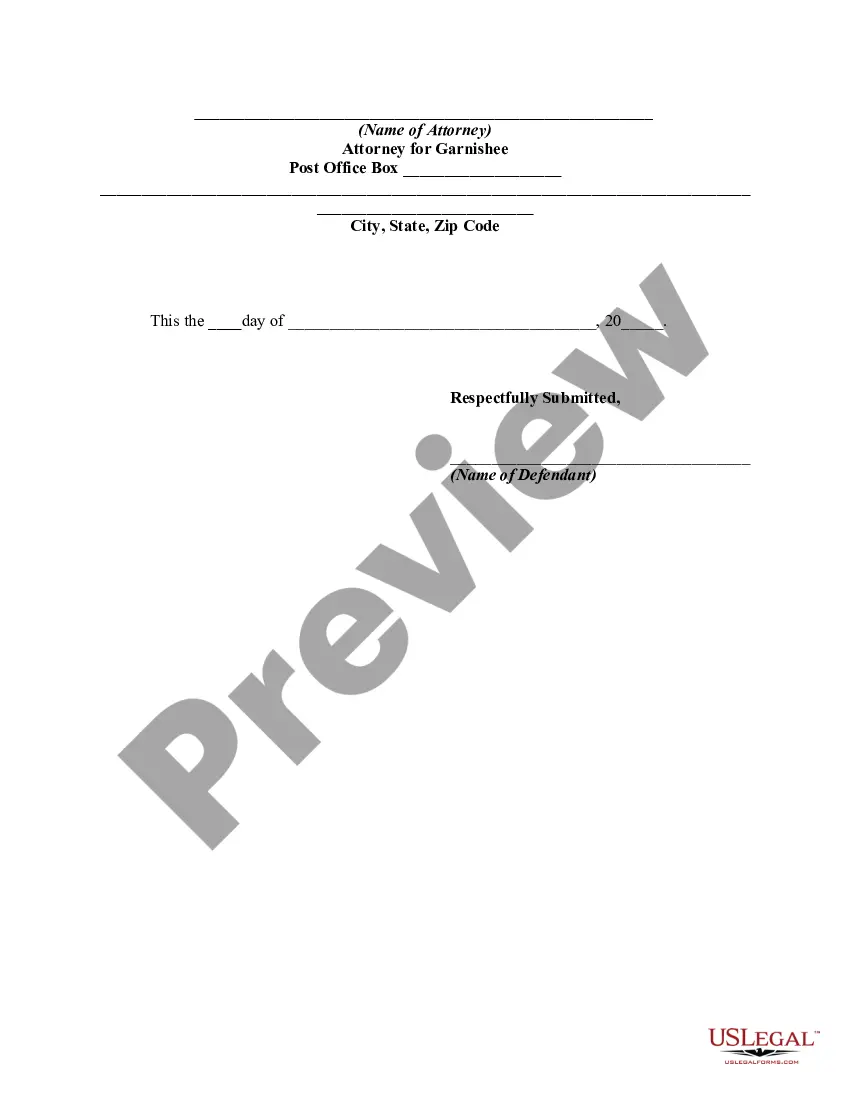
Get your form ready online
Our built-in tools help you complete, sign, share, and store your documents in one place.
Make edits, fill in missing information, and update formatting in US Legal Forms—just like you would in MS Word.
Download a copy, print it, send it by email, or mail it via USPS—whatever works best for your next step.
Sign and collect signatures with our SignNow integration. Send to multiple recipients, set reminders, and more. Go Premium to unlock E-Sign.
If this form requires notarization, complete it online through a secure video call—no need to meet a notary in person or wait for an appointment.
We protect your documents and personal data by following strict security and privacy standards.

Make edits, fill in missing information, and update formatting in US Legal Forms—just like you would in MS Word.

Download a copy, print it, send it by email, or mail it via USPS—whatever works best for your next step.

Sign and collect signatures with our SignNow integration. Send to multiple recipients, set reminders, and more. Go Premium to unlock E-Sign.

If this form requires notarization, complete it online through a secure video call—no need to meet a notary in person or wait for an appointment.

We protect your documents and personal data by following strict security and privacy standards.
Looking for another form?







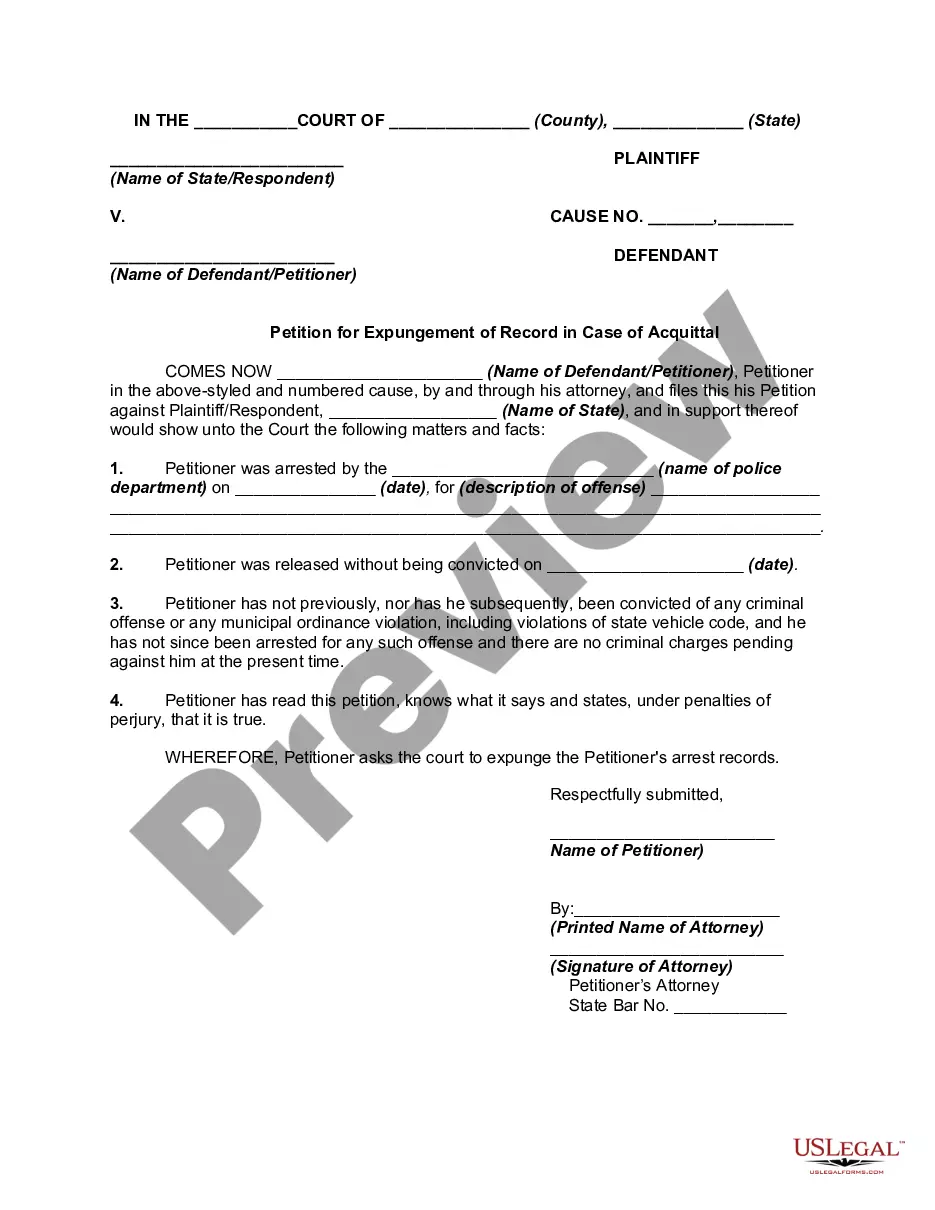
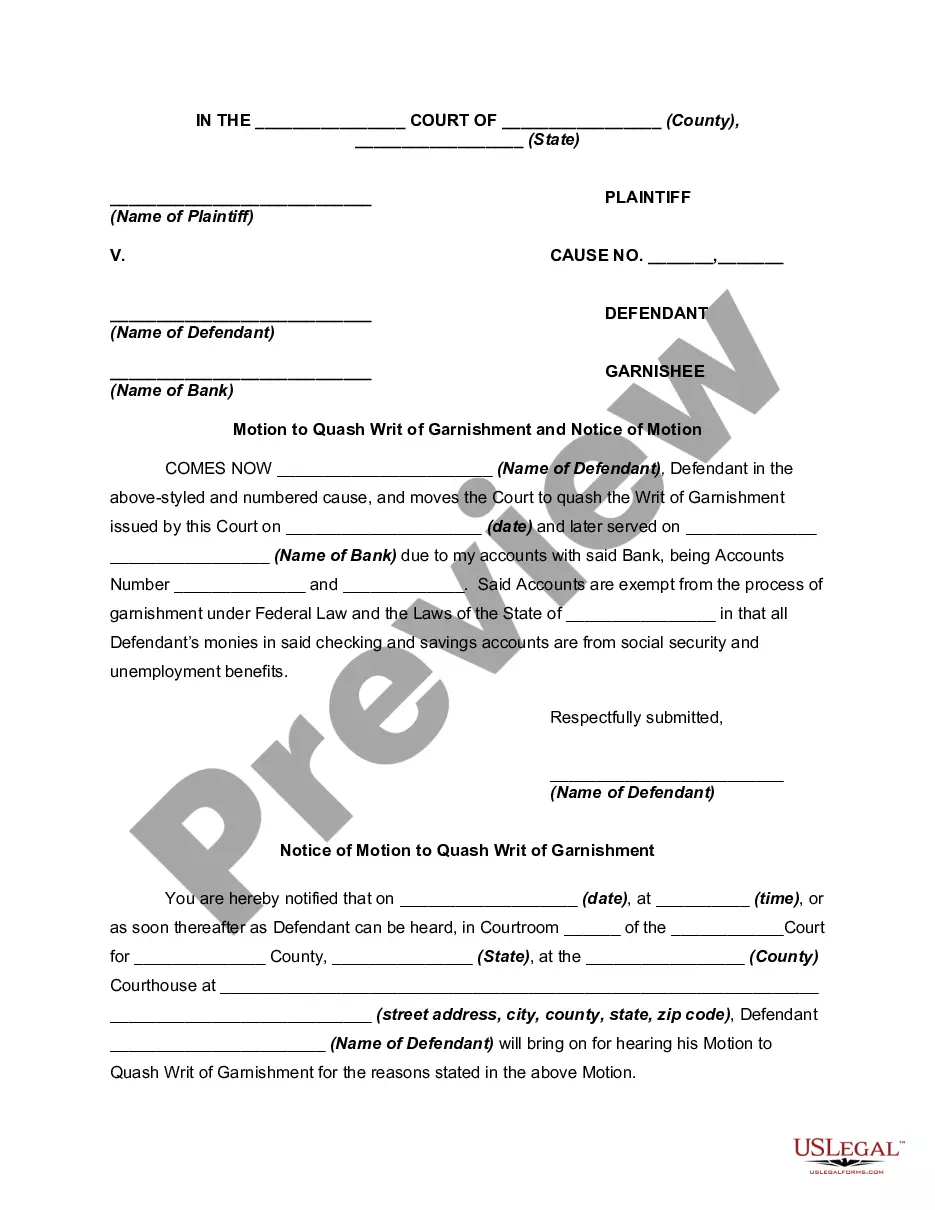
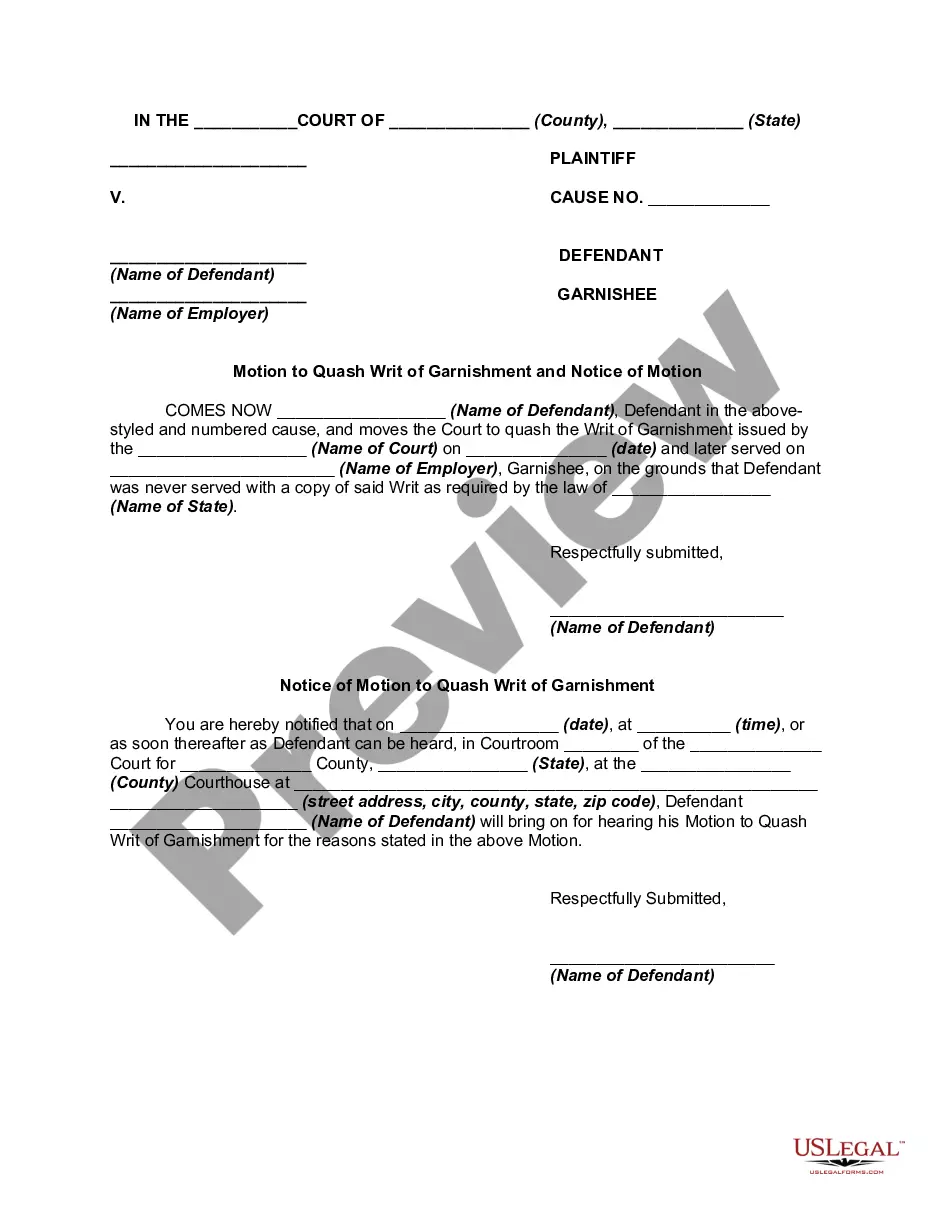
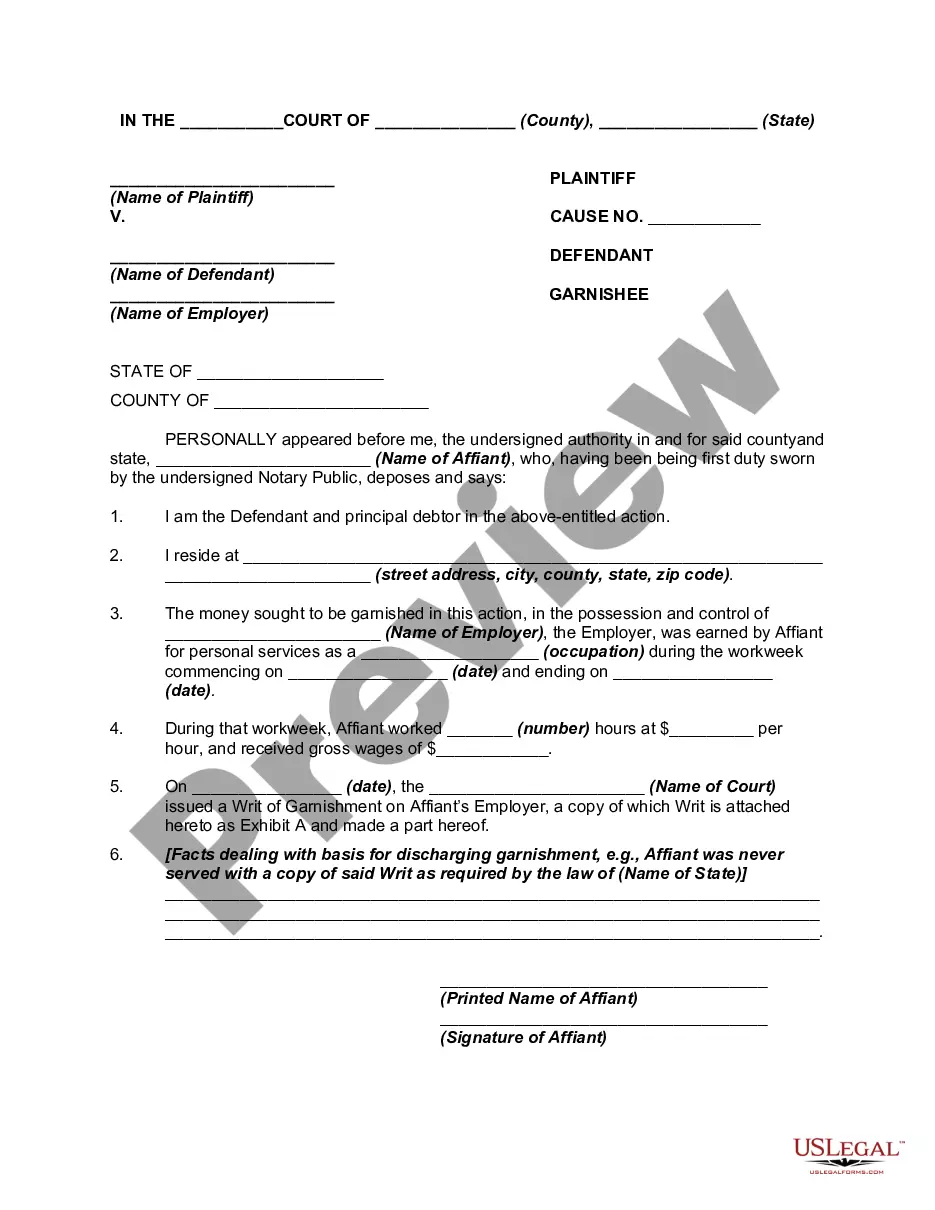
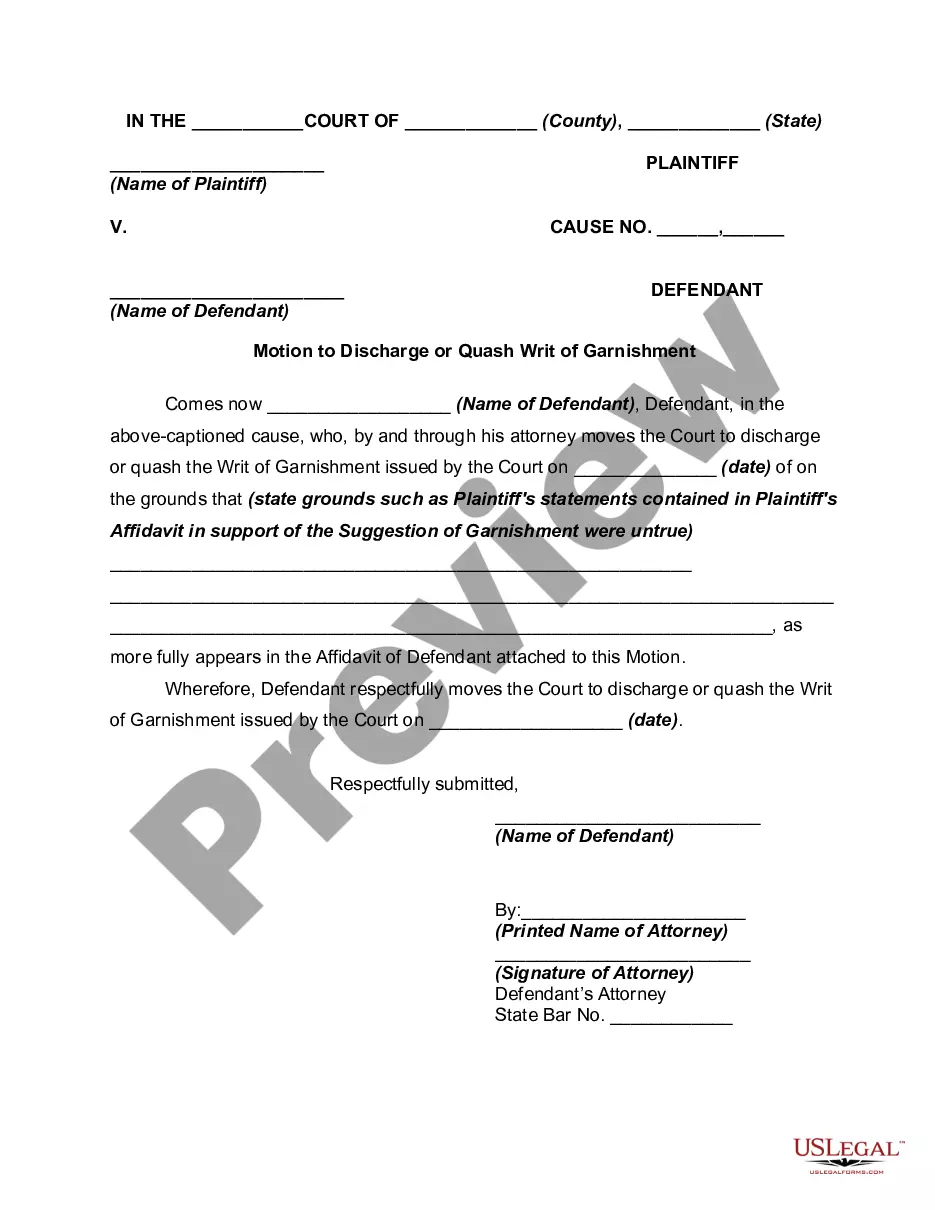
How to fill out Motion Of Defendant To Discharge Or Quash Writ Of Garnishment And Notice Of Motion?
- If you're an existing user, log in to your account and select the writ of garnishment form. Ensure your subscription is current; if not, renew it as per your plan.
- For first-time users, start by browsing the document library. Preview the form and read its description to confirm it meets your specific needs and complies with Florida jurisdiction.
- If the form isn’t quite right, utilize the Search tab to explore other templates until you find a suitable option.
- To proceed with your chosen document, click on the 'Buy Now' button, then select your desired subscription plan and create an account to access all resources.
- Complete your purchase by entering your payment details or using PayPal. Make sure to keep a record of your transaction.
- Once payment is confirmed, download your form directly to your device and access it anytime from the My Forms section of your profile.
In conclusion, utilizing US Legal Forms for a writ of garnishment in Florida simplifies the process of obtaining essential legal documents. Their extensive library and expert support ensure you have the right tools to succeed.
Don’t hesitate, start your journey today and empower yourself with the legal forms you need!
Form popularity
FAQ
The time it takes for a writ of garnishment to take effect in Florida can vary. After you file the writ, it generally takes a few days for the court to process it and issue the garnishment order. Once issued, the garnishee is usually given a specific time frame to comply with the writ. By utilizing uslegalforms, you can expedite your filing process and receive guidance to minimize delays.
Filing a writ of garnishment in Florida begins with ensuring that you have a valid judgment against the debtor. Next, fill out the appropriate forms, including the motion for writ of garnishment, and submit them to the court clerk. After filing, the court will issue the writ, which you must then serve on the garnishee. Uslegalforms offers resources and templates that simplify this process and help ensure you meet all legal requirements.
Garnishment rules in Florida dictate the legal processes for collecting debts through garnishing a debtor's wages or bank accounts. Creditors must follow specific procedures, such as filing a writ of garnishment and serving the garnishee with the writ. Debtors have rights, including the ability to contest the garnishment. Familiarize yourself with these rules to ensure you comply fully when pursuing a writ of garnishment in Florida.
To secure a Writ of Execution in Florida, you must first obtain a judgment from the court. After receiving your judgment, file an application for the writ with the clerk of court, accompanied by the judgment documentation. This writ allows you to enforce the judgment by seizing the debtor's property or funds. Using uslegalforms can help you navigate this process and ensure compliance with all legal requirements.
Yes, a writ of garnishment does expire in Florida after 120 days if the creditor has not taken action to enforce it. Creditors may choose to renew the garnishment if collection efforts are still necessary. Being aware of these timelines can help you make informed financial decisions. Legal resources like uslegalforms can assist you in understanding these nuances.
In Florida, a creditor generally has 20 years to collect on a judgment. This period starts from the date the judgment was entered by the court. During this time, creditors may utilize various methods, including a writ of garnishment, to recover the debt. It's wise to seek legal advice to explore your options and protect your rights.
A writ of garnishment in Florida usually lasts for 120 days from its issuance date. If the creditor has not completed their collection actions by that time, they may need to request a renewal. Keep in mind that ongoing legal procedures can extend this duration if the court allows. Always check with legal experts to ensure you understand your situation clearly.
Filling out a challenge to a writ of garnishment in Florida involves understanding the specific form required by the court. First, you should provide your personal information and details of the garnishment. Next, clearly state your reasons for the challenge and include all necessary evidence or documentation. Platforms like uslegalforms can offer templates and instructions, making this process easier for you.
In Florida, a writ of garnishment typically remains valid for 120 days from the date it is issued. If the creditor does not act within this period, the writ of garnishment will expire. However, it's essential to understand that creditors can renew the writ if necessary. Using a legal service can ensure you have proper guidance throughout this process.
The time frame for a sheriff to serve a writ of possession in Florida can vary. Generally, service can take anywhere from a few days to a couple of weeks, depending on the sheriff's department and their workload. For faster and more efficient service, consider utilizing USLegalForms to prepare your documents correctly and follow the required procedures.