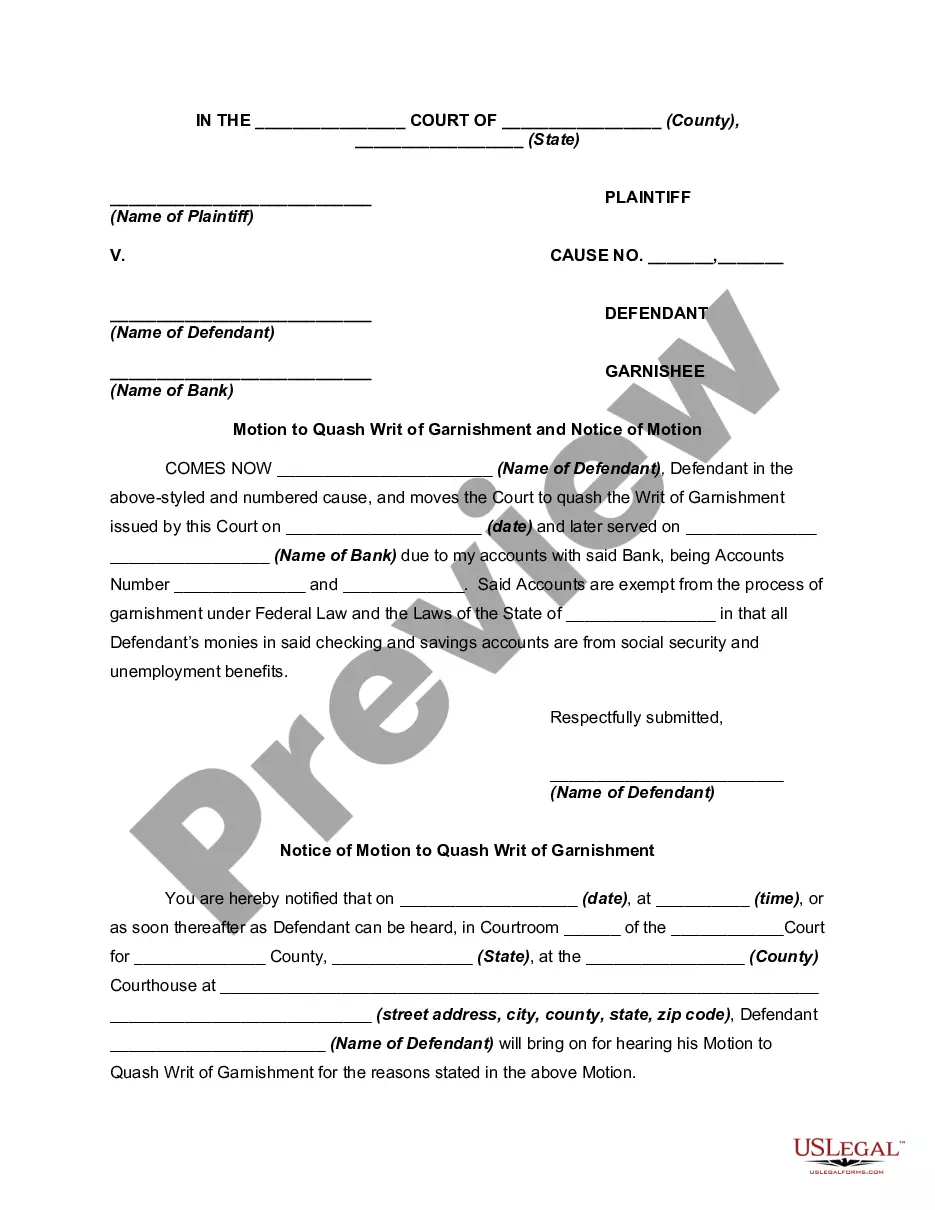
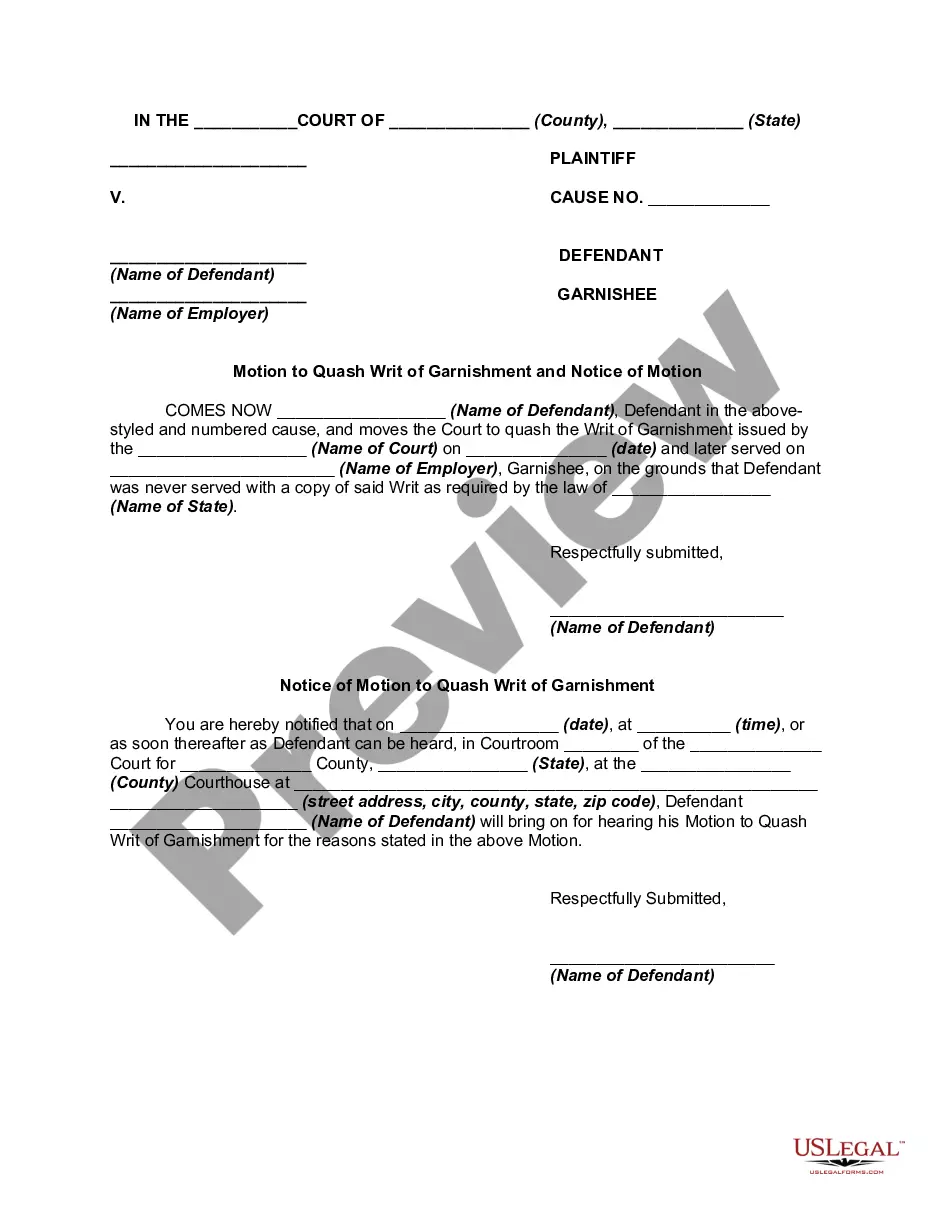
Motion State Garnishment Without Notice
Description
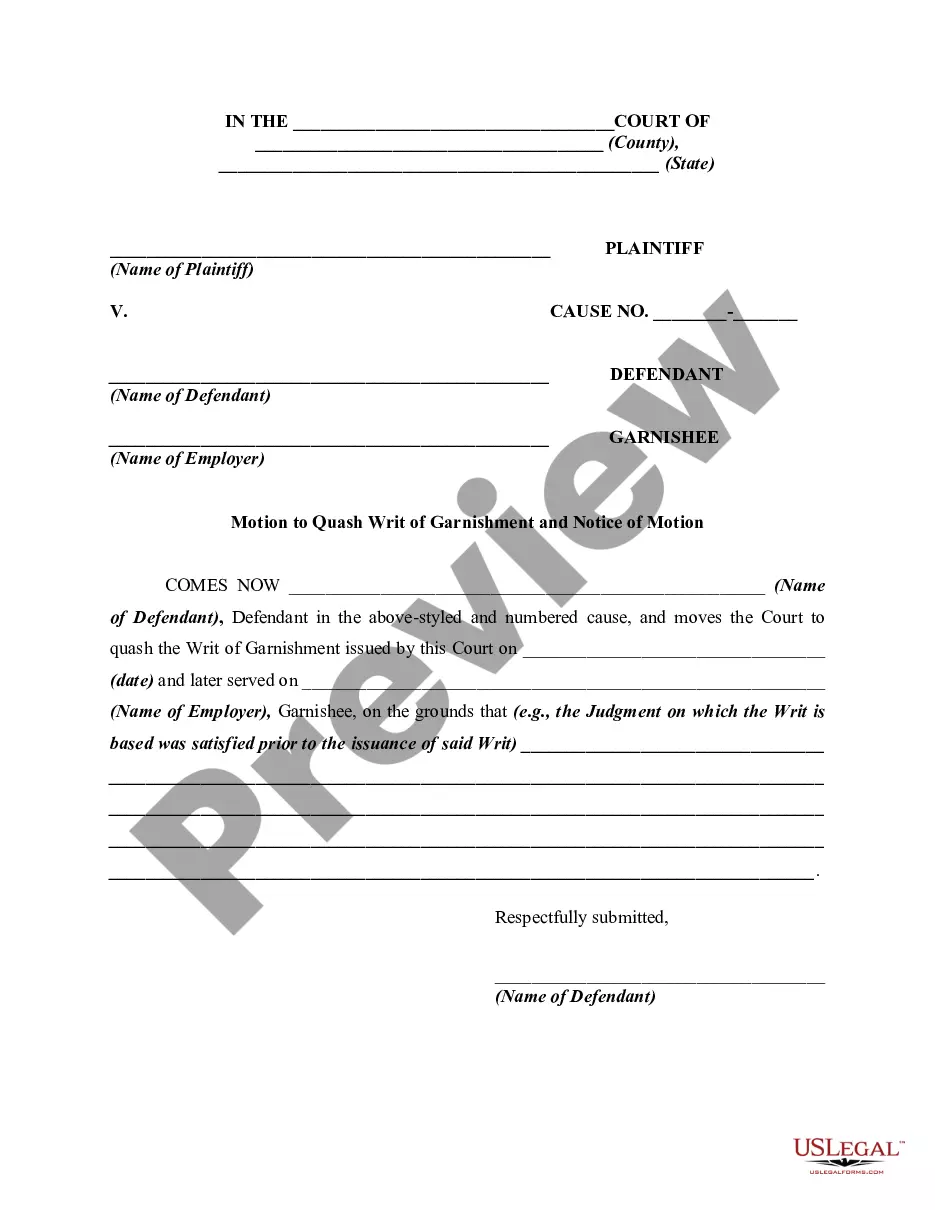
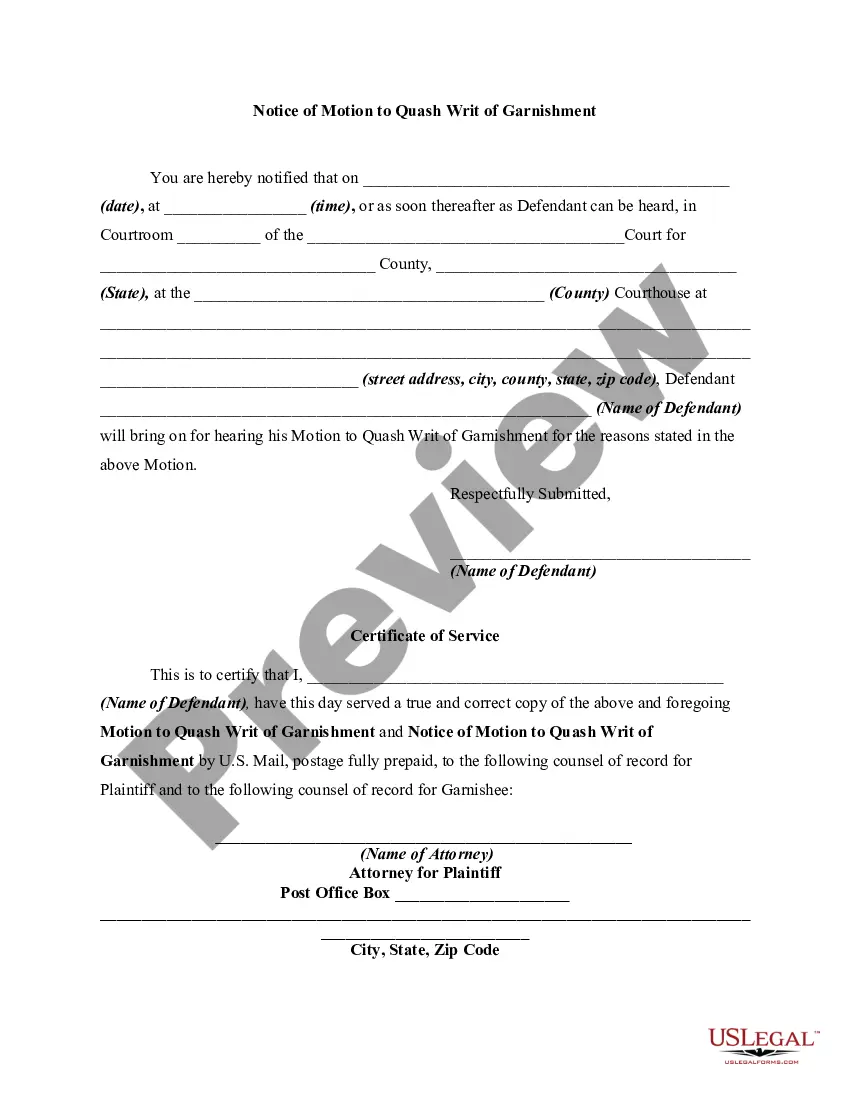
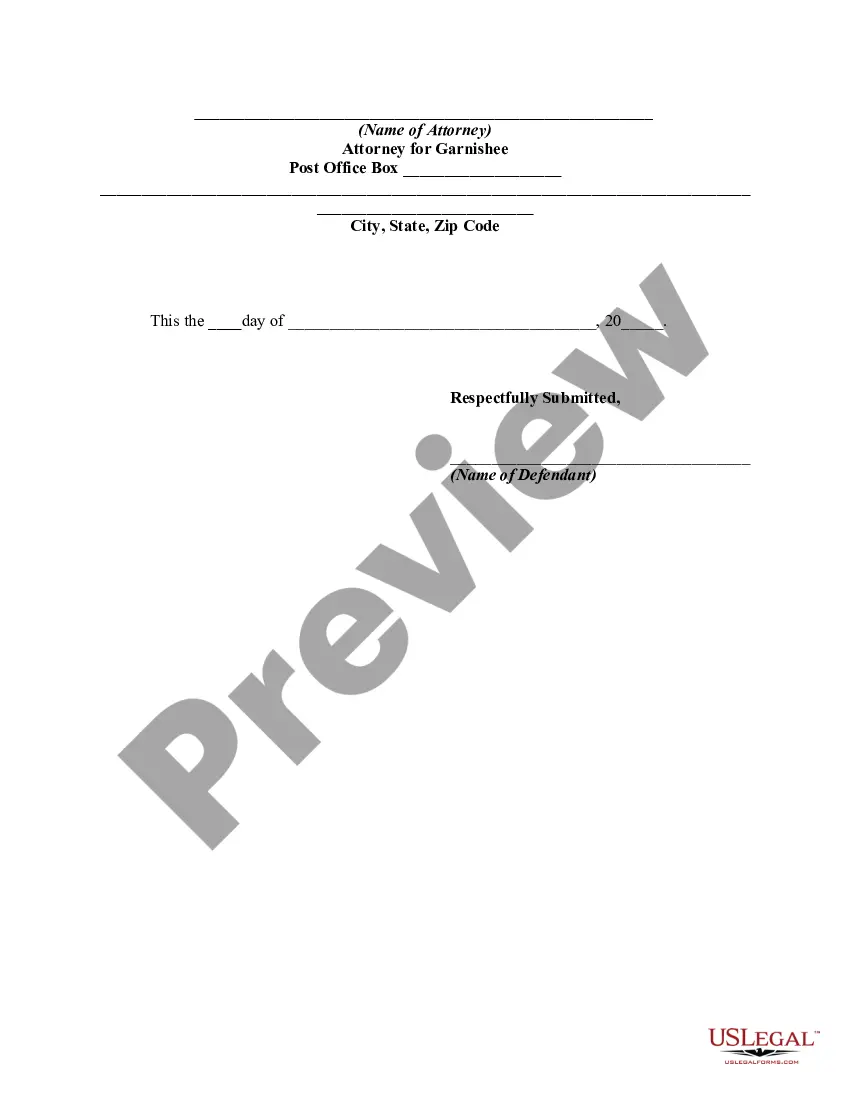
Get your form ready online
Our built-in tools help you complete, sign, share, and store your documents in one place.
Make edits, fill in missing information, and update formatting in US Legal Forms—just like you would in MS Word.
Download a copy, print it, send it by email, or mail it via USPS—whatever works best for your next step.
Sign and collect signatures with our SignNow integration. Send to multiple recipients, set reminders, and more. Go Premium to unlock E-Sign.
If this form requires notarization, complete it online through a secure video call—no need to meet a notary in person or wait for an appointment.
We protect your documents and personal data by following strict security and privacy standards.

Make edits, fill in missing information, and update formatting in US Legal Forms—just like you would in MS Word.

Download a copy, print it, send it by email, or mail it via USPS—whatever works best for your next step.

Sign and collect signatures with our SignNow integration. Send to multiple recipients, set reminders, and more. Go Premium to unlock E-Sign.

If this form requires notarization, complete it online through a secure video call—no need to meet a notary in person or wait for an appointment.

We protect your documents and personal data by following strict security and privacy standards.
Looking for another form?





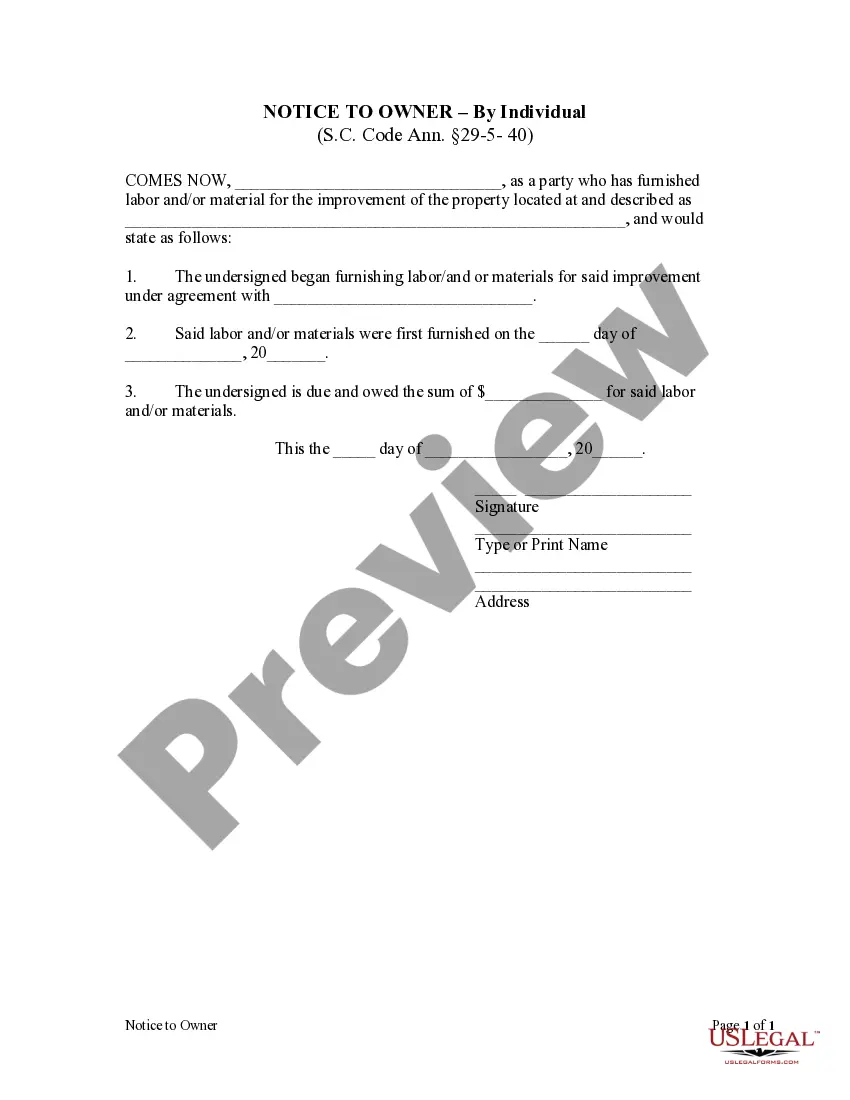
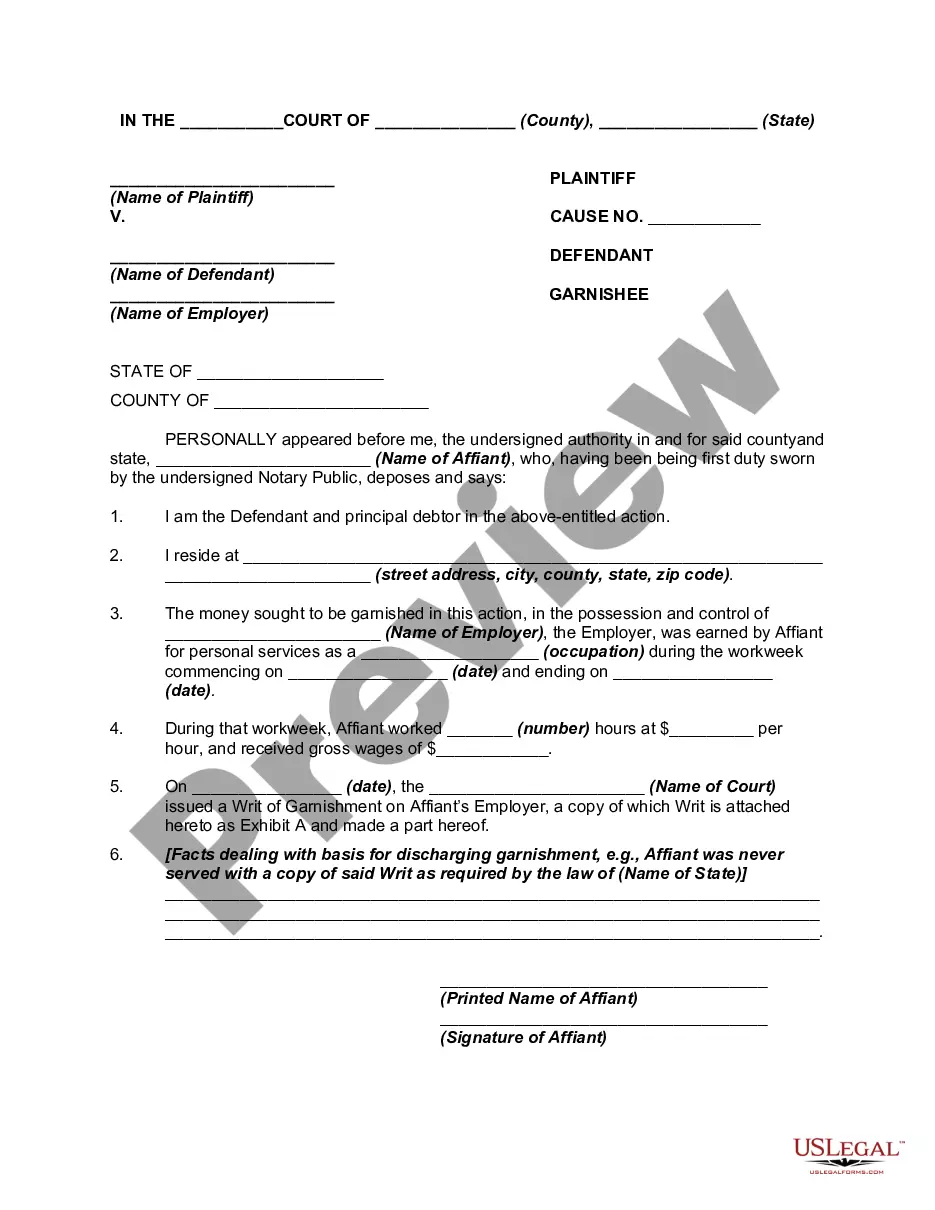
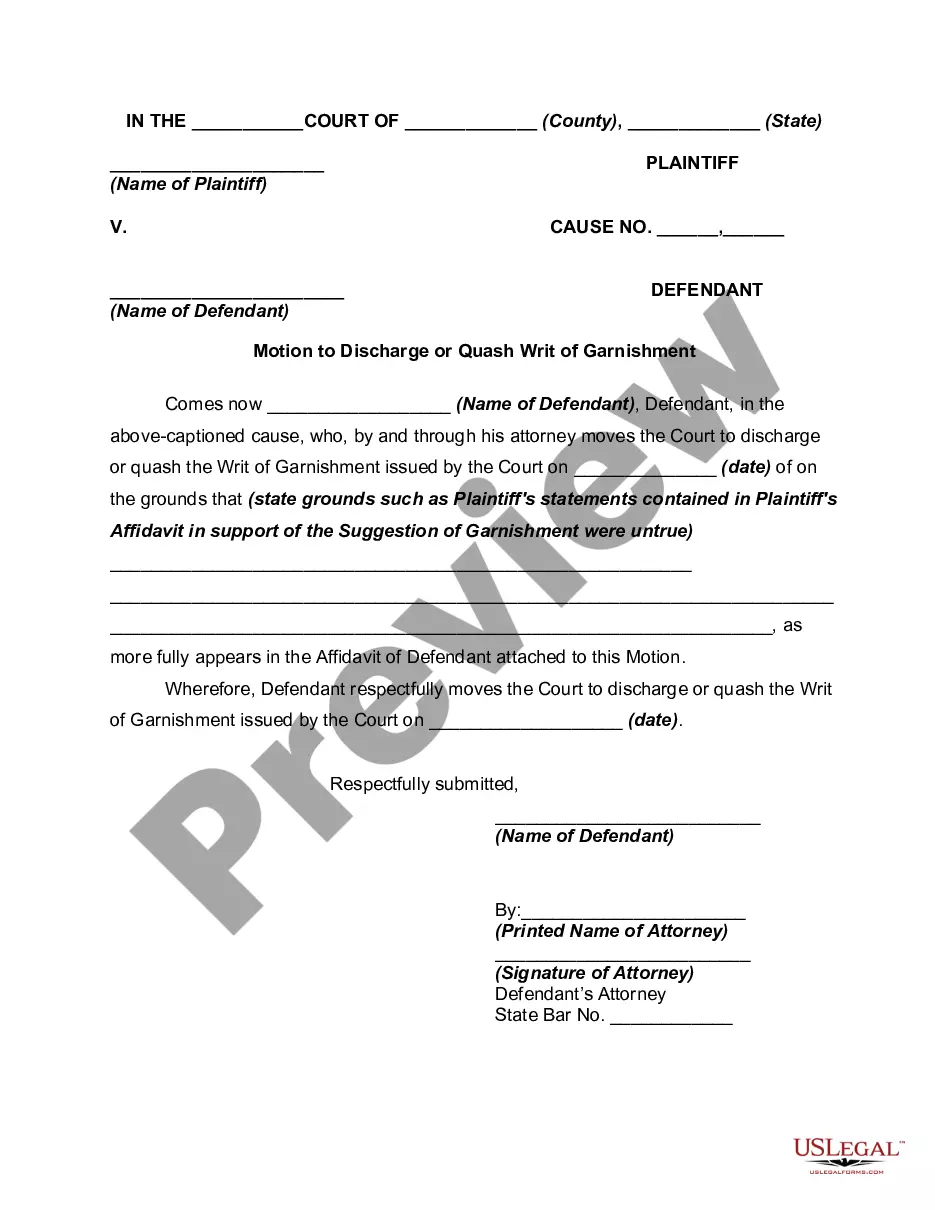
How to fill out Motion Of Defendant To Discharge Or Quash Writ Of Garnishment And Notice Of Motion?
Creating legal documents from the ground up can frequently feel overwhelming.
Some situations might require extensive research and considerable financial investment.
If you’re looking for a simpler and more cost-effective method to prepare Motion State Garnishment Without Notice or any other forms without the hassle of navigating through complicated processes, US Legal Forms is always available to assist you.
Our digital library of over 85,000 current legal templates encompasses nearly every aspect of your financial, legal, and personal matters.
Before downloading the Motion State Garnishment Without Notice, be sure to follow these tips: Review the document preview and descriptions to verify you have found the correct form. Ensure the template you choose adheres to the rules and regulations of your jurisdiction. Select the most appropriate subscription plan to acquire the Motion State Garnishment Without Notice. Download the file, then fill it out, sign it, and print it. US Legal Forms boasts a stellar reputation and over 25 years of experience. Join us today and simplify your document preparation process!
- With just a few clicks, you can quickly access state- and county-specific templates meticulously crafted by our legal professionals.
- Utilize our website whenever you require a dependable and trustworthy service through which you can easily find and download the Motion State Garnishment Without Notice.
- If you’re already familiar with our services and have previously established an account, simply Log In to your account, select the desired form, and download it or re-download it at any time from the My documents section.
- Not yet a member? No problem. Setting up an account takes just a few minutes, allowing you to navigate the library seamlessly.
Form popularity
FAQ
In Oregon, wage garnishment follows specific laws designed to protect consumers. Generally, a creditor must obtain a court order before garnishment begins, unless it is a motion state garnishment without notice. This means that you may not receive advance warning in certain cases. Familiarizing yourself with Oregon’s garnishment rules and consulting legal resources can empower you to take informed action.
Yes, creditors can garnish your wages without prior notification if a motion state garnishment without notice is issued. This typically happens under strict legal guidelines designed to expedite the collection process. Nevertheless, following the garnishment, you will receive official notification, which allows you to assess your options. Consulting with a legal advisor or using resources from US Legal Forms can provide clarity on your situation.
Yes, you can be garnished without notice, especially if a court issues a motion state garnishment without notice. Such actions often occur when creditors believe that providing notice could jeopardize their ability to collect the debt. However, there are legal requirements for creditors to follow, and you have rights that protect you. It’s essential to understand these rules to respond appropriately.
To write a letter to stop wage garnishment, begin with your name, address, and details about the garnishment in question. Explain your situation clearly, referencing any relevant documentation. Include a request for a review and a note that you wish to contest the motion state garnishment without notice if applicable. Using available resources, such as US Legal Forms, can help you draft this letter accurately.
Certainly, wages can be garnished without notice under specific circumstances. In cases where a motion state garnishment without notice is filed, the court may prioritize the creditor's ability to collect debts. However, understanding the rules governing garnishments is essential to protect your rights. Seeking guidance from services like US Legal Forms can provide you with the necessary tools to address your concerns.
If you were not notified of the garnishment, you may have grounds to contest it. The law requires creditors to follow specific procedures, and failure to notify you can lead to complications. You should consider consulting a legal expert to review your situation. Utilizing resources such as the US Legal Forms platform can help you navigate this complex issue effectively.
Yes, wages can be garnished without prior notice in certain situations. When a creditor files a motion state garnishment without notice, the court may allow this if there is an immediate need to secure payment. This often occurs in cases of delinquent child support or taxes. It's crucial to understand your rights, as garnishments can affect your financial stability.
In Missouri, creditors must follow strict guidelines to initiate wage garnishment. Typically, a judgment must be obtained before they can file for garnishment. However, the state allows for a motion state garnishment without notice in urgent cases to secure debts more swiftly.
Absolutely, you can be garnished without being notified first. When a motion state garnishment without notice is approved by a court, creditors may access your funds without your prior knowledge. This can make it difficult for individuals to manage their finances effectively.
Yes, garnishment can occur without prior notice in certain situations. Courts may grant a motion state garnishment without notice if the creditor demonstrates urgency. This means that funds may be seized before the debtor is informed, which can take many by surprise.