Motion State Garnishment Withholding
Description
Get your form ready online
Our built-in tools help you complete, sign, share, and store your documents in one place.
Make edits, fill in missing information, and update formatting in US Legal Forms—just like you would in MS Word.
Download a copy, print it, send it by email, or mail it via USPS—whatever works best for your next step.
Sign and collect signatures with our SignNow integration. Send to multiple recipients, set reminders, and more. Go Premium to unlock E-Sign.
If this form requires notarization, complete it online through a secure video call—no need to meet a notary in person or wait for an appointment.
We protect your documents and personal data by following strict security and privacy standards.

Make edits, fill in missing information, and update formatting in US Legal Forms—just like you would in MS Word.

Download a copy, print it, send it by email, or mail it via USPS—whatever works best for your next step.

Sign and collect signatures with our SignNow integration. Send to multiple recipients, set reminders, and more. Go Premium to unlock E-Sign.

If this form requires notarization, complete it online through a secure video call—no need to meet a notary in person or wait for an appointment.

We protect your documents and personal data by following strict security and privacy standards.
Looking for another form?



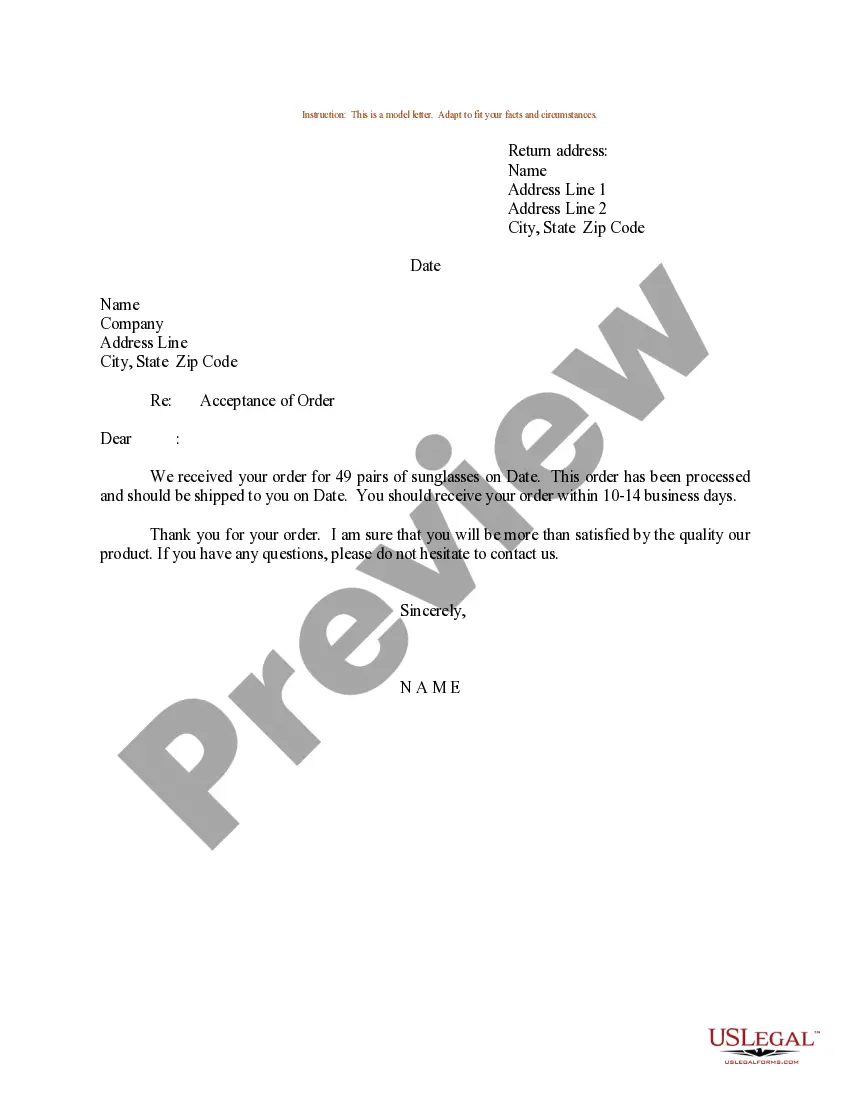





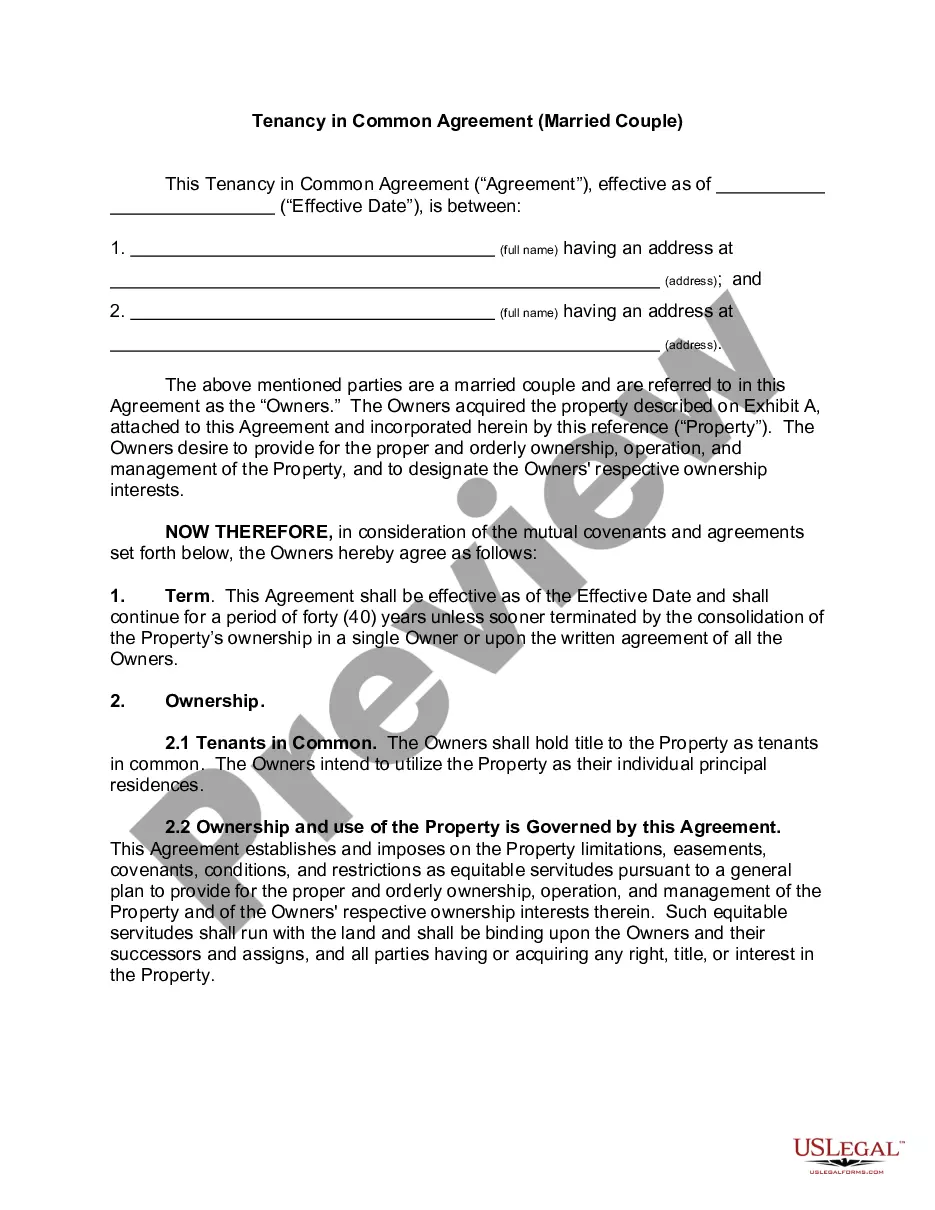
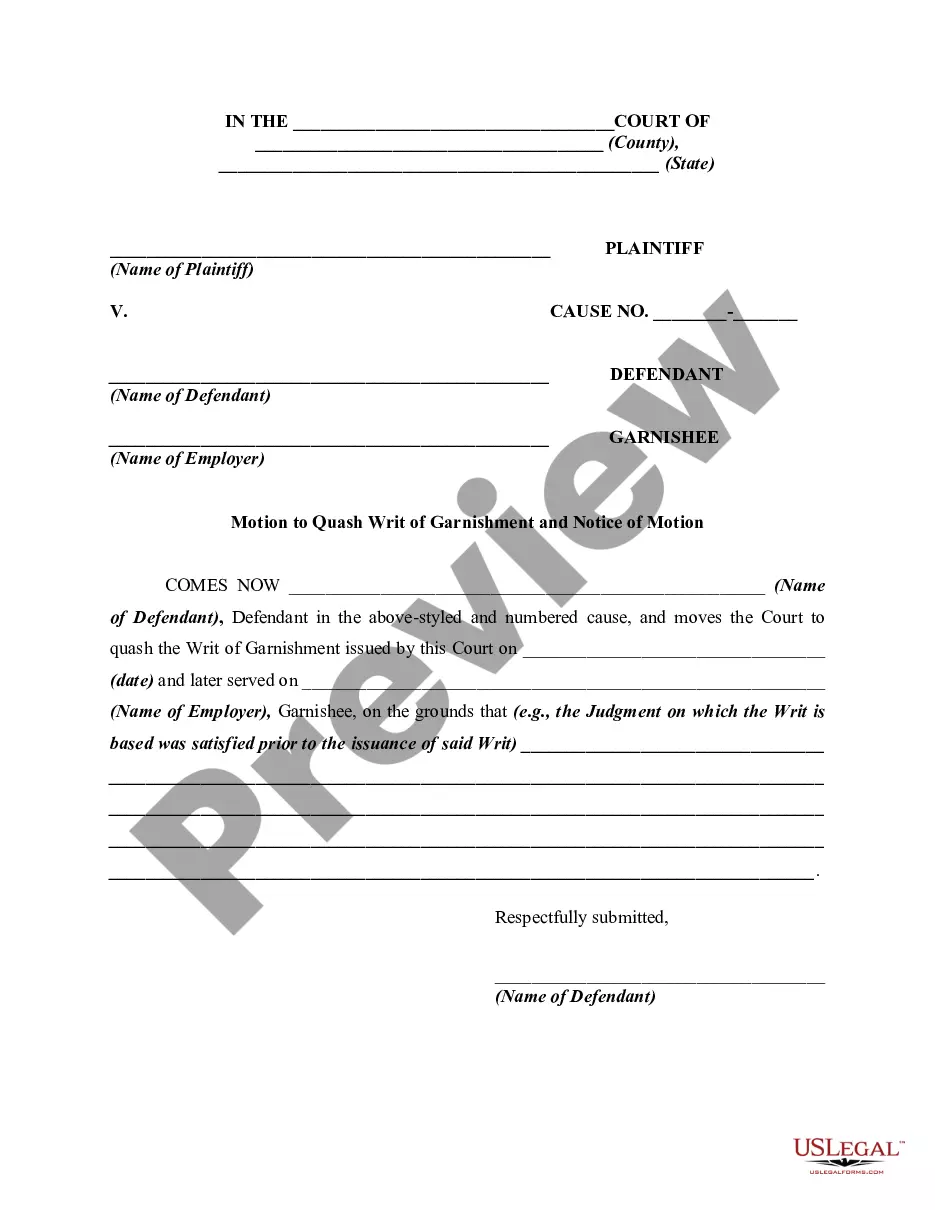
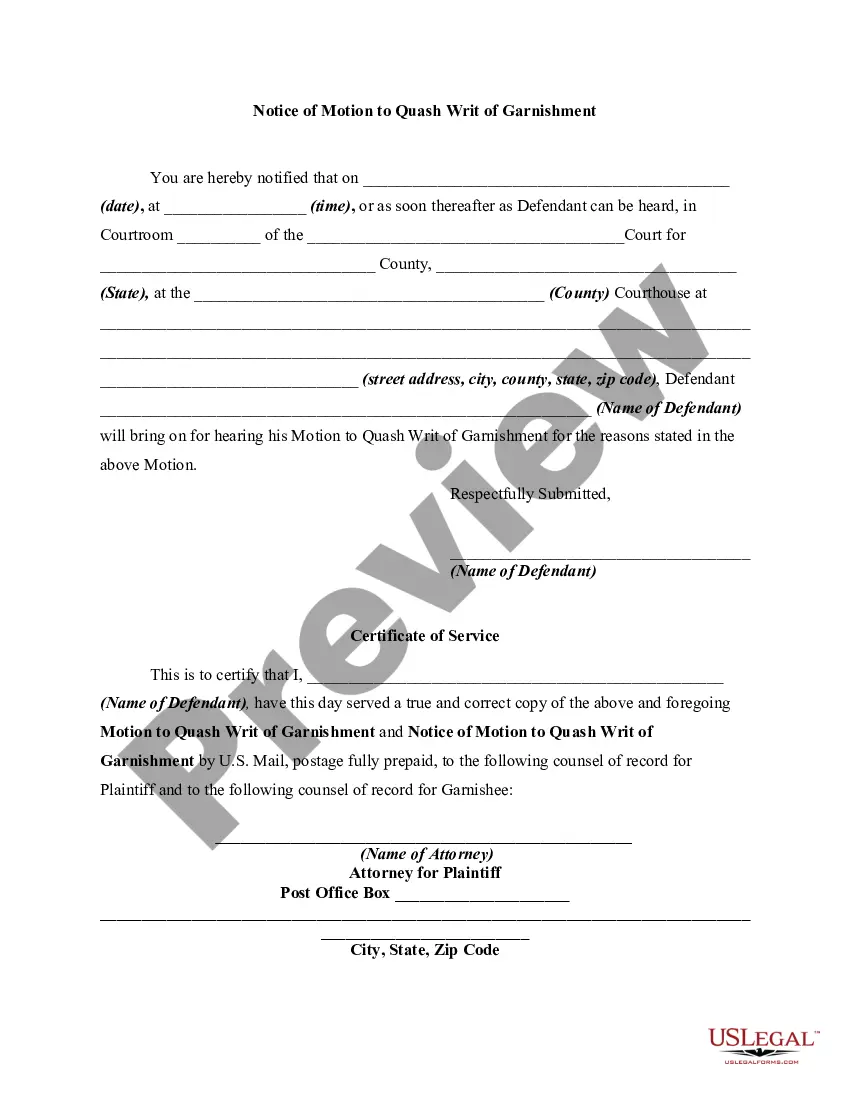
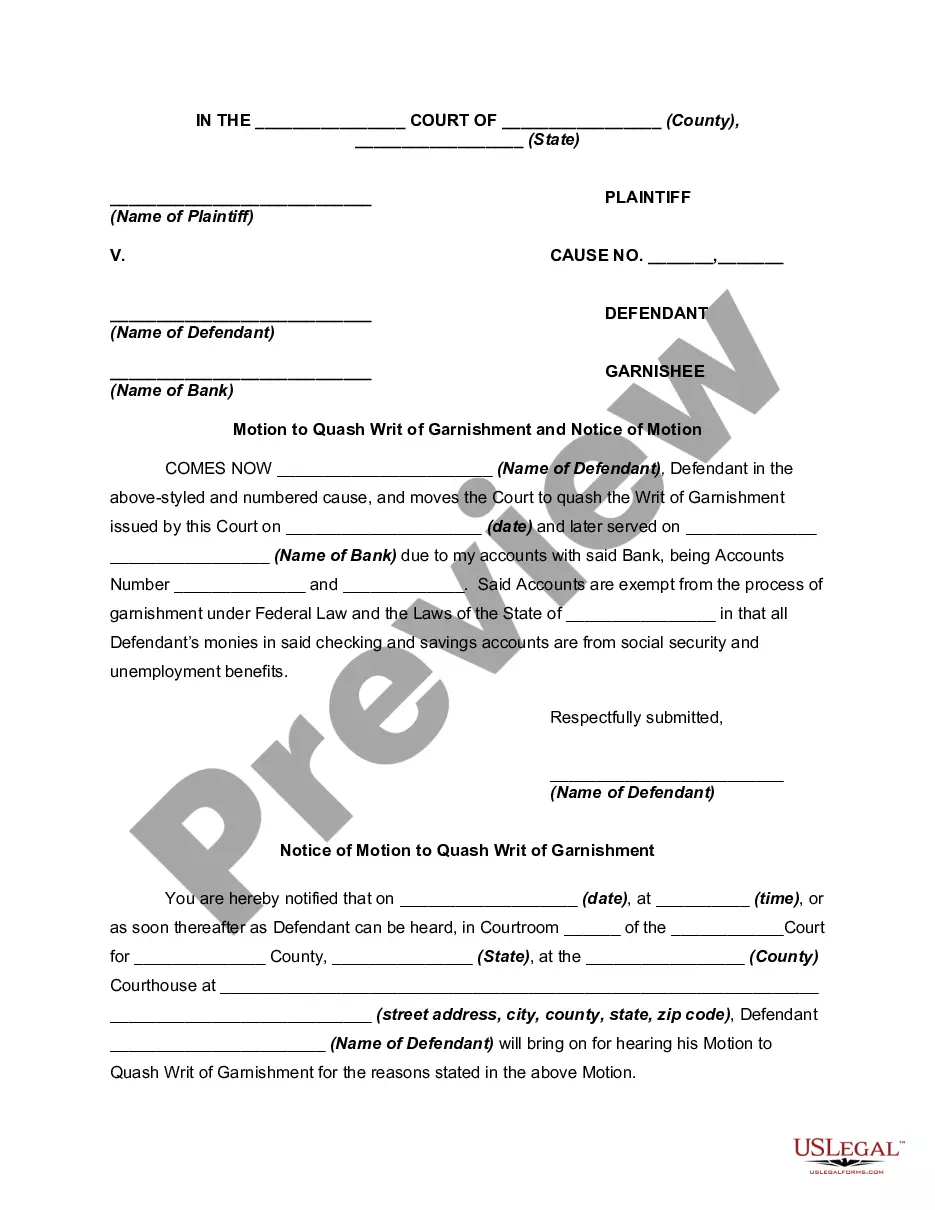
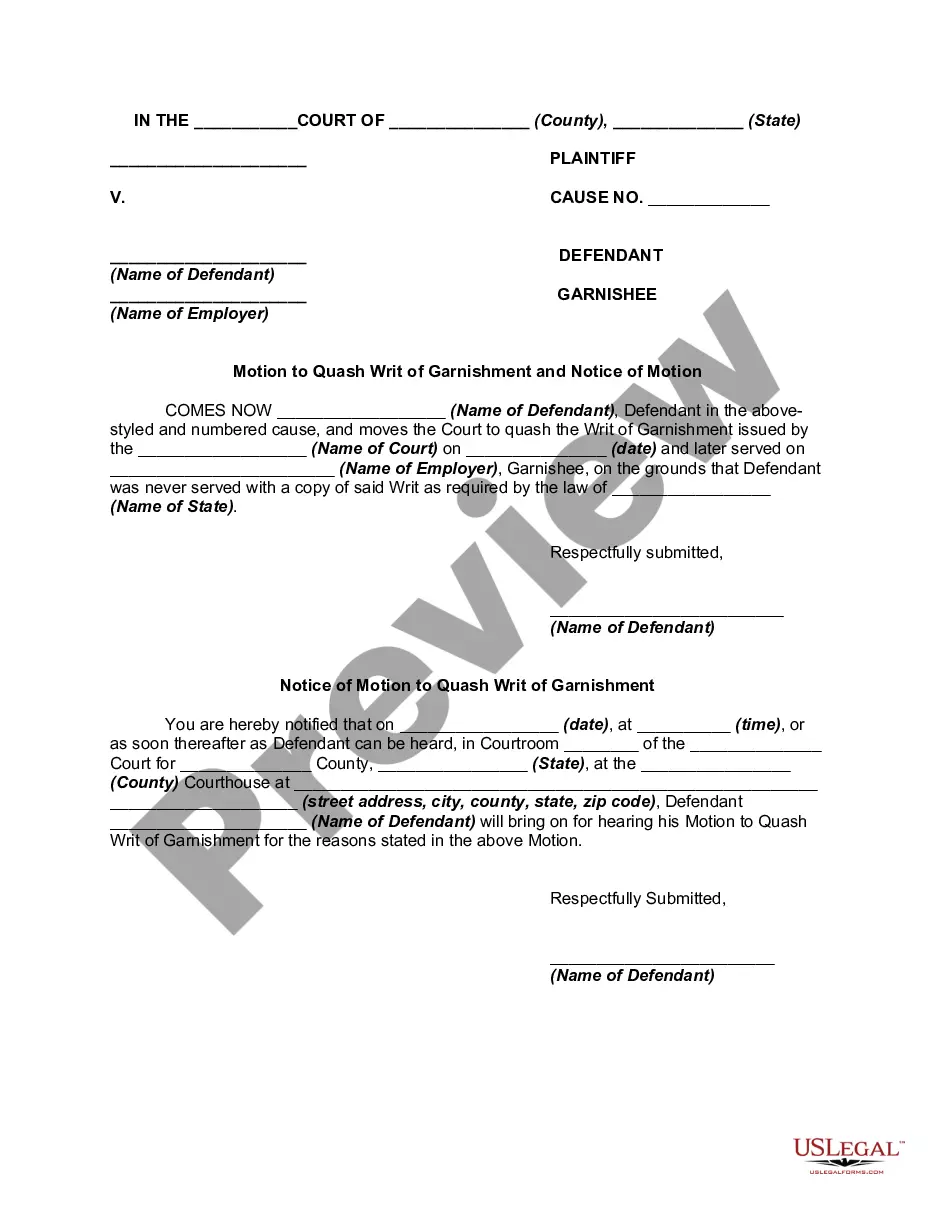
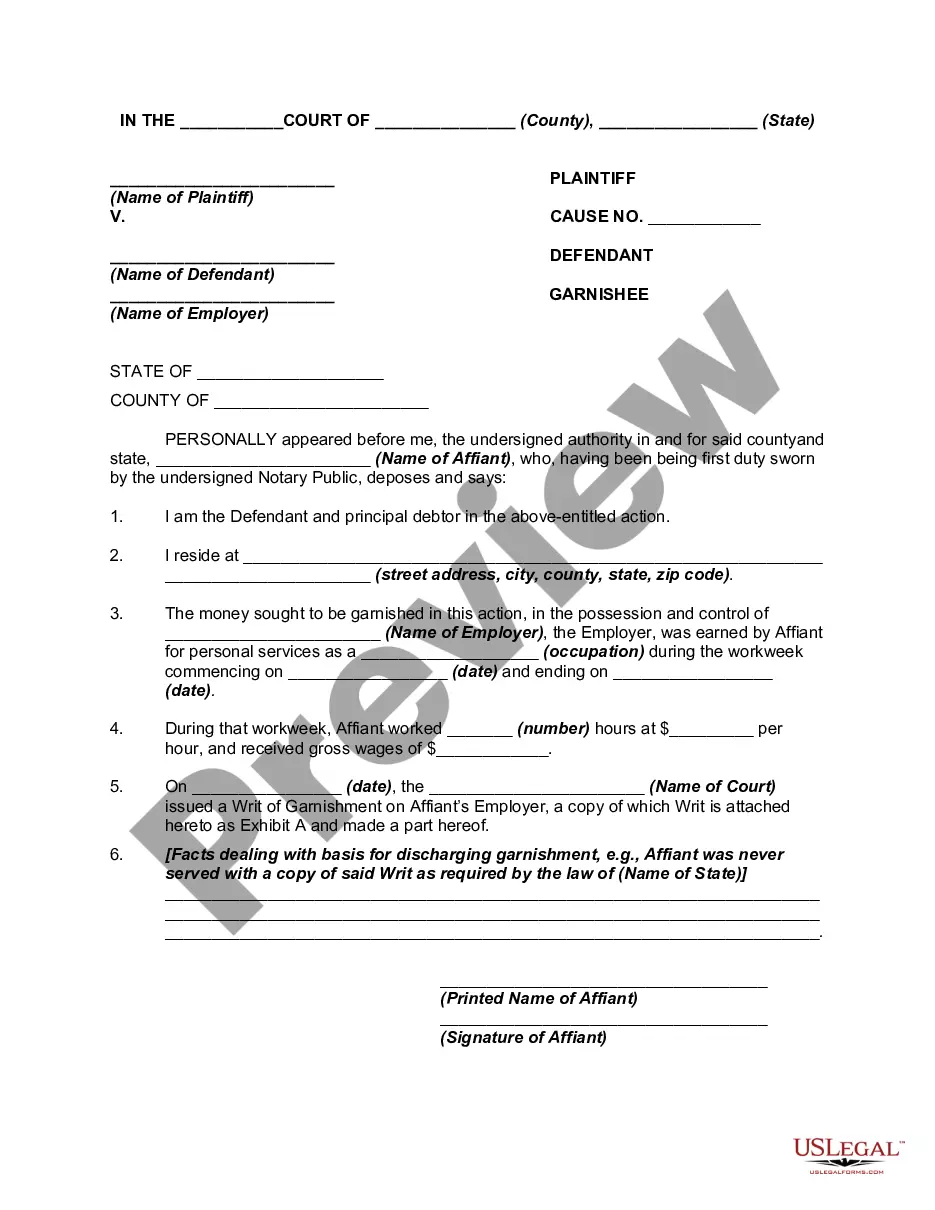
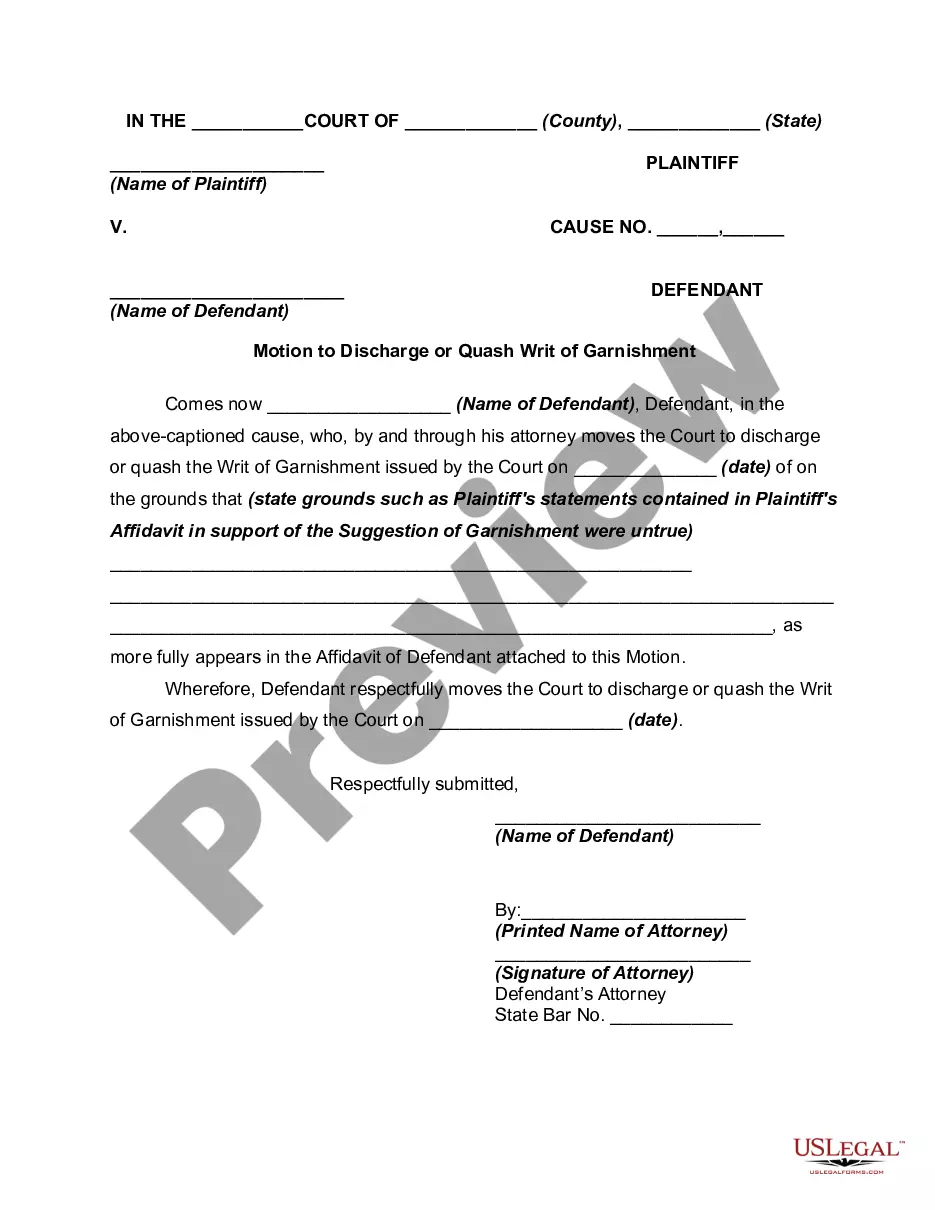
How to fill out Motion Of Defendant To Discharge Or Quash Writ Of Garnishment And Notice Of Motion?
Utilizing legal templates that comply with federal and local regulations is crucial, and the web provides numerous selections to pick from.
However, what’s the advantage of squandering time searching for the fitting Motion State Garnishment Withholding example online if the US Legal Forms digital library already aggregates such templates in one location.
US Legal Forms stands as the premier online legal repository featuring over 85,000 editable templates created by attorneys for various professional and personal situations.
Review the template using the Preview feature or the text outline to ensure it satisfies your requirements.
- They are easy to navigate, with all documents organized by state and intended use.
- Our experts stay updated with legislative changes, assuring that your form remains current and compliant when acquiring a Motion State Garnishment Withholding from our platform.
- Acquiring a Motion State Garnishment Withholding is straightforward and swift for both existing and new users.
- If you already possess an account with an active subscription, Log In and download the document sample you need in your desired format.
- If you’re a new visitor to our site, follow the instructions below.
Form popularity
FAQ
To write a letter to stop wage garnishment, start by clearly stating your intent to contest the garnishment. Include details like your name, address, and any relevant case numbers. You should explain your reasons for the request, mentioning the motion state garnishment withholding process as a reference. Finally, make sure to send the letter to the appropriate court or creditor, and keep a copy for your records.
Ignoring a wage garnishment order can have serious consequences. You may face additional legal actions, including fines or other penalties. Your employer is required by law to comply with the garnishment order, which means that ignoring it does not stop the withholding of your wages. To better understand your rights and options regarding motion state garnishment withholding, consider using the resources available through US Legal Forms for guidance.
Minnesota has specific rules regarding wage garnishment that every resident should understand. Generally, creditors can garnish up to 25% of your disposable earnings, or the amount by which your weekly earnings exceed 40 times the federal minimum wage, whichever is less. A motion state garnishment withholding in Minnesota also requires creditors to obtain a court judgment before proceeding. It's important to stay informed about these regulations to protect your earnings and rights.
To stop wage garnishment, you can take several effective actions. First, you may file a motion to challenge the garnishment in court, especially if the amount is incorrect or if you were not given adequate notice. Alternatively, negotiating with the creditor for a settlement can lead to a resolution that stops garnishment. Utilizing resources like US Legal Forms can also guide you through the legal process and provide necessary documents.
An earnings withholding order is a court-ordered legal document. It requires an employer to withhold up to 25 percent of an employee's wages. This money is paid to a creditor until the employee pays off their debt.
In Washington, creditors can garnish 25% of your take-home pay. Even if you have a higher income and will need to file a Chapter 13 repayment plan, that is much better than being garnished. In most situations, a garnishment means things have really spun out of control. Only one creditor can garnish at a time.
Under Washington law, creditors can garnish as much as 25% of your weekly disposable earnings, or your weekly disposable earnings minus 35 times the federal minimum wage.
At a minimum, your written objection to the garnishment should include the following information: the case number and case caption (ex: "XYZ Bank vs. John Doe") the date of your objection. your name and current contact information. the reasons (or "grounds") for your objection, and. your signature.