Garnishment Notice Form With Payment
Description
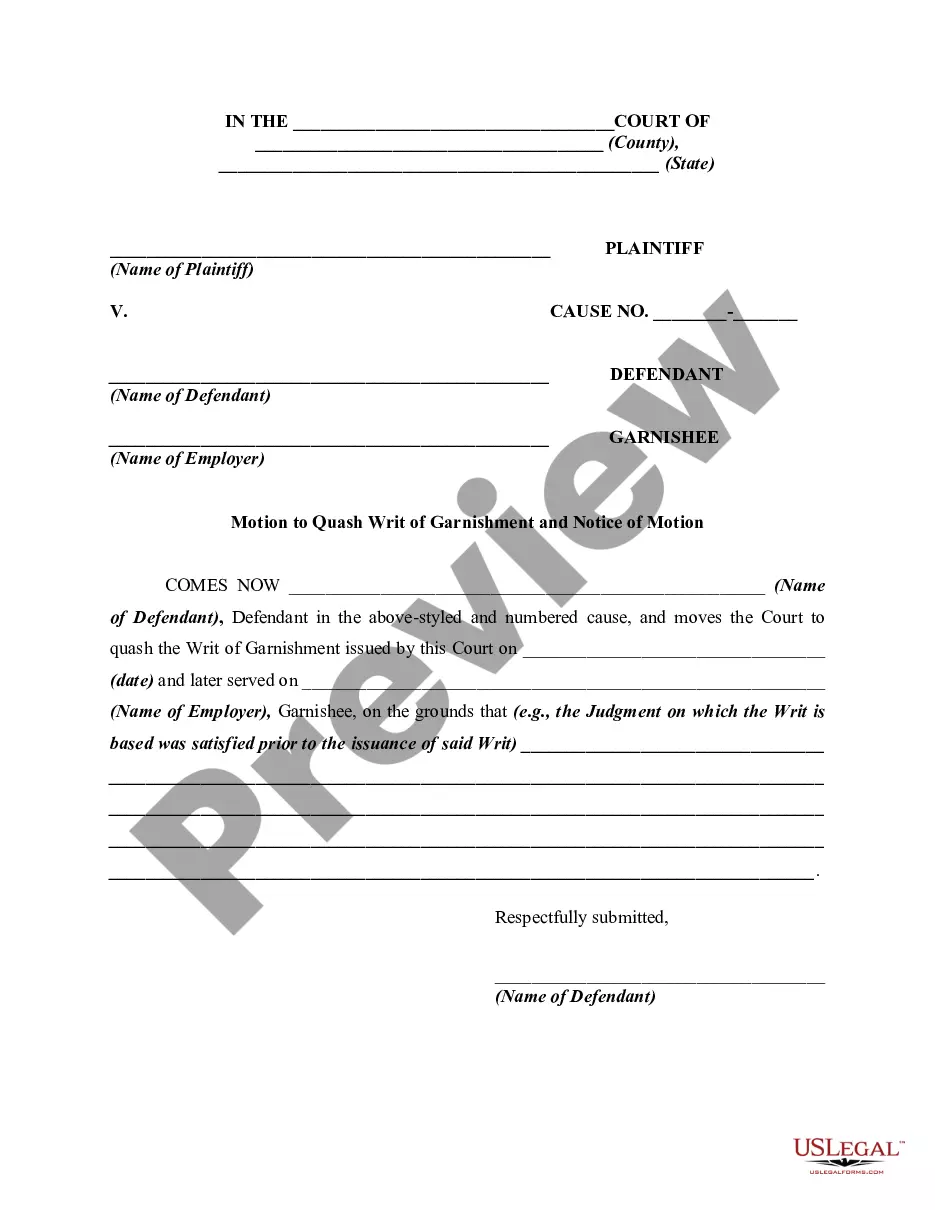
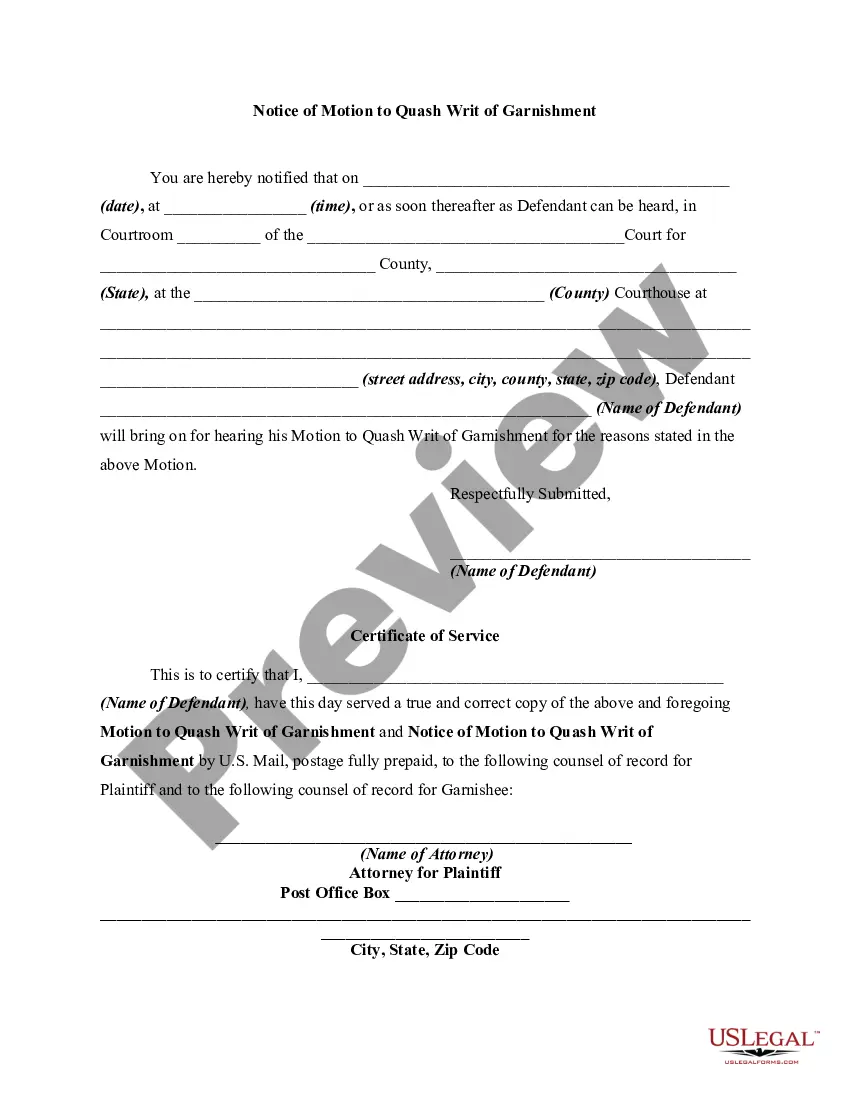
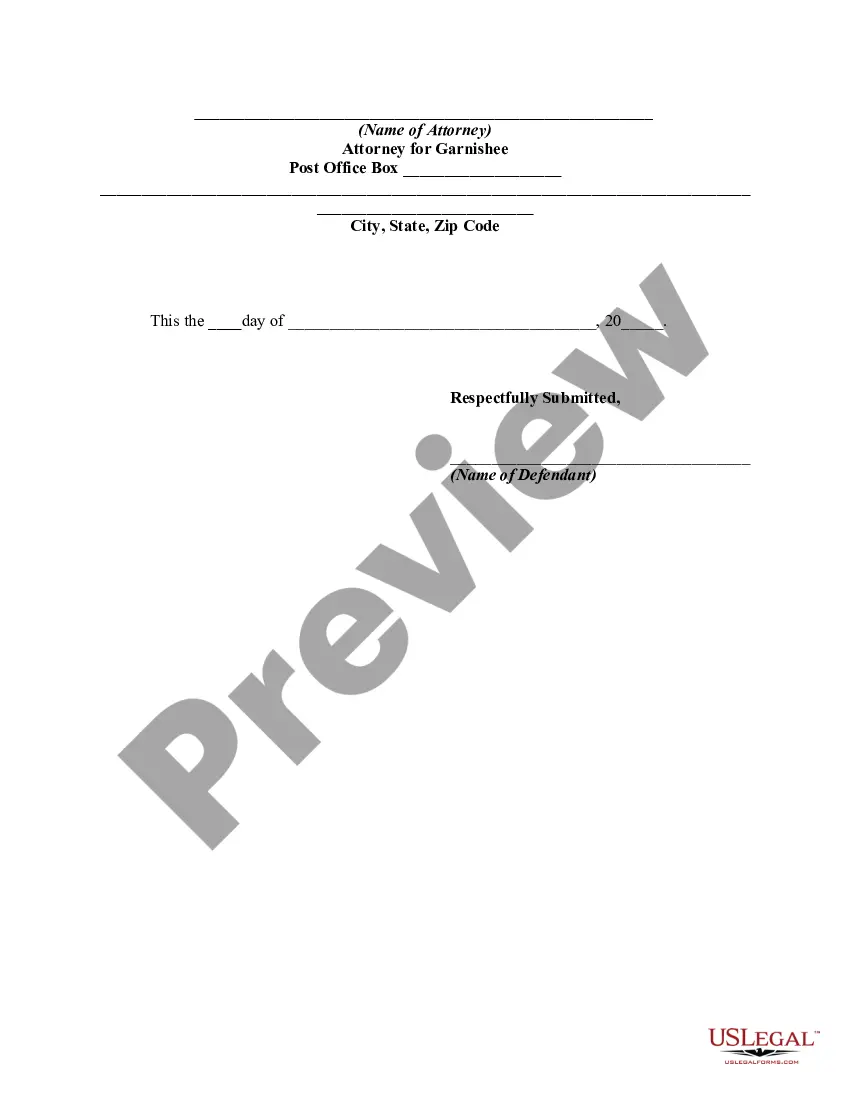
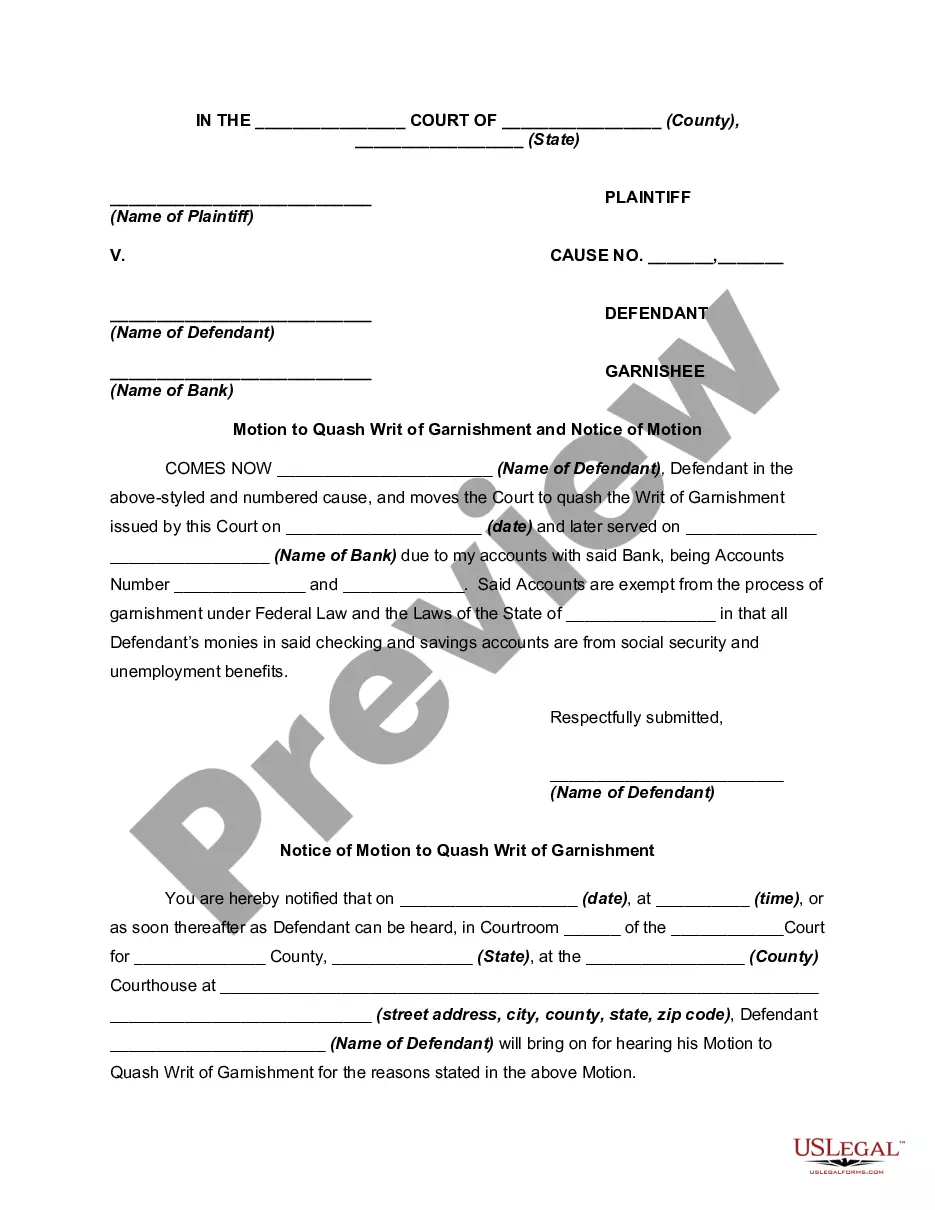
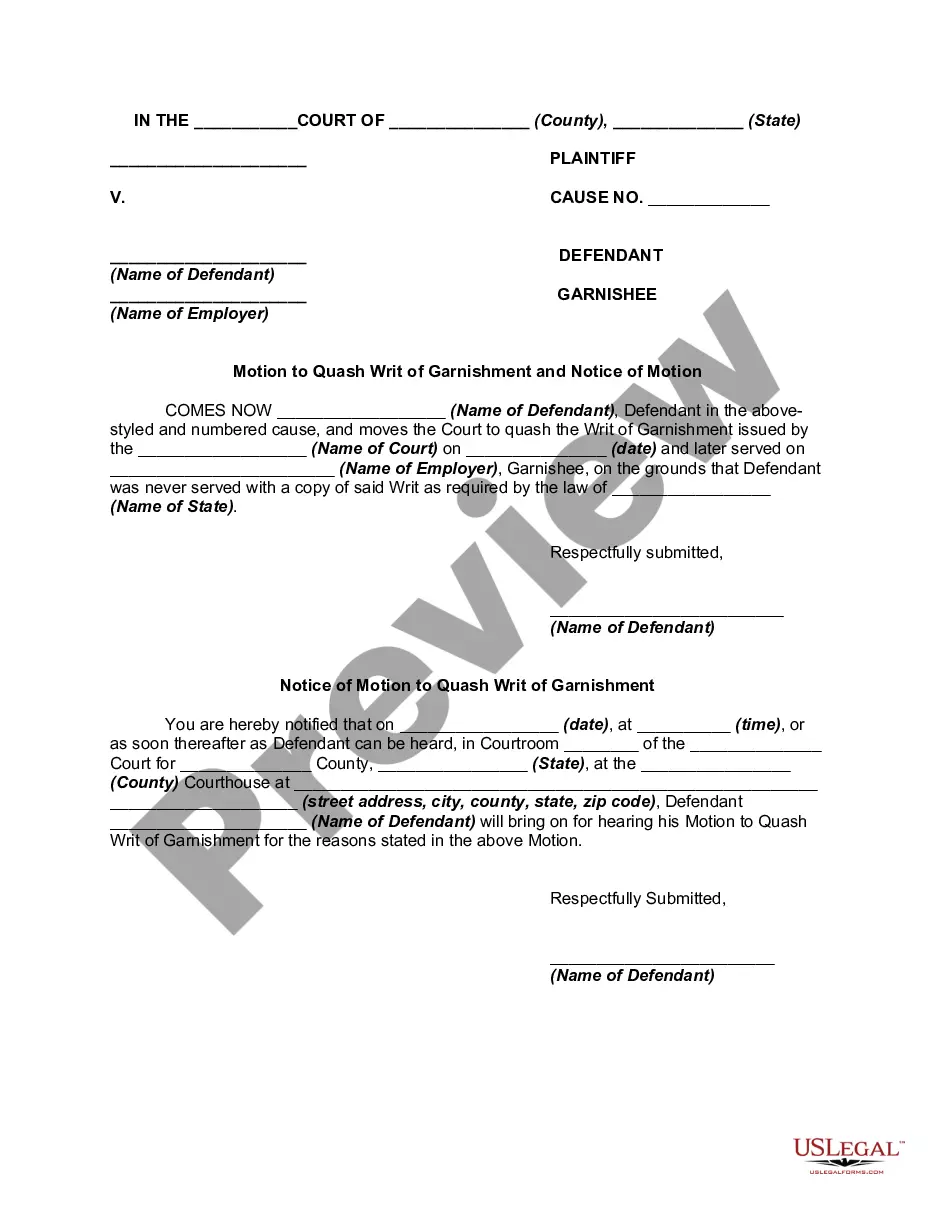
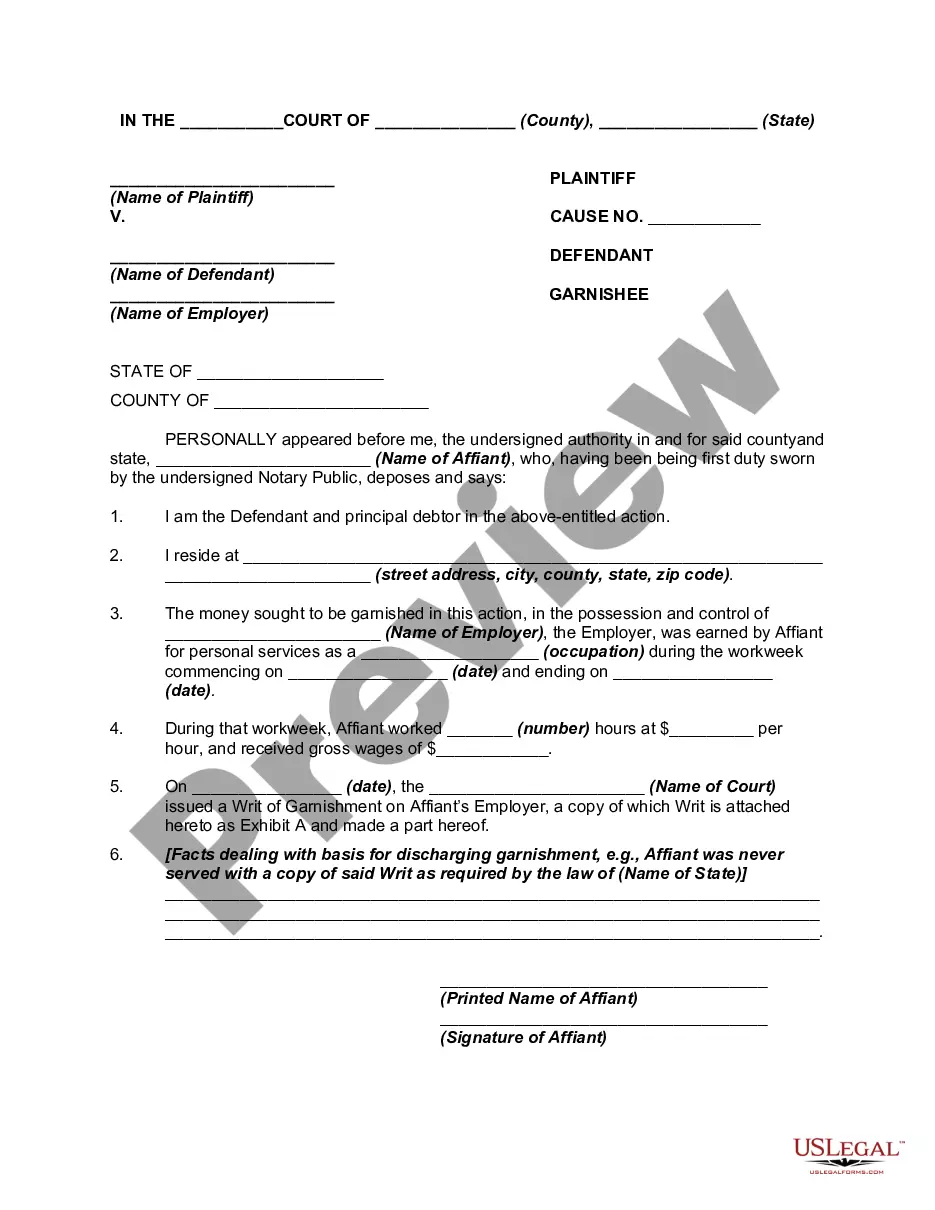
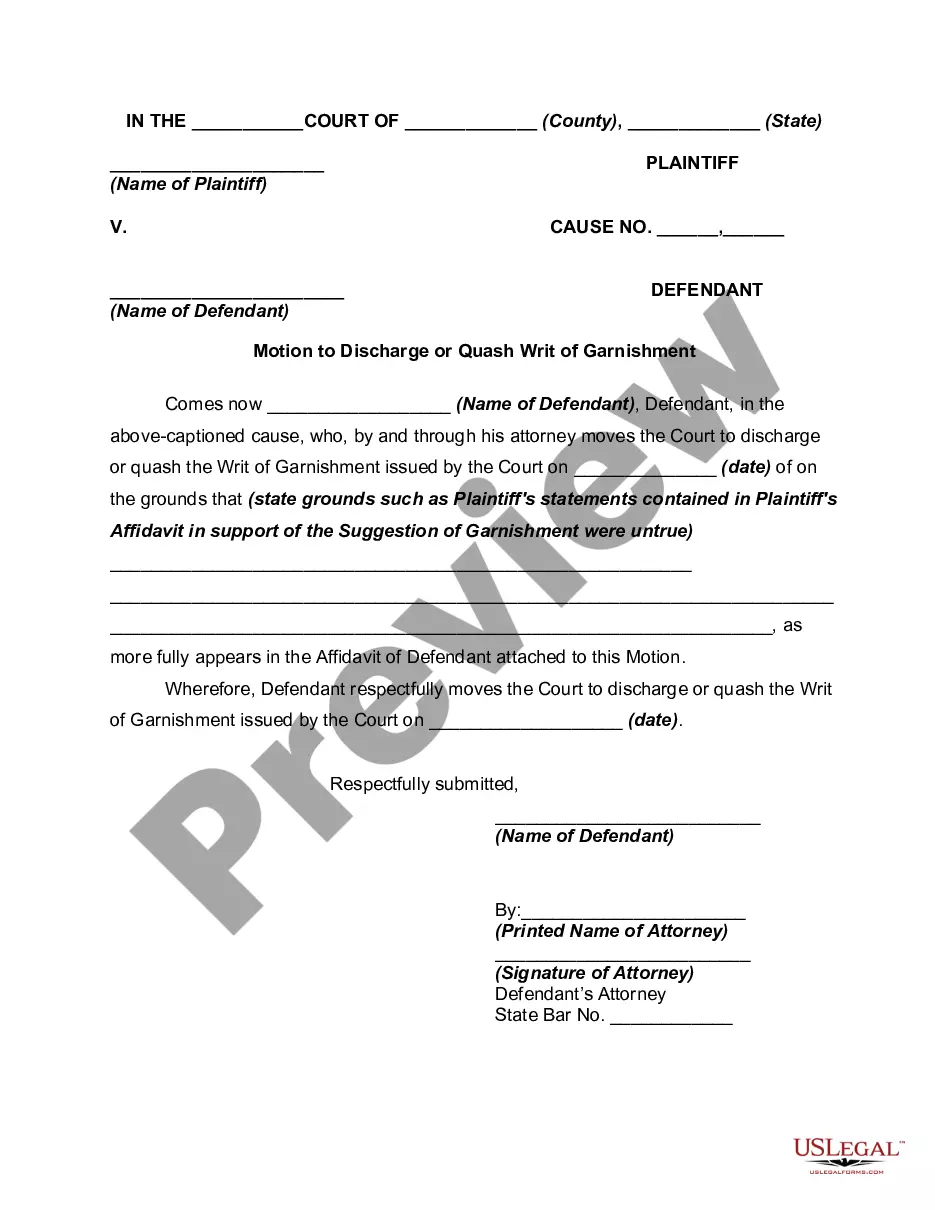
Get your form ready online
Our built-in tools help you complete, sign, share, and store your documents in one place.
Make edits, fill in missing information, and update formatting in US Legal Forms—just like you would in MS Word.
Download a copy, print it, send it by email, or mail it via USPS—whatever works best for your next step.
Sign and collect signatures with our SignNow integration. Send to multiple recipients, set reminders, and more. Go Premium to unlock E-Sign.
If this form requires notarization, complete it online through a secure video call—no need to meet a notary in person or wait for an appointment.
We protect your documents and personal data by following strict security and privacy standards.

Make edits, fill in missing information, and update formatting in US Legal Forms—just like you would in MS Word.

Download a copy, print it, send it by email, or mail it via USPS—whatever works best for your next step.

Sign and collect signatures with our SignNow integration. Send to multiple recipients, set reminders, and more. Go Premium to unlock E-Sign.

If this form requires notarization, complete it online through a secure video call—no need to meet a notary in person or wait for an appointment.

We protect your documents and personal data by following strict security and privacy standards.
Looking for another form?





How to fill out Motion Of Defendant To Discharge Or Quash Writ Of Garnishment And Notice Of Motion?
Whether for corporate reasons or personal matters, everyone must confront legal circumstances sooner or later in their existence.
Completing legal documents requires meticulous care, starting from selecting the correct form template. For instance, if you choose an incorrect version of a Garnishment Notice Form With Payment, it will be rejected upon submission.
With a vast US Legal Forms catalog available, you won't need to waste time searching for the correct sample online. Utilize the library’s simple navigation to discover the right form for any occasion.
- Retrieve the example you require by using the search bar or browsing the catalog.
- Review the form’s details to ensure it aligns with your situation, state, and county.
- Select the form’s preview to examine it.
- If it is the wrong form, return to the search function to find the Garnishment Notice Form With Payment sample you need.
- Obtain the template once it conforms to your specifications.
- If you already possess a US Legal Forms account, click Log in to access previously saved documents in My documents.
- If you do not yet have an account, you can acquire the form by clicking Buy now.
- Select the suitable pricing option.
- Complete the account registration form.
- Choose your payment method: you can use a credit card or PayPal account.
- Select the document format you desire and download the Garnishment Notice Form With Payment.
- Once it is downloaded, you can fill out the form using editing software or print it and complete it by hand.
Form popularity
FAQ
Ordinary garnishments Under Title III, the amount that an employer may garnish from an employee in any workweek or pay period is the lesser of: 25% of disposable earnings -or- The amount by which disposable earnings are 30 times greater than the federal minimum wage.
A wage garnishment is any legal or equitable procedure through which some portion of a person's earnings is required to be withheld for the payment of a debt.
Dear Sir/Madam, I am writing to request that you stop the wage garnishment that is currently being imposed on me. I am unable to make the payments at this time due to [insert reason, such as financial hardship]. I have attached documentation that supports my claim.
The garnishment amount is limited to 25% of your disposable earnings for that week (what's left after mandatory deductions) or the amount by which your disposable earnings for that week exceed 30 times the federal minimum hourly wage, whichever is less. (15 U.S.C. § 1673.)
What States Prohibit Bank Garnishment? Bank garnishment is legal in all 50 states. However, four states prohibit wage garnishment for consumer debts. ing to Debt.org, those states are Texas, South Carolina, Pennsylvania, and North Carolina.