Garnishment Employer Served For
Description
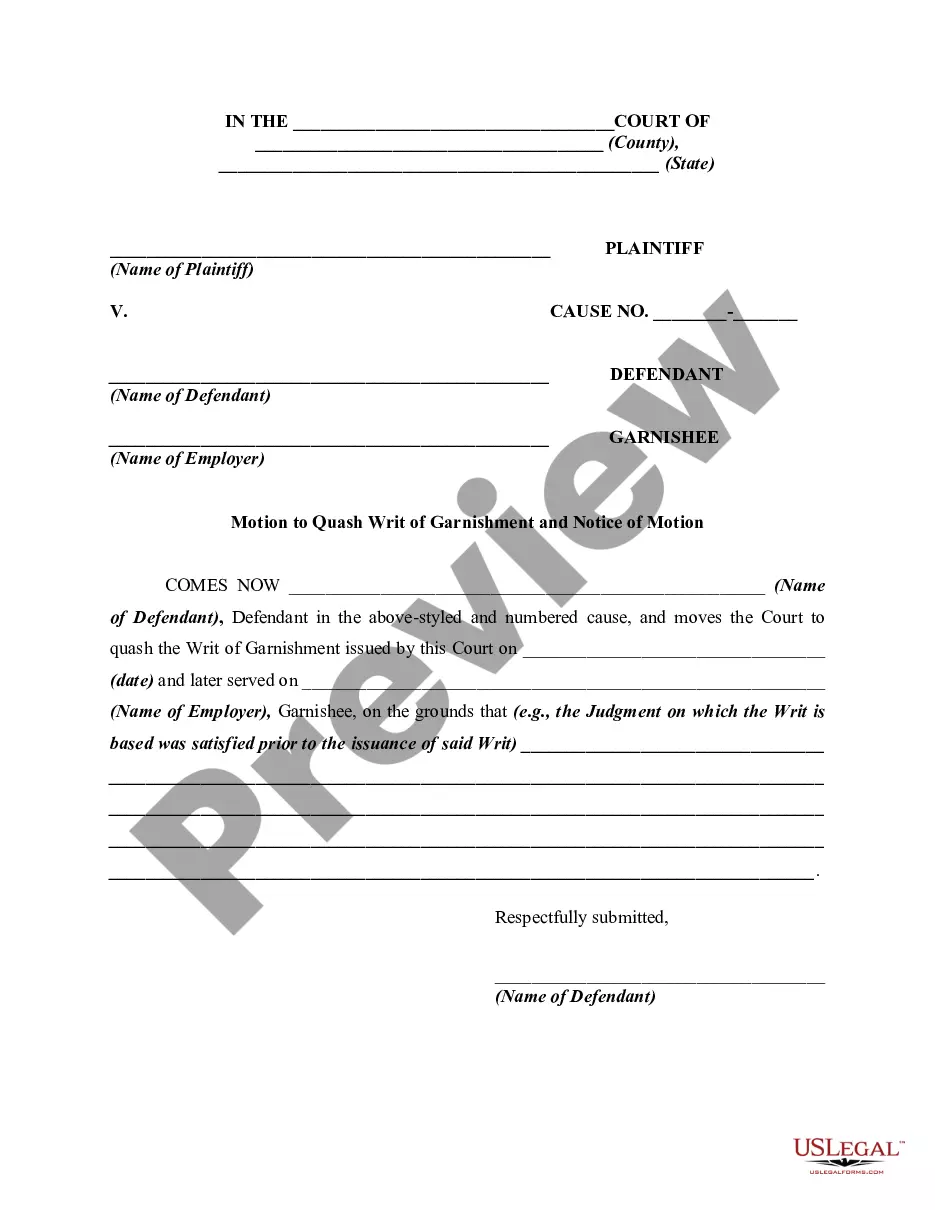
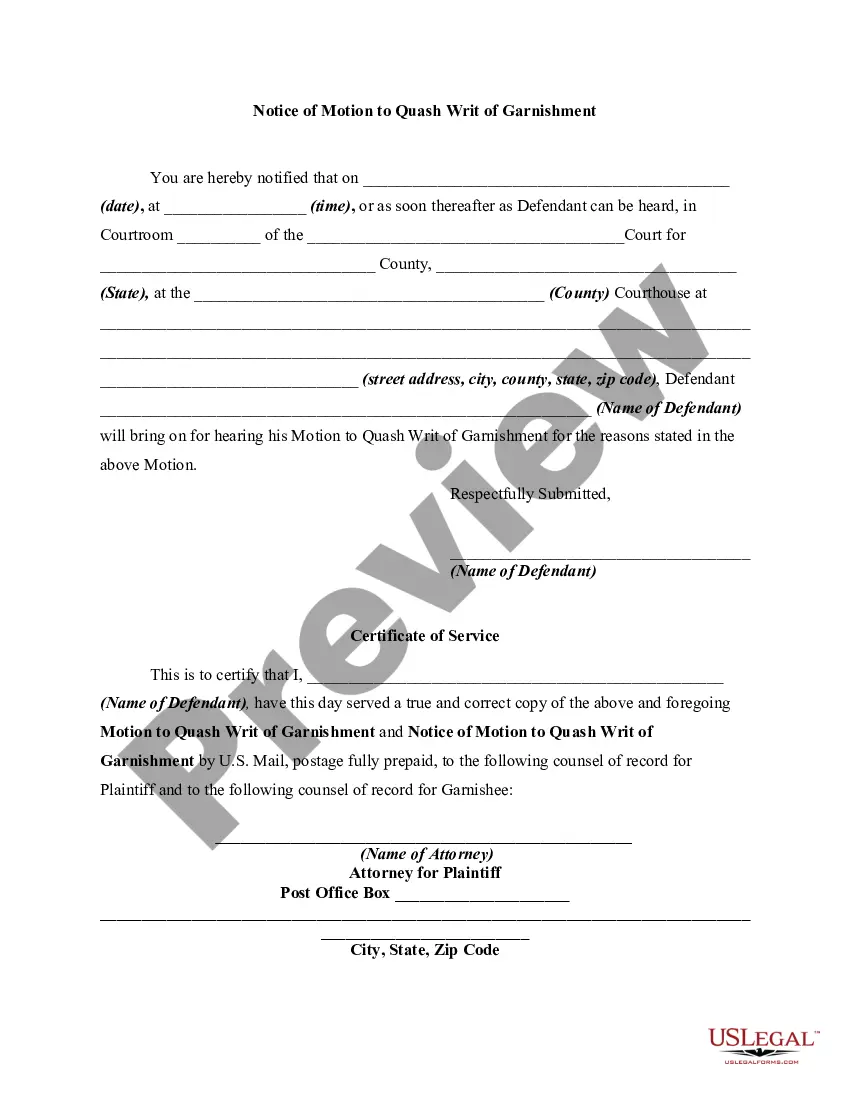
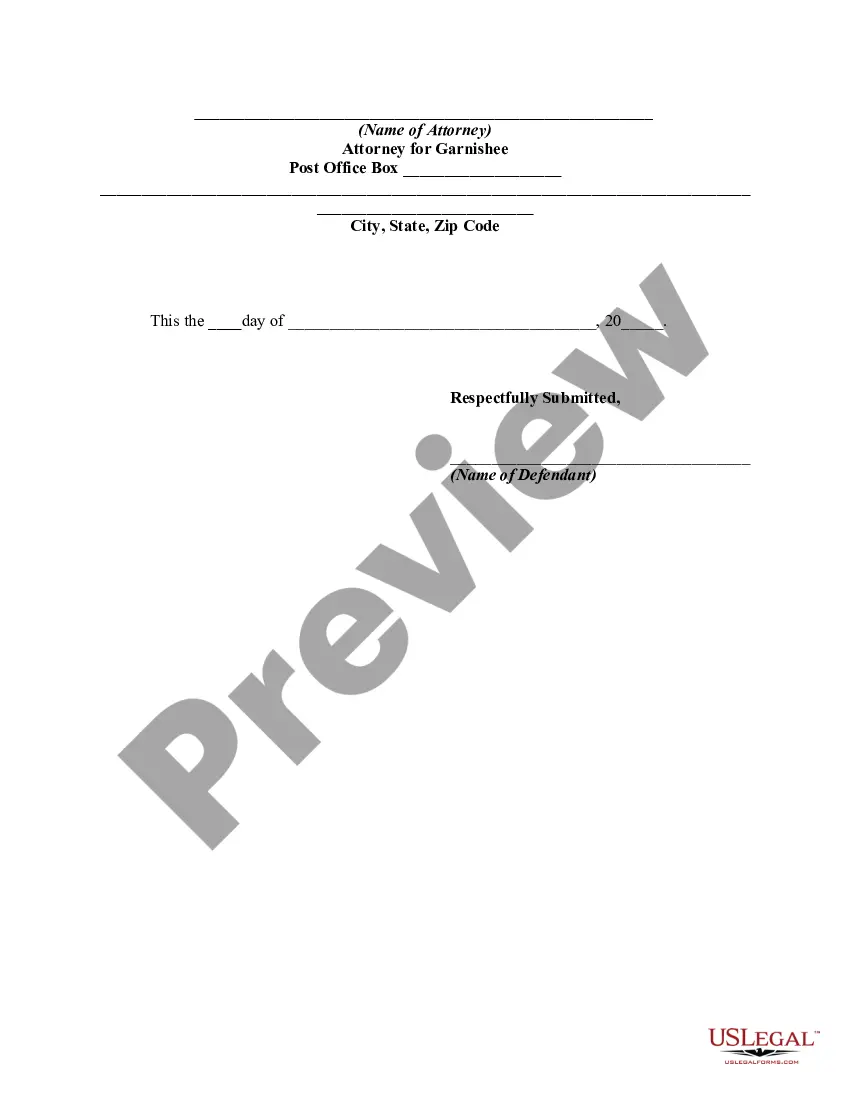
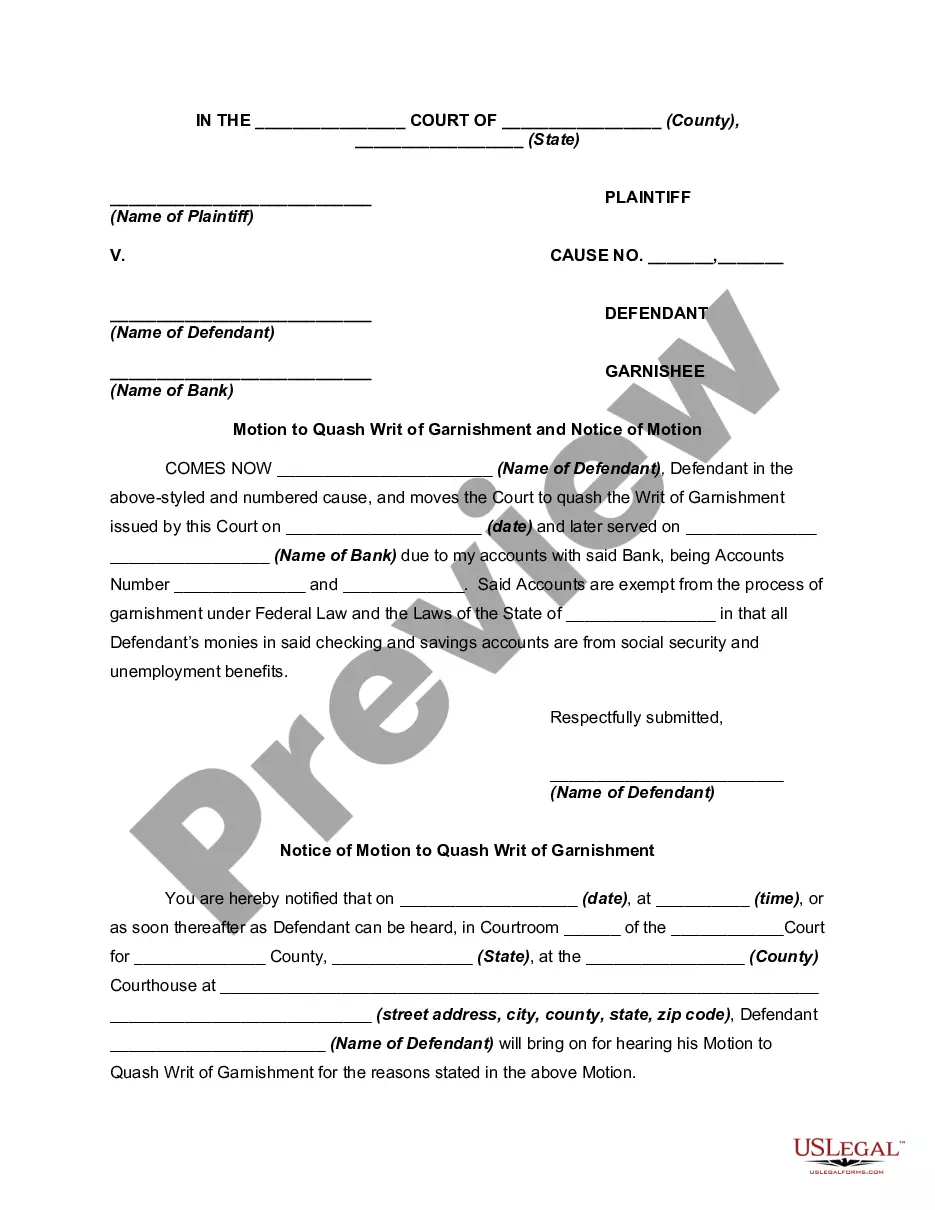
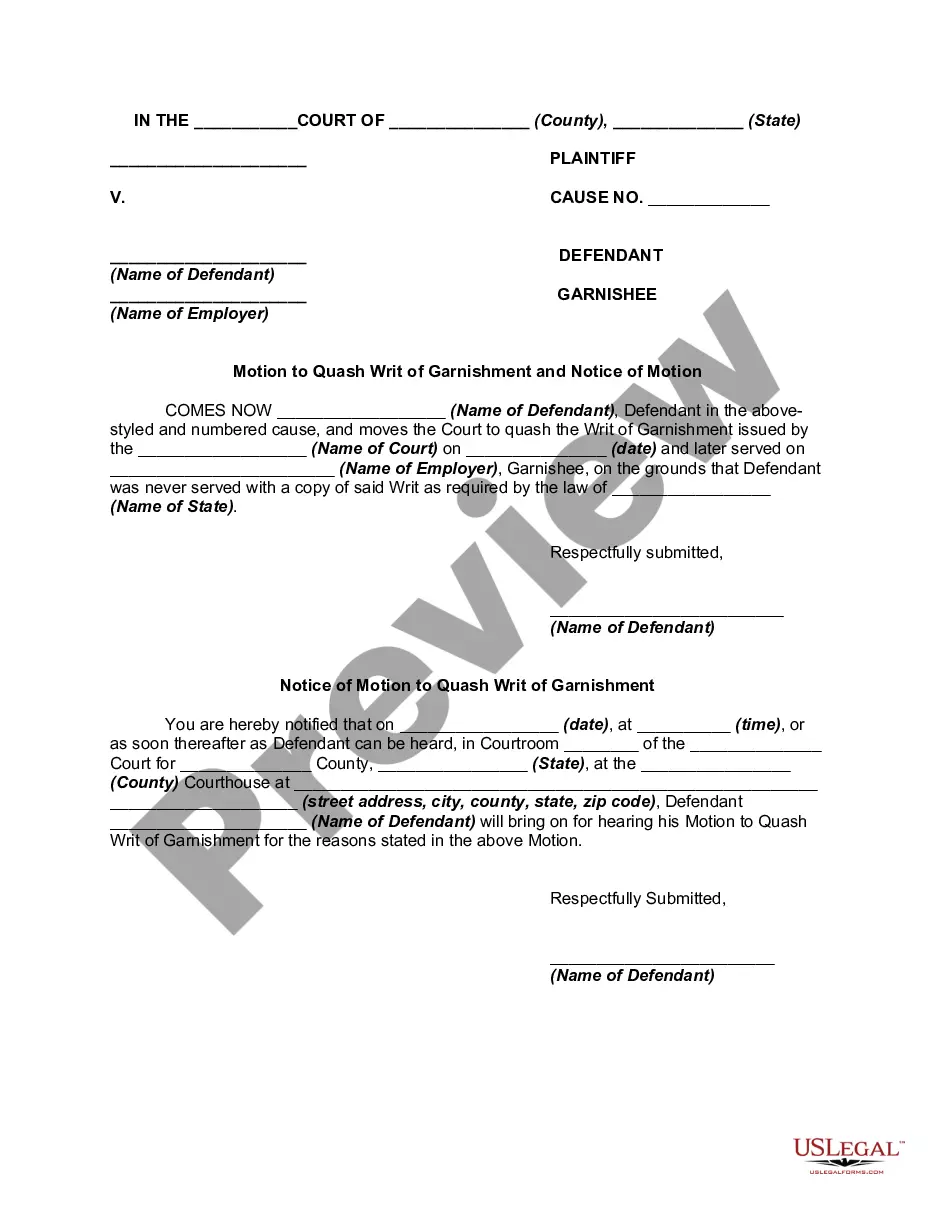
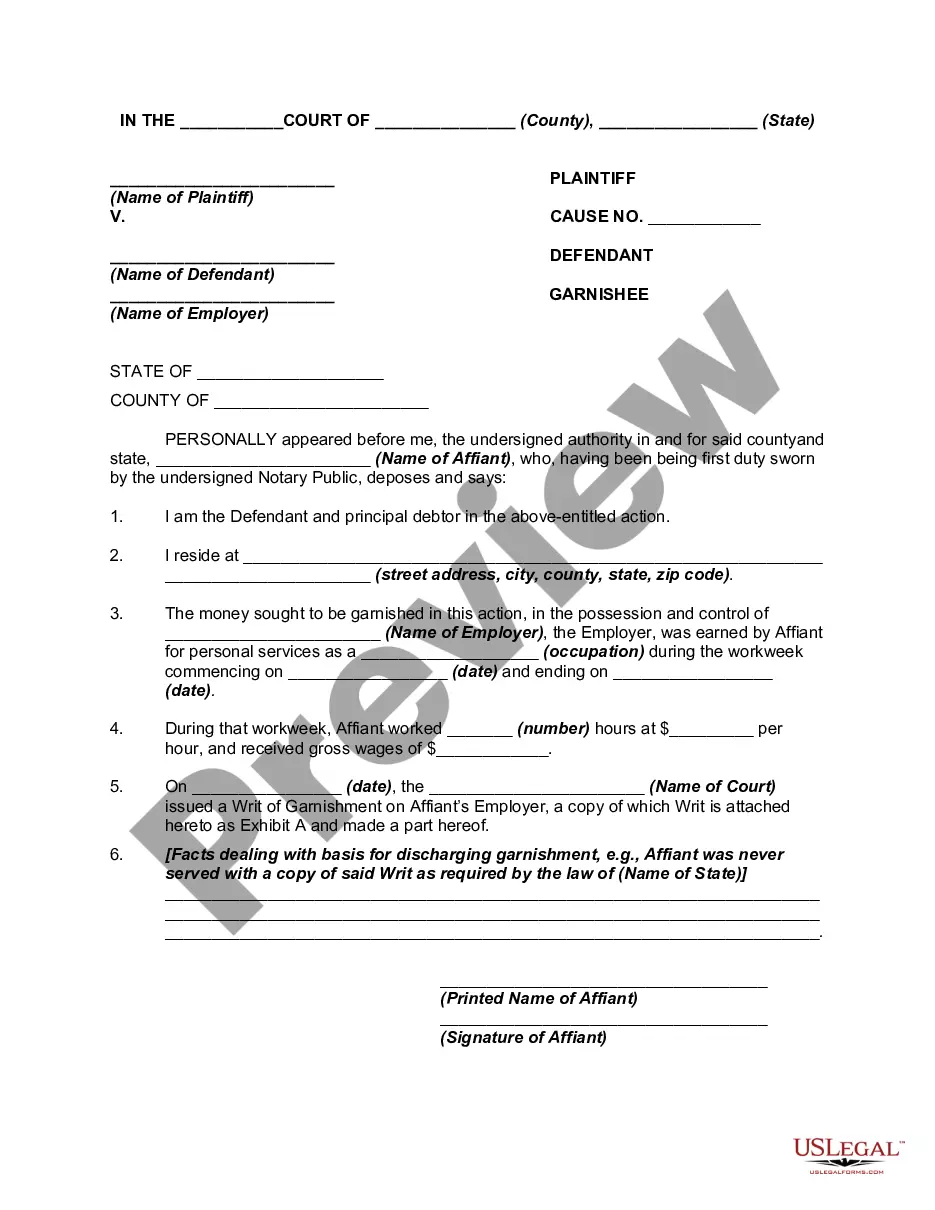
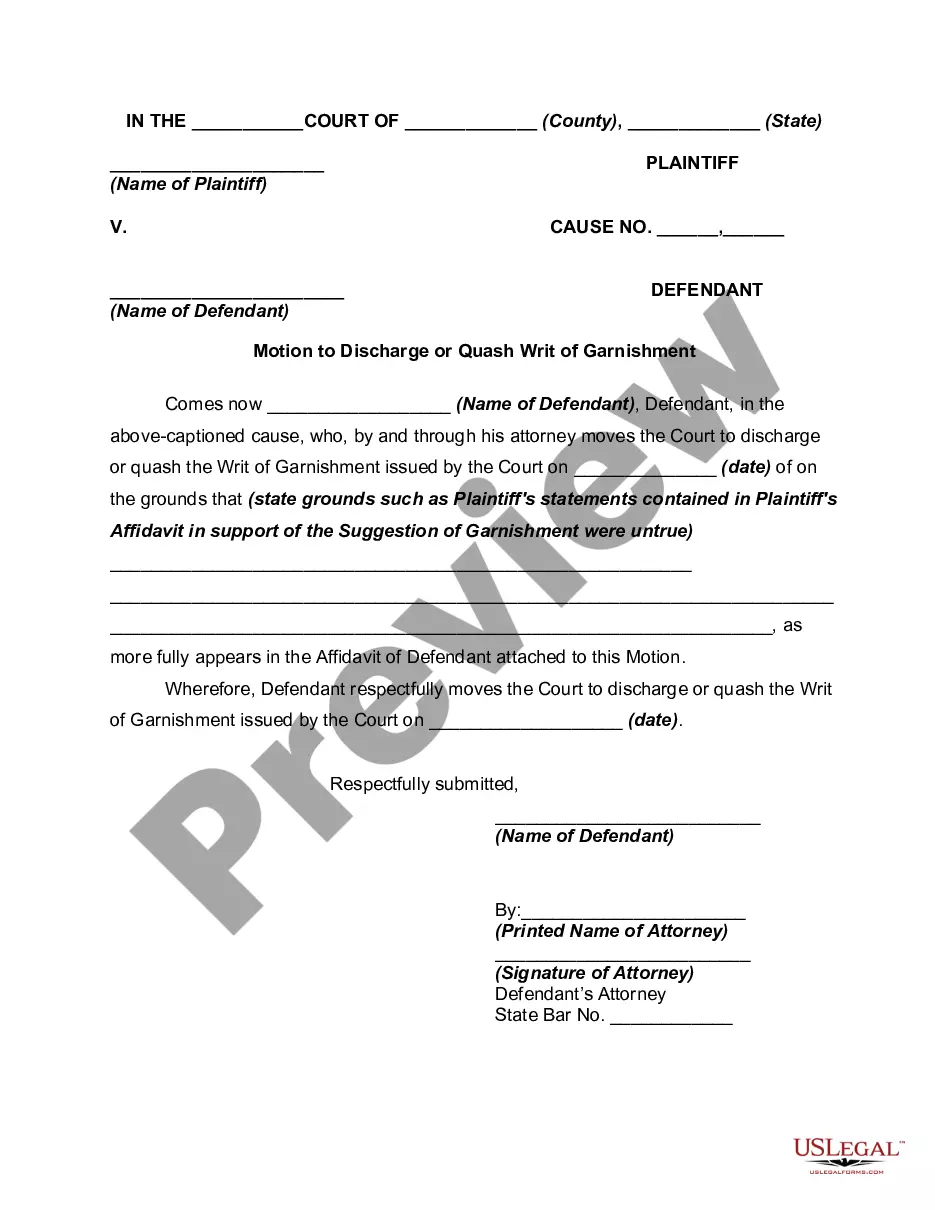
Get your form ready online
Our built-in tools help you complete, sign, share, and store your documents in one place.
Make edits, fill in missing information, and update formatting in US Legal Forms—just like you would in MS Word.
Download a copy, print it, send it by email, or mail it via USPS—whatever works best for your next step.
Sign and collect signatures with our SignNow integration. Send to multiple recipients, set reminders, and more. Go Premium to unlock E-Sign.
If this form requires notarization, complete it online through a secure video call—no need to meet a notary in person or wait for an appointment.
We protect your documents and personal data by following strict security and privacy standards.

Make edits, fill in missing information, and update formatting in US Legal Forms—just like you would in MS Word.

Download a copy, print it, send it by email, or mail it via USPS—whatever works best for your next step.

Sign and collect signatures with our SignNow integration. Send to multiple recipients, set reminders, and more. Go Premium to unlock E-Sign.

If this form requires notarization, complete it online through a secure video call—no need to meet a notary in person or wait for an appointment.

We protect your documents and personal data by following strict security and privacy standards.
Looking for another form?



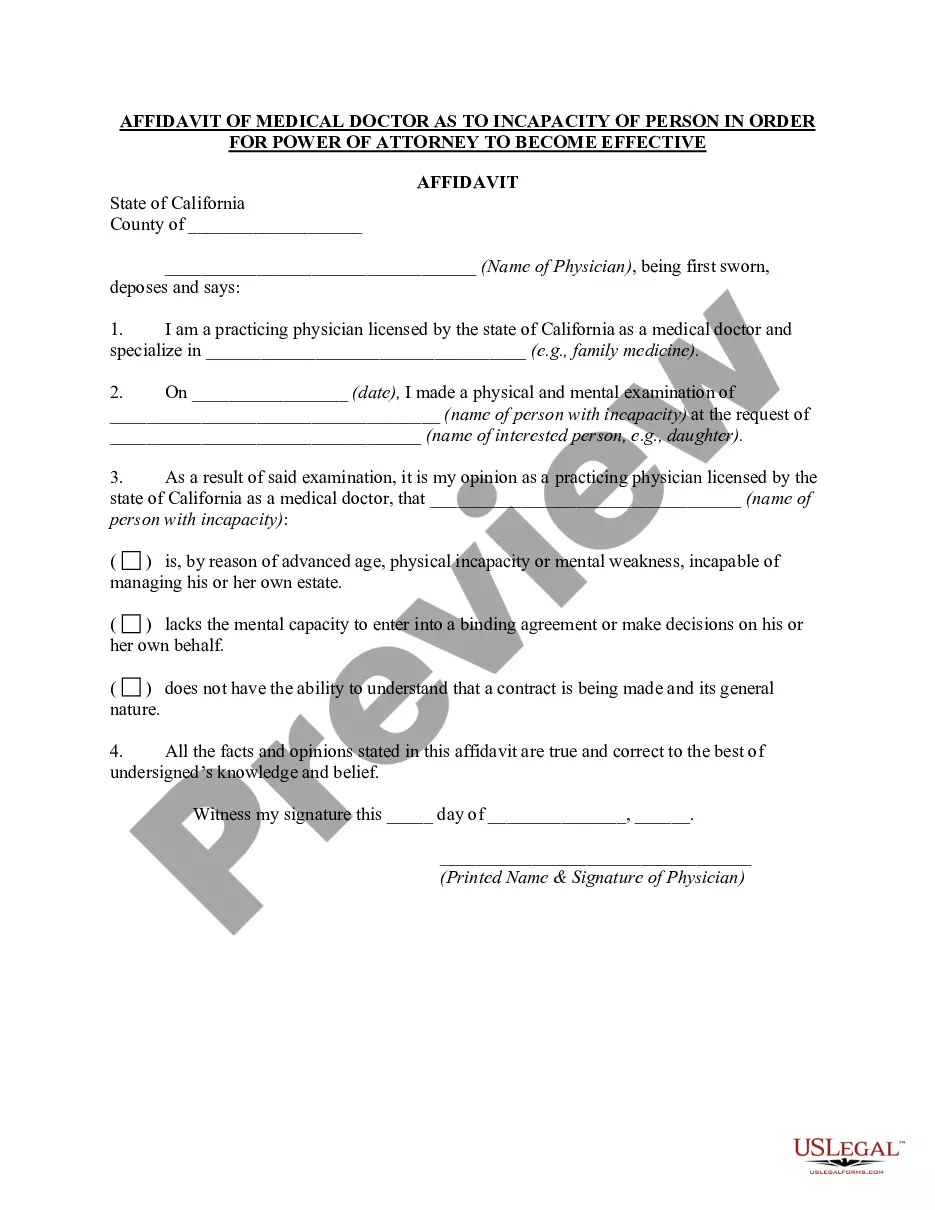

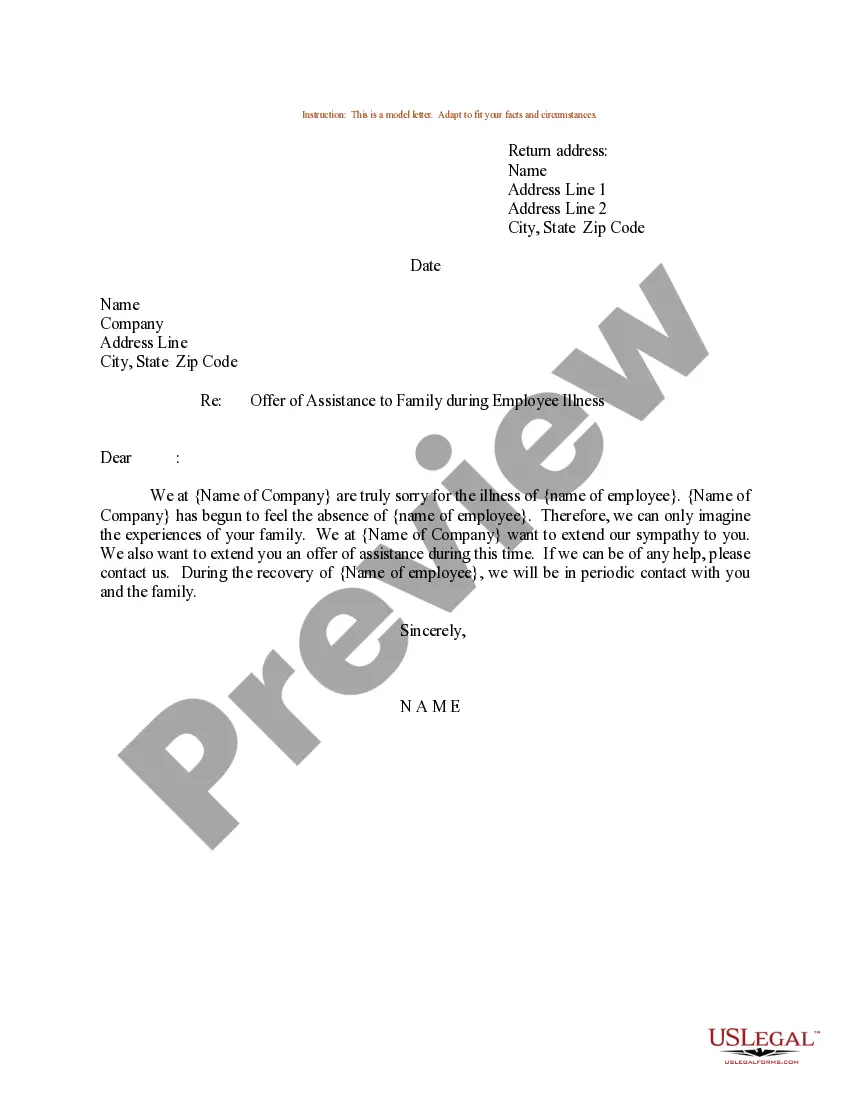
How to fill out Motion Of Defendant To Discharge Or Quash Writ Of Garnishment And Notice Of Motion?
Managing legal documents and activities can be a lengthy addition to your day.
Garnishment Employer Served For and similar forms typically necessitate that you locate them and comprehend the most effective way to fill them out properly.
Thus, if you are addressing financial, legal, or personal issues, having a comprehensive and efficient online directory of forms at your disposal will greatly assist.
US Legal Forms is the leading online service for legal templates, featuring over 85,000 state-specific forms and various resources to help you complete your documents effortlessly.
Is this your first time using US Legal Forms? Register and create your account in a few minutes to access the form directory and Garnishment Employer Served For. Then, follow the steps below to complete your form: Ensure you have found the correct form using the Review feature and reviewing the form details. Select Buy Now when ready, and choose the monthly subscription plan that suits your requirements. Click Download, then fill out, eSign, and print the form. US Legal Forms has twenty-five years of experience assisting users in managing their legal documents. Obtain the form you need now and streamline any process effortlessly.
- Explore the collection of relevant documents available to you with just one click.
- US Legal Forms provides state- and county-specific forms accessible for download at any time.
- Protect your document management processes with a high-quality service that enables you to prepare any form in minutes without additional or hidden fees.
- Simply Log In to your account, search for Garnishment Employer Served For, and download it instantly from the My documents section.
- You can also access previously downloaded forms.
Form popularity
FAQ
If your wages are being garnished and you lose your job, the garnishment typically stops because there are no wages to garnish. However, the debt still exists, and creditors may seek other means to collect the amount owed. It’s wise to explore your options, and platforms like US Legal Forms can help you understand your rights and create a plan moving forward. Remember, staying informed and proactive can make a significant difference in managing your financial situation.
Yes, when a garnishment employer served for is legally issued, the employer must comply with it. This means they are required to withhold a portion of your wages and send it to the creditor specified in the garnishment order. Failing to do so can result in legal consequences for the employer. It’s important to understand your rights and seek guidance if you have concerns about the process.
In Tennessee, garnishment rules specify how much of your wages can be withheld to satisfy a debt. Generally, creditors can garnish up to 25% of your disposable income, or the amount by which your weekly income exceeds 30 times the federal minimum wage. Furthermore, specific exemptions may apply, protecting certain income types from garnishment. Understanding these rules is crucial, and platforms like uslegalforms can provide detailed guidance tailored to your situation.
When a garnishment employer is served for your wages, the creditor typically uses various methods to locate your employer. They may rely on public records or previous employment information you provided. Additionally, they can check with other sources, like credit reports or previous legal filings. It is essential to keep your employer informed, as they are legally required to comply with the garnishment order.
When an employee has their wages garnished, employers must follow state laws and ensure compliance with the garnishment order. This includes accurately calculating the amount to be withheld and providing timely notifications to the employee. Clear communication is vital to maintain trust and transparency during this process. For guidance on handling such situations, utilize the tools available at US Legal Forms.
Yes, employers are generally required to notify employees when a garnishment employer served for impacts their wages. This notification helps you understand the deductions from your paycheck and offers an opportunity to address any concerns. Being informed allows you to plan better for your financial situation. For more details on employer responsibilities, explore the resources at US Legal Forms.
If your employer fails to notify you of a wage garnishment, it could lead to confusion regarding your paychecks and financial obligations. You have the right to be informed of any garnishments affecting your wages. If you discover that your employer did not follow proper procedures, consider seeking legal advice or using US Legal Forms to understand your options.
No, employers cannot legally fire you solely because your wages are being garnished. The law protects employees from discrimination based on wage garnishment, ensuring you can retain your job despite financial difficulties. However, repeated or multiple garnishments may raise concerns for employers. If you're facing issues, consult the resources available on US Legal Forms for more support.
In Oregon, garnishment rules specify limits on how much of an employee's wages can be garnished, typically 25% of disposable earnings. Employers must also adhere to specific procedures when they receive a garnishment order. Being aware of these regulations is essential for both employees and employers to ensure compliance. You can find comprehensive information on Oregon garnishment rules at US Legal Forms.
When an employer receives a writ of garnishment, they typically have a specific time frame to respond, usually ranging from 10 to 30 days, depending on state laws. This response period is crucial as it allows the employer to process the garnishment correctly and inform the employee. Understanding this timeline helps you manage expectations regarding your finances. If you need assistance, consider using US Legal Forms for detailed guidance.