Visitation Grandchild With Disabilities
Description
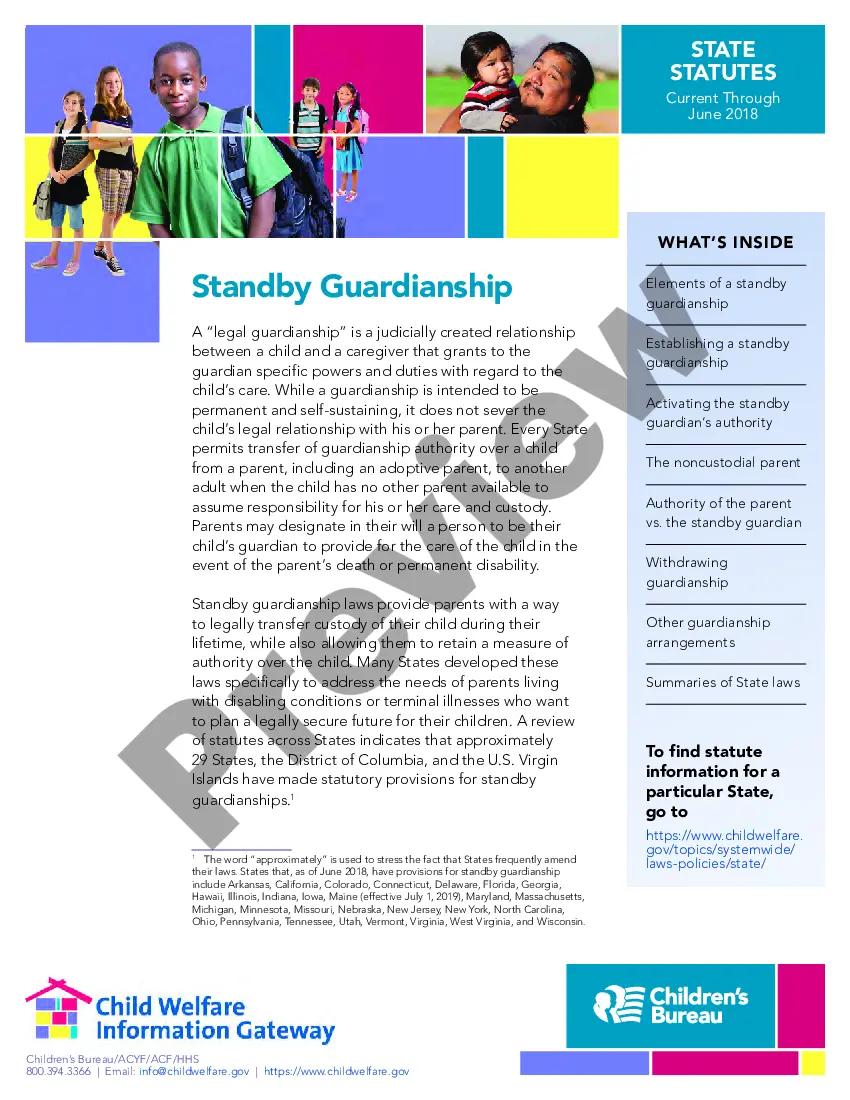
Get your form ready online
Our built-in tools help you complete, sign, share, and store your documents in one place.
Make edits, fill in missing information, and update formatting in US Legal Forms—just like you would in MS Word.
Download a copy, print it, send it by email, or mail it via USPS—whatever works best for your next step.
Sign and collect signatures with our SignNow integration. Send to multiple recipients, set reminders, and more. Go Premium to unlock E-Sign.
If this form requires notarization, complete it online through a secure video call—no need to meet a notary in person or wait for an appointment.
We protect your documents and personal data by following strict security and privacy standards.

Make edits, fill in missing information, and update formatting in US Legal Forms—just like you would in MS Word.

Download a copy, print it, send it by email, or mail it via USPS—whatever works best for your next step.

Sign and collect signatures with our SignNow integration. Send to multiple recipients, set reminders, and more. Go Premium to unlock E-Sign.

If this form requires notarization, complete it online through a secure video call—no need to meet a notary in person or wait for an appointment.

We protect your documents and personal data by following strict security and privacy standards.
Looking for another form?








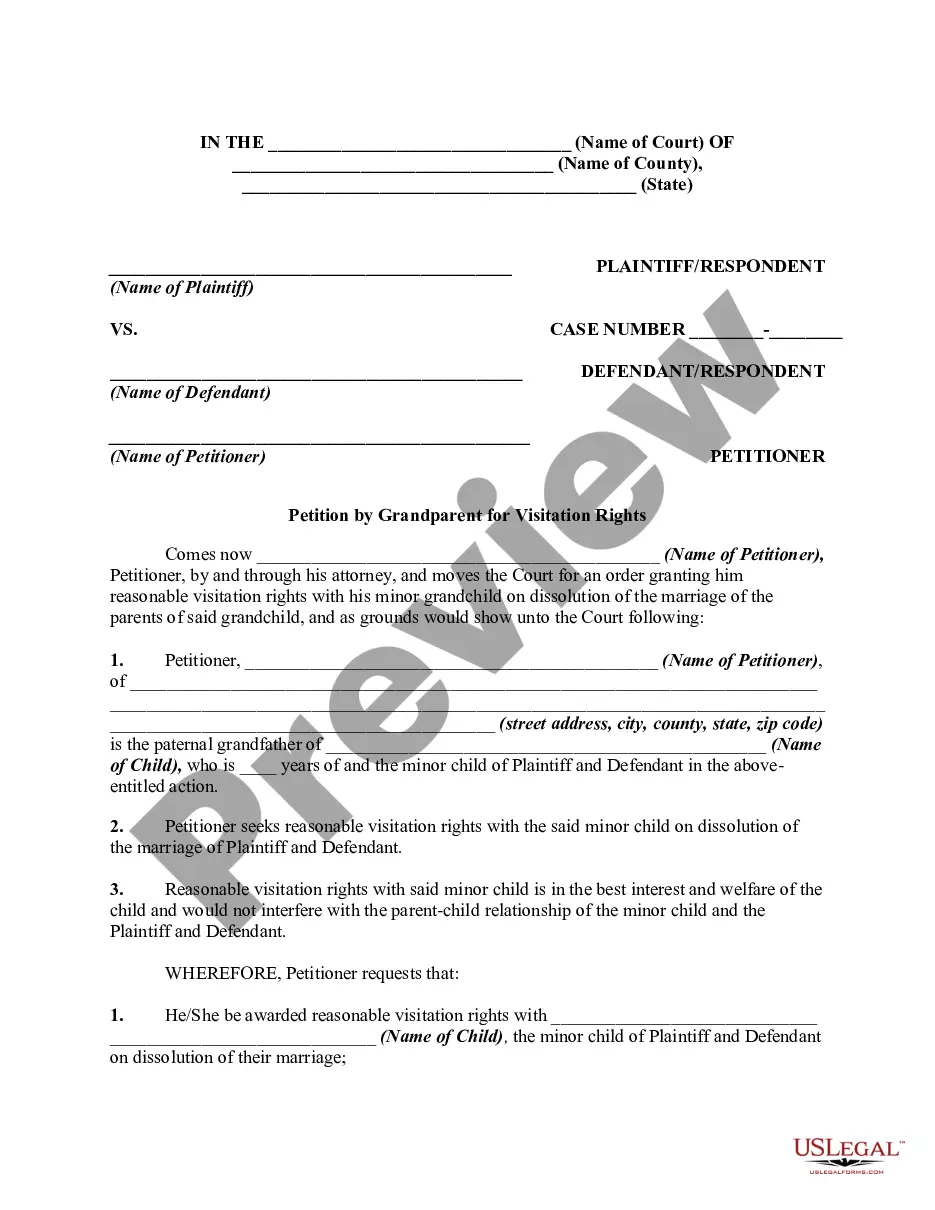
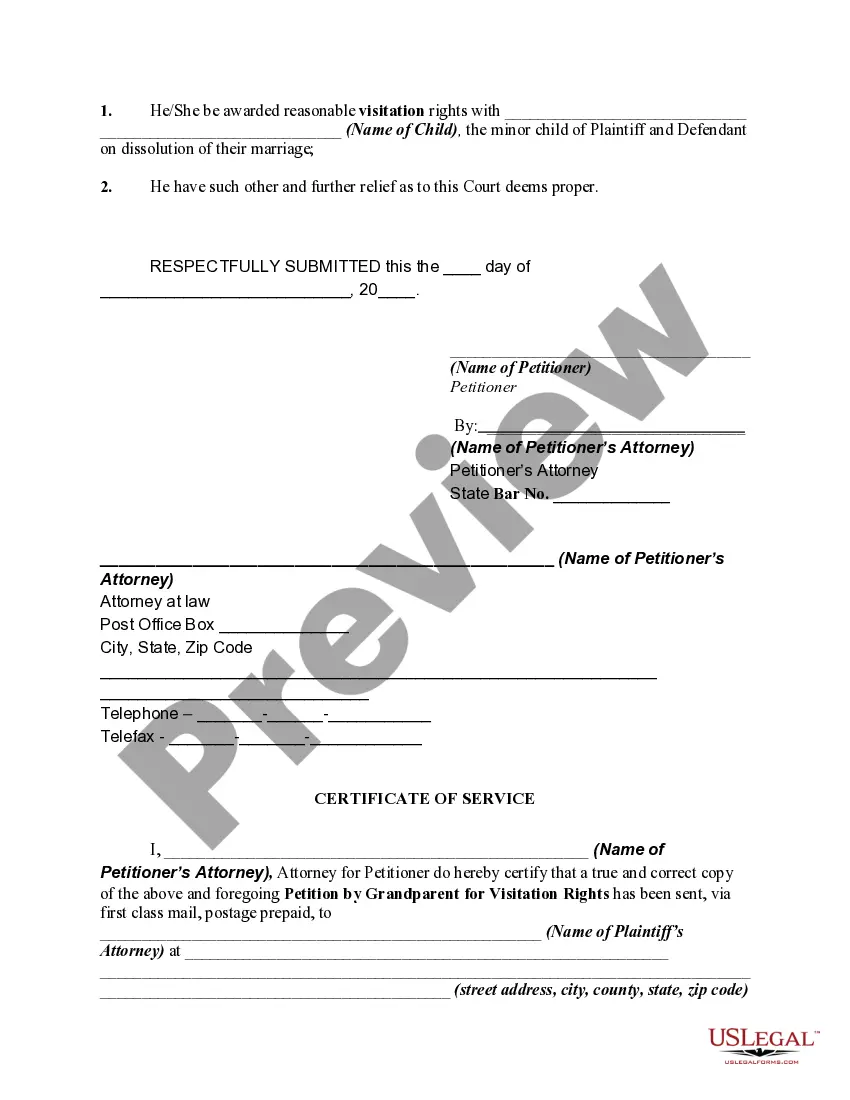
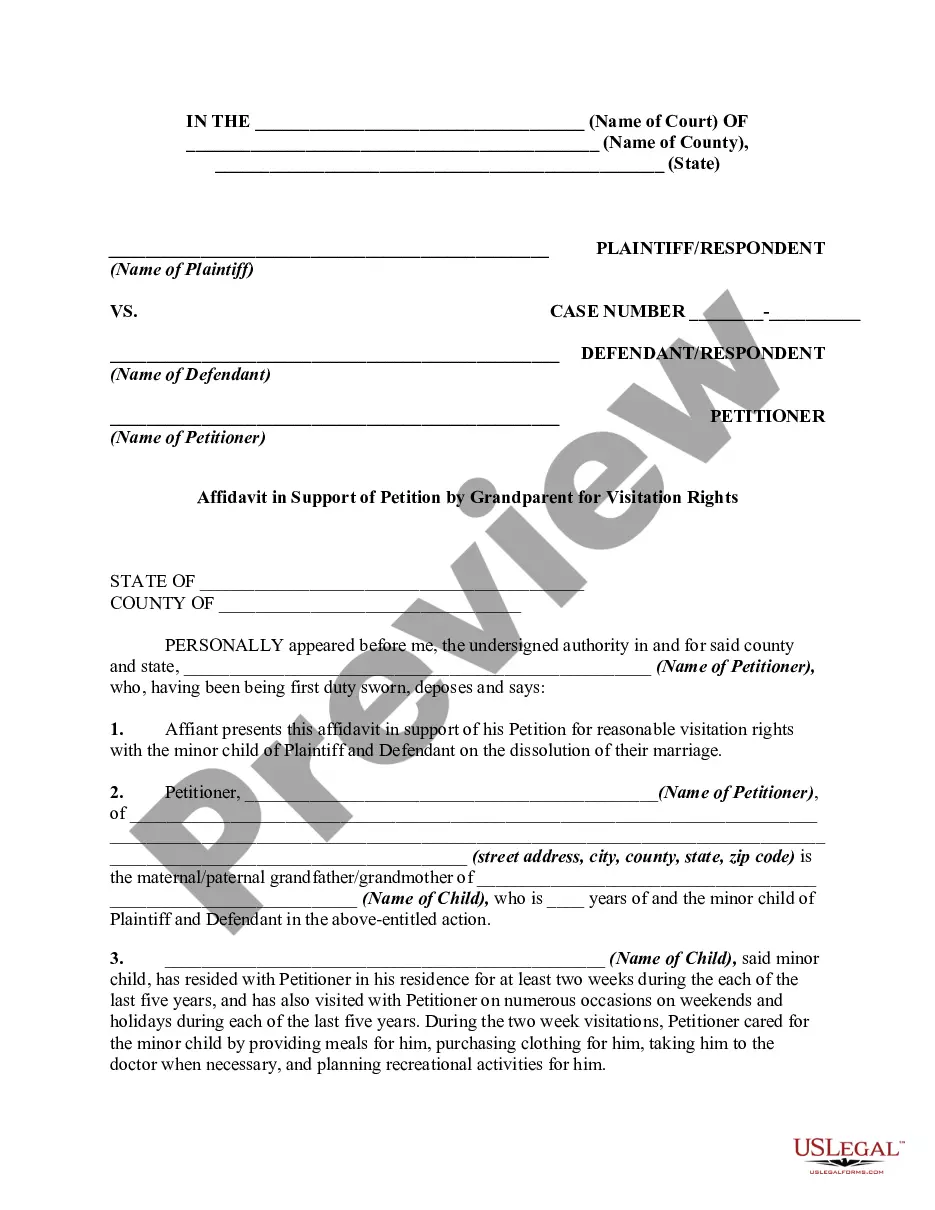
How to fill out Petition By Grandparent For Visitation Rights With Minor Grandchild On Dissolution Of The Marriage Of The Parents Of Minor Child?
The Visitation Grandchild With Disabilities you observe on this page is a versatile formal template crafted by expert attorneys in accordance with federal and local regulations.
For over 25 years, US Legal Forms has supplied individuals, enterprises, and lawyers with more than 85,000 validated, state-specific documents for any business and personal situations. It’s the quickest, easiest, and most reliable way to acquire the paperwork you require, as the service ensures bank-grade data protection and anti-malware safeguards.
Select the format you prefer for your Visitation Grandchild With Disabilities (PDF, DOCX, RTF) and download the document to your device.
- Search for the document you require and examine it.
- Browse the sample you looked for and preview it or review the form description to verify it meets your needs. If it doesn’t, utilize the search function to find the right one. Click Buy Now when you have located the template you need.
- Register and Log In.
- Choose the pricing plan that best fits you and set up an account. Use PayPal or a credit card for a swift transaction. If you already possess an account, Log In and check your subscription to continue.
- Acquire the editable template.
Form popularity
FAQ
In child support court, avoid making negative comments about the other parent, as this can reflect poorly on your character. Focus on demonstrating your commitment to your grandchild, particularly if they have disabilities, and how you plan to support them. Always remain respectful and factual, and consider using US Legal Forms to prepare your statements and evidence effectively.
Grandparents have the right to file for visitation rights, especially when it benefits the child’s emotional and social development. Courts frequently consider the child’s best interests, which include maintaining meaningful connections with family members. For those navigating this process, US Legal Forms offers essential resources to help file the necessary paperwork efficiently.
Yes, grandparents can apply for visitation rights under certain circumstances. The legal system often recognizes the importance of a grandchild's relationship with their grandparents, particularly if the grandchild has disabilities. Utilizing platforms like US Legal Forms can guide you through the application process and ensure you present a strong case.
If you find yourself unable to see your grandchildren, first try to communicate openly with the parents to understand their concerns. Building a case for visitation rights may be necessary, and documenting your relationship with your grandchild, especially if they have disabilities, can help. US Legal Forms provides tools that can assist you in drafting necessary legal documents to pursue visitation.
Yes, a grandparent can file for visitation rights, even if the parents oppose it. Courts generally consider the best interests of the child, including the importance of maintaining relationships with family members, especially when it comes to a grandchild with disabilities. If you seek to strengthen your bond, consider using resources like US Legal Forms to navigate the legal process effectively.
In a custody case, factors that may negatively impact your position include a history of substance abuse, neglect, or any behavior that jeopardizes the child's safety. It's essential to demonstrate a stable environment and a commitment to the child's well-being, especially when considering visitation with a grandchild with disabilities. Always focus on showing your dedication to nurturing and supporting your grandchild.
When you face restrictions on visiting your grandchild, start by understanding the reasons behind the situation. Communication is key; try to discuss your feelings with the child's parents or guardians. If the reasons are related to your grandchild’s disabilities, educate yourself about their needs to show your commitment to their well-being. If informal discussions do not lead to a resolution, consider seeking legal guidance to explore options for visitation rights.
Being denied access to your child can be distressing, especially in cases involving a grandchild with disabilities. First, recognize your legal rights and explore the reasons behind the denial. If necessary, legal platforms like US Legal Forms can assist you in understanding your options and filing for visitation rights. Taking informed steps can help you reconnect with your child.
Feeling excluded from your grandchildren's lives can be very painful. If you are facing challenges in visitation with a grandchild with disabilities, it's essential to communicate openly with the child's parents. Seeking mediation or legal advice can provide pathways to resolve conflicts and ensure that your relationship with your grandchild is maintained. Remember, your love and support are invaluable.
In general, a mother can only withhold visitation if there is a valid legal reason. If you are dealing with visitation involving a grandchild with disabilities, the situation can become more complex. It is important to consider the best interests of the child and any existing custody agreements. Consulting with a legal professional can help clarify your rights and options.