Grandchild Parents Without Partners
Description
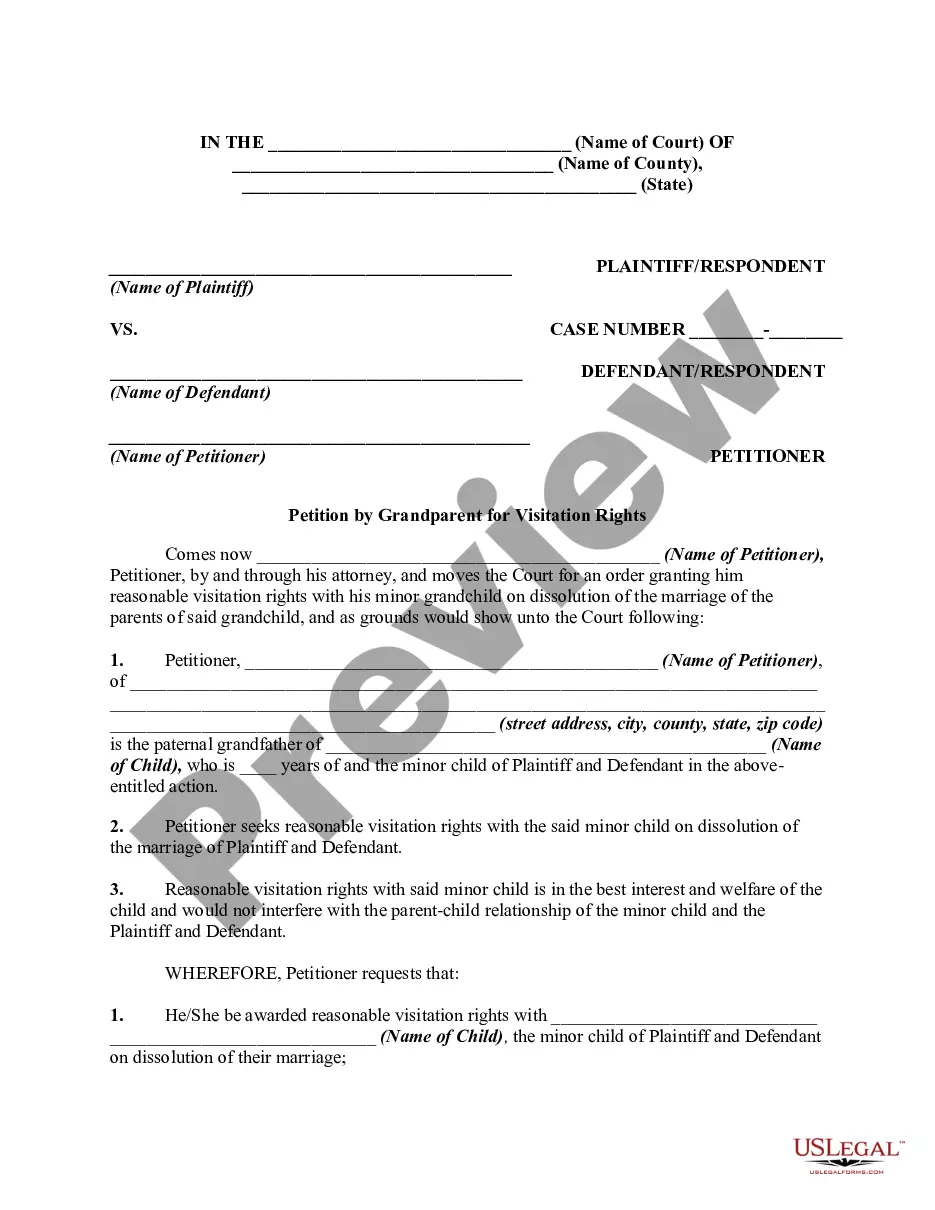
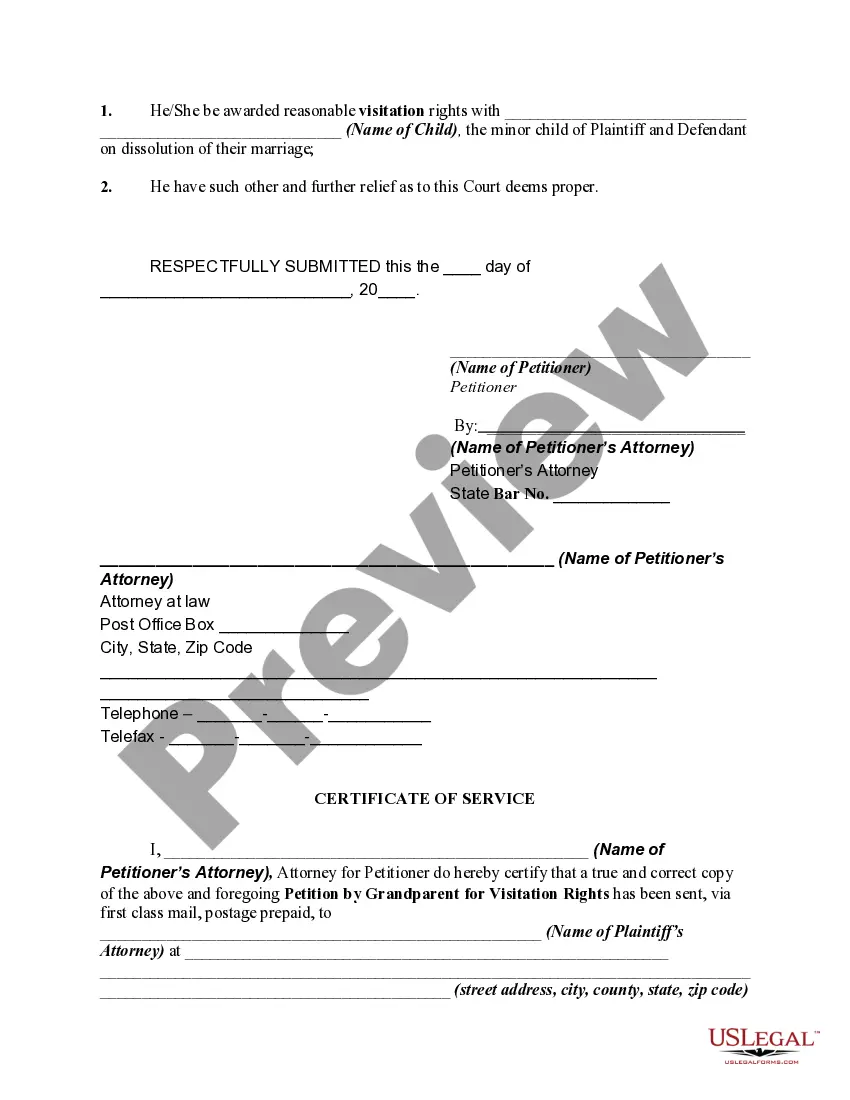
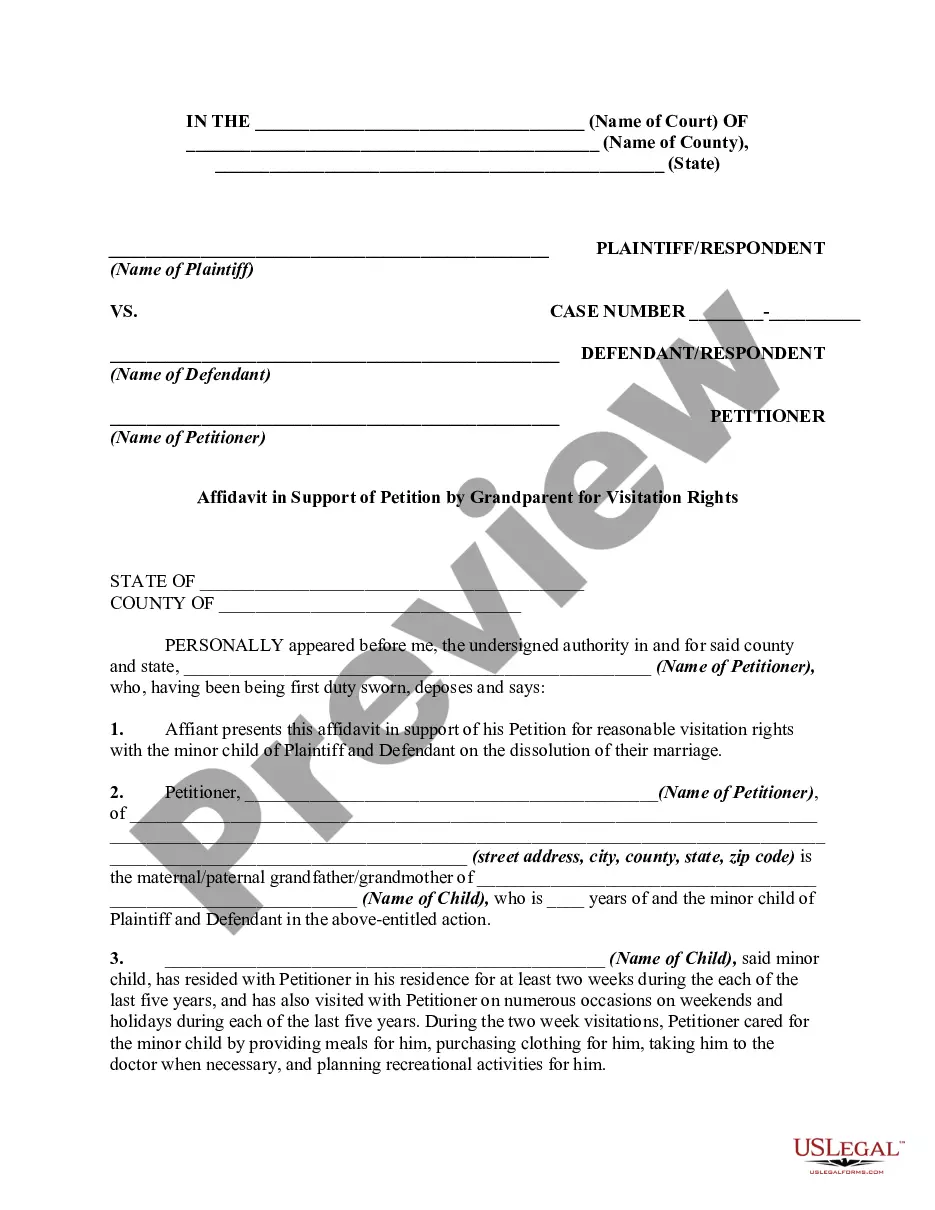
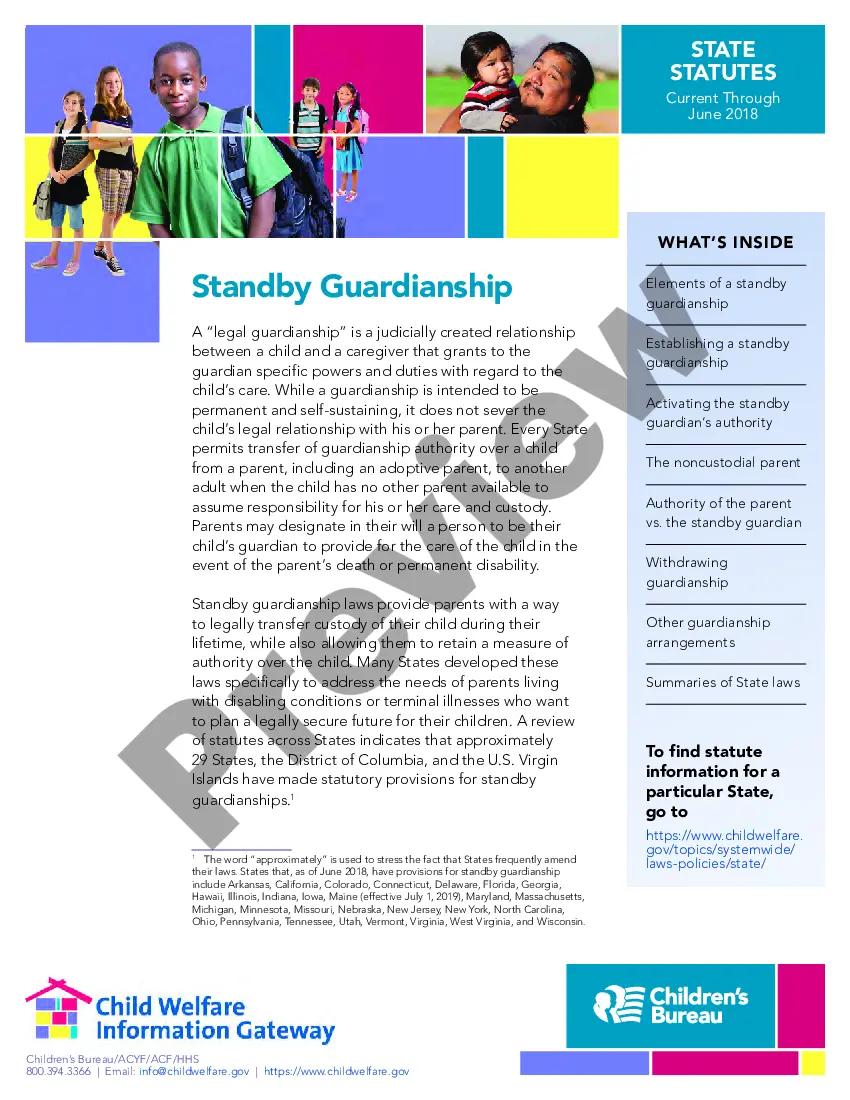
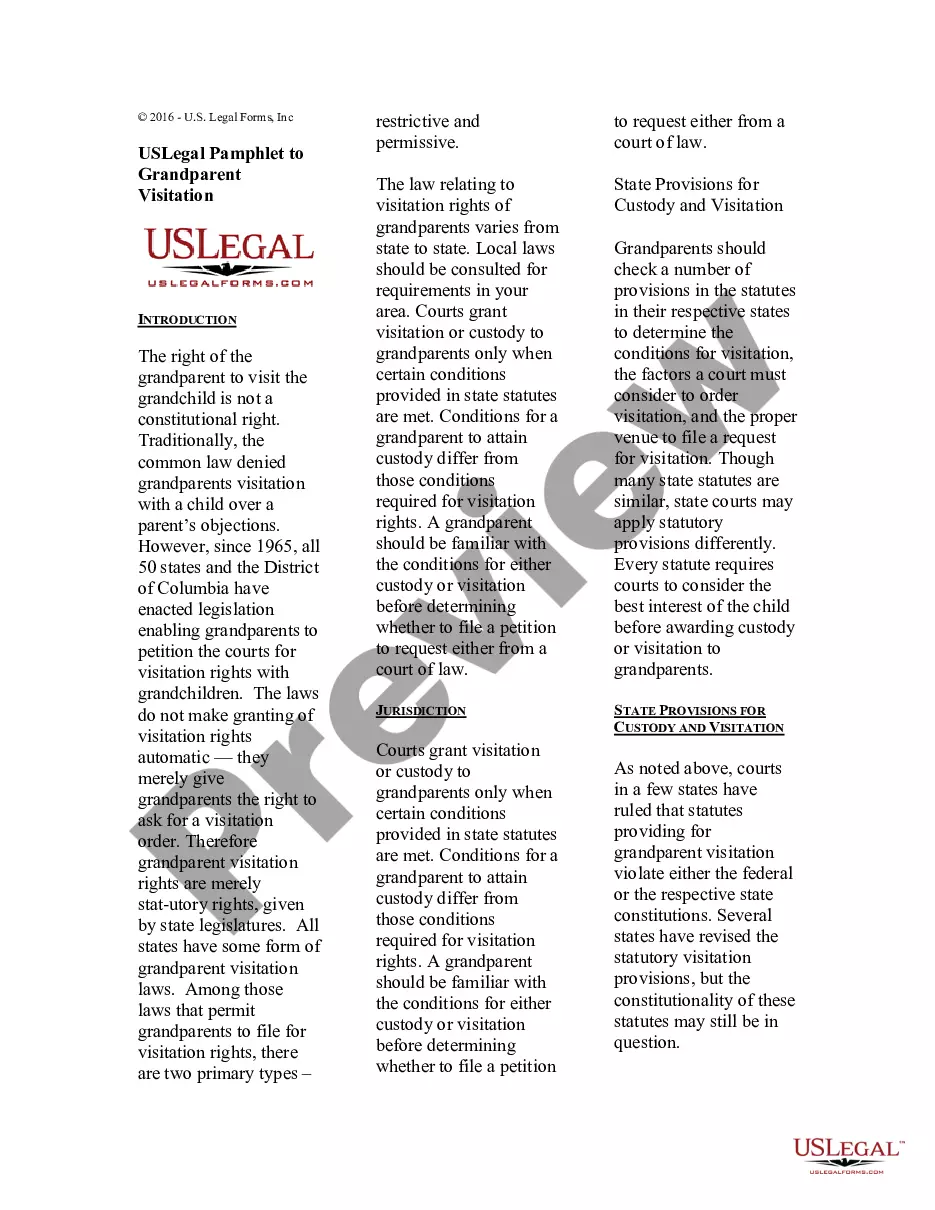
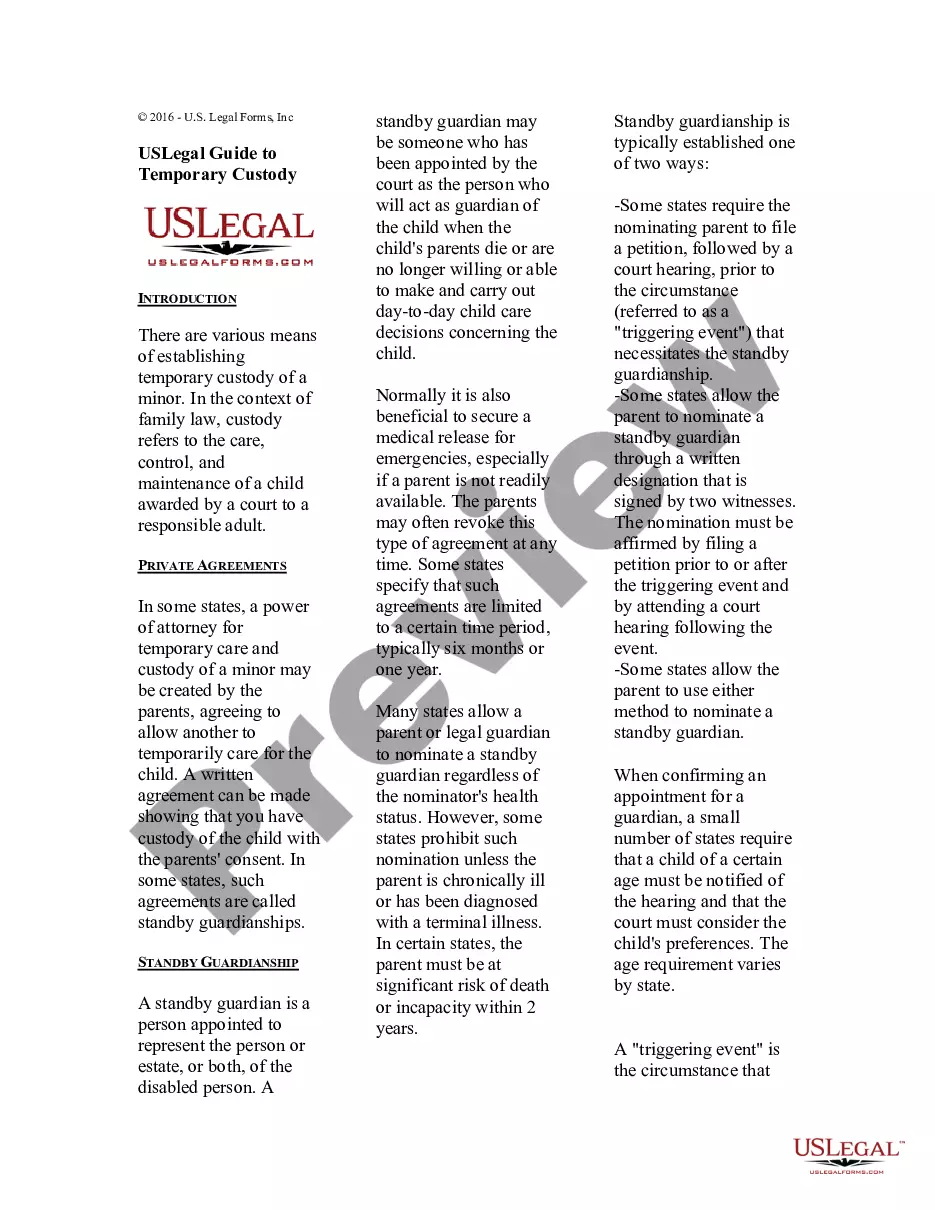
Get your form ready online
Our built-in tools help you complete, sign, share, and store your documents in one place.
Make edits, fill in missing information, and update formatting in US Legal Forms—just like you would in MS Word.
Download a copy, print it, send it by email, or mail it via USPS—whatever works best for your next step.
Sign and collect signatures with our SignNow integration. Send to multiple recipients, set reminders, and more. Go Premium to unlock E-Sign.
If this form requires notarization, complete it online through a secure video call—no need to meet a notary in person or wait for an appointment.
We protect your documents and personal data by following strict security and privacy standards.

Make edits, fill in missing information, and update formatting in US Legal Forms—just like you would in MS Word.

Download a copy, print it, send it by email, or mail it via USPS—whatever works best for your next step.

Sign and collect signatures with our SignNow integration. Send to multiple recipients, set reminders, and more. Go Premium to unlock E-Sign.

If this form requires notarization, complete it online through a secure video call—no need to meet a notary in person or wait for an appointment.

We protect your documents and personal data by following strict security and privacy standards.
Looking for another form?


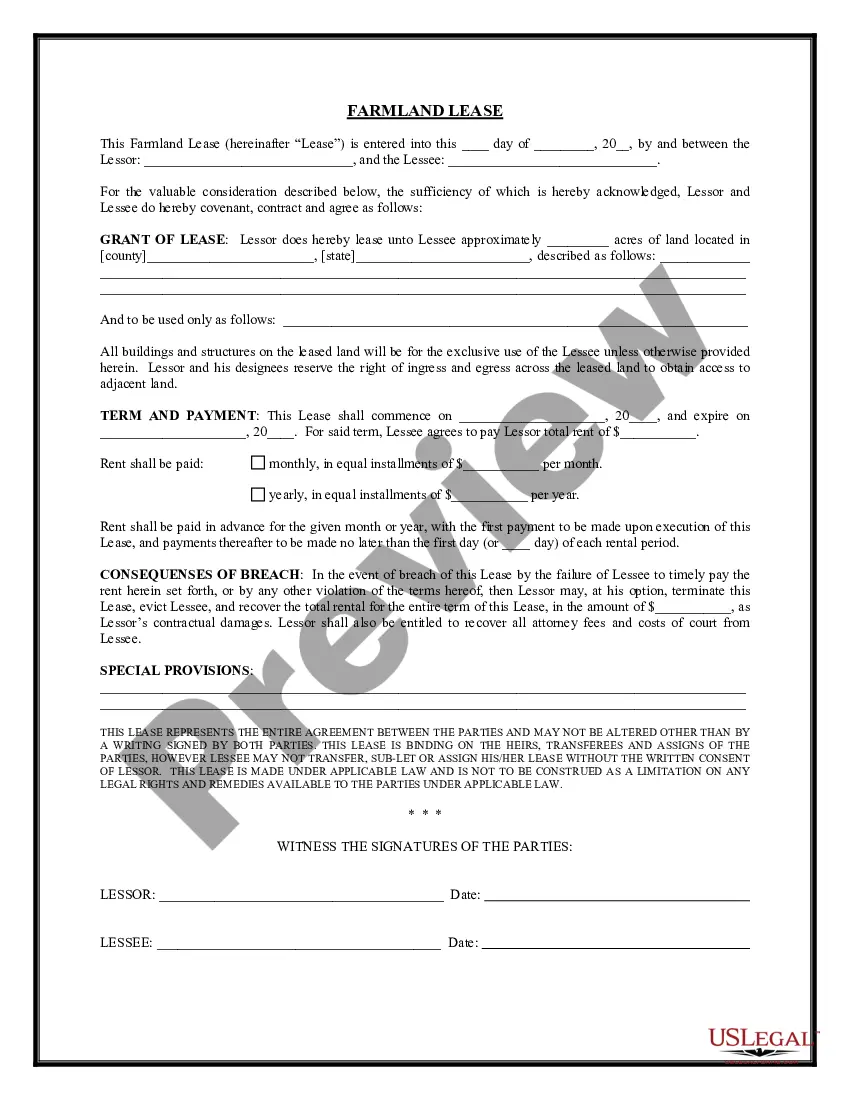
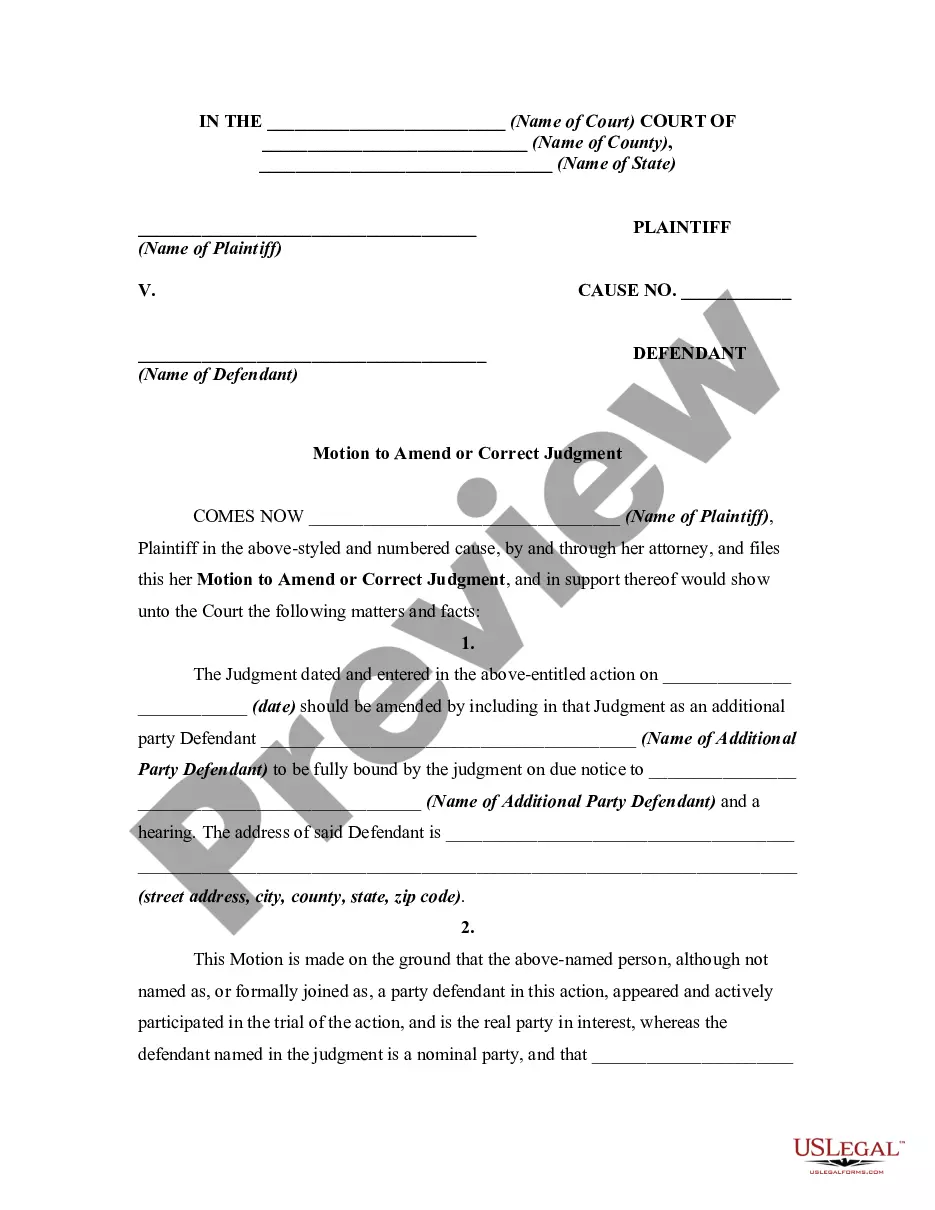



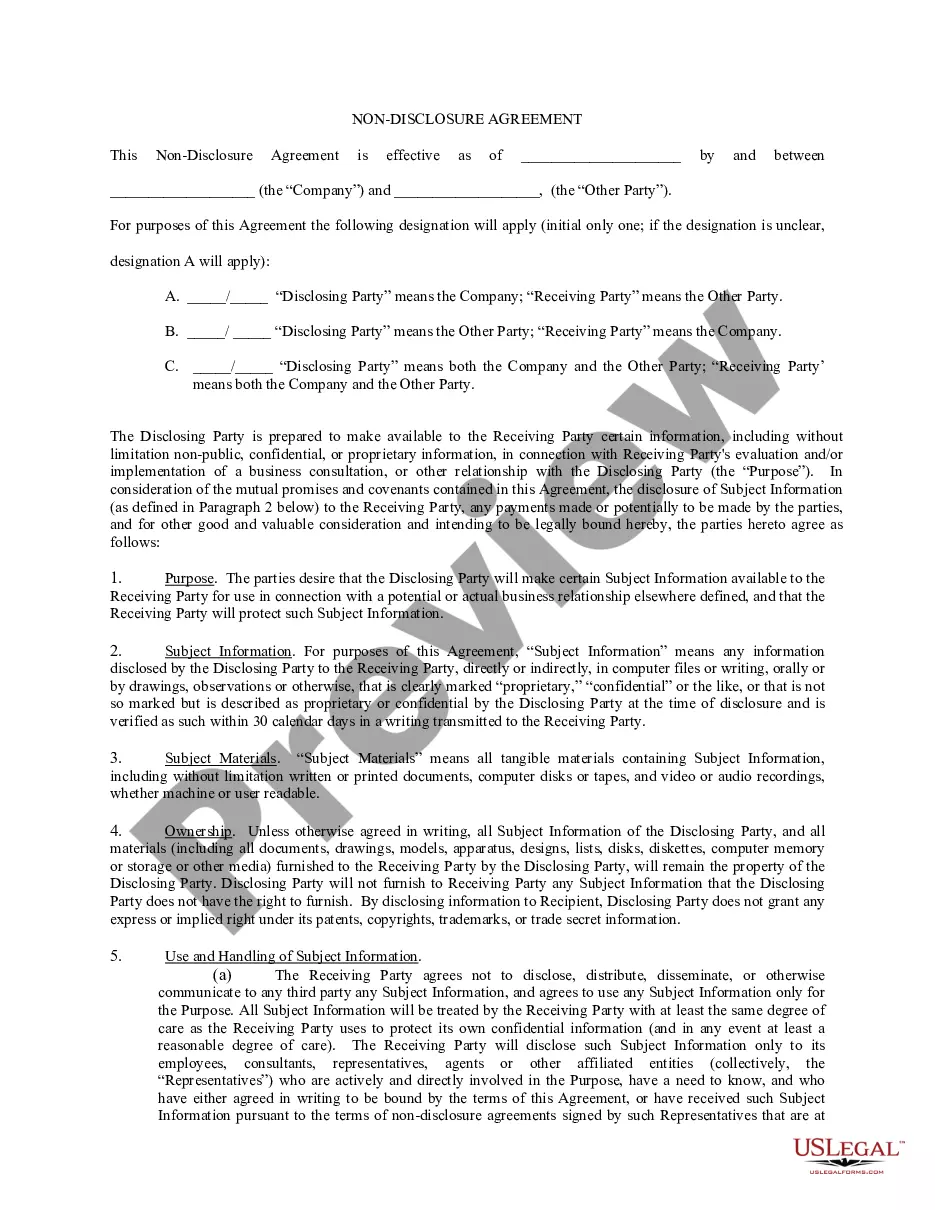


How to fill out Petition By Grandparent For Visitation Rights With Minor Grandchild On Dissolution Of The Marriage Of The Parents Of Minor Child?
Locating a reliable source for obtaining the latest and pertinent legal templates is part of the challenge in navigating bureaucracy.
Selecting the appropriate legal paperwork requires precision and meticulousness, which is why it is essential to obtain samples of Grandchild Parents Without Partners exclusively from trustworthy providers, such as US Legal Forms. A faulty document will consume your time and hinder your current situation. With US Legal Forms, you have minimal concerns.
Once you have the form saved on your device, you can modify it using the editor or print it out for manual completion. Alleviate the stress associated with your legal paperwork. Explore the extensive US Legal Forms library to discover legal samples, assess their relevance to your situation, and download them immediately.
- Utilize the library navigation or search feature to find your template.
- Review the form’s details to ensure it meets the criteria of your state and locality.
- Preview the form, if available, to confirm that it is indeed the document you seek.
- Return to the search to find the correct template if the Grandchild Parents Without Partners does not suit your requirements.
- If you are certain about the form’s applicability, proceed to download it.
- As a registered user, click Log in to verify your identity and gain access to your chosen templates in My documents.
- If you haven't created an account yet, click Buy now to acquire the template.
- Select the pricing option that aligns with your preferences.
- Continue to the registration process to finalize your purchase.
- Complete your transaction by selecting a payment method (credit card or PayPal).
- Choose the file format for downloading Grandchild Parents Without Partners.
Form popularity
FAQ
Interest levels can fluctuate as grandchildren grow older, particularly during adolescence when they focus more on peers. However, many maintain a meaningful connection with their grandparents throughout life. As a grandchild parent without partners, encouraging shared experiences can help sustain that interest. Finding common activities, like hobbies or conversations about their interests, can keep the bond vibrant.
Steps for Making a Financial Power of Attorney in Connecticut Create the POA Using a Statutory Form, Software, or Attorney. ... Sign the POA in the Presence of a Notary Public. ... Store the Original POA in a Safe Place. ... Give a Copy to Your Agent or Attorney-in-Fact. ... File a Copy With the Land Records Office.
Under Connecticut law, a power of attorney must be signed in front of two witnesses and notarized in order to be considered enforceable. Once executed in this manner, the powers are immediately effective unless the document states otherwise.
A Connecticut durable statutory power of attorney form lets a principal appoint an agent to handle their financial affairs during their lifetime. The term ?durable? refers to the form remaining legal for use even if the principal can no longer make conscious decisions or think with a clear mind.
Power of attorney is the legal authority where you (the principal) give another person (the agent), the authority to act on your behalf. As if you were the one making the decisions. Anything you can do, they can do, just as well as you.
An individual uses a Connecticut statutory power of attorney form to authorize a third party to manage the individual's property and financial matters (Conn. Gen. Stat. Ann. § 1-350a).
CONNECTICUT SPECIAL POWER OF ATTORNEY A NOTARY PUBLIC, CONNECTICUT ATTORNEY, OR: (1) judge of court of record or a family support magistrate; (2) clerk or deputy clerk of a court having a seal; (3) commissioner of deeds or town clerk; or (5) justice of the peace.
Most Powers of Attorney signed in other states will be recognized in Connecticut. In general, a Power of Attorney used to convey title to real estate, must be signed, dated, witnessed by two people, and "acknowledged" or notarized by a notary public or court official.
A medical power of attorney, also called a durable power of attorney for health care, is a legal document. In it, you grant another person the authority to make medical decisions for you if you become unable to do so. The person you choose is your health care agent (health care proxy, health care surrogate).
What is a health care representative? A health care representative is a person whom you authorize in writing to make any and all health care decisions on your behalf including the decision whether to withhold or withdraw life support systems.