Abandonment Squatters Rights Foreclosure Homes
Description
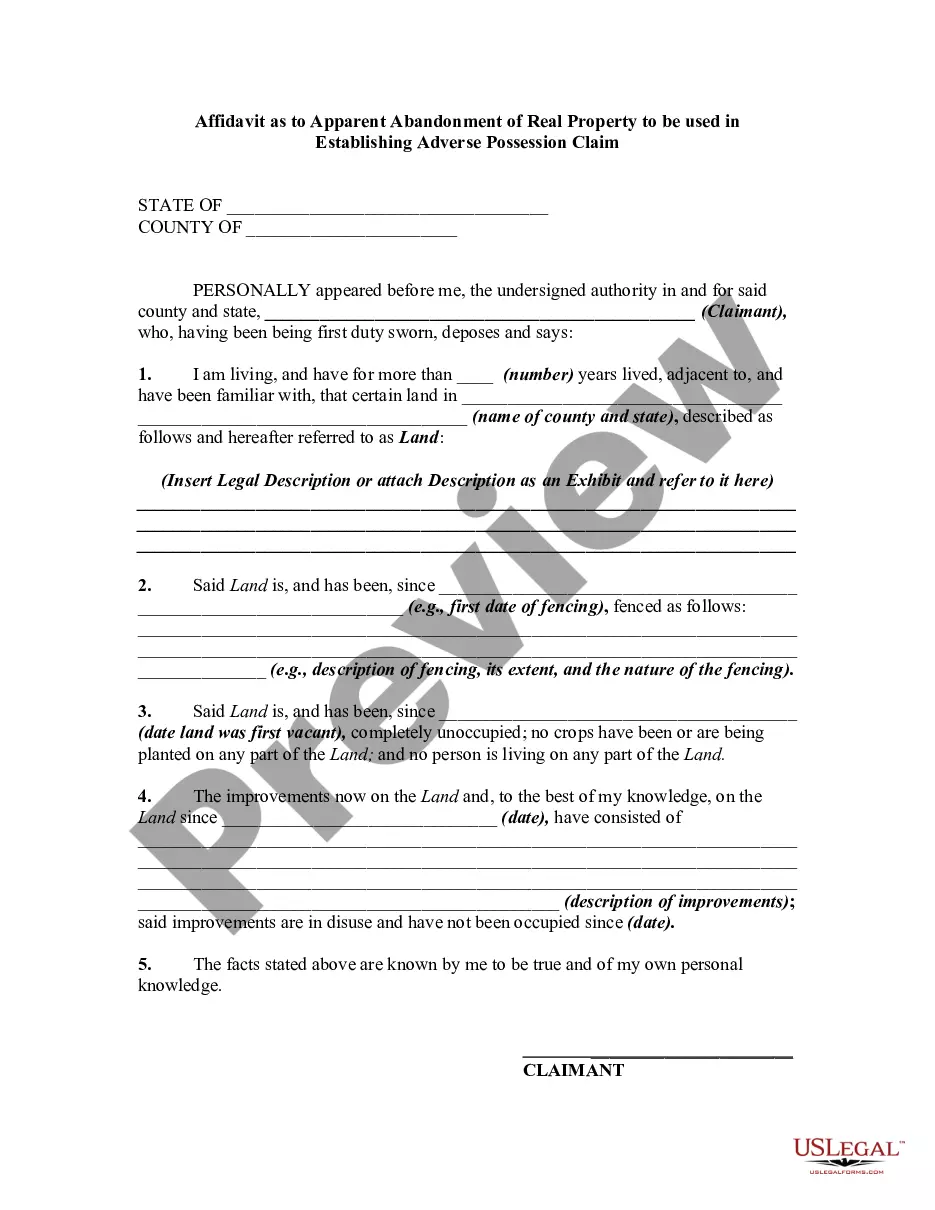
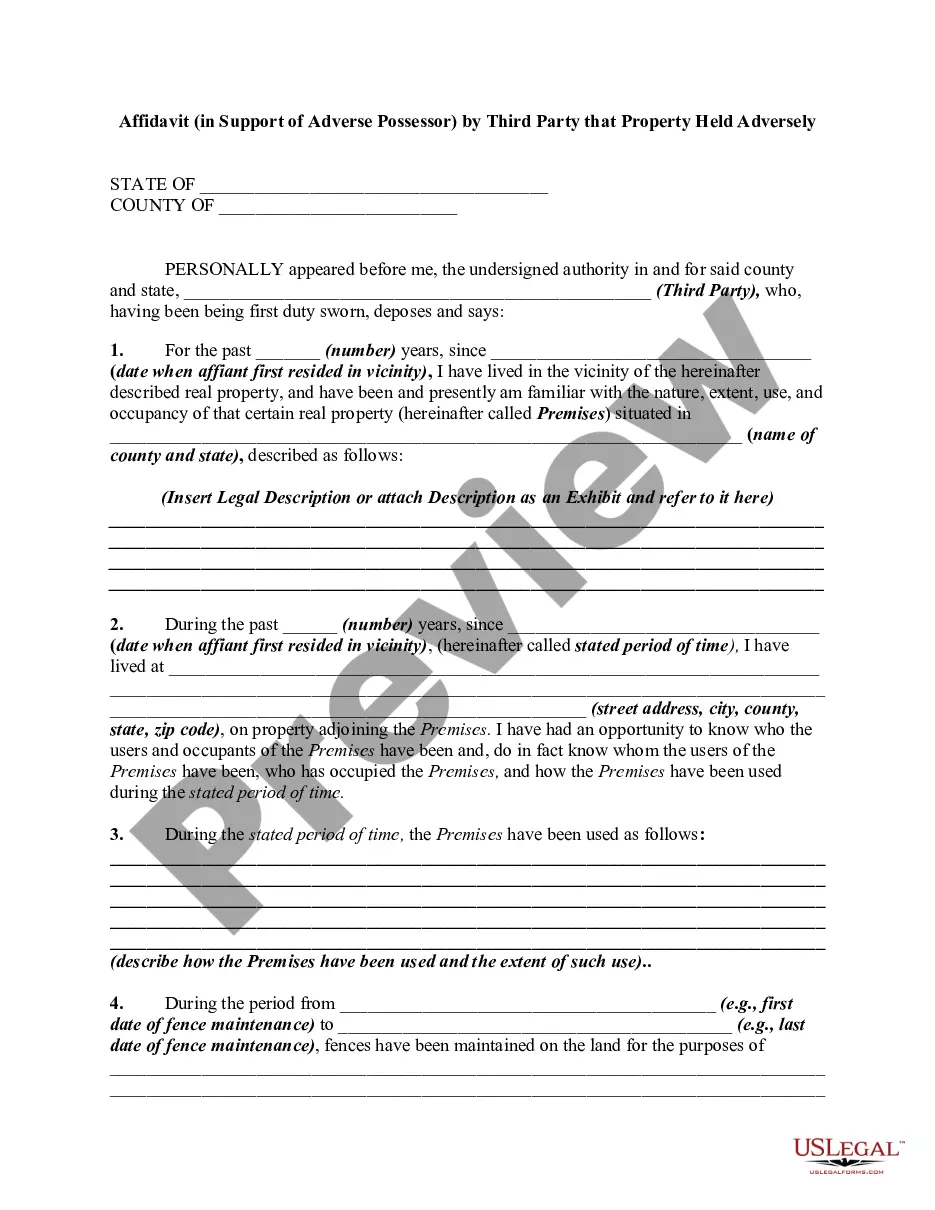
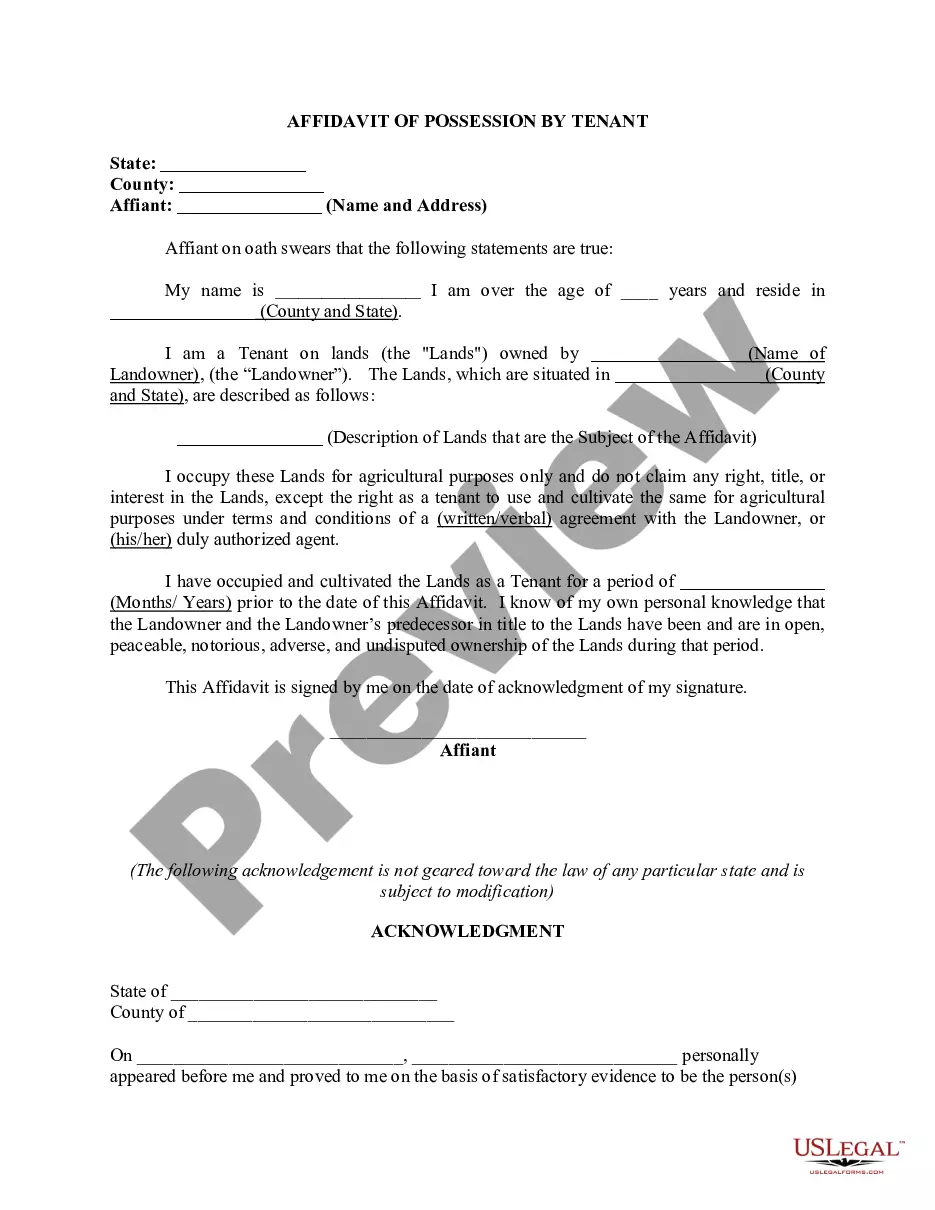
Get your form ready online
Our built-in tools help you complete, sign, share, and store your documents in one place.
Make edits, fill in missing information, and update formatting in US Legal Forms—just like you would in MS Word.
Download a copy, print it, send it by email, or mail it via USPS—whatever works best for your next step.
Sign and collect signatures with our SignNow integration. Send to multiple recipients, set reminders, and more. Go Premium to unlock E-Sign.
If this form requires notarization, complete it online through a secure video call—no need to meet a notary in person or wait for an appointment.
We protect your documents and personal data by following strict security and privacy standards.

Make edits, fill in missing information, and update formatting in US Legal Forms—just like you would in MS Word.

Download a copy, print it, send it by email, or mail it via USPS—whatever works best for your next step.

Sign and collect signatures with our SignNow integration. Send to multiple recipients, set reminders, and more. Go Premium to unlock E-Sign.

If this form requires notarization, complete it online through a secure video call—no need to meet a notary in person or wait for an appointment.

We protect your documents and personal data by following strict security and privacy standards.
Looking for another form?
How to fill out Affidavit As To Apparent Abandonment Of Real Property To Be Used In Establishing Adverse Possession Claim - Squatters Rights?
Obtaining a reliable location to access the most up-to-date and pertinent legal templates is part of the challenge of dealing with bureaucracy.
Selecting the appropriate legal documents requires accuracy and meticulousness, which is why it is essential to obtain samples of Abandonment Squatters Rights Foreclosure Homes solely from reputable sources, such as US Legal Forms.
Once you have the form on your device, you can edit it using the editor or print it and complete it manually. Eliminate the inconvenience associated with your legal documentation. Explore the extensive US Legal Forms catalog where you can discover legal templates, verify their applicability to your situation, and download them immediately.
- A flawed template will squander your time and prolong the situation you are facing.
- With US Legal Forms, you have minimal concerns.
- You can access and review all the information related to the document’s applicability and significance for your situation and within your state or region.
- Follow these steps to finalize your Abandonment Squatters Rights Foreclosure Homes.
- Use the catalog navigation or search bar to find your sample.
- Examine the form’s description to confirm if it aligns with the requirements of your state and locality.
- Check the form preview, if available, to verify that the template is the one you seek.
- Continue searching and locate the appropriate document if the Abandonment Squatters Rights Foreclosure Homes does not suit your needs.
- If you are confident about the form’s applicability, download it.
- As an authorized user, click Log in to validate and access your selected templates in My documents.
- If you do not possess an account yet, click Buy now to acquire the template.
- Select the pricing plan that meets your needs.
- Proceed to the registration to complete your purchase.
- Finalize your transaction by choosing a payment method (credit card or PayPal).
- Select the file format for downloading Abandonment Squatters Rights Foreclosure Homes.
Form popularity
FAQ
In Tennessee, someone may claim title after seven years (or 20 years without color of title) if they satisfy the following requirements: Must enter the land without the owner's permission (hence the term "adverse"); Must actually be on the land, using and caring for it as if it were his or her own;
Squatting is the action of occupying an abandoned or unoccupied area of land or a building, usually residential, that the squatter does not own, rent or otherwise have lawful permission to use. The United Nations estimated in 2003 that there were one billion slum residents and squatters globally.
Squatting is where you enter and stay somewhere without permission. People in this situation are called trespassers. Squatting in residential properties is against the law and you can be arrested.
Under Chapter 82, Section 35 of the Florida code, police can remove unwanted squatters if a property owner gives them a sworn affidavit claiming the transient occupants are unlawfully residing on the property.
If one adversely possesses land under the color of title for a continuous period of seven years, they can take ownership of it. If one adversely possesses land without any valid basis for believing that they are the owner, the statutory period is 20 years until the land changes ownership.