Adverse Possession Washington State Fence
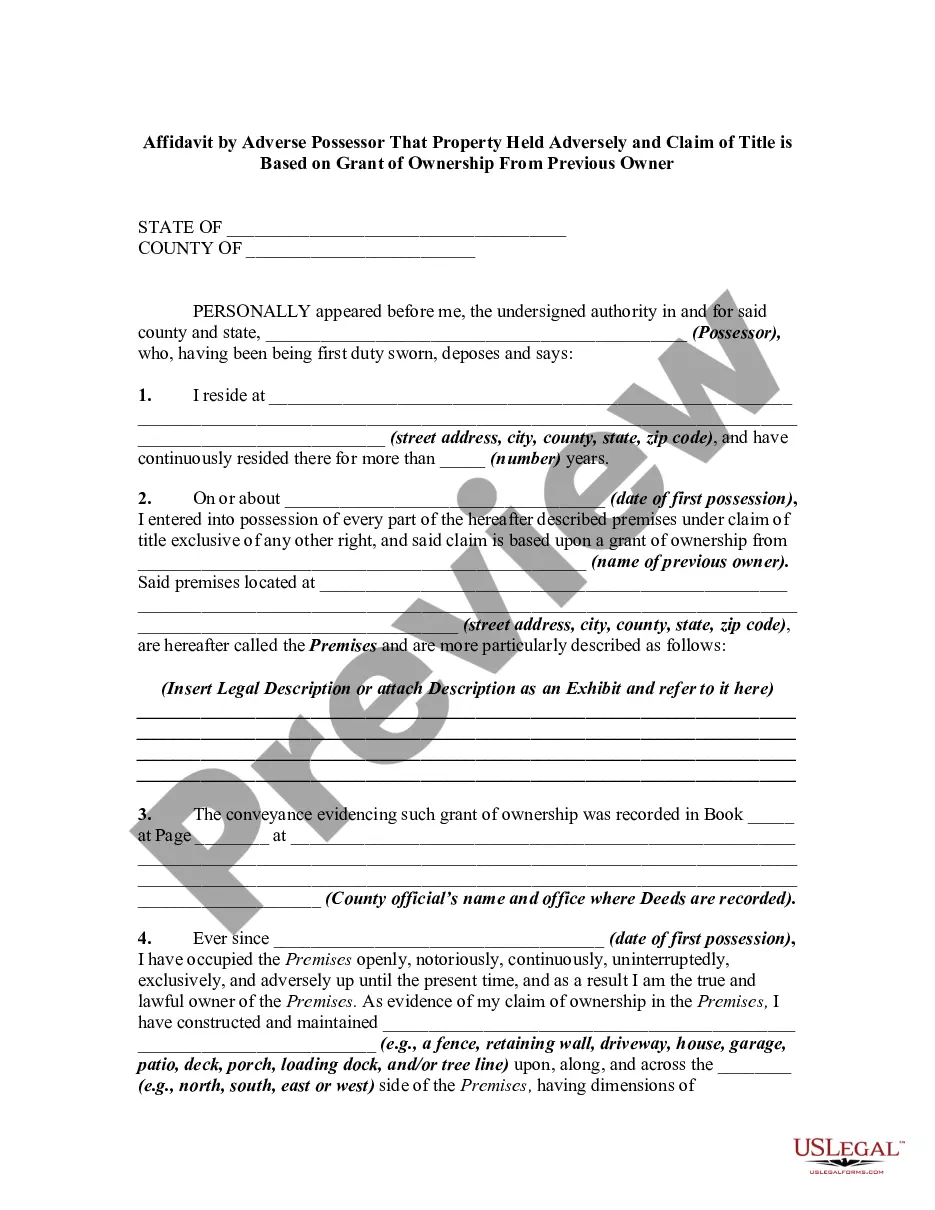
Description

Get your form ready online
Our built-in tools help you complete, sign, share, and store your documents in one place.
Make edits, fill in missing information, and update formatting in US Legal Forms—just like you would in MS Word.
Download a copy, print it, send it by email, or mail it via USPS—whatever works best for your next step.
Sign and collect signatures with our SignNow integration. Send to multiple recipients, set reminders, and more. Go Premium to unlock E-Sign.
If this form requires notarization, complete it online through a secure video call—no need to meet a notary in person or wait for an appointment.
We protect your documents and personal data by following strict security and privacy standards.

Make edits, fill in missing information, and update formatting in US Legal Forms—just like you would in MS Word.

Download a copy, print it, send it by email, or mail it via USPS—whatever works best for your next step.

Sign and collect signatures with our SignNow integration. Send to multiple recipients, set reminders, and more. Go Premium to unlock E-Sign.

If this form requires notarization, complete it online through a secure video call—no need to meet a notary in person or wait for an appointment.

We protect your documents and personal data by following strict security and privacy standards.
Looking for another form?



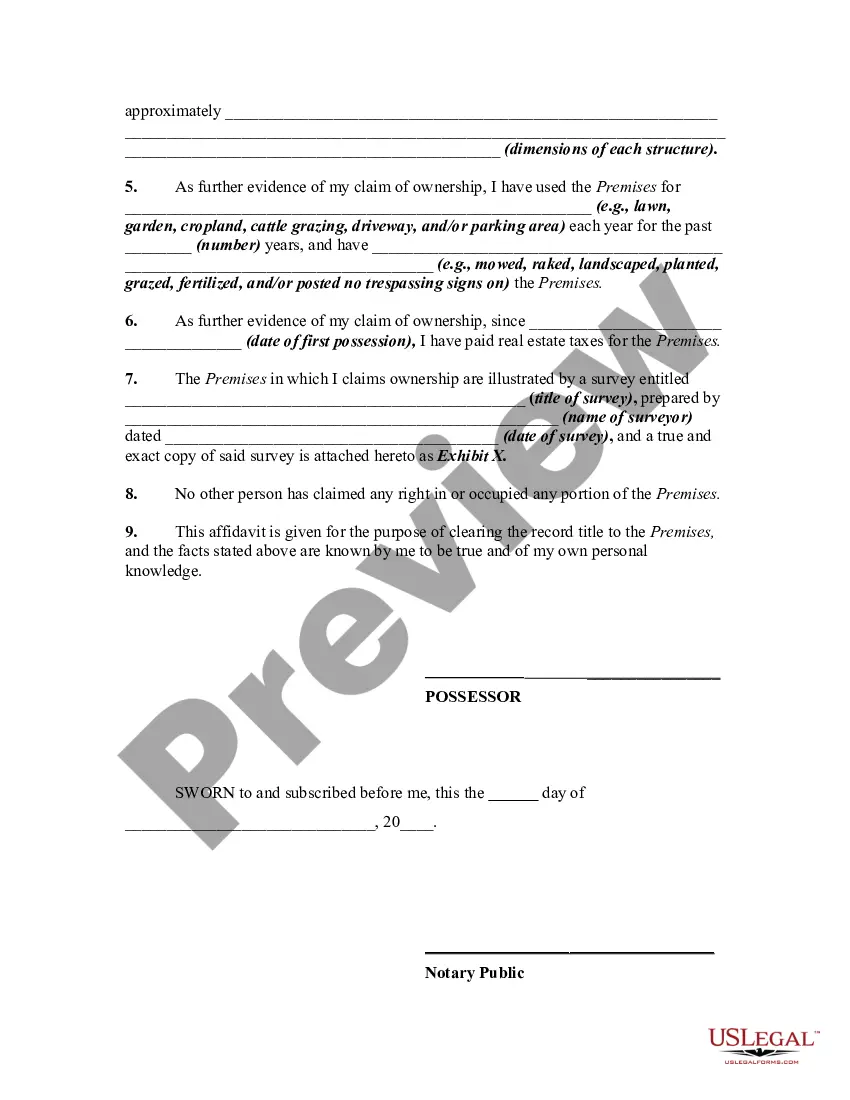
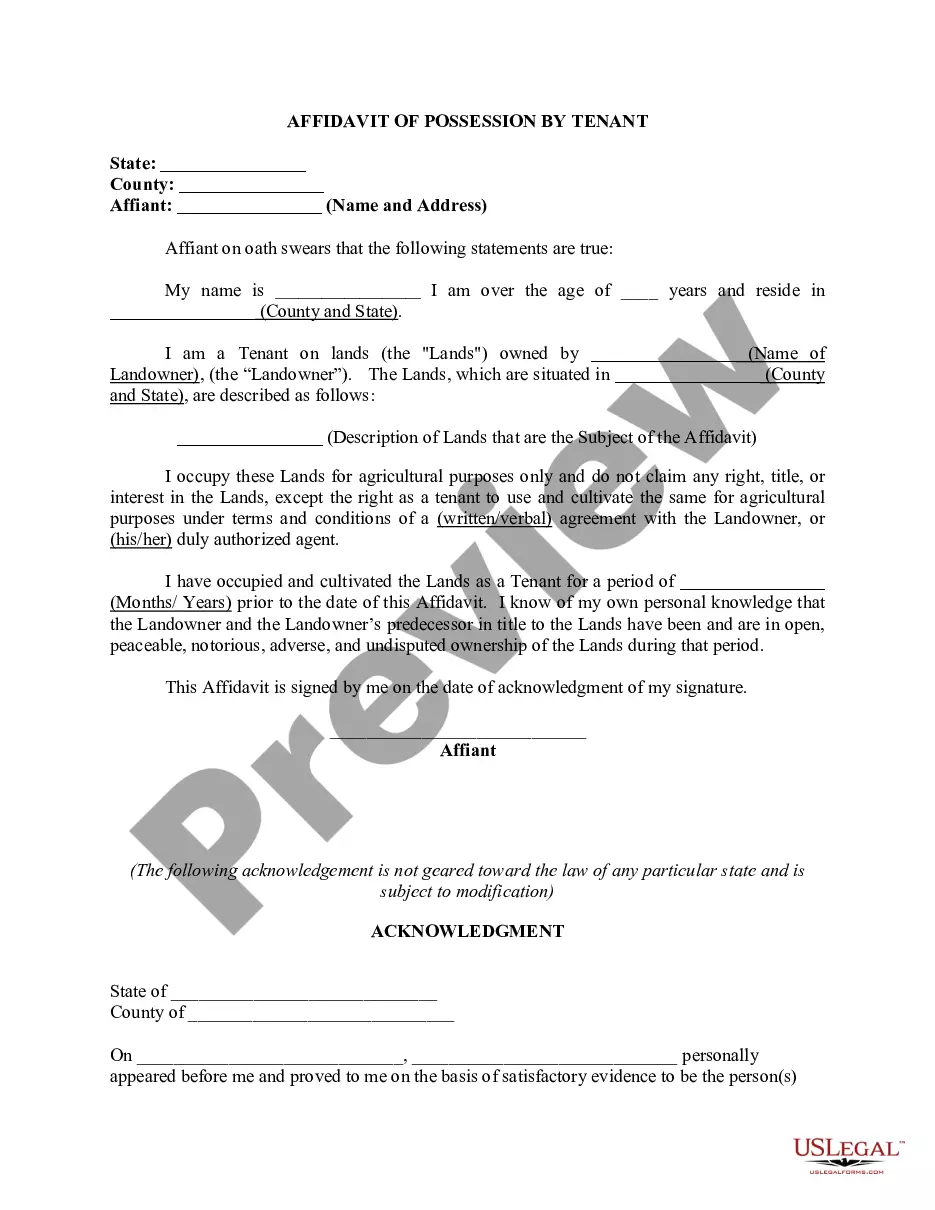
How to fill out Affidavit By Adverse Possessor That Property Held Adversely And Claim Of Title Is Based On Grant Of Ownership From Previous Owner - Squatters Rights?
- Log in to your account if you're an existing user. Ensure your subscription is active to access forms available for download.
- If you are new to US Legal Forms, start by browsing their comprehensive library. Use the search feature to find forms related to adverse possession and fences tailored to Washington State regulations.
- Review the form preview and description carefully to confirm that it meets your legal needs and local jurisdiction requirements.
- Once you identify the correct form, choose the subscription plan that fits your needs by clicking the Buy Now button.
- Complete your purchase by providing your payment information, either through credit card or PayPal.
- After payment is processed, download the form directly to your device. You can also access it anytime through the My Documents section of your profile.
By utilizing US Legal Forms, individuals can benefit from a vast array of legal templates and expert support, ensuring precise form completion that adheres to local laws.
Don’t hesitate to explore the extensive resources available at US Legal Forms today to make your legal processes smoother. Start your journey to clarity and legal soundness now!
Form popularity
FAQ
To claim adverse possession in Washington State, you must meet specific requirements. First, you need to occupy the land continuously for at least ten years without permission from the original owner. Additionally, your possession must be open and notorious, meaning it is obvious and visible to others. Utilizing resources like US Legal Forms can simplify the process, providing you with the necessary documents to properly file your adverse possession claim related to the Washington State fence issue.
An example of a quiet title action could involve a homeowner who has maintained a fence marking their property line for many years, believing it to be theirs. If a neighbor challenges this claim, the homeowner may file a quiet title action in Washington State to formally assert their ownership. Through this legal action, the court may recognize their adverse possession, solidifying their rights to the land in question.
A quiet title action is a legal procedure that resolves disputes over the title to a property. In Washington State, it allows property owners to establish their rights, particularly when claims like adverse possession come into play with boundaries marked by a fence. This action is crucial in clearing any clouds on your property title, thus enabling you to enjoy uninterrupted ownership.
The quiet title process in Washington State begins by filing a petition in the appropriate court. This petition details your claim and the basis for seeking a quiet title, which may be linked to adverse possession in Washington State. After filing, the court sets a hearing date where interested parties can respond. Successfully navigating this process ensures your ownership is legally recognized and protected.
To succeed in a quiet title action, you must demonstrate clear evidence of your ownership of the property. This often includes documents proving your claim and showing how you have used the property, especially in cases involving adverse possession in Washington State. Gathering witness statements and historic surveys can further support your case. Consider services like US Legal Forms to access templates that may simplify the preparation process.
Washington State has specific regulations regarding fence construction, including height limits, placement, and shared maintenance responsibilities with neighbors. Generally, fences must be erected along property lines and should not violate local zoning laws. When dealing with adverse possession aspects, understanding these rules can guide you in making informed decisions about your fence.
The neighbor tree law in Washington State gives homeowners the right to manage trees that extend onto their property from their neighbor’s land. Property owners may trim branches that encroach onto their property line, ensuring they do not damage the tree's health. In matters regarding fences or property disputes, awareness of tree laws is essential to protect your rights.
Mowing your lawn alone does not grant a neighbor the ability to claim your land under adverse possession laws in Washington State. For a neighbor to establish a claim, they must possess your land openly and continuously for at least ten years, using it as their own. If you notice a neighbor encroaching on your property, it’s crucial to be aware of your rights.
A spite fence in Washington State is a structure built with the primary intent to irritate or injure a neighbor’s enjoyment of their property. This type of fence may be exceptionally tall or placed strategically to obstruct views or sunlight. Understanding the implications of a spite fence can be vital when deliberating over adverse possession issues, especially if fence disputes emerge.
Adverse possession in Washington State can act as a defense to trespass claims under specific conditions. If someone openly occupies a piece of land, without permission, for a continuous period, they may gain legal rights to that land. This means the established adverse possession might negate trespass allegations if everything aligns with the legal requirements.