Discharge Debtor Bankruptcy For 2 Years
Description
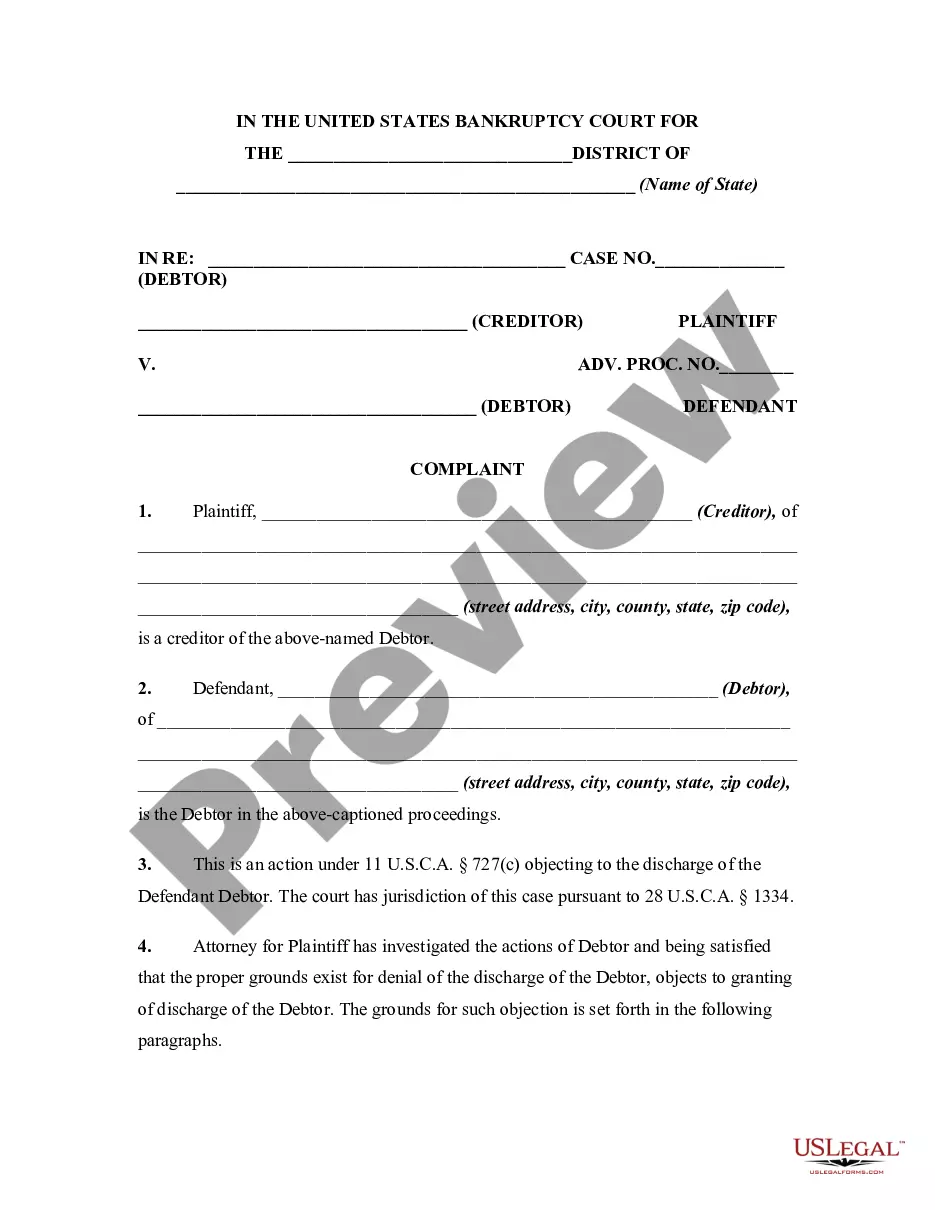
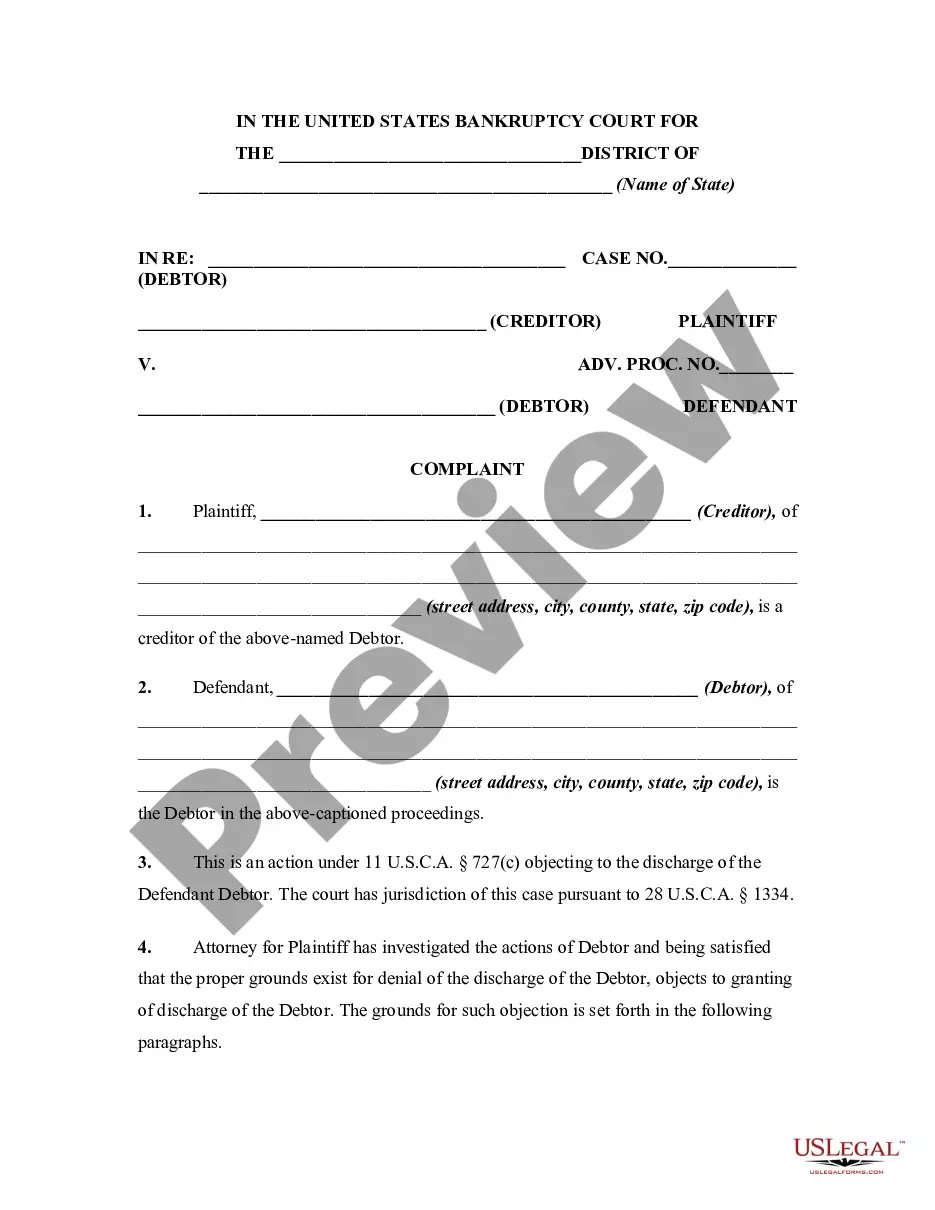
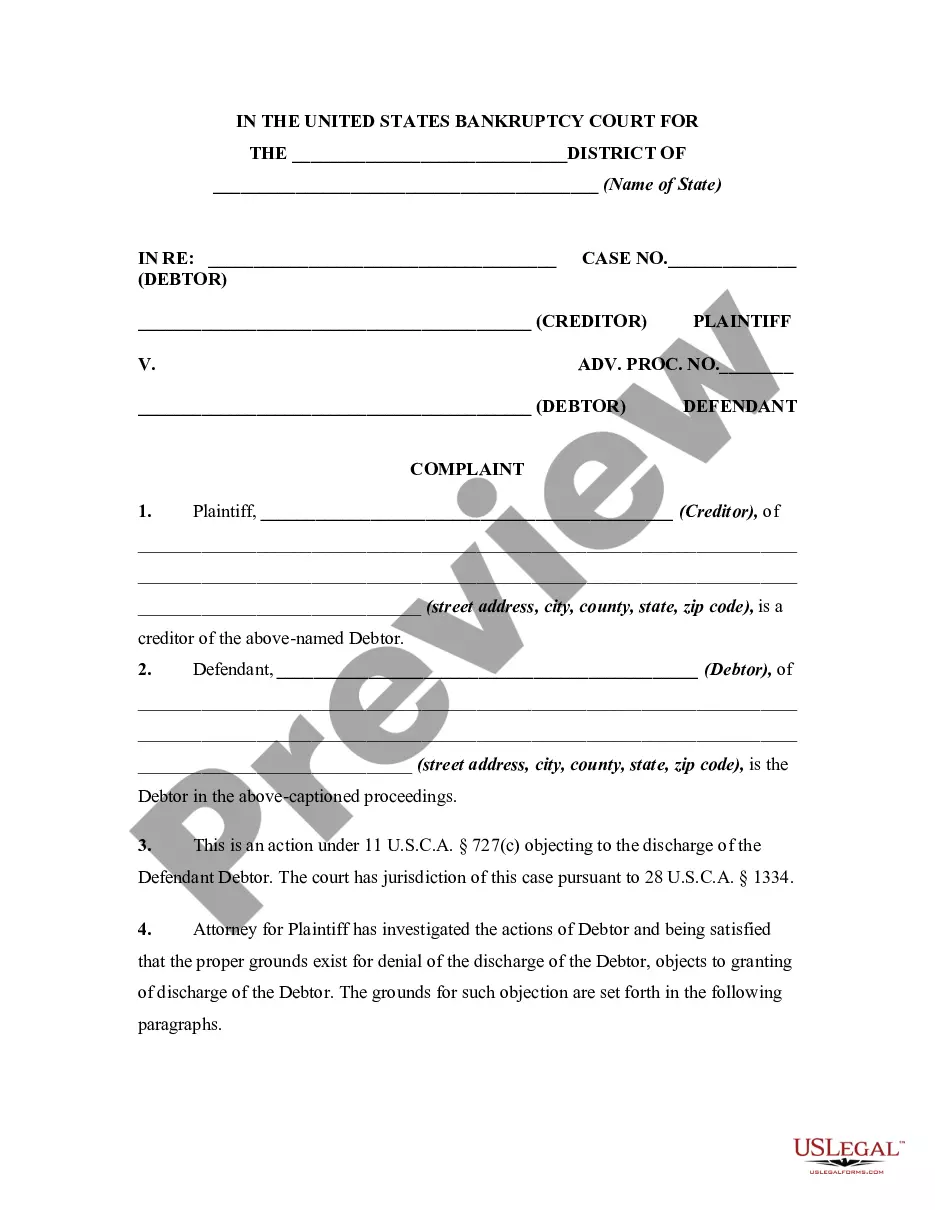
Get your form ready online
Our built-in tools help you complete, sign, share, and store your documents in one place.
Make edits, fill in missing information, and update formatting in US Legal Forms—just like you would in MS Word.
Download a copy, print it, send it by email, or mail it via USPS—whatever works best for your next step.
Sign and collect signatures with our SignNow integration. Send to multiple recipients, set reminders, and more. Go Premium to unlock E-Sign.
If this form requires notarization, complete it online through a secure video call—no need to meet a notary in person or wait for an appointment.
We protect your documents and personal data by following strict security and privacy standards.

Make edits, fill in missing information, and update formatting in US Legal Forms—just like you would in MS Word.

Download a copy, print it, send it by email, or mail it via USPS—whatever works best for your next step.

Sign and collect signatures with our SignNow integration. Send to multiple recipients, set reminders, and more. Go Premium to unlock E-Sign.

If this form requires notarization, complete it online through a secure video call—no need to meet a notary in person or wait for an appointment.

We protect your documents and personal data by following strict security and privacy standards.
Looking for another form?







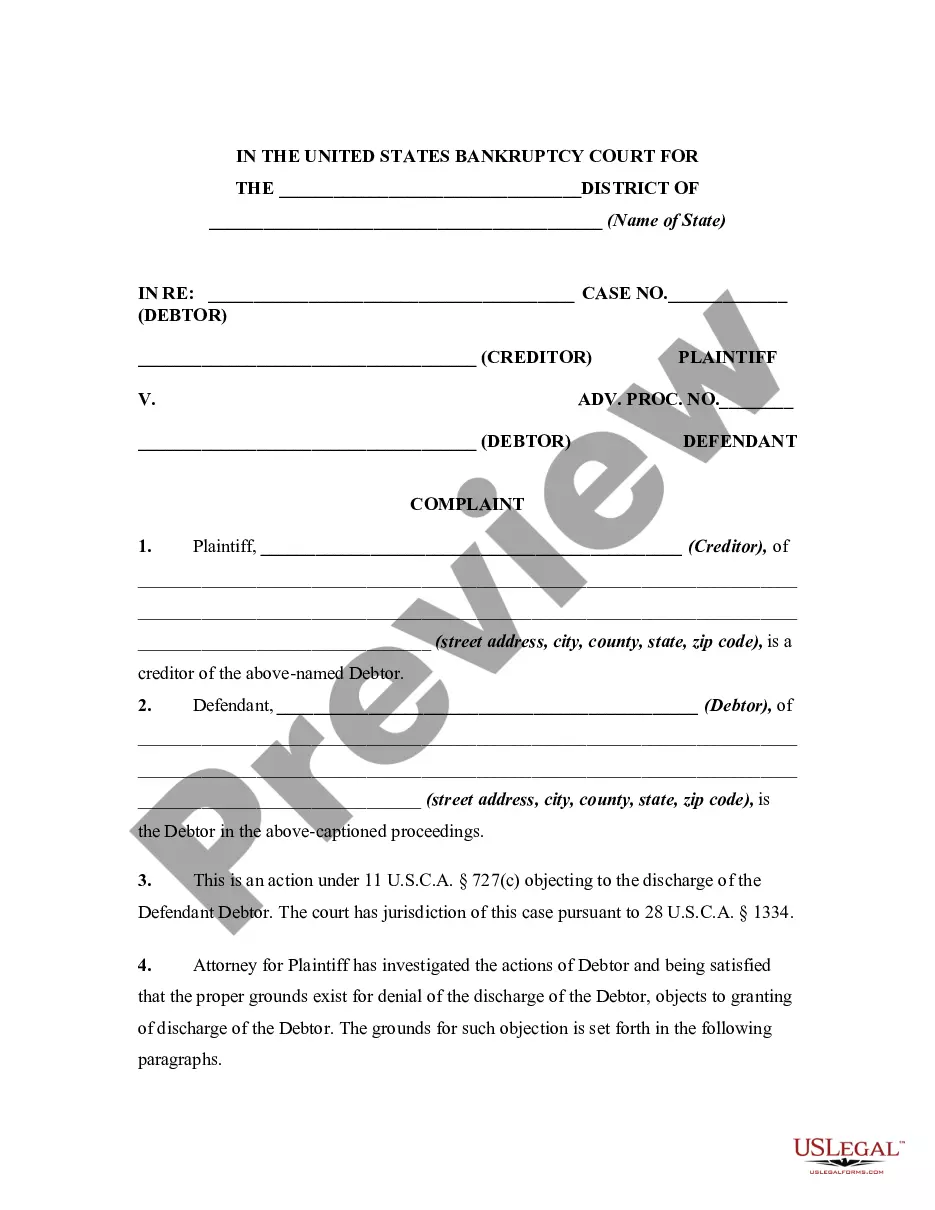
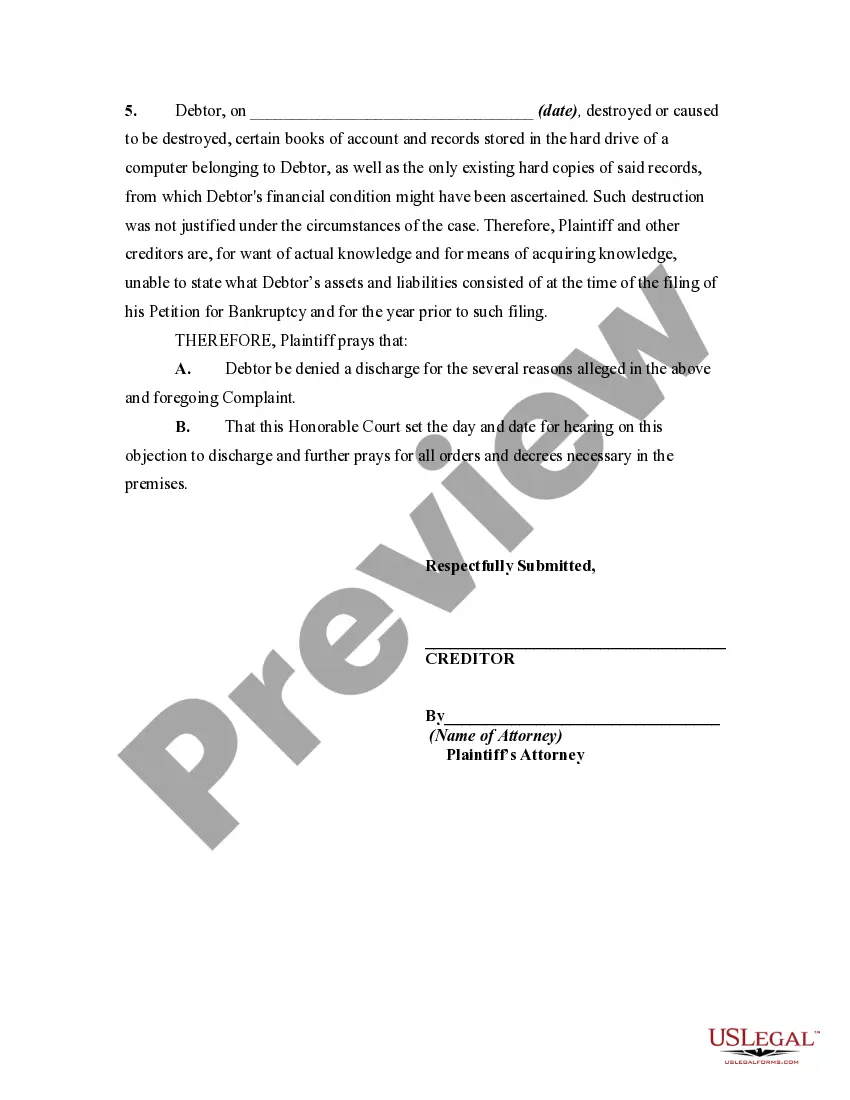
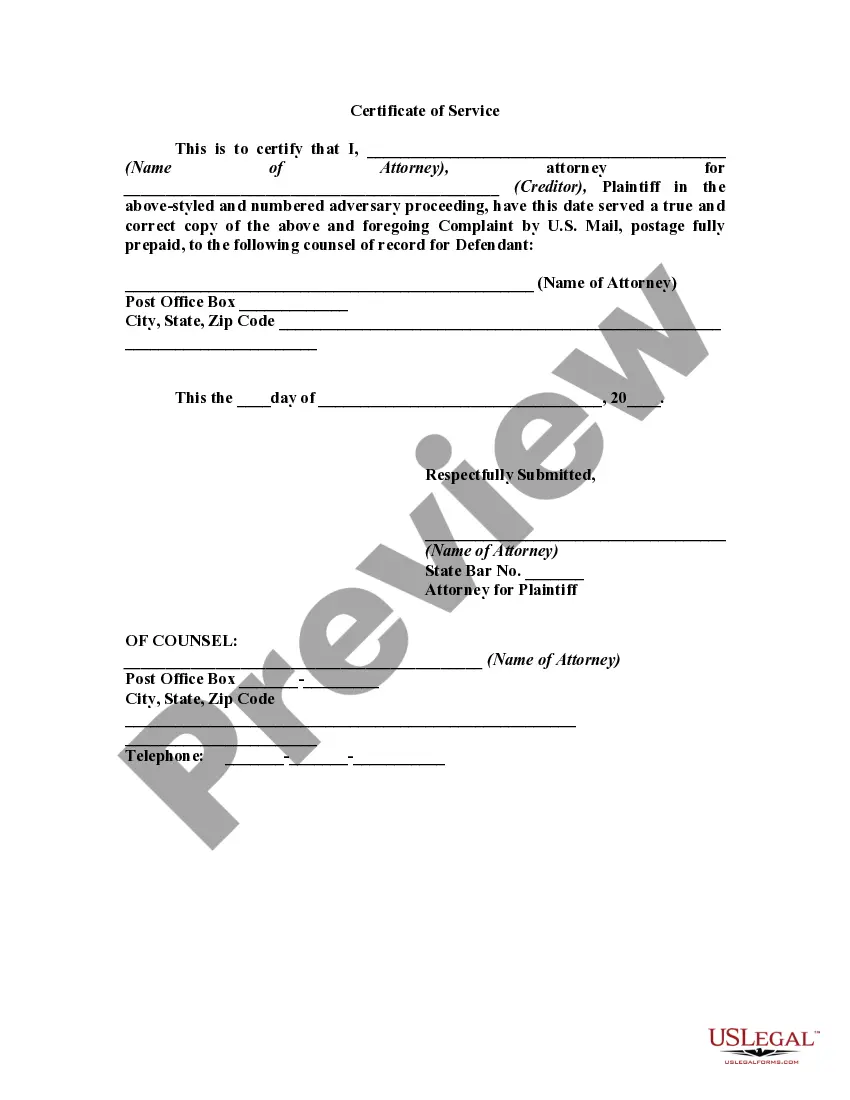
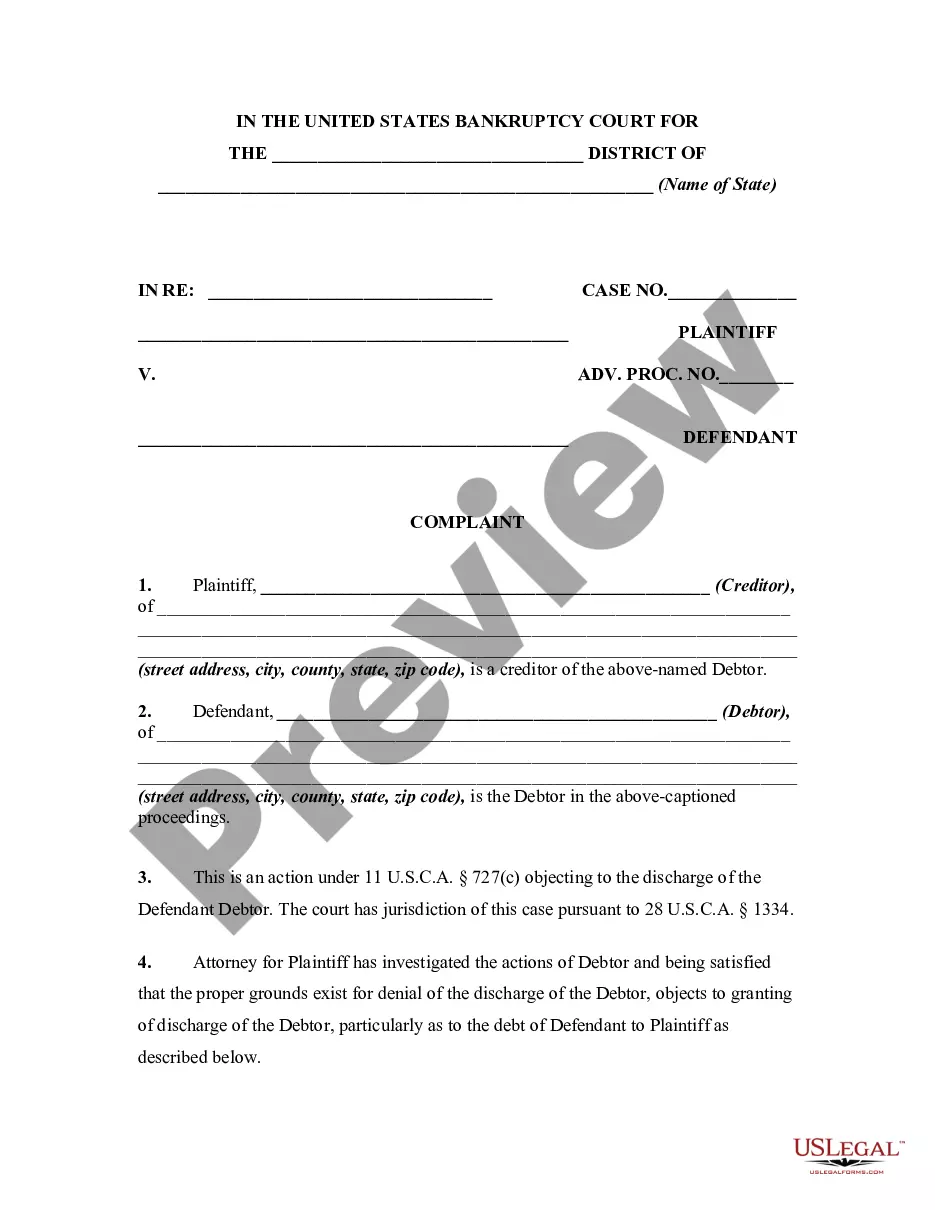
How to fill out Complaint Objecting To Discharge Of Debtor In Bankruptcy Proceeding Due To Destruction Of Books From Which Financial Condition Might Have Been?
- Log in to your existing US Legal Forms account. Ensure your subscription is active before proceeding.
- Review the available forms in Preview mode to confirm you’re selecting the correct document tailored to your jurisdiction.
- If necessary, search for additional templates, ensuring that all your requirements are met.
- Purchase the desired form by clicking the 'Buy Now' button and select your preferred subscription plan.
- Complete your payment using a credit card or your PayPal account.
- Download the form directly to your device and access it anytime in the 'My Forms' section of your profile.
In conclusion, US Legal Forms streamlines the process of obtaining essential legal documents, ensuring you have access to the highest quality resources available. By following these simple steps, you're on your way to successfully managing your bankruptcy discharge.
Don't wait any longer—visit US Legal Forms today and simplify your legal document needs!
Form popularity
FAQ
For many, declaring bankruptcy offers a path to regain financial stability. A discharge debtor bankruptcy for 2 years can relieve massive debt burdens and allow you to rebuild. It's vital to weigh the long-term impact on your credit and consult resources like US Legal Forms to guide your decision effectively.
Debts such as alimony, certain taxes, and government-backed student loans typically cannot be cleared through bankruptcy. If you're considering a discharge debtor bankruptcy for 2 years, it is wise to get tailored advice about your specific debts. Knowing which debts persist can help you strategize more effectively.
Certain obligations, like student loans and child support, generally survive bankruptcy and cannot be discharged. It’s essential to know these exceptions before considering a discharge debtor bankruptcy for 2 years. Understanding what remains can help you plan your financial future better.
Typically, you must wait at least 8 years to file for Chapter 7 bankruptcy after receiving a discharge from a previous Chapter 7 case. However, if you have completed a discharge debtor bankruptcy for 2 years, you may be eligible to file for Chapter 13 bankruptcy sooner. Timing can significantly impact your financial recovery process.
Absolutely, filing for bankruptcy can be a strategic way to alleviate debt. When you choose a discharge debtor bankruptcy for 2 years, you may find relief from overwhelming financial obligations. It's important to consult with a professional to understand how it applies to your specific situation.
Yes, certain debts can disappear after bankruptcy, particularly following a discharge debtor bankruptcy for 2 years. A successful bankruptcy filing may wipe out qualifying unsecured debts like credit cards and medical bills. However, it's crucial to understand that not all debts are eligible for discharge.
Debtors in bankruptcy have specific duties, including providing accurate financial information and attending required hearings. They must disclose all assets and debts, maintaining transparency throughout the process. Adhering to these obligations is crucial, especially within the discharge debtor bankruptcy for 2 years framework. Keeping these duties in mind can facilitate a smoother bankruptcy process and a successful financial recovery.
When you file for bankruptcy, an automatic stay is put in place, halting most collection activities from creditors. This protective action allows debtors to reorganize their financial affairs without harassment. After the case, if discharged, debtors enjoy the benefits of a clean slate, as discharge debtor bankruptcy for 2 years clears certain debts. This process enables individuals to rebuild their credit and financial standing.
The golden creditor rule in bankruptcy focuses on the priority of payments to certain creditors over others. Under this rule, secured creditors typically receive payment before unsecured creditors, ensuring that collateral-backed debts are satisfied first. Understanding this principle is essential for a debtor, especially when managing discharge debtor bankruptcy for 2 years. By knowing your priority obligations, you can navigate your financial responsibilities more effectively.
Debtors in bankruptcy undergo a legal process to eliminate or restructure their debts. Once a bankruptcy is filed, creditors must cease collection activities, providing the debtor with relief. After the court grants the discharge, debtors are freed from personal liability for certain debts, which reflects the process of discharge debtor bankruptcy for 2 years. This legal protection provides a fresh financial start.