Objection Form With Two Points
Description
Get your form ready online
Our built-in tools help you complete, sign, share, and store your documents in one place.
Make edits, fill in missing information, and update formatting in US Legal Forms—just like you would in MS Word.
Download a copy, print it, send it by email, or mail it via USPS—whatever works best for your next step.
Sign and collect signatures with our SignNow integration. Send to multiple recipients, set reminders, and more. Go Premium to unlock E-Sign.
If this form requires notarization, complete it online through a secure video call—no need to meet a notary in person or wait for an appointment.
We protect your documents and personal data by following strict security and privacy standards.

Make edits, fill in missing information, and update formatting in US Legal Forms—just like you would in MS Word.

Download a copy, print it, send it by email, or mail it via USPS—whatever works best for your next step.

Sign and collect signatures with our SignNow integration. Send to multiple recipients, set reminders, and more. Go Premium to unlock E-Sign.

If this form requires notarization, complete it online through a secure video call—no need to meet a notary in person or wait for an appointment.

We protect your documents and personal data by following strict security and privacy standards.
Looking for another form?


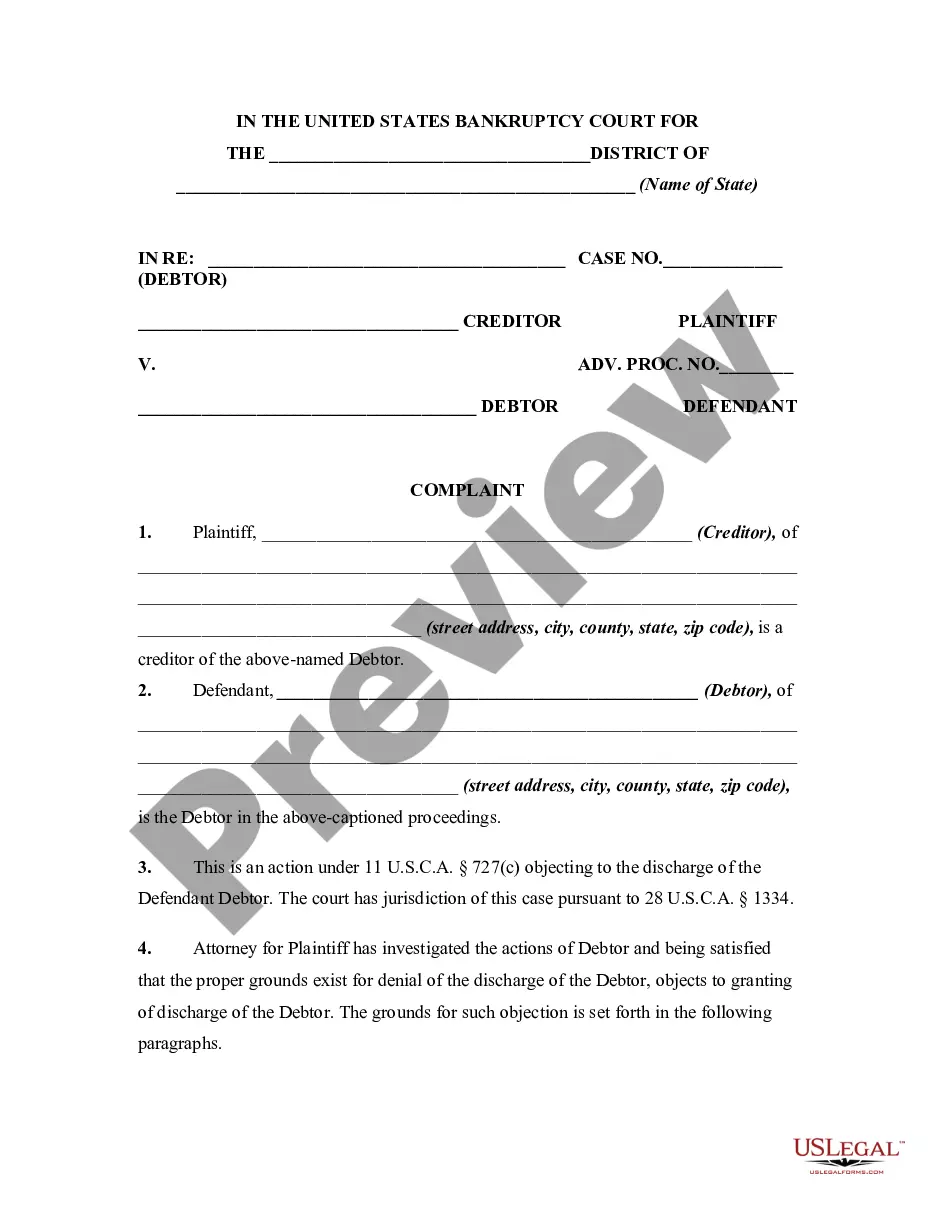
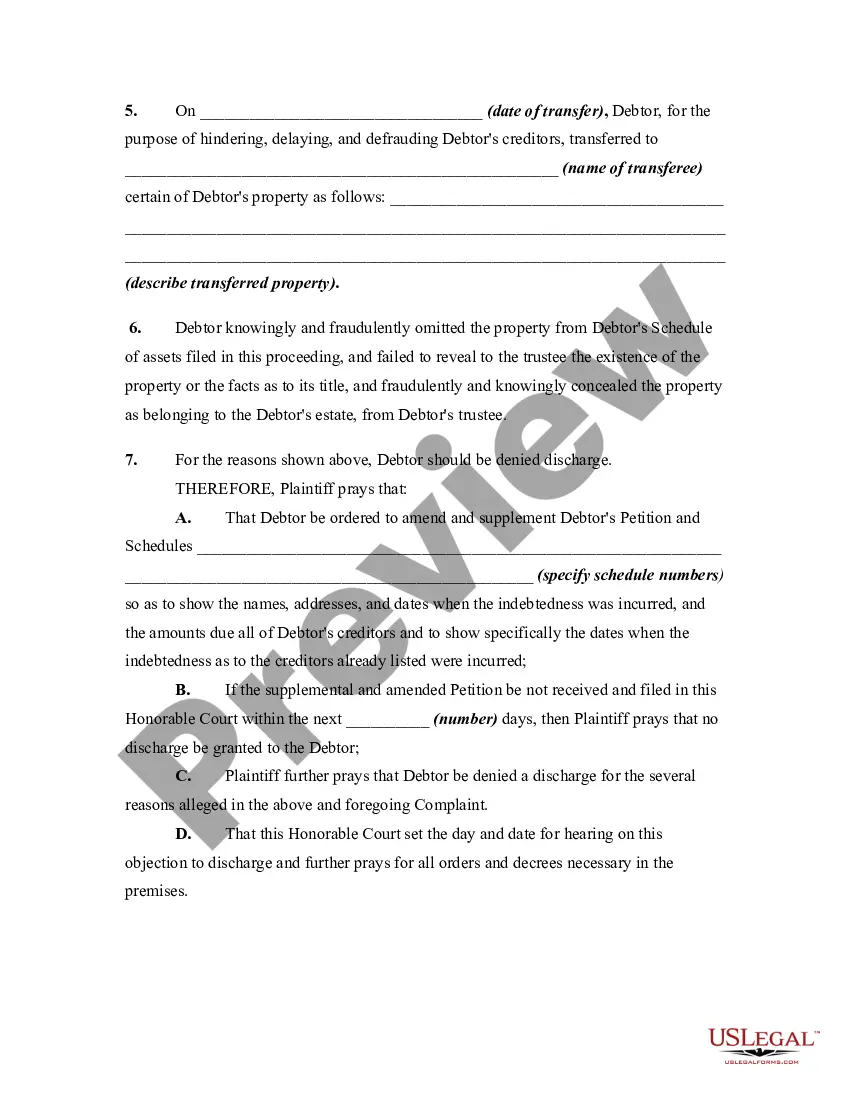
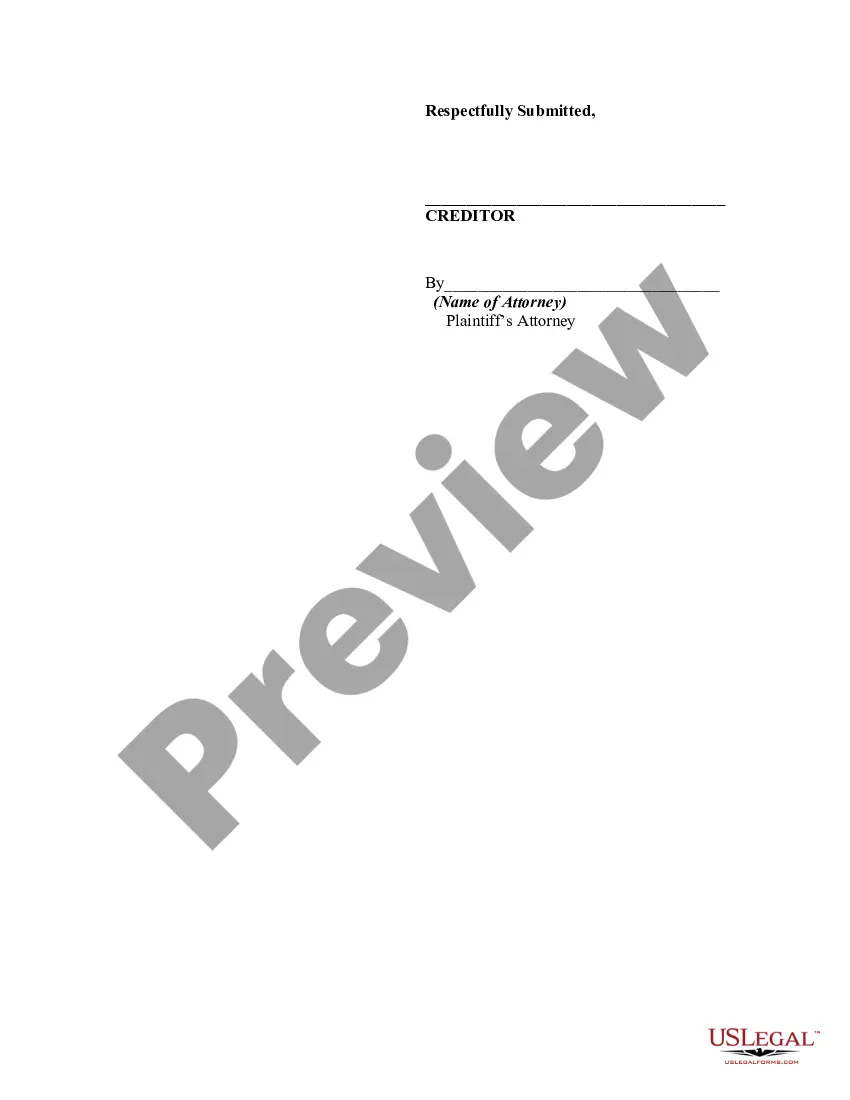
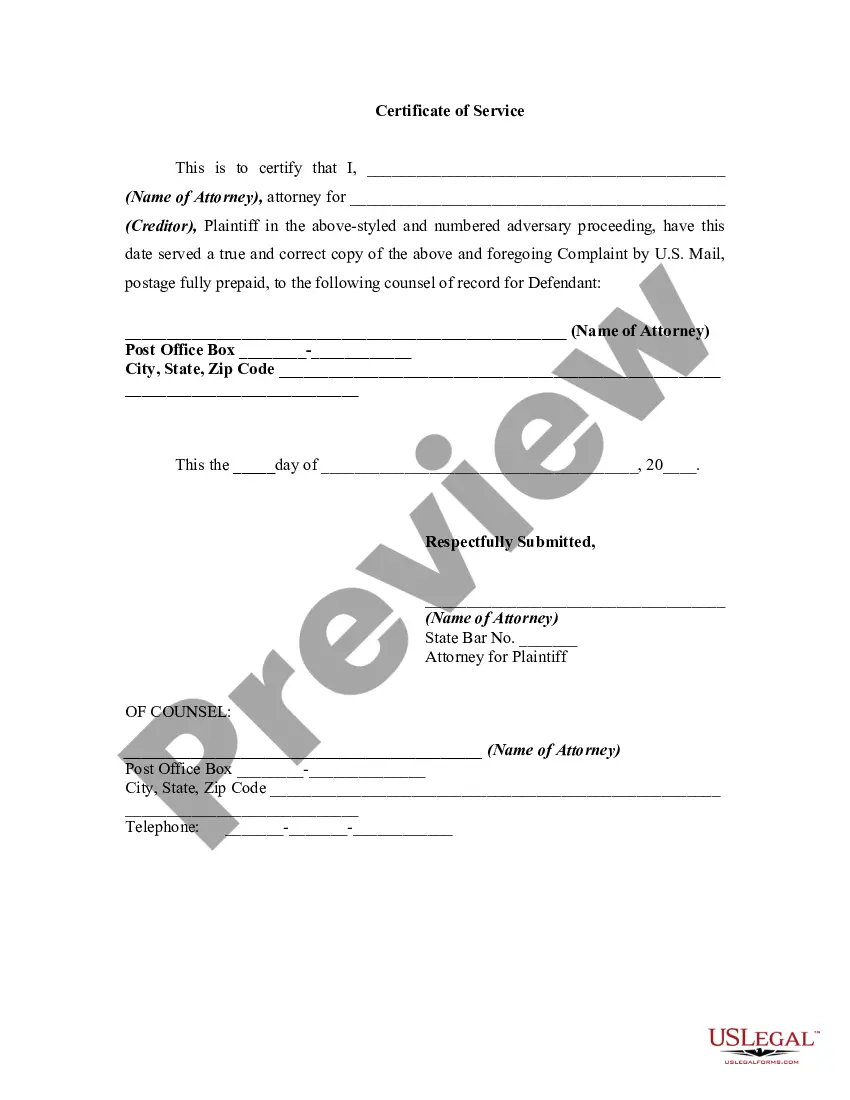
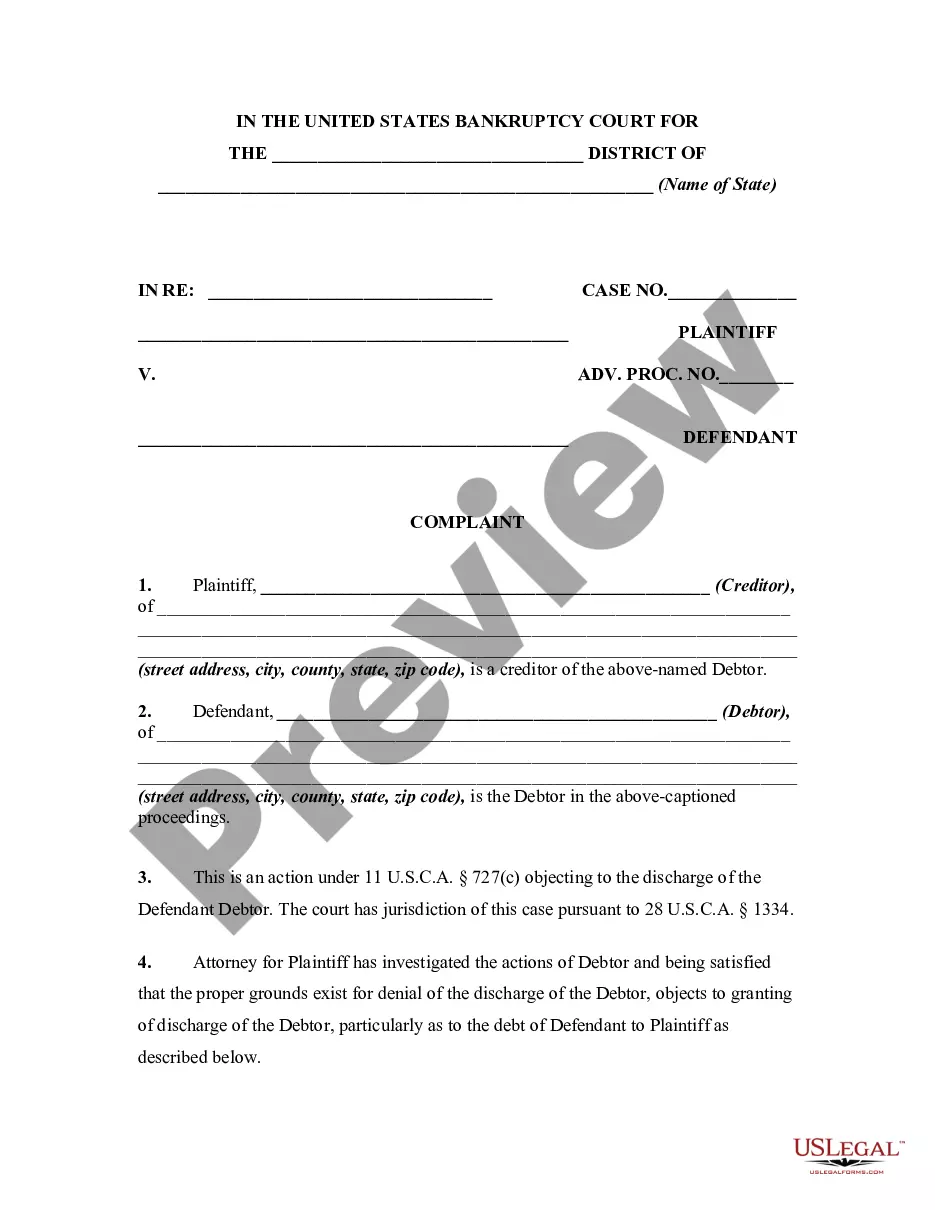
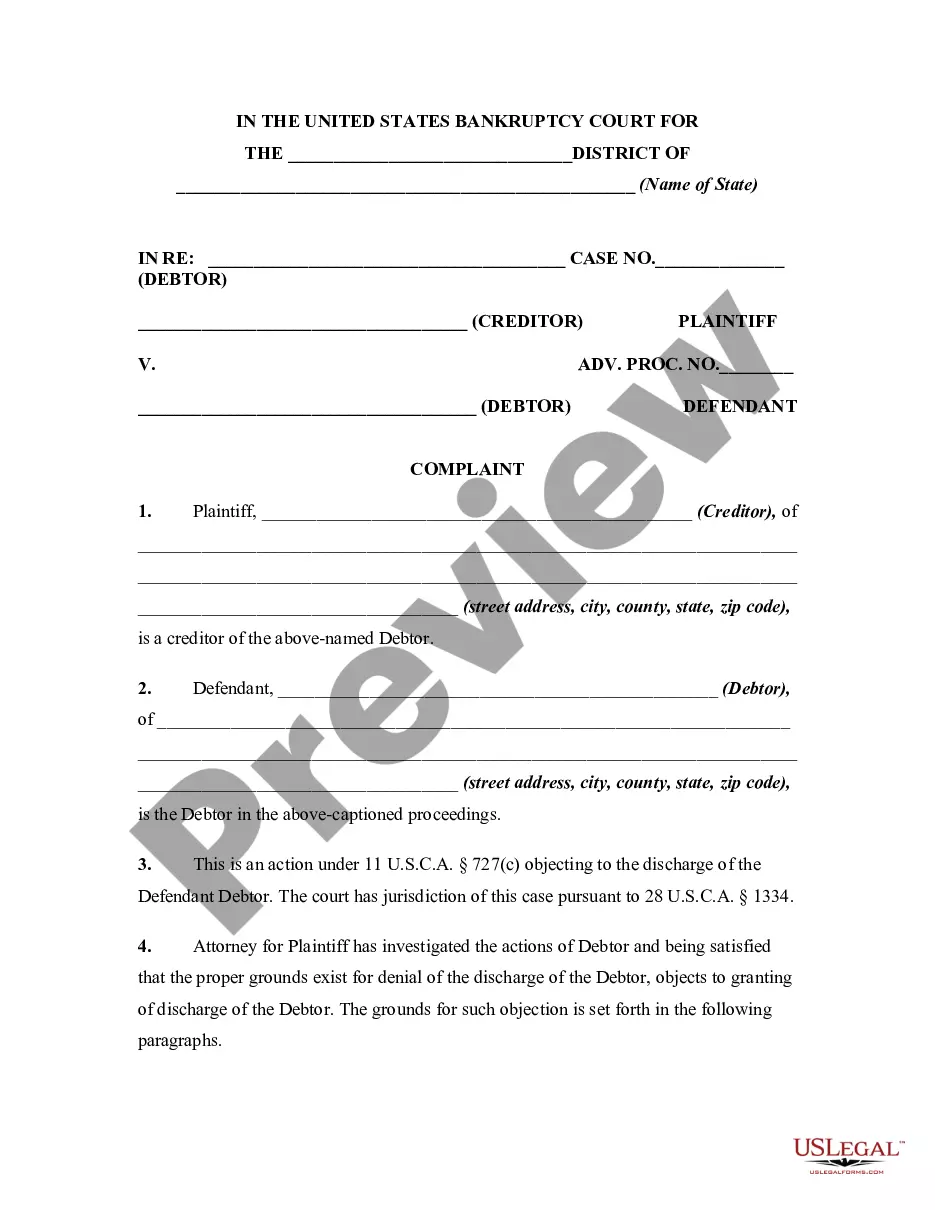
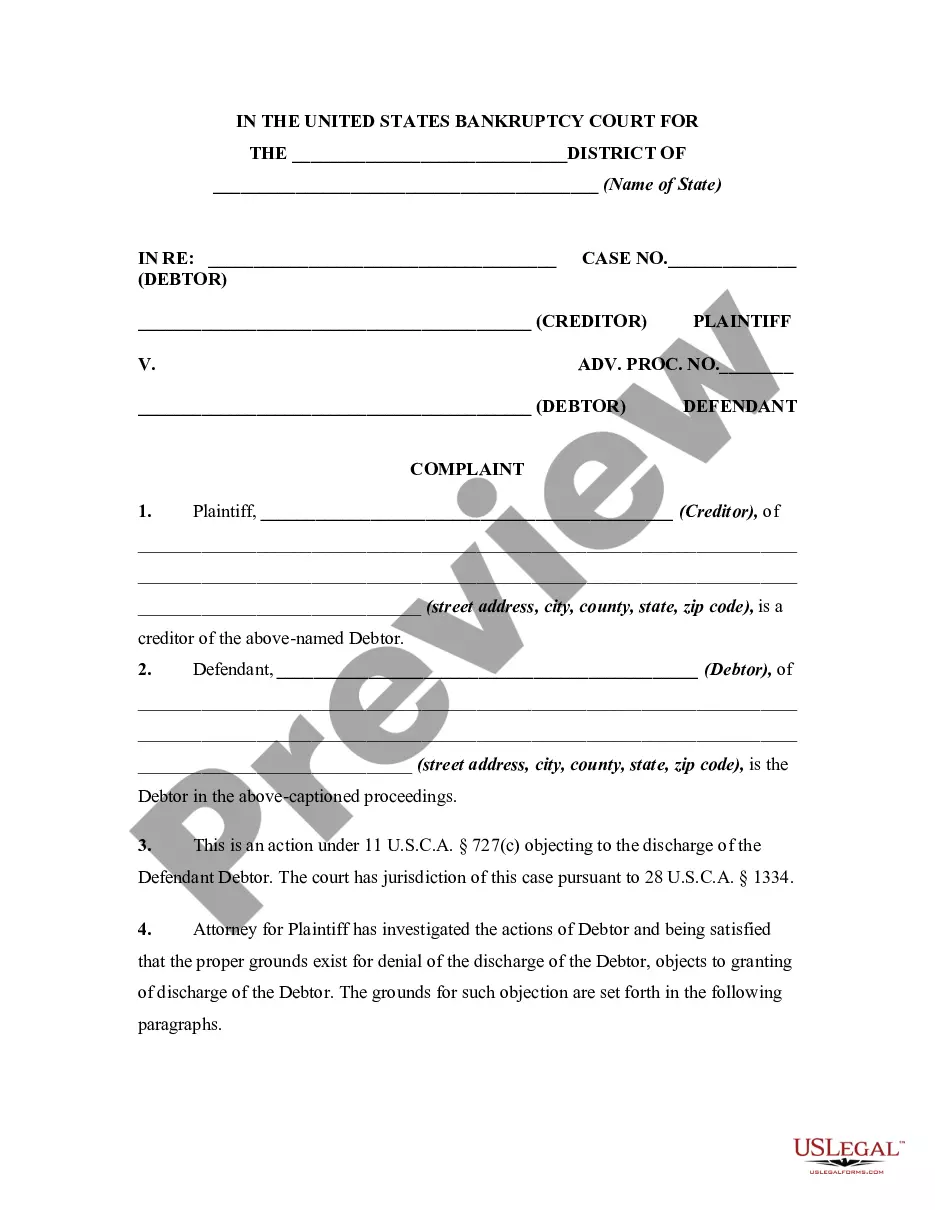
How to fill out Complaint Objecting To Discharge In Bankruptcy Proceedings For Concealment By Debtor And Omitting From Schedules Fraudulently Transferred Property?
Accessing legal document samples that comply with federal and state laws is essential, and the internet offers many options to pick from. But what’s the point in wasting time searching for the correctly drafted Objection Form With Two Points sample on the web if the US Legal Forms online library already has such templates gathered in one place?
US Legal Forms is the most extensive online legal catalog with over 85,000 fillable templates drafted by attorneys for any business and life scenario. They are easy to browse with all files grouped by state and purpose of use. Our experts stay up with legislative updates, so you can always be sure your form is up to date and compliant when obtaining a Objection Form With Two Points from our website.
Obtaining a Objection Form With Two Points is quick and easy for both current and new users. If you already have an account with a valid subscription, log in and save the document sample you require in the preferred format. If you are new to our website, follow the steps below:
- Take a look at the template using the Preview option or through the text outline to ensure it fits your needs.
- Browse for a different sample using the search tool at the top of the page if necessary.
- Click Buy Now when you’ve located the correct form and opt for a subscription plan.
- Register for an account or sign in and make a payment with PayPal or a credit card.
- Select the best format for your Objection Form With Two Points and download it.
All templates you find through US Legal Forms are reusable. To re-download and fill out previously obtained forms, open the My Forms tab in your profile. Take advantage of the most extensive and straightforward-to-use legal paperwork service!
Form popularity
FAQ
The judge will rule on the objection. The judge will usually say "sustained" or "overruled" to respond to your objection. If the judge says sustain, they agreed with your objection. If they say overruled, they disagreed with your objection.
Common examples of objections as to form include: lack of authentication, compound, asked and answered, ambiguous then object to the form of the question. Leading is also an objection to form, but this does not apply to hostile witnesses.
Here are some typical form objections: "Vague." The question is unclear. The question might be too long, some of the key words in the question might have more than one meaning, or the period of time to which the questioner is referring might be unclear. (Similar objections: "ambiguous" and "confusing.")
If the judge sustains the objection, this means that the judge agrees with the objection and disallows the question, testimony, or evidence. If the judge overrules the objection, this means that the judge disagrees with the objection and allows the question, testimony, or evidence.
If the judge sustains the objection, this means that the judge agrees with the objection and disallows the question, testimony, or evidence. If the judge overrules the objection, this means that the judge disagrees with the objection and allows the question, testimony, or evidence.