Fraudulently Transferred Property Without Permission
Description
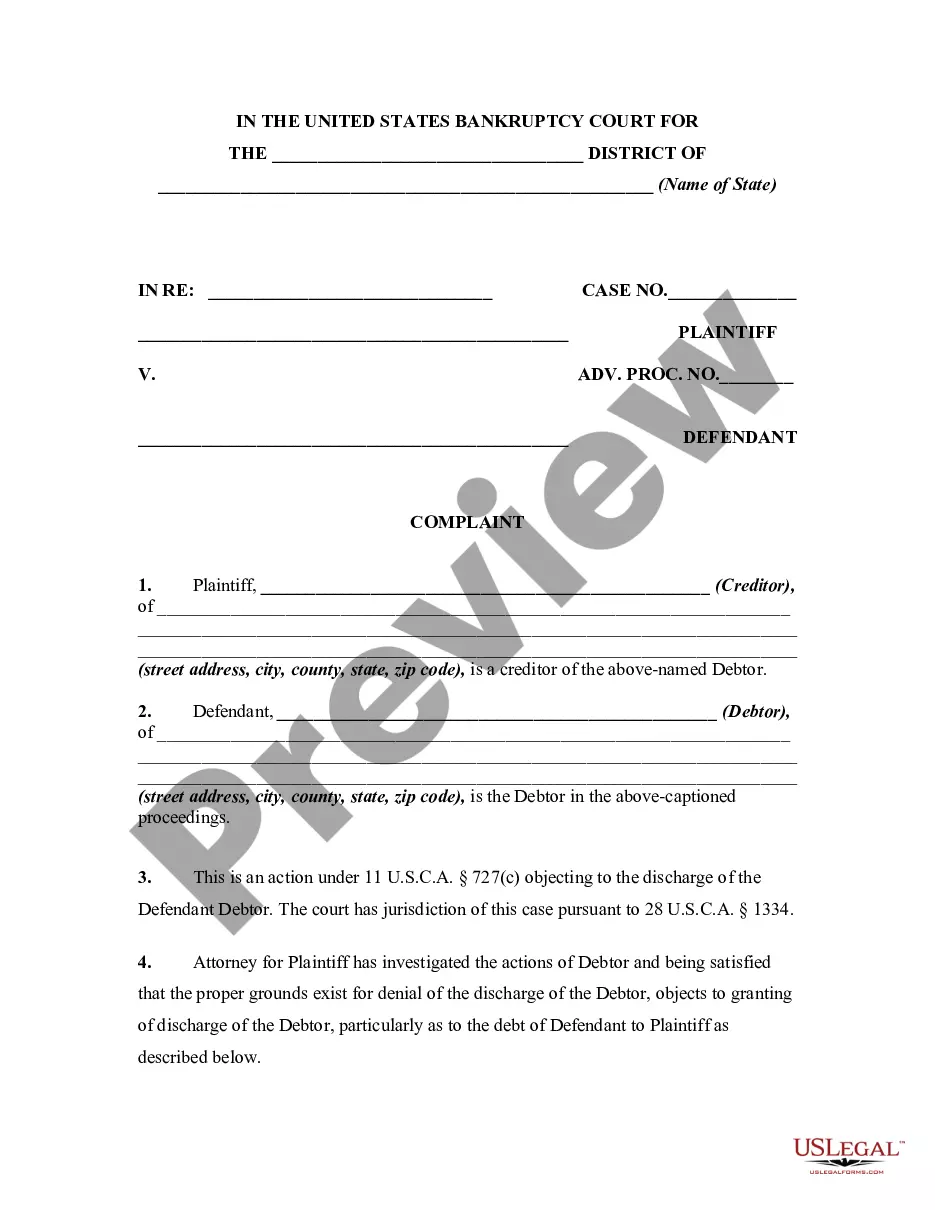
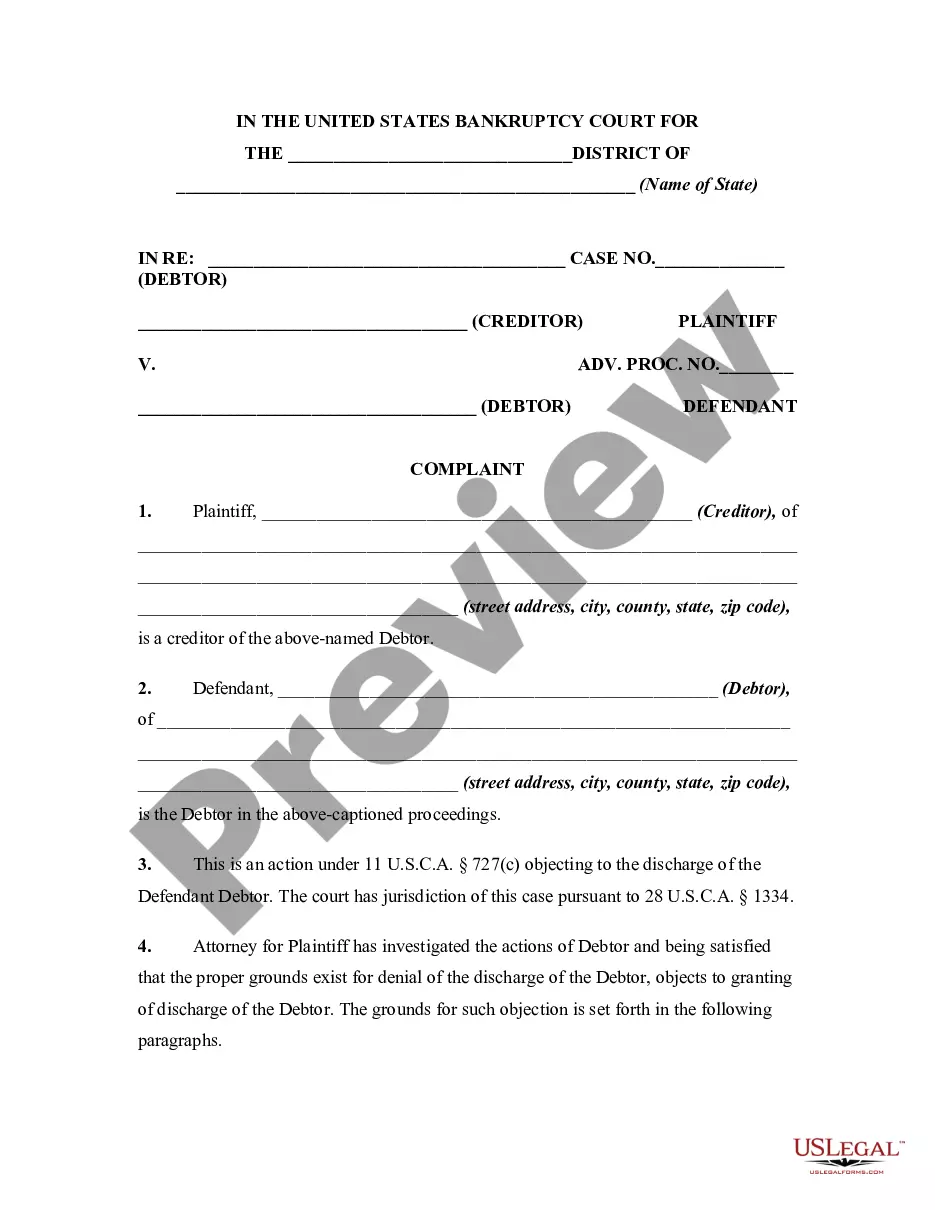
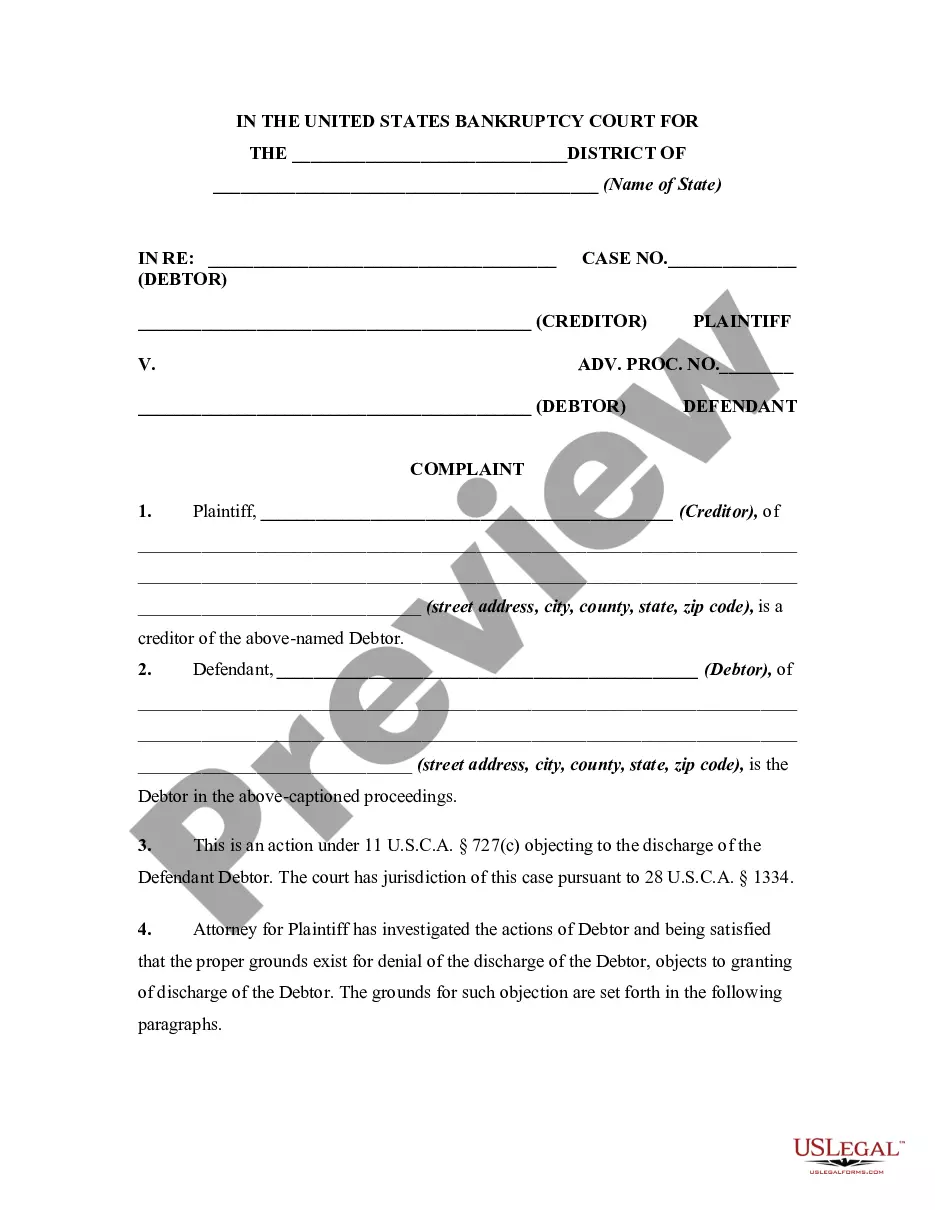
Get your form ready online
Our built-in tools help you complete, sign, share, and store your documents in one place.
Make edits, fill in missing information, and update formatting in US Legal Forms—just like you would in MS Word.
Download a copy, print it, send it by email, or mail it via USPS—whatever works best for your next step.
Sign and collect signatures with our SignNow integration. Send to multiple recipients, set reminders, and more. Go Premium to unlock E-Sign.
If this form requires notarization, complete it online through a secure video call—no need to meet a notary in person or wait for an appointment.
We protect your documents and personal data by following strict security and privacy standards.

Make edits, fill in missing information, and update formatting in US Legal Forms—just like you would in MS Word.

Download a copy, print it, send it by email, or mail it via USPS—whatever works best for your next step.

Sign and collect signatures with our SignNow integration. Send to multiple recipients, set reminders, and more. Go Premium to unlock E-Sign.

If this form requires notarization, complete it online through a secure video call—no need to meet a notary in person or wait for an appointment.

We protect your documents and personal data by following strict security and privacy standards.
Looking for another form?


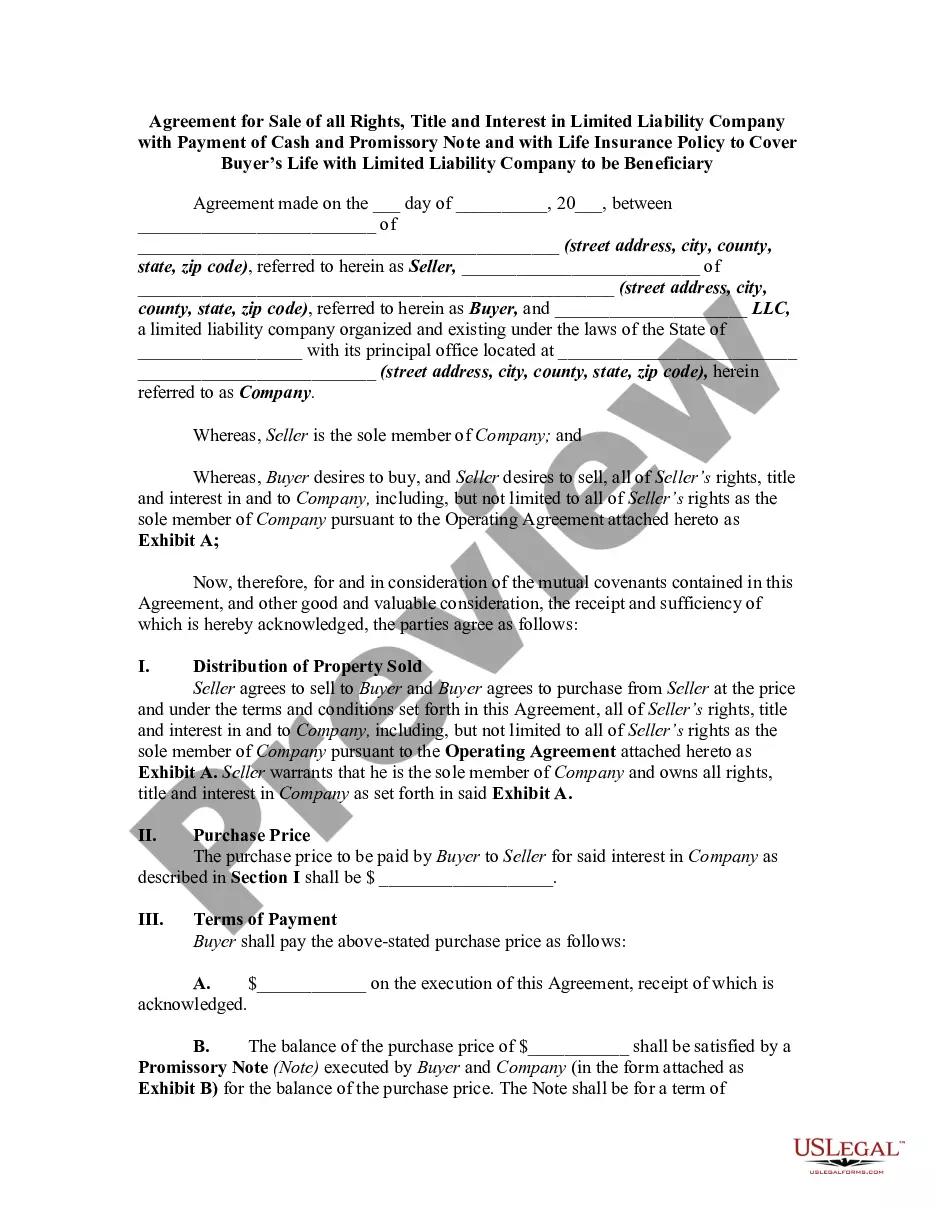





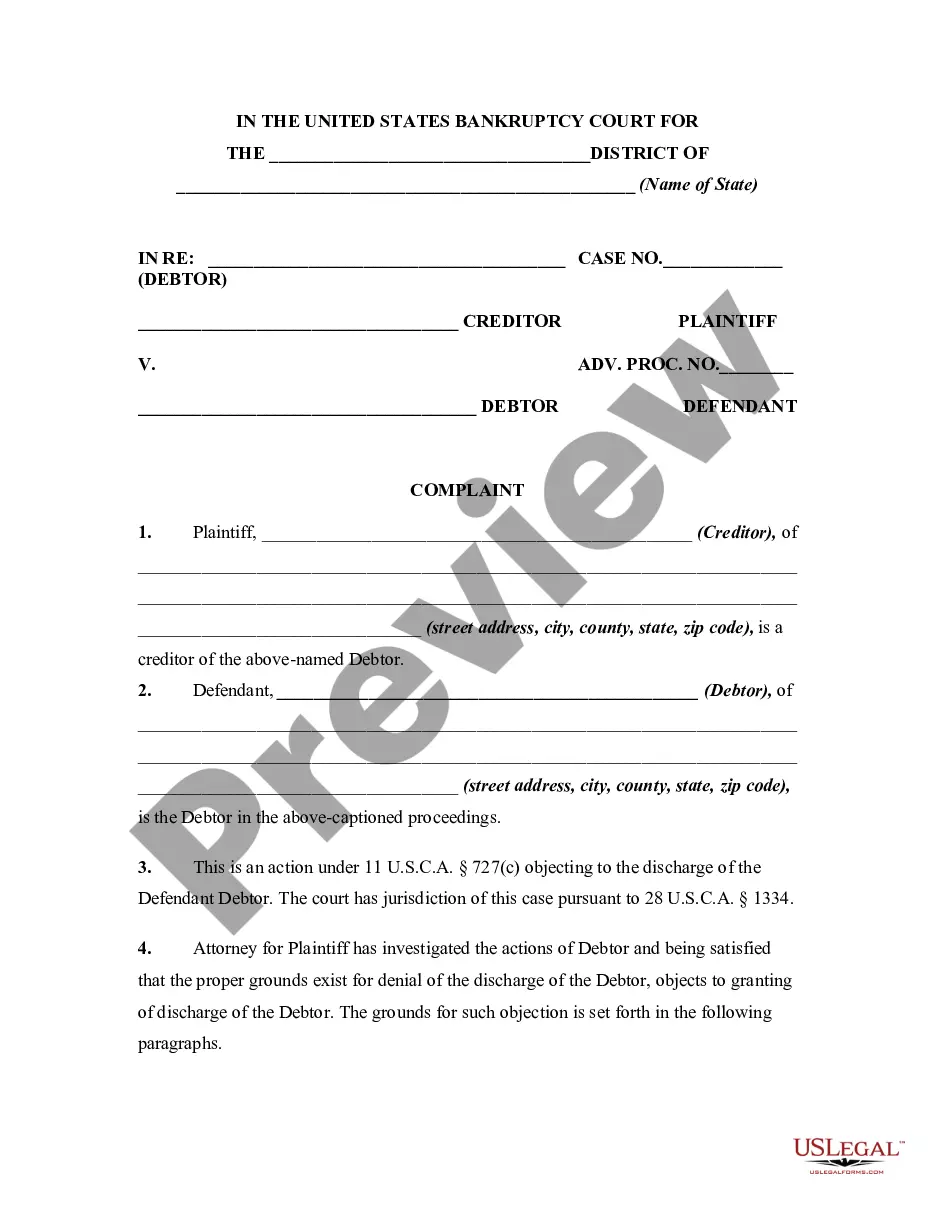
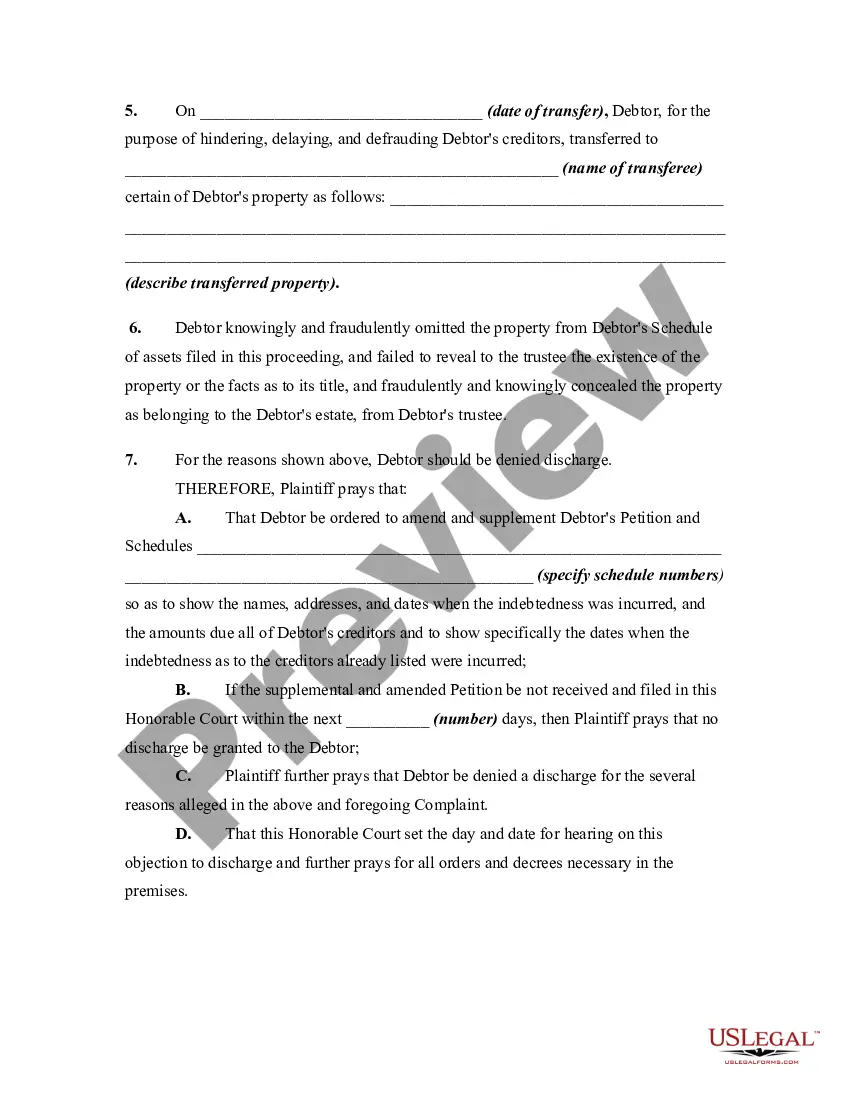
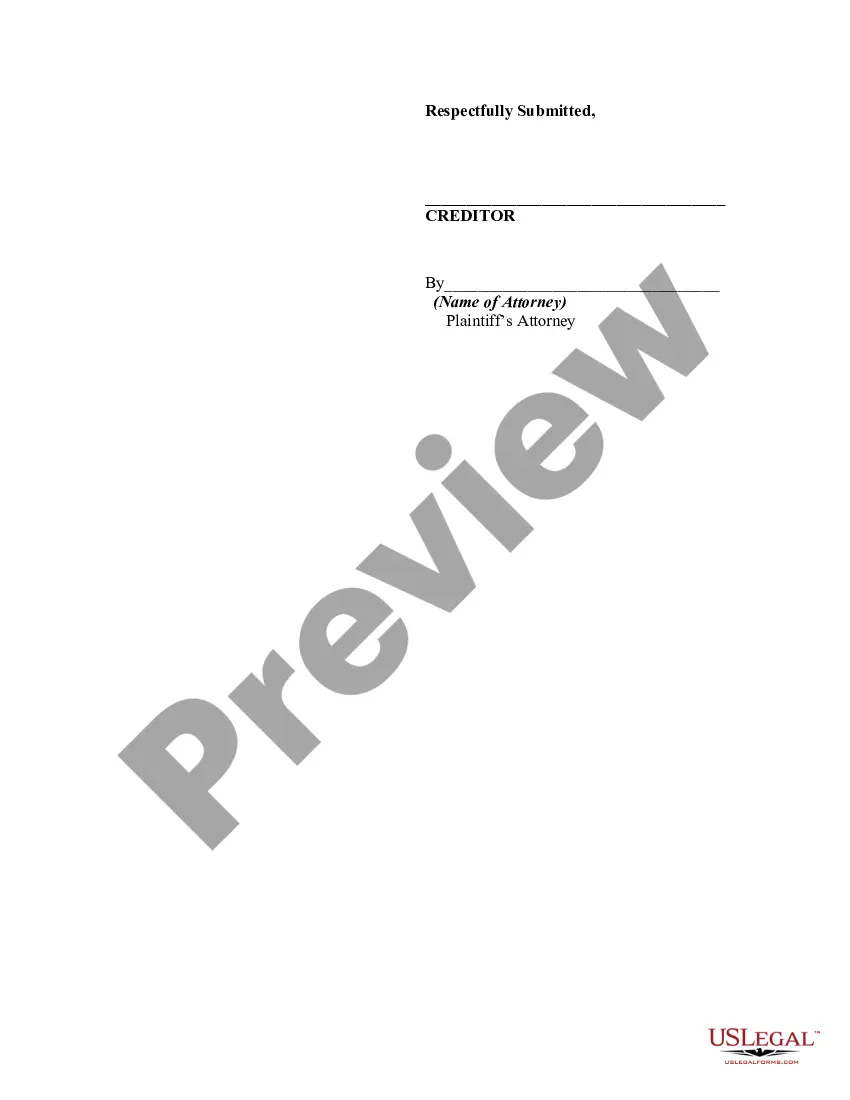
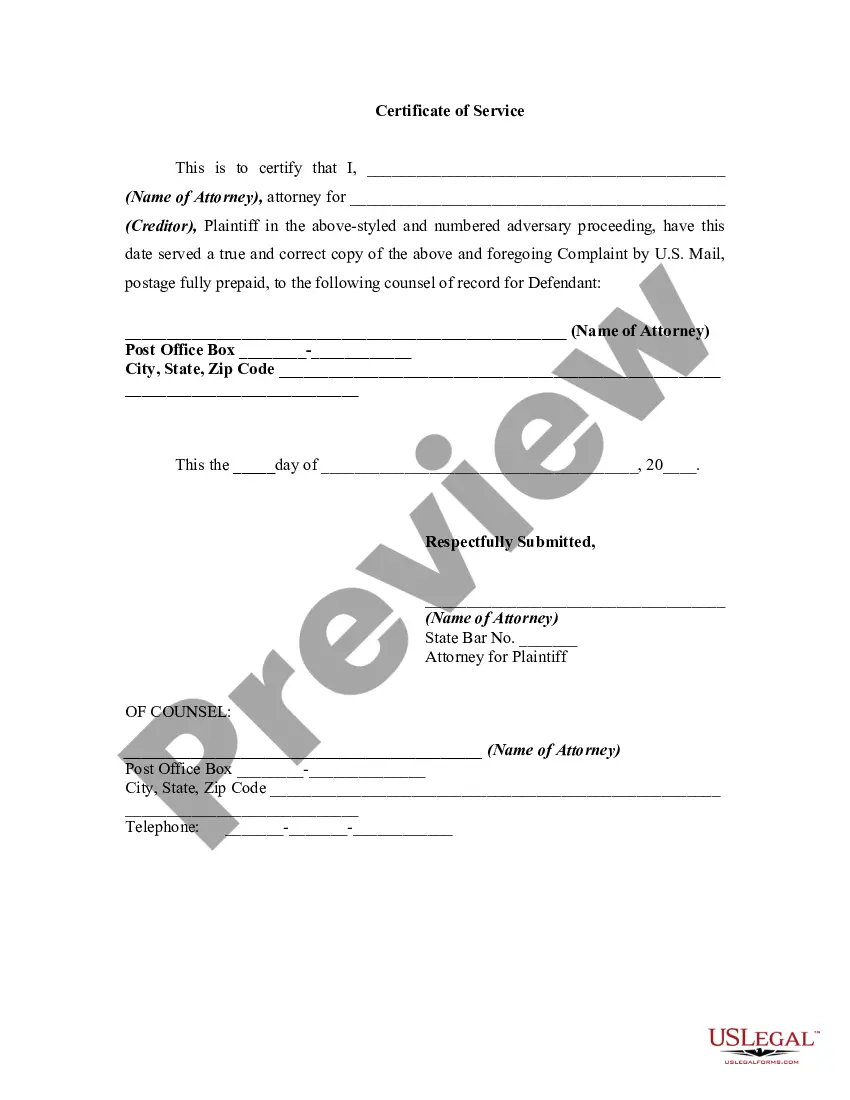
How to fill out Complaint Objecting To Discharge In Bankruptcy Proceedings For Concealment By Debtor And Omitting From Schedules Fraudulently Transferred Property?
Drafting legal paperwork from scratch can sometimes be daunting. Some cases might involve hours of research and hundreds of dollars spent. If you’re searching for a more straightforward and more affordable way of creating Fraudulently Transferred Property Without Permission or any other documents without the need of jumping through hoops, US Legal Forms is always at your fingertips.
Our virtual collection of over 85,000 up-to-date legal forms covers virtually every element of your financial, legal, and personal matters. With just a few clicks, you can quickly access state- and county-specific forms diligently put together for you by our legal specialists.
Use our platform whenever you need a trustworthy and reliable services through which you can easily locate and download the Fraudulently Transferred Property Without Permission. If you’re not new to our services and have previously set up an account with us, simply log in to your account, select the form and download it away or re-download it at any time in the My Forms tab.
Don’t have an account? No worries. It takes little to no time to set it up and navigate the library. But before jumping straight to downloading Fraudulently Transferred Property Without Permission, follow these tips:
- Review the document preview and descriptions to ensure that you have found the form you are searching for.
- Make sure the template you choose conforms with the requirements of your state and county.
- Pick the best-suited subscription option to get the Fraudulently Transferred Property Without Permission.
- Download the form. Then complete, sign, and print it out.
US Legal Forms has a good reputation and over 25 years of experience. Join us now and turn document execution into something easy and streamlined!
Form popularity
FAQ
Not recording a deed can cause problems for the grantee. They may be unable to obtain a mortgage, insure the property, or sell it. Even more problematic, an unrecorded deed may make it possible for the grantor to sell the property to a buyer and subsequently sell the same property to a different buyer.
If the trial court finds the grantor intended the deed to take effect at some point in the future, or if the trial court finds the grantor thought the deed would not be effective until some subsequent act was performed, then there was no delivery and the deed is void and ineffective.
When there is a lack of consideration, the contract never was valid or enforceable. In contrast, failure of consideration occurs where a valid contract with a valid consideration becomes unenforceable due to the consideration no longer being valuable.
Deed signed by mistake (grantor did not know what was signed) Deed executed under falsified power of attorney. Deed executed under expired power of attorney (death, disability, or insanity of principal) Deed apparently valid, but actually delivered after death of grantor or grantee, or without consent of grantor.
Specifically, if the deed is void, it does not pass title and cannot be enforced even if recorded and even if title is later acquired by a bona fide purchaser.