Discharged Bankruptcy Chapter 13 Forgiveness
Description
Get your form ready online
Our built-in tools help you complete, sign, share, and store your documents in one place.
Make edits, fill in missing information, and update formatting in US Legal Forms—just like you would in MS Word.
Download a copy, print it, send it by email, or mail it via USPS—whatever works best for your next step.
Sign and collect signatures with our SignNow integration. Send to multiple recipients, set reminders, and more. Go Premium to unlock E-Sign.
If this form requires notarization, complete it online through a secure video call—no need to meet a notary in person or wait for an appointment.
We protect your documents and personal data by following strict security and privacy standards.

Make edits, fill in missing information, and update formatting in US Legal Forms—just like you would in MS Word.

Download a copy, print it, send it by email, or mail it via USPS—whatever works best for your next step.

Sign and collect signatures with our SignNow integration. Send to multiple recipients, set reminders, and more. Go Premium to unlock E-Sign.

If this form requires notarization, complete it online through a secure video call—no need to meet a notary in person or wait for an appointment.

We protect your documents and personal data by following strict security and privacy standards.
Looking for another form?







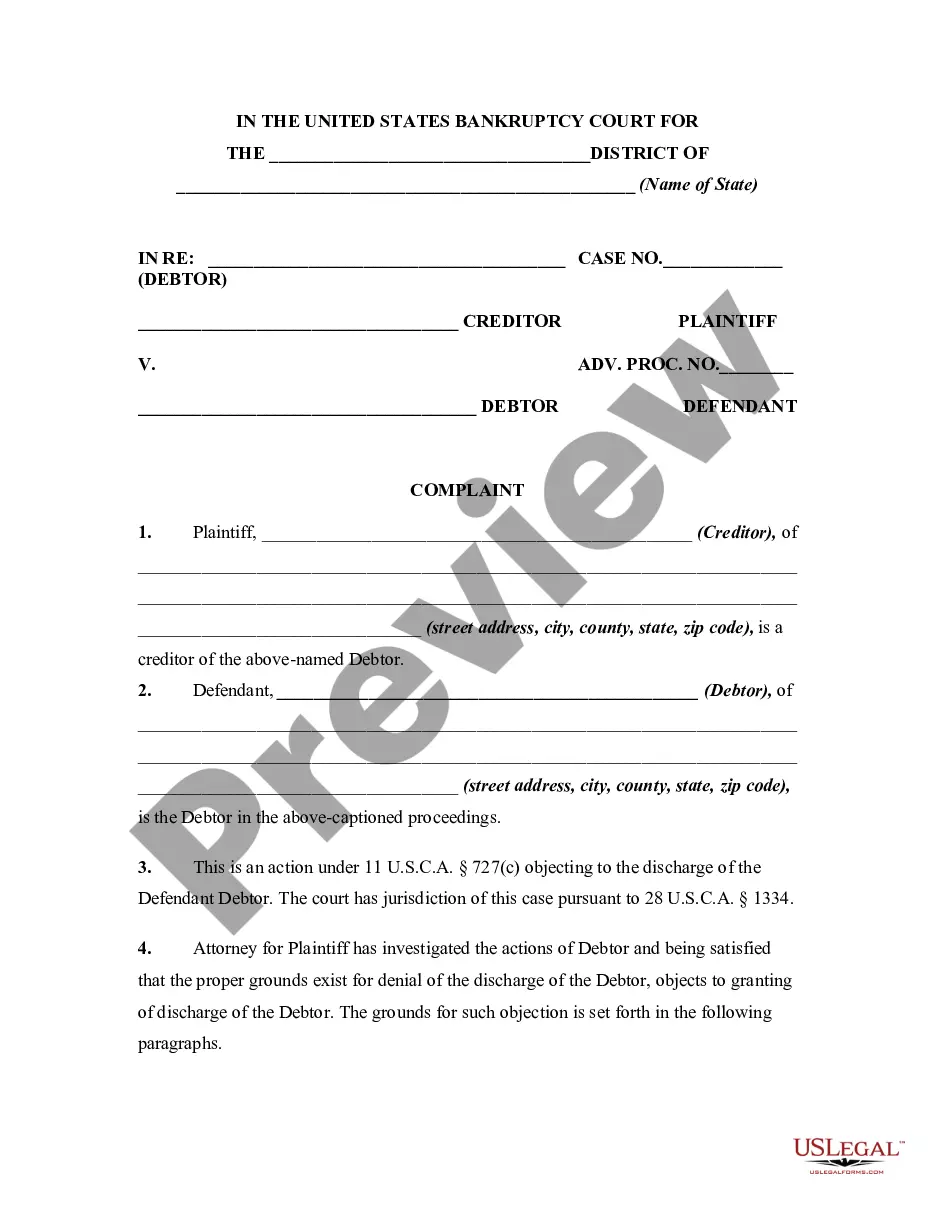
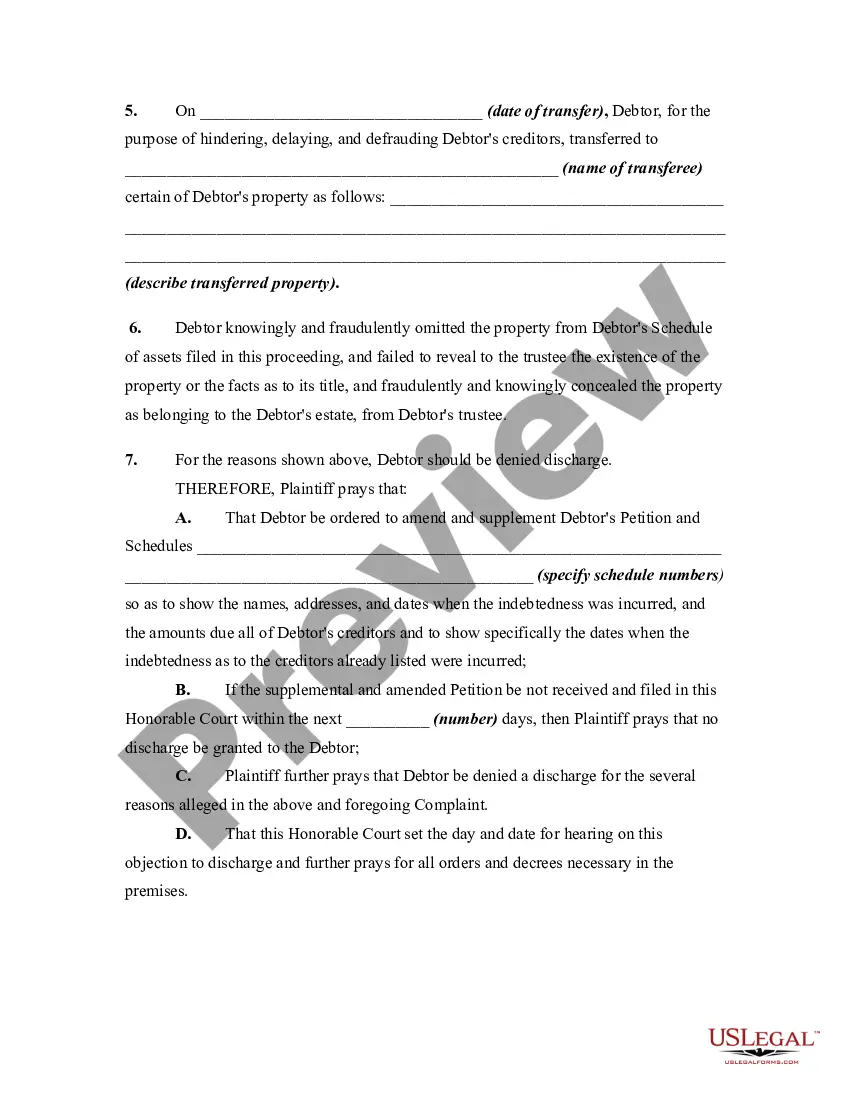
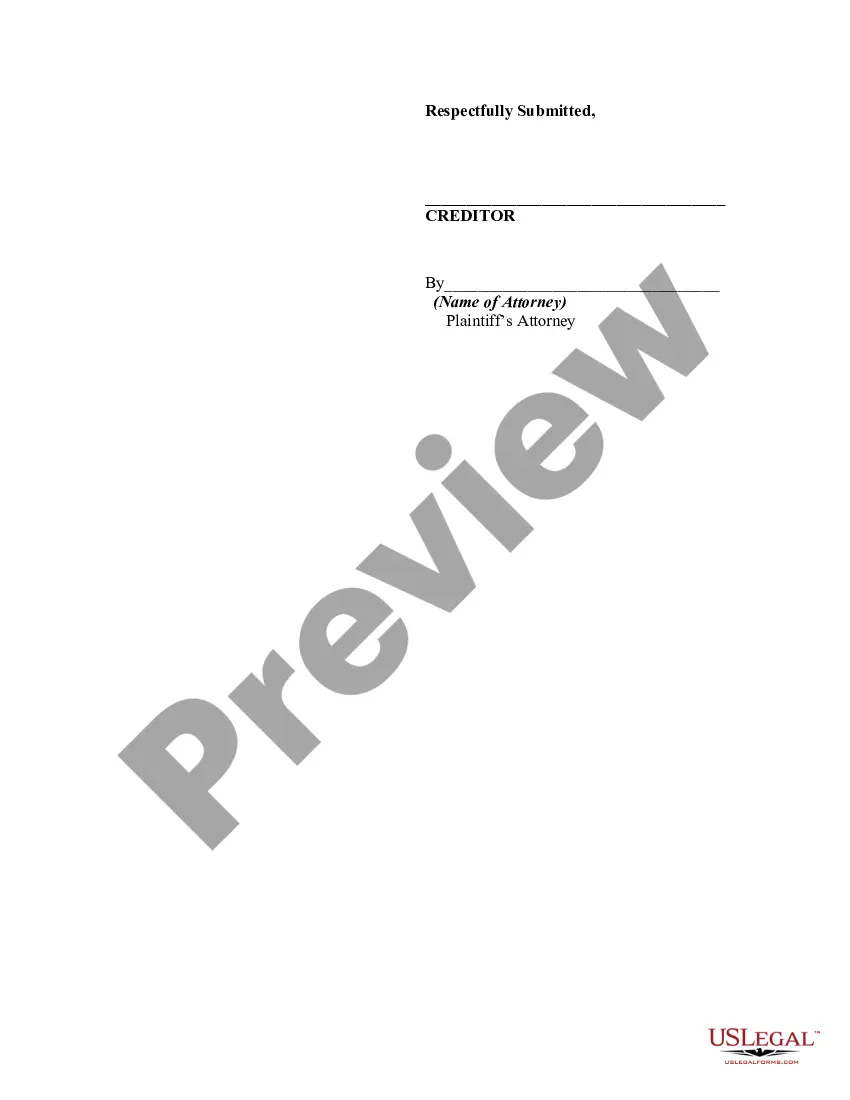
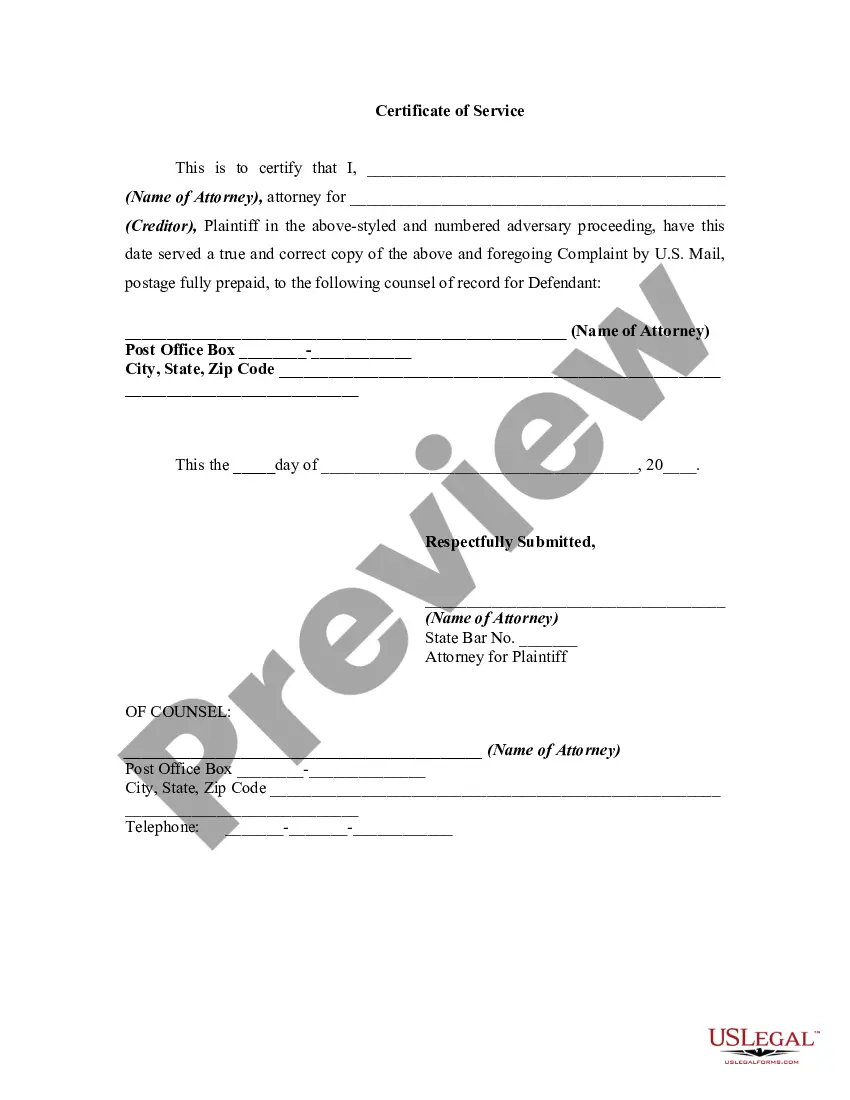
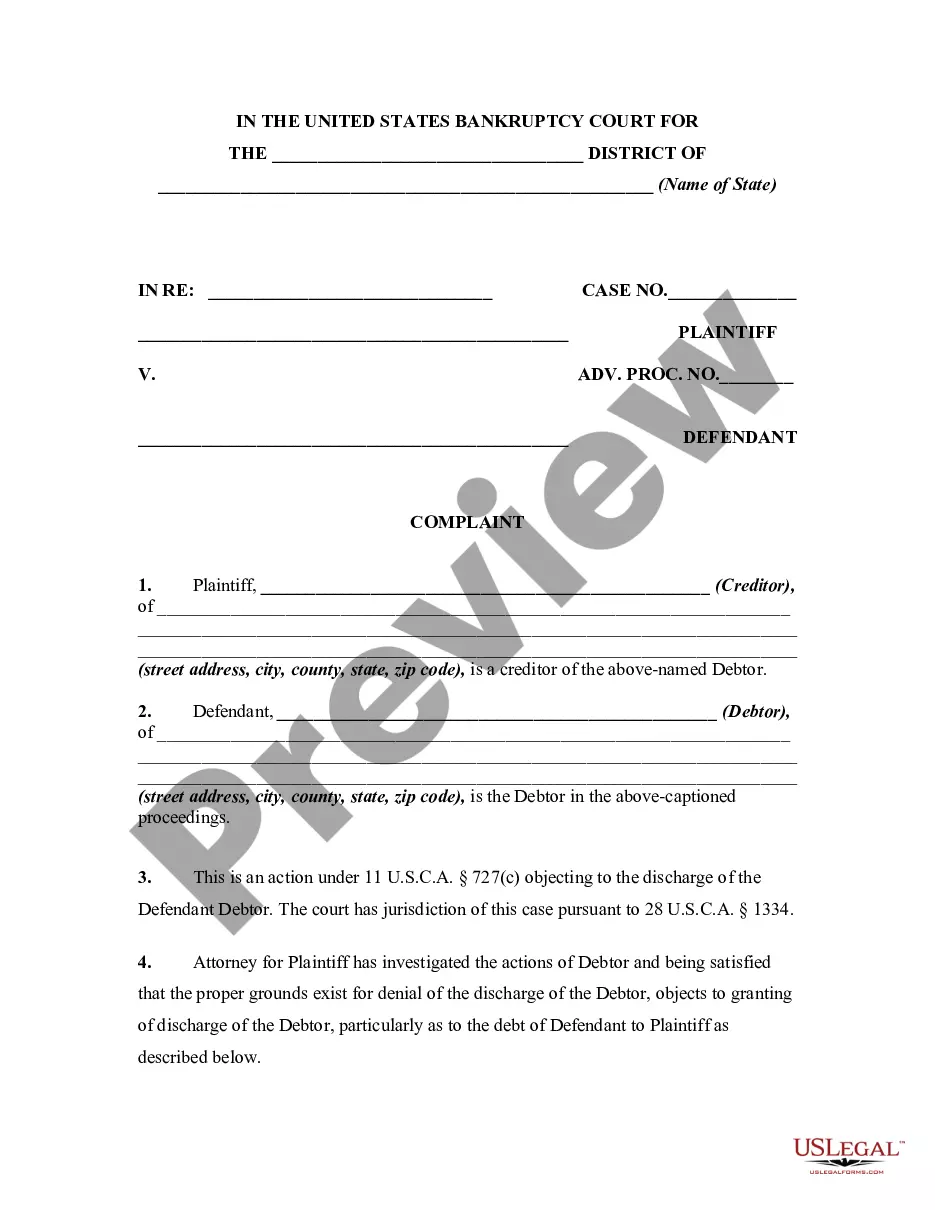
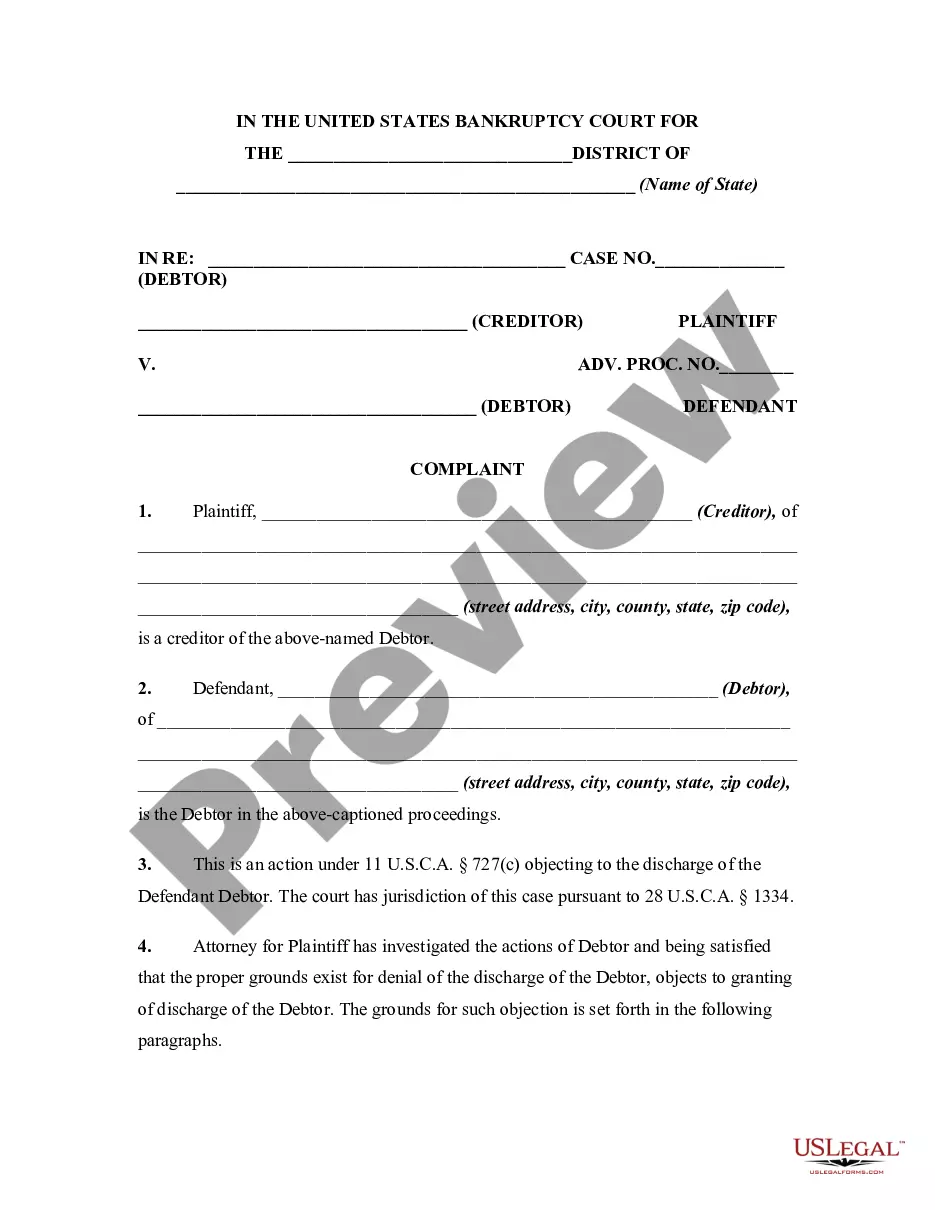
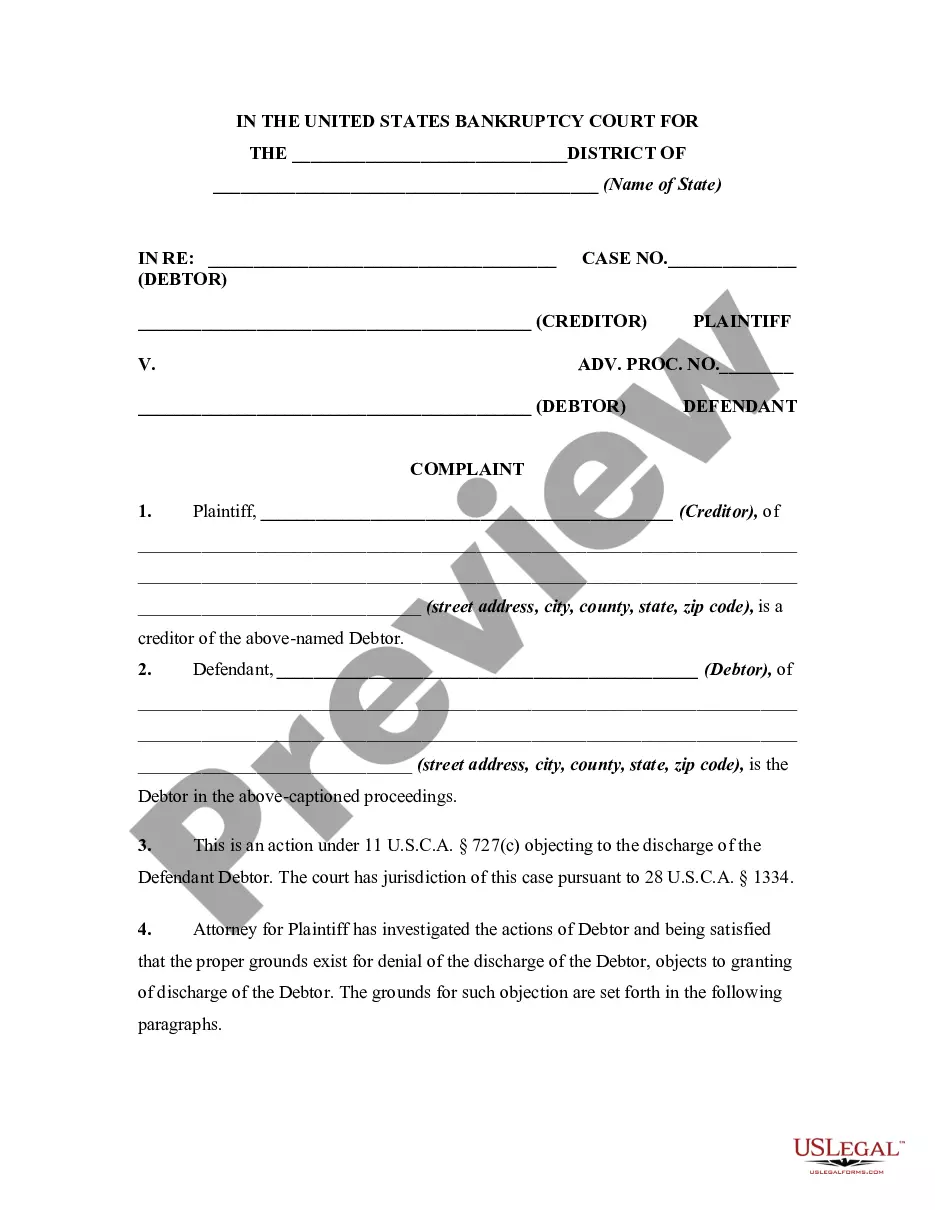
How to fill out Complaint Objecting To Discharge In Bankruptcy Proceedings For Concealment By Debtor And Omitting From Schedules Fraudulently Transferred Property?
Securing a reliable source to access the latest and suitable legal documents is a significant part of dealing with red tape.
Locating the correct legal materials demands precision and meticulousness, which is why it is essential to obtain samples of Discharged Bankruptcy Chapter 13 Forgiveness exclusively from reputable sources, such as US Legal Forms.
Eliminate the hassle associated with your legal documents. Explore the comprehensive US Legal Forms library, where you can find legal templates, verify their applicability to your situation, and download them instantly.
- Utilize the catalog navigation or search bar to identify your document.
- Examine the form’s description to confirm it aligns with the requirements of your state and local area.
- Check the form preview, if available, to ensure the document is indeed what you need.
- Return to the search and locate the correct document if the Discharged Bankruptcy Chapter 13 Forgiveness does not suit your needs.
- Once you are certain of the form’s significance, download it.
- If you are a registered user, click Log in to verify and access your selected templates in My documents.
- If you have not registered yet, click Buy now to obtain the form.
- Select the pricing plan that matches your preferences.
- Proceed with the registration to finalize your purchase.
- Complete your transaction by choosing a payment method (credit card or PayPal).
- Choose the file format for downloading Discharged Bankruptcy Chapter 13 Forgiveness.
- Once you have the document on your device, you can modify it using the editor or print it and complete it manually.
Form popularity
FAQ
About 45 days after you've received your discharge, you will receive a document called a Final Decree. It's the document that officially closes your case. Once this document is received, you are no longer in bankruptcy.
The discharge releases the debtor from all debts provided for by the plan or disallowed (under section 502), with limited exceptions. Creditors provided for in full or in part under the chapter 13 plan may no longer initiate or continue any legal or other action against the debtor to collect the discharged obligations.
For example, if your income goes down during bankruptcy, you might be able to modify your plan to reduce your payment amount. A judge can reduce the amount you're paying toward nonpriority, unsecured debt, such as credit card balances, medical bills, and personal loans.
What does my Chapter 13 discharge order look like? While every court is slightly different, the Chapter 13 discharge order looks similar. It is signed by a judge and states that ?A discharge under 11 U.S.C. § 1328(a) is granted to: Your Name?.
A hardship discharge is granted to help a debtor who cannot complete a Chapter 13 debt repayment plan for reasons that are completely outside the debtor's control. It will not be granted to debtors who cause their own difficulties, such as debtors who quit their jobs while making payments in a Chapter 13 plan.