Discharged Bankruptcy Chapter 13 Foreclosure
Description
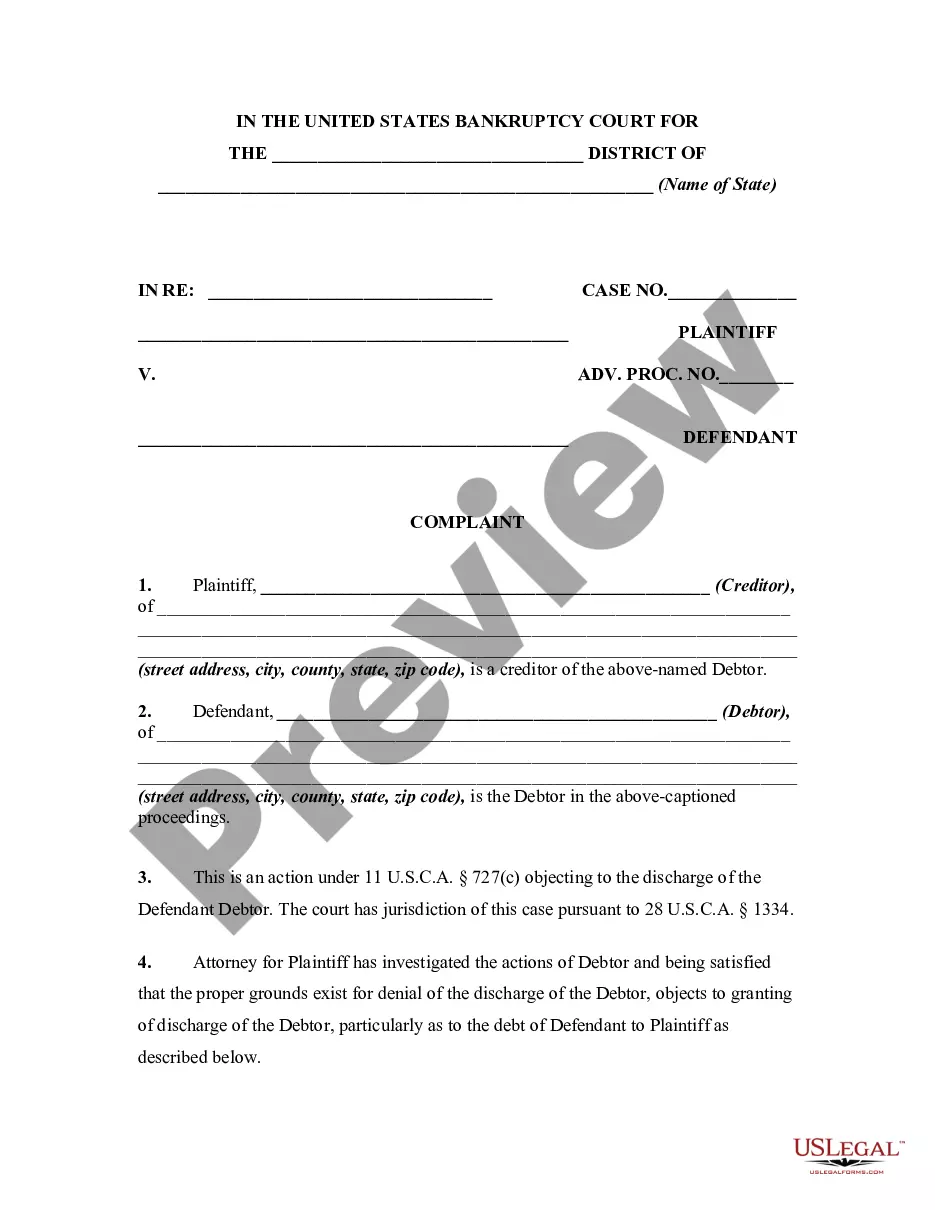
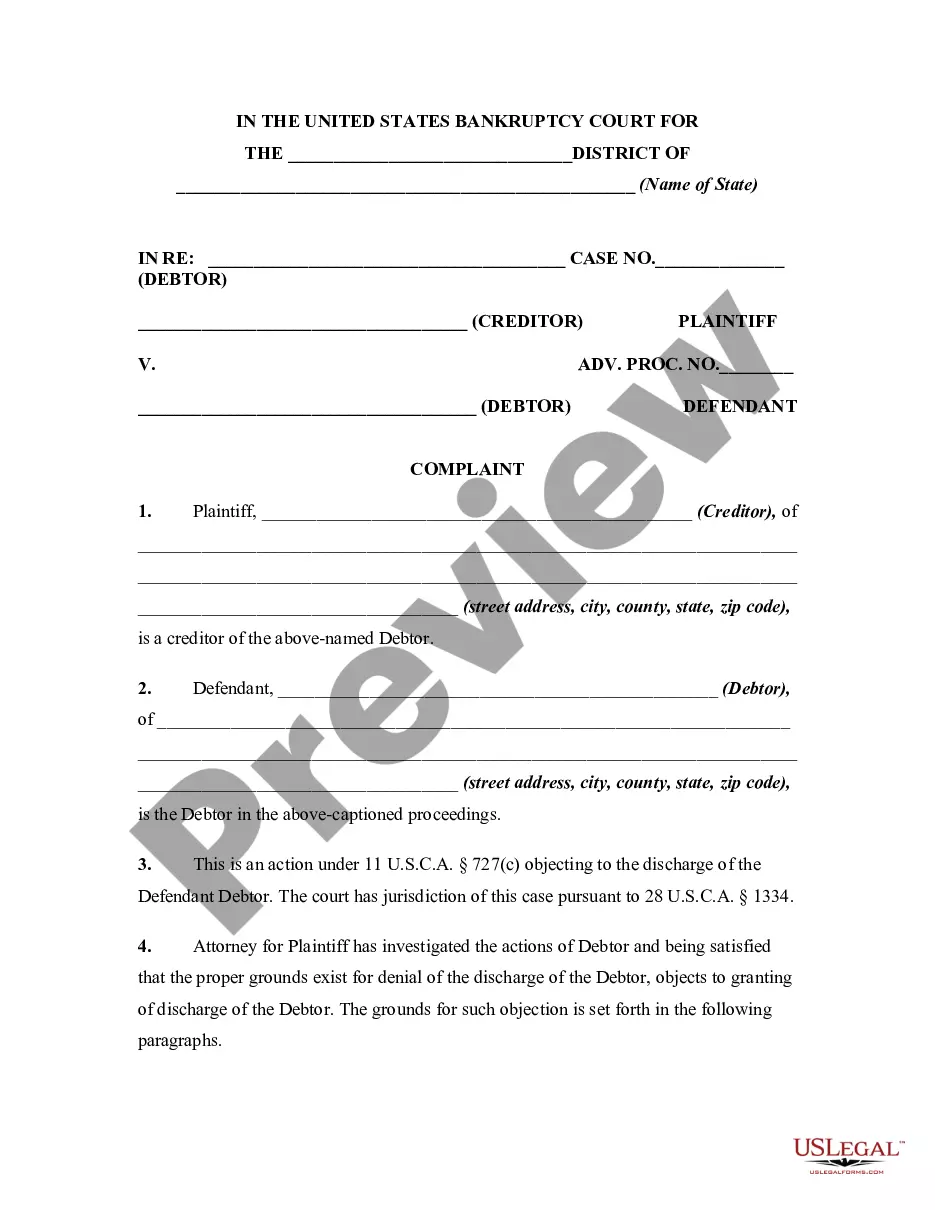
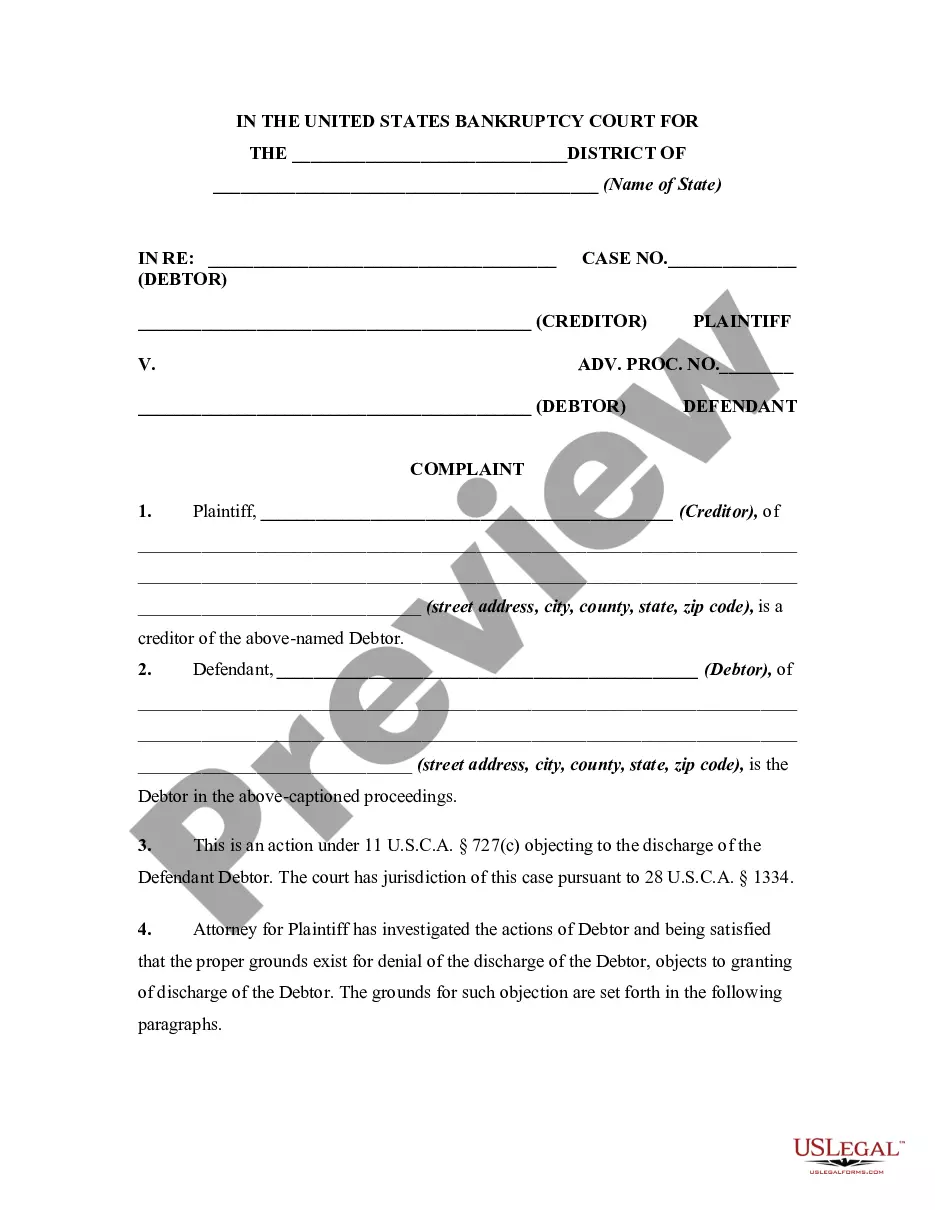
Get your form ready online
Our built-in tools help you complete, sign, share, and store your documents in one place.
Make edits, fill in missing information, and update formatting in US Legal Forms—just like you would in MS Word.
Download a copy, print it, send it by email, or mail it via USPS—whatever works best for your next step.
Sign and collect signatures with our SignNow integration. Send to multiple recipients, set reminders, and more. Go Premium to unlock E-Sign.
If this form requires notarization, complete it online through a secure video call—no need to meet a notary in person or wait for an appointment.
We protect your documents and personal data by following strict security and privacy standards.

Make edits, fill in missing information, and update formatting in US Legal Forms—just like you would in MS Word.

Download a copy, print it, send it by email, or mail it via USPS—whatever works best for your next step.

Sign and collect signatures with our SignNow integration. Send to multiple recipients, set reminders, and more. Go Premium to unlock E-Sign.

If this form requires notarization, complete it online through a secure video call—no need to meet a notary in person or wait for an appointment.

We protect your documents and personal data by following strict security and privacy standards.
Looking for another form?






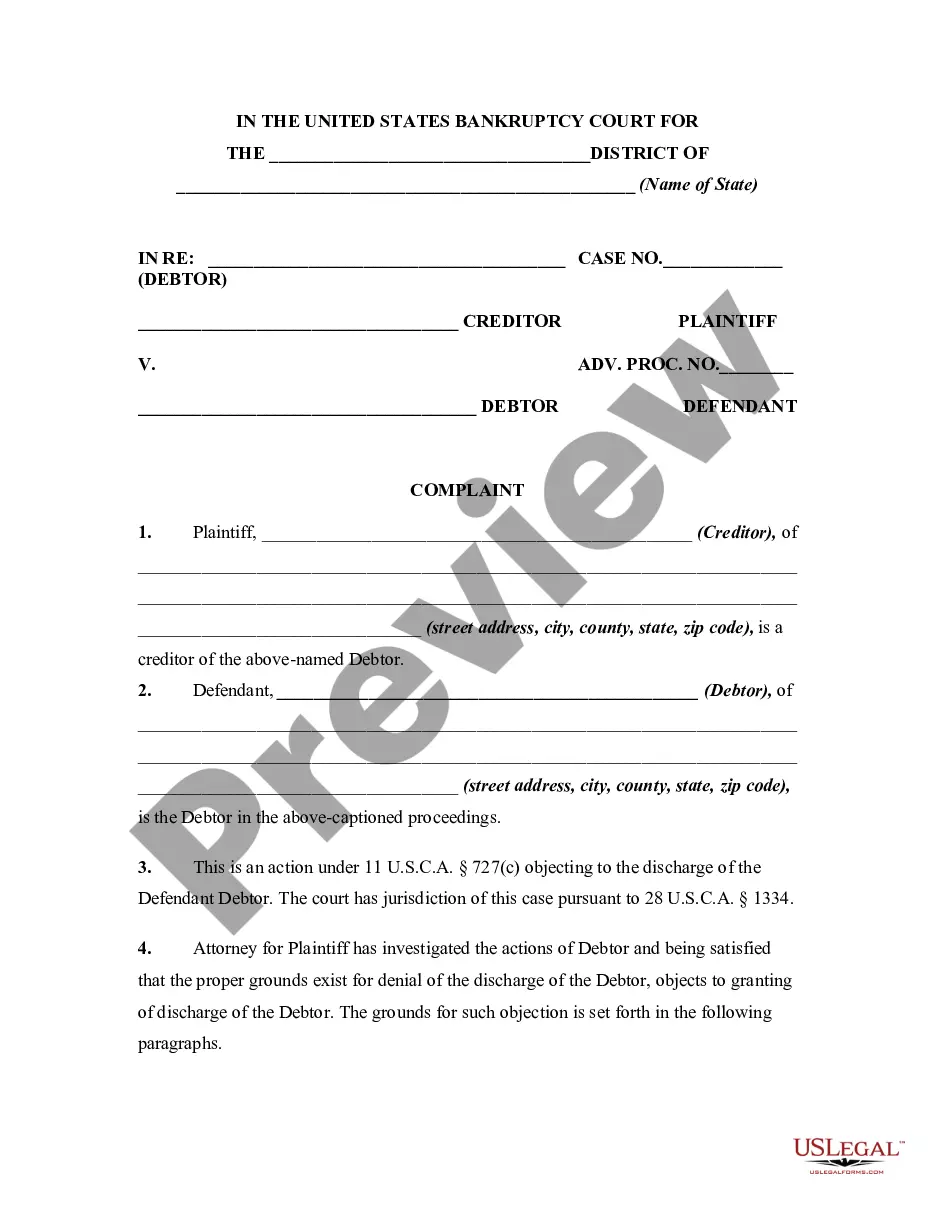
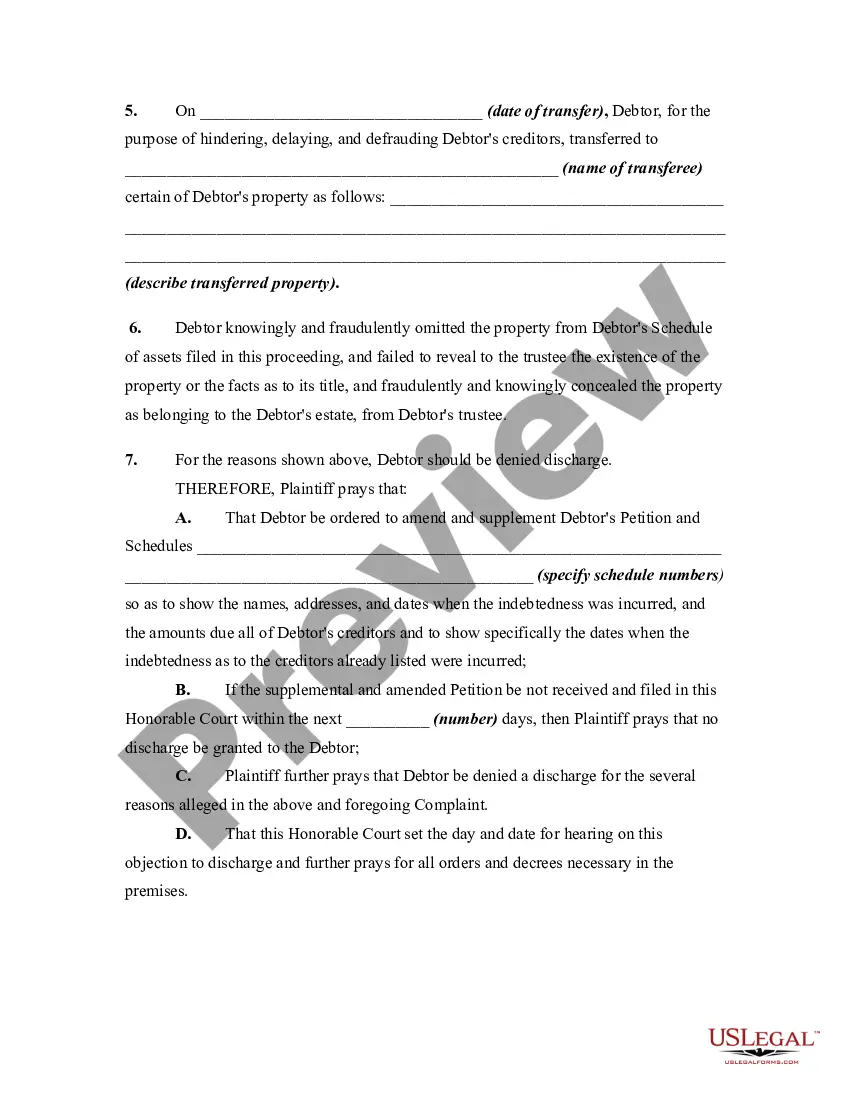
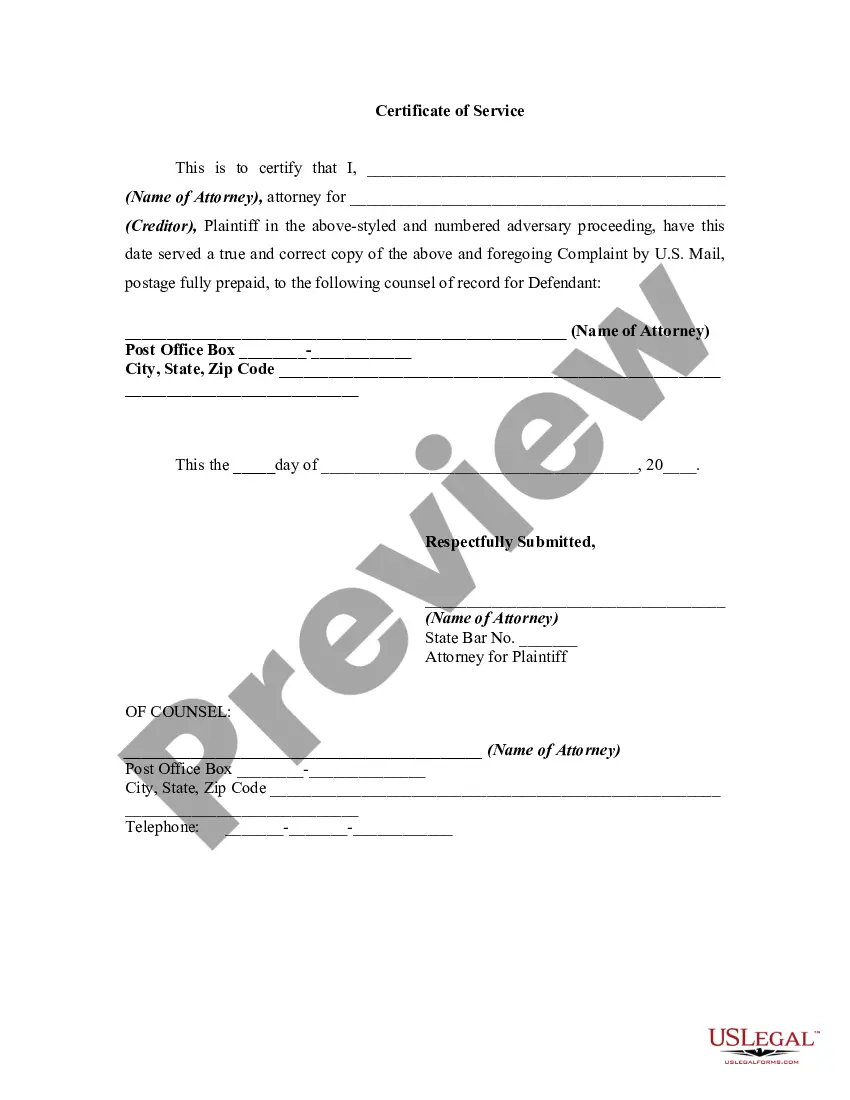
How to fill out Complaint Objecting To Discharge In Bankruptcy Proceedings For Concealment By Debtor And Omitting From Schedules Fraudulently Transferred Property?
Finding a reliable source for obtaining the most up-to-date and suitable legal templates is a significant part of navigating bureaucracy.
Selecting the appropriate legal documents necessitates accuracy and careful consideration, which is why it's essential to obtain Discharged Bankruptcy Chapter 13 Foreclosure samples only from trustworthy sources, such as US Legal Forms. An incorrect template could lead to wasted time and prolong your current situation.
Remove the hassle associated with your legal paperwork. Explore the extensive US Legal Forms catalog to find legal templates, assess their relevance to your situation, and download them instantly.
- Use the library navigation or search bar to locate your template.
- Access the form's details to confirm it meets the requirements of your state and locality.
- View the form preview, if available, to ensure it is indeed the document you need.
- Return to the search to find the appropriate template if the Discharged Bankruptcy Chapter 13 Foreclosure does not match your needs.
- If you are confident about the form's applicability, download it.
- If you have an account, click Log in to authenticate and access your selected templates in My documents.
- If you don't have an account yet, click Buy now to purchase the form.
- Select the pricing plan that best suits your requirements.
- Proceed with the registration to complete your purchase.
- Finalize your payment by choosing a transaction method (credit card or PayPal).
- Select the document format for downloading Discharged Bankruptcy Chapter 13 Foreclosure.
- Once you have the document on your device, you can edit it with the editor or print it and complete it manually.
Form popularity
FAQ
Generally, you can apply for an FHA mortgage two years after your Chapter 13 discharge. This timeline allows borrowers to demonstrate consistent payment habits following bankruptcy. Lenders will assess your financial stability and creditworthiness, so having a strong payment history will help. Be sure to consult reliable resources to manage the effects of discharged bankruptcy Chapter 13 foreclosure effectively.
Once you have paid off all of your chapter 13 bankruptcy debts, you will go to the bankruptcy court for one last hearing ? your discharge hearing. You have the option of directing your attorney to attend the hearing in your place. The bankruptcy judge will review all of your case details.
About 45 days after you've received your discharge, you will receive a document called a Final Decree. It's the document that officially closes your case. Once this document is received, you are no longer in bankruptcy.
What does my Chapter 13 discharge order look like? While every court is slightly different, the Chapter 13 discharge order looks similar. It is signed by a judge and states that ?A discharge under 11 U.S.C. § 1328(a) is granted to: Your Name?.
Unlike other debts, your mortgage payments will not be discharged after you complete your payment plan. In other words, you'll have to keep paying your mortgage in order to keep your home after you've completed your chapter 13 obligations.
The discharge releases the debtor from all debts provided for by the plan or disallowed (under section 502), with limited exceptions. Creditors provided for in full or in part under the chapter 13 plan may no longer initiate or continue any legal or other action against the debtor to collect the discharged obligations.