Discharged Bankruptcy Chapter 13 For Credit Report
Description
Get your form ready online
Our built-in tools help you complete, sign, share, and store your documents in one place.
Make edits, fill in missing information, and update formatting in US Legal Forms—just like you would in MS Word.
Download a copy, print it, send it by email, or mail it via USPS—whatever works best for your next step.
Sign and collect signatures with our SignNow integration. Send to multiple recipients, set reminders, and more. Go Premium to unlock E-Sign.
If this form requires notarization, complete it online through a secure video call—no need to meet a notary in person or wait for an appointment.
We protect your documents and personal data by following strict security and privacy standards.

Make edits, fill in missing information, and update formatting in US Legal Forms—just like you would in MS Word.

Download a copy, print it, send it by email, or mail it via USPS—whatever works best for your next step.

Sign and collect signatures with our SignNow integration. Send to multiple recipients, set reminders, and more. Go Premium to unlock E-Sign.

If this form requires notarization, complete it online through a secure video call—no need to meet a notary in person or wait for an appointment.

We protect your documents and personal data by following strict security and privacy standards.
Looking for another form?
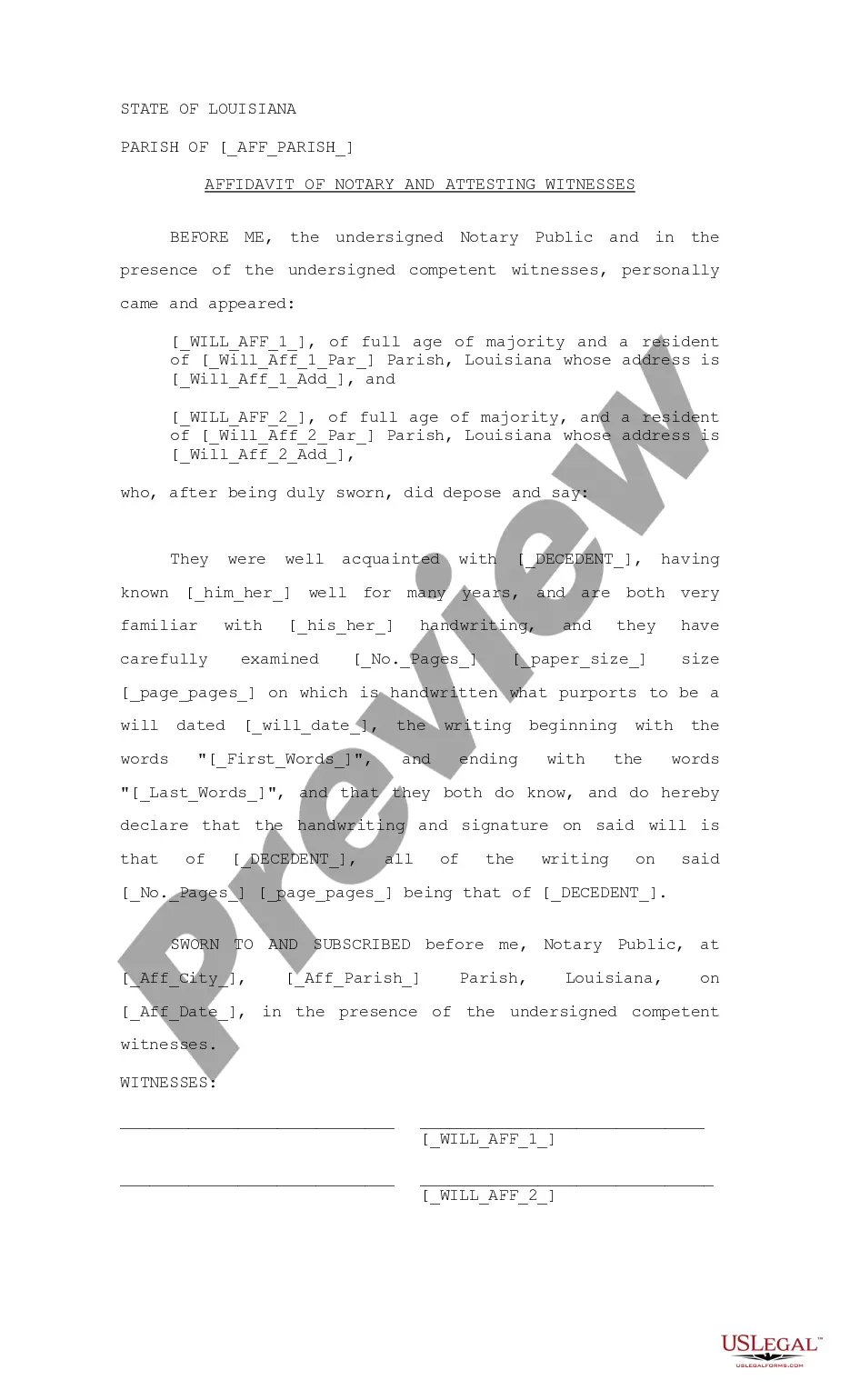








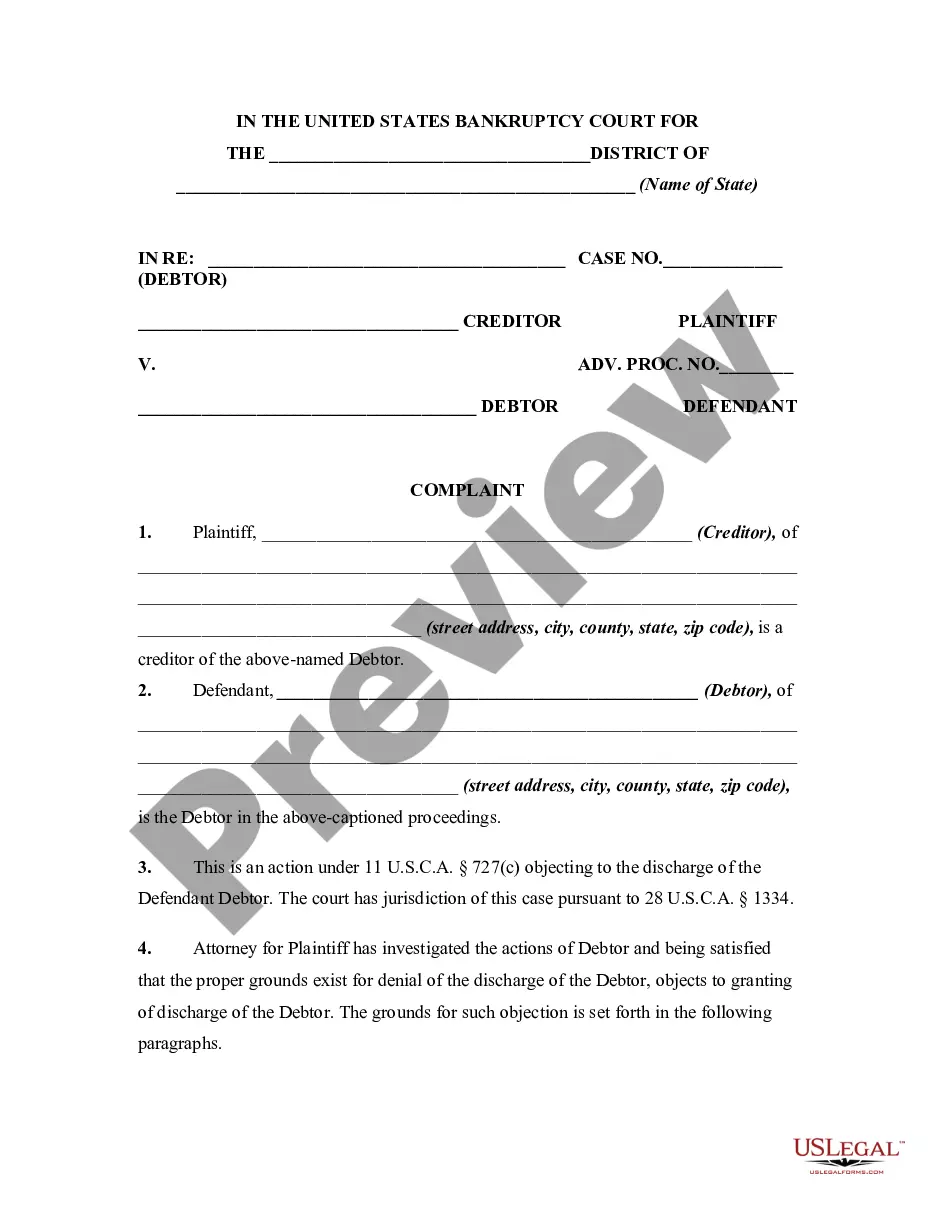
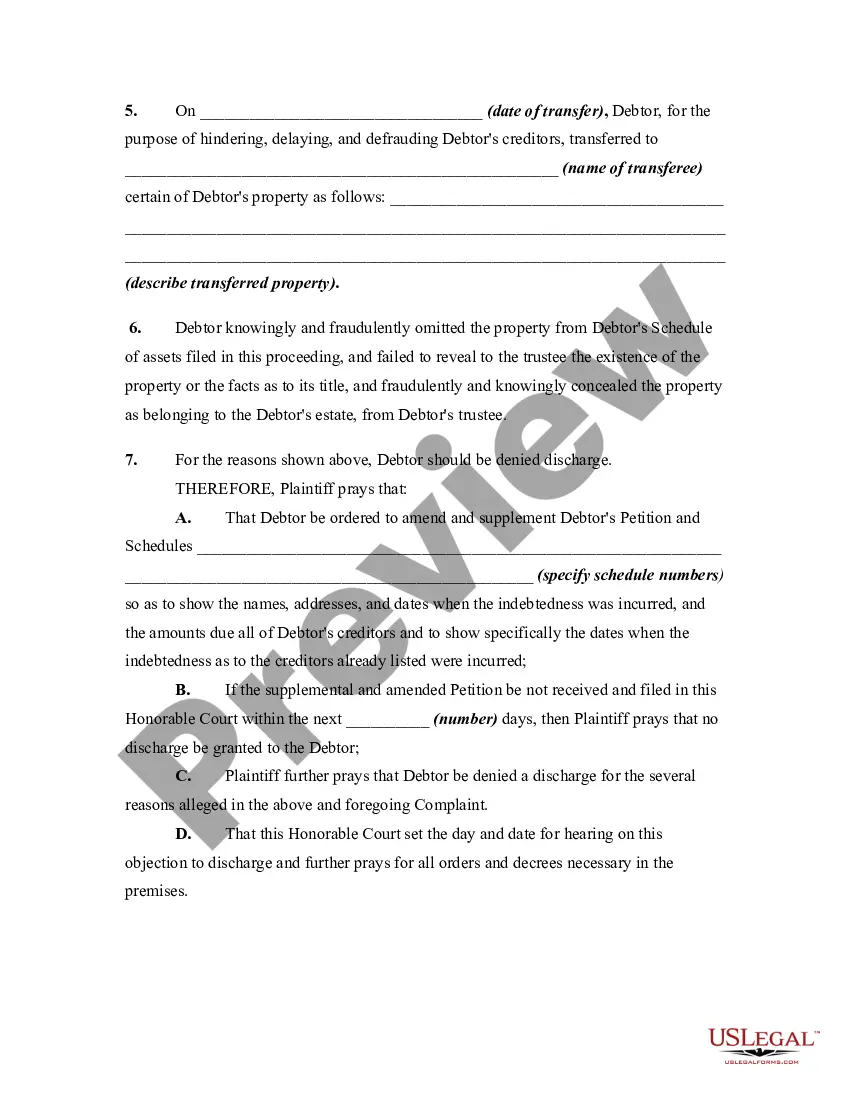
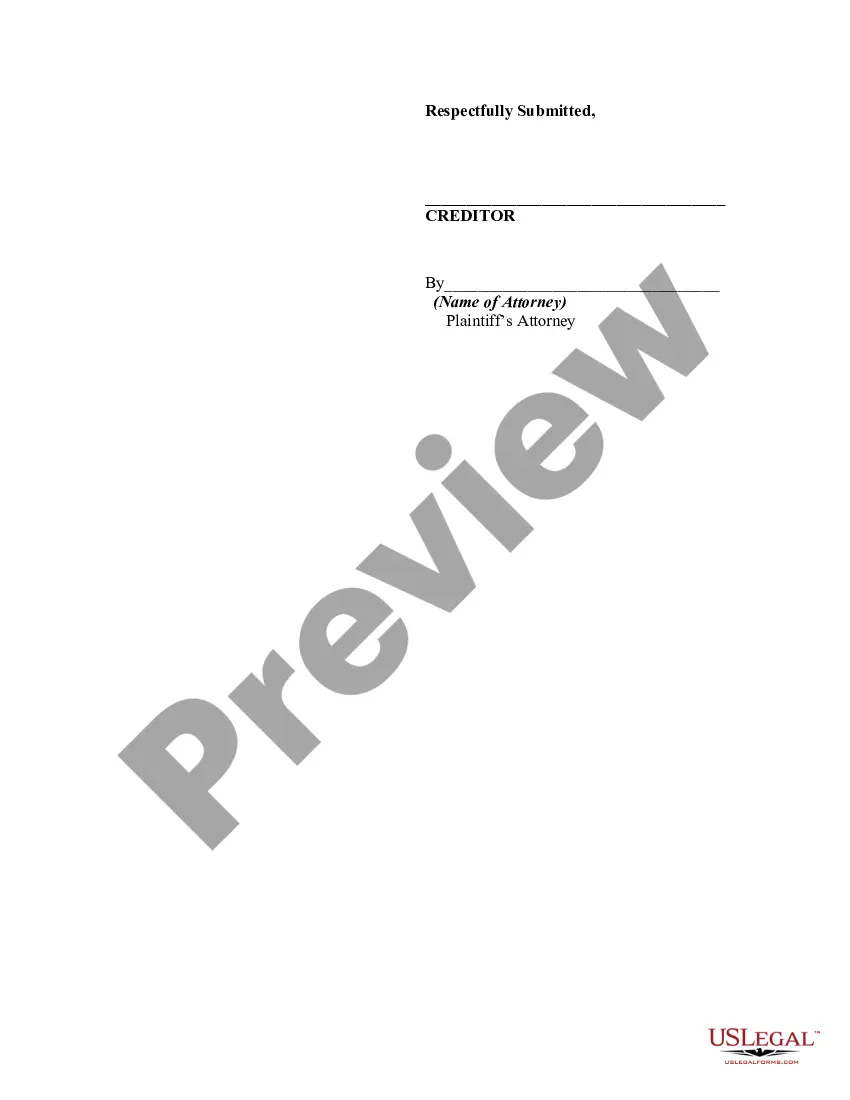
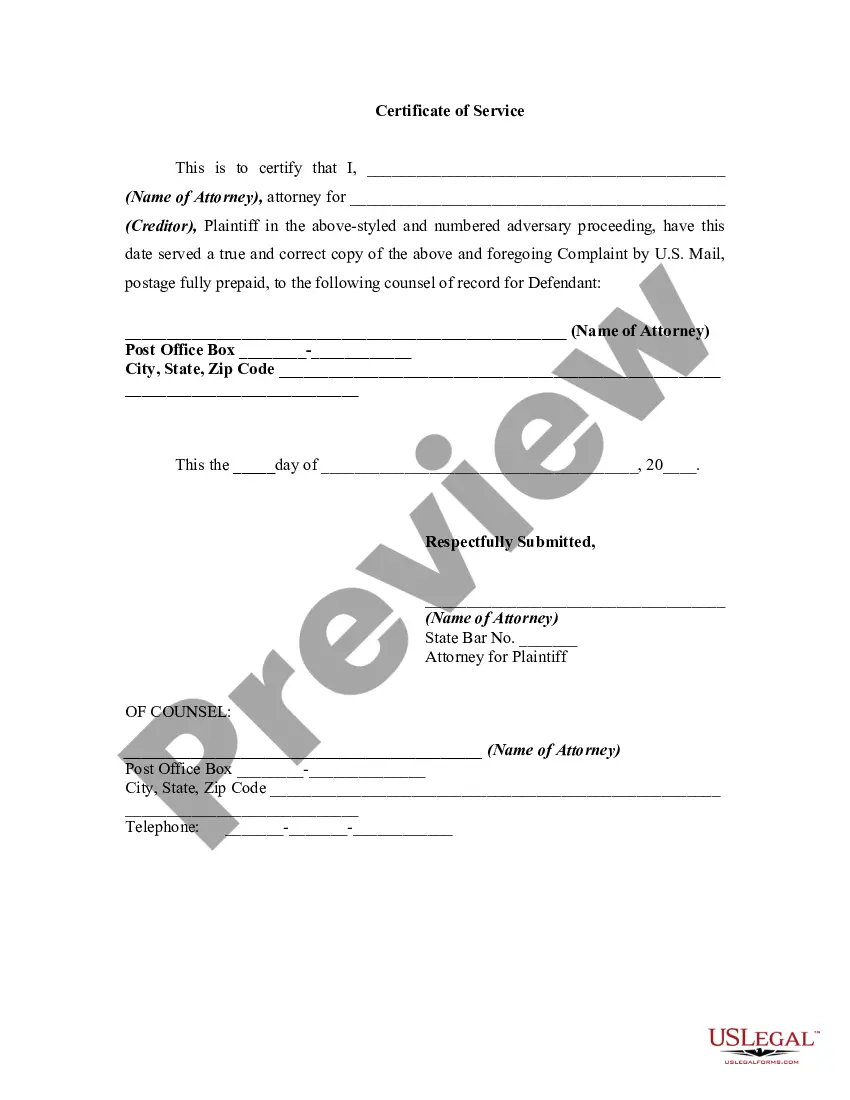
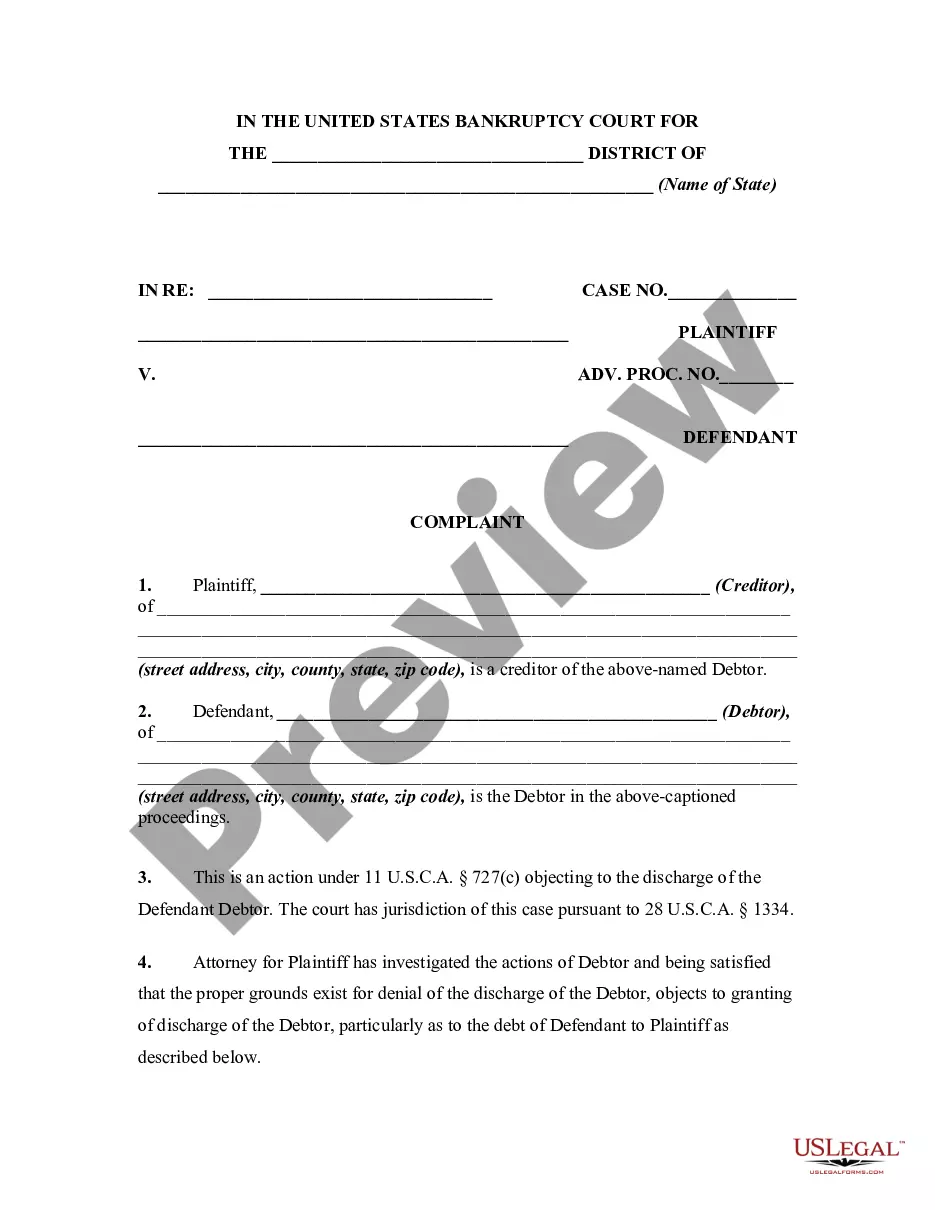
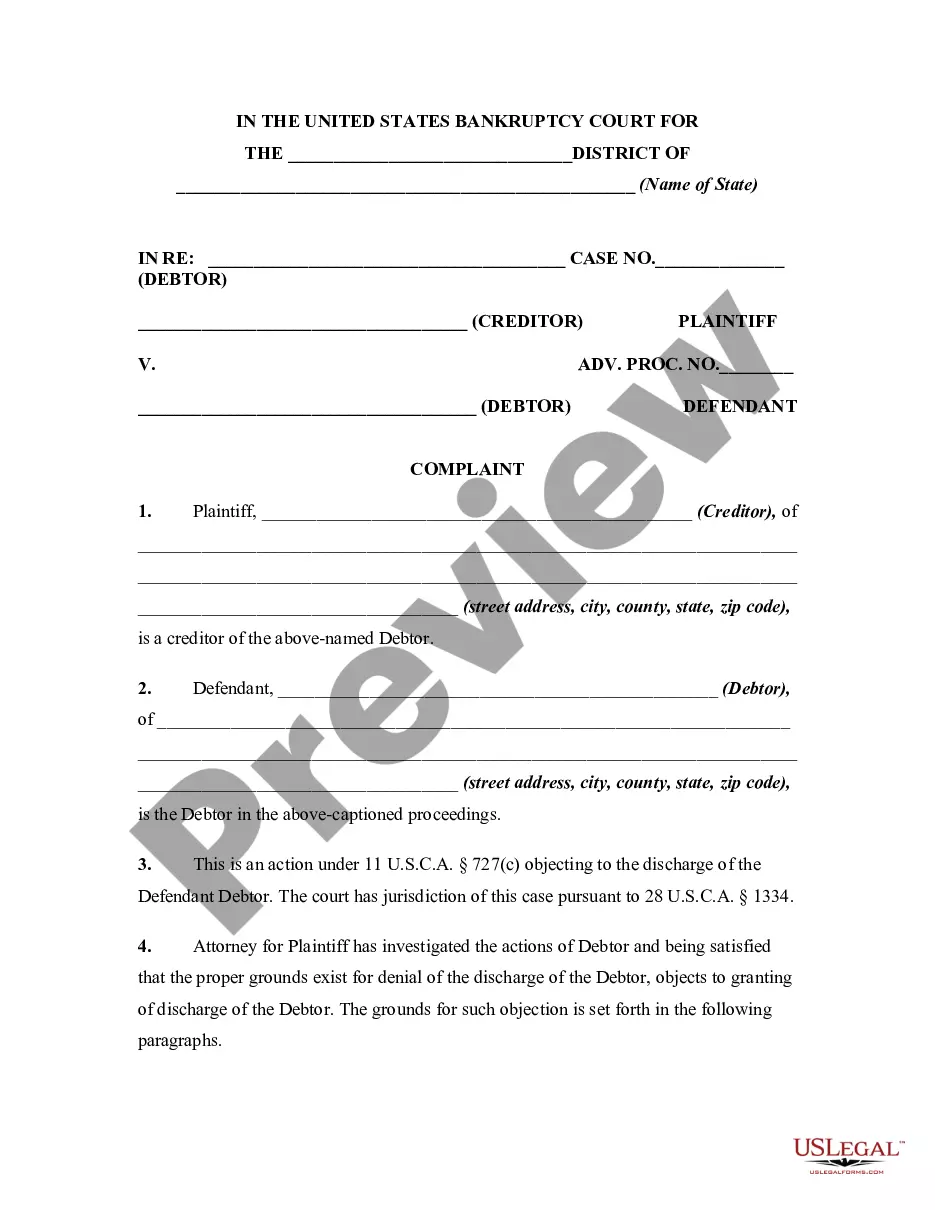
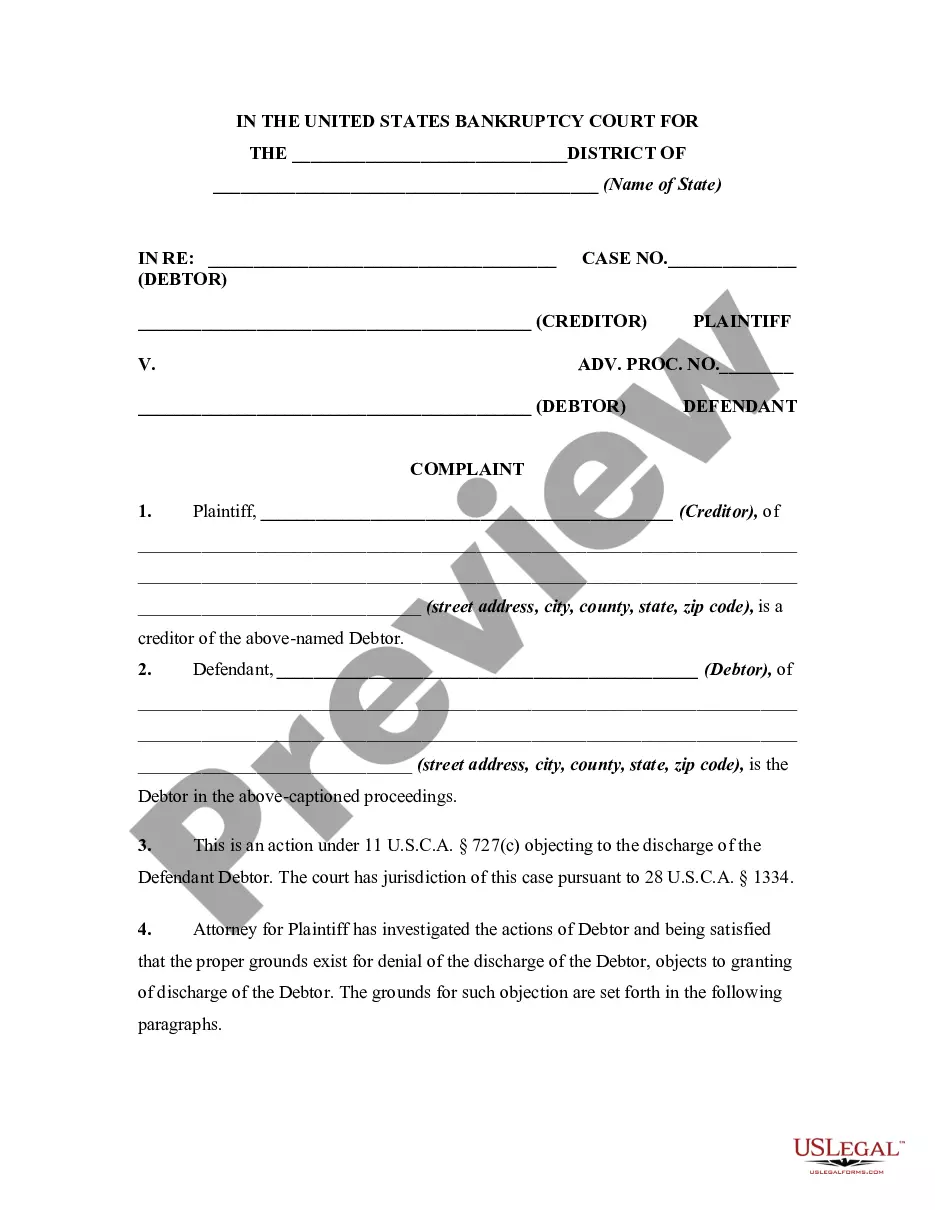
How to fill out Complaint Objecting To Discharge In Bankruptcy Proceedings For Concealment By Debtor And Omitting From Schedules Fraudulently Transferred Property?
Regardless of whether it's for professional reasons or private issues, everyone eventually encounters legal circumstances at some point in their lives.
Filling out legal documents demands meticulous care, starting with selecting the correct form template.
With an extensive catalog from US Legal Forms available, you don’t need to waste time searching for the right template online. Utilize the library’s user-friendly navigation to find the suitable form for any situation.
- Locate the template you require by utilizing the search field or browsing the catalog.
- Review the form’s description to ensure it aligns with your circumstances, state, and locale.
- Click on the form’s preview to take a closer look.
- If it’s not the correct form, return to the search feature to find the Discharged Bankruptcy Chapter 13 For Credit Report template you need.
- Obtain the template when it meets your criteria.
- If you possess a US Legal Forms account, simply click Log in to access previously saved documents in My documents.
- If you lack an account, you can download the form by clicking Buy now.
- Choose the relevant pricing option.
- Complete the profile registration form.
- Select your payment method: a credit card or PayPal account.
- Choose the file format you prefer and download the Discharged Bankruptcy Chapter 13 For Credit Report.
- Once downloaded, you can fill out the form using editing software or print it and complete it manually.
Form popularity
FAQ
Yes, your credit score may improve after a Chapter 13 discharge. Once your bankruptcy is resolved, you can start rebuilding your credit by managing new debts responsibly. It's important to keep in mind that while the record of discharged bankruptcy Chapter 13 remains, responsible credit use can improve your score over time. Regularly monitoring your credit report can help you track progress.
After your discharge from the Chapter 13 Bankruptcy, there will remain accounts. These accounts were current prior to the bankruptcy filing, for a period of up to 7 years. This will result in a potentially negative impact on your credit score.
A bankruptcy will drop off your credit after ten years under Chapter 7 or seven years under Chapter 13. If the bankruptcy stays on your credit report beyond that time, you can file a dispute with the credit bureaus, Experian, Equifax and TransUnion, to get it removed.
If your bankruptcy is legitimate, you will not be able to legitimately dispute it. In this case, your only option is to wait until the credit bureau removes it after the standard seven to ten years. If the bankruptcy is not removed after that time, you can file a dispute to have it removed.
Written by the Upsolve Team. Legally reviewed by Attorney Andrea Wimmer (1) Keep Up With Any Debts That Survived the Bankruptcy Filing. (2) Become An Authorized User On Someone Else's Credit Card Account. (3) Get A Secured Credit Card. (4) Take Out A Credit Builder Loan. (5) Report Other Payment Information.
? FHA Loans In most cases, a Chapter 7 debtor can apply for an FHA loan two years after the date of the bankruptcy discharge. Chapter 13 debtors can apply for an FHA loan one year after the bankruptcy discharge; however, some Chapter 13 debtors could qualify sooner for an FHA loan.