Discharge In Bankruptcy Meaning
Description
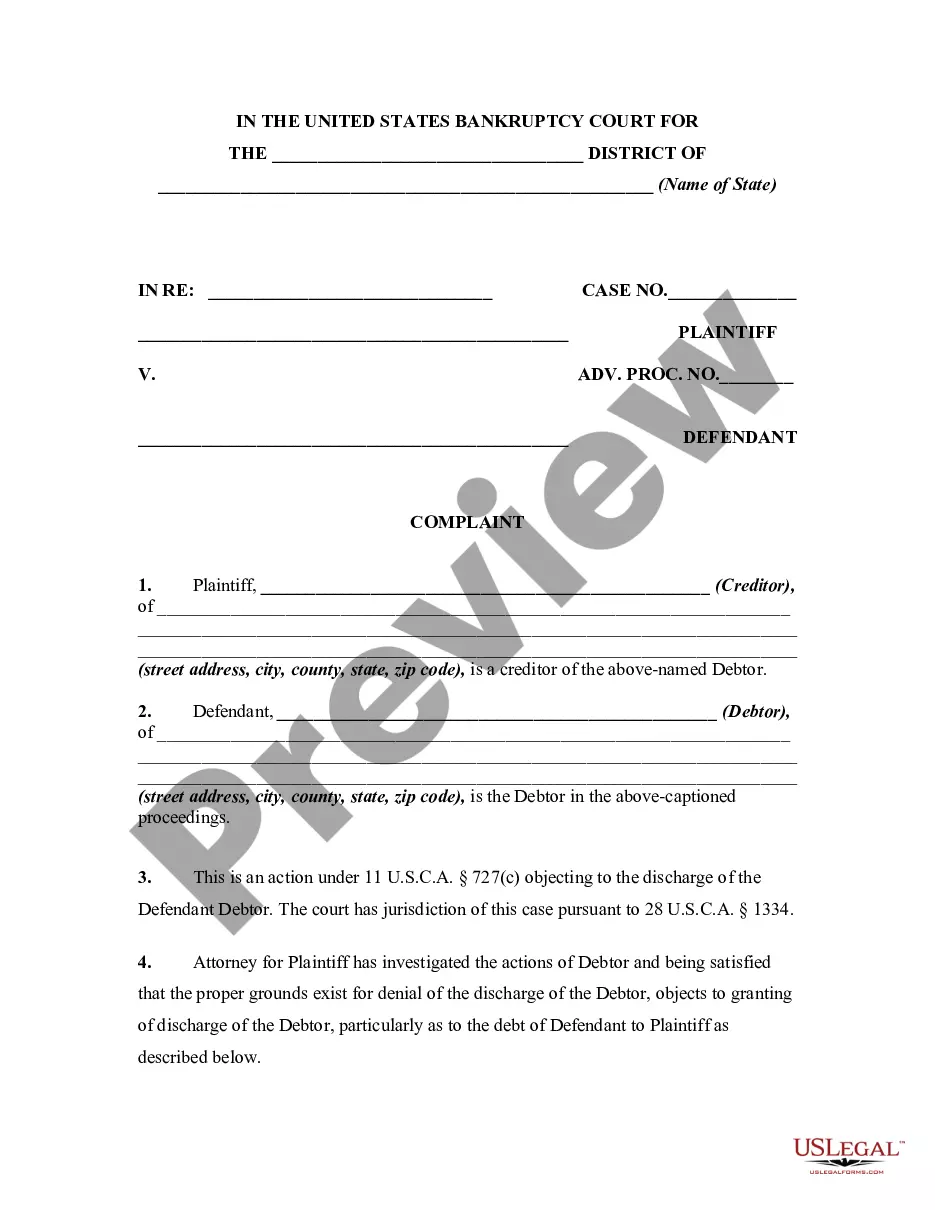
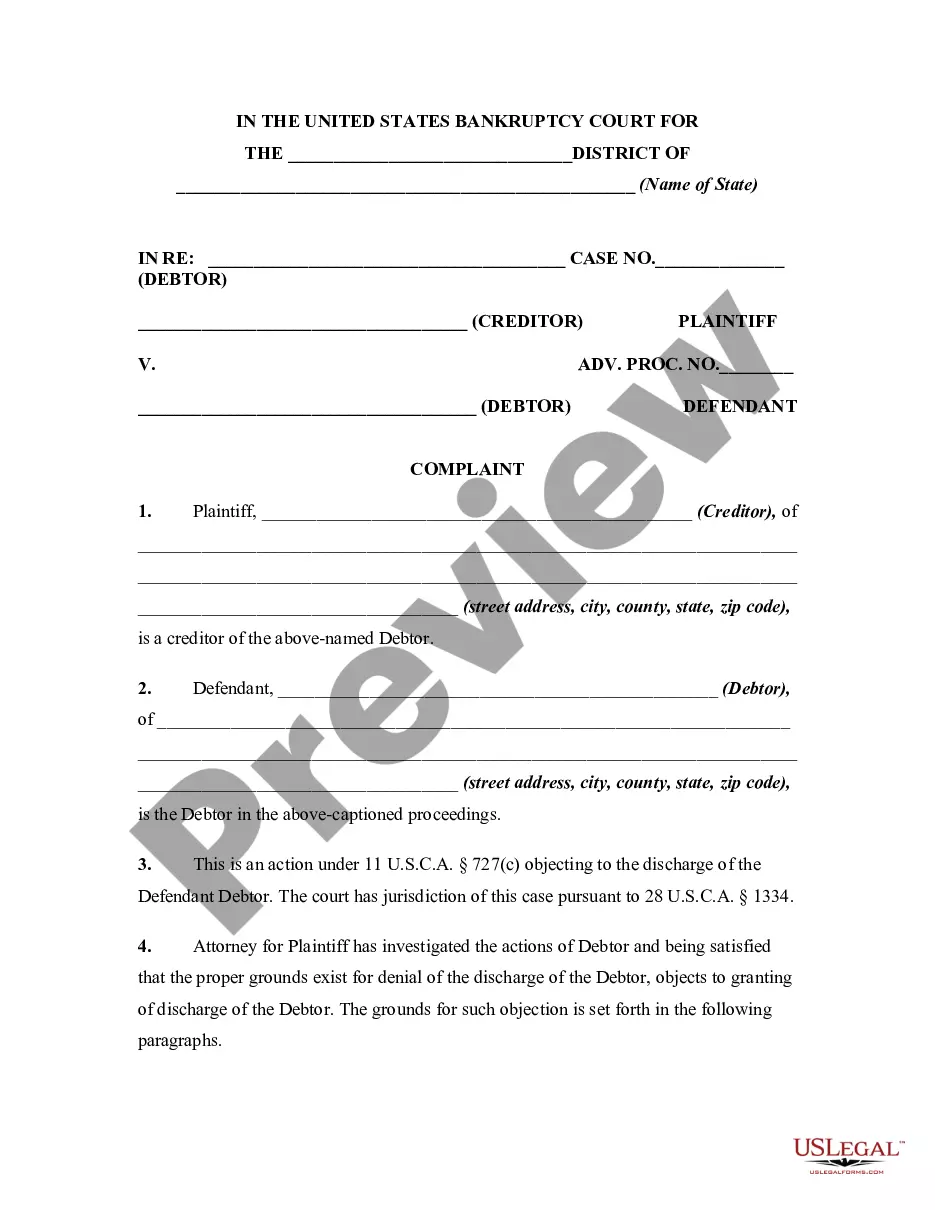
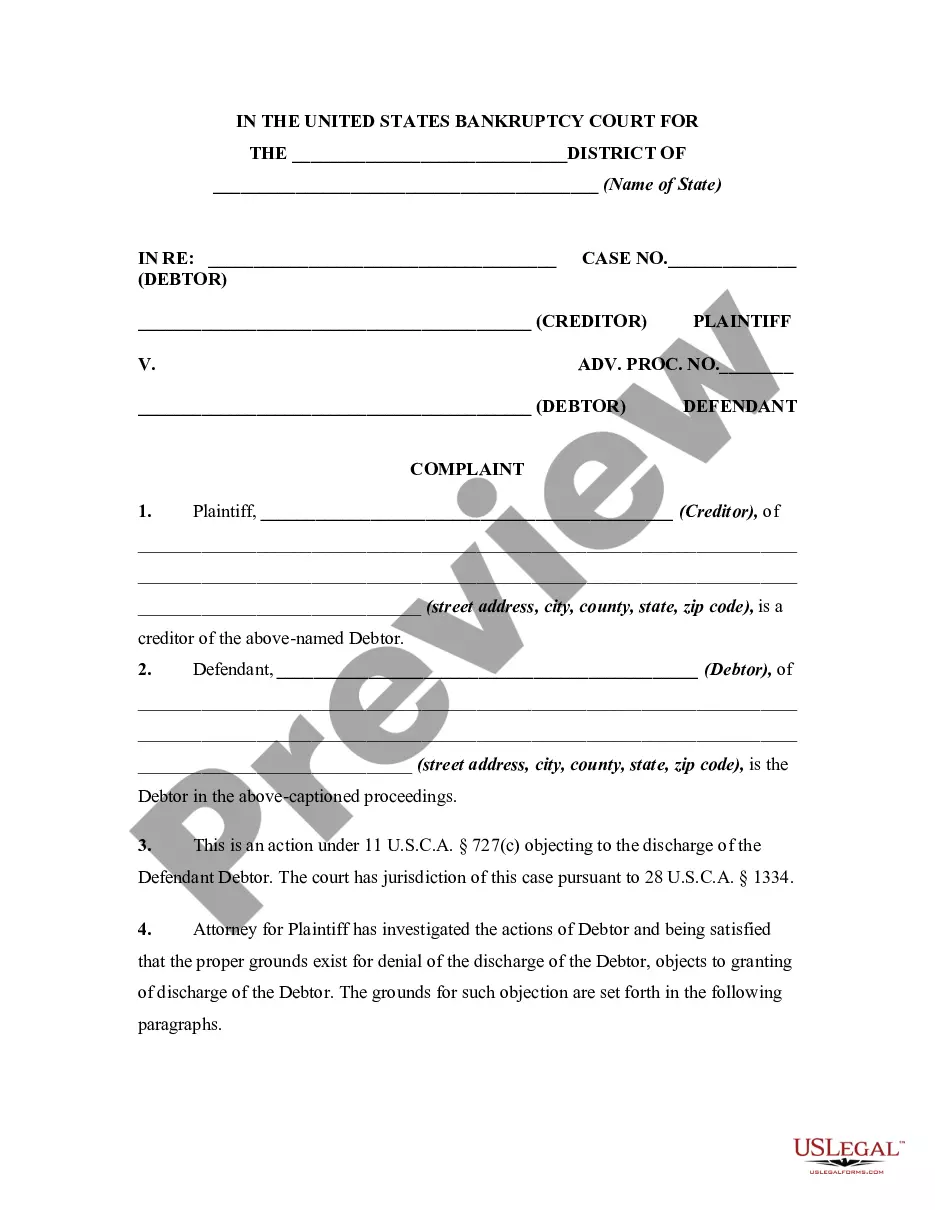
Get your form ready online
Our built-in tools help you complete, sign, share, and store your documents in one place.
Make edits, fill in missing information, and update formatting in US Legal Forms—just like you would in MS Word.
Download a copy, print it, send it by email, or mail it via USPS—whatever works best for your next step.
Sign and collect signatures with our SignNow integration. Send to multiple recipients, set reminders, and more. Go Premium to unlock E-Sign.
If this form requires notarization, complete it online through a secure video call—no need to meet a notary in person or wait for an appointment.
We protect your documents and personal data by following strict security and privacy standards.

Make edits, fill in missing information, and update formatting in US Legal Forms—just like you would in MS Word.

Download a copy, print it, send it by email, or mail it via USPS—whatever works best for your next step.

Sign and collect signatures with our SignNow integration. Send to multiple recipients, set reminders, and more. Go Premium to unlock E-Sign.

If this form requires notarization, complete it online through a secure video call—no need to meet a notary in person or wait for an appointment.

We protect your documents and personal data by following strict security and privacy standards.
Looking for another form?






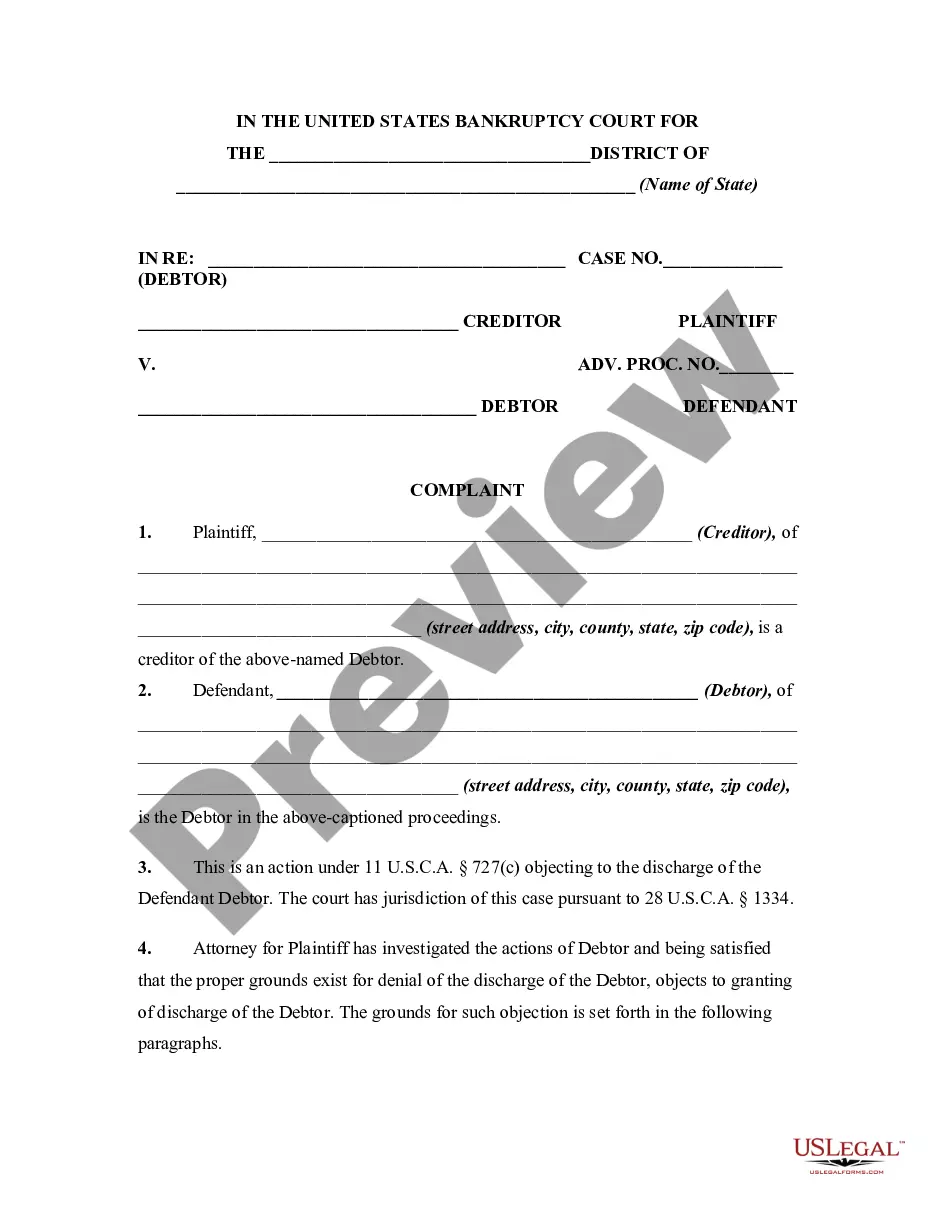
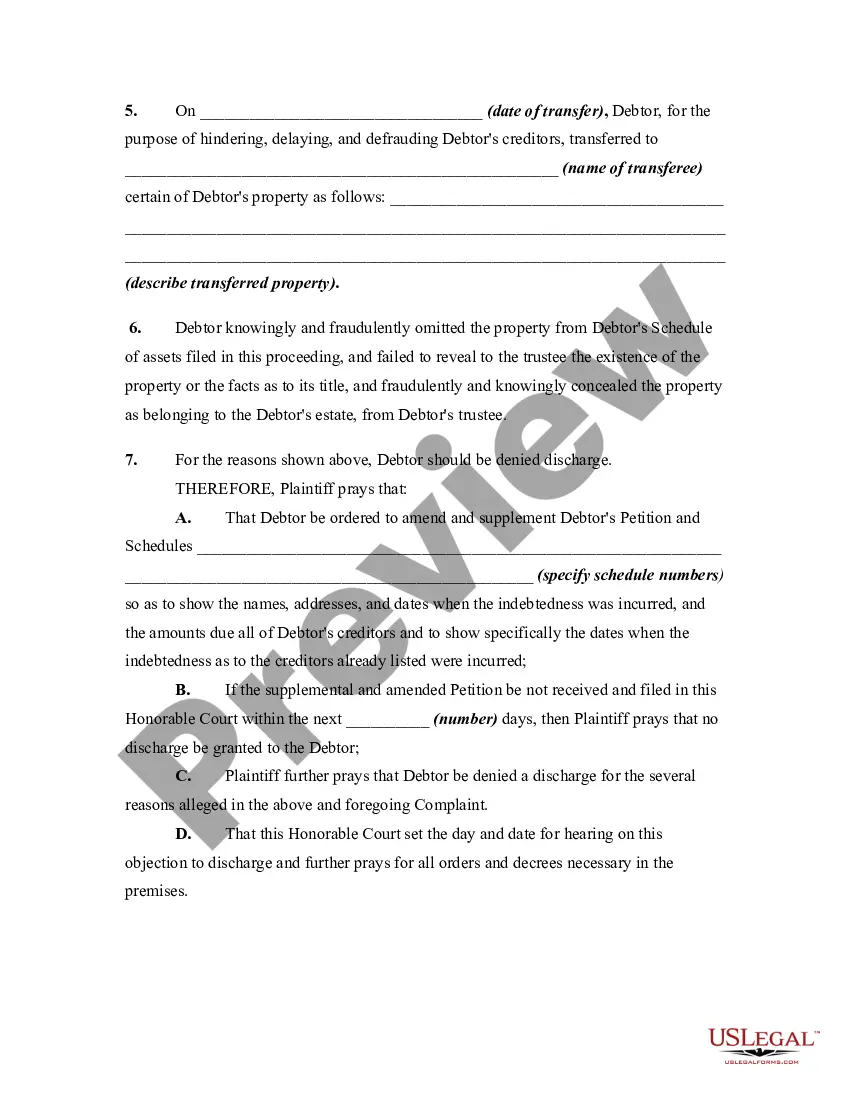
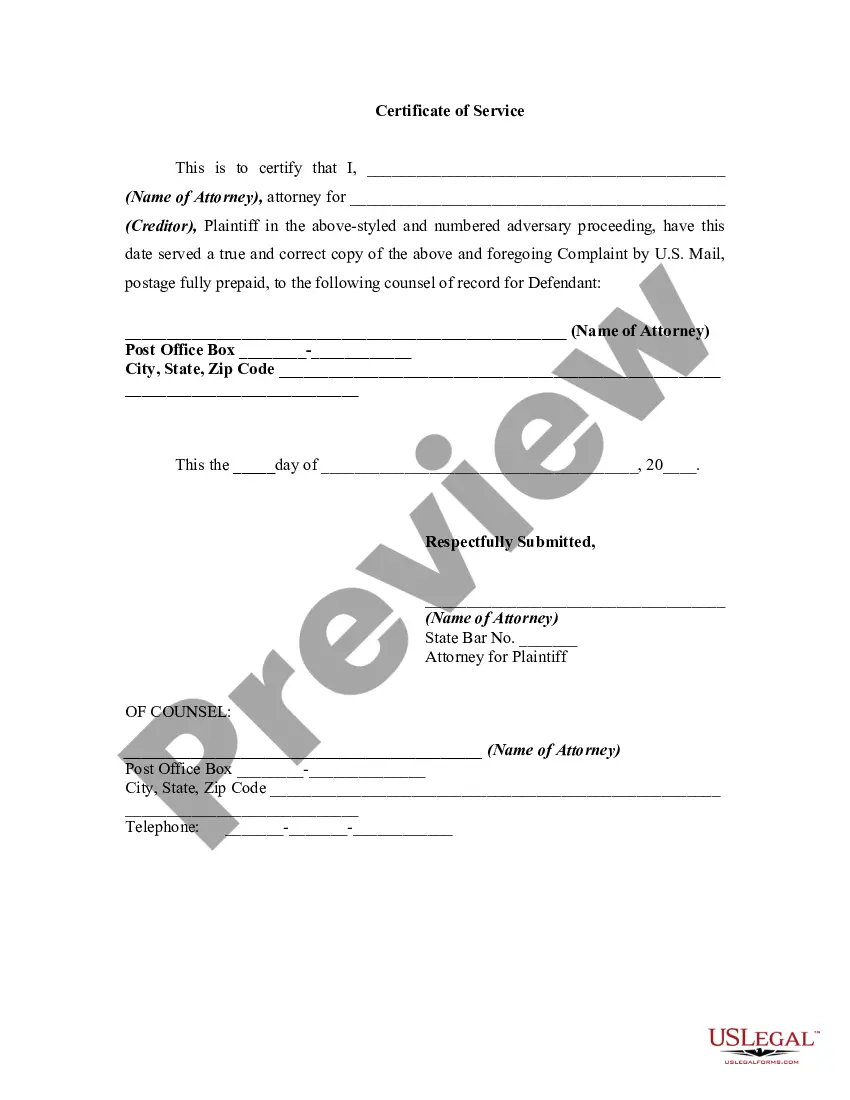
How to fill out Complaint Objecting To Discharge In Bankruptcy Proceedings For Concealment By Debtor And Omitting From Schedules Fraudulently Transferred Property?
There's no longer a necessity to squander time searching for legal documents to adhere to your local state regulations.
US Legal Forms has compiled all of them in one location and enhanced their accessibility.
Our platform offers over 85k templates for any business and personal legal matters categorized by state and purpose.
Use the search field above to find another template if the current one does not meet your needs.
- All forms are expertly drafted and verified for legitimacy, ensuring you receive an up-to-date Discharge In Bankruptcy Meaning.
- If you are acquainted with our service and already possess an account, ensure your subscription is active before accessing any templates.
- Log In to your account, select the document, and click Download.
- You can also revisit all obtained documents at any time by accessing the My documents tab in your profile.
- If you have not previously utilized our service, the procedure will require a few additional steps to finalize.
- Here's how new users can find the Discharge In Bankruptcy Meaning in our library.
- Examine the page content thoroughly to confirm it contains the example you require.
- Utilize the form description and preview options if available.
Form popularity
FAQ
A discharge in bankruptcy means that you are released from personal liability for certain debts. However, this does not automatically mean the case is closed. The closure of a bankruptcy case occurs only after all necessary steps have been completed, including the distribution of any remaining assets. Understanding the discharge in bankruptcy meaning helps you navigate your financial recovery effectively.
The terms dismissed and discharged carry different implications in the bankruptcy process. When your case is dismissed, it means the court has closed your case without granting the discharge, leaving you still responsible for your debts. On the other hand, discharge refers to the cancellation of specific debts, which is the ultimate goal in understanding discharge in bankruptcy meaning. If you seek to navigate these complexities, consider utilizing US Legal Forms for comprehensive resources.
When your case is discharged, it signifies that the court has officially wiped out your debts, allowing you a fresh start. This is a powerful moment in the discharge in bankruptcy meaning, as it marks the end of your obligation to repay certain debts. You can now begin rebuilding your financial life without the burden of those debts. Understanding this process can be crucial, and platforms like US Legal Forms can guide you through the necessary steps.
The bankruptcy is reported in the public records section of your credit report. Both the bankruptcy and the accounts included in the bankruptcy should indicate they are discharged once the bankruptcy has been completed. To verify this, the first step is to get a copy of your personal credit report.
A bankruptcy discharge may be the right way for you to get out of debt. Consider other paths to debt freedom and financial stability, such as a debt settlement or a debt payment plan, before deciding on bankruptcy as the best way forward.
What is a discharge in bankruptcy? A bankruptcy discharge releases the debtor from personal liability for certain specified types of debts. In other words, the debtor is no longer legally required to pay any debts that are discharged.
A "discharge letter" is a term used to describe the order that the bankruptcy court mails out toward the end of the case. The order officially discharges (wipes out) qualifying debt, such as credit card and utility bill balances, medical debt, and personal loans.
The Chapter 7 Discharge. A discharge releases individual debtors from personal liability for most debts and prevents the creditors owed those debts from taking any collection actions against the debtor.
