Discharge Fight Back
Description
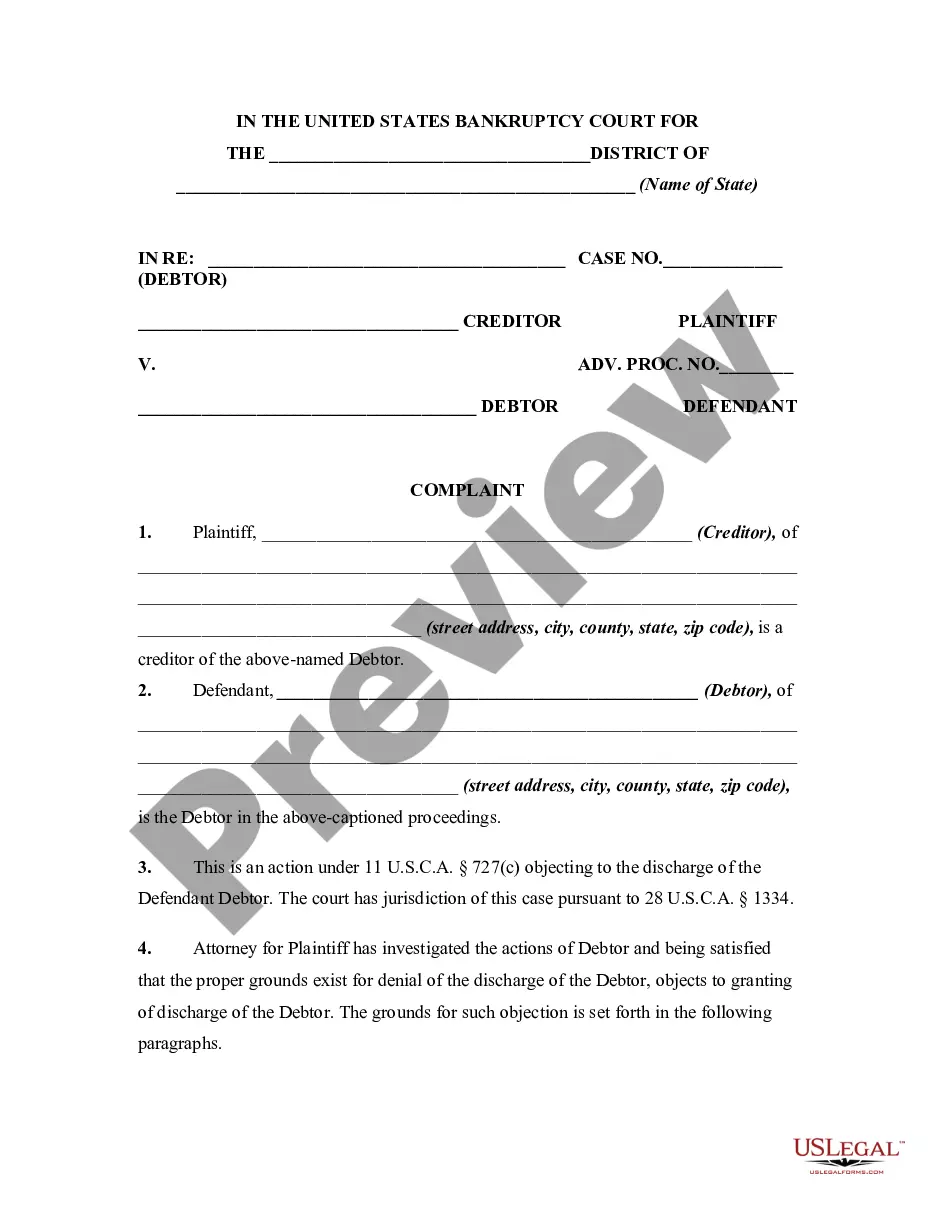
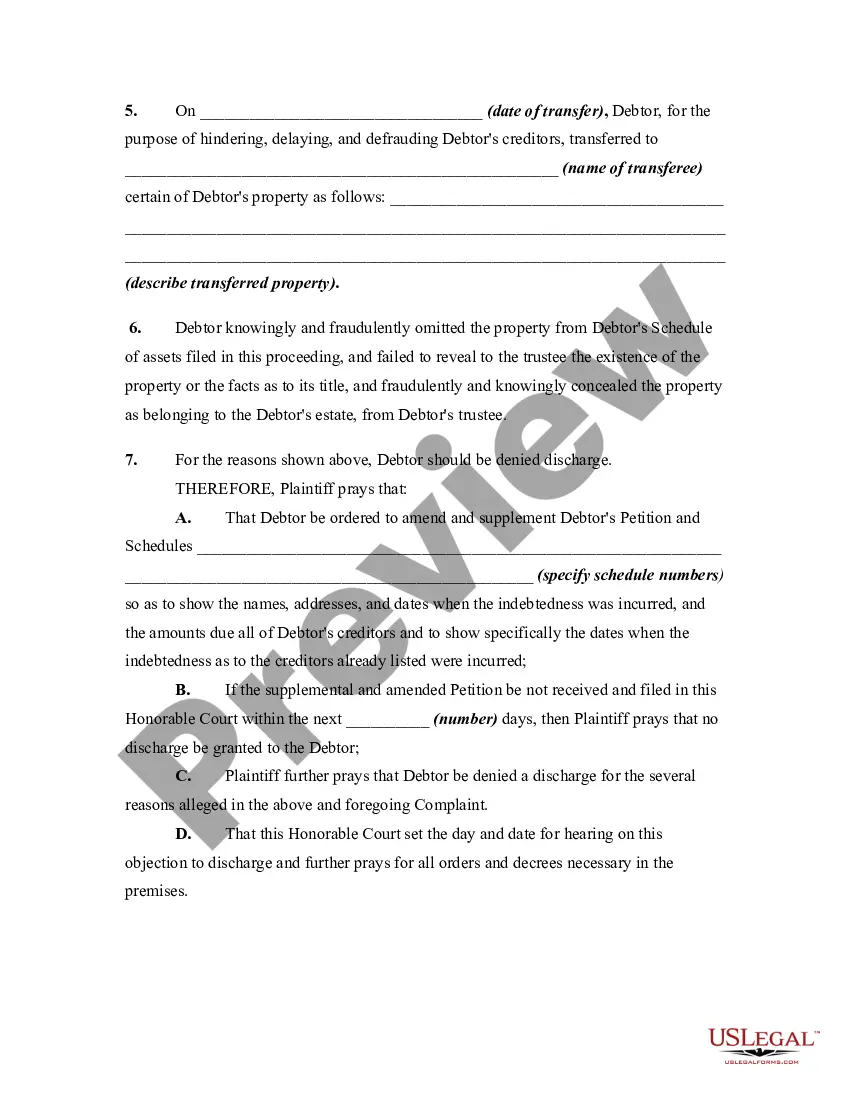
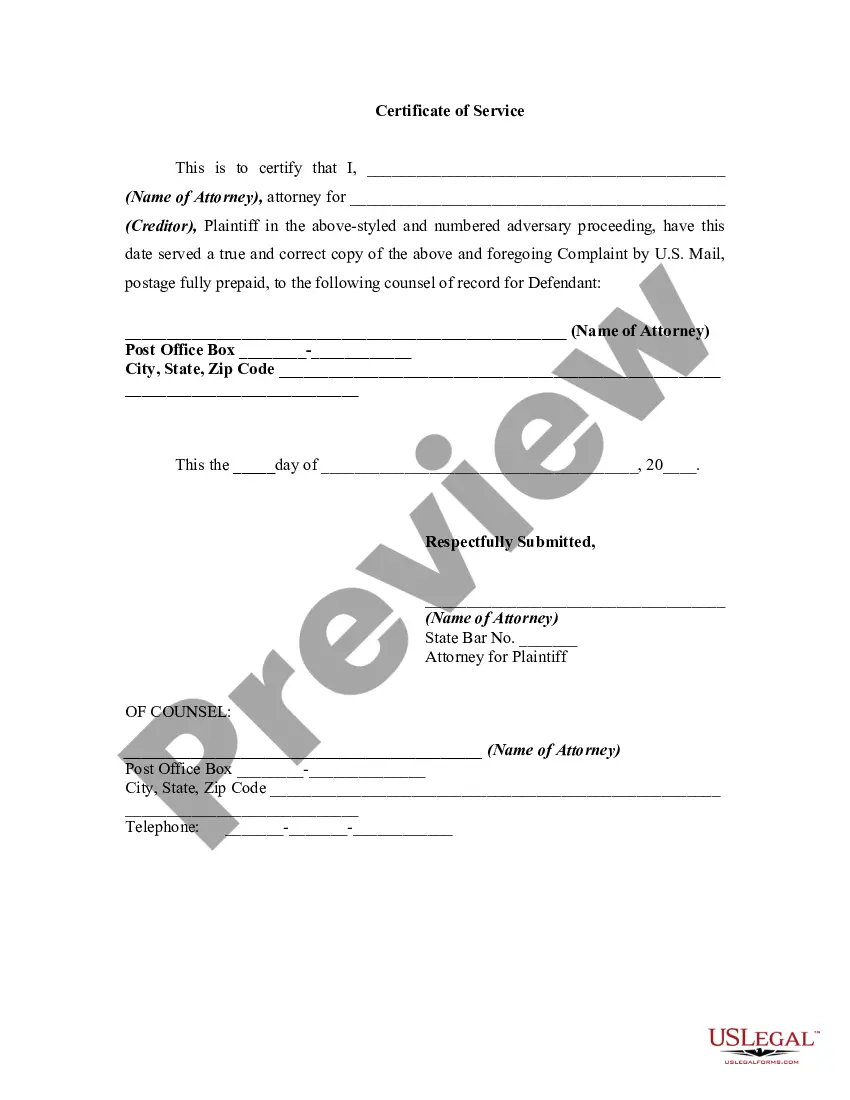
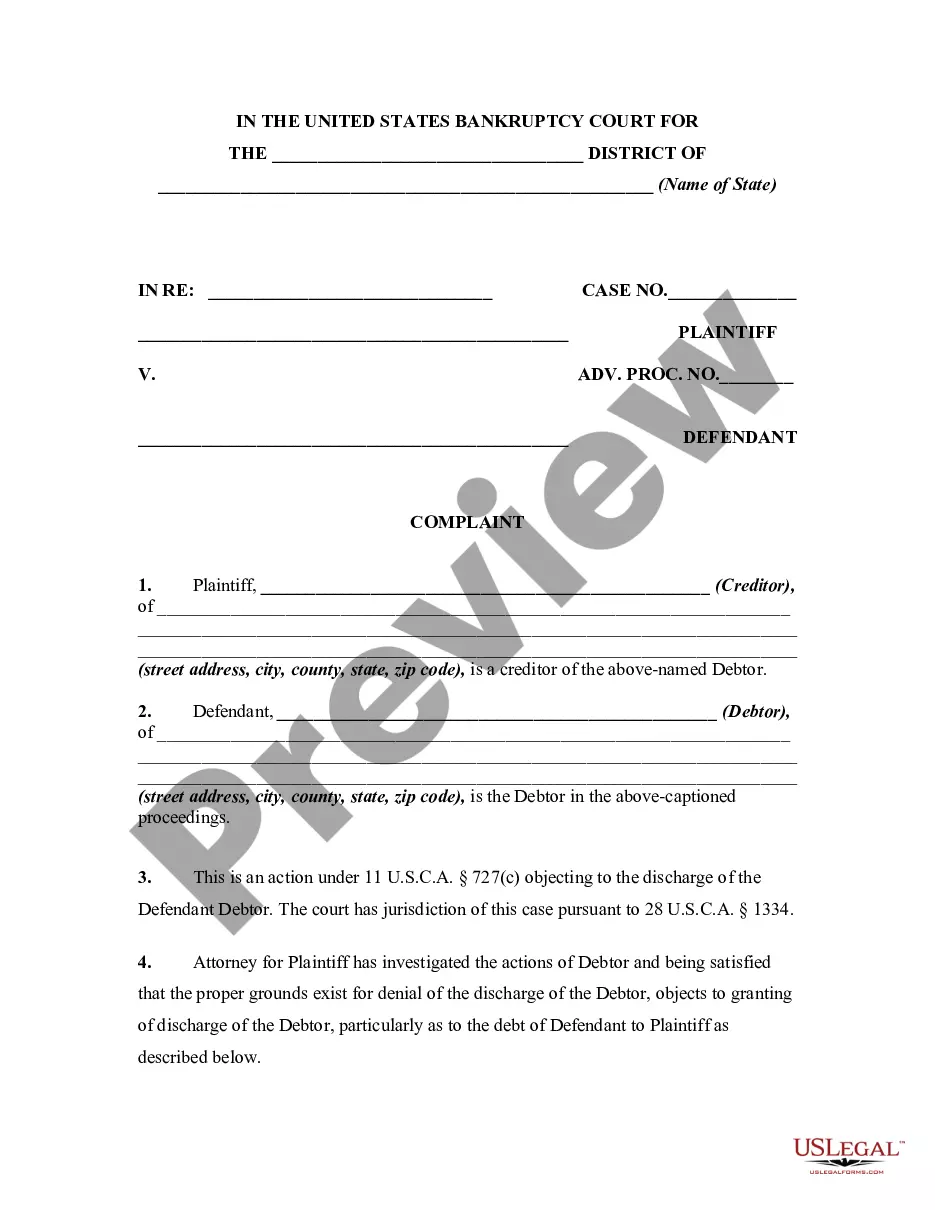
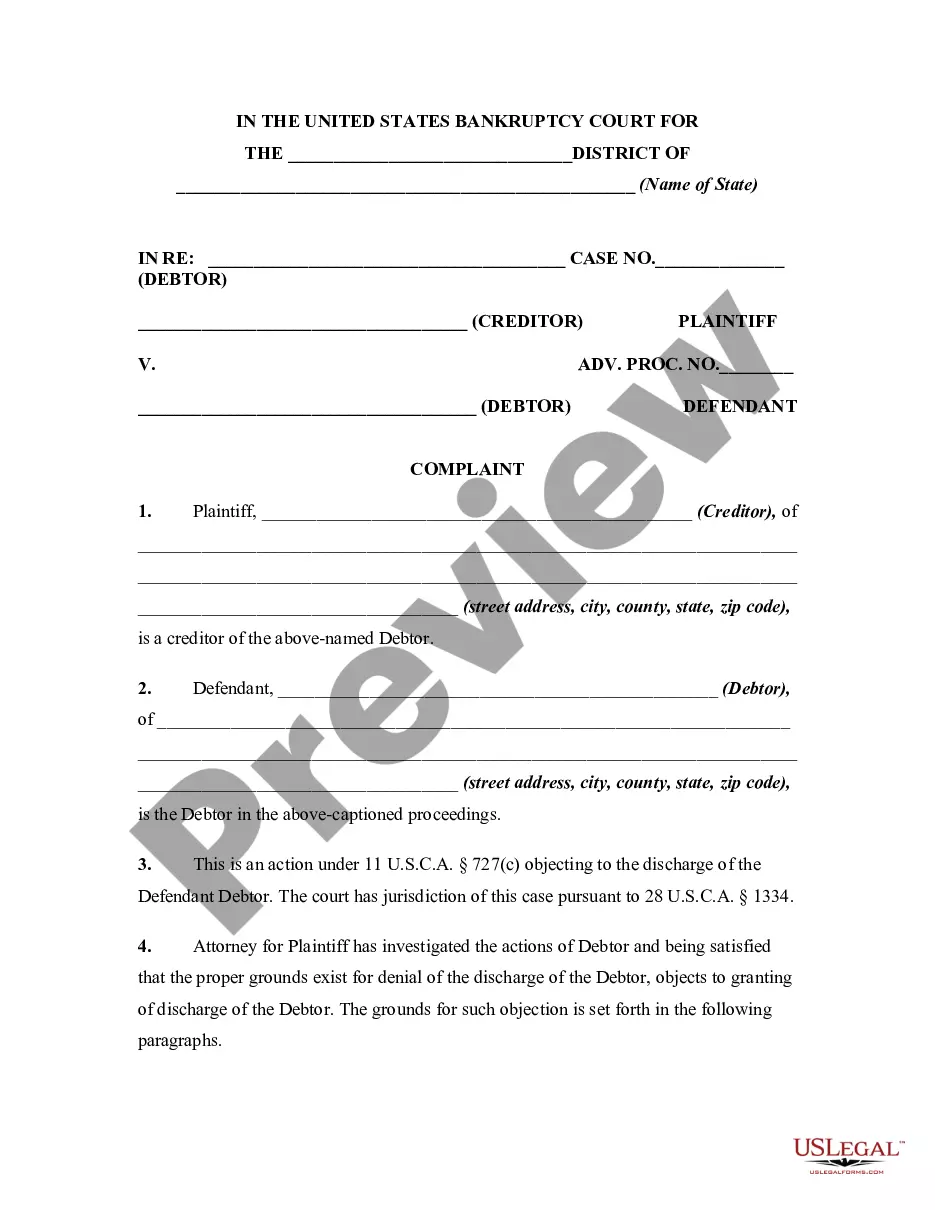
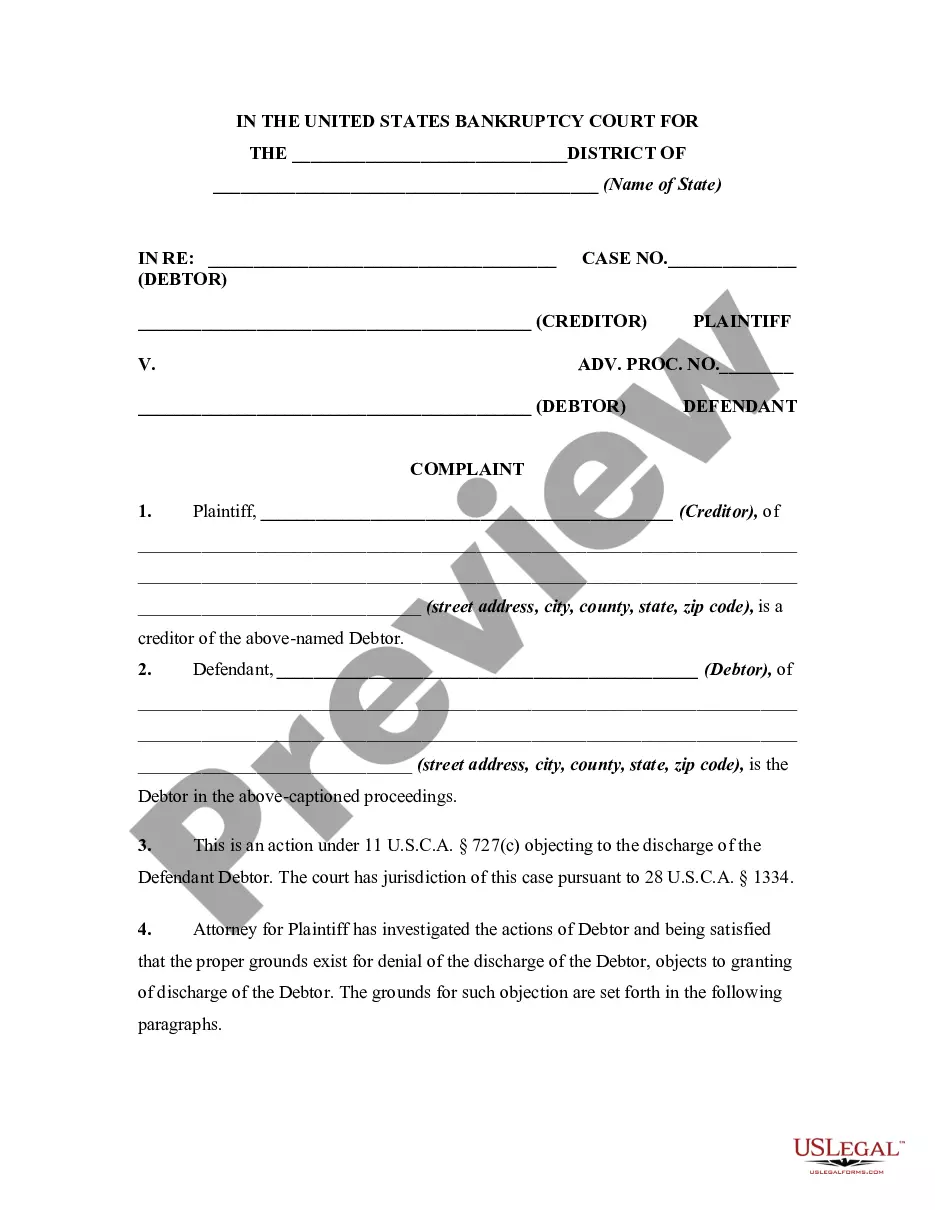
Get your form ready online
Our built-in tools help you complete, sign, share, and store your documents in one place.
Make edits, fill in missing information, and update formatting in US Legal Forms—just like you would in MS Word.
Download a copy, print it, send it by email, or mail it via USPS—whatever works best for your next step.
Sign and collect signatures with our SignNow integration. Send to multiple recipients, set reminders, and more. Go Premium to unlock E-Sign.
If this form requires notarization, complete it online through a secure video call—no need to meet a notary in person or wait for an appointment.
We protect your documents and personal data by following strict security and privacy standards.

Make edits, fill in missing information, and update formatting in US Legal Forms—just like you would in MS Word.

Download a copy, print it, send it by email, or mail it via USPS—whatever works best for your next step.

Sign and collect signatures with our SignNow integration. Send to multiple recipients, set reminders, and more. Go Premium to unlock E-Sign.

If this form requires notarization, complete it online through a secure video call—no need to meet a notary in person or wait for an appointment.

We protect your documents and personal data by following strict security and privacy standards.
Looking for another form?

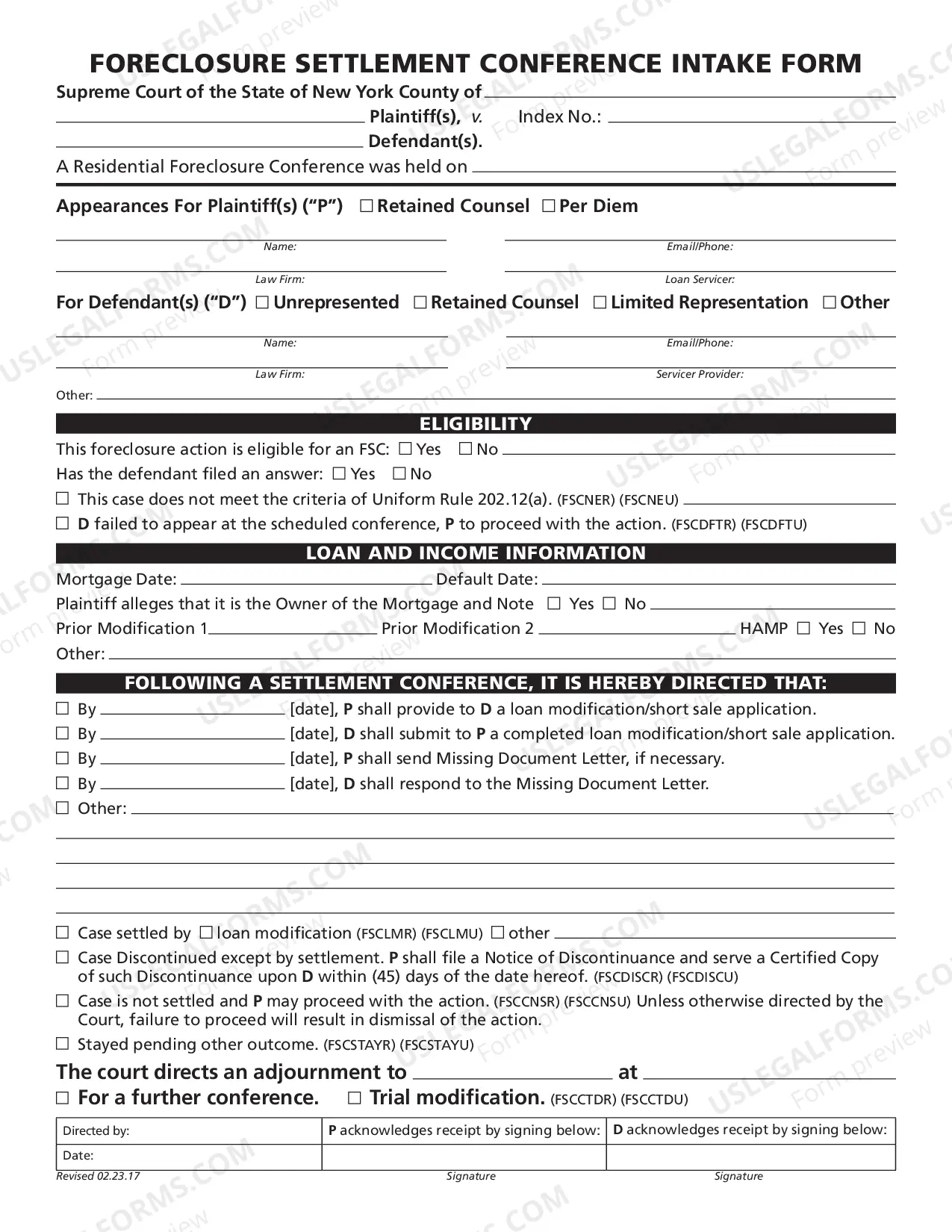

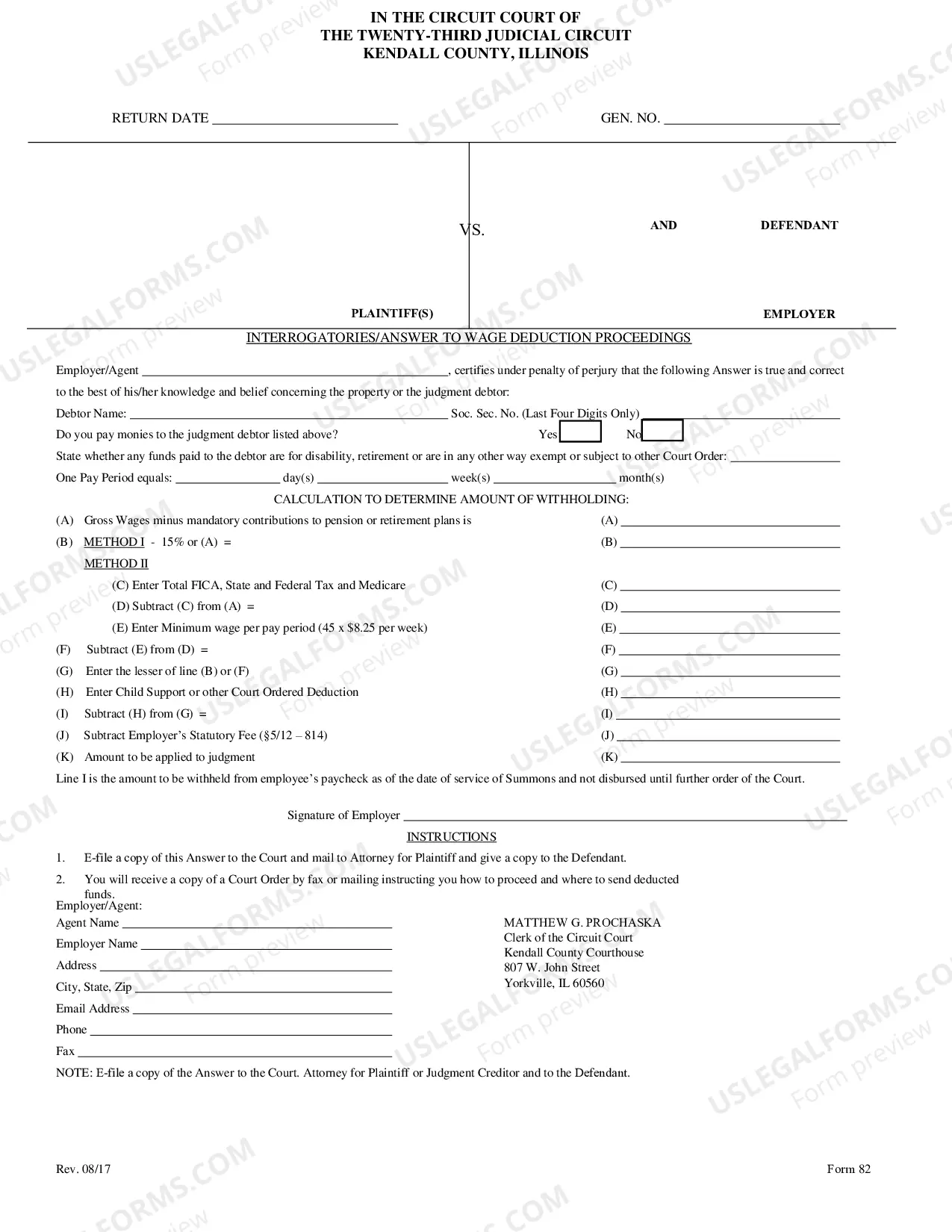
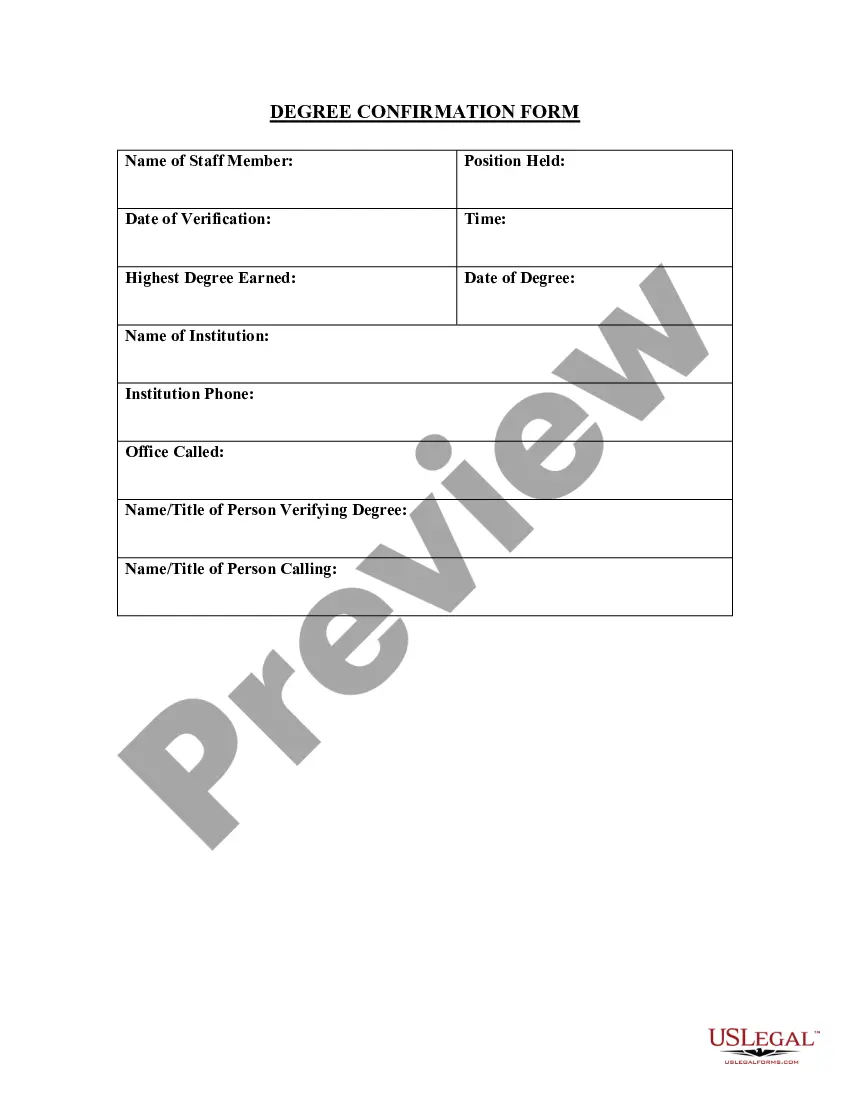



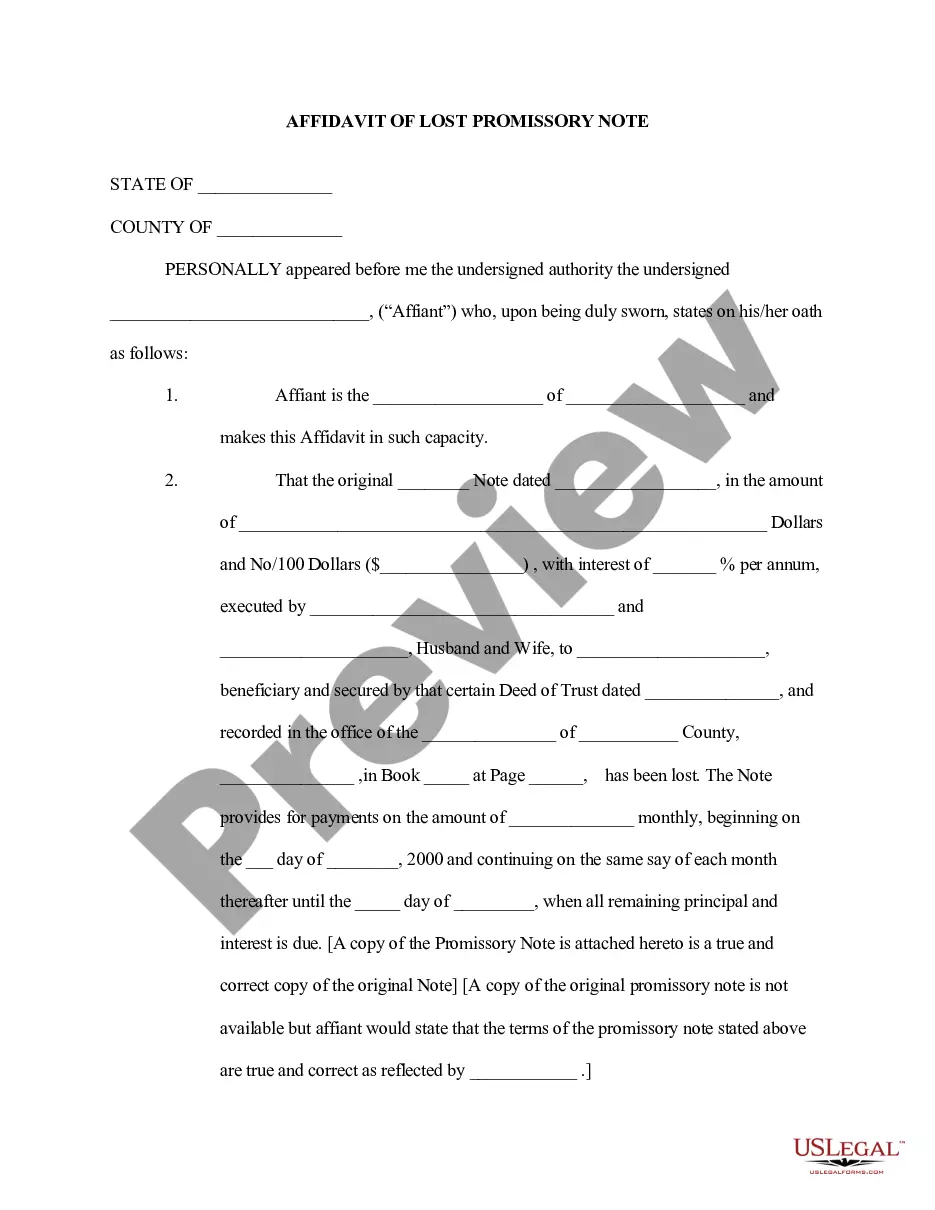
How to fill out Complaint Objecting To Discharge In Bankruptcy Proceedings For Concealment By Debtor And Omitting From Schedules Fraudulently Transferred Property?
- Log in to your US Legal Forms account if you're already a member, or create an account if it's your first time visiting the website.
- Utilize the Preview mode to review the form descriptions thoroughly, ensuring you select the right one that meets your local jurisdiction's requirements.
- If you find inconsistencies, use the Search tab to locate the precise form needed.
- After selecting the right document, hit the Buy Now button and choose a suitable subscription plan.
- Complete your purchase by entering your payment details through credit card or PayPal.
- Download the required form directly to your device, ensuring you save it for easy access later in the My Forms section of your profile.
The US Legal Forms platform empowers both individuals and attorneys, making legal documentation hassle-free. With an extensive selection of forms and expert assistance available, you're well-equipped to create accurate and effective legal documents.
Ready to take control of your legal needs? Start with US Legal Forms today and navigate your discharge fight back effortlessly!
Form popularity
FAQ
If you disagree with a hospital discharge, it’s crucial to express your concerns immediately to your healthcare team. Document your reasons and request further evaluation if necessary. Utilizing legal resources or patient rights groups can strengthen your position, empowering you to discharge fight back.
To write a good discharge note, provide clear and factual information about your condition, treatment received, and the instructions for post-discharge care. Include any follow-up appointments and medications, ensuring that important details are easy to understand. A well-crafted discharge note can help you discharge fight back effectively if any issues arise.
Absolutely, you can appeal an ER discharge. Start by discussing your concerns with the medical staff and ask for the reasoning behind their decision. If necessary, ask to speak with a patient advocate or a legal expert familiar with policies regarding medical treatment to help support your case.
You can request to be discharged from the hospital, but be aware that the medical team will assess whether you are safe to leave. If they believe you require further treatment, they may recommend against your discharge. It’s essential to communicate your reasons clearly and understand the potential implications for your health.
Yes, you can fight a medical discharge if you believe it is premature or unjustified. Gather any relevant medical records, and document your concerns about your health and wellbeing. Connecting with legal experts or using platforms like uslegalforms can guide you on how to navigate the process effectively.
To effectively discharge fight back, start by reviewing your discharge instructions and understanding your rights. Discuss your concerns with your healthcare provider and ask for clarification on the decision. You may also consider involving a patient advocate or legal professional, especially if you feel your health may be at risk after discharge.
To dispute your military discharge, start by gathering all relevant documentation related to your service and discharge. Next, review the specific reasons for your discharge, as knowing these details will help you build a strong case. You can then apply for a discharge upgrade through the appropriate review board. Engaging with resources like USLegalForms can guide you through this process effectively, ensuring you have the right tools to discharge fight back.