Discharge Debtor With Promissory Note
Description
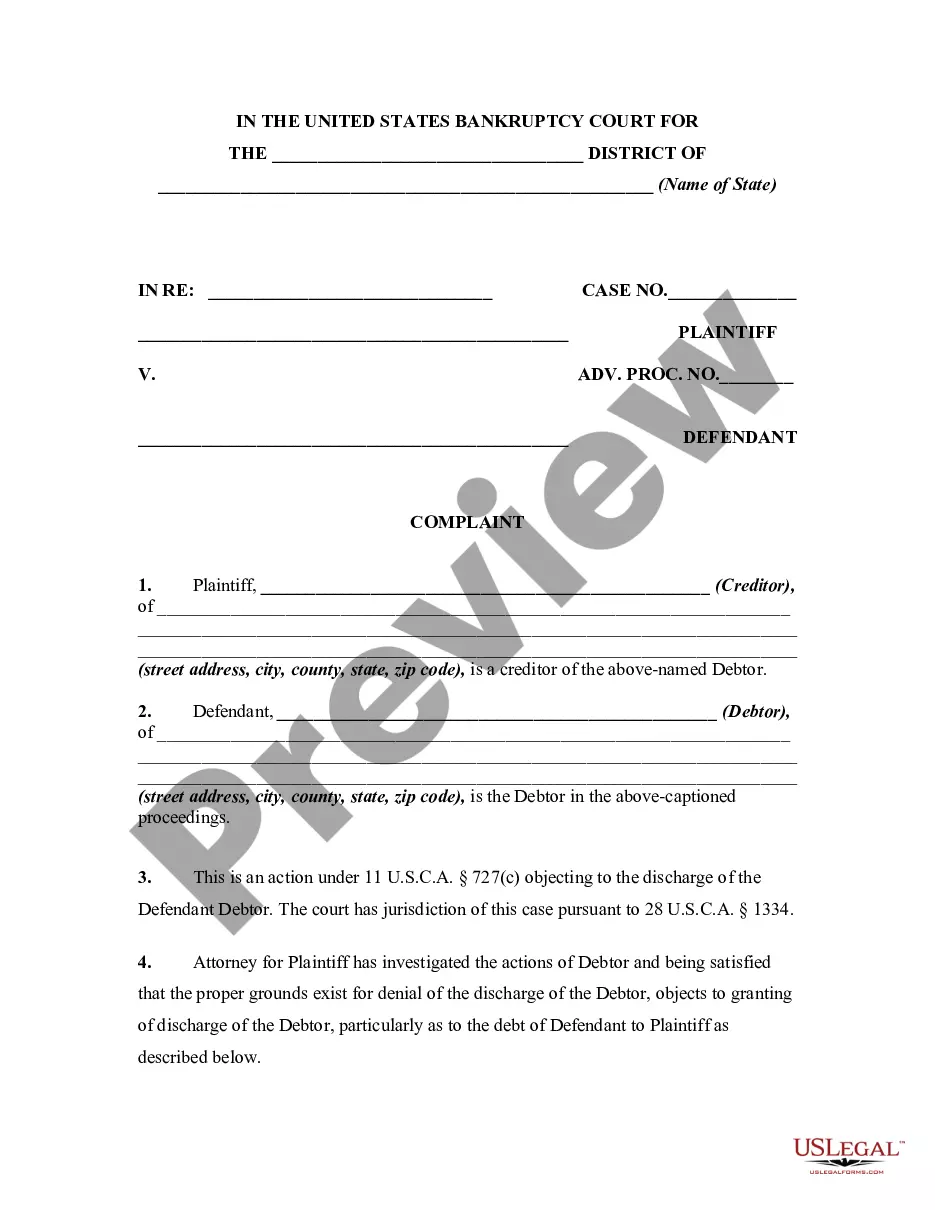
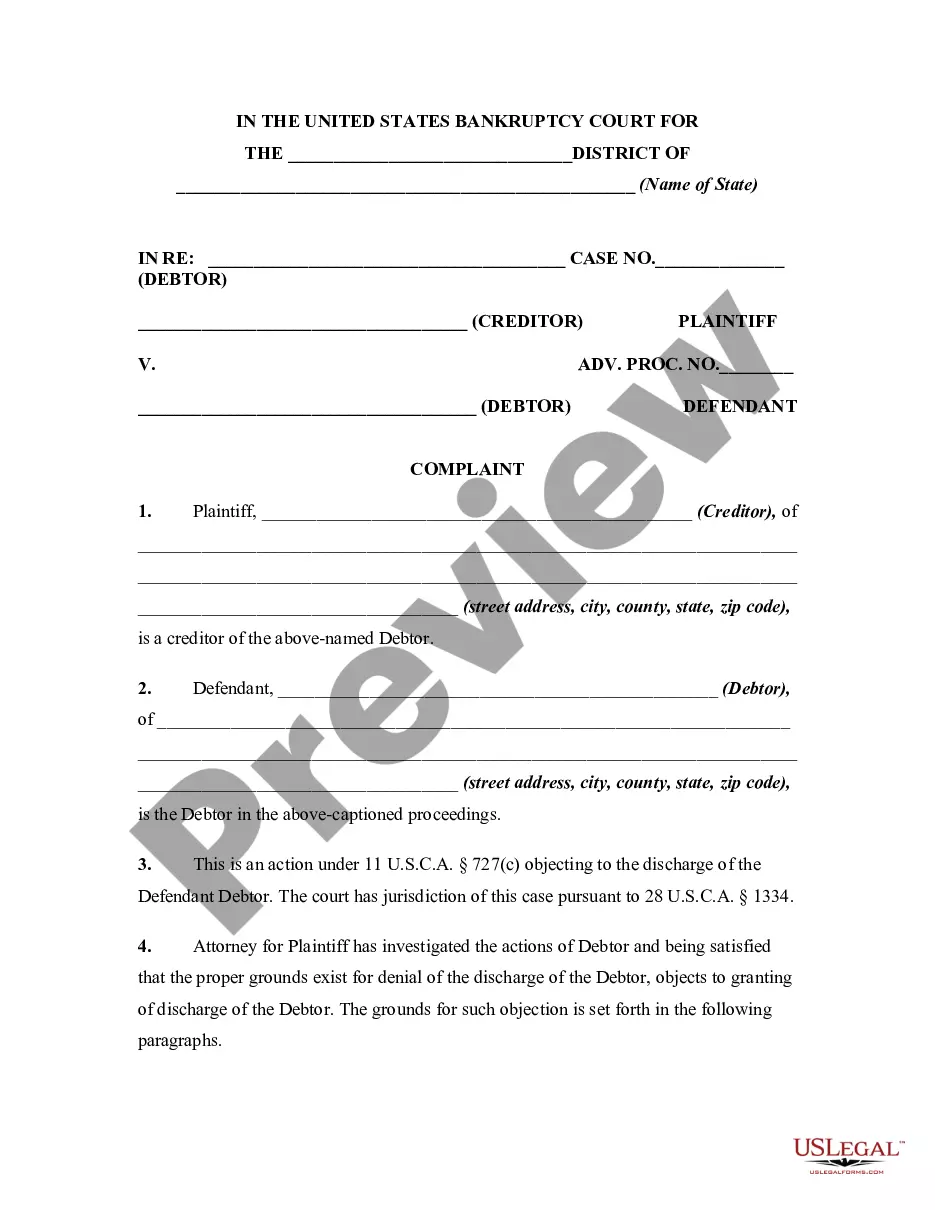
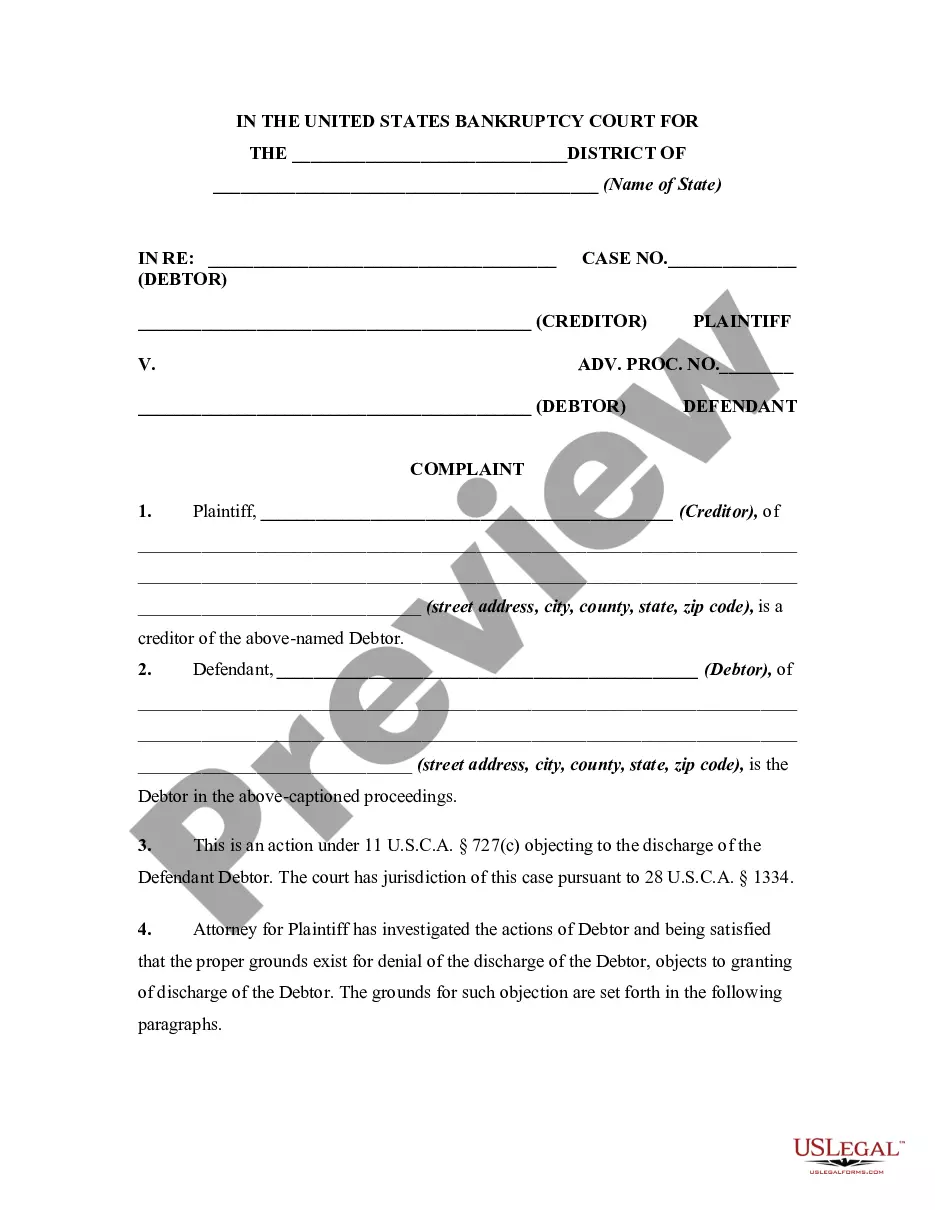
Get your form ready online
Our built-in tools help you complete, sign, share, and store your documents in one place.
Make edits, fill in missing information, and update formatting in US Legal Forms—just like you would in MS Word.
Download a copy, print it, send it by email, or mail it via USPS—whatever works best for your next step.
Sign and collect signatures with our SignNow integration. Send to multiple recipients, set reminders, and more. Go Premium to unlock E-Sign.
If this form requires notarization, complete it online through a secure video call—no need to meet a notary in person or wait for an appointment.
We protect your documents and personal data by following strict security and privacy standards.

Make edits, fill in missing information, and update formatting in US Legal Forms—just like you would in MS Word.

Download a copy, print it, send it by email, or mail it via USPS—whatever works best for your next step.

Sign and collect signatures with our SignNow integration. Send to multiple recipients, set reminders, and more. Go Premium to unlock E-Sign.

If this form requires notarization, complete it online through a secure video call—no need to meet a notary in person or wait for an appointment.

We protect your documents and personal data by following strict security and privacy standards.
Looking for another form?
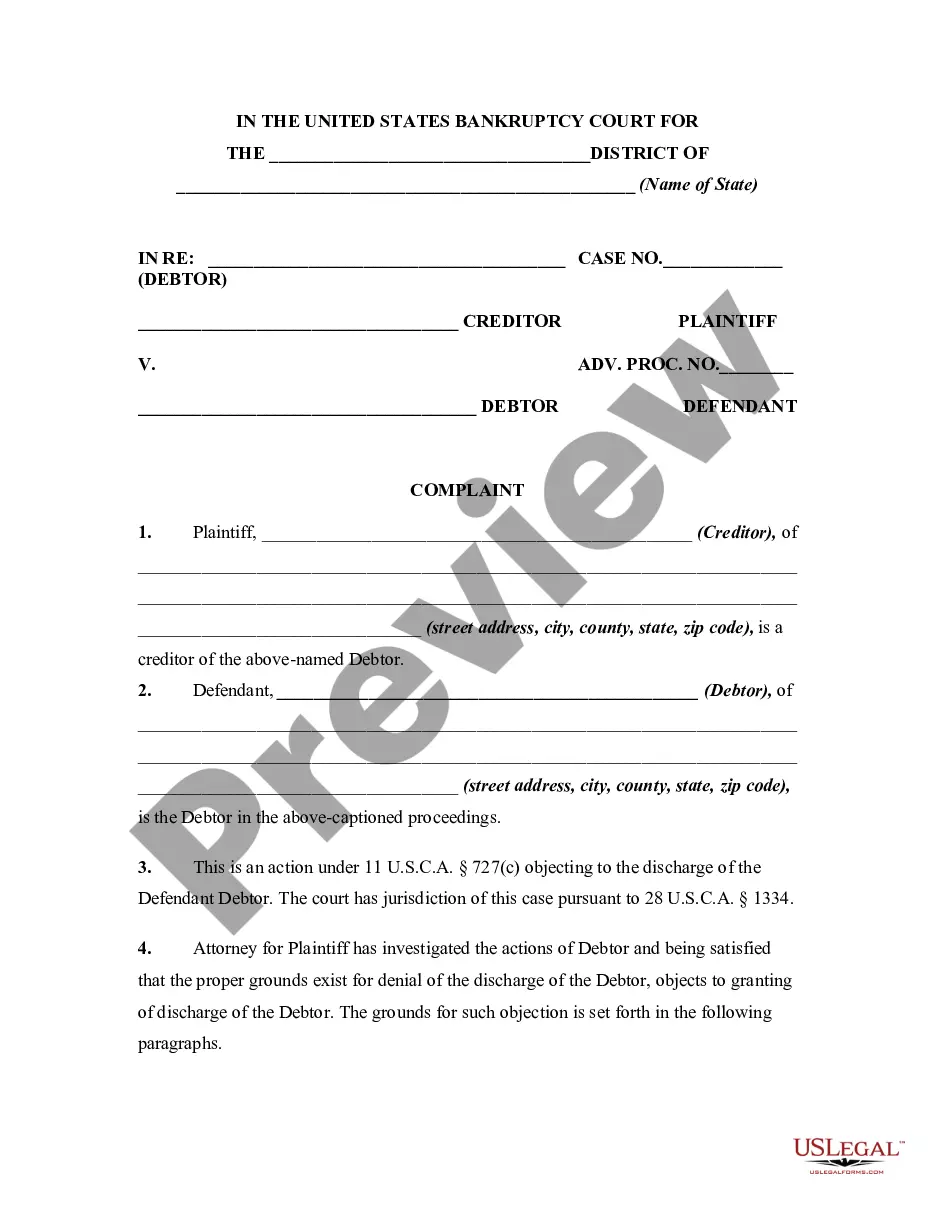
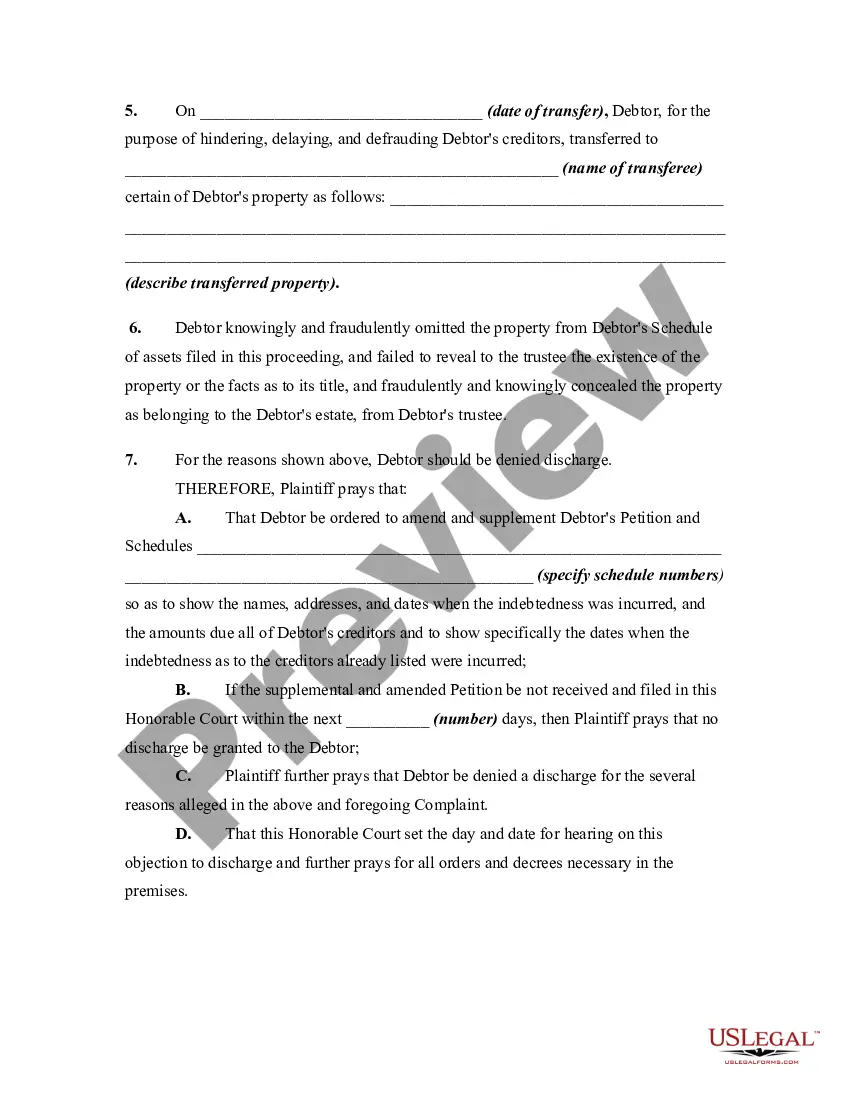
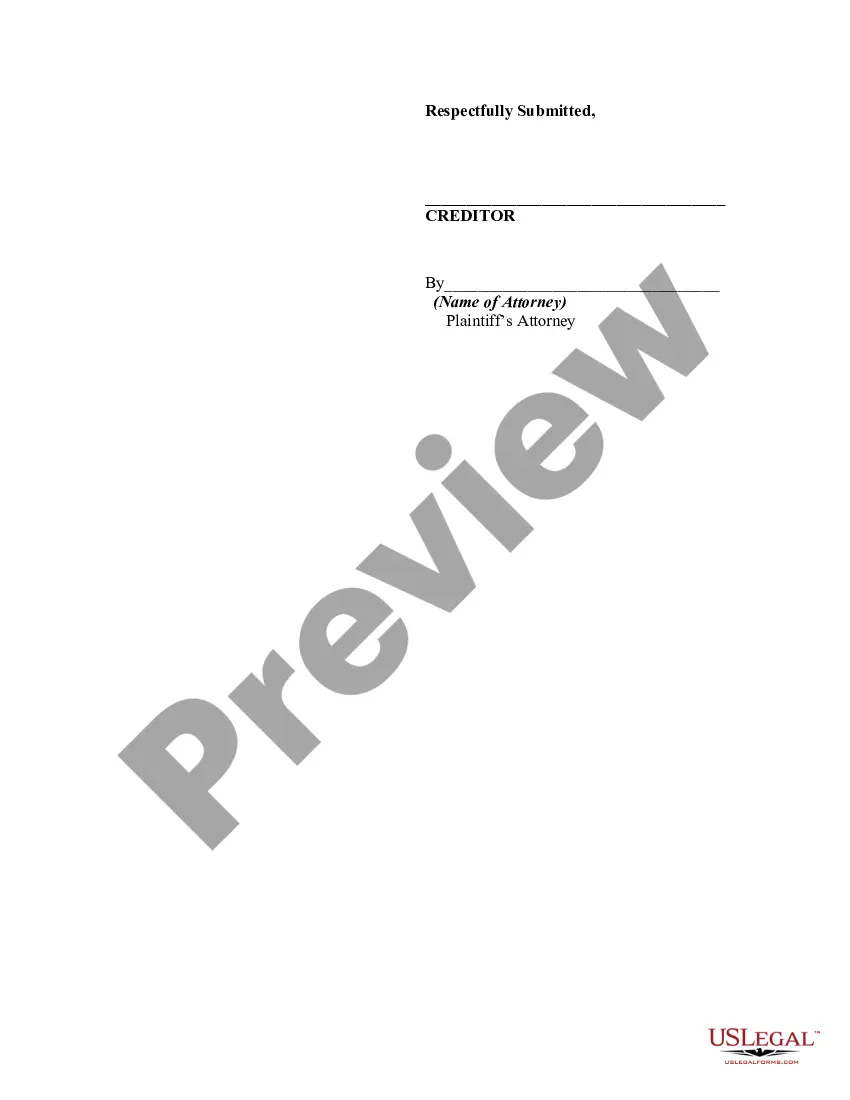
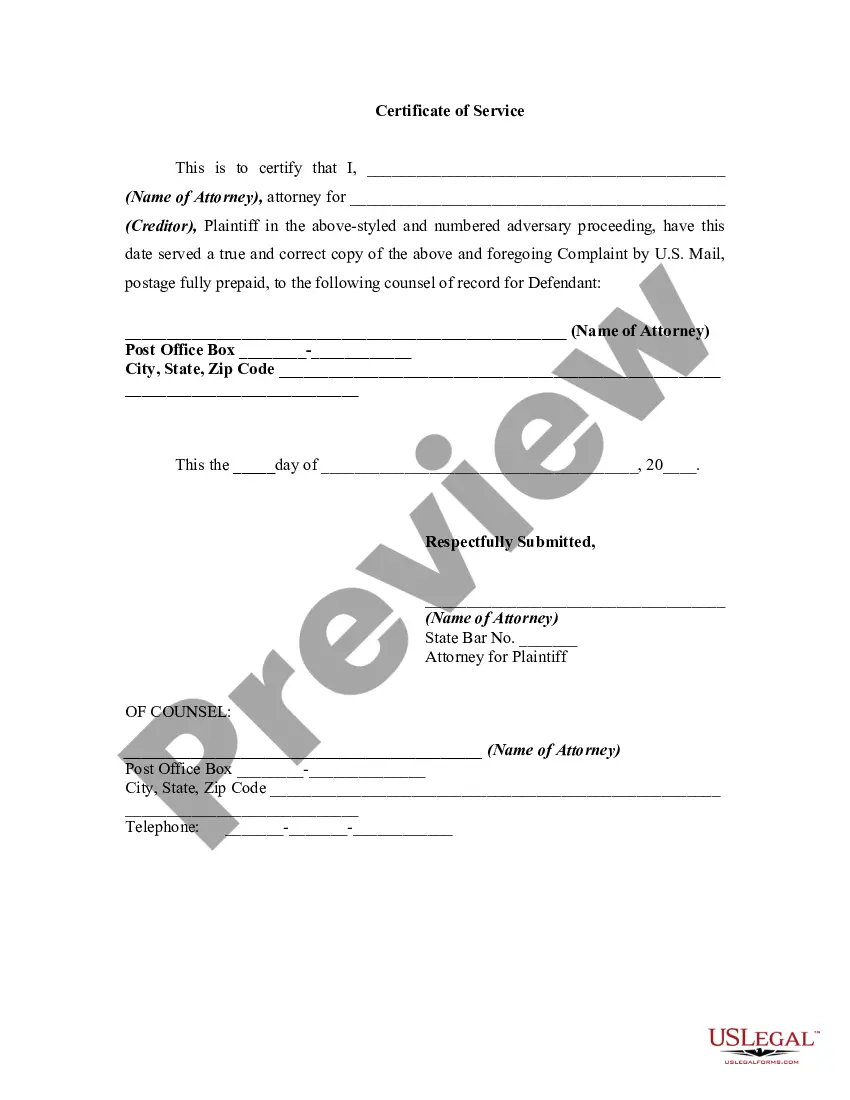
How to fill out Complaint Objecting To Discharge In Bankruptcy Proceedings For Concealment By Debtor And Omitting From Schedules Fraudulently Transferred Property?
- If you're a returning user, log in to your account, ensuring your subscription is active, and download the necessary form template by clicking the Download button.
- For first-time users, begin by reviewing the Preview mode and form description to verify that you select the appropriate template that aligns with your needs.
- If adjustments are needed, utilize the Search tab at the top of the page to find a more suitable form, then proceed to the next step if it matches your criteria.
- Purchase the document by clicking the Buy Now button and selecting your preferred subscription plan, which requires account registration for access to the extensive library.
- Complete your purchase by entering your credit card information or utilizing your PayPal account for payment.
- Finally, download your form to your device for immediate use and store it safely in the My Forms section of your profile for future reference.
Utilizing US Legal Forms provides access to a robust collection of over 85,000 legal forms, giving you the assurance of finding the right documents tailored to your unique needs.
In conclusion, discharging a debtor with a promissory note is straightforward with the help of US Legal Forms. Start your journey today to create legally sound documents with ease!
Form popularity
FAQ
To legally enforce a promissory note, initiate with a demand for payment based on the terms outlined in the note. If the borrower does not comply, you may need to file a lawsuit for breach of contract. Using services like US Legal Forms can aid in ensuring your documents are complete and ready for legal proceedings if necessary.
Yes, a promissory note generally holds up in a court of law, provided it meets the legal standards of a valid contract. Courts often enforce the terms outlined within the document, offering protection to the lender's rights. It is important to ensure that the promissory note is properly executed and clearly states the obligations of all parties involved.
A promissory note can be enforced through legal channels if the borrower fails to make payments as outlined. The lender can file a lawsuit to recover the owed amount, using the promissory note as evidence in court. Engaging with platforms like US Legal Forms can help you draft enforceable notes that protect your rights.
Yes, when a borrower signs a promissory note, they agree to be personally liable for the debt stated within that document. This responsibility persists until the borrower fulfills the payment terms outlined in the promissory note. Therefore, if you are looking to discharge debtor obligations, understanding personal liability is crucial.
To lawfully discharge debt, you can negotiate with your creditor to settle the amount owed. Another way is to use a promissory note, which can outline the terms of repayment and show your intention to repay. A well-documented agreement can help you discharge debtor obligations effectively and provide clarity for all parties involved.
Yes, you can be sued for a promissory note if you fail to meet the obligations outlined in it. The lender has the right to take legal action to recover the owed amount. When considering how to discharge a debtor with a promissory note, ensure that you fully understand your legal responsibilities. Consulting with legal resources, such as USLegalForms, can equip you with the tools to navigate these situations effectively.
Promissory notes come with several risks, including potential defaults and challenges in collection. If a debtor fails to fulfill their obligations, you may face difficulties recouping your funds. When using a promissory note to discharge a debtor, it’s vital to evaluate the creditworthiness of the signing party. Utilizing platforms like USLegalForms can help you draft comprehensive agreements that minimize these risks.
The person who signs the promissory note is primarily liable for the debt. This means they are responsible for repaying the amount outlined in the note. When you discharge a debtor with a promissory note, confirming who holds this liability is essential to avoid confusion later. Contracts often specify roles, which can greatly influence responsibilities.
A promissory note is typically enforceable as long as it meets certain criteria, such as being in writing and signed by the parties involved. If you aim to discharge a debtor with a promissory note, understanding its enforceability is crucial. Courts usually uphold these agreements, provided they are clear and unambiguous. Therefore, ensure your notes contain all necessary details to avoid disputes.
Promissory notes generally hold up in court as long as they are legally valid and properly executed. A clear and concise note helps prove the terms agreed upon by both parties. In disputes, courts often enforce the terms as stated, making it crucial to document the agreement thoroughly to effectively discharge debtor with promissory note.