Discharge Debtor For A Bank
Description

Get your form ready online
Our built-in tools help you complete, sign, share, and store your documents in one place.
Make edits, fill in missing information, and update formatting in US Legal Forms—just like you would in MS Word.
Download a copy, print it, send it by email, or mail it via USPS—whatever works best for your next step.
Sign and collect signatures with our SignNow integration. Send to multiple recipients, set reminders, and more. Go Premium to unlock E-Sign.
If this form requires notarization, complete it online through a secure video call—no need to meet a notary in person or wait for an appointment.
We protect your documents and personal data by following strict security and privacy standards.

Make edits, fill in missing information, and update formatting in US Legal Forms—just like you would in MS Word.

Download a copy, print it, send it by email, or mail it via USPS—whatever works best for your next step.

Sign and collect signatures with our SignNow integration. Send to multiple recipients, set reminders, and more. Go Premium to unlock E-Sign.

If this form requires notarization, complete it online through a secure video call—no need to meet a notary in person or wait for an appointment.

We protect your documents and personal data by following strict security and privacy standards.
Looking for another form?






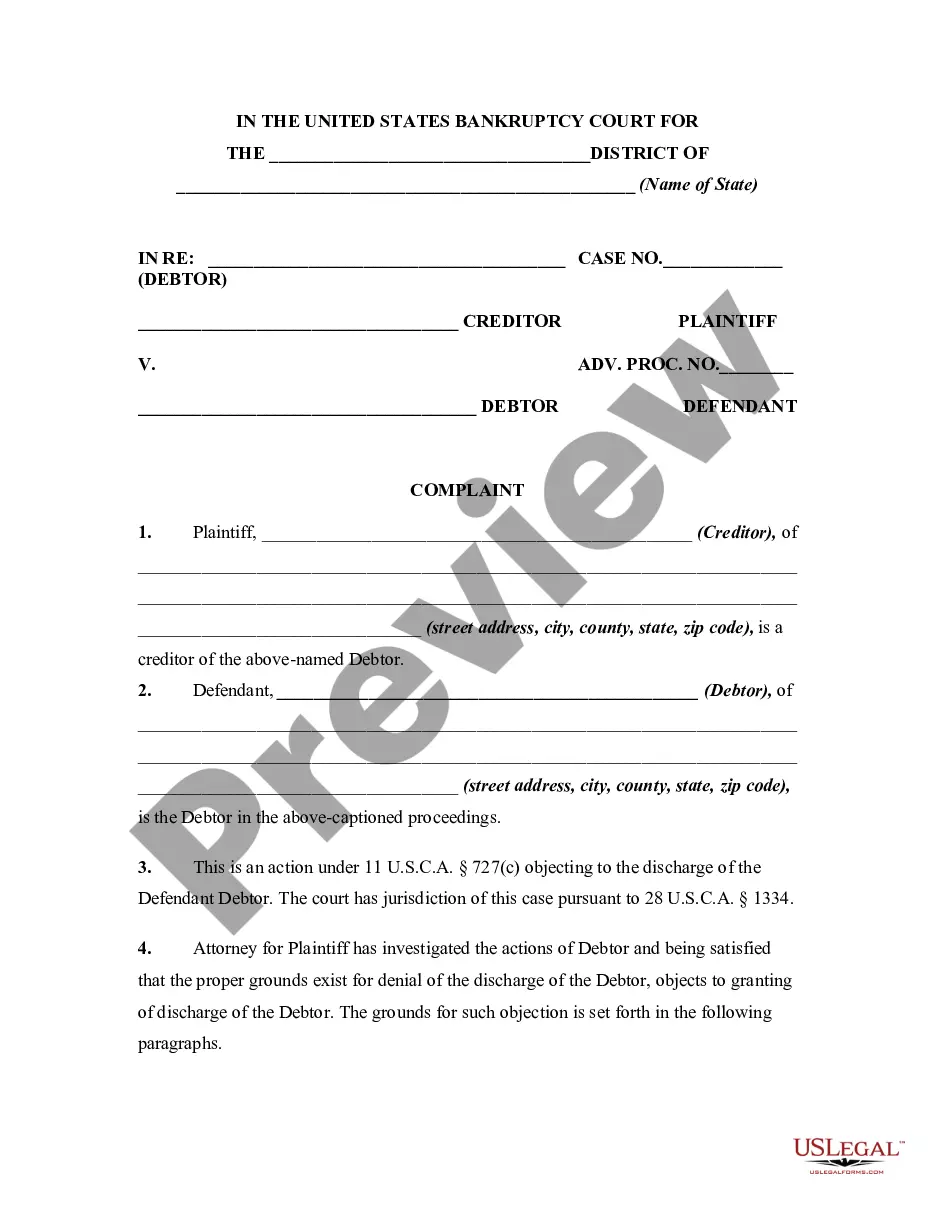
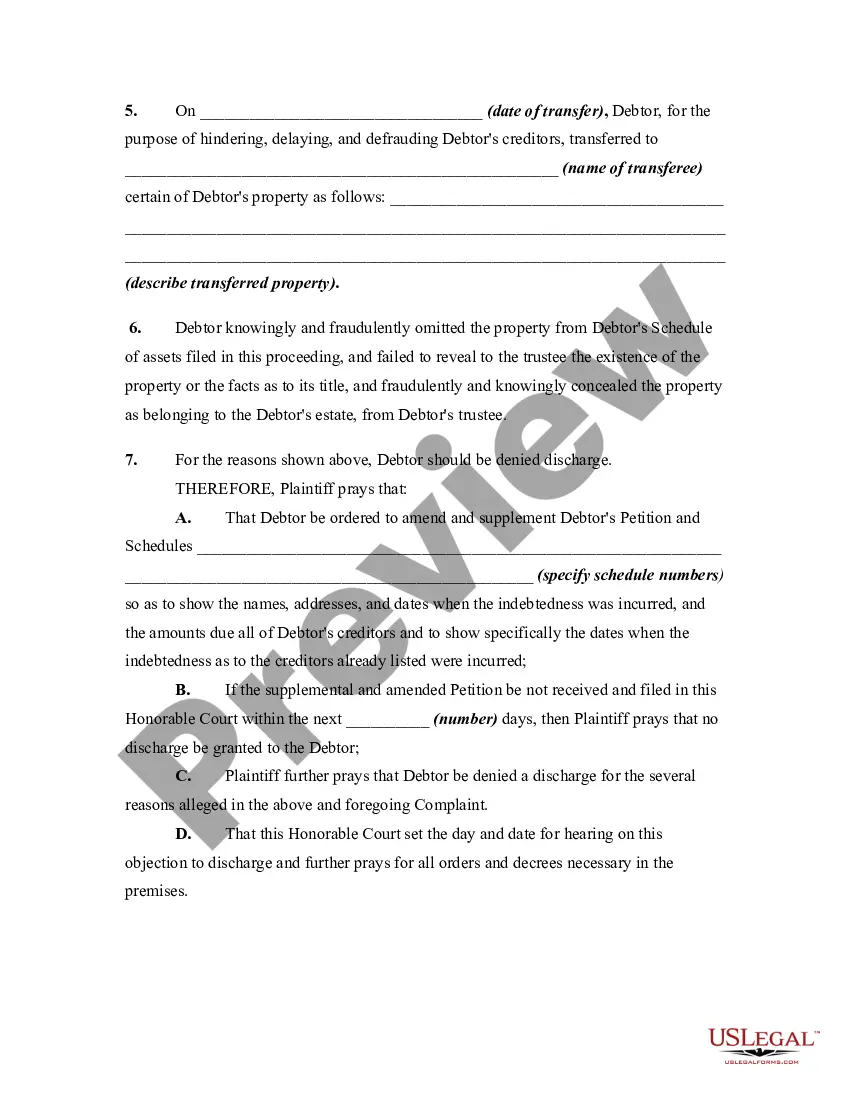
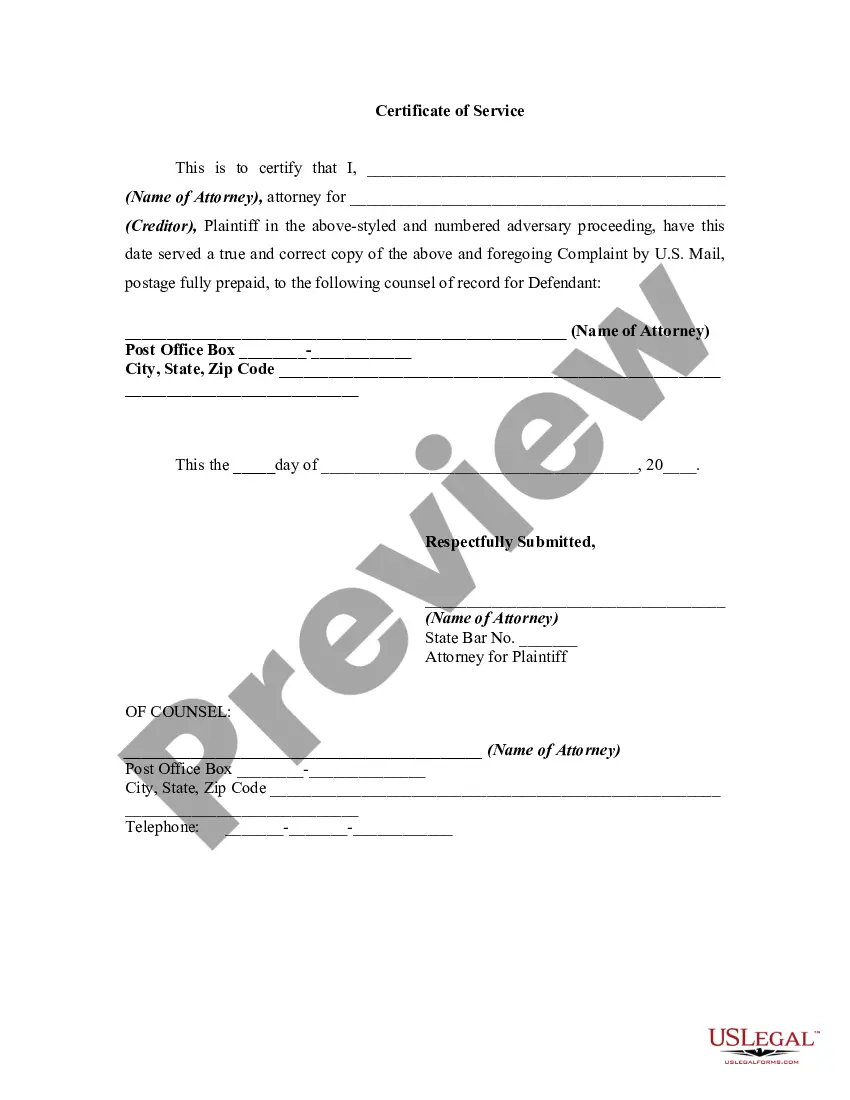
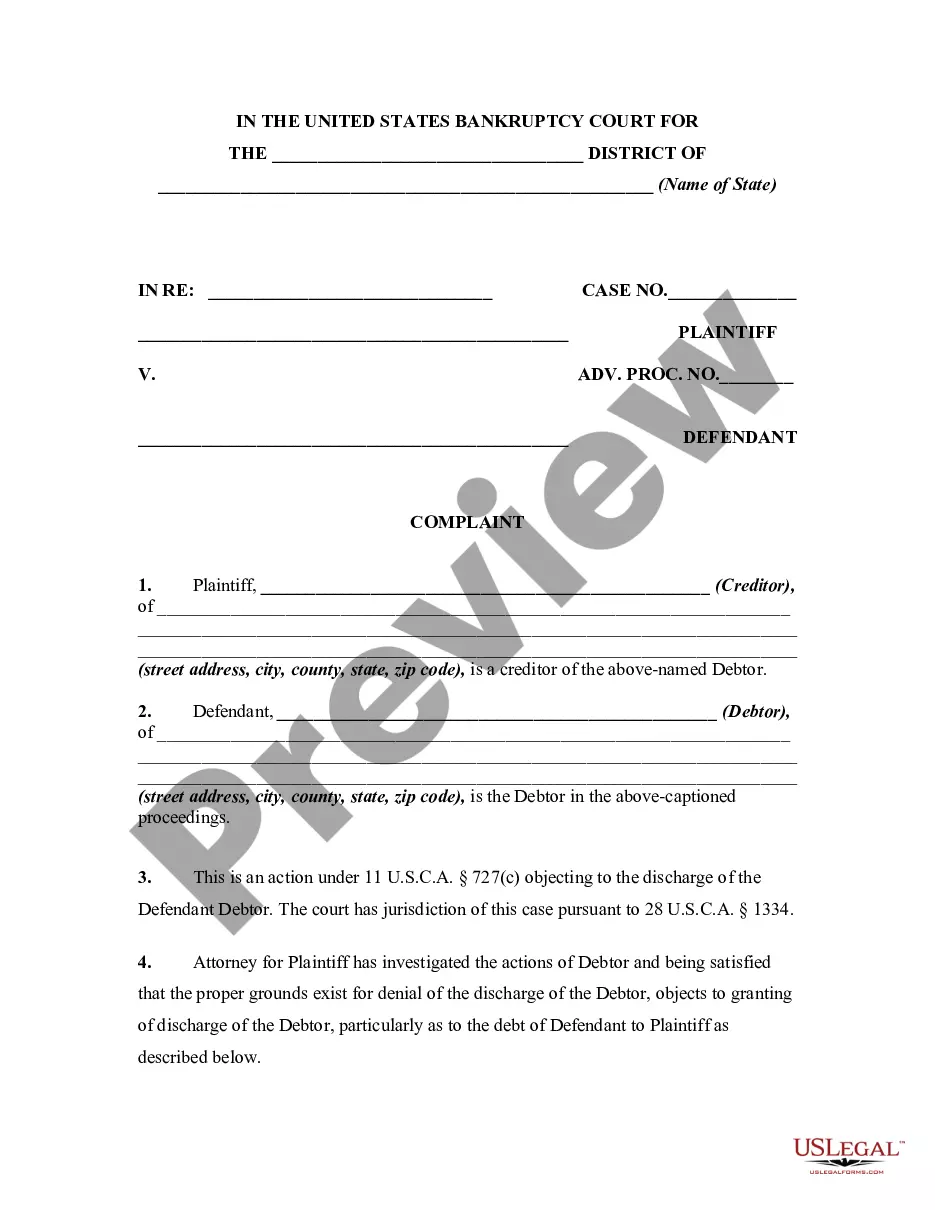
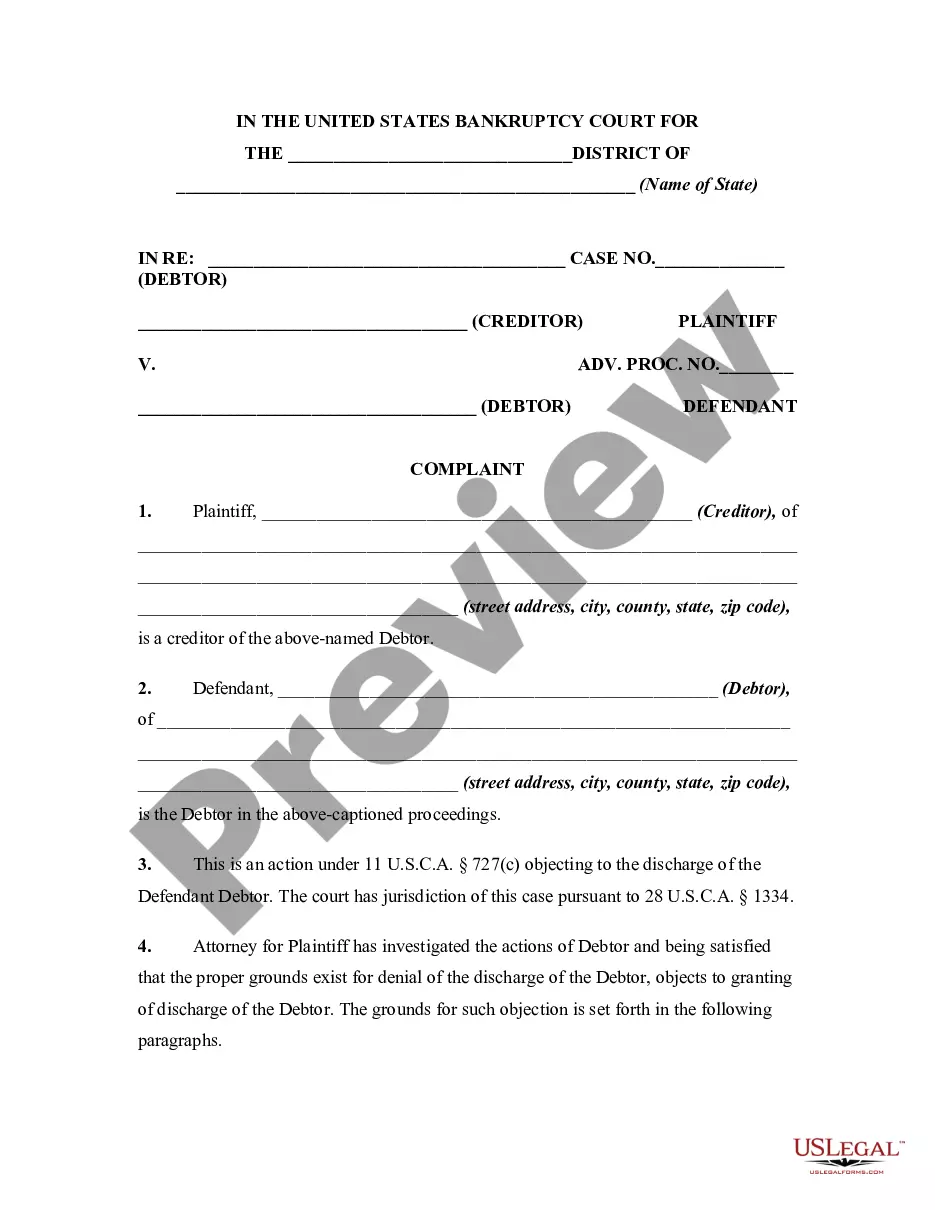
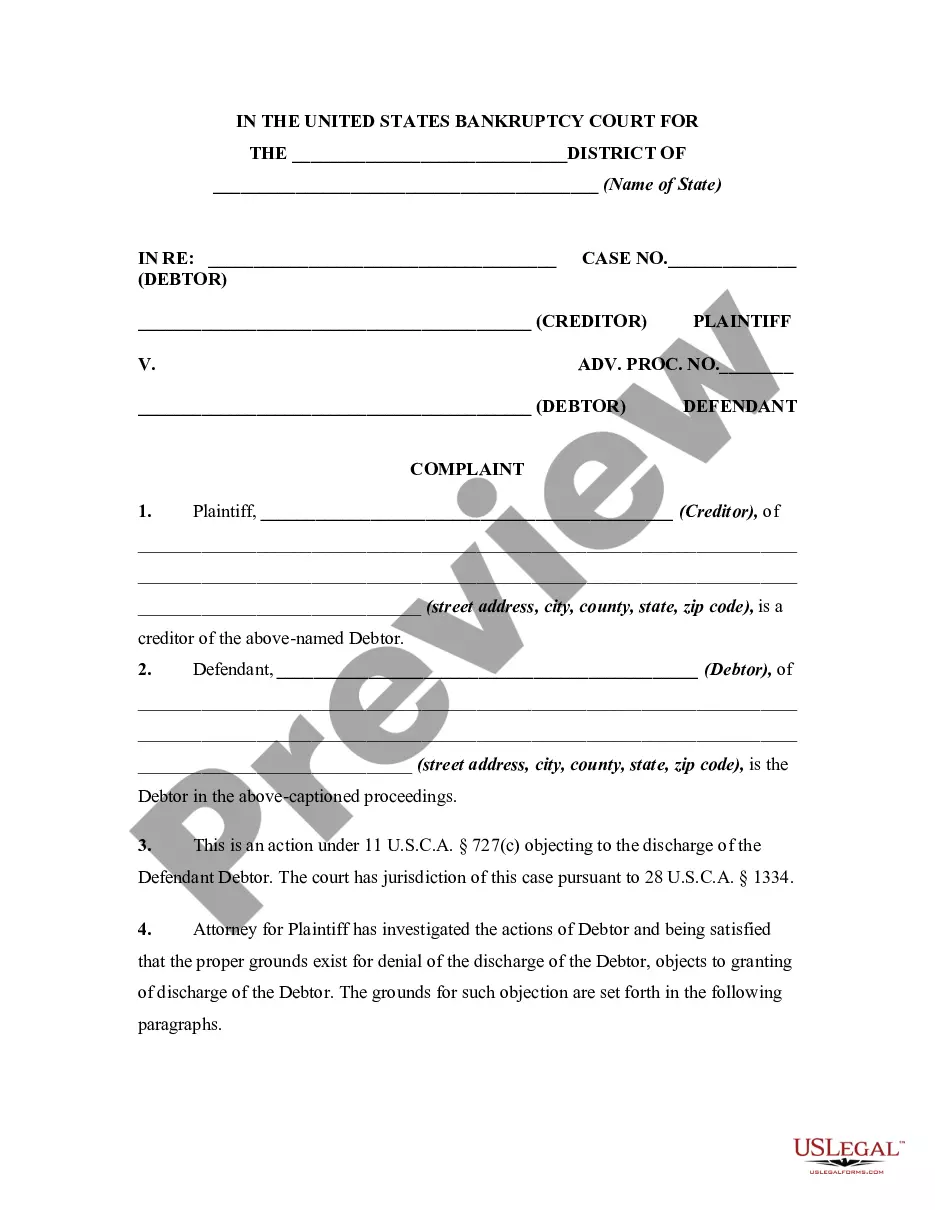
How to fill out Complaint Objecting To Discharge In Bankruptcy Proceedings For Concealment By Debtor And Omitting From Schedules Fraudulently Transferred Property?
- If you are a returning user, log in to your account and navigate to your forms. Confirm your subscription is active, or renew it as needed.
- For first-time users, start by reviewing the form preview and description to ensure you select one that aligns with your jurisdiction requirements.
- Should you require additional templates, utilize the Search option to find alternative forms that may better suit your needs.
- Once you find the correct document, click on the Buy Now button. Choose a subscription plan and create an account to access our extensive form library.
- Finalize your purchase by entering your payment information, either via credit card or PayPal.
- After your purchase, download the form to your device. You can always access it later in the My Forms section of your profile.
By following these steps, you can efficiently obtain the necessary legal forms to discharge a debtor, empowering you to manage your financial responsibilities.
Take advantage of the robust resources at US Legal Forms today to ensure your documents are accurate and tailored to your specific needs!
Form popularity
FAQ
Discharging debts often involves filing for bankruptcy or negotiating settlements with creditors. By working with legal professionals, like those at USLegalForms, you can gain access to resources that guide you through the discharge process. Understanding your options will better prepare you in your journey to discharge debtor for a bank.
To qualify as a debtor in possession, you must adhere to specific legal requirements after filing for bankruptcy. Typically, you must maintain accurate financial records and submit regular reports to the bankruptcy court. This responsibility helps in managing and discharging debts efficiently.
Opening a bank account for someone in jail requires careful navigation of banking regulations. Generally, you will need their personal information and identification, along with any legal documents that grant you the authority to act on their behalf. It's advisable to consult with a bank representative to understand their specific requirements.
To open a debtor in possession bank account, start by gathering your bankruptcy filing documents. Approach a bank that handles accounts for debtors in possession and discuss your needs with a representative. They will guide you through the process, ensuring you can manage your finances effectively while focusing on discharging debts.
Opening a debtor in possession bank account involves a few straightforward steps. First, you must file the appropriate bankruptcy papers with the court. Afterward, visit a bank that offers business accounts, and bring the required documentation, which usually includes your filing documents to facilitate a smooth process.
Yes, you can keep your bank account when you have a Debt Relief Order (DRO). However, it's essential to ensure that the balance does not exceed the limit set by the DRO guidelines. Maintaining a bank account allows you to manage your finances effectively while working towards discharging your debts.
If a debt is discharged, the borrower is no longer legally obligated to repay the lender for that specific amount. Discharging a debt can occur through bankruptcy or other legal means. Importantly, this release does not affect all types of debts, so it's essential to understand which debts qualify for discharge. Using tools from UsLegalForms can help clarify how to discharge a debtor for a bank.
When a case is discharged, it indicates that the court has legally freed the debtor from certain debts. This outcome means the debtor is no longer required to make payments on those debts, providing a fresh start. It is a critical step in the bankruptcy procedure, and knowing how to effectively discharge a debtor for a bank can significantly improve one's financial situation.
The process of debt discharge usually involves filing for bankruptcy, where a debtor petitions the court for relief from debts. After reviewing the case, the court may grant a discharge, releasing the debtor from most obligations. Key requirements include completing credit counseling and submitting necessary documentation. Learning how to discharge a debtor for a bank can streamline your path to financial recovery.
Discharging a debtor means releasing an individual or entity from the obligation to repay a specific debt. This process typically occurs through bankruptcy proceedings. When a debtor is discharged, their legal responsibility for the debt is eliminated, allowing them to move forward financially. Understanding how to discharge a debtor for a bank can help in navigating financial relief.