Discharge Bk
Description
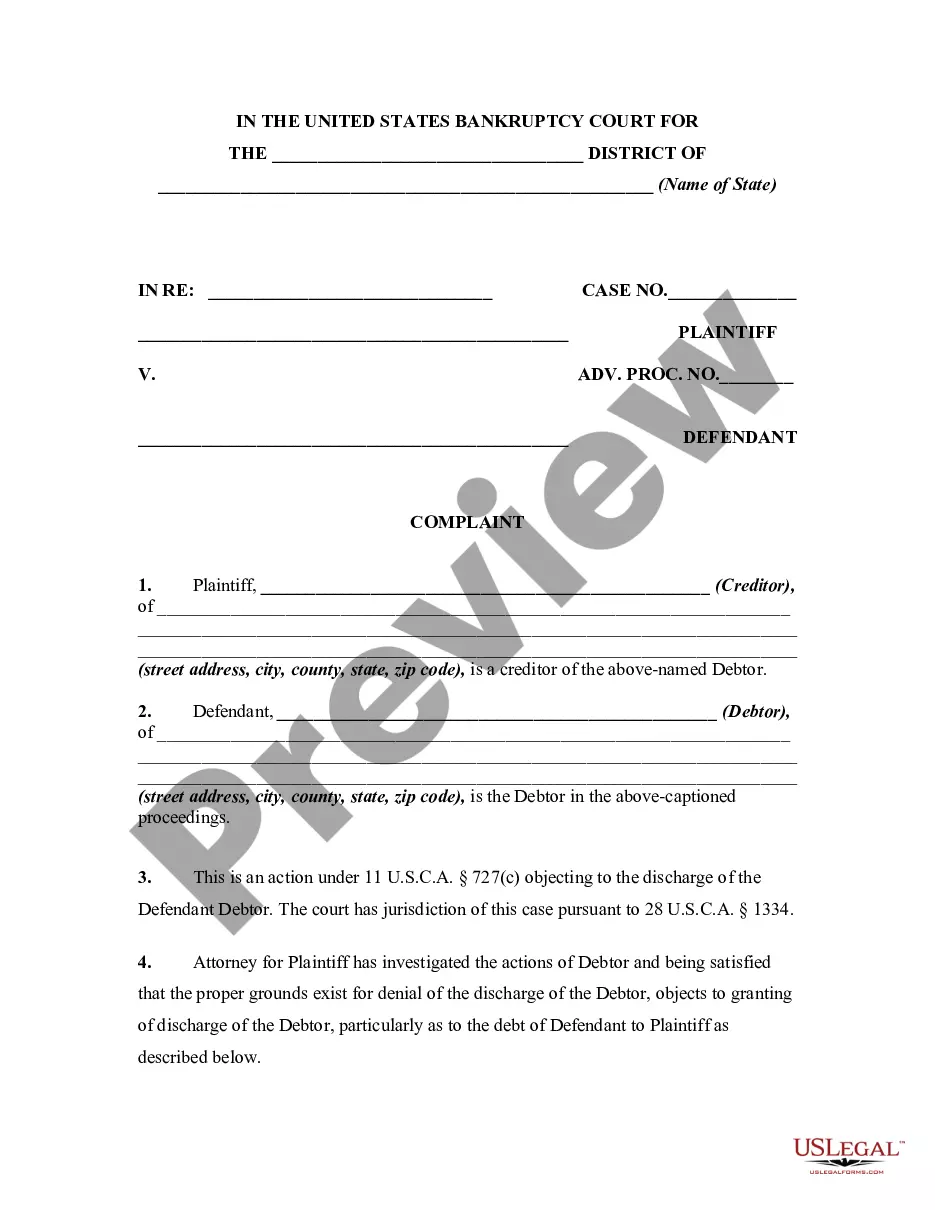
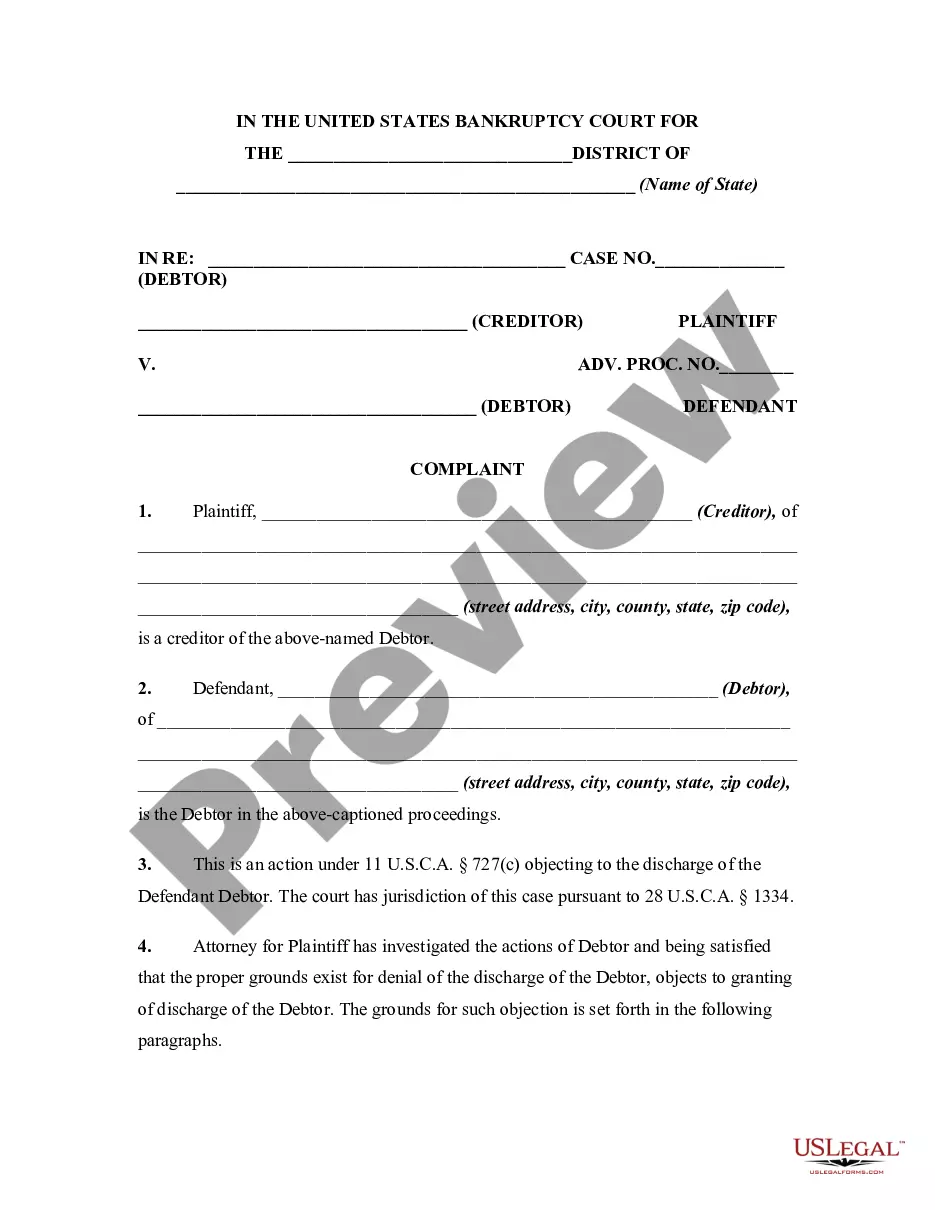
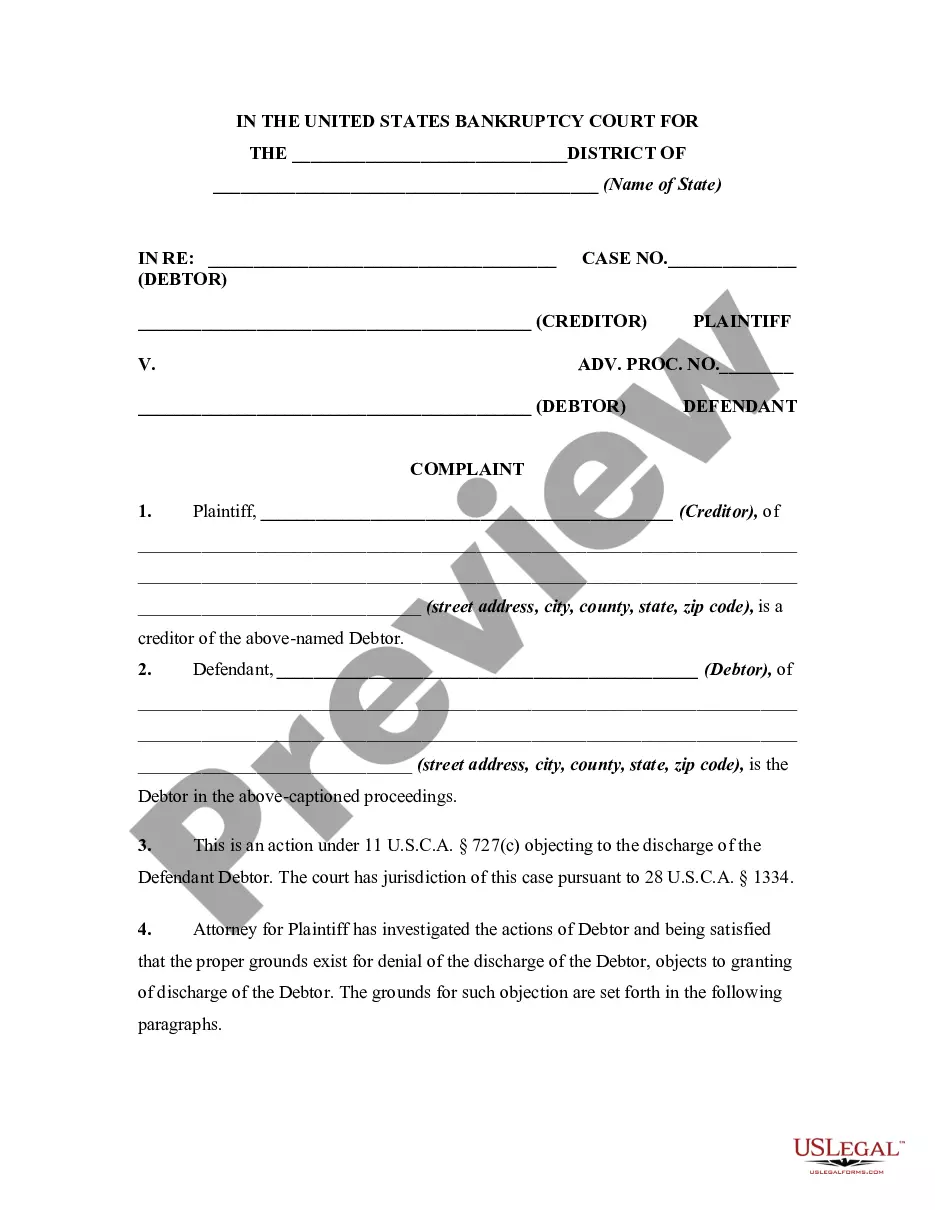
Get your form ready online
Our built-in tools help you complete, sign, share, and store your documents in one place.
Make edits, fill in missing information, and update formatting in US Legal Forms—just like you would in MS Word.
Download a copy, print it, send it by email, or mail it via USPS—whatever works best for your next step.
Sign and collect signatures with our SignNow integration. Send to multiple recipients, set reminders, and more. Go Premium to unlock E-Sign.
If this form requires notarization, complete it online through a secure video call—no need to meet a notary in person or wait for an appointment.
We protect your documents and personal data by following strict security and privacy standards.

Make edits, fill in missing information, and update formatting in US Legal Forms—just like you would in MS Word.

Download a copy, print it, send it by email, or mail it via USPS—whatever works best for your next step.

Sign and collect signatures with our SignNow integration. Send to multiple recipients, set reminders, and more. Go Premium to unlock E-Sign.

If this form requires notarization, complete it online through a secure video call—no need to meet a notary in person or wait for an appointment.

We protect your documents and personal data by following strict security and privacy standards.
Looking for another form?
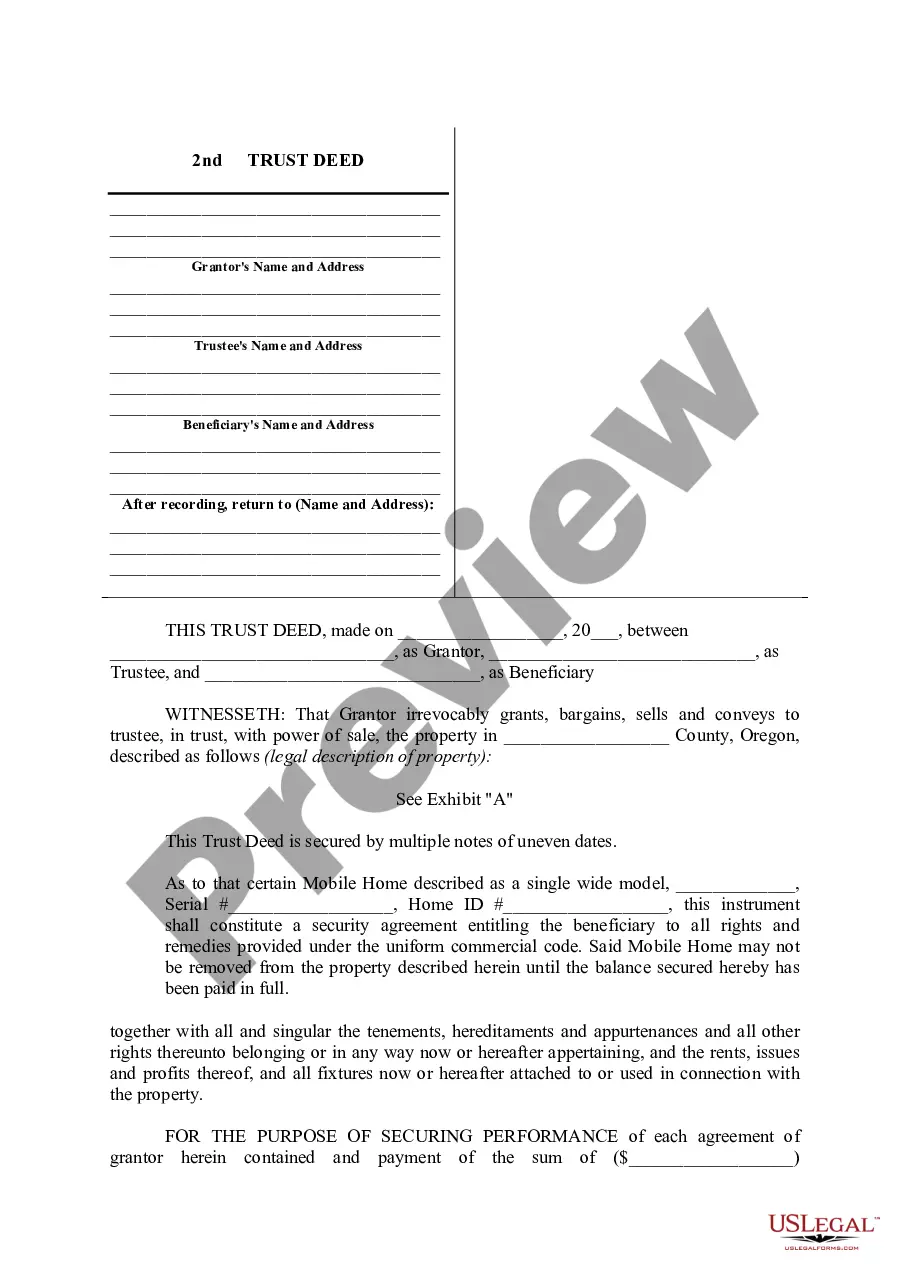





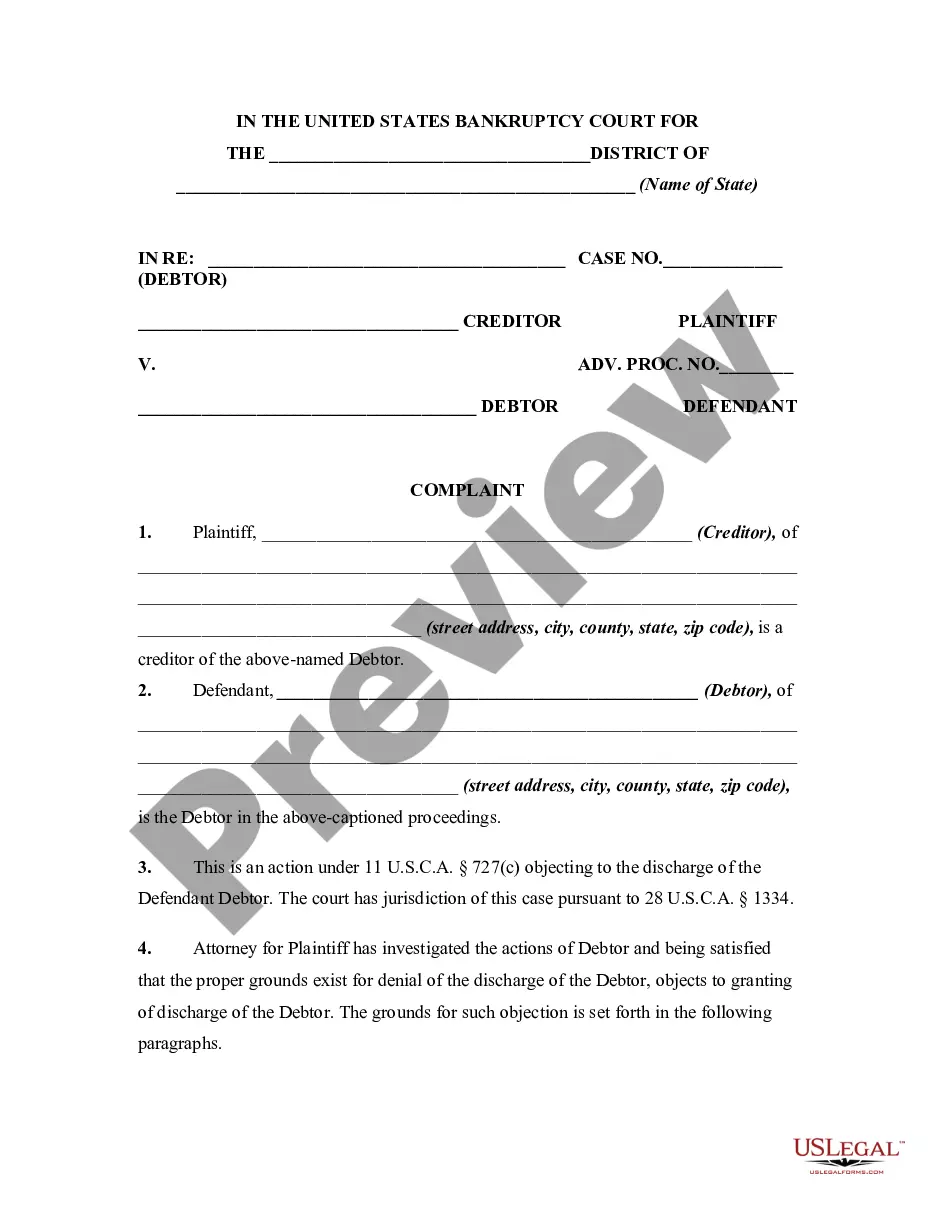
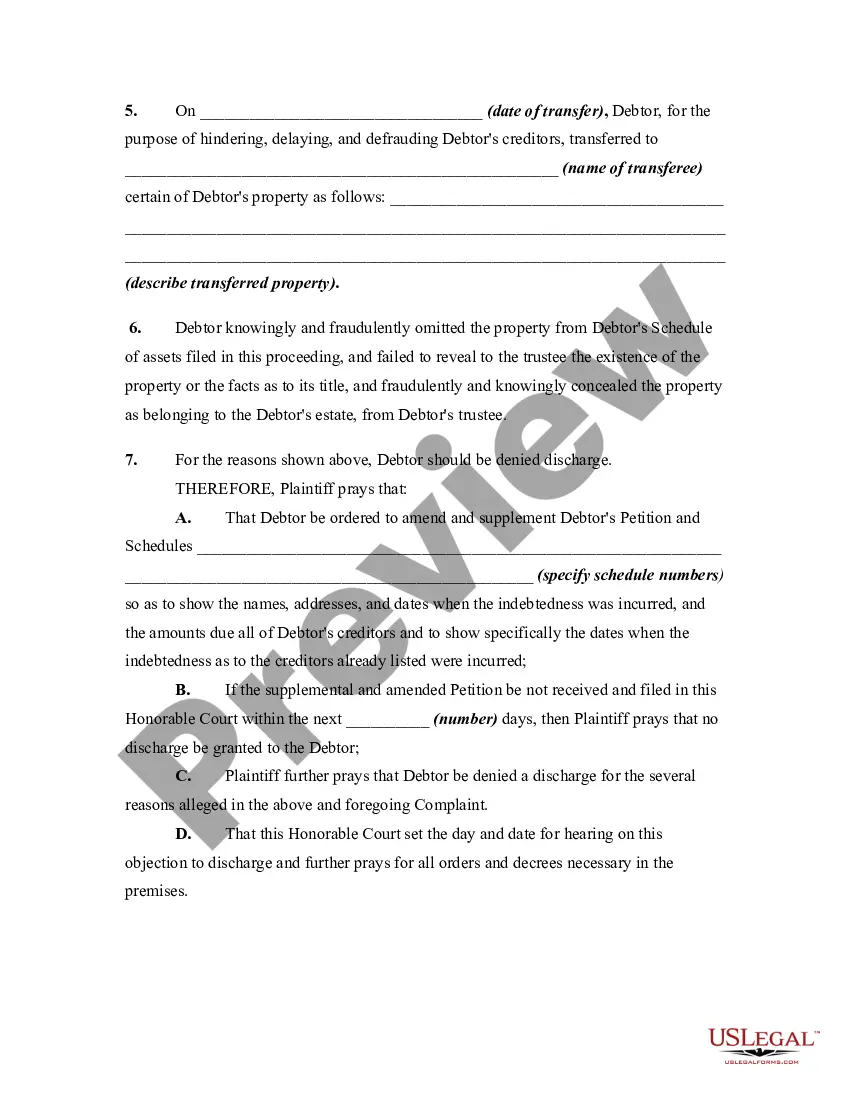
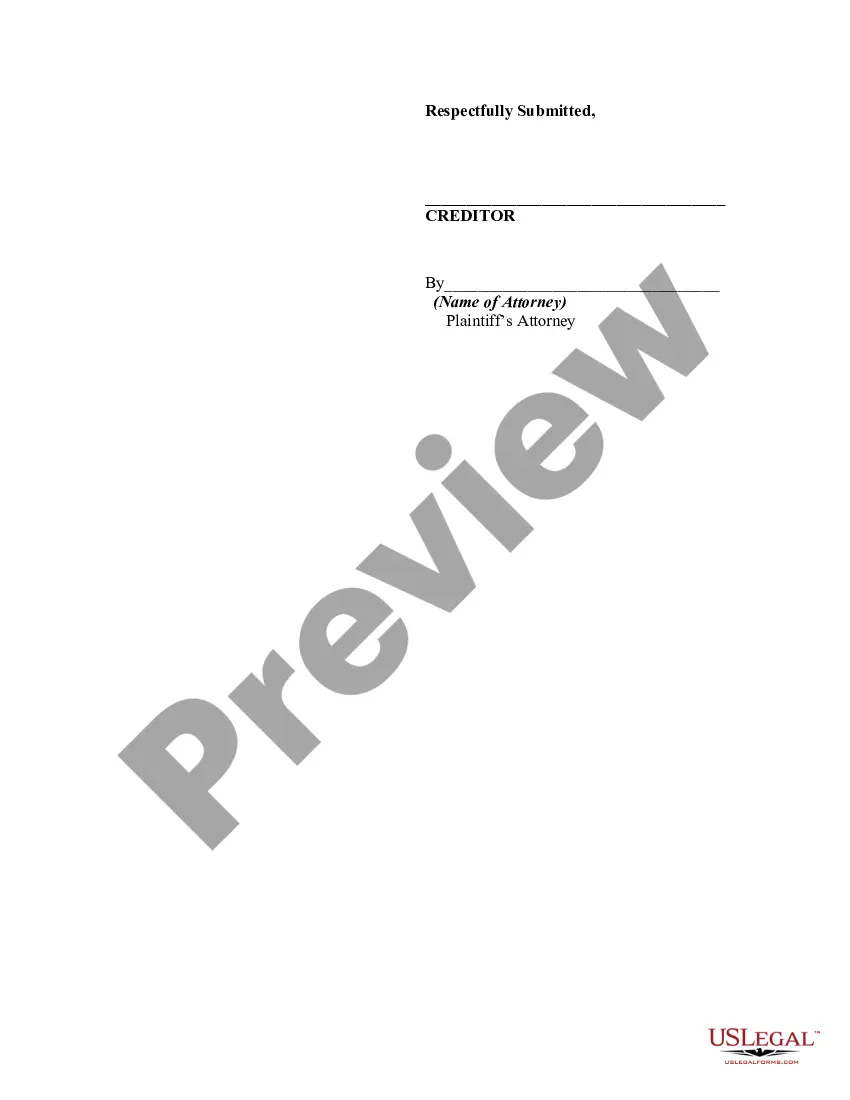
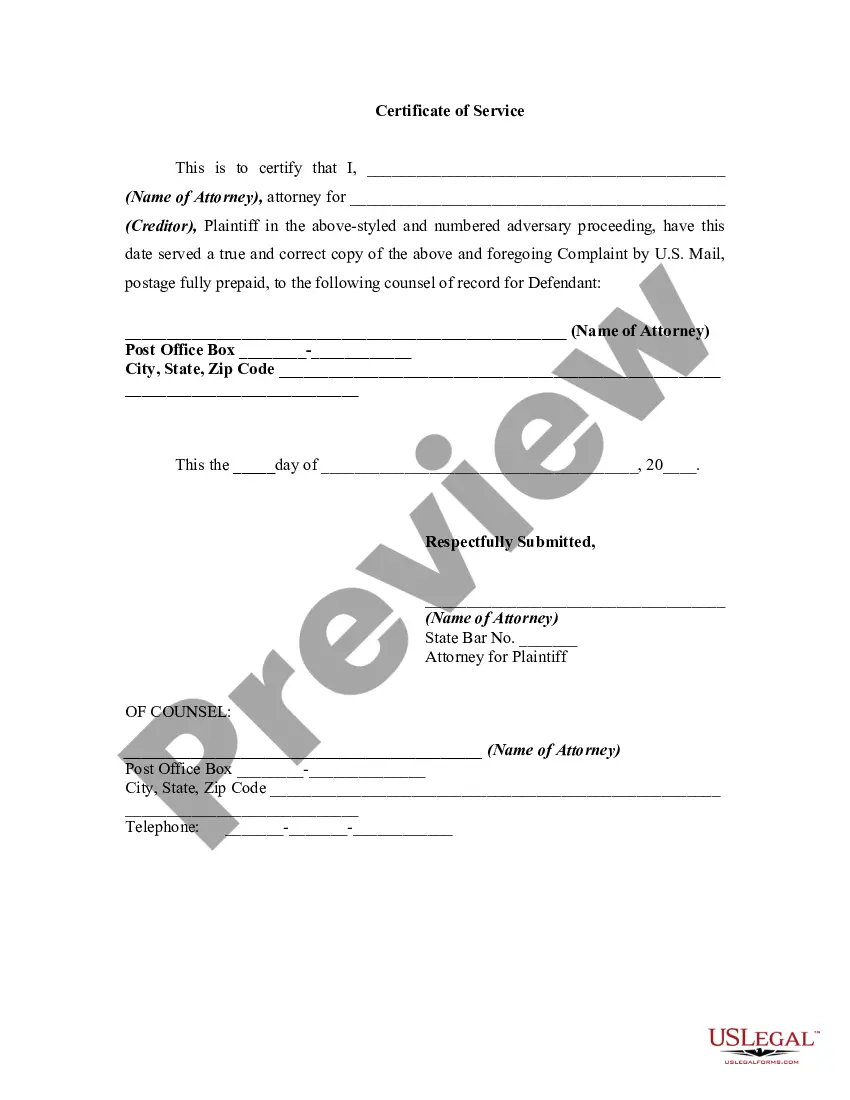
How to fill out Complaint Objecting To Discharge In Bankruptcy Proceedings For Concealment By Debtor And Omitting From Schedules Fraudulently Transferred Property?
- If you're an existing user, log in to your account and select the desired form template. Ensure your subscription remains active; renew if necessary.
- For first-time users, begin by reviewing the Preview mode and form descriptions. Verify that the selected document aligns with your specific requirements and jurisdiction.
- If you need to refine your search, utilize the Search tab at the top of the page to locate the appropriate form.
- After finding the correct document, click the Buy Now button and select your preferred subscription plan. You will need to create an account to access the full library.
- Complete your purchase by entering your payment information via credit card or PayPal.
- Once purchased, download your form and save it on your device. You can also access it anytime through the My Forms section of your account.
In conclusion, US Legal Forms not only simplifies the process of obtaining legal documents but also empowers users with a vast library of resources. With over 85,000 editable forms and access to expert assistance, you can ensure your legal needs are met accurately.
Start your journey to efficient legal documentation today and discover the ease of using US Legal Forms!
Form popularity
FAQ
A Chapter 7 discharge remains on your credit report for up to ten years from the filing date. This entry may impact your credit score and future lending options during that period. However, many individuals find that their credit can recover relatively fast after a discharge, especially with responsible financial behaviors. For guidance on rebuilding your credit after a discharge, check the tips and resources available through US Legal Forms.
Typically, the court will close a Chapter 7 case a few months after the discharge is granted. After the discharge is issued, the case doesn't remain open for long since most proceedings resolve quickly. The final closure ensures that all parties involved can move forward after the bankruptcy process. If you need help understanding this timeline, the US Legal Forms platform can provide clarity and necessary documentation.
BK 7 discharge stands for bankruptcy Chapter 7 discharge, which signifies the release of a debtor from personal liability for specific debts. This discharge allows individuals to start fresh financially, as it wipes out eligible unsecured debts such as credit cards and medical bills. Understanding the implications of a BK 7 discharge can significantly impact your financial future. For personalized assistance, consider the resources available through US Legal Forms.
A Chapter 7 tax discharge refers to the elimination of certain tax debts through bankruptcy. In general, though not all tax debts qualify, discharging income taxes may sometimes occur if they meet specific criteria. It’s essential to consult with a bankruptcy attorney to determine if your taxes can be discharged. By utilizing the US Legal Forms platform, you can find the necessary forms and guidance for your Chapter 7 discharge process.
In legal terms, a 'term' often refers to a provision or condition set forth in a legal document or agreement. It specifies the duration or limits of a contract, as well as the obligations of each party involved. Understanding legal terms is crucial for navigating the complexities of bankruptcy, especially if you are considering a discharge BK, as these terms can significantly impact your case.
Filing a BK means initiating a bankruptcy proceeding with the bankruptcy court to seek relief from debts. This process involves submitting various forms and disclosing financial information, allowing the court to assess your situation. If you successfully file for a discharge BK, you may have the opportunity to reset your financial journey and eliminate unmanageable debt.
BK, or bankruptcy, is a legal status of a person or entity that cannot repay their debts. It provides a way to reorganize or eliminate debt obligations, depending on the type of bankruptcy filed. Knowing the implications of BK is essential, particularly when exploring options for a discharge BK, as this can influence your financial decisions significantly.
In law, BK stands for bankruptcy, which is a legal proceeding involving individuals or businesses unable to repay their outstanding debts. It is a way for debtors to obtain relief from their financial obligations through a formal process. Understanding bankruptcy is vital, especially if you are considering filing for a discharge BK, as it can open new paths to financial stability.
In bankruptcy, a discharge means that the court has cleared certain debts, releasing the individual from liability. When a discharge BK is granted, it allows you to move forward without the burden of those debts. This process is a crucial step towards financial recovery, giving you a fresh start and the opportunity to rebuild your credit over time.
A BK dismissal occurs when a bankruptcy case is closed without achieving the desired outcome, such as discharge of debts. This can happen for various reasons, including failure to meet court requirements or noncompliance with the bankruptcy process. It's essential to understand this term as it impacts your financial situation, and in some cases, you may consider re-filing for a discharge BK to manage debts effectively.