Bankruptcy With Property
Description
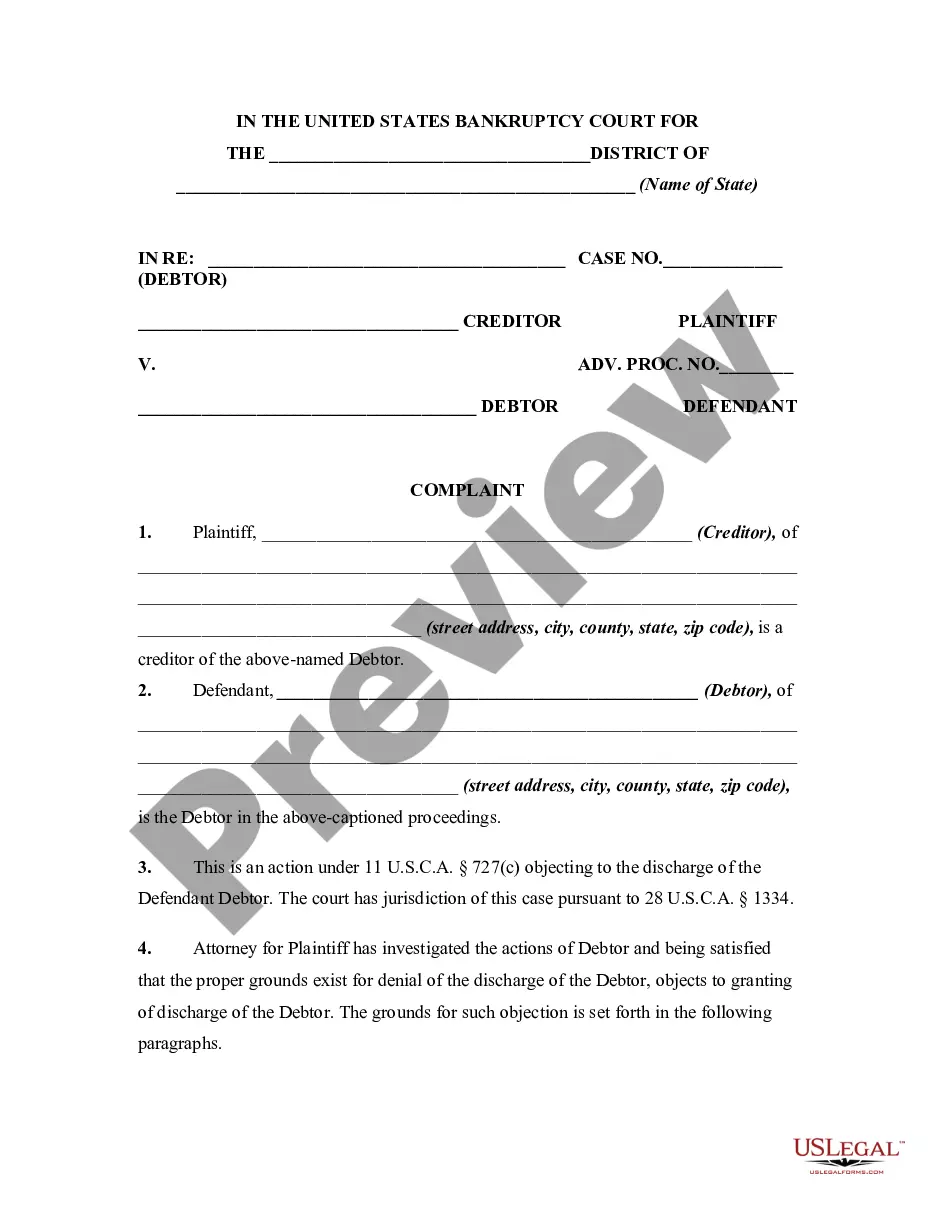
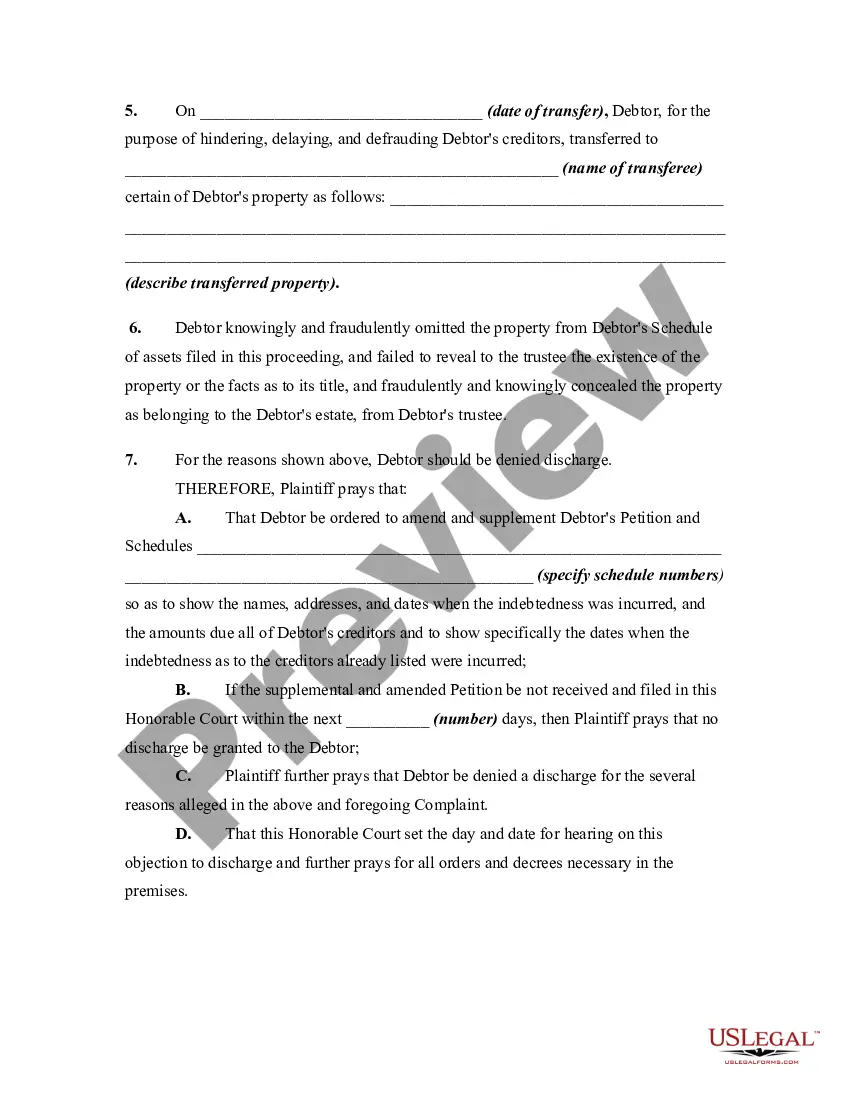
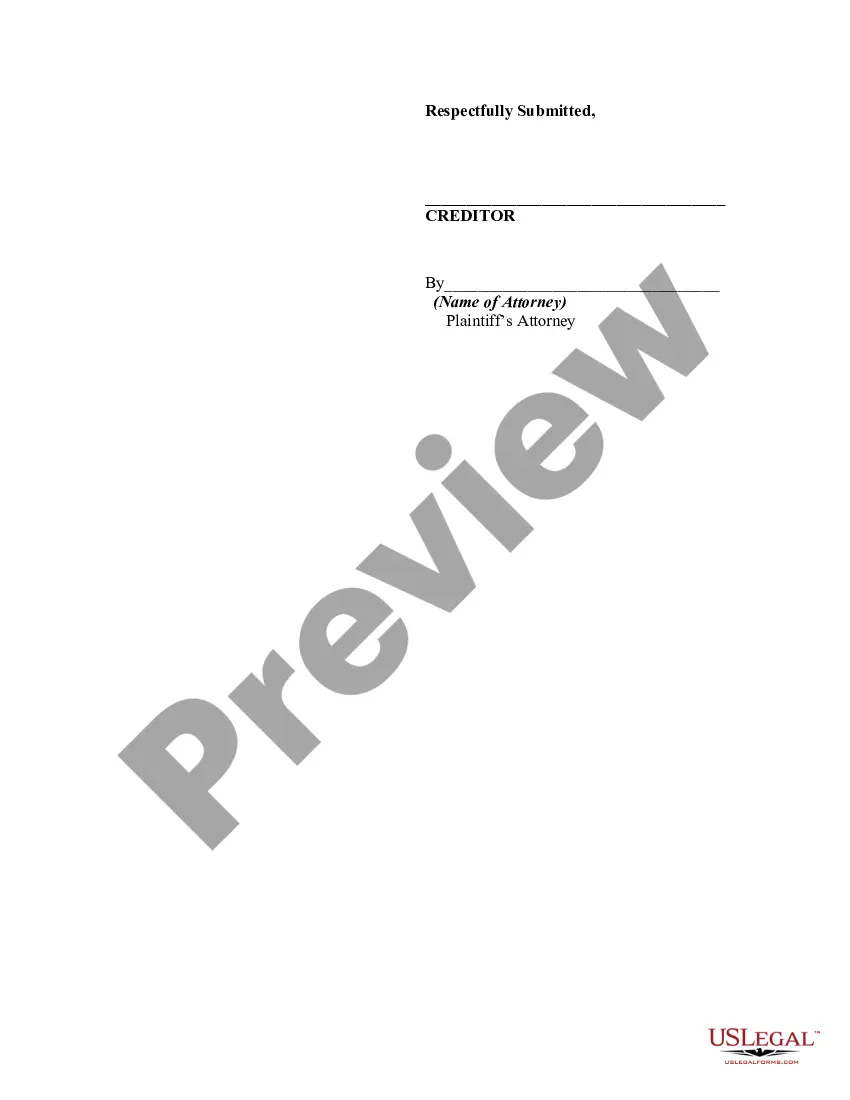
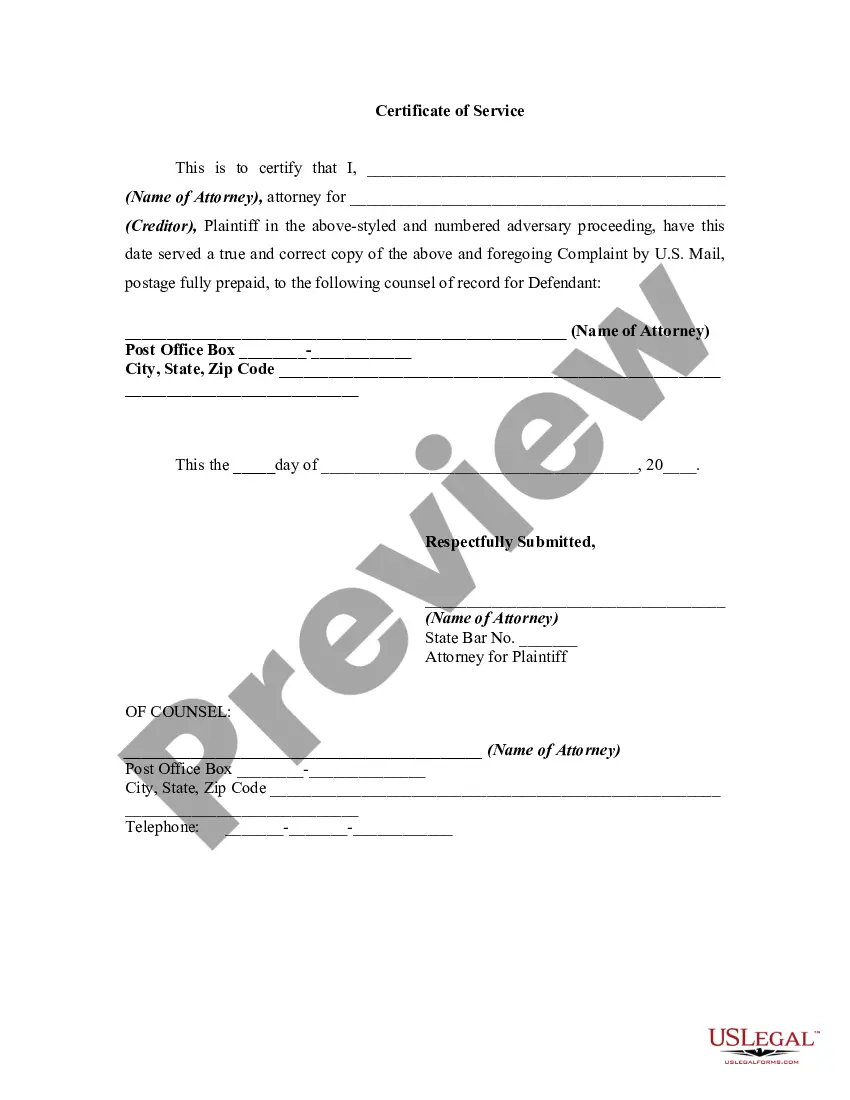
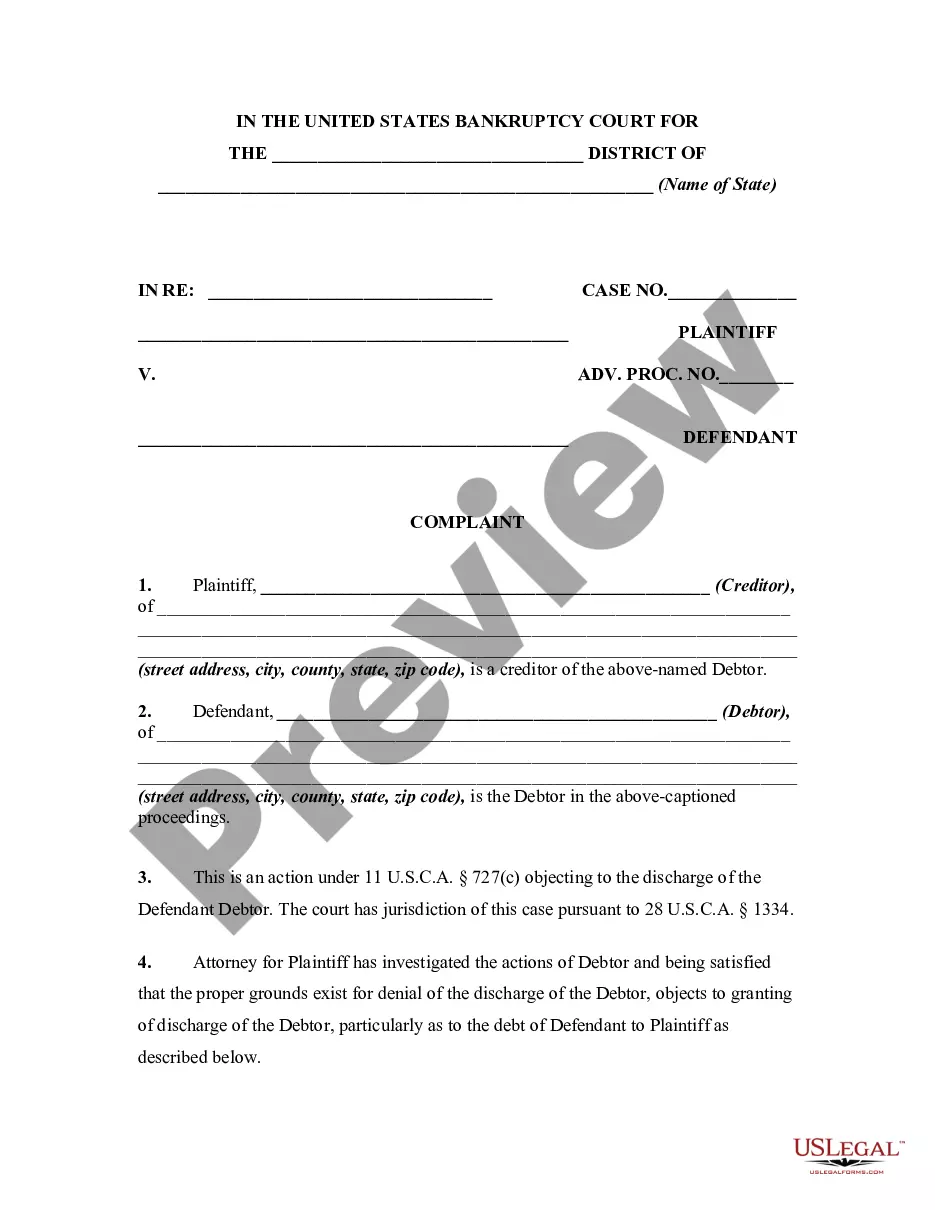
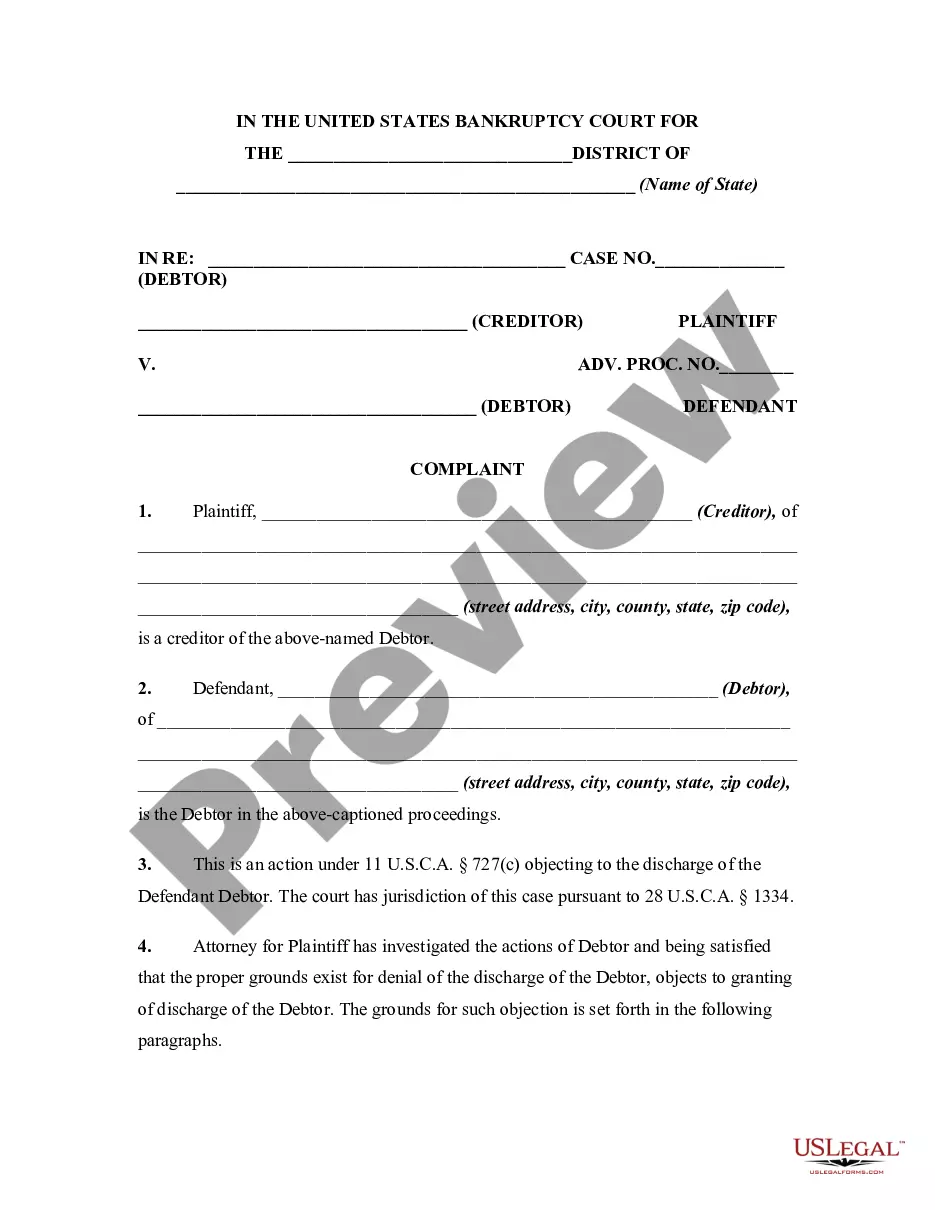
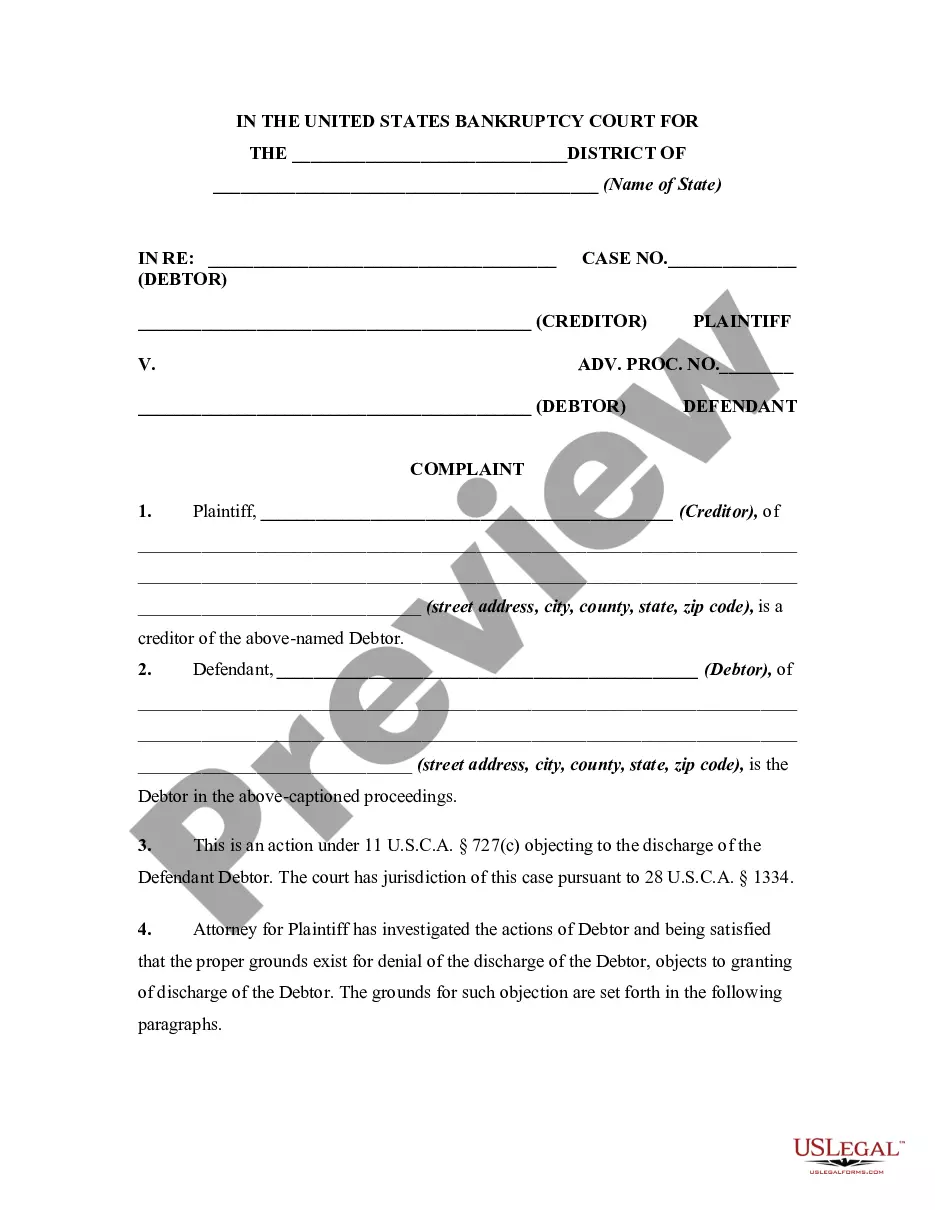
Get your form ready online
Our built-in tools help you complete, sign, share, and store your documents in one place.
Make edits, fill in missing information, and update formatting in US Legal Forms—just like you would in MS Word.
Download a copy, print it, send it by email, or mail it via USPS—whatever works best for your next step.
Sign and collect signatures with our SignNow integration. Send to multiple recipients, set reminders, and more. Go Premium to unlock E-Sign.
If this form requires notarization, complete it online through a secure video call—no need to meet a notary in person or wait for an appointment.
We protect your documents and personal data by following strict security and privacy standards.

Make edits, fill in missing information, and update formatting in US Legal Forms—just like you would in MS Word.

Download a copy, print it, send it by email, or mail it via USPS—whatever works best for your next step.

Sign and collect signatures with our SignNow integration. Send to multiple recipients, set reminders, and more. Go Premium to unlock E-Sign.

If this form requires notarization, complete it online through a secure video call—no need to meet a notary in person or wait for an appointment.

We protect your documents and personal data by following strict security and privacy standards.
Looking for another form?








How to fill out Complaint Objecting To Discharge In Bankruptcy Proceedings For Concealment By Debtor And Omitting From Schedules Fraudulently Transferred Property?
- Log in to your US Legal Forms account if you're a returning user. Ensure your subscription is active to access and download the required form templates.
- For first-time users, begin by exploring the Preview mode and reviewing the form descriptions to select one that aligns with your local jurisdiction and requirements.
- If your selected template does not meet your needs, utilize the Search tab to find an alternative that suits you better.
- Purchase your document by clicking the Buy Now button and choose your preferred subscription plan. You'll need to create an account for full access.
- Complete your purchase by entering your payment information, either through a credit card or PayPal.
- Download your chosen form and save it to your device. You can also access it anytime through the My Forms menu in your account.
Once you have followed these steps, you will confidently possess the right forms needed for your bankruptcy proceedings with property.
Take charge of your legal needs today and make this process easier for yourself. Visit US Legal Forms now!
Form popularity
FAQ
Yes, it is possible to file for bankruptcy without losing your house, particularly if you use Chapter 13 bankruptcy. This option allows homeowners to establish a repayment plan while keeping their property. Engaging with platforms like uslegalforms can provide valuable resources and forms to navigate the process and protect your home effectively.
Certain debts cannot be wiped out by bankruptcy with property. For example, student loans, child support, alimony, and certain tax debts often remain after bankruptcy proceedings. Additionally, secured debts tied to property, like mortgages, typically need to be satisfied or restructured, as the property itself plays a key role in the bankruptcy process.
Several factors may disqualify you from filing for bankruptcy with property. If you have previously filed for bankruptcy within the last few years, you may be ineligible to file again for a certain period. Additionally, individuals who have failed the means test may not qualify, as it assesses your income against your expenses to determine eligibility for various bankruptcy types.
Typically, Chapter 13 bankruptcy is considered the best option for homeowners looking to keep their property while managing debts. This type of bankruptcy allows homeowners to create a repayment plan to catch up on mortgage arrears over three to five years. Additionally, it protects homes from foreclosure during this repayment period, allowing for a more stable financial recovery.
When a homeowner declares bankruptcy, they may face an automatic stay that halts most collection activities. This means creditors cannot pursue payments or foreclosures for a period. However, this does not eliminate the homeowner's obligation to meet mortgage payments, and the court will evaluate how the homeowner can manage debts while preserving their property.
The 3 year rule for bankruptcy applies primarily to Chapter 13 cases where debtors may have to complete a repayment plan over three years. This rule allows debtors to retain certain assets while repaying creditors. In situations of bankruptcy with property, adhering to this rule can facilitate a smoother recovery and a more manageable financial path.
Certain debts cannot be cleared through bankruptcy with property, including student loans, child support, and most tax obligations. Additionally, debts stemming from fraud or willful misconduct also remain after bankruptcy. Knowing these exclusions helps you understand the limitations of bankruptcy and better plan your financial future.
To file bankruptcy with assets, you need to gather a complete list of your debts, assets, income, and expenses. This process involves choosing the appropriate bankruptcy chapter, typically Chapter 7 or Chapter 13. US Legal Forms offers easy-to-follow resources and forms that can help you navigate the complexities of filing and protecting your property in bankruptcy.
The 2 year rule for bankruptcy refers to the time frame for certain types of debt discharges. Specifically, if you filed Chapter 7 bankruptcy, most debts are discharged after two years, making it easier to move forward financially. This rule allows you to re-establish your credit and gain financial stability sooner, especially when managing bankruptcy with property.
Yes, you can achieve an 800 credit score after filing for bankruptcy with property. It requires time, disciplined financial behavior, and a strategy for rebuilding your credit. Focus on making timely payments, maintaining low credit card balances, and regularly reviewing your credit report. Overall, with dedication, you can see significant improvement.