Bankruptcy Schedules For 202
Description

Get your form ready online
Our built-in tools help you complete, sign, share, and store your documents in one place.
Make edits, fill in missing information, and update formatting in US Legal Forms—just like you would in MS Word.
Download a copy, print it, send it by email, or mail it via USPS—whatever works best for your next step.
Sign and collect signatures with our SignNow integration. Send to multiple recipients, set reminders, and more. Go Premium to unlock E-Sign.
If this form requires notarization, complete it online through a secure video call—no need to meet a notary in person or wait for an appointment.
We protect your documents and personal data by following strict security and privacy standards.

Make edits, fill in missing information, and update formatting in US Legal Forms—just like you would in MS Word.

Download a copy, print it, send it by email, or mail it via USPS—whatever works best for your next step.

Sign and collect signatures with our SignNow integration. Send to multiple recipients, set reminders, and more. Go Premium to unlock E-Sign.

If this form requires notarization, complete it online through a secure video call—no need to meet a notary in person or wait for an appointment.

We protect your documents and personal data by following strict security and privacy standards.
Looking for another form?









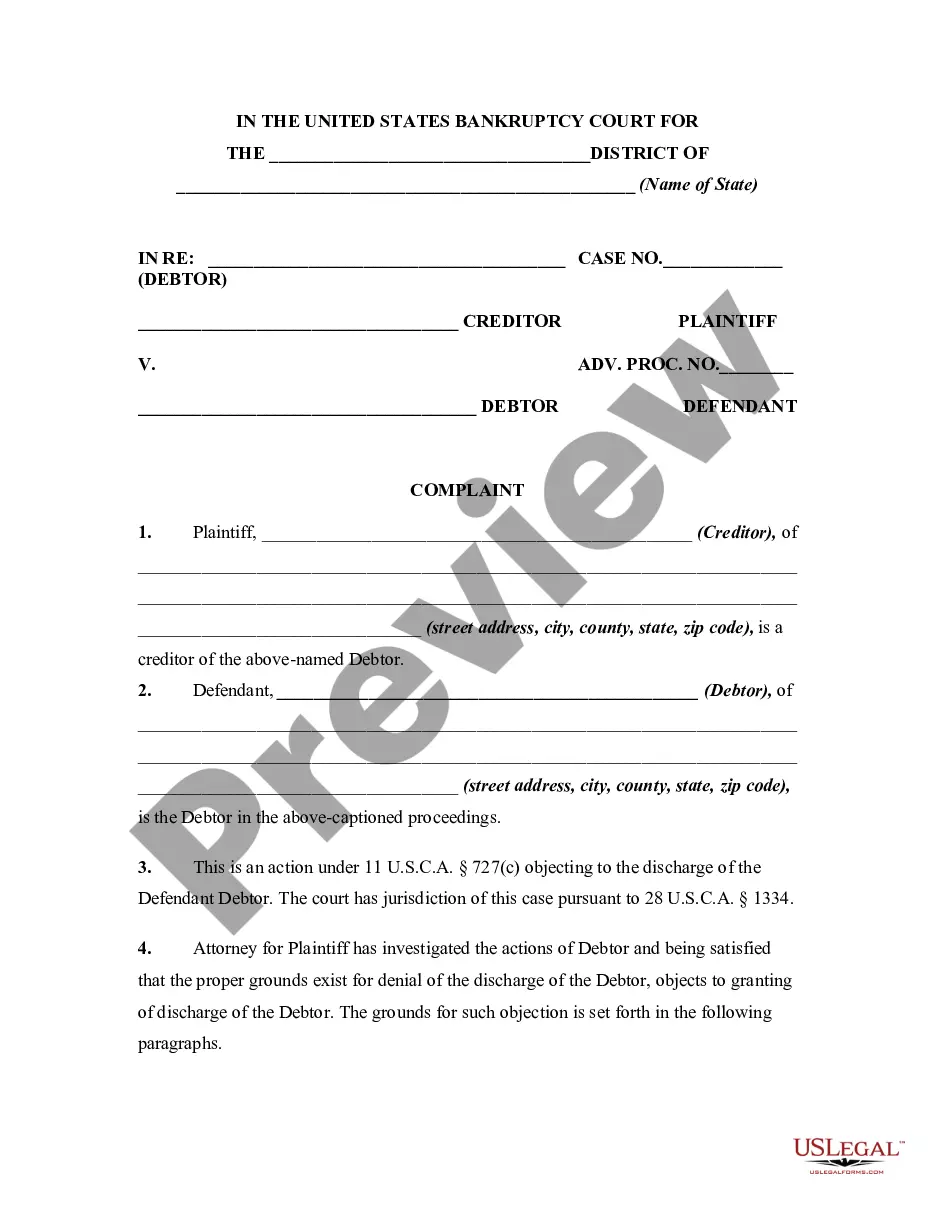
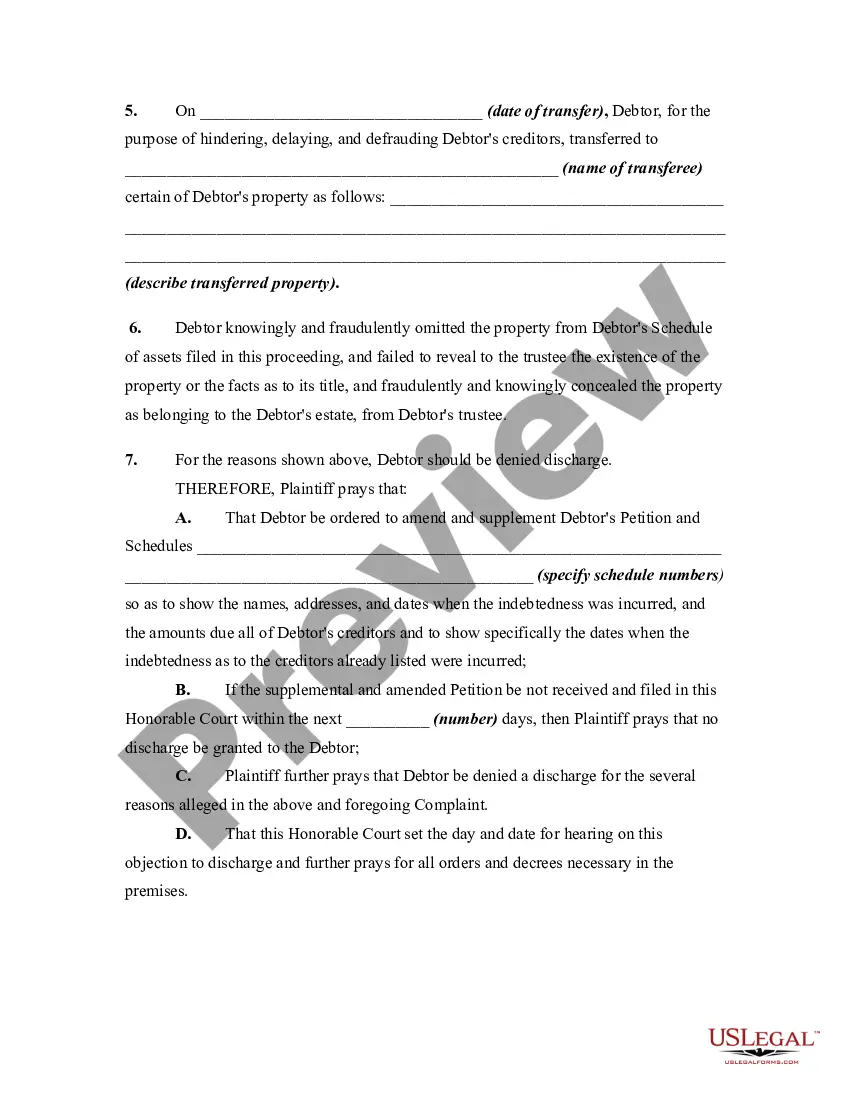
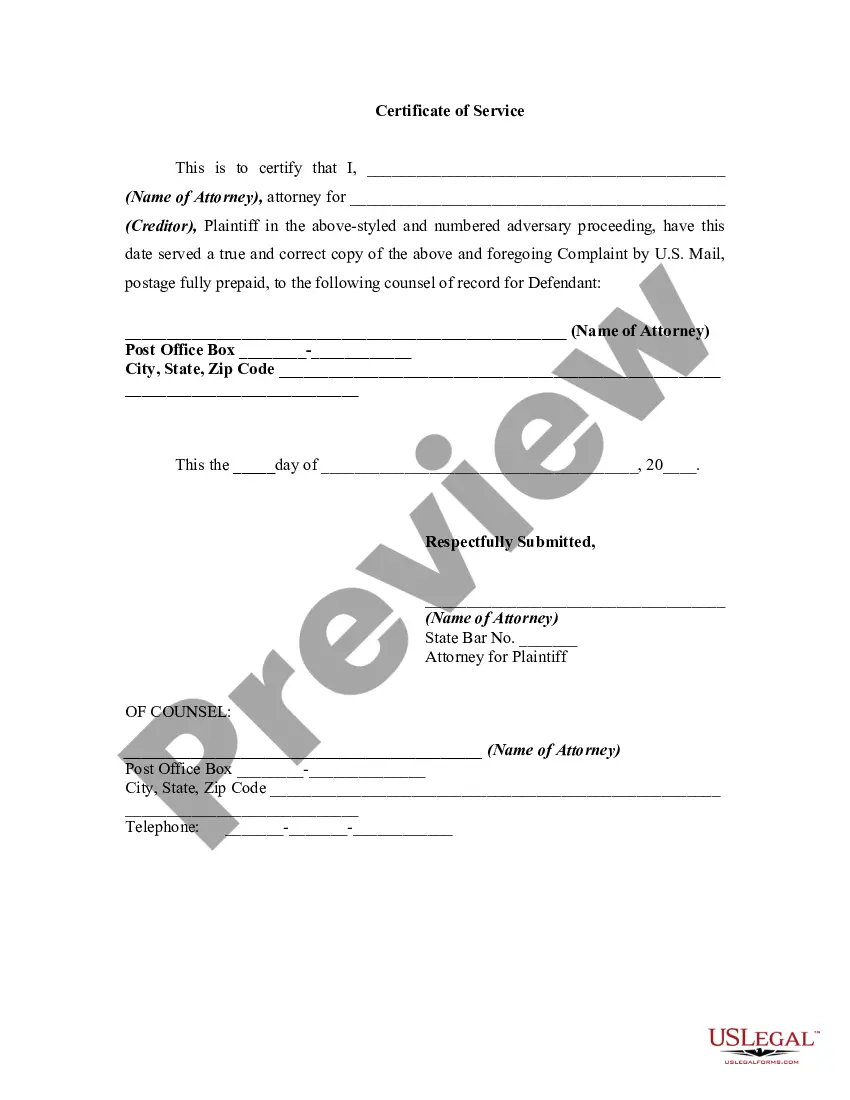
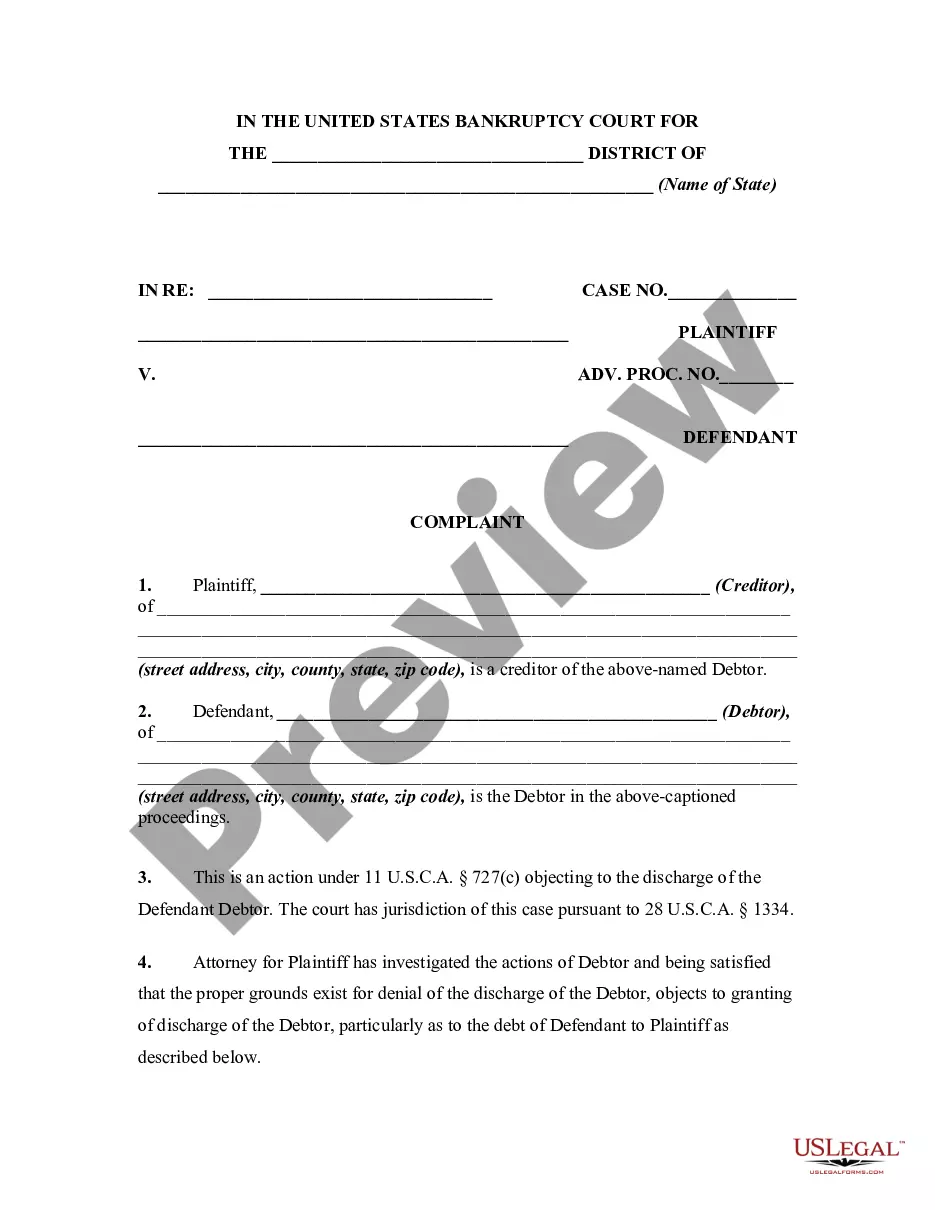
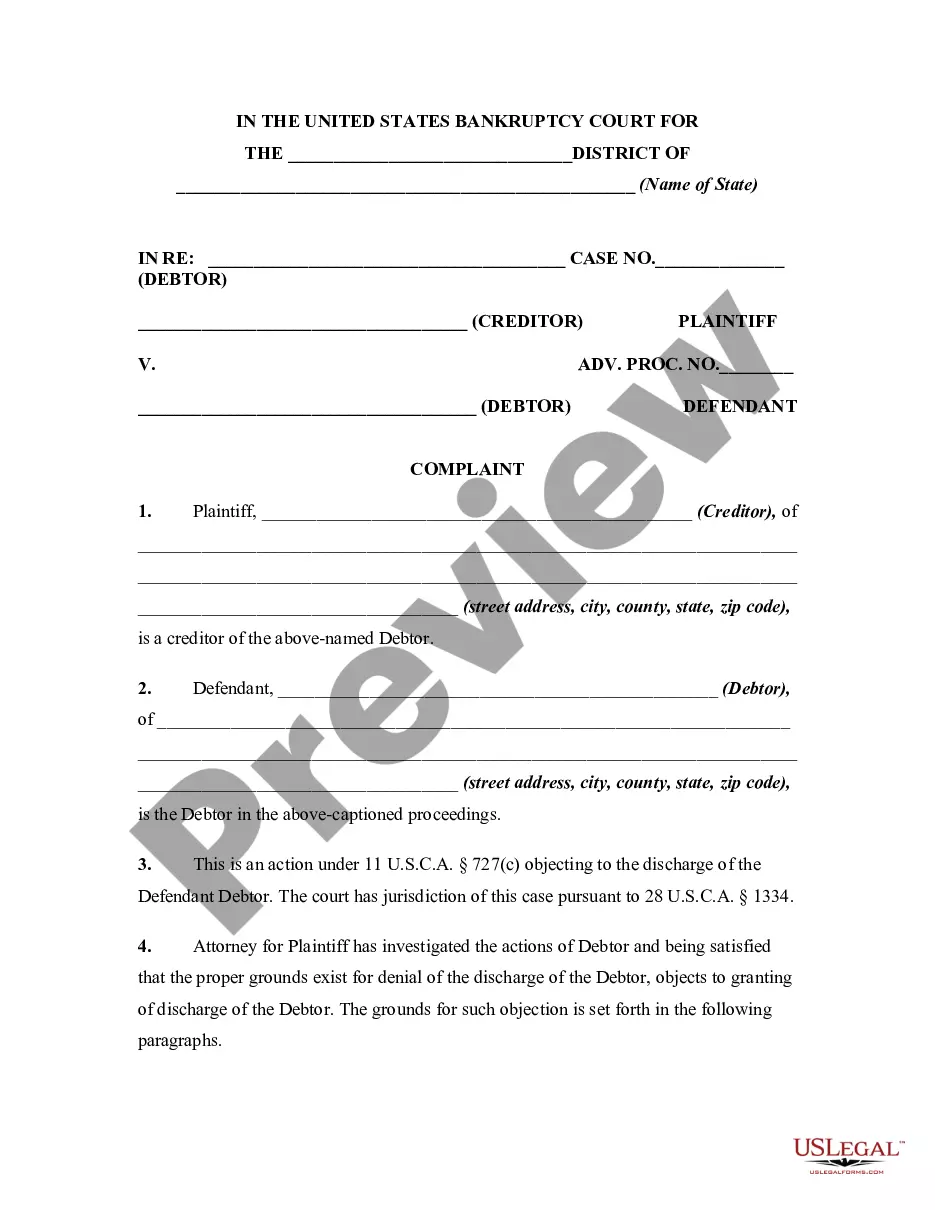
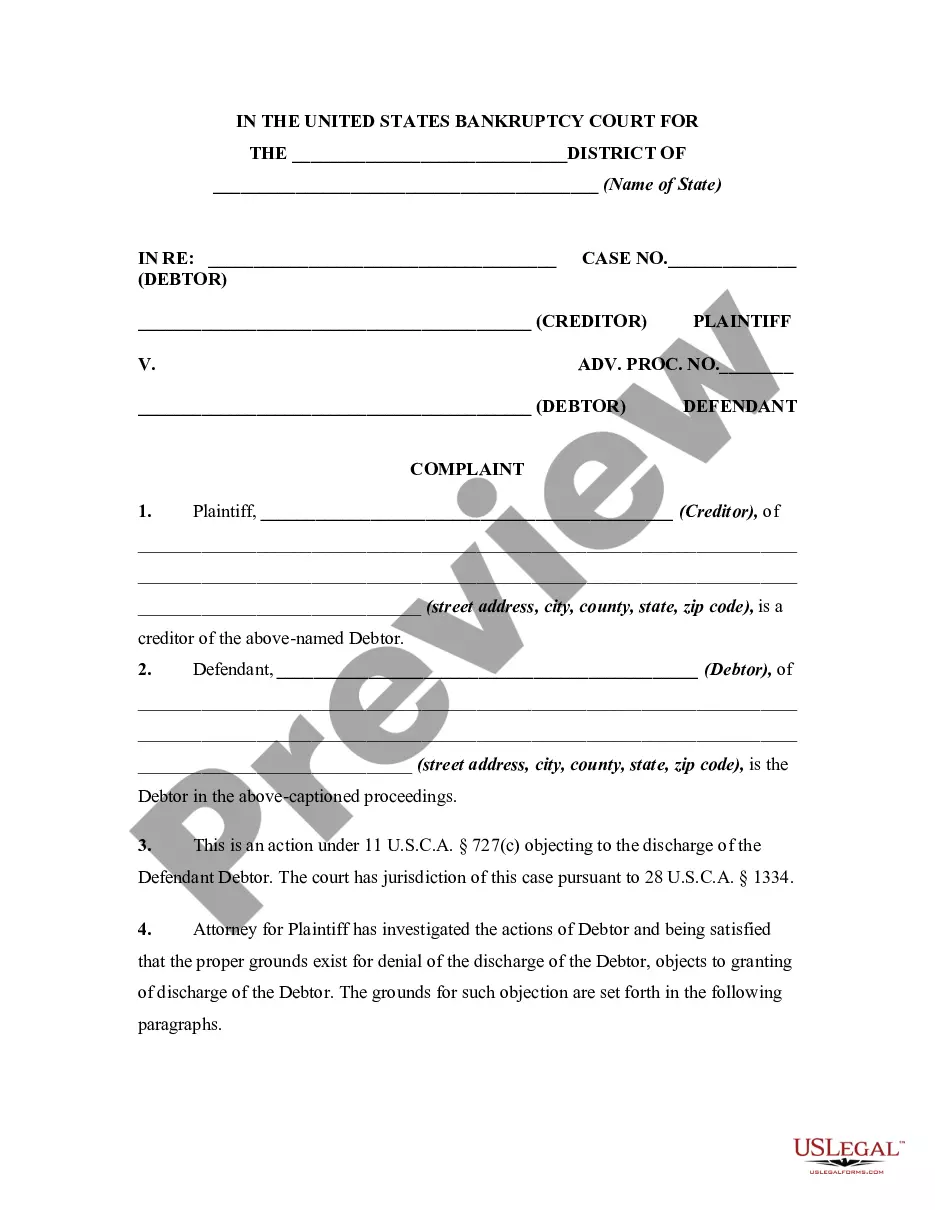
How to fill out Complaint Objecting To Discharge In Bankruptcy Proceedings For Concealment By Debtor And Omitting From Schedules Fraudulently Transferred Property?
- If you're already a user of US Legal Forms, log in to your account and click the Download button to access your required bankruptcy schedule, ensuring your subscription is current. If it's expired, please renew it according to your payment plan.
- For new users, begin by reviewing the form descriptions and Preview mode to confirm you've selected the appropriate bankruptcy schedule that aligns with your jurisdiction's requirements.
- If necessary, utilize the Search tab to find an alternate form. Make sure it's suitable before proceeding.
- Purchase the selected document by clicking the Buy Now button and choose a subscription plan that fits your needs. An account registration is required to access the form library.
- Complete your purchase by entering your payment information through a credit card or PayPal.
- Finally, download the completed template onto your device and find it in the My Forms section whenever you need it.
US Legal Forms stands out with its extensive collection of legal forms, providing more options than competitors at a similar cost. With over 85,000 fillable and editable documents, you can find exactly what you need.
Take advantage of this robust resource today! Start streamlining your legal document processes with US Legal Forms and ensure your bankruptcy schedules for 202 are handled accurately.
Form popularity
FAQ
Many individuals wonder if they can file for bankruptcy without visiting a court. While you cannot avoid the court process entirely, using a reliable platform like USLegalForms enables you to prepare all necessary bankruptcy schedules for 202 efficiently. You can handle most of the paperwork online, but a court will still need to review and approve your filing.
The fastest way to file for bankruptcy involves preparing your bankruptcy schedules for 202 accurately and promptly. Utilizing online resources, like USLegalForms, can streamline this process by providing pre-filled templates that help you complete the required forms quickly. Once you have your documentation ready, you can file electronically, which generally accelerates the process.
You can obtain forms to file for bankruptcy from various sources. One of the most reliable sources is the USLegalForms platform, where you can easily access the necessary bankruptcy schedules for 202. This platform provides a range of forms tailored to your specific circumstances, ensuring you have everything you need to proceed smoothly.
Chapter 7 bankruptcy is known for clearing most types of unsecured debt, offering a fresh start. This process can eliminate debts like credit card bills and medical expenses, but it may not include some obligations, such as child support or certain taxes. Understanding the nuances of bankruptcy schedules for 202 can help you identify which debts can be discharged and what remains afterward.
Determining whether to file Chapter 7 or Chapter 13 depends on your financial goals. Chapter 7 allows for quick debt discharge, but may require the liquidation of some assets. Chapter 13, however, enables you to keep your property while repaying debts over time. As you weigh your options, consider how bankruptcy schedules for 202 reflect your overall strategy.
Schedules I and J are essential components of bankruptcy filings. Schedule I details your income, while Schedule J outlines your monthly expenses. Together, they provide a clear picture of your financial state, helping the court evaluate your ability to repay debts. Preparing accurate bankruptcy schedules for 202 is crucial for a successful filing.
Choosing between Chapter 11 and Chapter 13 depends on your financial situation. Chapter 11 typically benefits larger businesses or individuals with significant debt, allowing for a more complex restructuring plan. In contrast, Chapter 13 is generally better for individuals with a steady income who wish to repay debts over time. Review your options carefully, as understanding bankruptcy schedules for 202 can guide you in selecting the right path.
The income level for filing bankruptcy varies based on the median income in your state and your household size. If your income exceeds the median, you may have to take a means test to determine eligibility for Chapter 7 bankruptcy. Knowing your income level helps in effectively completing your bankruptcy schedules for 202, as they provide a detailed overview of your financial situation.
Bankruptcy does not discharge certain types of debts, including child support, alimony, certain taxes, and most student loans. While bankruptcy can provide relief from many obligations, it is crucial to know which debts remain unaffected. Understanding these limitations can guide you in preparing your bankruptcy schedules for 202, helping you chart a realistic path toward financial freedom.
Certain factors can disqualify you from filing for bankruptcy, including previous bankruptcies filed within a specific time frame, failing to complete credit counseling, and not providing accurate financial information. If you have filed for bankruptcy multiple times in a short period, you may face a bar on filing again. Familiarizing yourself with the requirements can enhance your understanding of bankruptcy schedules for 202, enabling you to navigate the process effectively.