Bankruptcy Debtor For Nonprofits
Description
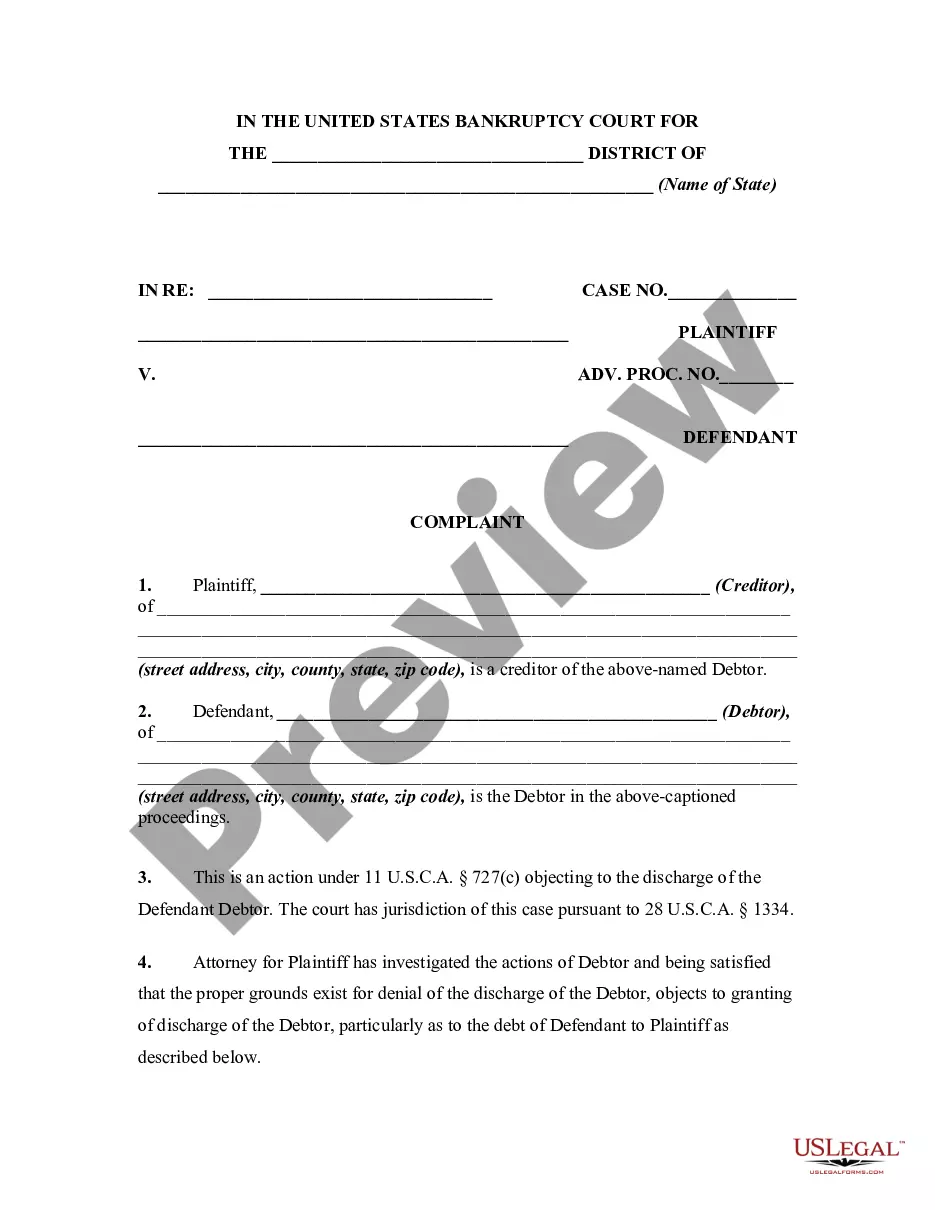
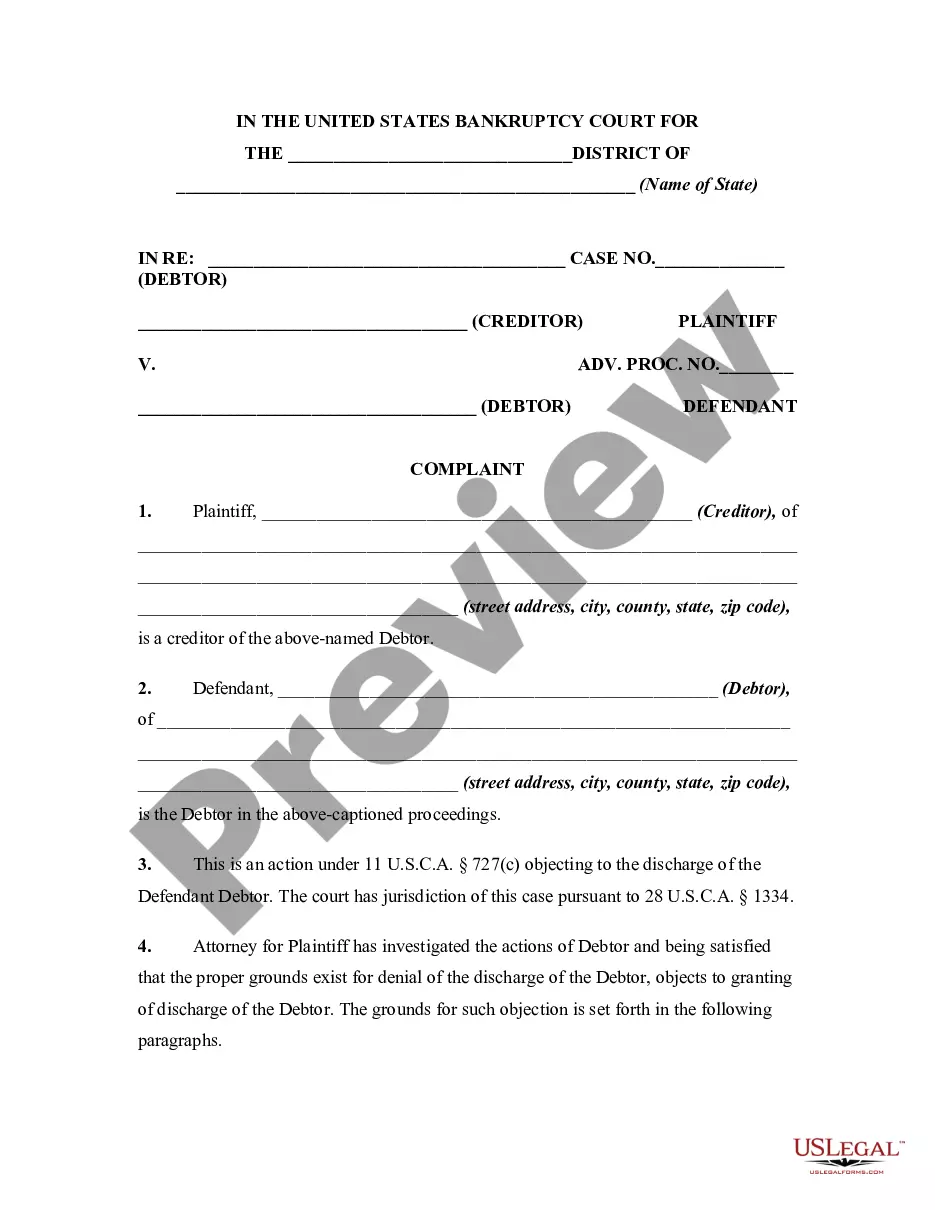
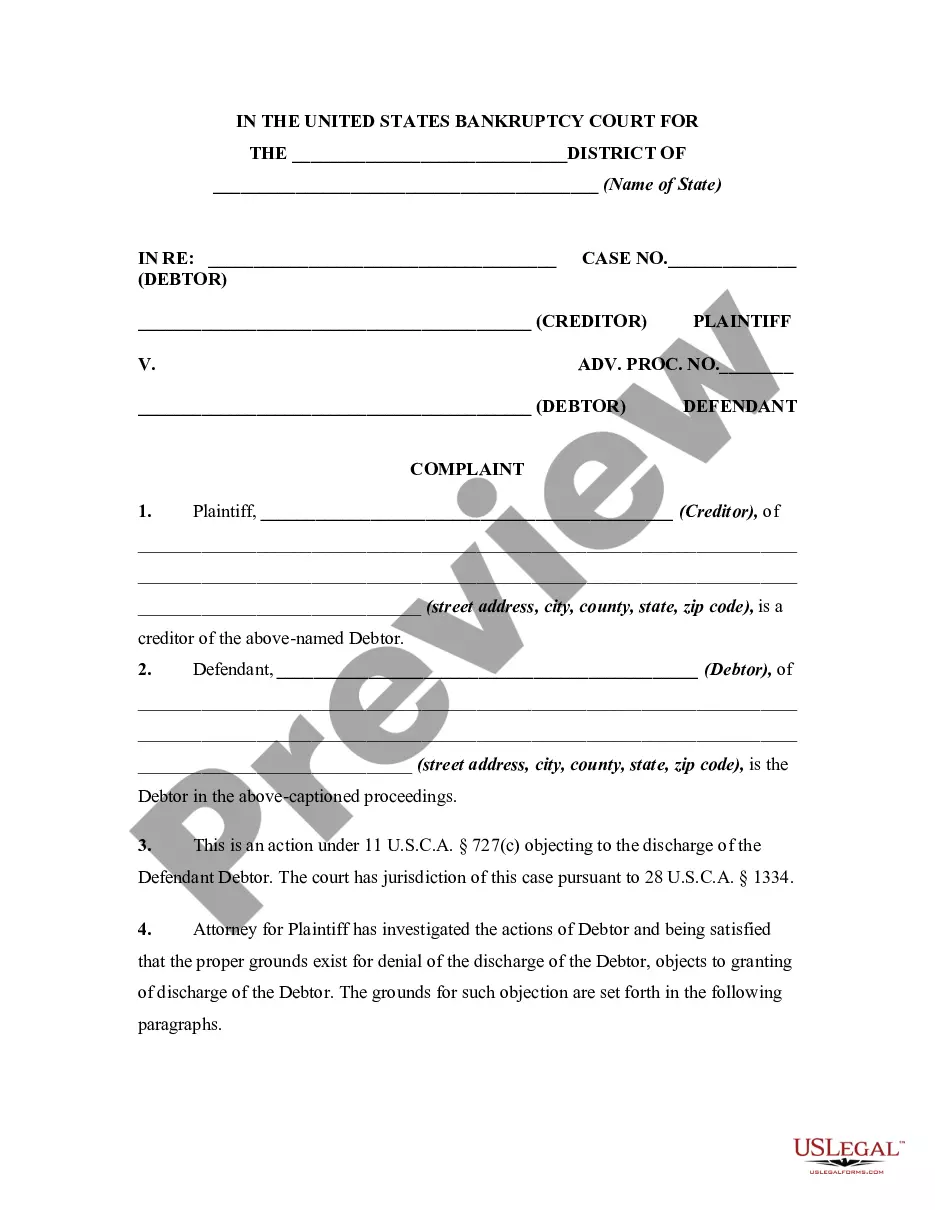
Get your form ready online
Our built-in tools help you complete, sign, share, and store your documents in one place.
Make edits, fill in missing information, and update formatting in US Legal Forms—just like you would in MS Word.
Download a copy, print it, send it by email, or mail it via USPS—whatever works best for your next step.
Sign and collect signatures with our SignNow integration. Send to multiple recipients, set reminders, and more. Go Premium to unlock E-Sign.
If this form requires notarization, complete it online through a secure video call—no need to meet a notary in person or wait for an appointment.
We protect your documents and personal data by following strict security and privacy standards.

Make edits, fill in missing information, and update formatting in US Legal Forms—just like you would in MS Word.

Download a copy, print it, send it by email, or mail it via USPS—whatever works best for your next step.

Sign and collect signatures with our SignNow integration. Send to multiple recipients, set reminders, and more. Go Premium to unlock E-Sign.

If this form requires notarization, complete it online through a secure video call—no need to meet a notary in person or wait for an appointment.

We protect your documents and personal data by following strict security and privacy standards.
Looking for another form?




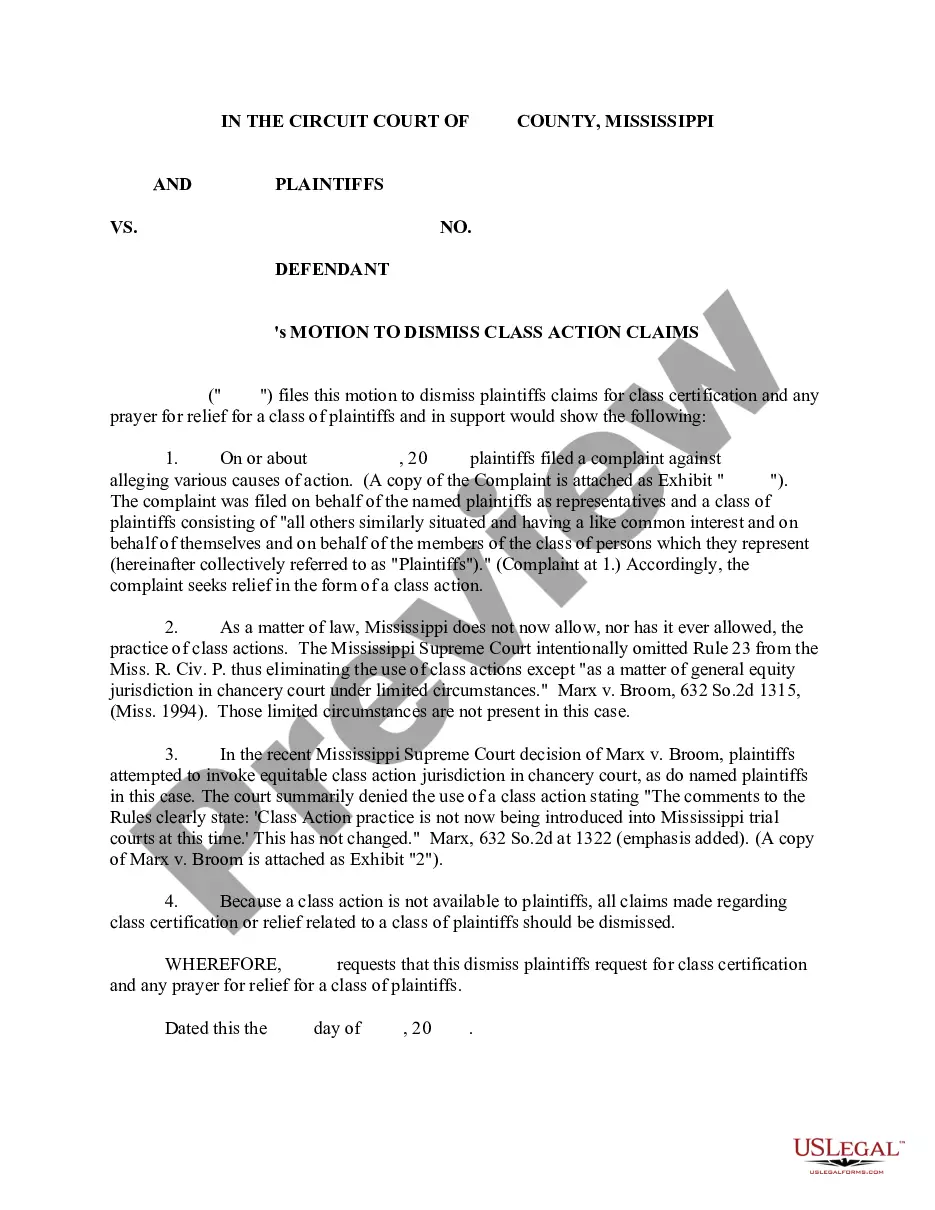





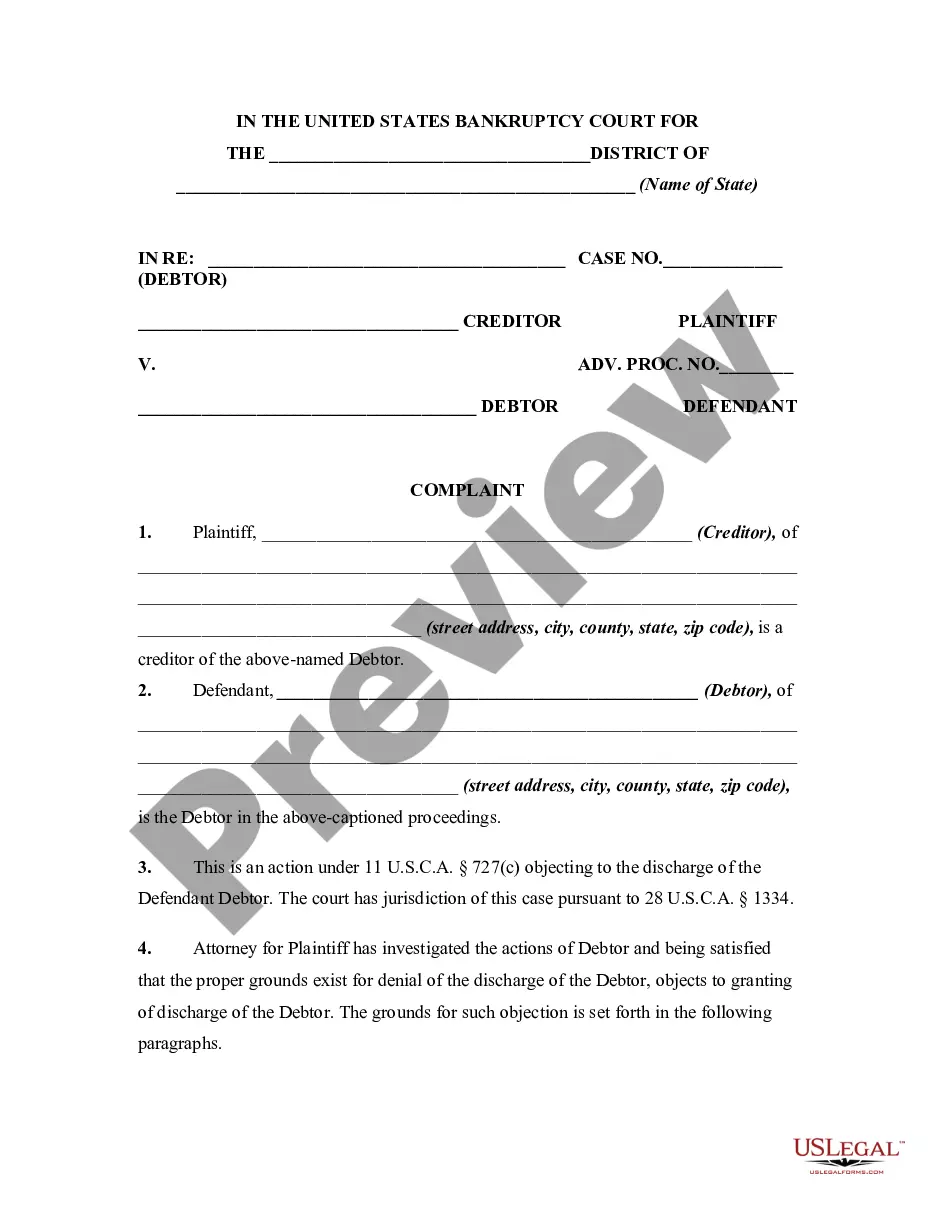
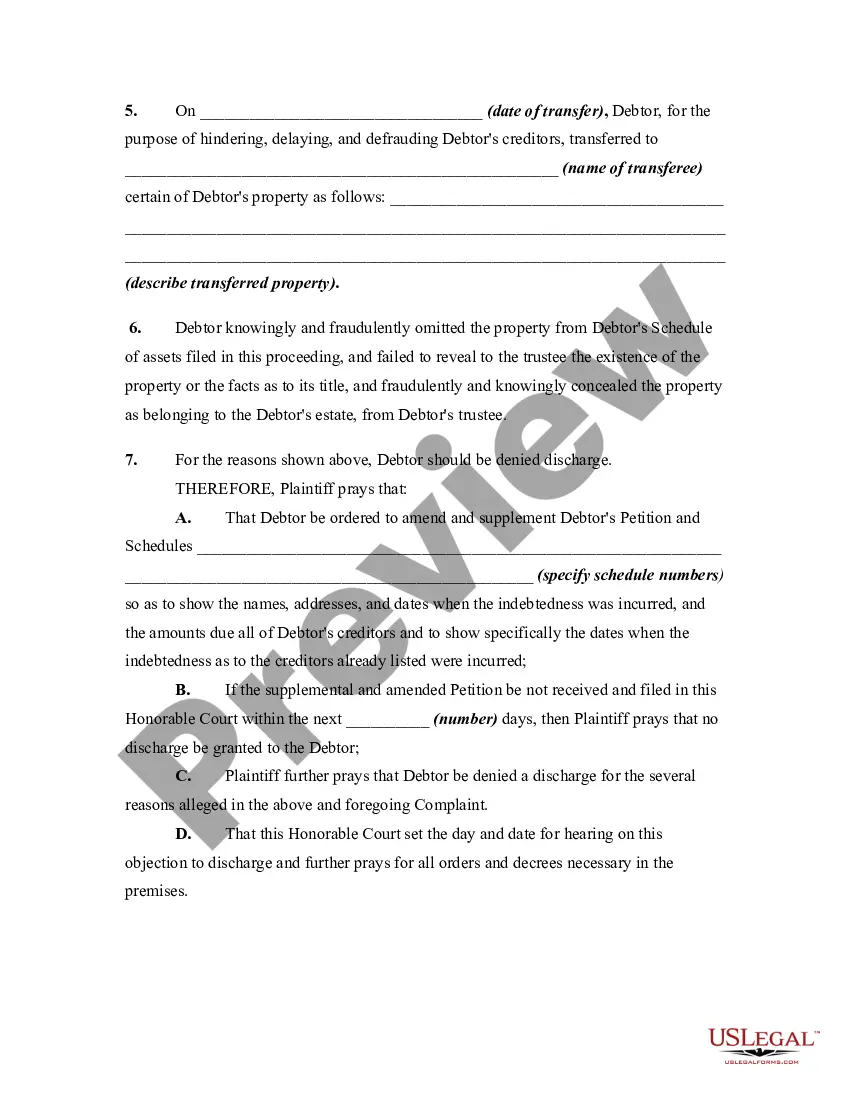
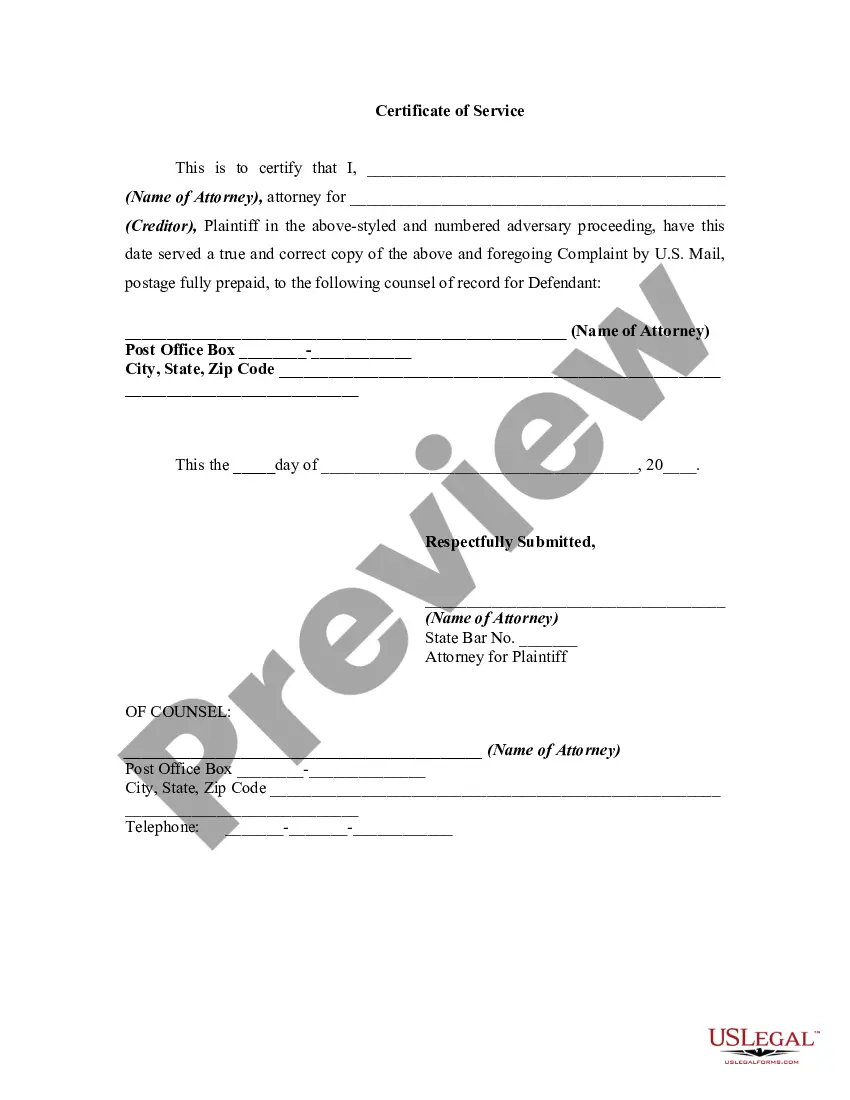
How to fill out Complaint Objecting To Discharge In Bankruptcy Proceedings For Concealment By Debtor And Omitting From Schedules Fraudulently Transferred Property?
- If you're a returning user, log in to your account and directly download the required form by clicking the Download button. Make sure your subscription is active, or renew it if necessary.
- For first-time users, begin by checking the Preview mode and form description to confirm that you select the right document corresponding to your local jurisdiction.
- If you find discrepancies in your chosen form, utilize the Search tab above to discover the appropriate template that meets your requirements.
- Once you have the right document, click the Buy Now button and select your preferred subscription plan. Registration is necessary for access to our extensive library.
- Proceed to make your payment using your credit card or PayPal account to complete your subscription.
- After purchasing, download your form and save it on your device. You can access and complete it anytime through the My Forms section in your profile.
In conclusion, US Legal Forms is empowered to facilitate the legal documentation process for nonprofits dealing with bankruptcy. With an extensive library and expert support, you can ensure that your forms are both accurate and compliant.
Don't hesitate—visit US Legal Forms today to access your bankruptcy debtor forms and make the process easier!
Form popularity
FAQ
The nonprofit's board of directors holds the primary legal responsibility for the organization's actions. This includes overseeing financial transactions and ensuring compliance with laws and regulations. If the nonprofit encounters bankruptcy, the board must manage the situation carefully to mitigate risks. For guidance, nonprofits can utilize tools and templates from USLegalForms to ensure sound governance and legal accountability.
Typically, the nonprofit organization itself is responsible for its debts, not its individual board members or volunteers. However, in cases where the organization acts as a bankruptcy debtor for nonprofits, board members may face scrutiny regarding financial decisions. Knowing your organization's structure and financial obligations is important. USLegalForms offers valuable resources to help nonprofits manage their debt and compliance effectively.
Nonprofit board members generally serve without personal liability for the organization's debts. However, if the nonprofit is a bankruptcy debtor, certain instances may lead to personal accountability, especially if there has been negligence or illegal activity. To navigate this complex landscape, it's crucial to consult with legal professionals familiar with nonprofit law. Using resources like USLegalForms can help boards understand their responsibilities better.
In general, the nonprofit organization itself is responsible for its debts, not the individual board members or volunteers. However, if there is negligence or illegal activity at the management level, personal liability may occur. Understanding this aspect is crucial for those involved in a nonprofit, especially when facing the possibility of becoming a bankruptcy debtor for nonprofits. Legal services can help clarify these responsibilities and protect the organization.
Non-profits can encounter financial difficulties due to several reasons such as mismanagement of funds, declining donations, or unexpected expenses. When expenses exceed income, they may find themselves unable to meet their obligations. This situation can lead organizations to consider becoming a bankruptcy debtor for nonprofits. Seeking assistance from legal experts can provide guidance on navigating these challenges.
To file for bankruptcy debt, you will need to prepare and submit a petition and a comprehensive set of financial documents to the bankruptcy court. This process can be complex, especially for nonprofits, which is why utilizing a platform like US Legal Forms can be valuable. They provide templates and guidance, making the filing process simpler and more straightforward.
A debtor carries the responsibility of staying compliant with legal requirements and communicating with creditors throughout the bankruptcy process. It is vital to manage indicative financial actions and adhere to the repayment plan if one is established. Nonprofits facing bankruptcy need to remain aware of these responsibilities to navigate challenges effectively.
Under 11 US Code 521, a bankruptcy debtor must file required documents, such as schedules of assets and liabilities, and provide income documentation. This code emphasizes the need for full disclosure of financial situations. For nonprofits acting as bankruptcy debtors, compliance with these duties fosters trust and may lead to a more favorable resolution.
The duties of a debtor in bankruptcy include providing accurate financial statements and operating transparently during the proceedings. Additionally, the debtor must remain honest and cooperate with the bankruptcy trustee. Nonprofits serving as bankruptcy debtors must take these responsibilities seriously to achieve a beneficial outcome.
A debtor in possession has the authority to manage their assets while undergoing bankruptcy proceedings. This role allows the debtor to continue operating the organization, maintaining control of its property, and making decisions regarding daily operations. As a bankruptcy debtor for nonprofits, understanding these powers can help ensure a smoother transition through the bankruptcy process.